Kingflex Kingflex

Best Heat Insulation Tube for Global Buyers in 2026?

Time:2026-08-30 Author:Sienna
0%

In 2026, the demand for Heat Insulation Tubes is poised to rise dramatically. Industry reports indicate an increase in insulation material usage by over 15% globally. This growth is driven by heightened energy efficiency standards and sustainable building practices. Experts predict that the Heat Insulation Tube market will exceed $3 billion by the end of this decade.

Dr. Alan Meyer, a leading authority in thermal insulation technologies, emphasizes, "The right insulation solutions can significantly reduce energy loss in buildings." His insights underline the crucial role that Heat Insulation Tubes play in achieving better energy efficiency. As global buyers search for high-quality materials, the focus on product durability and thermal performance becomes essential.

Despite the positive outlook, challenges remain. Variability in raw material prices and evolving regulations pose risks to manufacturers and consumers alike. Furthermore, product selection can be daunting. Buyers need reliable information to navigate the market effectively. The journey to find the best Heat Insulation Tube is complex, yet crucial for energy-conscious consumers.
Best Heat Insulation Tube for Global Buyers in 2026?

Overview of Heat Insulation Tubes and Their Importance

Heat insulation tubes play a crucial role in energy efficiency across various sectors. Their primary function is to minimize heat transfer, which can reduce energy consumption significantly. According to industry reports, buildings can save up to 30% in energy costs when utilizing high-quality insulation materials. This statistic underscores the importance of selecting the right insulation type.

One common misconception is that all insulation materials perform similarly. However, factors like thermal conductivity, durability, and installation ease vary greatly. Recent data shows that advanced materials can outperform traditional options by up to 50% in thermal resistance. This gap highlights the need for buyers to carefully evaluate their choices based on specific requirements.

While the market is flooded with options, quality questions arise. Many consumers may not be aware of the long-term benefits of investing in superior insulation products. For instance, lower-cost tubes may degrade faster, leading to increased maintenance costs over time. Therefore, buyers must reflect on their priorities. Balancing immediate costs with long-term energy savings will ultimately guide better purchasing decisions.

Key Materials Used in Manufacturing Heat Insulation Tubes

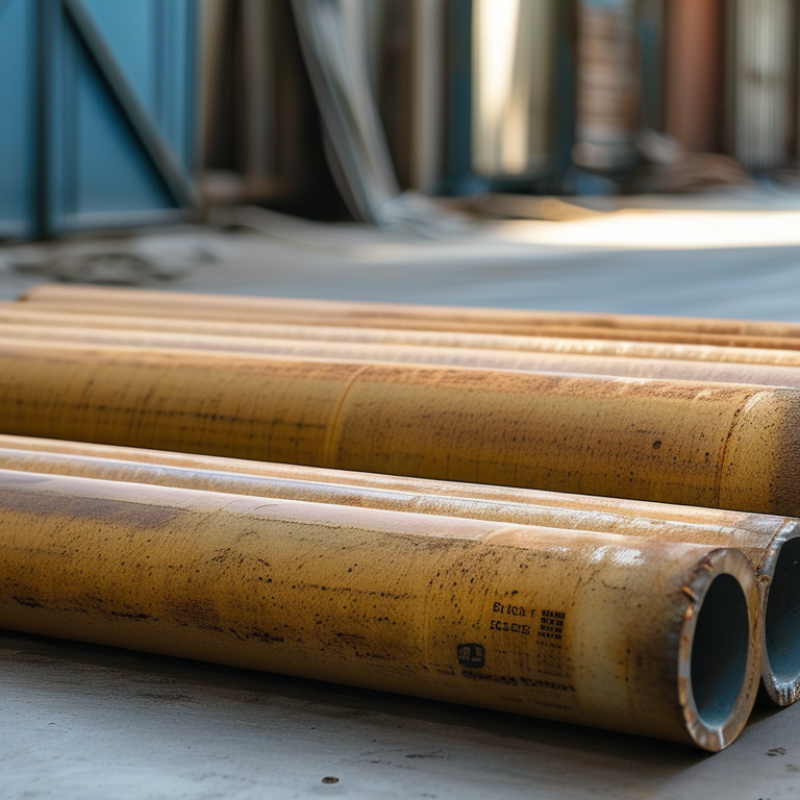
Heat insulation tubes are essential for various applications, from industrial to residential. The materials used in manufacturing these tubes significantly impact their effectiveness and durability. One common material is polyurethane foam. This foam is lightweight yet offers excellent thermal resistance. It can maintain temperatures efficiently in heating and cooling systems. However, not all polyurethane foams are created equal. Some may degrade over time or lose efficiency, which is a concern for long-term applications.

Another prevalent material is fiberglass. Known for its high thermal insulation properties, fiberglass is used extensively in commercial settings. It can withstand high temperatures and is resistant to moisture. The downside is that fiberglass can be more rigid and less flexible, which limits its application in tighter spaces. Additionally, the installation process may require careful handling to avoid skin irritation.

Polystyrene is also worth noting. It is lightweight and has good thermal performance. While it is widely used, it can be susceptible to damage from UV light over time. This raises questions about its longevity in outdoor applications. Buyers must consider these factors to make informed decisions about the best insulation tubes for their needs in 2026.

Best Heat Insulation Tube for Global Buyers in 2026? - Key Materials Used in Manufacturing Heat Insulation Tubes

Material Type Thermal Conductivity (W/m·K) Density (kg/m³) Max Temperature (°C) Common Applications
Polyurethane Foam 0.020 - 0.025 30 - 40 110 HVAC systems, refrigeration
Fiberglass 0.035 - 0.040 120 - 150 200 Pipes, vessels, tanks
Cellular Glass 0.040 - 0.045 120 - 200 450 Cryogenic applications, industrial plants
Polyethylene Foam 0.033 - 0.037 30 - 50 90 HVAC, plumbing
Mineral Wool 0.038 - 0.045 80 - 120 600 Building insulation, industrial applications

Market Trends and Specifications for Global Buyers in 2026

In 2026, global buyers are likely to focus on key market trends in heat insulation tubes. With sustainability on the rise, eco-friendly materials are gaining popularity. Buyers should consider the thermal resistance and longevity of insulation materials. These factors impact energy efficiency.

Effective insulation can significantly reduce heating costs. Therefore, selecting tubes with high performance ratings is essential. For industrial applications, proper sizing and fitting ease can enhance overall efficiency.

It's also important to stay updated on regulatory changes. Compliance with environmental regulations influences material choices. Ignoring these updates may result in costly setbacks. Gathering insights from industry professionals can provide clarity. Engaging with certified experts can guide informed purchasing decisions, ensuring high-quality insulation solutions tailored to specific needs.

Factors to Consider When Selecting Heat Insulation Tubes

When selecting heat insulation tubes, several key factors are essential. Material choice plays a significant role. Common options include foam, fiberglass, and elastomeric materials. Each of these has distinct thermal resistance properties. Foam, for instance, is lightweight and has excellent insulation capabilities. However, it may not be suitable in environments with high humidity. Fiberglass can handle extreme temperatures well, but it can be more challenging to install. Always consider the application environment when selecting the material.

Another critical factor is the thermal conductivity value. Lower values indicate better insulating properties. Buyers should look for products with tested and verified ratings. Durability is also paramount. Insulation tubes must withstand physical wear and environmental factors. This ensures longevity and efficiency in performance. Yet, it is often overlooked. Some products promise high durability but lack rigorous testing.

Further, the size and fit of the tubes matter. Proper insulation requires accurate measurements. A poorly fitting tube can lead to significant heat loss. Many overlook this aspect, which can ultimately affect energy efficiency. It's wise to assess installation requirements thoroughly. This will help ensure that the selected insulation tube meets your specific needs and applications effectively.

Heat Insulation Tube Preferences in 2026

Top Brands and Products in the Heat Insulation Tube Market

The heat insulation tube market is evolving rapidly. In 2026, choosing the right product is essential for buyers worldwide. Many brands offer a variety of options, all catering to different needs. Each aims to improve thermal performance while ensuring durability. When selecting a heat insulation tube, consider the material quality and performance ratings.

Top brands focus on innovative designs and sustainable materials. This trend emphasizes energy efficiency and environmental impact. Buyers should look for certifications that indicate reliability and performance standards. The price point also varies. It often reflects the technology used in the product. Sometimes, higher costs might not equate to better performance.

While meeting specific needs, not every brand or product will be suitable. Some may lack comprehensive testing, causing potential issues post-installation. It’s essential for buyers to research user reviews. Understanding product limitations and performance can prevent regrets later. Balancing quality, cost, and environmental sustainability will be key.

FAQS

: What are heat insulation tubes made of?

: Common materials include polyurethane foam, fiberglass, and polystyrene. Each offers unique thermal resistance.

How does polyurethane foam perform?

It is lightweight and provides excellent thermal resistance. However, it may degrade over time.

What are the benefits of fiberglass insulation tubes?

Fiberglass withstands high temperatures and moisture. But it can be rigid and less flexible.

Are there drawbacks to using polystyrene?

Yes, polystyrene can be damaged by UV light. Its longevity in outdoor applications may be limited.

Why is material choice important?

Different materials have distinct thermal resistance properties. It's essential to match the material to the application.

What should I check for in thermal conductivity?

Look for lower thermal conductivity values. This indicates better insulating properties for the tubes.

How important is durability in insulation tubes?

Very important. Durability ensures the tubes withstand wear and environmental factors. Many buyers overlook this.

Does size and fit affect insulation performance?

Yes, a poorly fitting tube can lead to heat loss. Accurate measurements are crucial for efficiency.

What should I consider for installation?

Assess installation requirements carefully. This will ensure that the insulation fits and performs as needed.

Can some insulation options cause irritation during installation?

Yes, fiberglass can irritate skin. Careful handling is necessary to avoid discomfort during installation.

Conclusion

In the evolving market of 2026, the demand for Heat Insulation Tubes continues to grow due to their critical role in energy efficiency and thermal management across various industries. These tubes are manufactured using key materials such as fiberglass, polyethylene, and rubber, each contributing unique thermal resistance properties. Global buyers must be aware of current market trends and specifications to select products that meet their specific needs effectively.

When choosing Heat Insulation Tubes, there are several essential factors to consider, including insulation performance, durability, and environmental impact. With numerous options available, it's crucial for buyers to evaluate products based on these criteria to ensure optimal performance in their applications. By staying informed about industry developments and innovations, buyers can make educated decisions that enhance operational efficiency and sustainability.

Sienna

Sienna

Sienna is a skilled marketing professional with a deep expertise in our company’s core products and services. With a passion for innovation and detail, she plays a pivotal role in crafting insightful blog posts that not only highlight the unique features of our offerings but also provide valuable......