 Kingflex
Kingflex
Kingflex
Explore our certified elastomeric and cryogenic thermal insulation systems designed for diverse industrial applications.
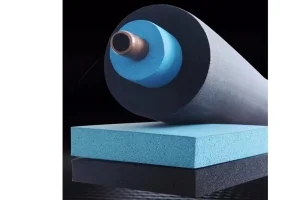
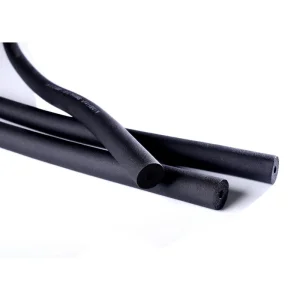
In the contemporary realm of civil engineering, industrial design, and energy management systems, the imperative for thermal efficiency is unprecedented. The global market for closed-cell elastomeric rubber foam insulation and its associated accessories is growing significantly, driven by systemic shifts toward sustainable infrastructures, rigorous HVAC energy conservation codes, and cryogenic application growth. Broadly formulated using Nitrile Butadiene Rubber (NBR) blended with Polyvinyl Chloride (PVC), rubber foam insulation is valued for its inherent moisture resistance, low thermal conductivity, and outstanding flexibility across fluctuating operational conditions.
Rubber foam insulation accessories—including specialized vapor barrier tapes, high-strength contact adhesives, aluminum foil cladding, and pre-fabricated pipe hangers—play a critical role in these thermal protection systems. The integrity of an entire insulation envelope is only as strong as its weakest joint. Improperly sealed transitions, elbows, or joints in commercial air distribution channels or chilled-water pipelines will inevitably lead to moisture ingress, thermal bridging, and the propagation of mold or corrosion under insulation (CUI). As a result, EPC contractors and HVAC system designers prioritize premium thermal accessories to ensure consistent thermal efficiency and system longevity.
Across North America, Europe, the Middle East, and Asia Pacific, engineers face differing challenges: high relative humidity regions demand accessories with extremely high resistance to moisture vapor permeability, while sub-zero industrial process lines require specialized low-temperature resilience. Understanding these requirements, top manufacturers have transitioned from producing simple insulation boards and tubes to creating integrated, systems-level thermal management assemblies. These unified portfolios ensure that components match in performance, expansion coefficient, chemical compatibility, and fire classification, reducing field failure rates and building maintenance costs.
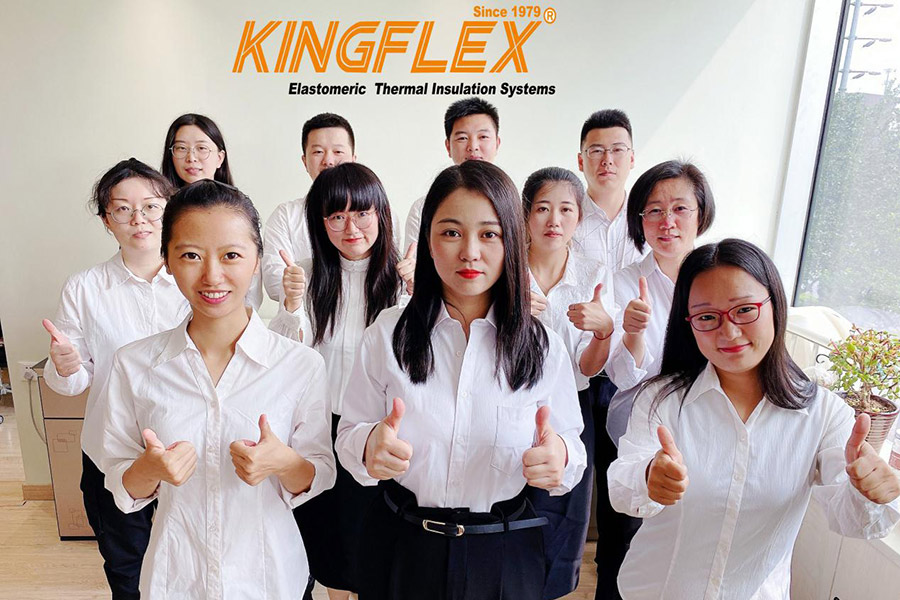
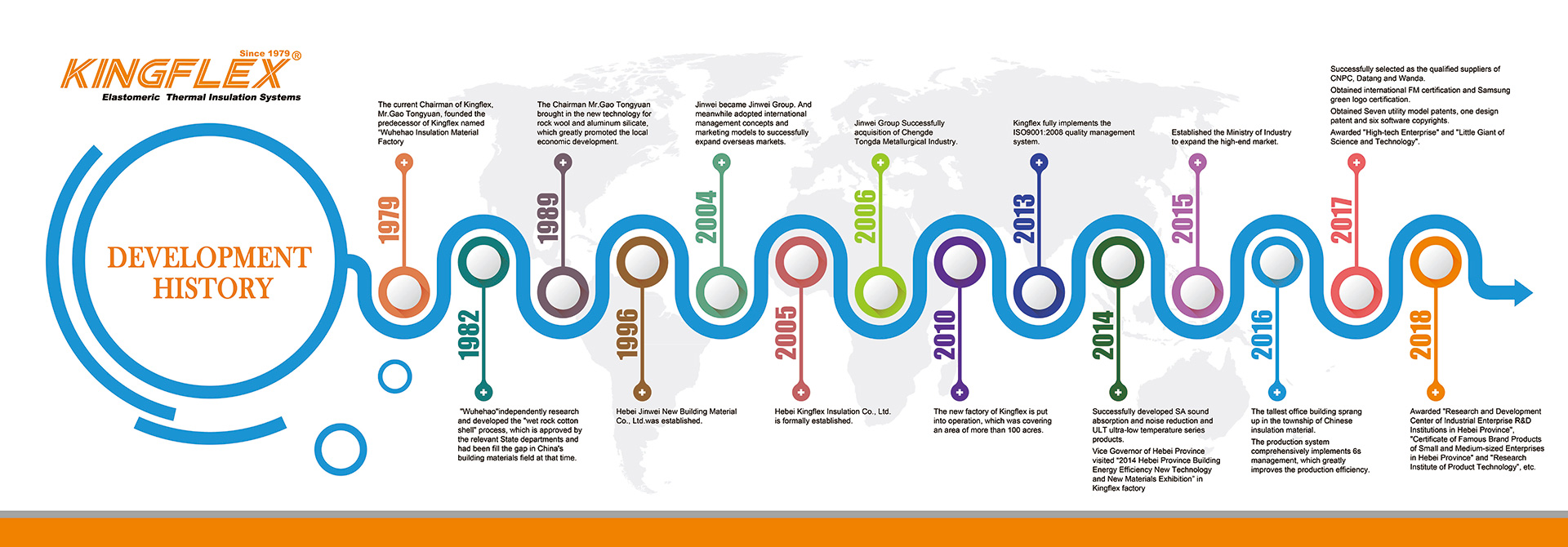
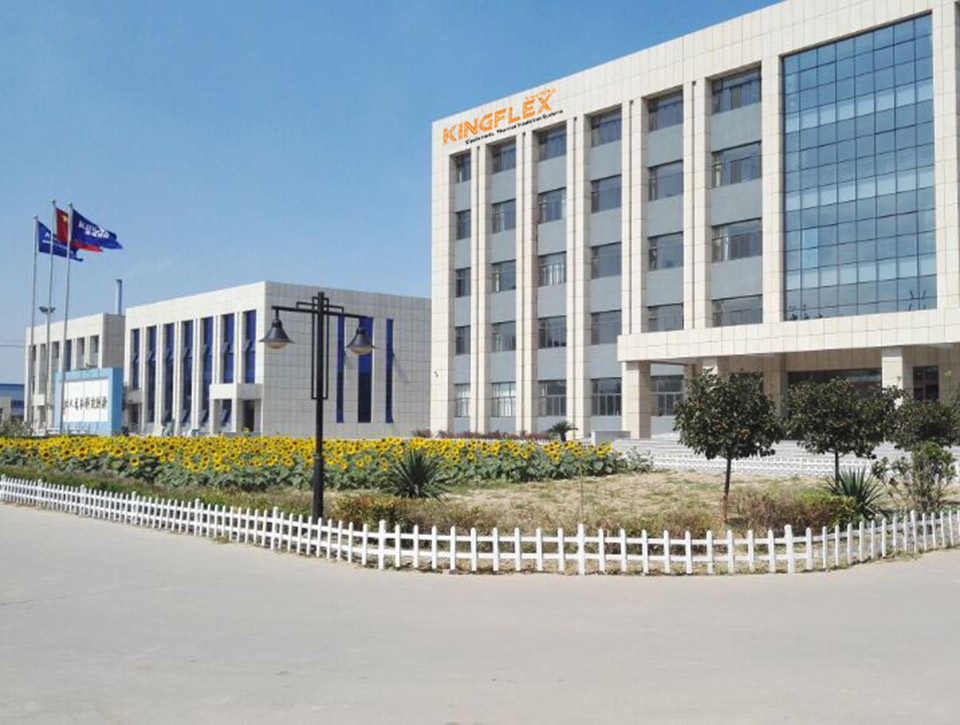
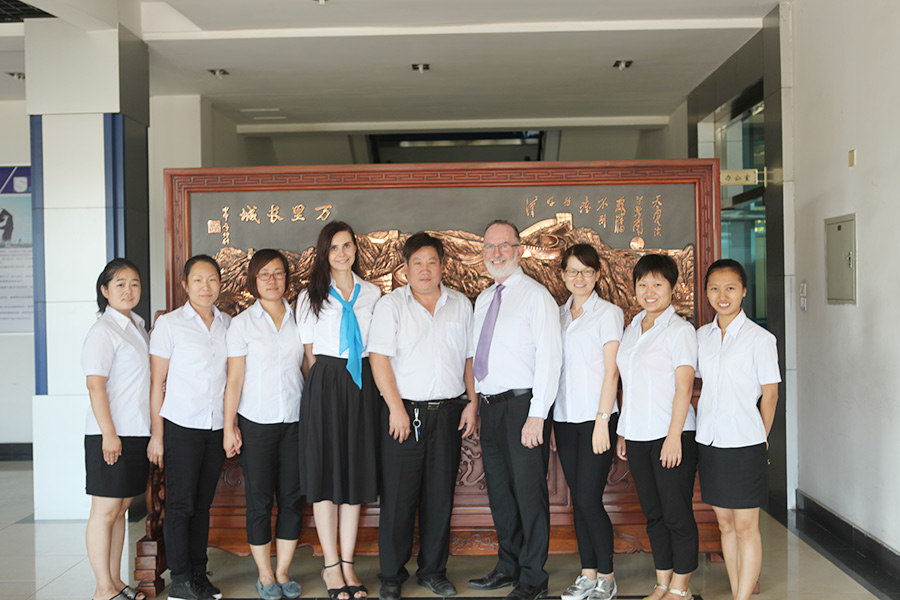
Kingflex Insulation Co., Ltd. is a leading manufacturer and exporter of high-performance thermal insulation solutions. Established as part of the prestigious Jinwei Group, which has a heritage spanning over 40 years since its founding in 1979, Kingflex holds a pioneer position in Northern China. As the first major manufacturer of thermal insulation materials north of the Yangtze River, we have helped shape the industry's trajectory and standardizations.
Strategically situated in Dacheng, China—a globally recognized hub for green building materials development—Kingflex operates an eco-friendly manufacturing base. We focus on energy conservation, ecological preservation, and clean production technology. Our operations range from early-stage chemical formulation and extrusion research to high-volume manufacturing, custom fabrication, and expert post-sale field consultation.
Currently, the factory operates 5 large-scale automated assembly lines. These computerized lines maintain a continuous output exceeding 600,000 cubic meters annually. This capacity makes Kingflex a designated manufacturing partner for major national energy departments, petrochemical complexes, and power plants. Over the past 16 years, our export division has expanded our reach to over 66 countries, adapting to diverse regional regulatory requirements, maritime logistics standards, and environmental certifications.
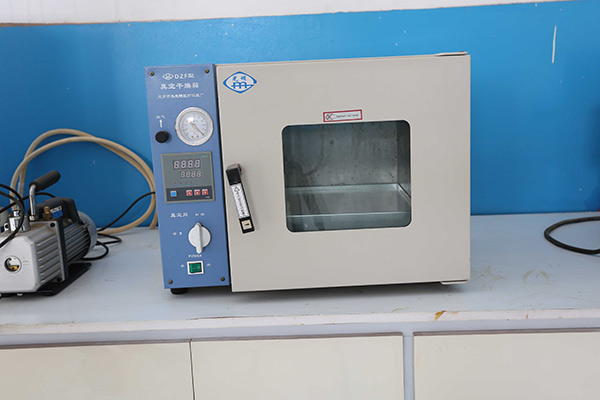
Continuous R&D is vital to Kingflex's engineering success. Our dedicated R&D division, staffed by 8 senior thermal materials engineers, works to optimize the chemical formulation of our NBR/PVC elastomeric structures. The physical properties of rubber foam insulation depend heavily on its internal micro-cellular morphology. Kingflex's proprietary gas-injection and vulcanization processes produce a closed-cell ratio exceeding 98%. This high concentration of closed cells traps dry air, lowering thermal conductivity while preventing moisture migration.
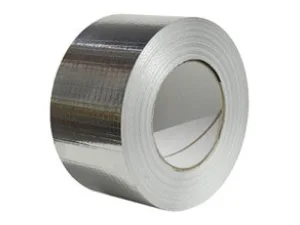
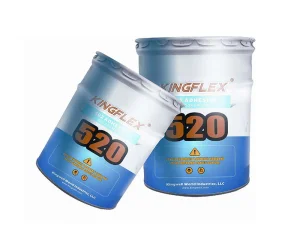
To support this high-performance core, Kingflex manufactures accessory products that match the longevity of the base insulation. For example, our Kingflex 520 contact adhesive is formulated with select rubbers and solvents to form a strong bond with NBR/PVC, resisting high vapor pressure. Our aluminum foil claddings are laminated with robust fiberglass scrims to prevent physical puncture, providing UV protection in outdoor environments.

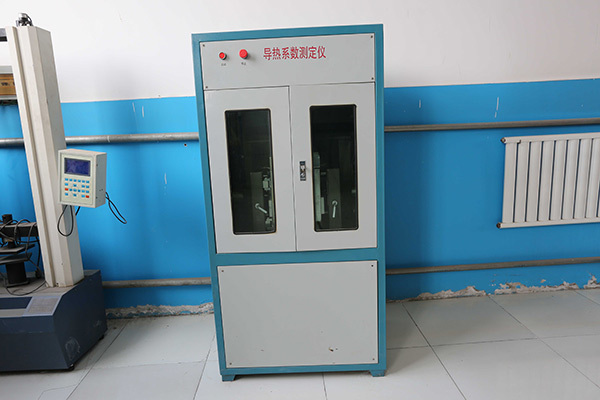

Kingflex's products comply with international testing standards, providing reliability for building designers, facility engineers, and contractors. We hold recognized quality and environmental safety certifications, demonstrating our compliance with global export standards.
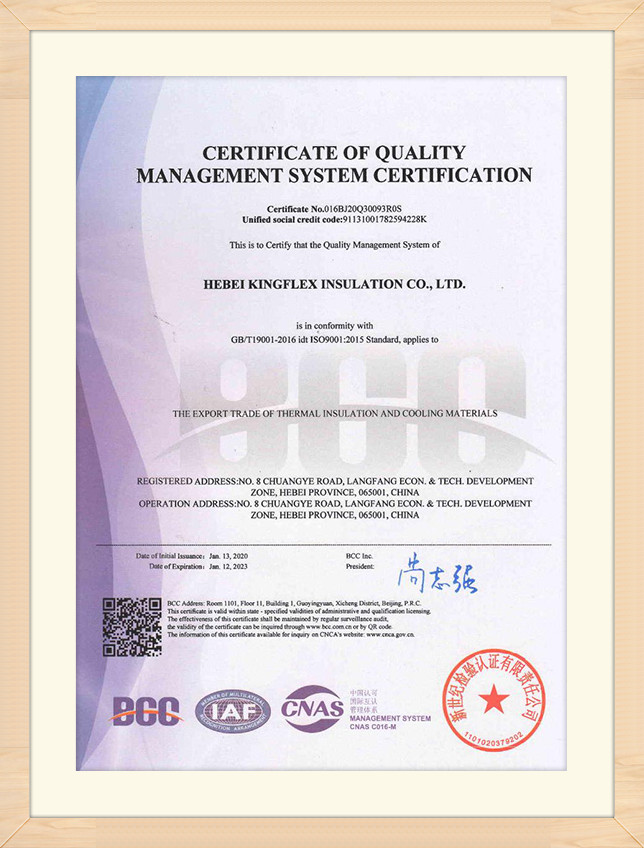
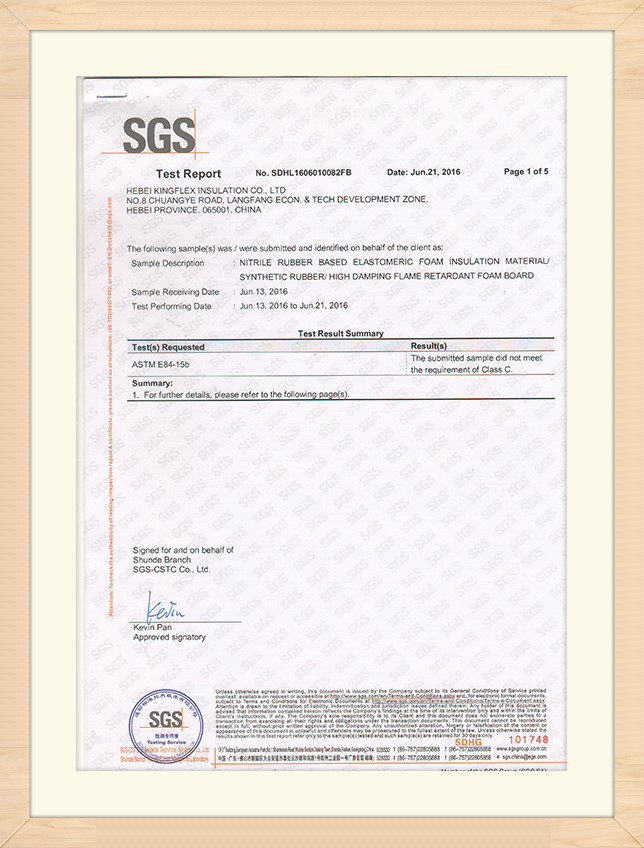
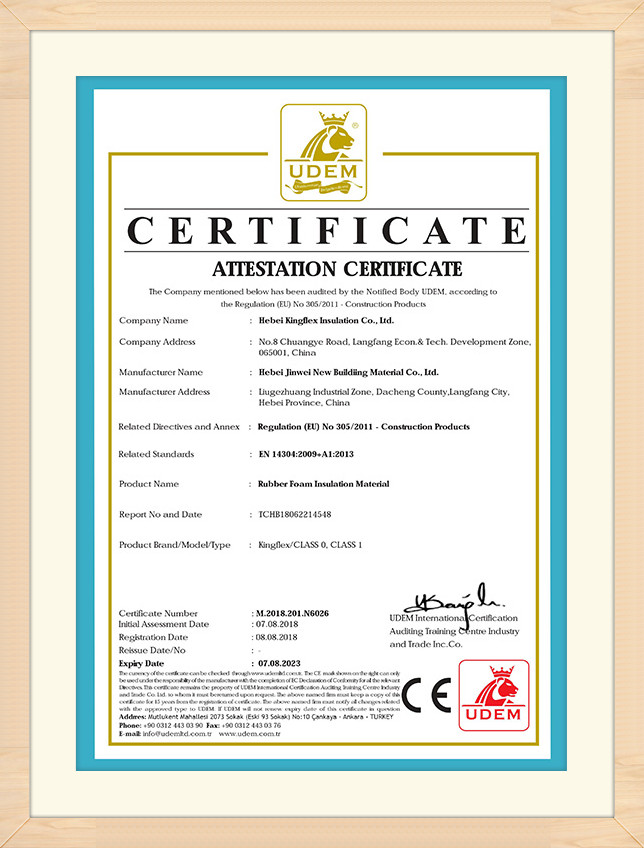
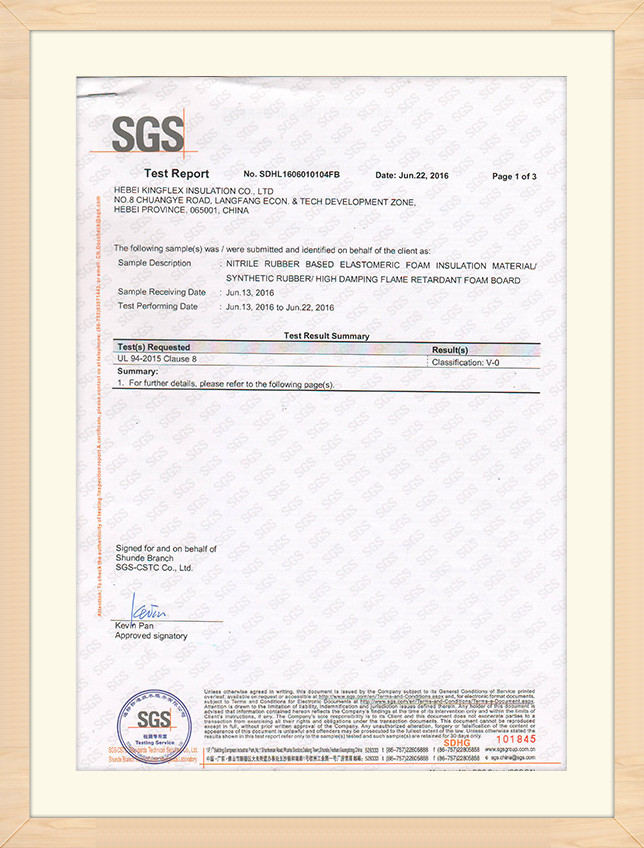
Selecting the correct insulation material requires a thorough review of technical performance values. Different applications—such as large-scale HVAC piping, chilled water lines, cryogenic processing plants, or acoustic treatment partitions—demand specific material profiles. The table below outlines the core properties of Kingflex elastomeric insulation products:
| Physical Property | Standard Reference | Measured Value / Classification | Engineering Benefit |
|---|---|---|---|
| Closed-Cell Ratio | ASTM D2856 | > 98% | High resistance to moisture absorption, preventing condensation. |
| Thermal Conductivity (λ) | ASTM C518 / ISO 8301 | ≤ 0.034 W/(m·K) at 0°C | Excellent thermal efficiency, reducing heat loss/gain. |
| Water Vapor Permeability | ASTM E96 / BS EN 12086 | μ ≥ 10,000 | Eliminates the need for external vapor barriers in standard applications. |
| Service Temp. Range | ASTM C411 | -40°C to +105°C (Cryogenic up to -196°C) | Suitable for cryogenic pipelines, hot/chilled water, and HVAC. |
| Fire Performance | BS 476 Part 6 & 7 / UL 94 | Class 0 / Class 1 / UL 94 V-0 | Self-extinguishing, limits smoke generation and flame spread. |
| Compression Resilience | ASTM D1667 | > 80% | Maintains structural integrity and thickness under mechanical stress. |
| Density | ASTM D1622 | 40 - 55 kg/m³ | Lightweight formulation balances flexibility and strength. |
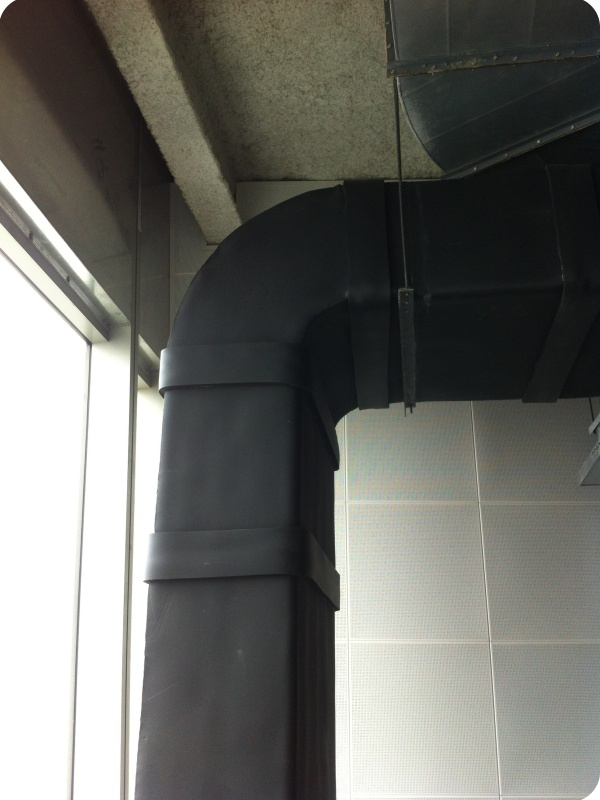
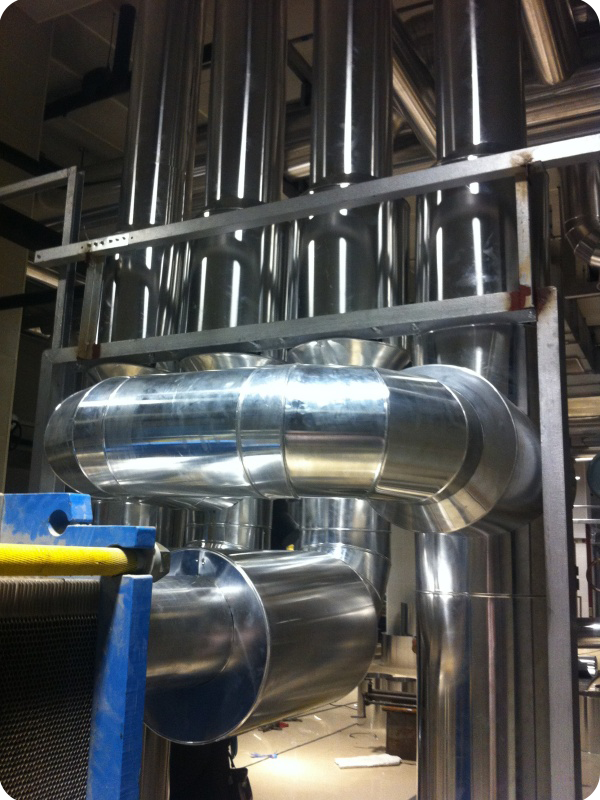
Our elastomeric NBR/PVC systems are designed to perform in demanding environments, including:
Procuring rubber foam insulation accessories from Dacheng, China, offers significant cost and scale benefits for international buyers. The green building materials industrial park in Dacheng brings together raw material suppliers, packaging manufacturers, and logistics providers. This cluster layout reduces transit costs, secures raw material supplies, and increases manufacturing efficiency compared to isolated plants.
Kingflex maintains international quality control standards across these cost efficiencies. Our factory uses continuous production monitoring, in-line thickness sensors, and regular laboratory flame tests to evaluate each batch. Using automated packaging and vacuum-compression systems, we reduce the physical volume of rolls and tubes, saving shipping container space and lowering overseas freight costs per cubic meter.
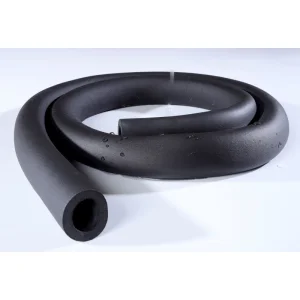
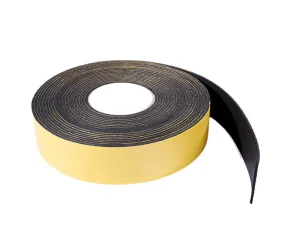
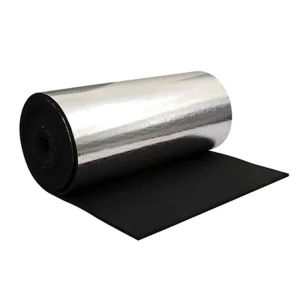
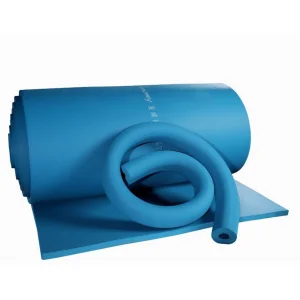
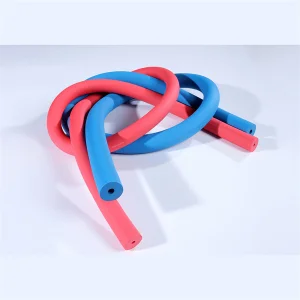
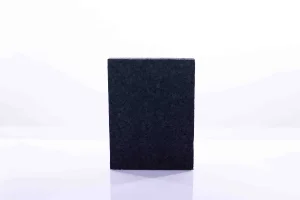
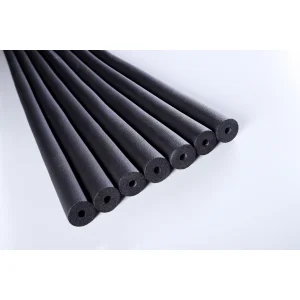
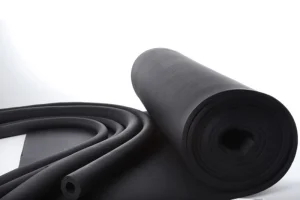
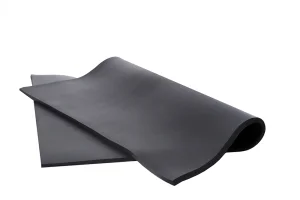
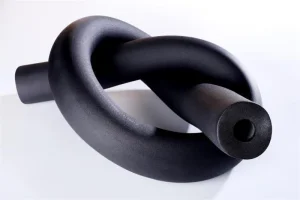
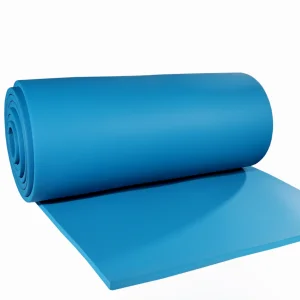
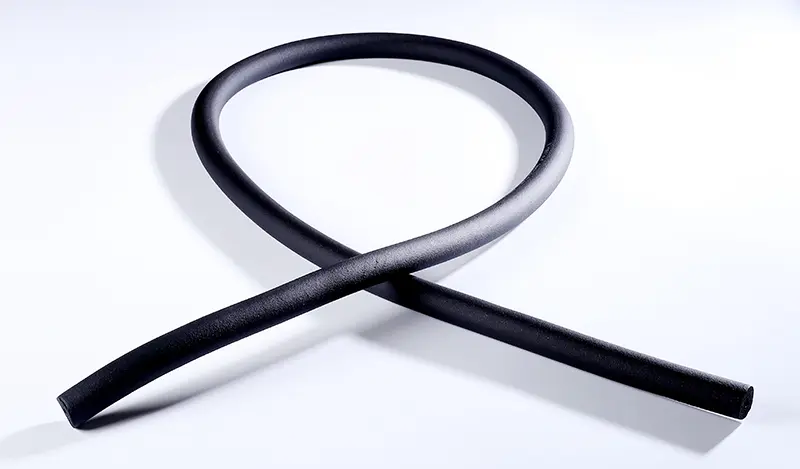
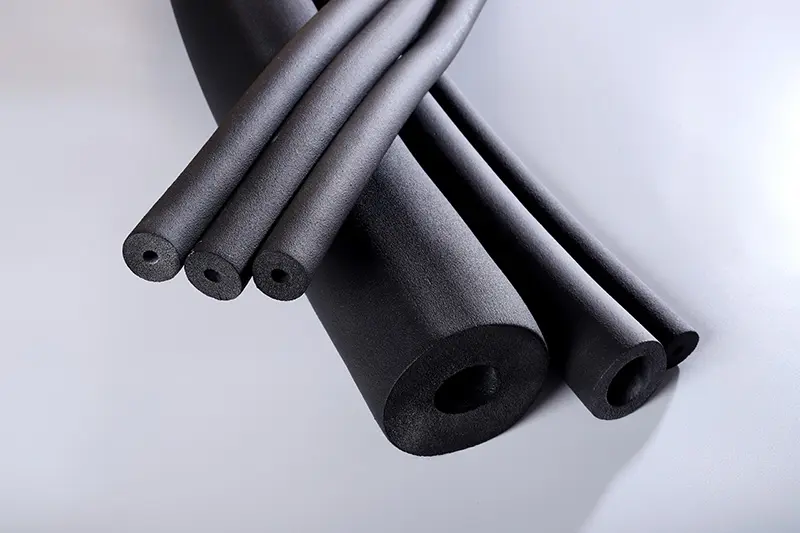
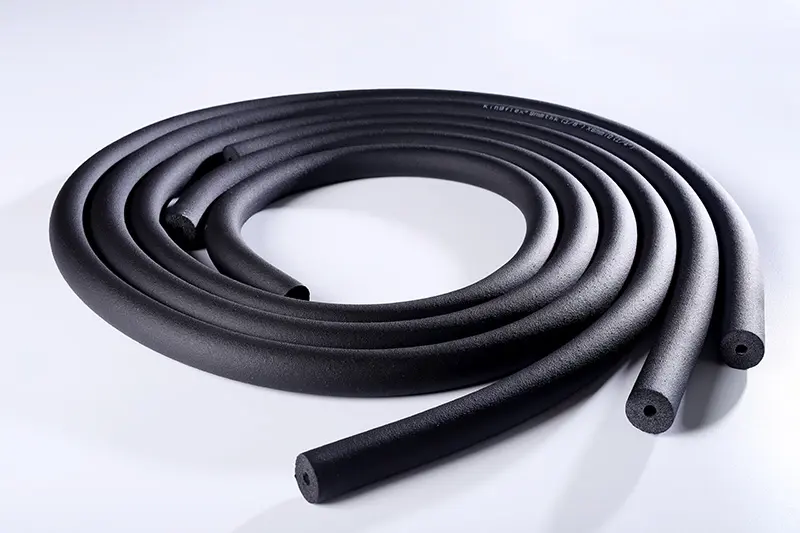
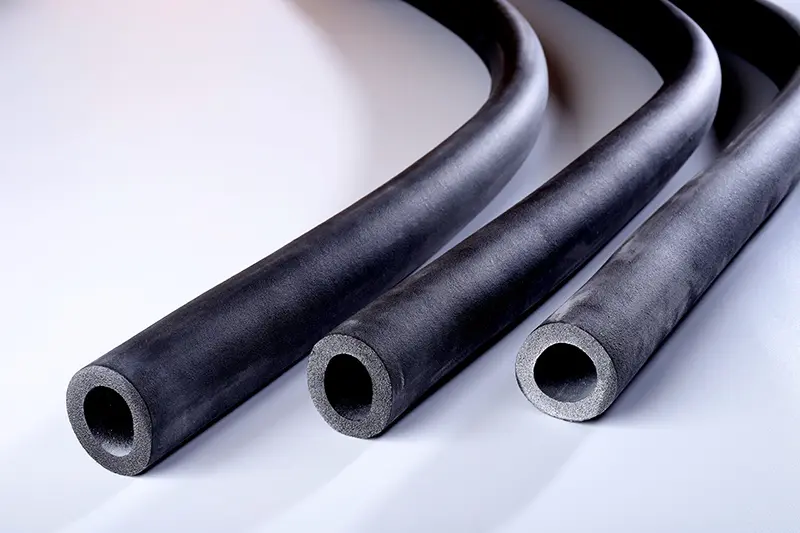
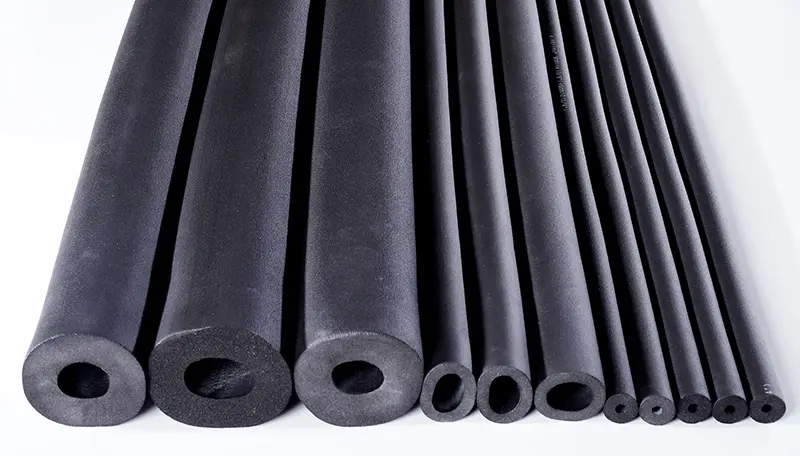
Kingflex offers two primary categories of elastomeric rubber foam insulation products: Black Rubber Foam Insulation Sheet Rolls and Black Rubber Foam Insulation Pipes. The structural specifications and parameters for each category are detailed below:
1. Foams evenly and fully with a high closed-cell rate for optimal thermal resistance.
2. Continuous closed-cell matrix prevents moisture absorption, maintaining low thermal conductivity.
3. High compression resilience (>80%) resists deformation under stress.
4. Self-extinguishing fire-retardant formulation protects building structures.
1. Pre-formed inner diameters fit standard copper and steel pipes closely.
2. Automated inline pipe extrusion ensures consistent wall thickness.
3. High elasticity simplifies installation around complex pipe layouts, elbows, and valves.
4. Minimizes freezing risks on cold water lines and energy loss on hot lines.
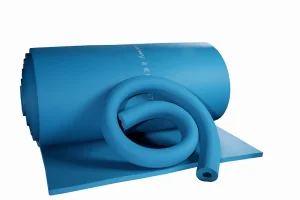
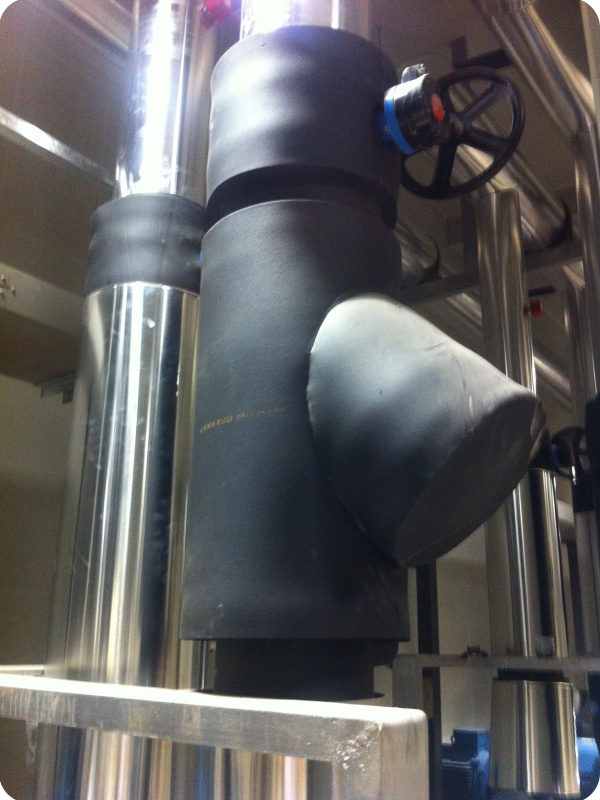
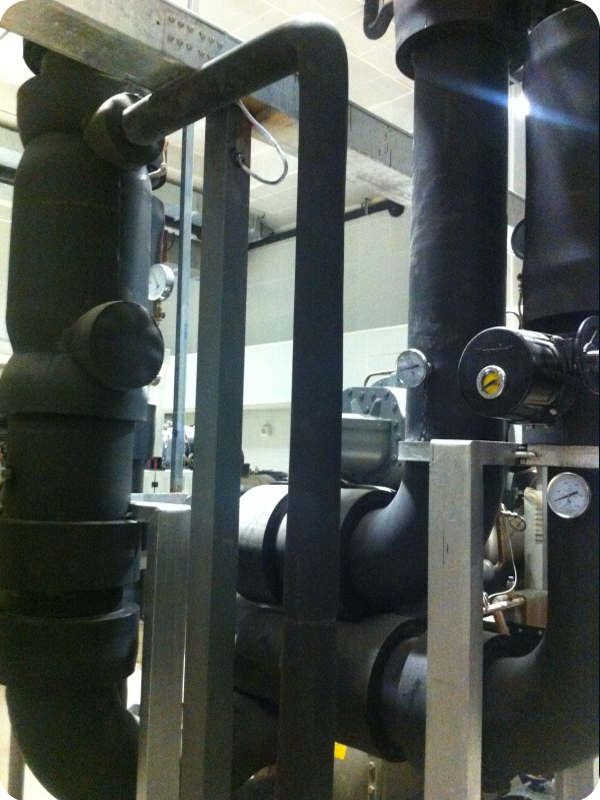
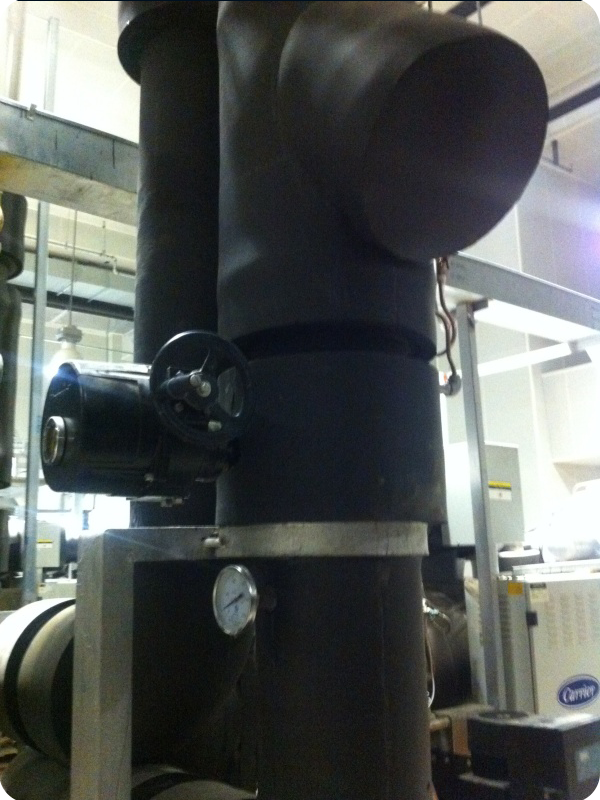
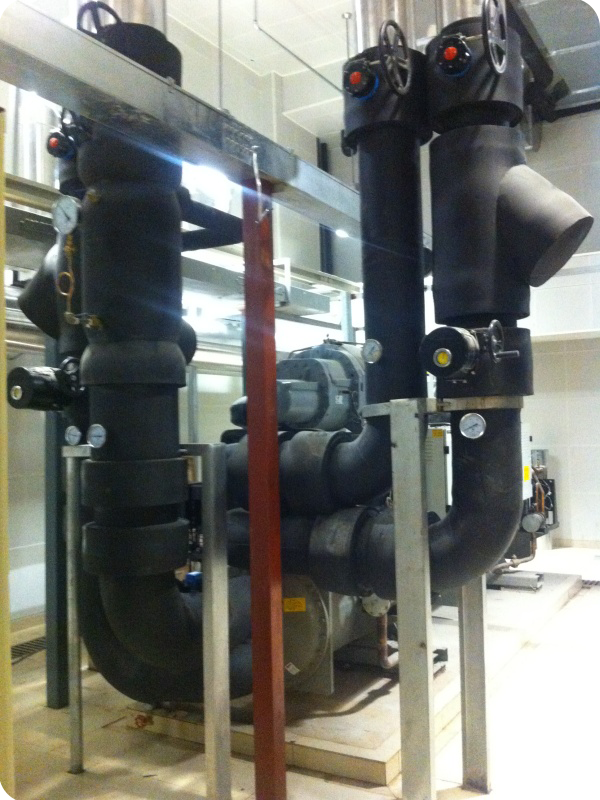
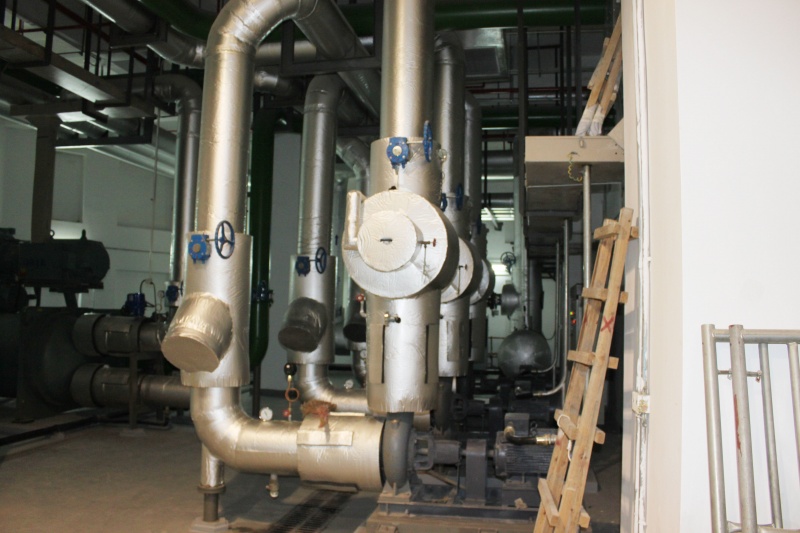
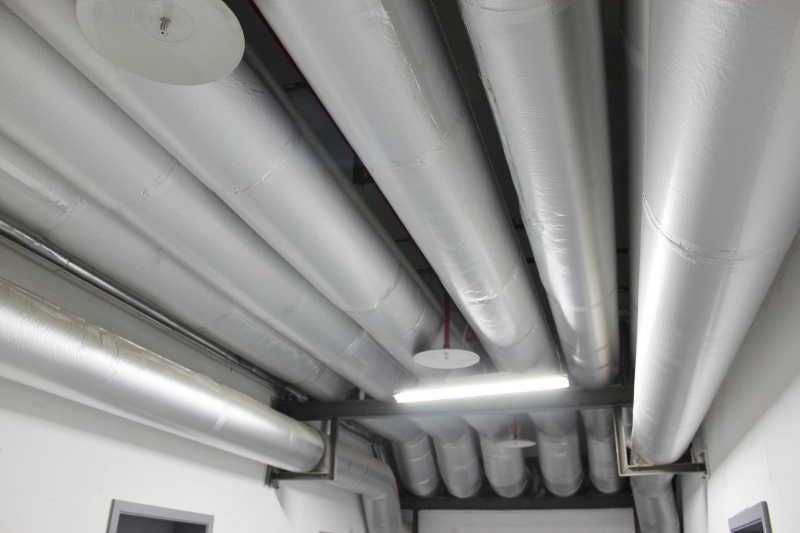
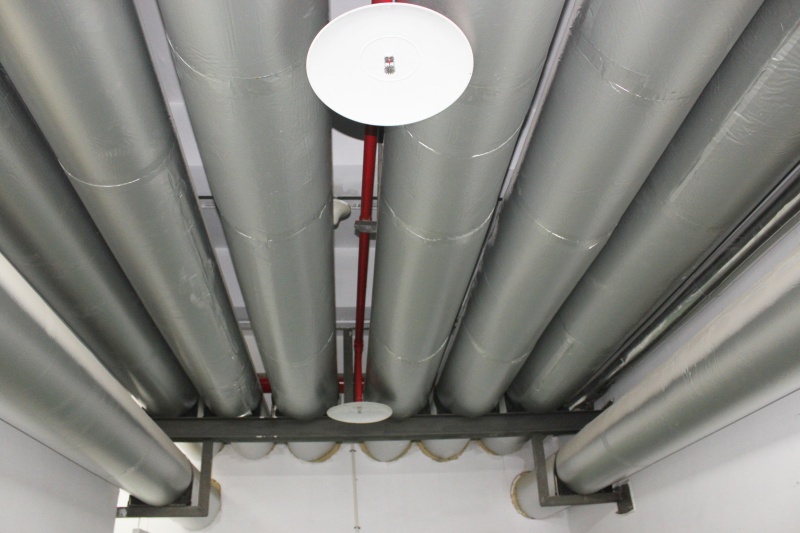
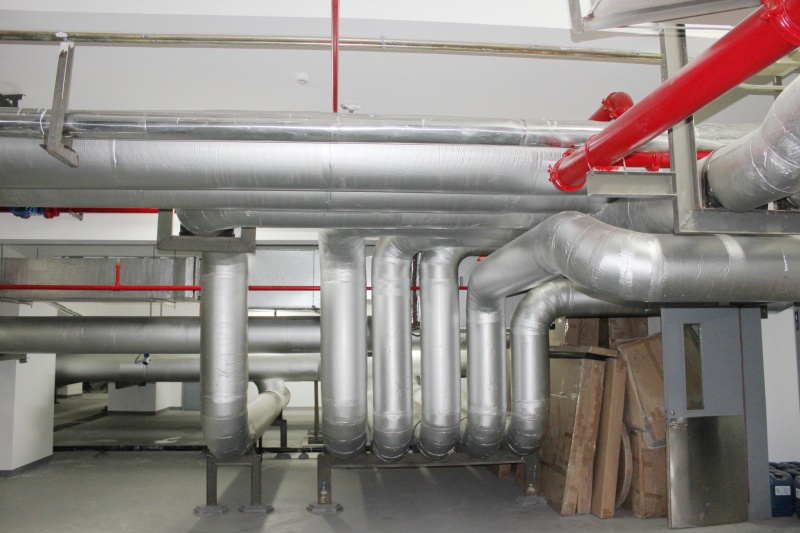
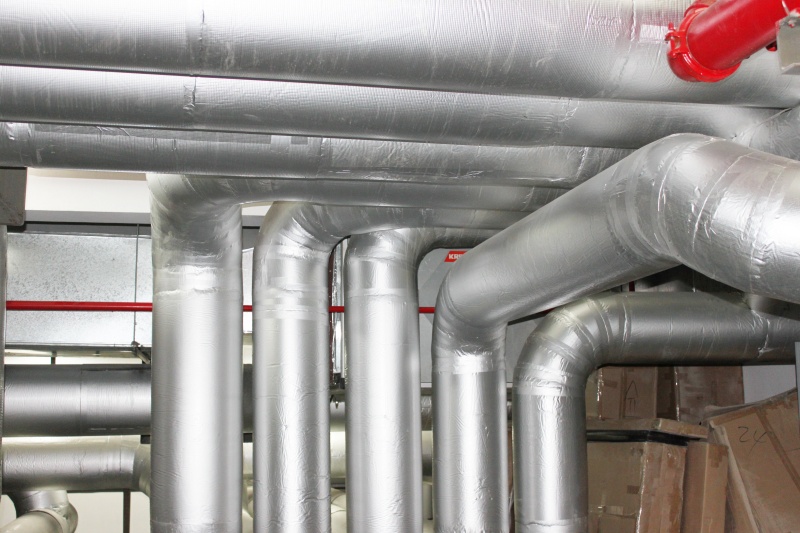
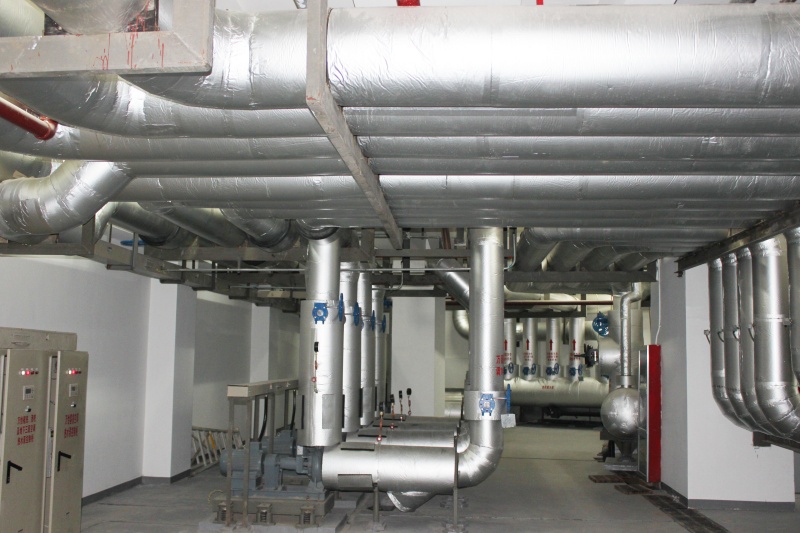
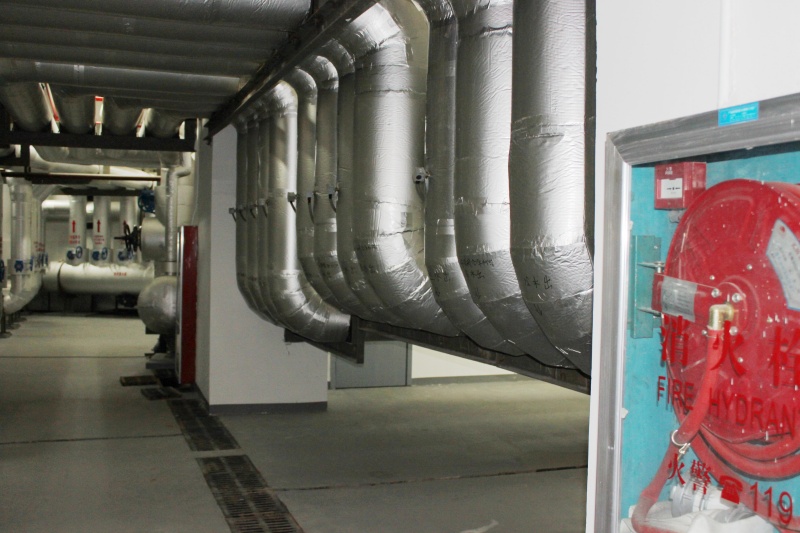
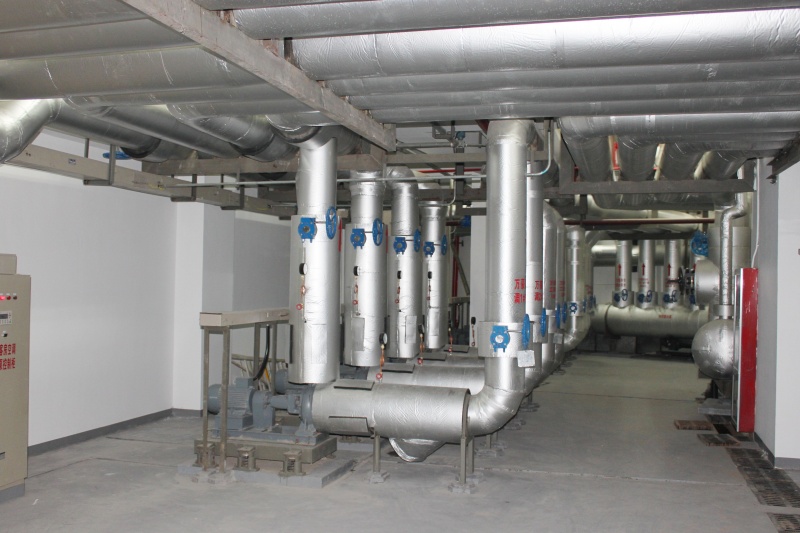
Explore actual production snapshots of our sheet rolls, pipe sections, and customized accessories:
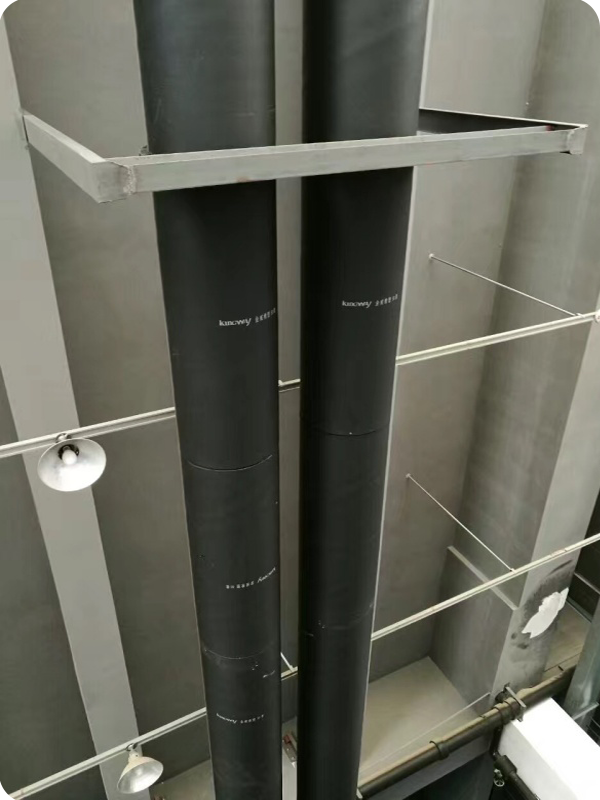
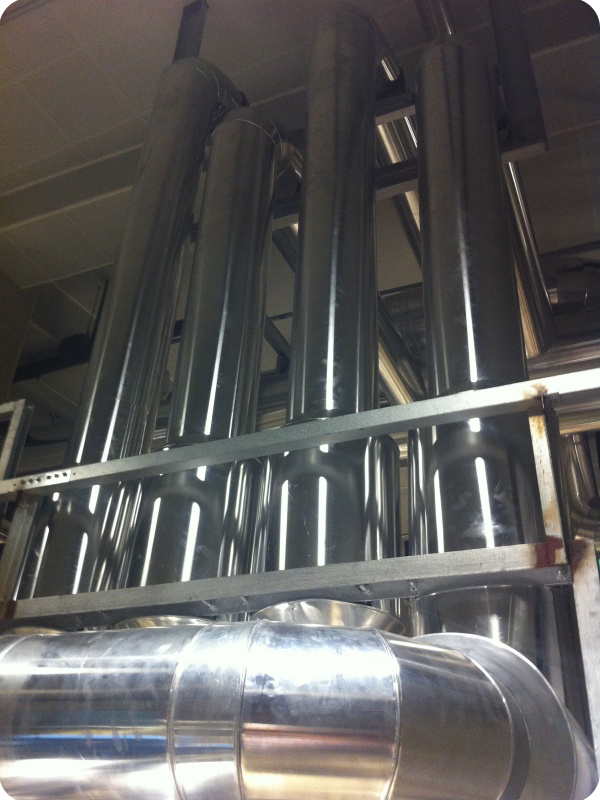
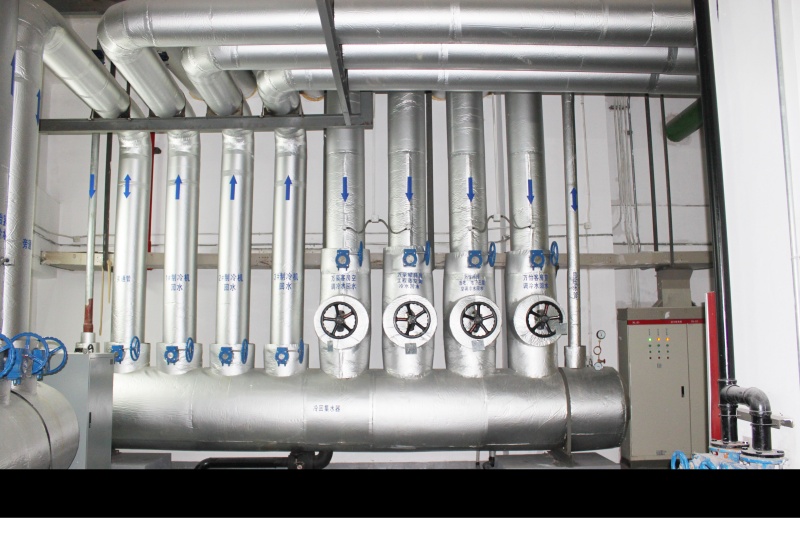
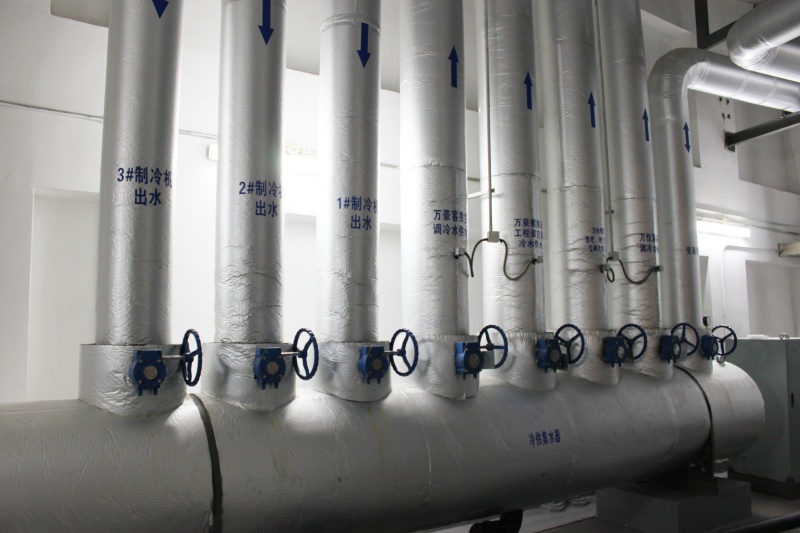

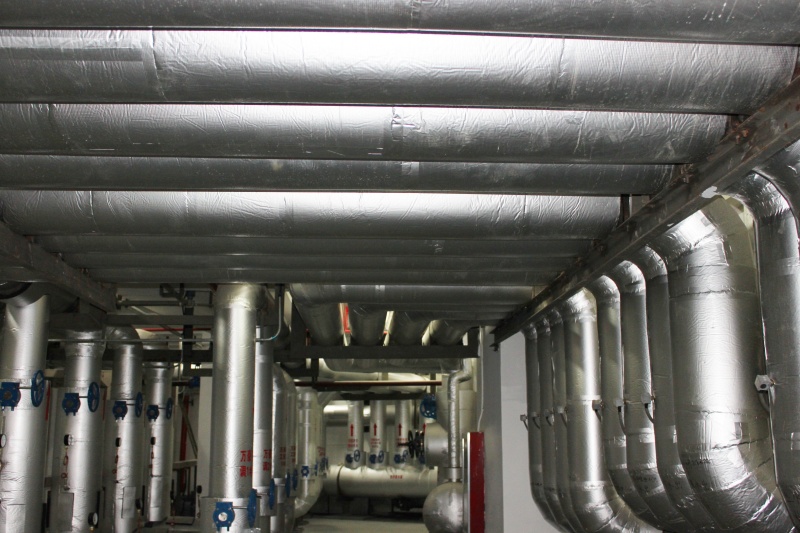
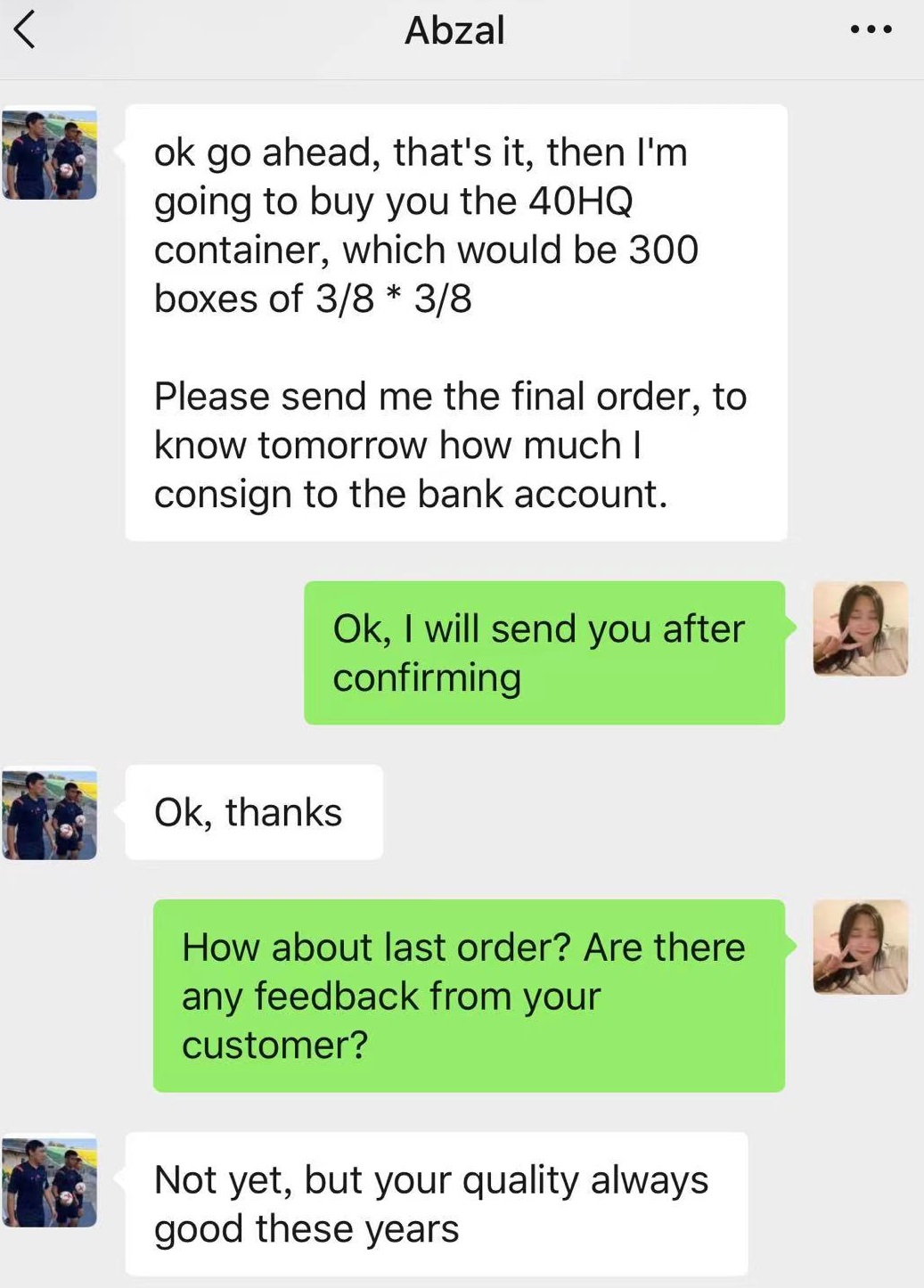
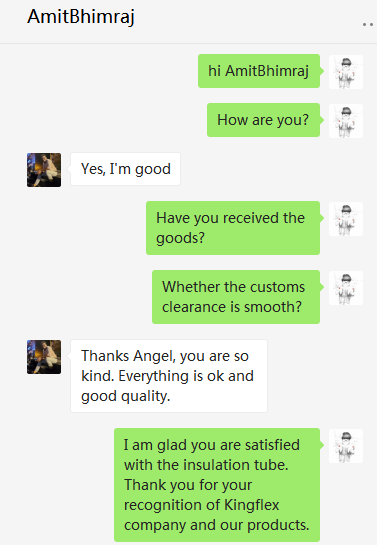
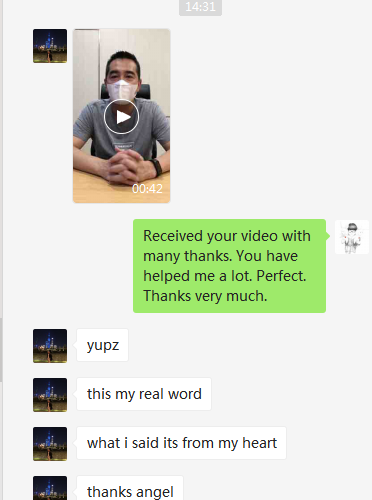
In B2B trading, transaction reliability and open communication are critical. Over 16 years of international exporting, Kingflex has established stable partnerships with commercial distributors, regional insulation contractors, and energy project buyers. The chat records below show our direct communication regarding material sourcing, container shipping coordination, and technical documentation validation.


Our insulation systems are used in commercial and industrial settings worldwide, including central business district towers, petrochemical facilities, pharmaceutical cleanrooms, and municipal water plants. Our customers choose Kingflex because our products perform consistently in diverse field conditions.
We work to support project delivery schedules by coordinating with shipping lines and providing complete customs documentation. Whether you are managing an offshore installation, a high-rise mechanical room, or a cold chain logistics warehouse, our team provides technical advice, installation guidance, and post-sale service.
Review key technical inquiries regarding the installation, specifications, and applications of closed-cell elastomeric rubber foam insulation.
Choose from our specialized adhesives, acoustic sheets, and high-performance pre-formed pipe insulations.