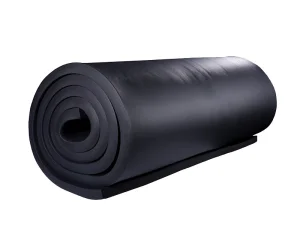
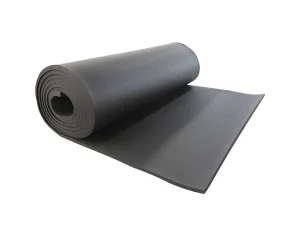
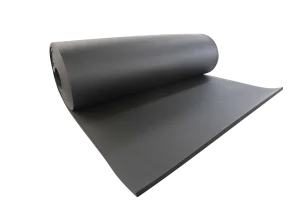
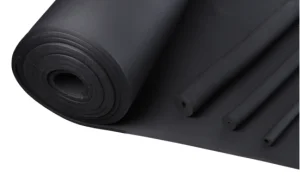
1 / 2
 Kingflex
Stays flexible at low temperatures
Reduces the risk of crack development and propagation
Reduces the risk of corrosion under insulation
Protects against mechanical impact and shock
Low thermal conductivity
Low glass transition temperature
Easy installation even to complex shapes
Less wastage compared to rigid/pre-fabricated pieces
| Parameter | Value / Performance |
|---|---|
| Thermal conductivity | 0.033 at 0℃, 0.028 at -50℃ |
| Density | 40-60kg/m3 |
| Recommend operation temperature | -50℃ to +105℃ |
| Percentage of close area | >95% |
| Tensile strength (Mpa) | 0.15 at 0℃, 0.218 at -40℃ |
| Compressive strength (Mpa) | ≤0.16 at -40℃ |
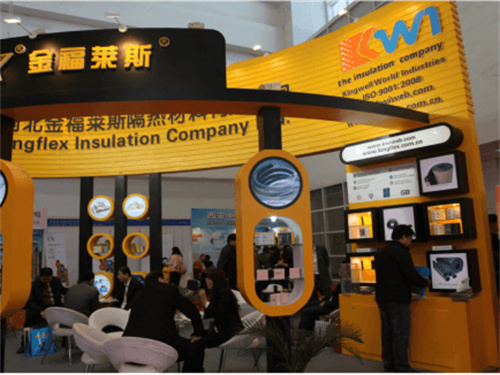
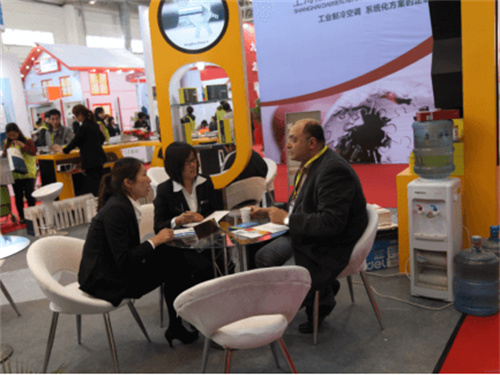
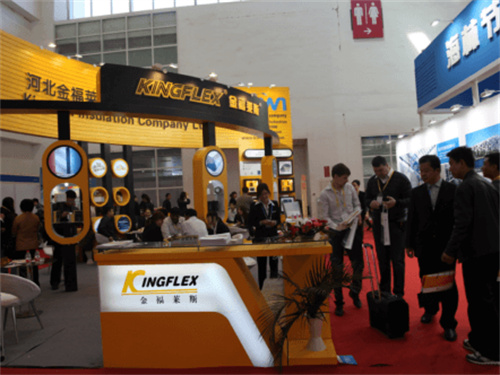
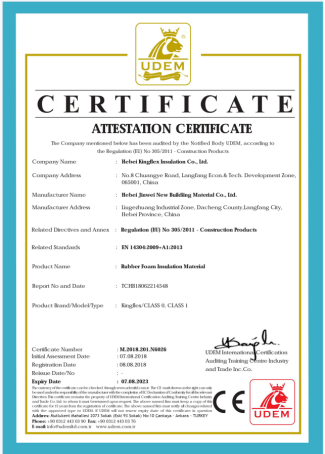
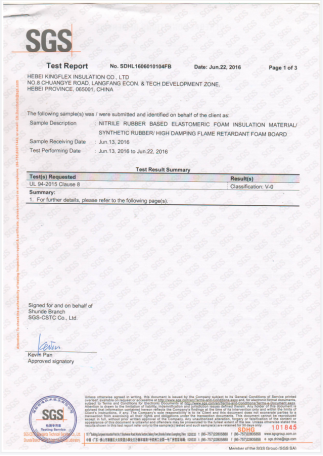
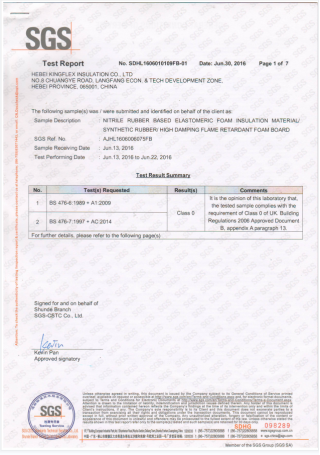
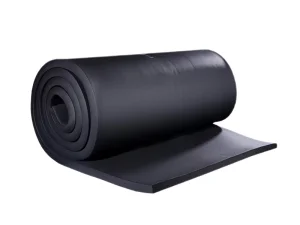
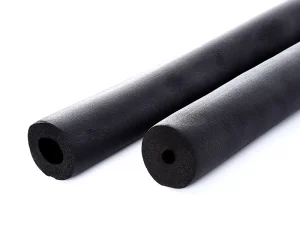
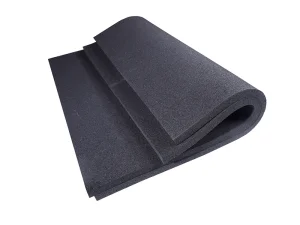
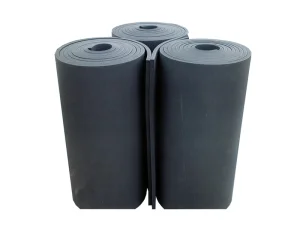
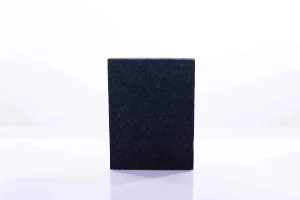
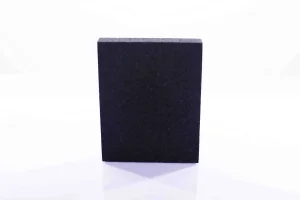
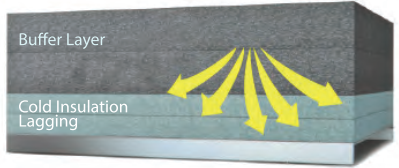
Cryogenic insulation multi-layer composite structures have excellent internal shock resistance. It is designed to meet the demands of low-temperature environments and is suitable for use in the oil and gas industry. This insulation solution provides exceptional thermal performance, reduces the risk of corrosion under insulation (CUI) and minimises the time needed for installation.
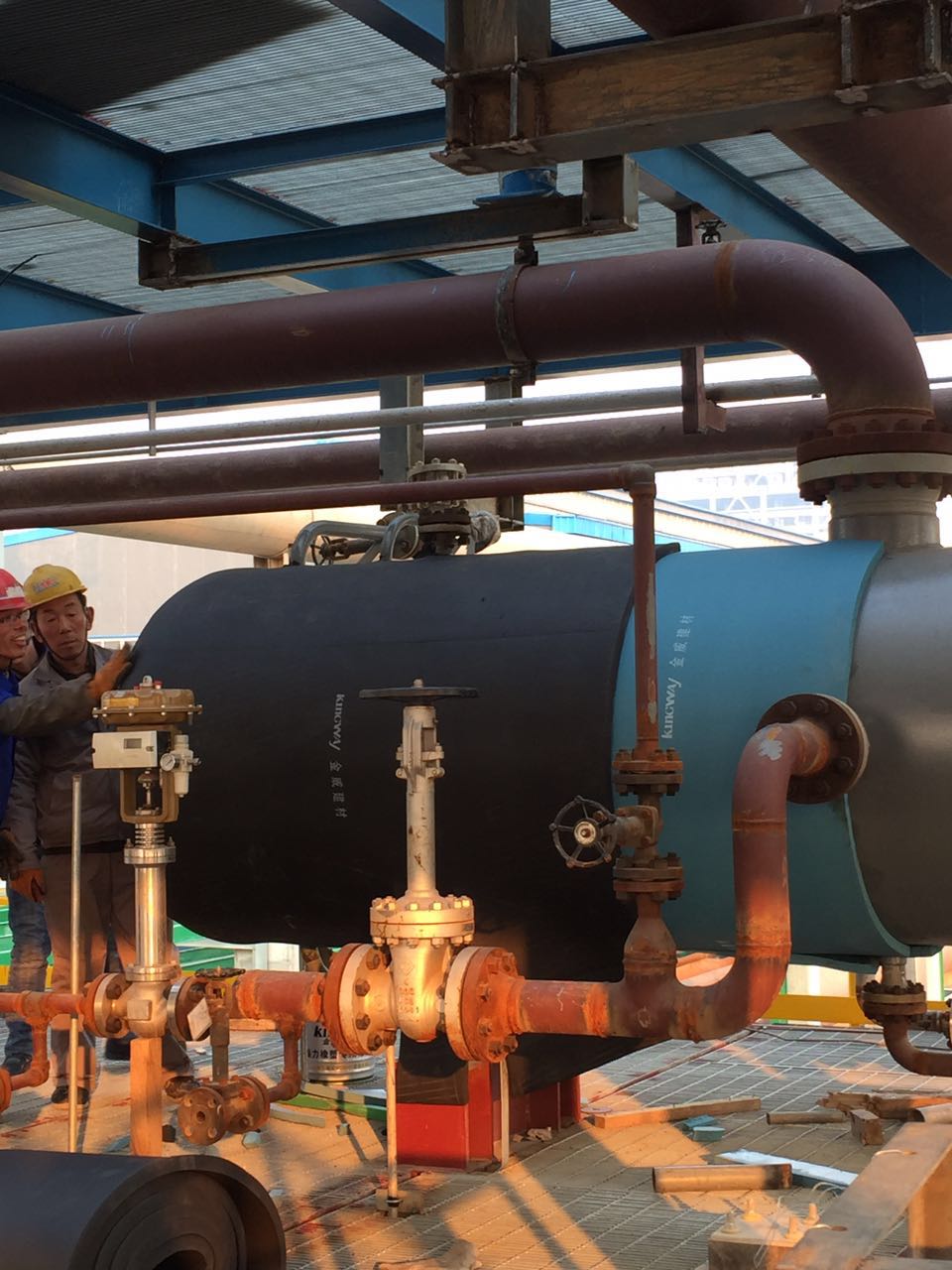
Cryogenic insulation systems remain highly flexible at low temperatures, offer excellent thermal resistance, protect against mechanical impact, reduce the risk of structural cracking, and significantly lower the possibility of Corrosion Under Insulation (CUI).
This insulation is optimized for demanding cryogenic applications, with a recommended operating temperature range from -50℃ up to +105℃.
With a close area percentage of over 95%, the multi-layer composite structure prevents moisture penetration and condensation build-up on the metal surface, which directly reduces the threat of CUI.
Yes. Because of its excellent flexibility and easy-to-install design, it conforms seamlessly to complex shapes, which cuts down installation time and minimizes material waste compared to pre-fabricated rigid pieces.
A low glass transition temperature ensures that the insulation material retains its elastomeric properties and mechanical flexibility under extreme cold temperatures without becoming brittle and cracking.