 Kingflex
Kingflex
Kingflex
Explore our state-of-the-art closed-cell elastomeric rubber foam materials engineered for maximum thermal efficiency and safety compliance.
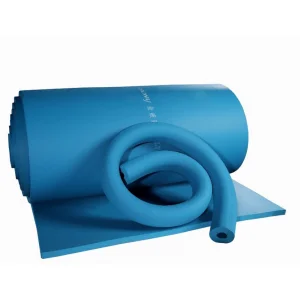
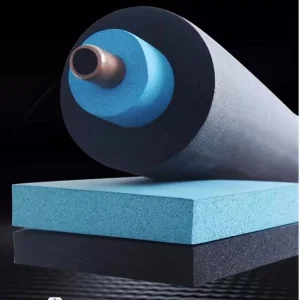
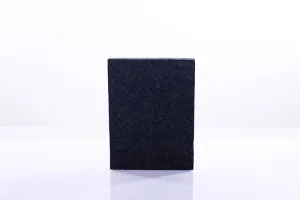
Thermal regulation is crucial for modern engineering, construction, and mechanical piping. Closed-cell elastomeric rubber foam insulation plays a vital role in preventing energy loss, controlling condensation, and reducing vibration noise. Its synthetic rubber base—composed of Nitrile Butadiene Rubber (NBR) and Polyvinyl Chloride (PVC)—provides high moisture resistance and thermal stability.
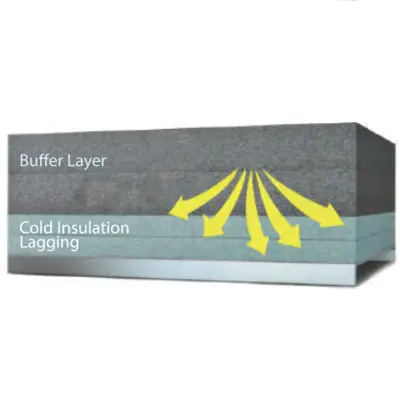
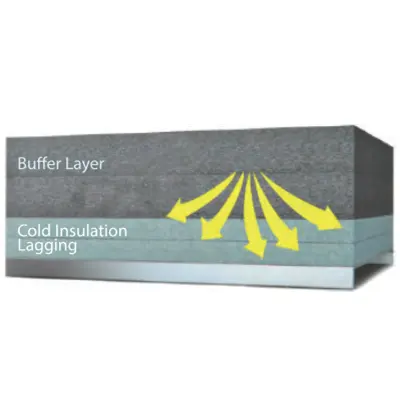
Unlike open-cell materials like fiberglass or polyurethane foam, closed-cell structures trap air in millions of tiny, independent micro-cells. This system restricts air circulation and slows heat transfer, maintaining a thermal conductivity ($\lambda$) as low as 0.034 W/m·K at 0°C. Since moisture cannot easily penetrate the closed-cell matrix, its performance remains stable over time, preventing degradation from moisture absorption.
“The key parameter to look for in rubber foam sheets is the water vapor diffusion resistance factor (µ value). High-quality NBR/PVC sheets boast a µ-value exceeding 10,000, creating an integrated vapor barrier that protects steel and copper piping from corrosion under insulation (CUI).”
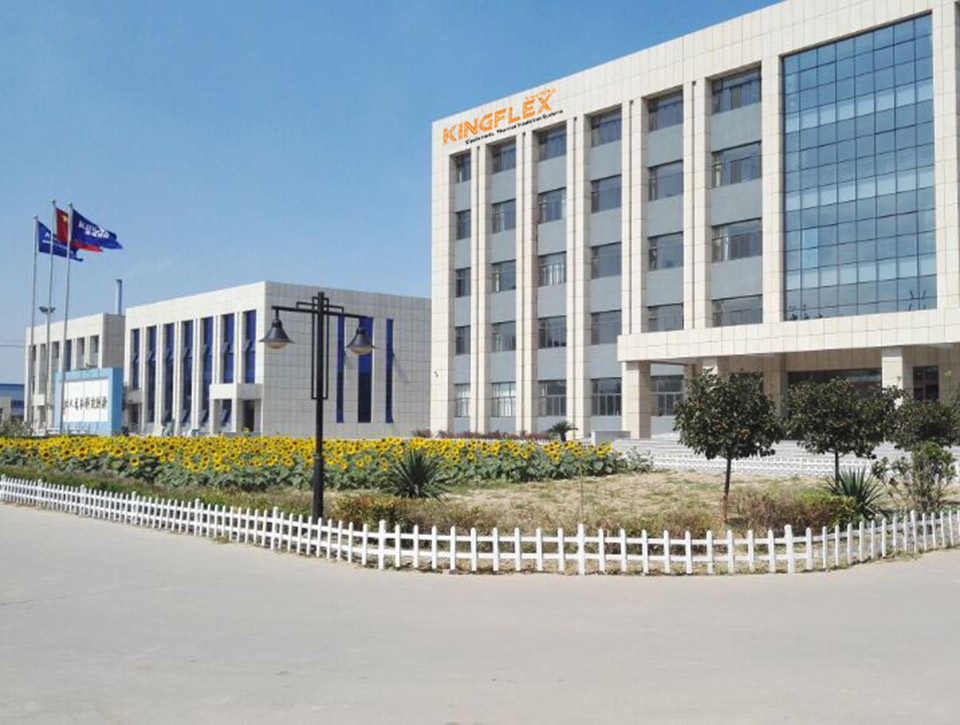
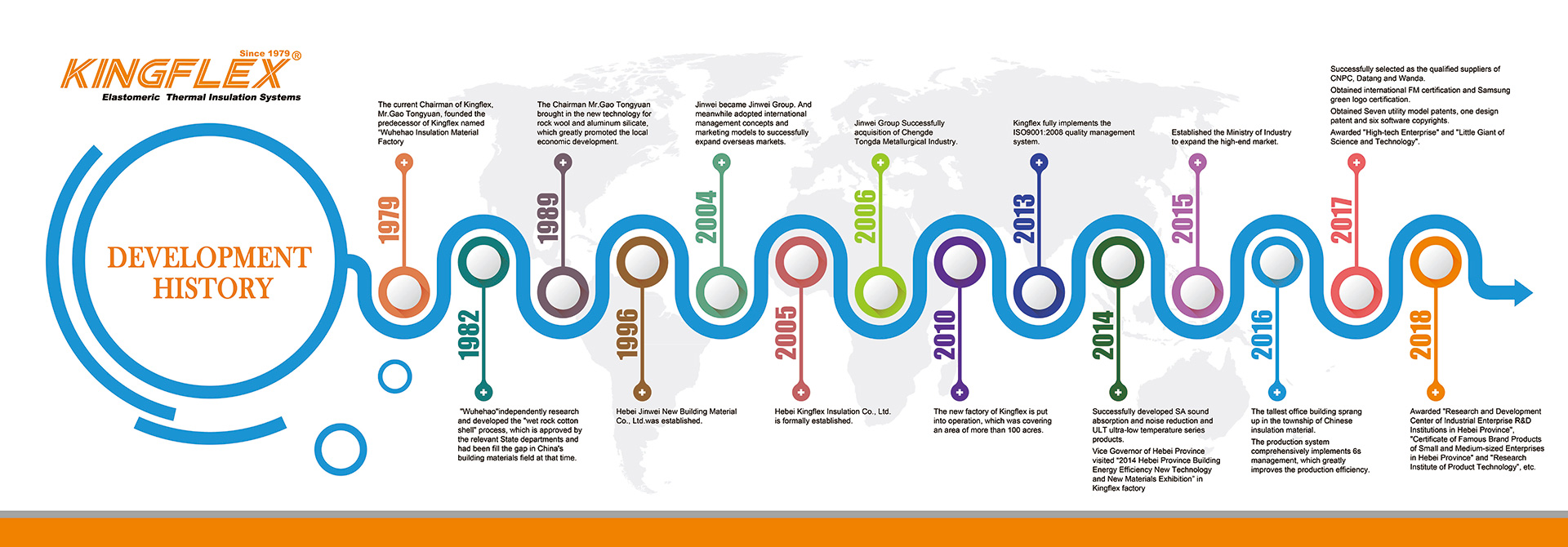
Kingflex Insulation Co., Ltd. is a leading manufacturer and trading company specializing in thermal and acoustic insulation products. Our R&D and manufacturing hub is located in Dacheng, China—a region known for green building material production. We focus on energy conservation and emission reduction, developing products that meet global environmental standards.
We provide full-service solutions, including technical consulting, custom development, installation support, and comprehensive post-sale service. Established by the Jinwei Group, which has over 40 years of history since its founding in 1979, Kingflex was the first major thermal insulation manufacturer north of the Yangtze River. Today, we supply energy-saving products to HVAC, industrial, and infrastructure projects worldwide.
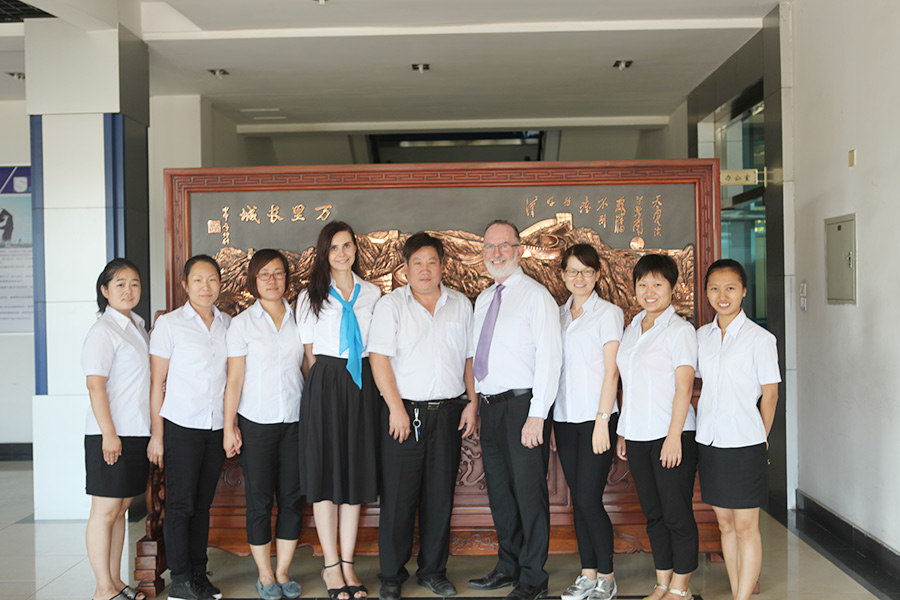
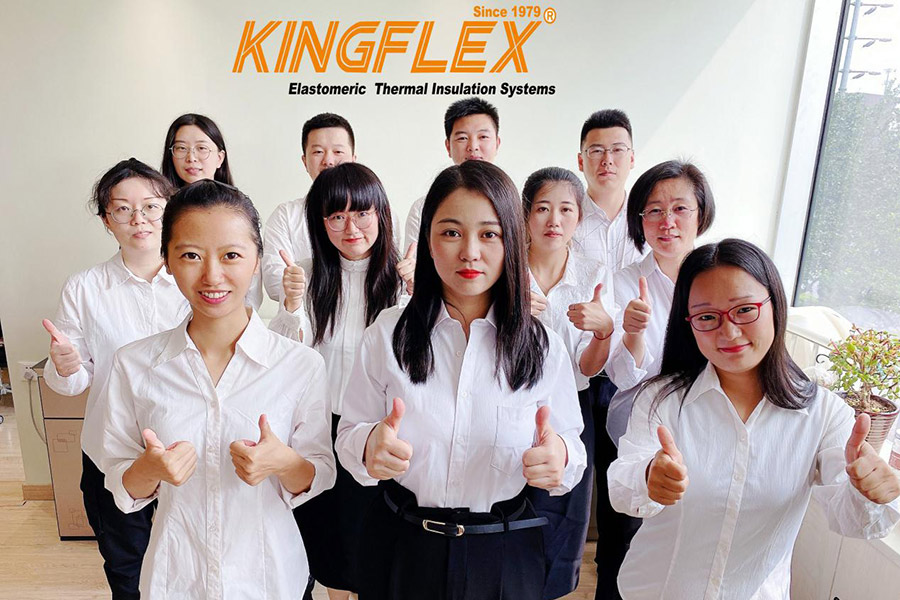
Our team at Kingflex works together with a shared commitment to quality and service. Our staff includes 8 professional R&D engineers, 6 experienced international sales representatives, and 230 skilled production workers who manage our automated lines. This division of labor helps us maintain consistent product quality and reliable supply chains for our global clients.
We continuous invest in automated production lines, testing devices, and material innovations to stay ahead of international fire safety standards.

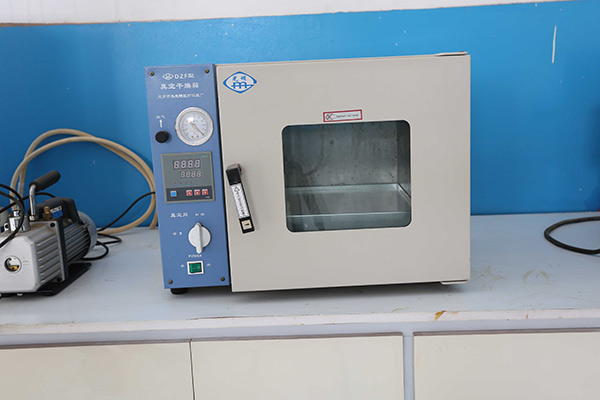
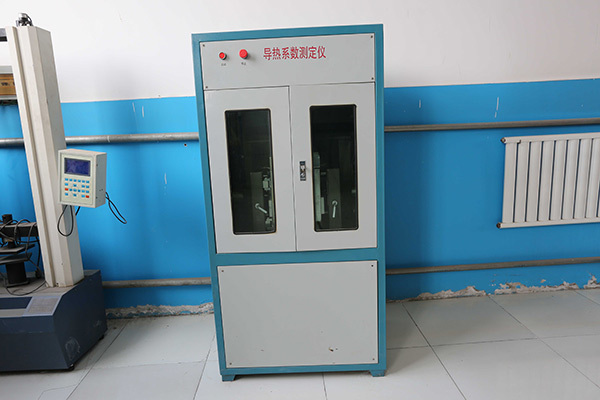
Our elastomeric insulation sheets and rolls are designed to perform reliably under varied conditions. Below are the key specifications for our standard NBR/PVC foam line:
| Physical Property | Standard Value / Details | Reference Test Method |
|---|---|---|
| Material Composition | Nitrile Butadiene Rubber / Polyvinyl Chloride (NBR/PVC) alloy | Chemical analysis |
| Available Thickness | 6mm to 50mm (Custom dimensions available) | ASTM D3575 |
| Density | 40 - 55 kg/m³ | ASTM D1622 |
| Service Temperature Range | -40℃ to 105℃ (Up to -200℃ for cryogenic systems) | ASTM C411 |
| Thermal Conductivity ($\lambda$) | $\le 0.034$ W/m·K at 0°C, $\le 0.036$ W/m·K at 20°C | ASTM C177 / ASTM C518 |
| Water Vapor Permeability | $\mu \ge 10,000$ (Low moisture absorption) | BS EN 12086 |
| Fire Performance | Class 0 (BS 476 Part 6/7), Class V-0 (UL 94), Class A (ASTM E84) | BS 476, UL 94, ASTM E84 |
| Compression Resilience | $\ge 80\%$ recovery under load | ASTM D1056 |
How global distributors and procurement managers can optimize costs and ensure supply continuity through our industrial infrastructure.
We run 5 automated assembly lines with a capacity of 600,000+ cubic meters annually, enabling us to process bulk orders quickly for global infrastructure projects.
Based in Dacheng, China, we source raw materials locally to lower logistical overheads and ensure stable component pricing during market changes.
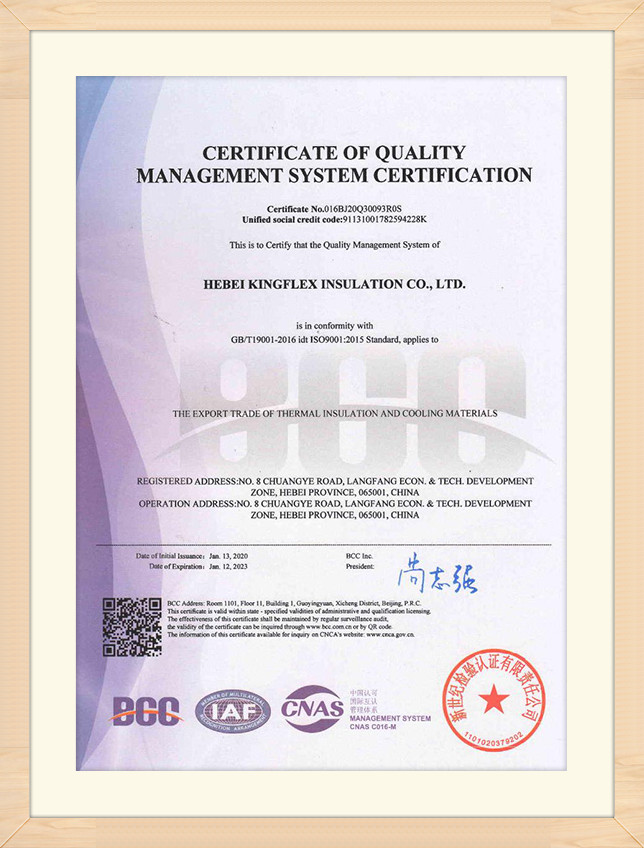
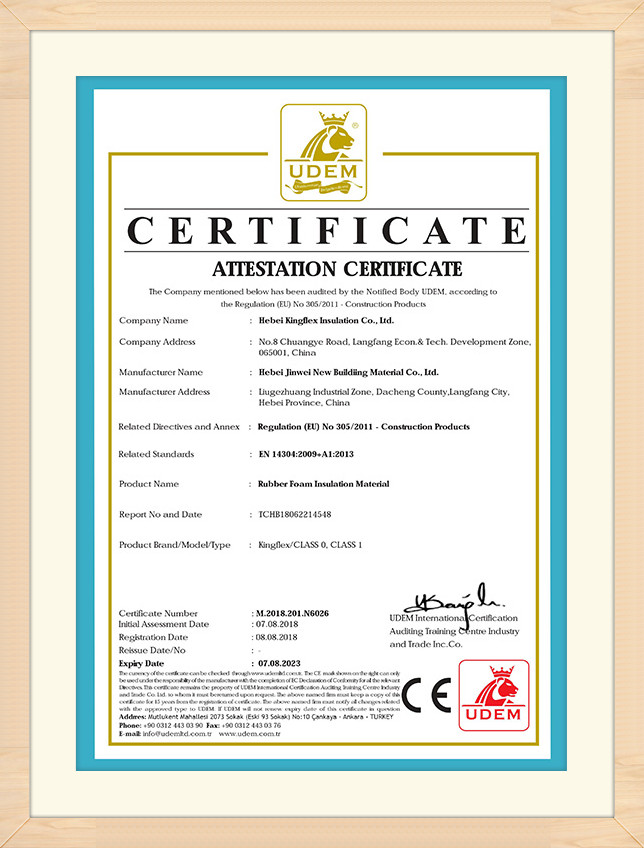
Our products are tested and certified under international standards (CE, UL94, RoHS, REACH, BS476, and ASTM), simplifying customs clearance and local compliance.
For global procurement teams, sourcing from China-based Kingflex helps manage overall project costs. Our vertical integration combines formulation, raw foaming, cutting, laminating, and adhesive application in one facility. This setup helps prevent material delays and ensures consistent quality control throughout production.
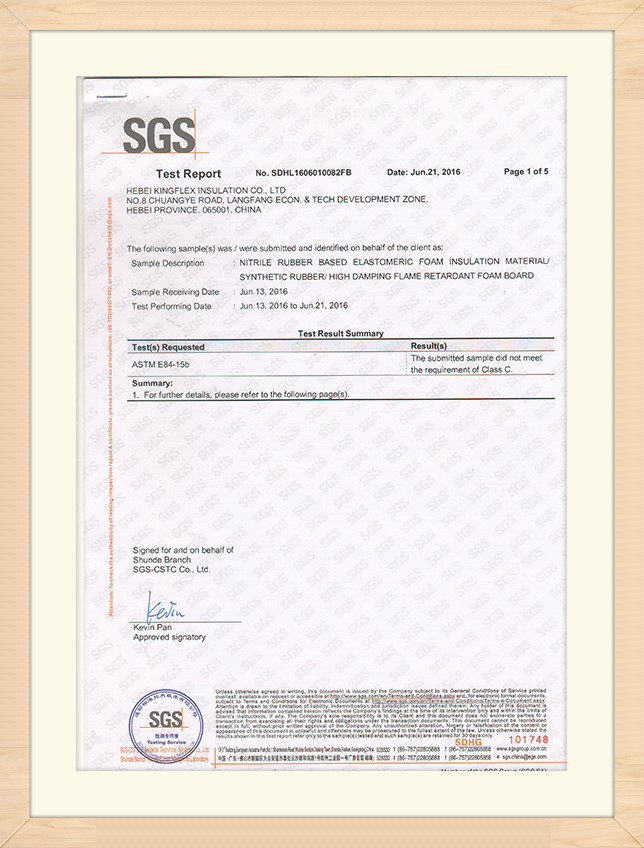
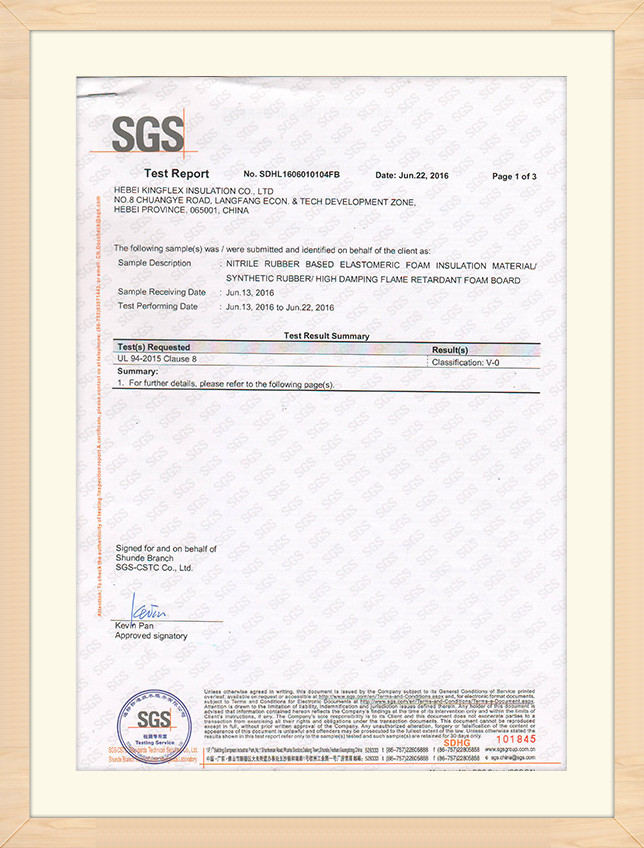
Our products undergo standard quality checks and hold certifications that meet safety codes worldwide. We produce materials that align with major testing protocols: BS 476 Part 6 & 7 (Class 0 and Class 1), CE mark for EU buildings, UL94 V-0 for electrical and transit safety, and ASTM E84 for flame spread/smoke development.
Our materials are also certified halogen-free and low-smoke, helping them meet RoHS and REACH environmental regulations. This compliance is essential for commercial HVAC projects where fire safety and low smoke emissions are required.
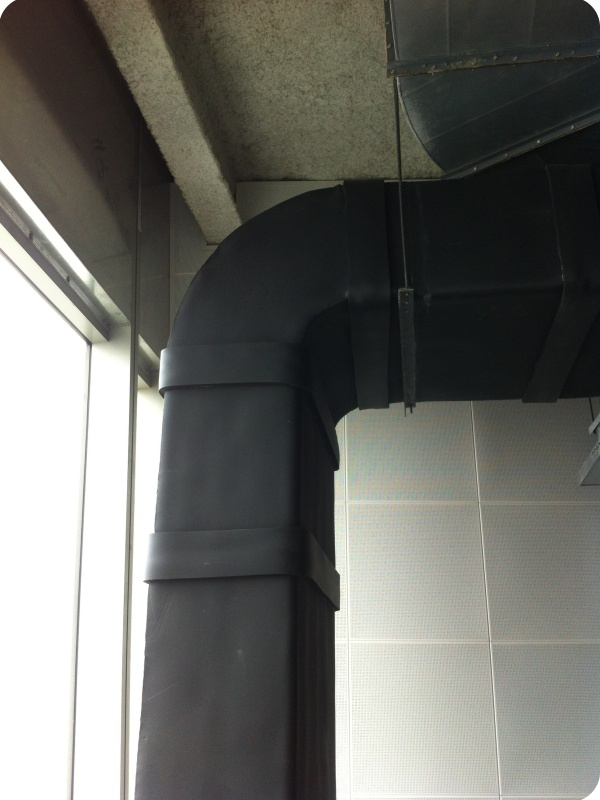
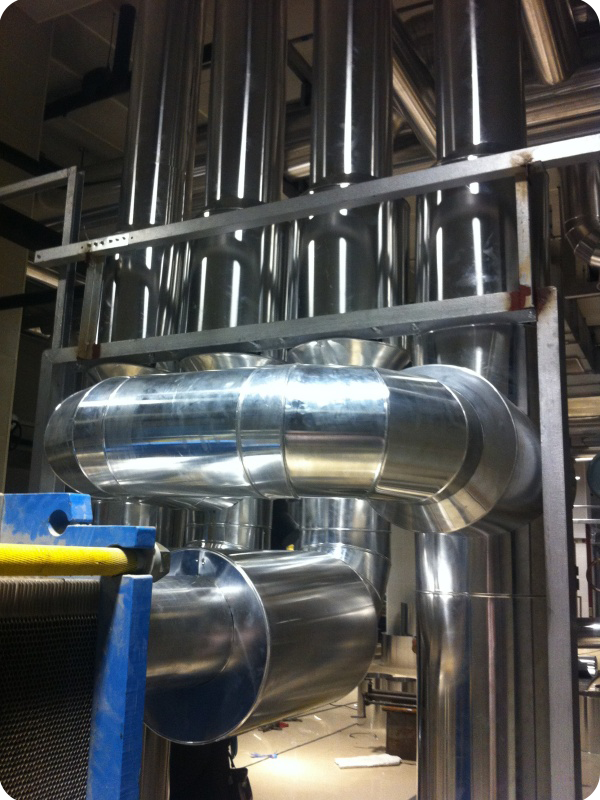
Closed-cell elastomeric rubber foam sheets protect building systems and HVAC machinery under varying climate conditions.
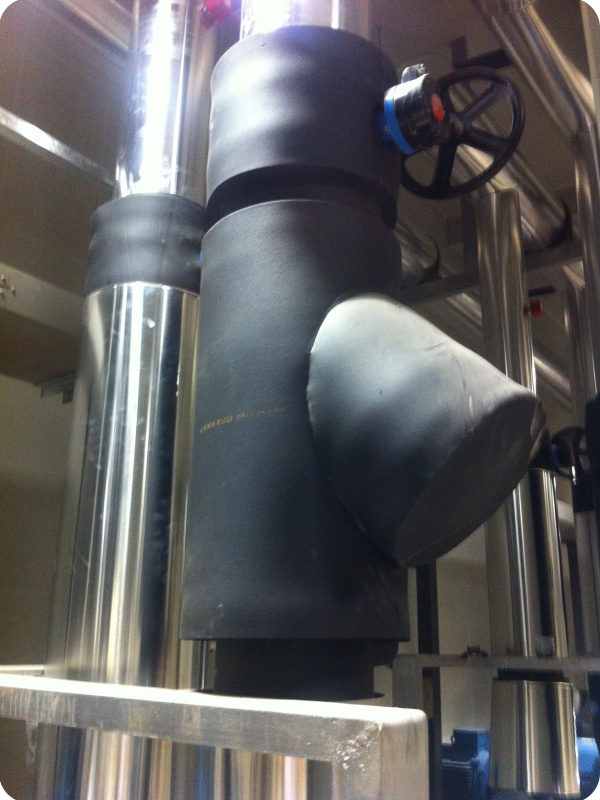
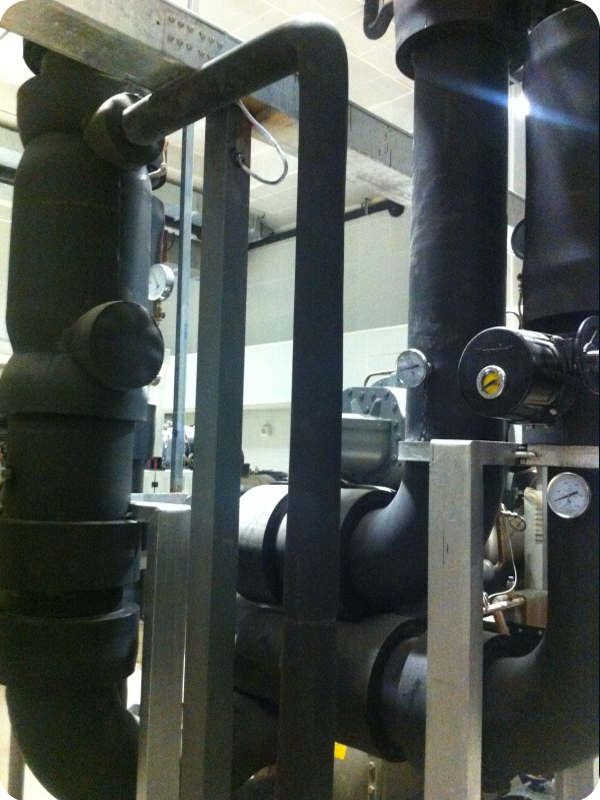
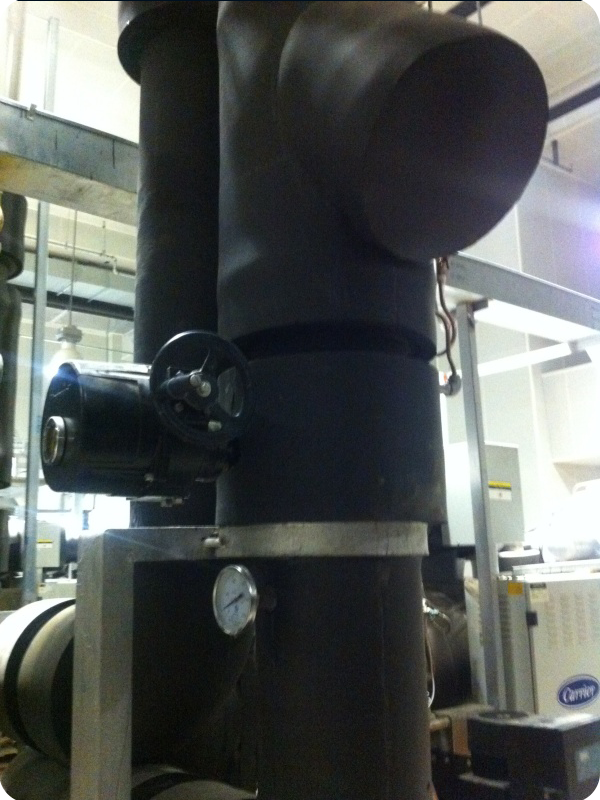
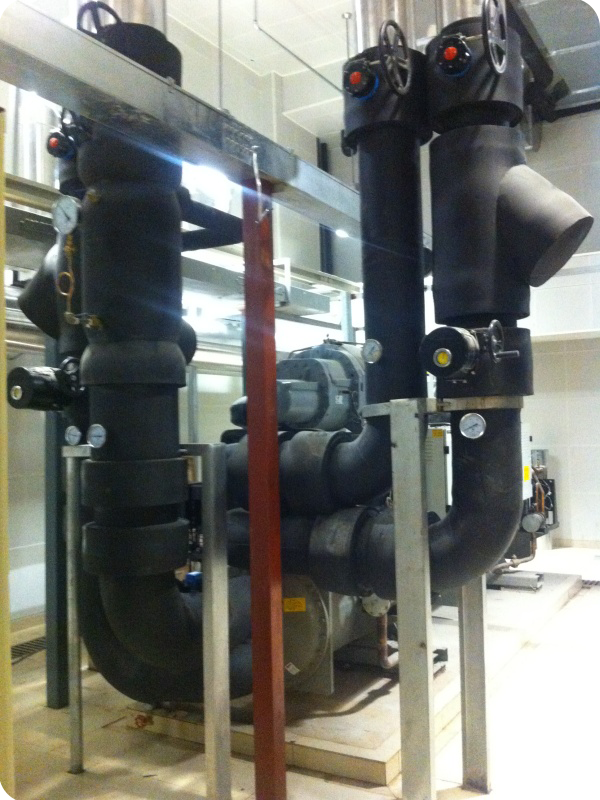
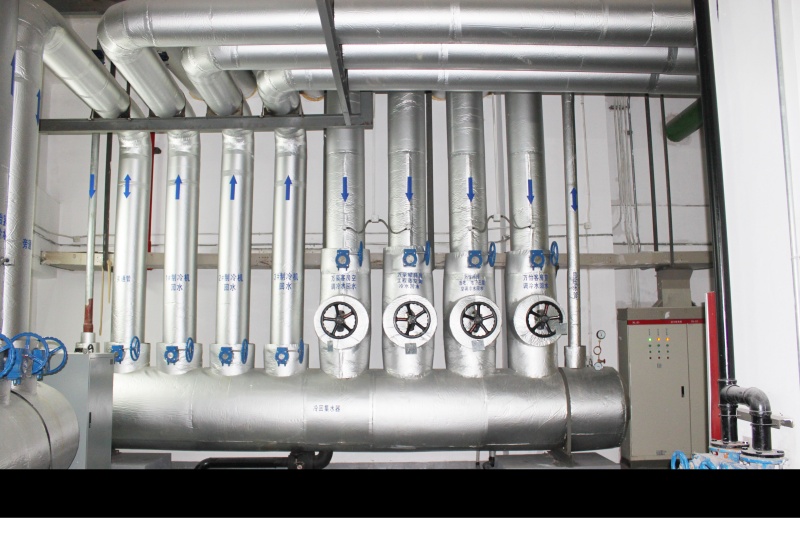
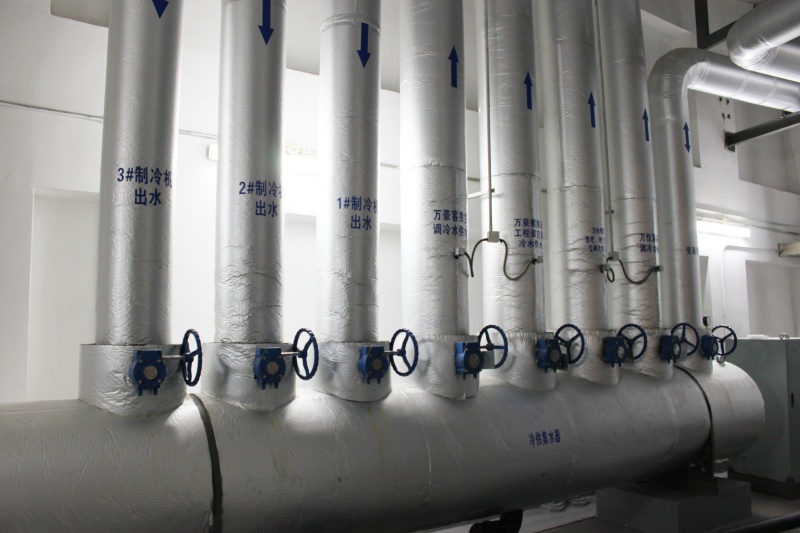
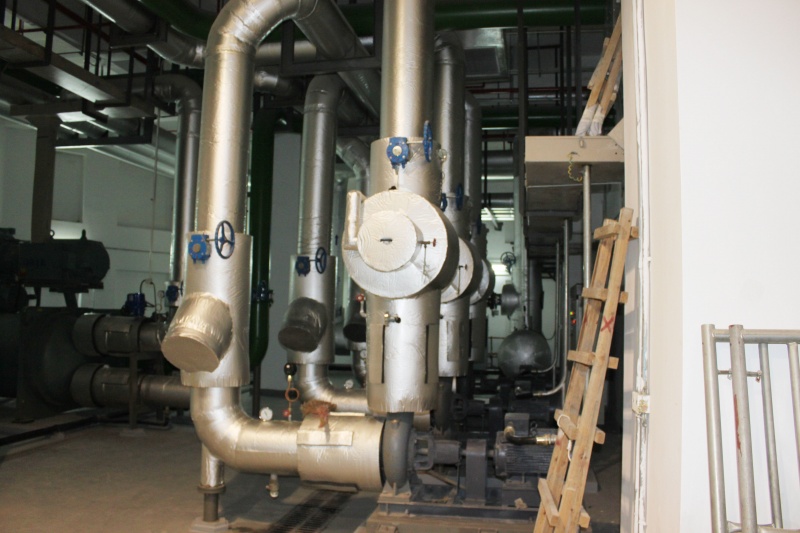
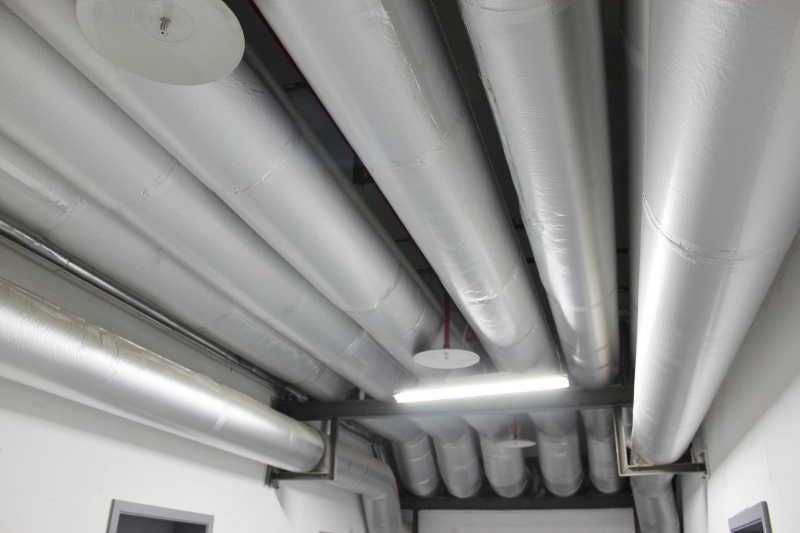
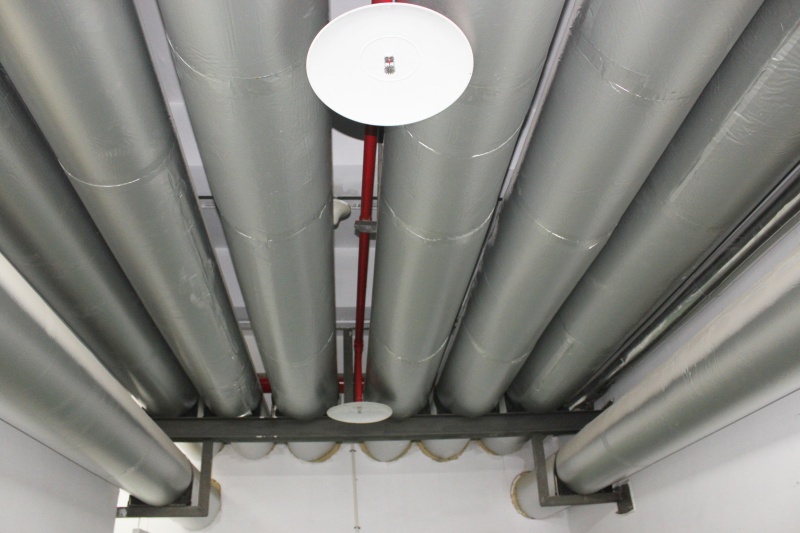
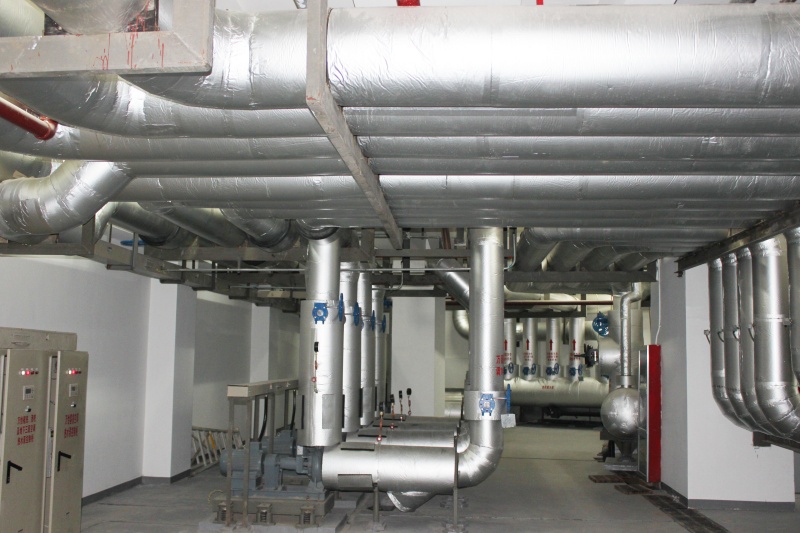
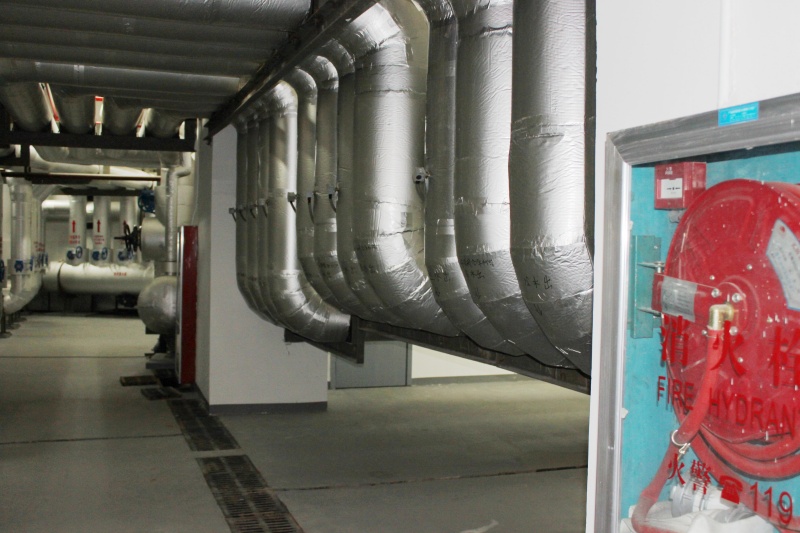
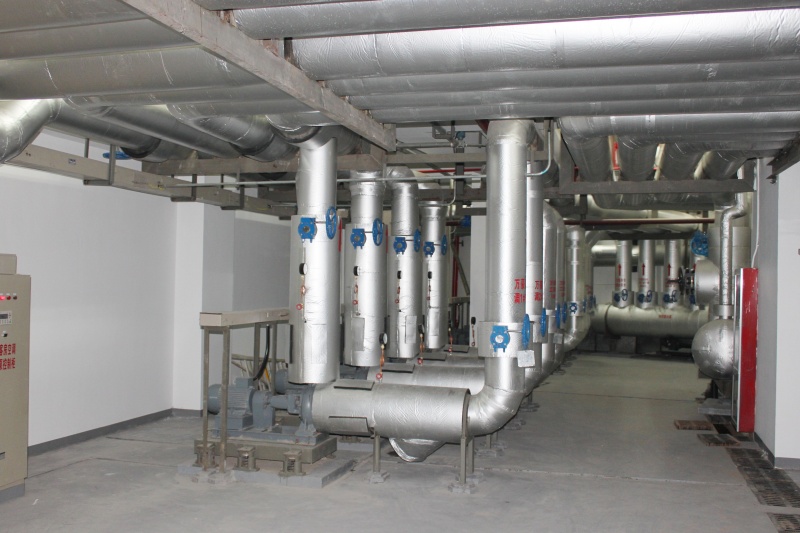
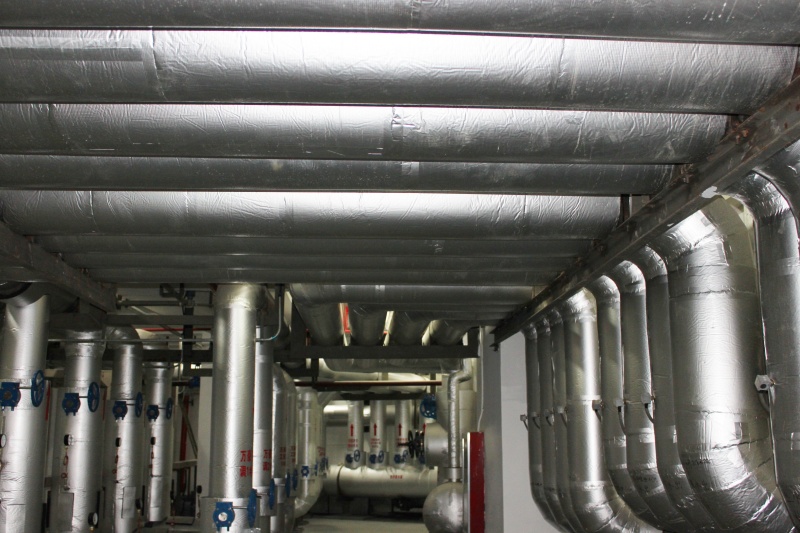
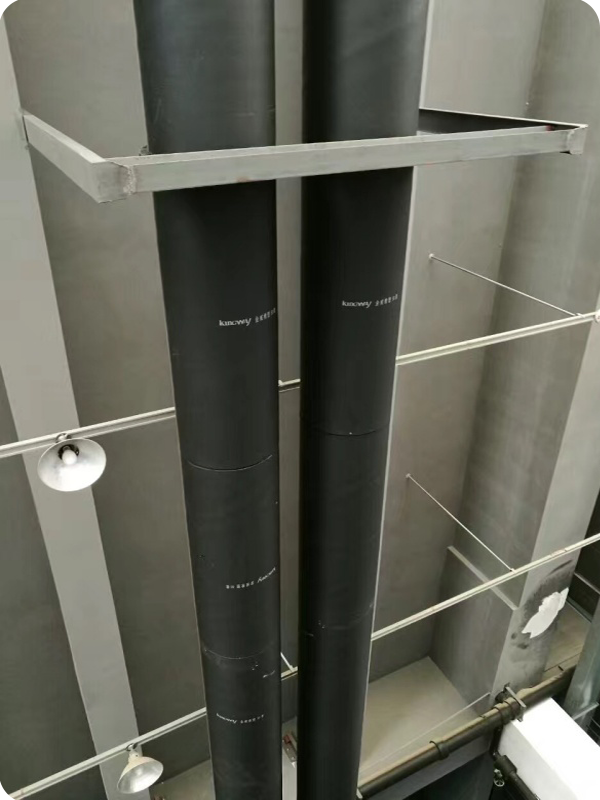
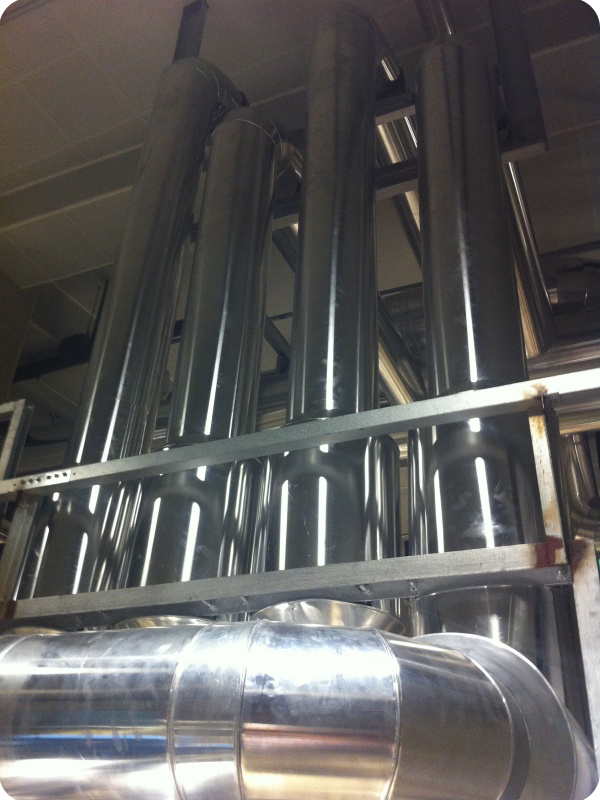
NBR/PVC sheets are used to insulate large air handling units, ventilation ducts, and chilled water pipes. They prevent condensation, reduce thermal loss, and lower HVAC energy consumption in commercial buildings.
We supply specialized cryogenic rubber foam insulation for low-temperature applications, such as LNG piping and chemical processing. This material maintains its flexibility and performance at temperatures down to -200°C.
Our high-density sound-absorbing panels reduce vibration noise in mechanical rooms, generator housings, and transport vehicles, providing both acoustic dampening and thermal insulation.
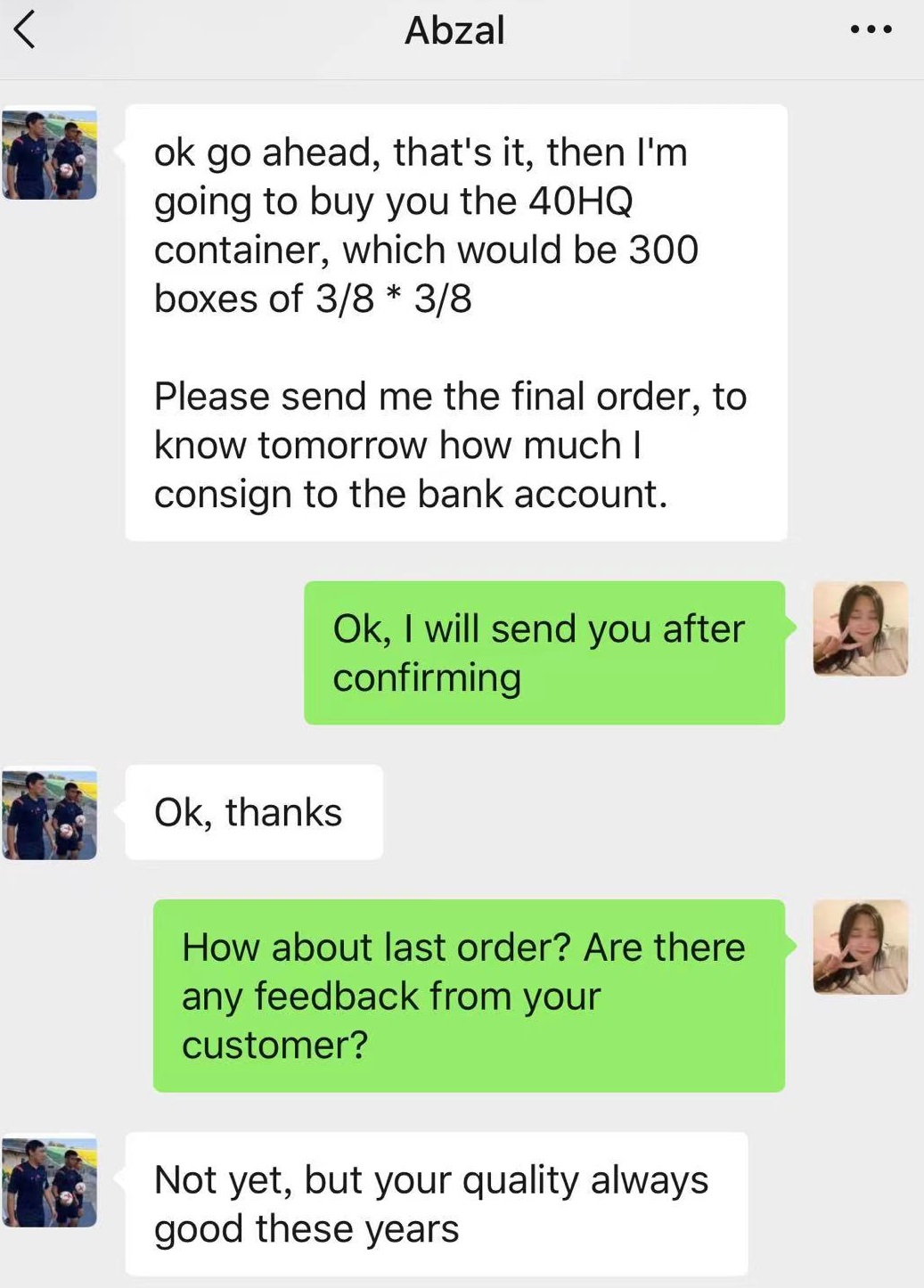
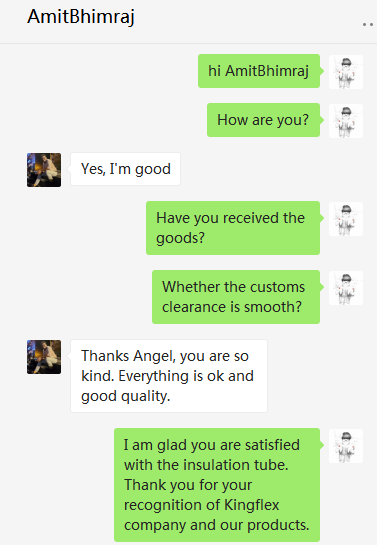
We work closely with global procurement offices to confirm that all technical specifications, certificates, and logistics requirements are met before shipping. We provide order tracking and transparent processing to ensure project deadlines are kept.
Our sales and support teams help client engineers select materials, calculate heat loss, and verify compliance with local building codes, ensuring proper performance on site.


Answers to common engineering questions regarding the selection, installation, and performance of closed-cell elastomeric rubber foam sheets.
A1: It is primarily used for insulating commercial HVAC systems, ductwork, chilled water lines, industrial piping, and cold storage units. Its closed-cell structure helps prevent condensation and reduces energy transfer. It is also used for noise control in mechanical rooms.
A2: Yes. Our insulation is manufactured with flame-retardant additives. It meets BS 476 Class 0 fire standards, UL94 V-0 flame tests, and ASTM E84 guidelines, ensuring it complies with local building safety requirements.
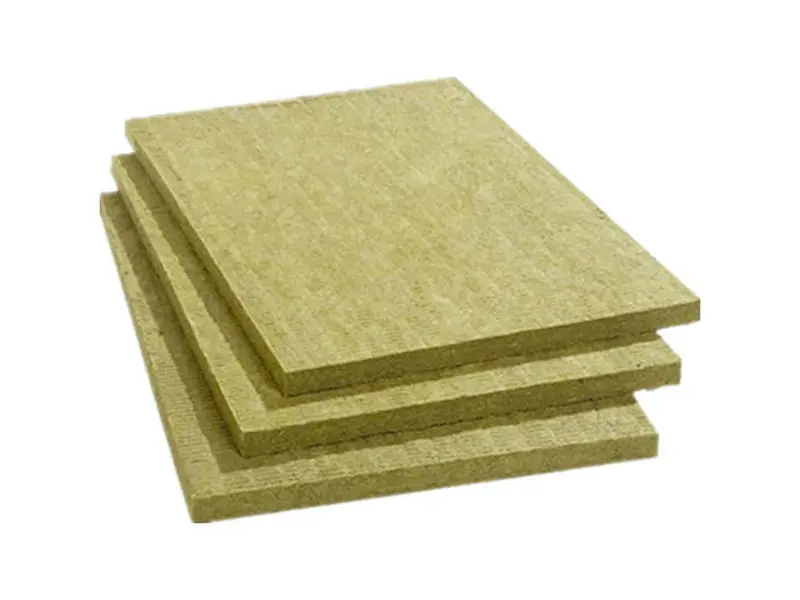
A3: Rubber foam is a flexible, closed-cell material that provides high moisture resistance, making it suitable for cold insulation and HVAC systems. Rock wool is a high-density, fibrous open-cell material that offers high-temperature resistance and fire protection, making it ideal for industrial high-temperature steam systems.
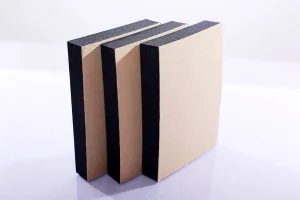
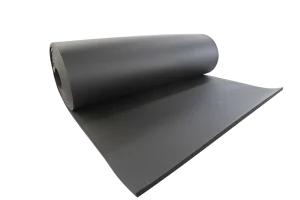
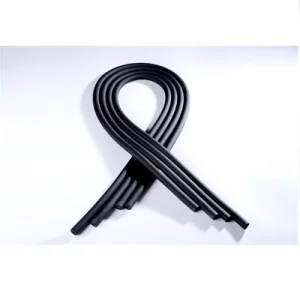
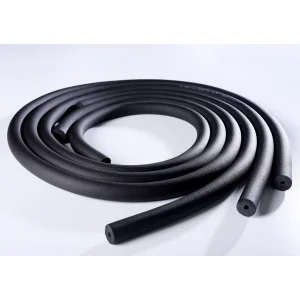
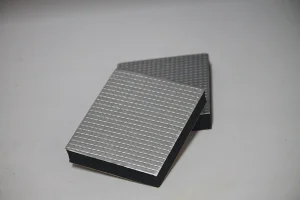
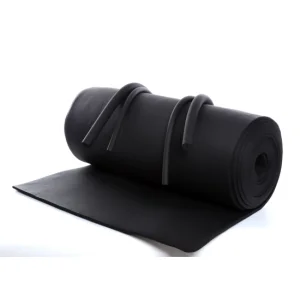
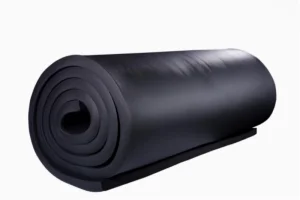
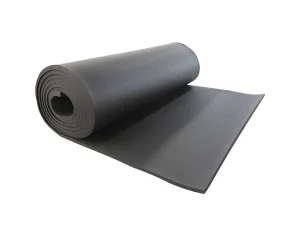
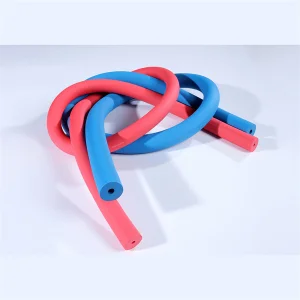
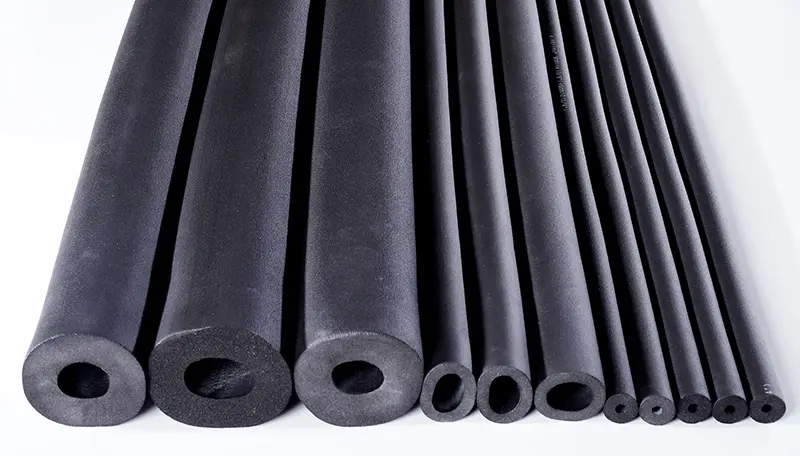
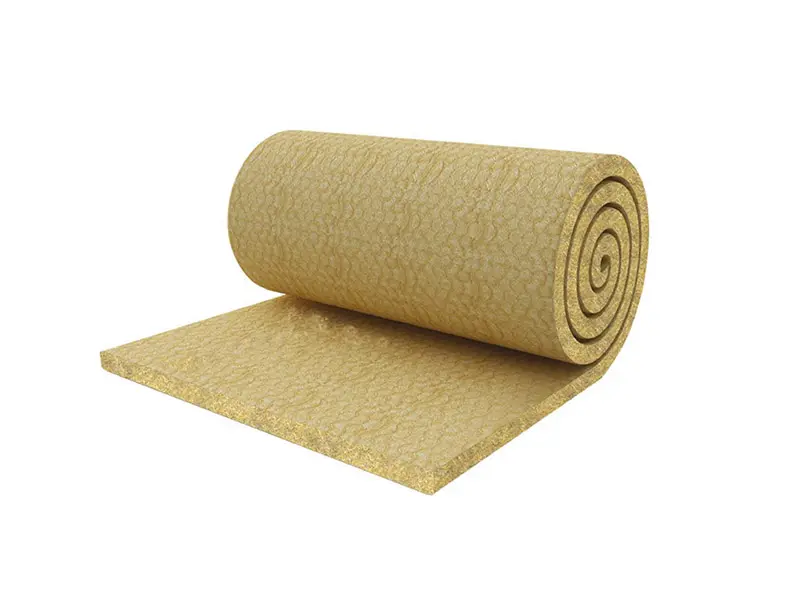
A4: Yes, we provide OEM and ODM services. We can supply sheets, rolls, and tubes customized to specified thicknesses, dimensions, densities, and backings (e.g., self-adhesive or reinforced aluminum foil face).
A5: Our products are certified under BS 476, CE, REACH, RoHS, UL94, and ASTM standards. This verification helps confirm their suitability for international building and industrial projects.
A6: Yes. We use a batch-tracking system that logs raw material sources, processing conditions, and QC test outcomes for every production run, supporting project quality assurance.
A7: We produce standard thicknesses ranging from 6mm to 50mm, allowing selection based on the thermal needs of your project.
A8: Under normal operating conditions and with proper installation, our materials typically serve for 10 to 15 years. Using protective metal or UV-resistant cladding in outdoor environments can help extend their lifespan.
A9: A factory-applied aluminum foil lining protects the rubber foam core from weathering, mechanical damage, and UV exposure. It also serves as an additional vapor barrier, helping to prevent moisture buildup in outdoor applications.
A10: Our NBR/PVC matrix blocks water vapor passage with a high diffusion resistance ($\mu \ge 10,000$). This barrier prevents moisture from condensing on the metal pipe surface, reducing the risk of corrosion under the insulation.
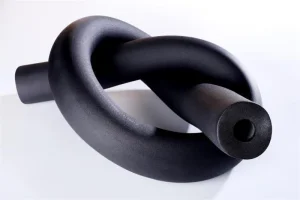
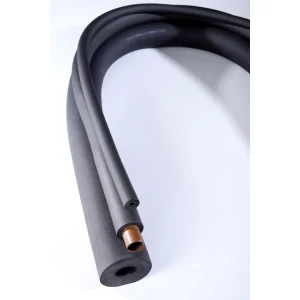
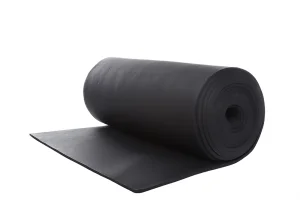
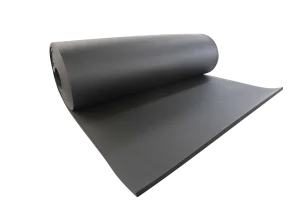
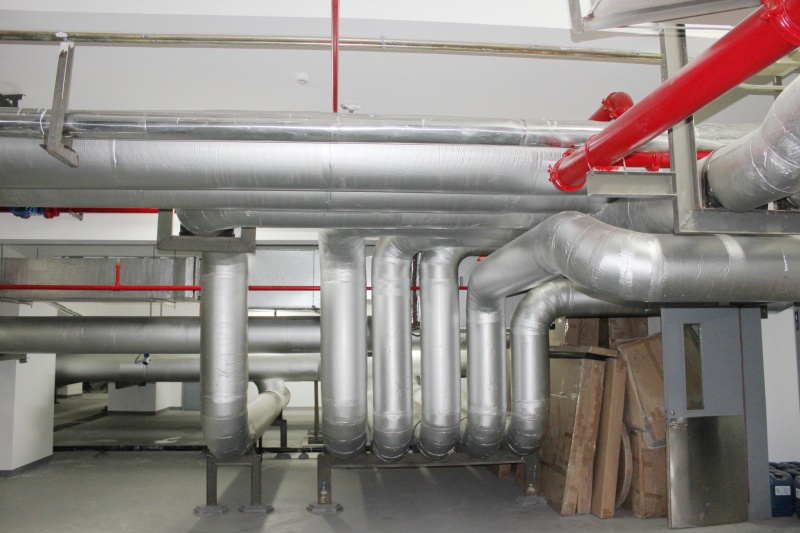
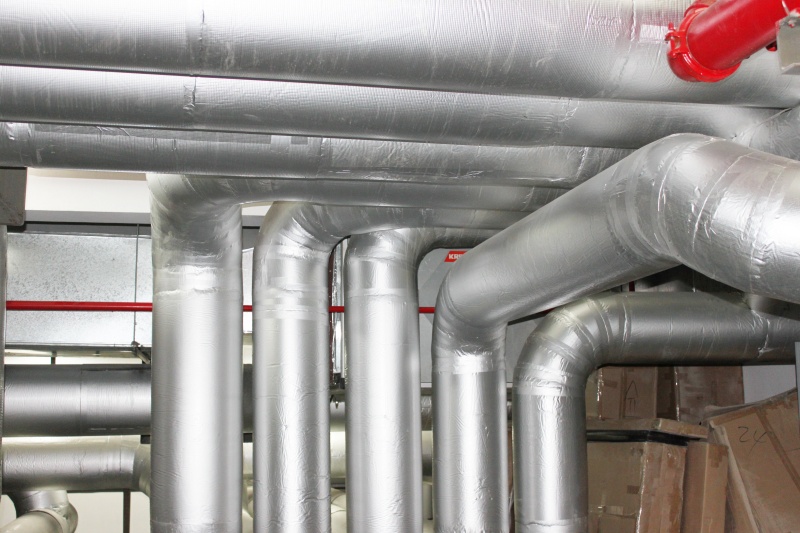
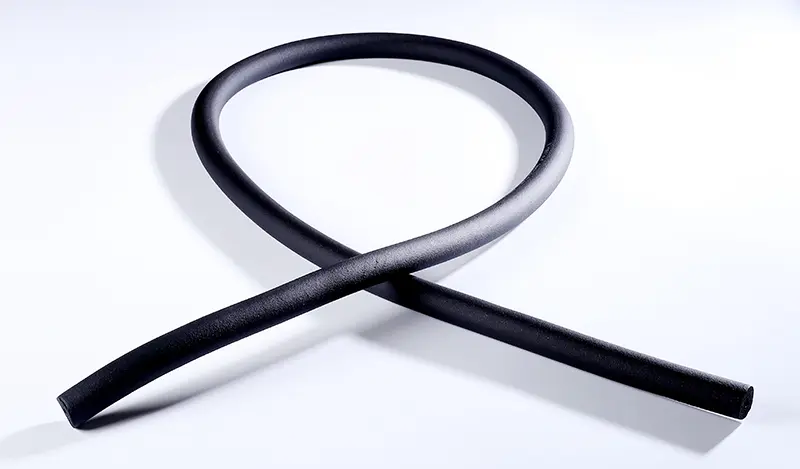
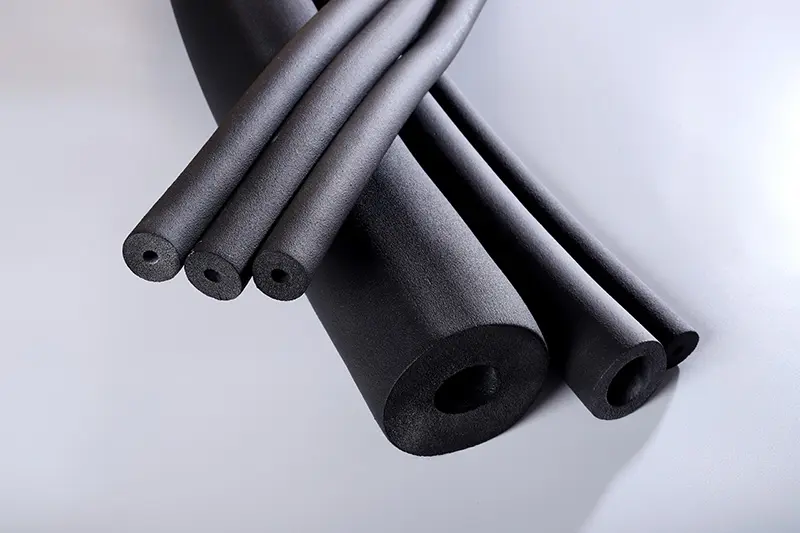
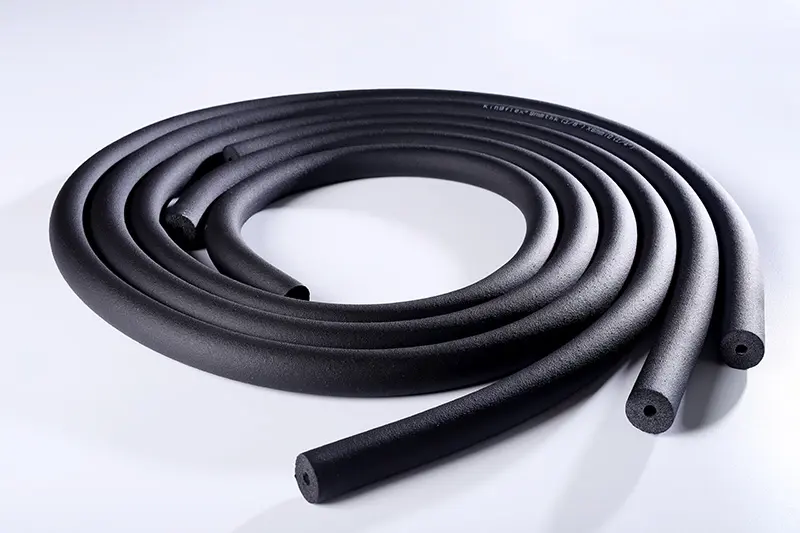
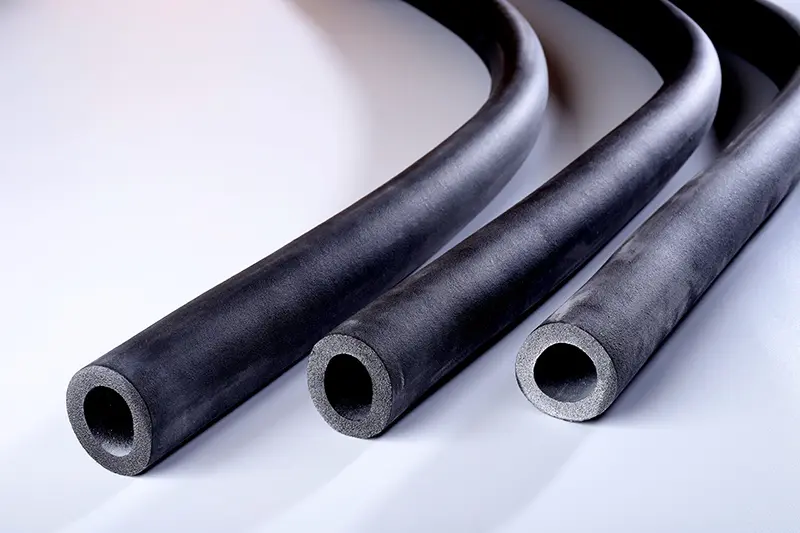
High-performance sheeting, pre-formed piping insulation, and heavy-duty thermal wraps for complex engineering layouts.