 Kingflex
Kingflex
Kingflex
Premium solutions spanning elastomeric rubber matrices and high-density rock wool systems engineered for performance
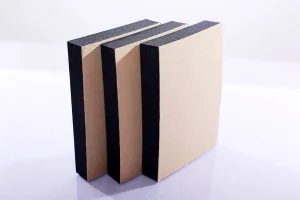
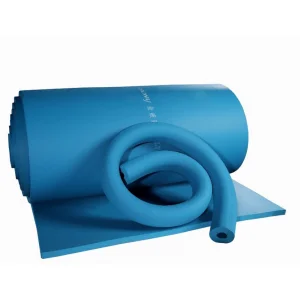
In the wake of strict global carbon-neutral mandates, the commercial building, industrial manufacturing, and chemical processing sectors face intensive thermal optimization audits. Standard solutions are no longer sufficient to meet modern energy-saving regulations. The demand for next-generation rock wool and elastomeric rubber foam insulation has shifted from functional construction utilities to structural assets for operational efficiency.
Across continents, regulatory frameworks (such as the EU Energy Performance of Buildings Directive and US ASHRAE Standards) mandate drastic reductions in thermal thermal bridging. Structural products must display highly predictable heat transmission characteristics, long-term hydrodynamics, and superior fire classification indices. High-density basalt-based rock wool and premium closed-cell NBR/PVC elastomeric structures represent two key technologies meeting these requirements.
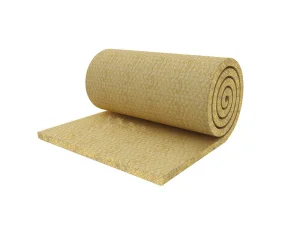
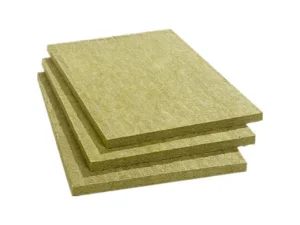
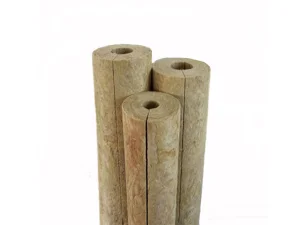
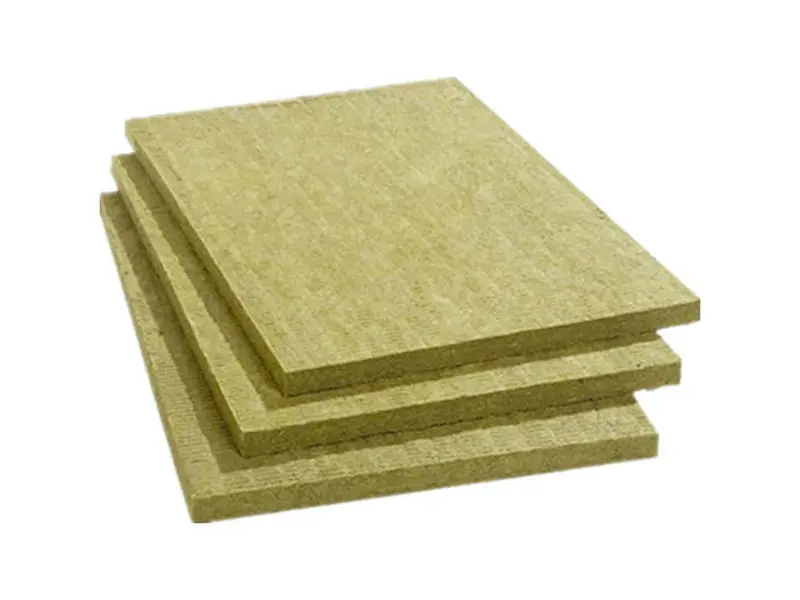
Rock Wool Insulation provides fire protection (A1 non-combustibility) and high temperature stability, making it the choice for process lines, high-rise building facades, and district heating piping. Meanwhile, Elastomeric Rubber Foam serves as the standard for high-condensation HVAC configurations, chilled-water piping, and sub-zero cryogenic systems.
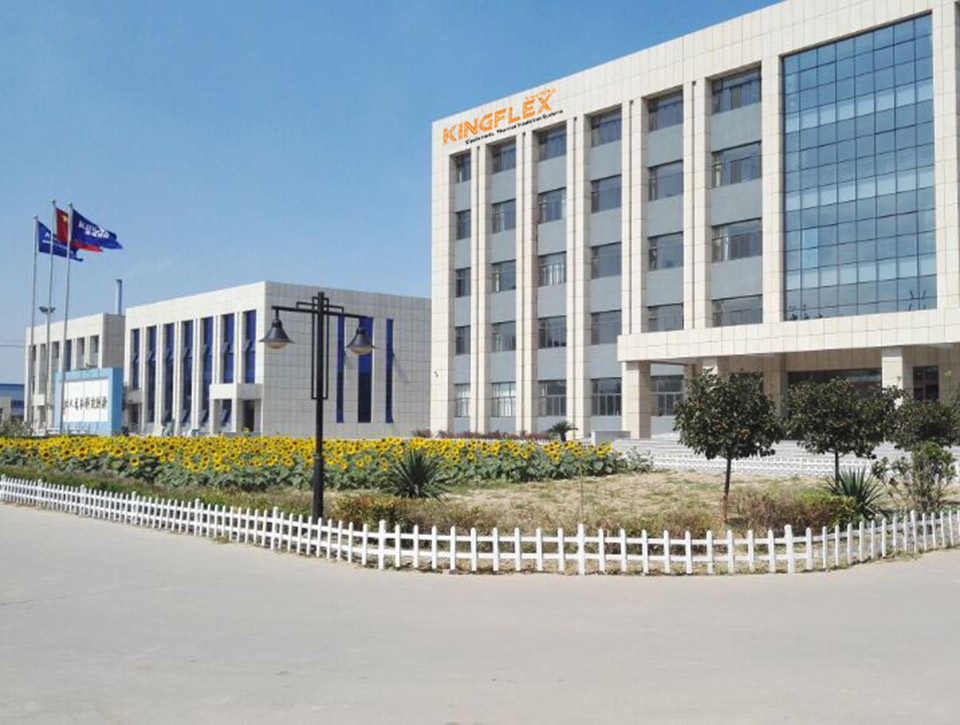
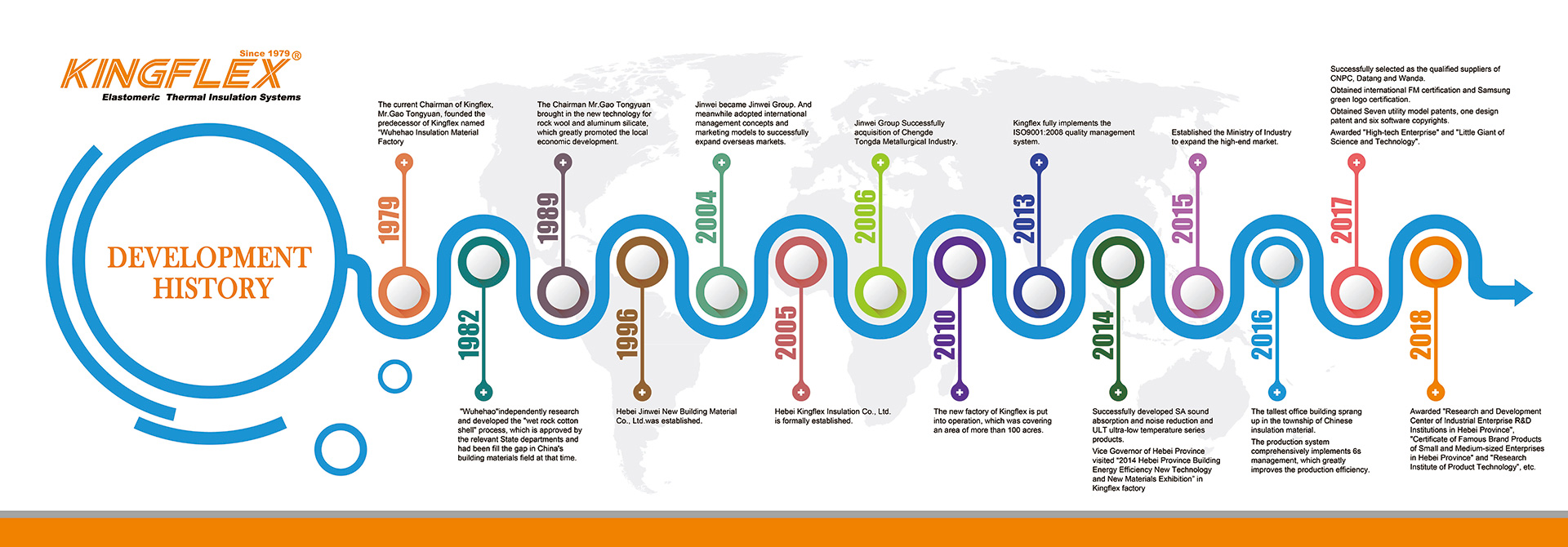
Established by the Jinwei Group, which traces its manufacturing roots back to 1979 as the first thermal insulation factory north of the Yangtze River, Kingflex Insulation Co., Ltd. has developed into a major production and trade combo. Located in the Dacheng green-building materials hub in China, Kingflex integrates materials research, advanced production lines, and technical consultation.
Our infrastructure supports large-scale industrial projects:
Developing thermal performance parameters, fire retardant chemistries, and moisture-barrier properties
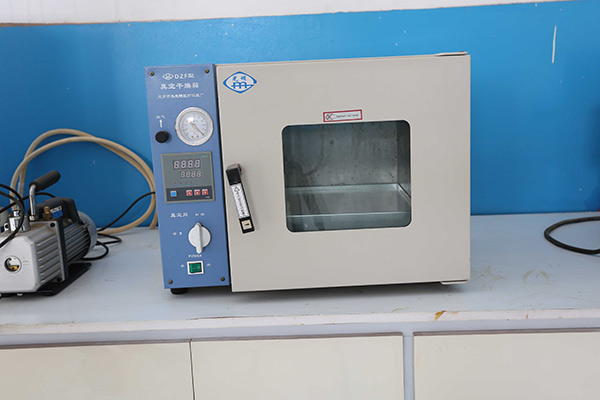
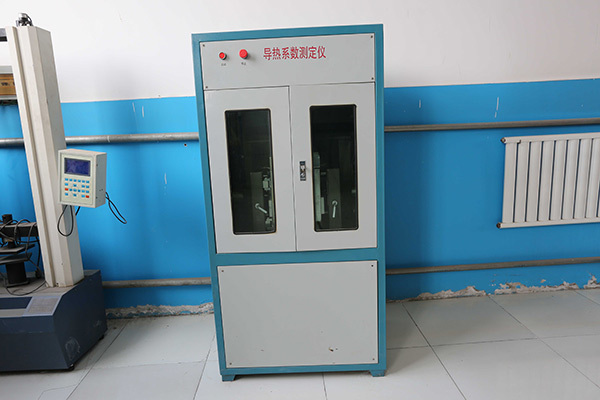
Our technical department works to optimize raw material formulations and improve density-to-thermal performance ratios. With 8 professional engineers in our dedicated R&D Department, Kingflex continuously tests material performance in real-world simulations:
By testing fire performance (BS 476 Part 7 Class 1 and Class 0 ratings), our testing laboratory ensures each batch matches the design specifications of major EPC firms worldwide.

Standard values for mechanical designers and industrial architects
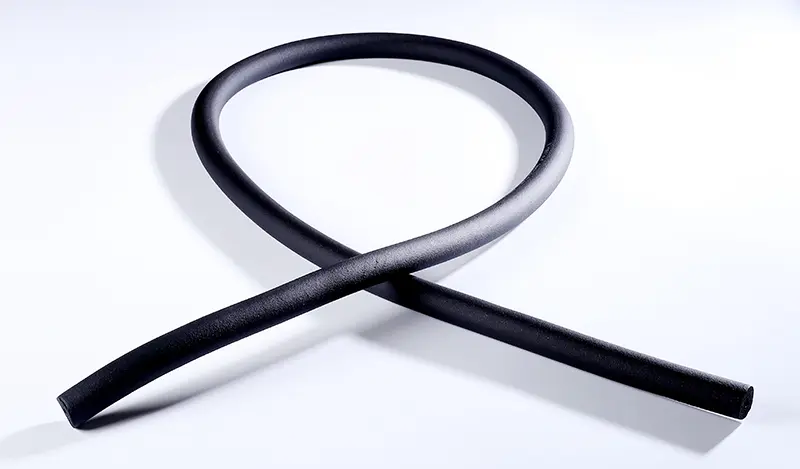
Designed for wide-diameter pipe headers, air ducts, industrial tanks, and low-temperature process equipment.
| Parameters | Value / Specifications |
|---|---|
| Material Composition | Premium Nitrile Butadiene Rubber / Polyvinyl Chloride (NBR/PVC) matrix |
| Thickness Range | 6mm, 9mm, 13mm, 15mm, 19mm, 25mm, 32mm, 40mm, 50mm |
| Apparent Density | 40 - 55 kg/m³ (controlled density distribution) |
| Temperature Capability | -40°C to +105°C (cryogenic variants run down to -196°C) |
| Water Vapor Permeability | Highly stable resistance factor μ ≥ 10,000 |
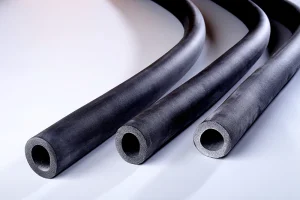
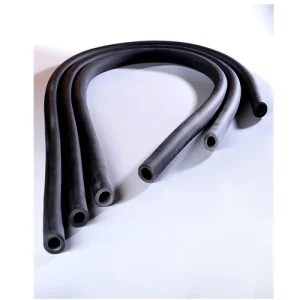
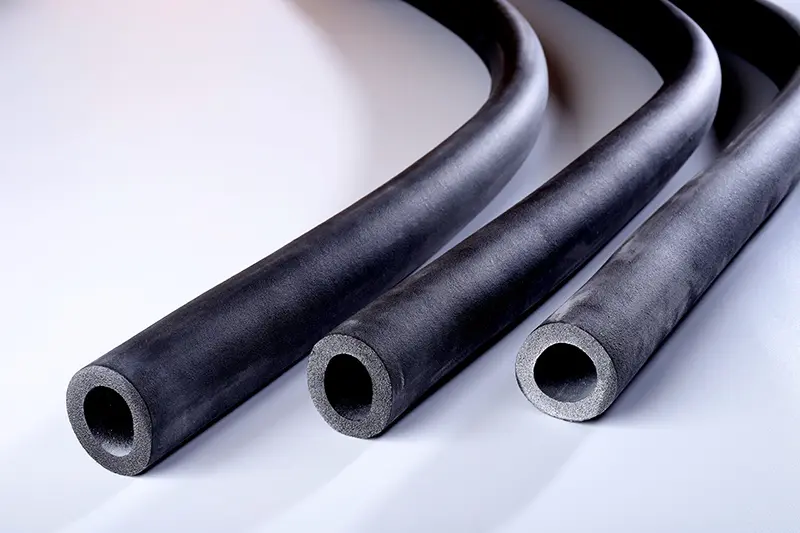
Engineered for direct installation on copper refrigeration pipes, carbon steel process lines, and domestic water pipelines.
| Parameters | Value / Specifications |
|---|---|
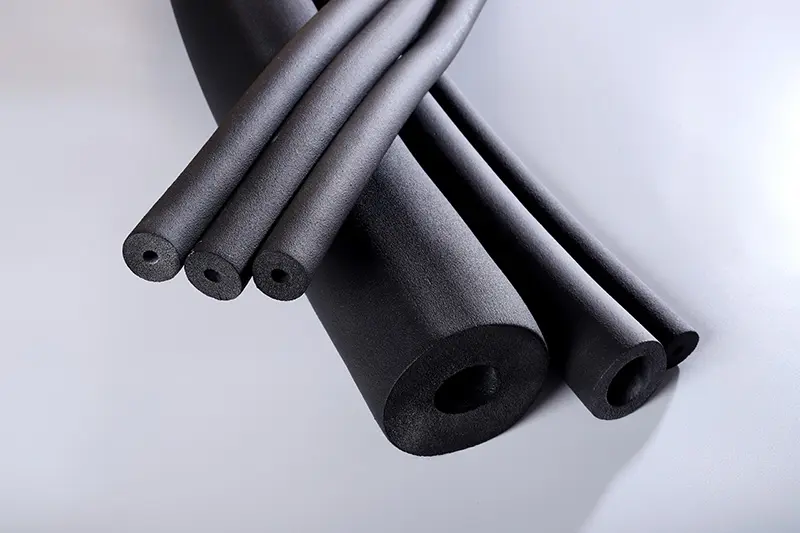
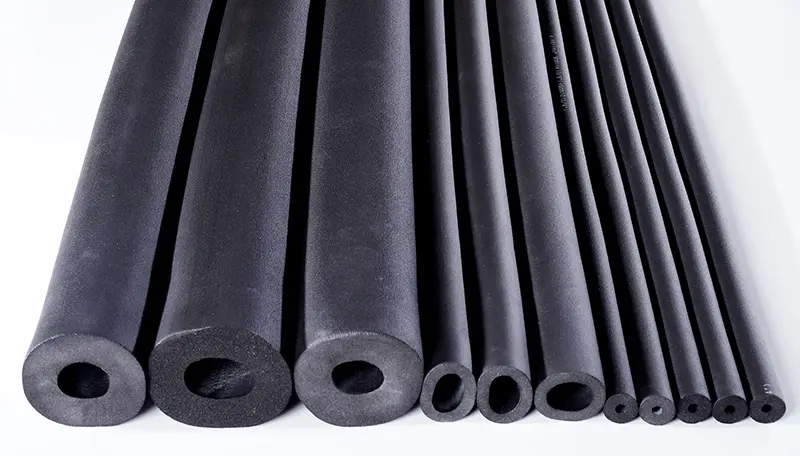
| Internal Diameter (ID) | 6mm to 114mm (suitable for standard utility pipe schedules) |
| Wall Thickness Range | 9mm, 13mm, 19mm, 25mm, 32mm, 40mm |
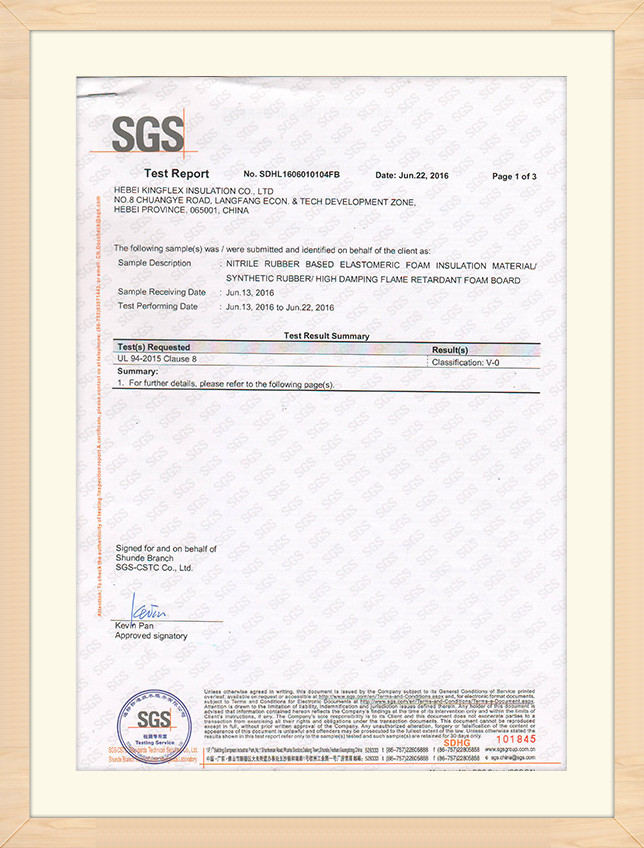
| Fire Performance Rating | Self-extinguishing, Class 0/1 (BS 476), UL 94 V-0 certified |
| Acoustic Isolation | High dampening capacity for structure-borne vibration noise |
| Ozone/UV Resistance | Coated options available for external environmental exposure |
Independent verification and documentation of real-world installations
Kingflex insulation products are tested by international certification bodies to verify technical claims. Our products carry multiple safety certifications:
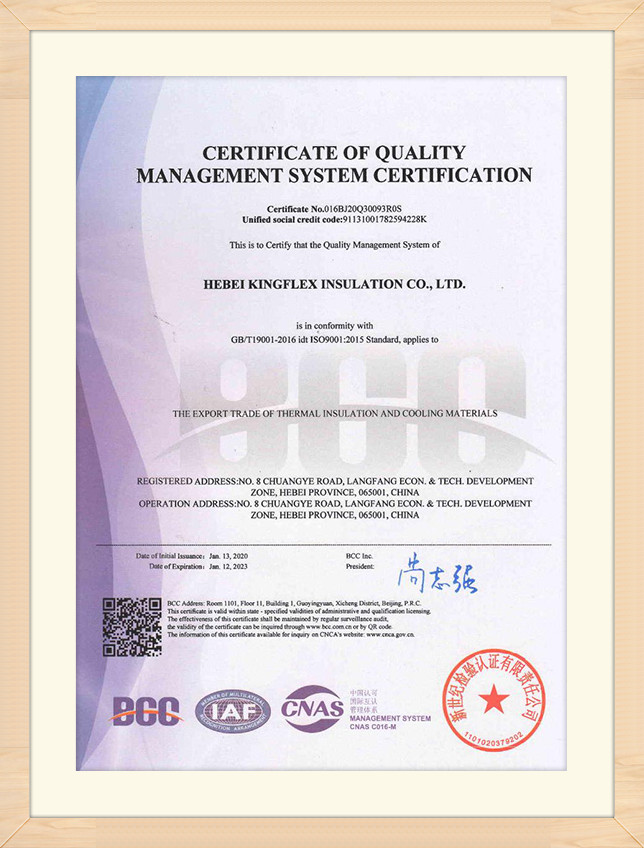
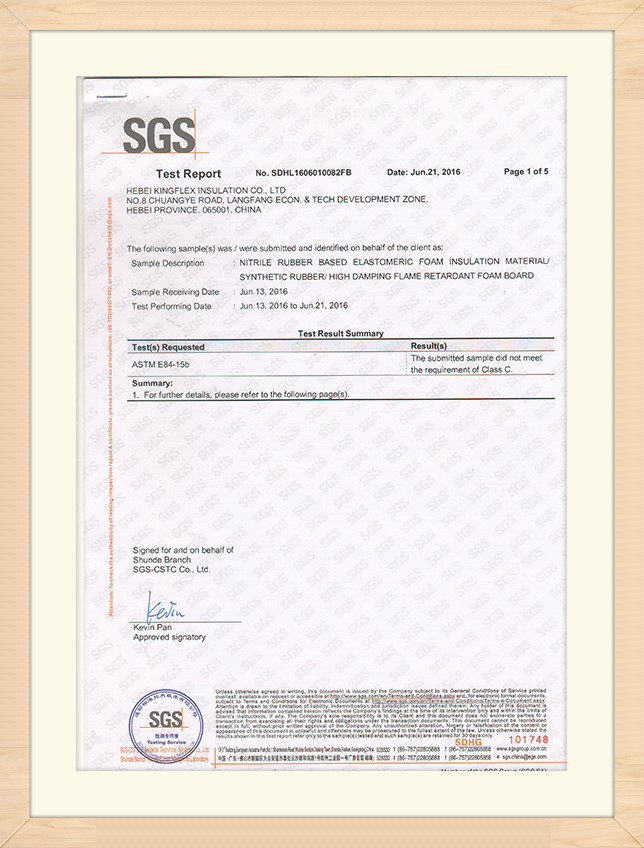
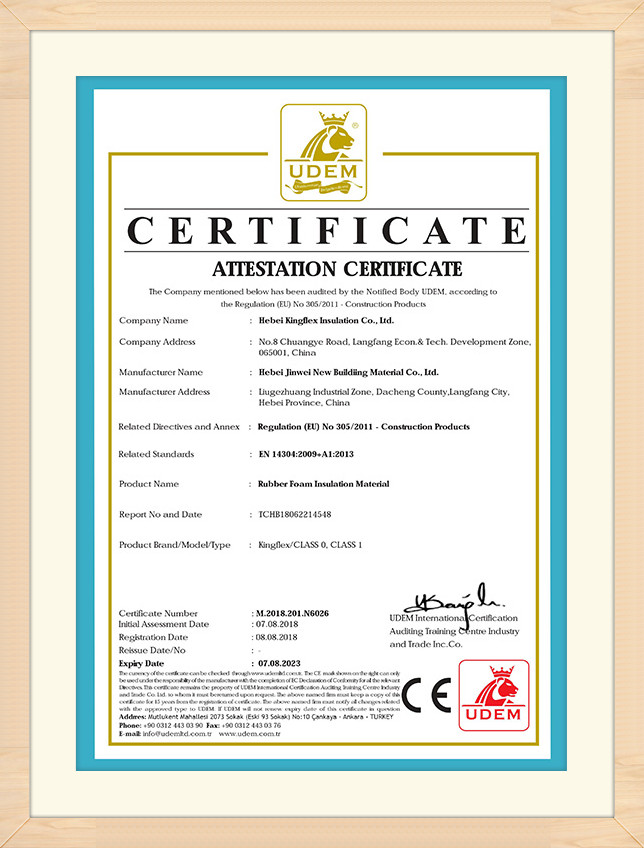
We supply product documentation, technical drawings, and custom lengths to help project teams optimize their designs. Our team helps reduce material waste and speeds up installation on site.

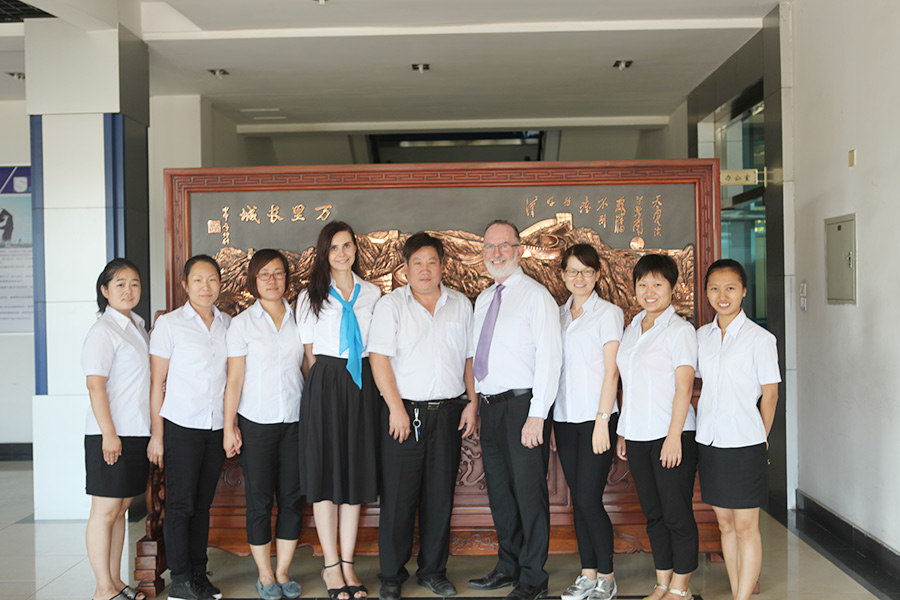
Our sales department provides pricing estimates, manufacturing schedules, and custom packaging configurations (e.g., self-adhesive backings or continuous foil jackets).
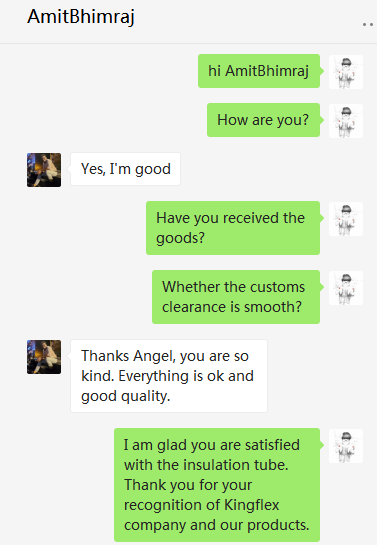
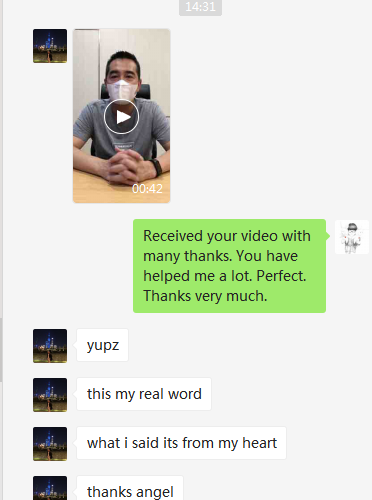
Verified communication records with international buyers and engineering managers



How our technical insulation products adapt to various field environments
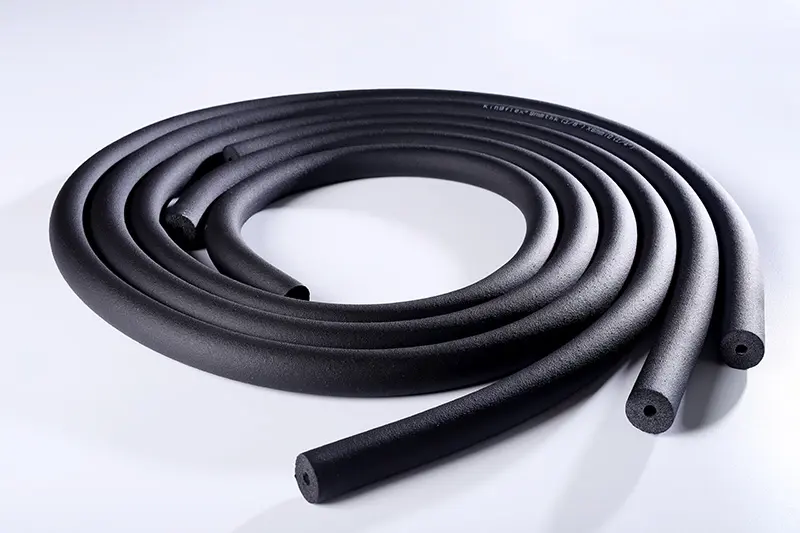
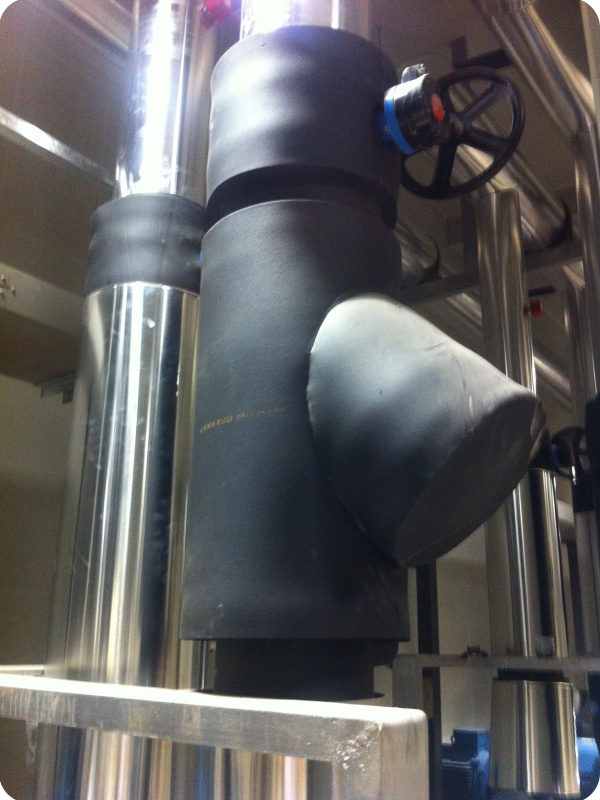
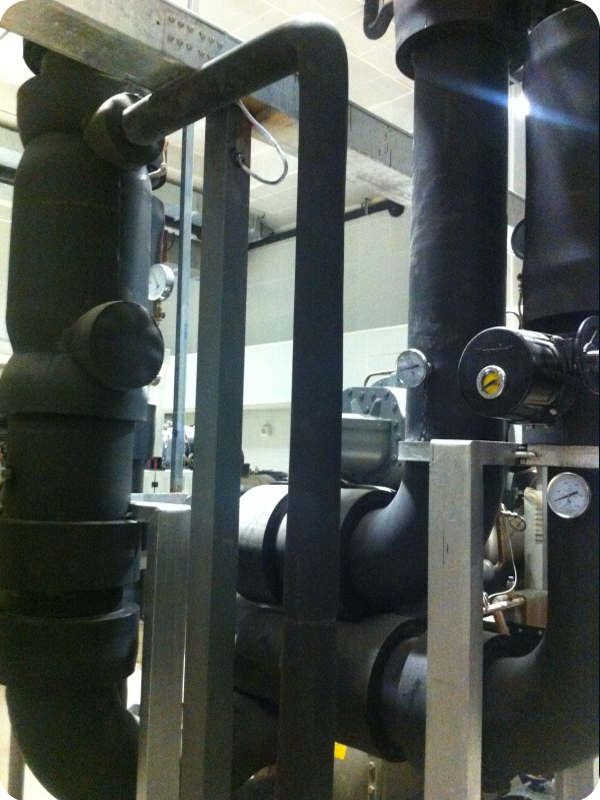
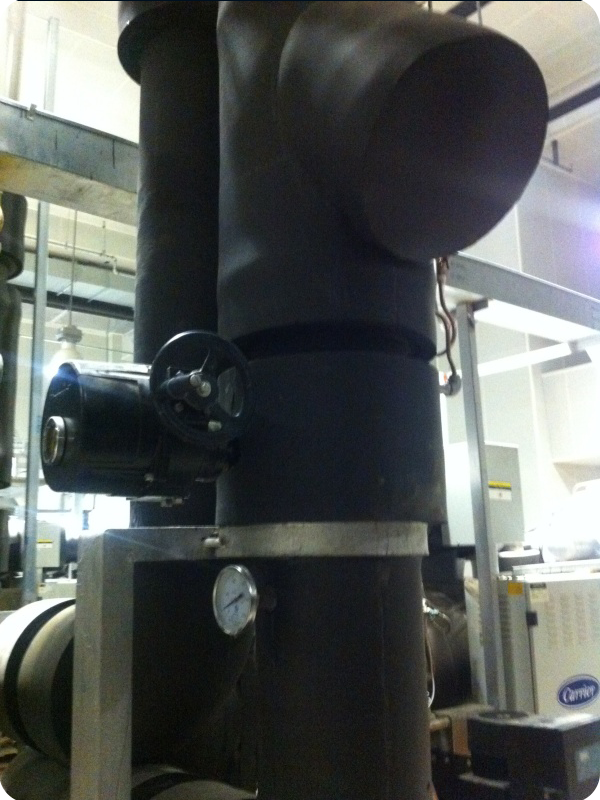
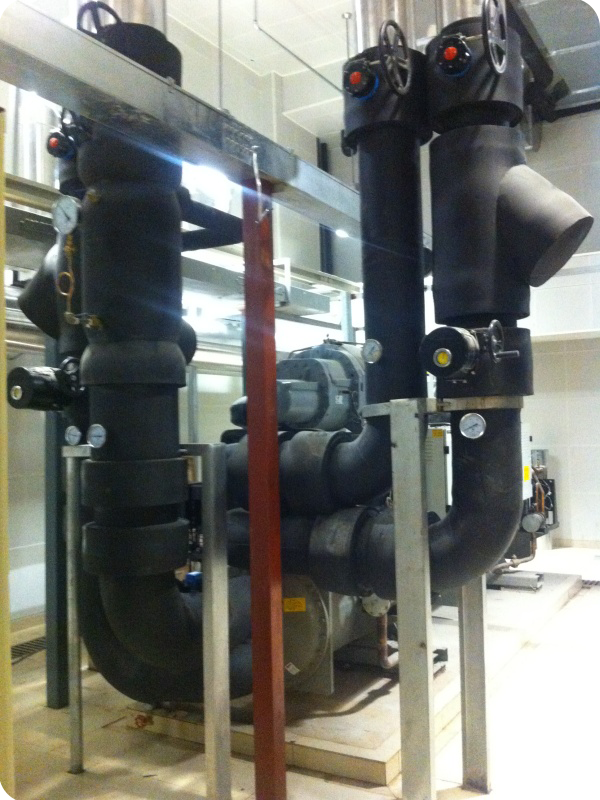
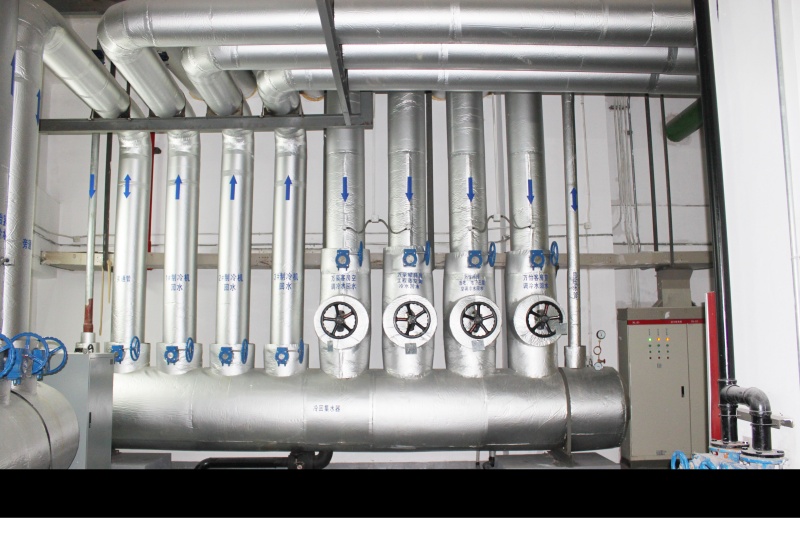
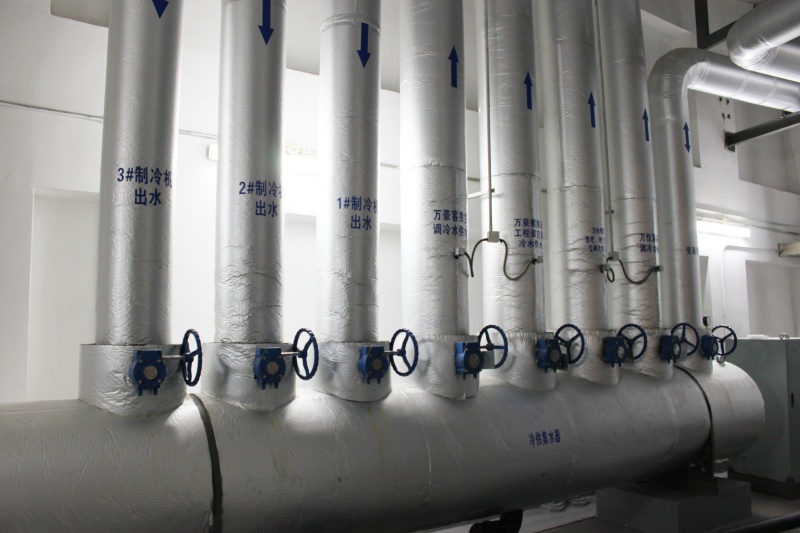
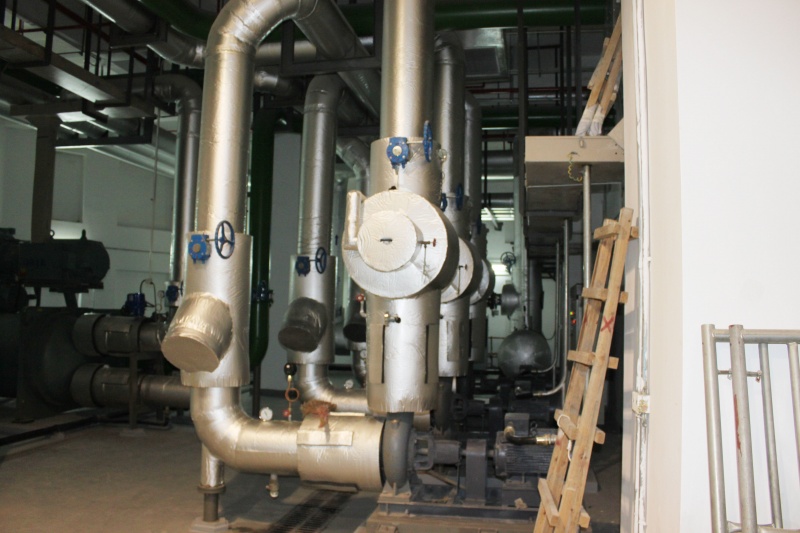
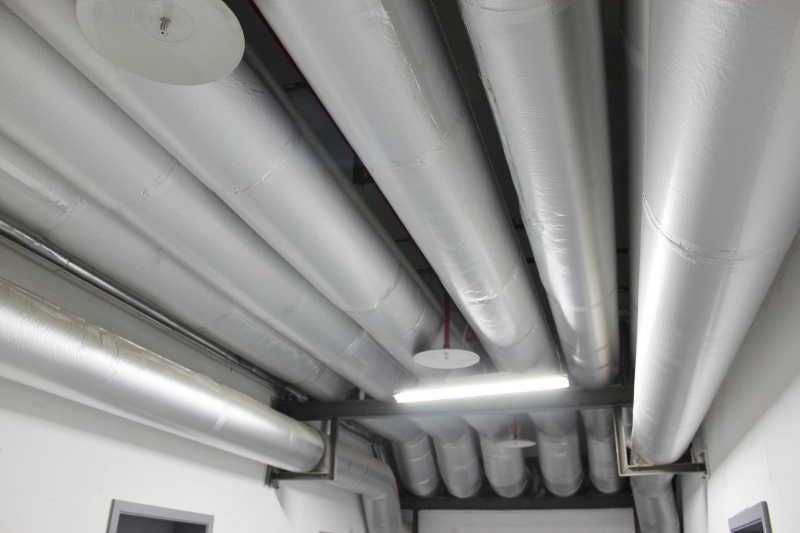
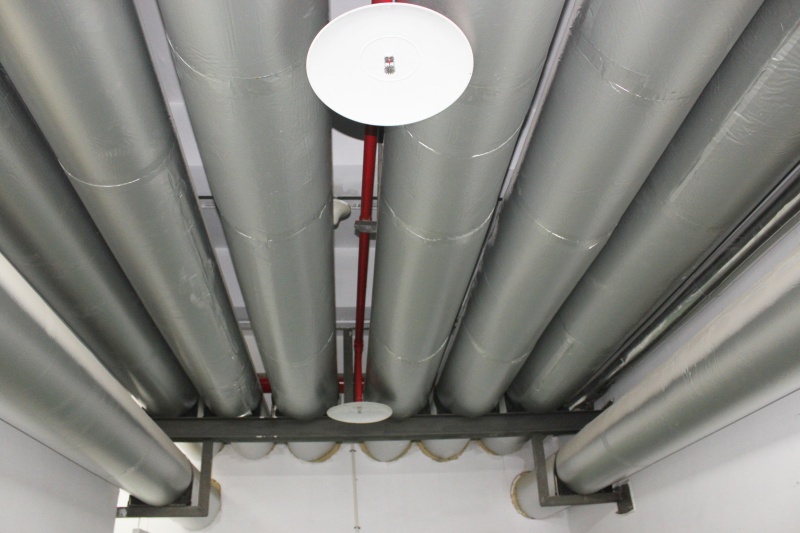
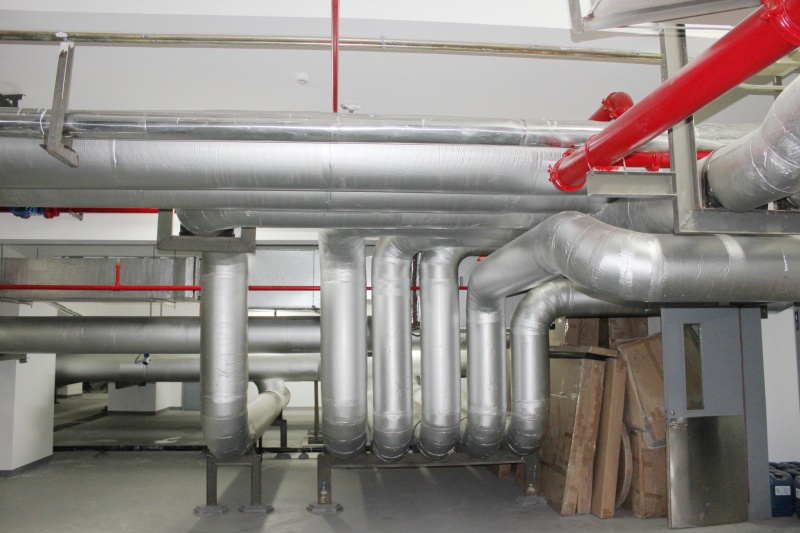
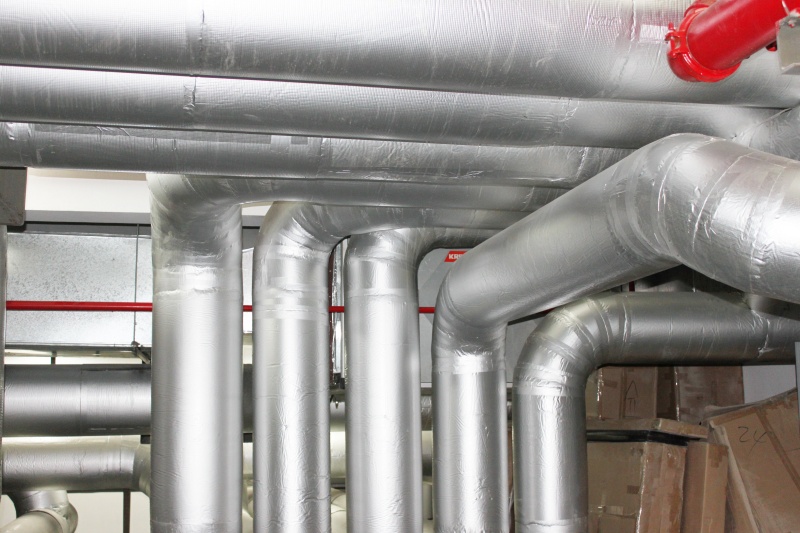
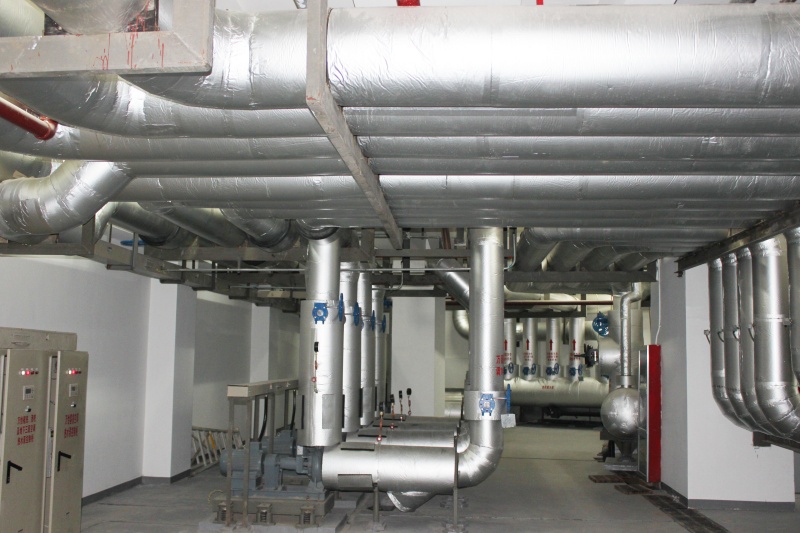
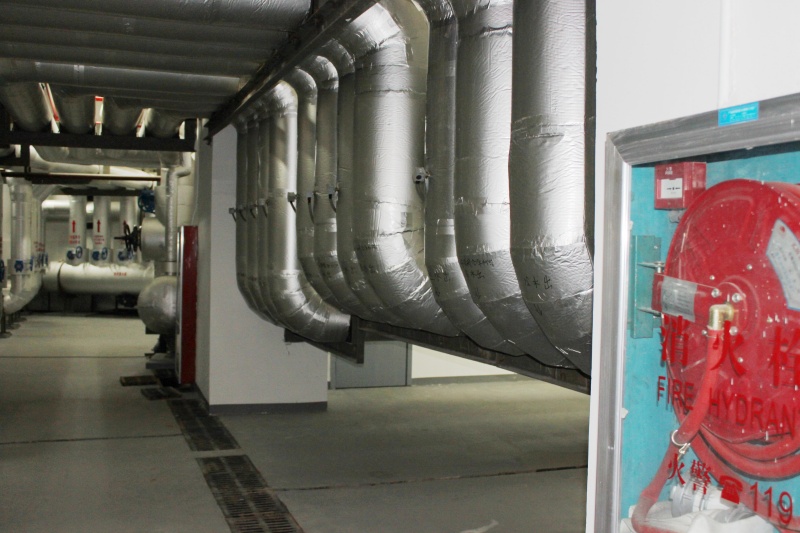
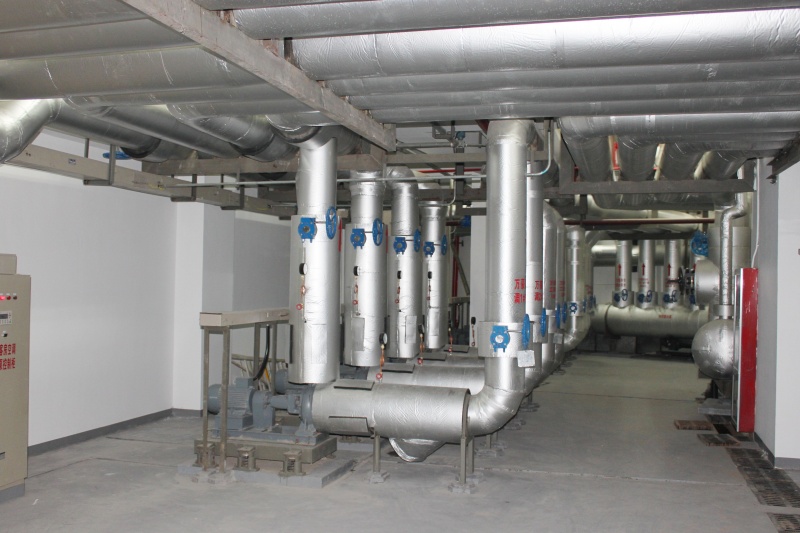
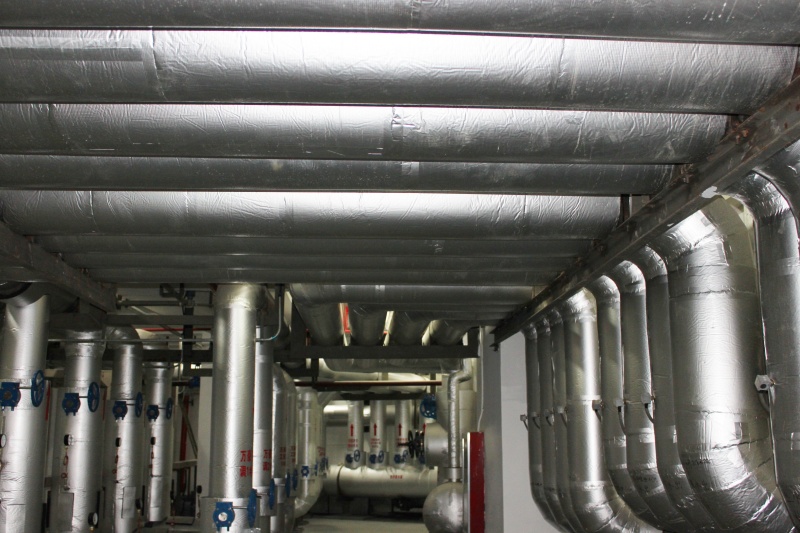
Applied as pre-formed pipe lagging and wrap-around rolls on central air conditioning ducts, preventing condensation and energy loss in hot, high-humidity environments.
High-density rock wool boards and pipe covers are utilized here to maintain process steam heat, protect workers from surface temperatures, and optimize boiler fuel efficiency.
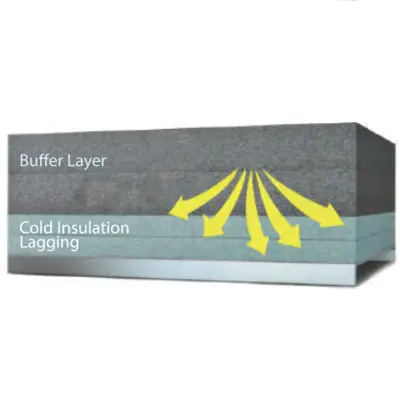
Specialty cryogenic elastomeric sheets provide moisture protection and thermal resistance for processing components operating down to -196°C.
Open-cell and low-to-high density sound absorbing panels reduce noise levels in machinery rooms, hospitals, and heavy industrial facilities.
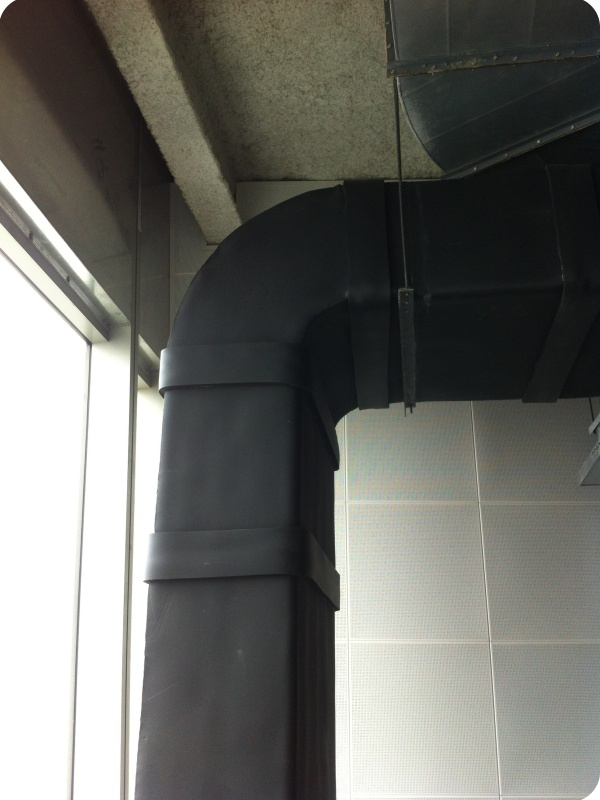
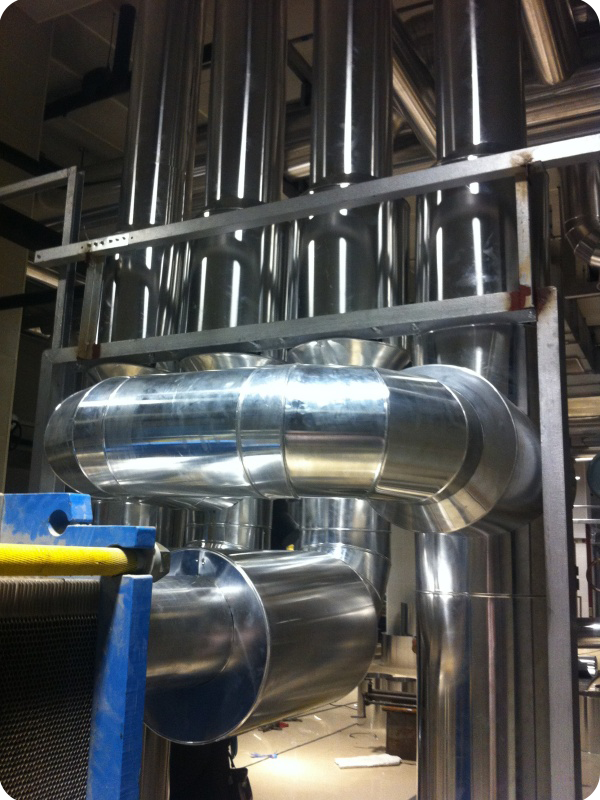
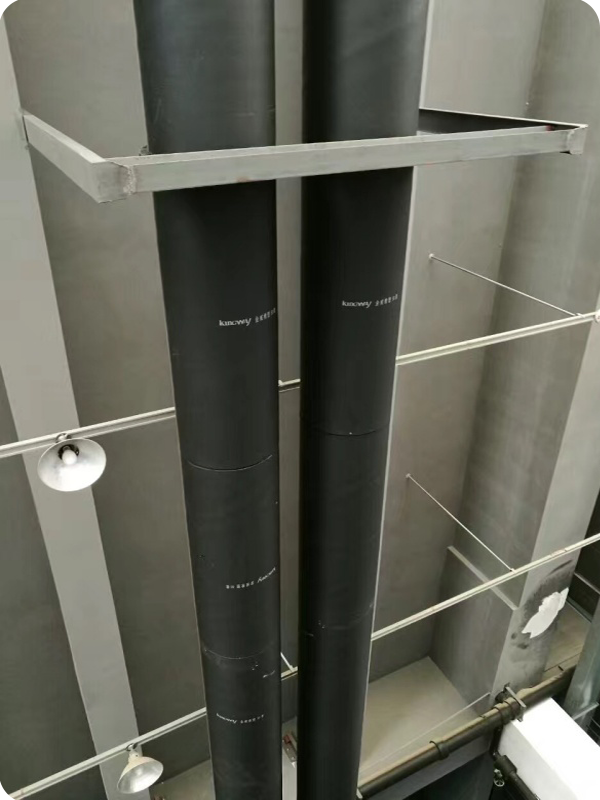
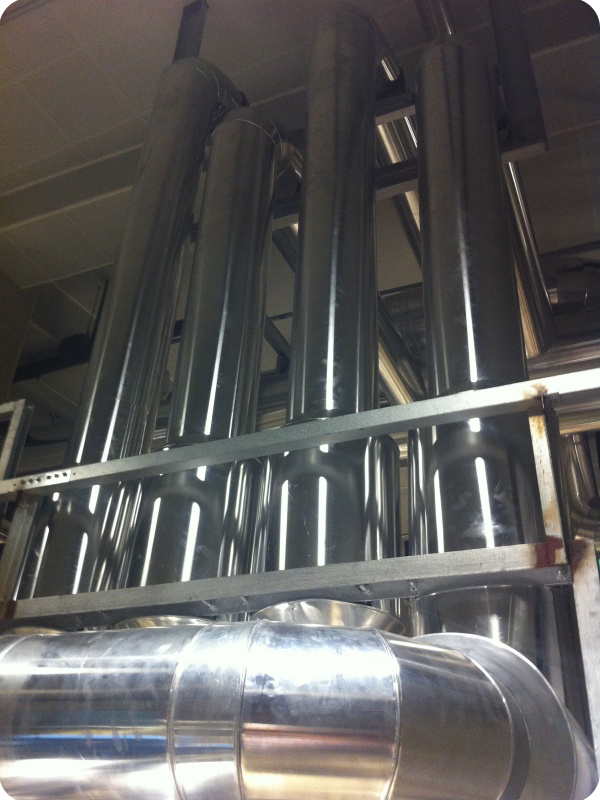
Understanding structural differences, temperature ranges, and application suitability
| Performance Indicator | High-Density Rock Wool Products | NBR/PVC Elastomeric Rubber Foam |
|---|---|---|
| Primary Material Structure | Inorganic mineral fibers bonded with thermosetting resins | Flexible closed-cell synthetic rubber compound |
| Thermal Conductivity Range | λ ≈ 0.035 to 0.044 W/m·K (temperature dependent) | λ ≤ 0.032 to 0.036 W/m·K (highly thermal efficient) |
| Continuous Temperature Range | Up to +650°C (excellent high-temp profile) | -40°C to +105°C (specialty cryogenic down to -196°C) |
| Water Vapor Resistance (μ) | Low resistance (requires external vapor barrier jacket) | μ ≥ 10,000 (built-in vapor barrier) |
| Reaction to Fire | A1 Non-combustible, zero smoke generation | Class 0 (BS 476), Self-extinguishing, no flaming droplets |
| Best Applications | High-temperature industrial steam pipes, furnaces, wall cavities | HVAC chilled lines, refrigeration plant systems, cold-water mains |
Large-scale commercial projects often require both materials. For example, high-temperature boilers and steam pipelines require rock wool's heat resistance, while chilled water networks and mechanical duct structures use elastomeric foam to manage condensation risks. Combining both materials optimizes overall thermal efficiency and system lifespan.
Production steps that maintain thermal parameters and dimensional consistency
Automated compound mixing keeps density consistent.
Extruding dense pipe profiles to exact diameter and wall specifications.

Controlled thermal foaming ensures closed cells remain sealed.
Computerized cutting tools yield clean edge profiles for easy installation.
Comprehensive answers regarding materials selection, chemical compatibility, and thermal design
It is primarily used to isolate HVAC ducts, air conditioning lines, and process cooling piping. Thanks to its closed-cell structure and high resistance to water vapor transmission, it stops ambient moisture from condensing on cold metal pipe surfaces. This condensation control protects against structural corrosion and prevents water damage to surrounding building ceilings.
Yes. Kingflex rubber foam uses flame retardants that help prevent vertical fire spread. The material self-extinguishes when the heat source is removed, meeting BS 476 Part 6 & 7 (Class 0 and Class 1) as well as UL94 flammability ratings. This makes it suitable for public building projects.
The difference lies in their cell structure and temperature limits. Rubber foam is flexible, closed-cell, and highly moisture-resistant, making it ideal for HVAC and refrigeration systems (-40°C to +105°C). Rock wool is an open-celled mineral fiber material that withstands high temperatures (up to 650°C) and is non-combustible (Class A1), making it the standard for high-temperature industrial steam piping and fire safety systems.
Yes. We offer OEM support to meet specific project guidelines. We can customize dimensions (thicknesses up to 50mm, inner diameters up to 114mm), colors, packaging, adhesive backing, and protective facing sheets (such as aluminum foil or tough elastomeric jackets).
Our materials are tested by independent certification bodies to verify quality. Kingflex products carry certifications including BS 476, CE, REACH, RoHS, UL94, and ASTM. This documentation simplifies technical approvals for engineers and contractors working on public and industrial developments.
Yes. We maintain a quality tracking system where each production batch is labeled with run codes, raw material lot details, and QC test signatures. This allows us to track manufacturing history and verify performance metrics for every shipment.
We produce elastomeric rolls in thicknesses ranging from 6mm to 50mm. Thicker sheets (such as 32mm, 40mm, and 50mm) provide the thermal resistance needed for low-temperature applications without requiring multiple layers, reducing installation time.
Under typical indoor operating conditions and when installed according to manufacturer guidelines, Kingflex rubber foam products provide a service life of 10 to 15 years. Using protective weather jackets on outdoor lines protects the material from UV damage, helping to extend the lifespan of the insulation system.
Specific variations, dense compositions, and cryogenic-grade elastomeric systems