 Kingflex
Kingflex
Kingflex
Direct-from-factory access to world-class thermal glass wool, rock wool, and elastomeric systems built for rigorous safety compliance.
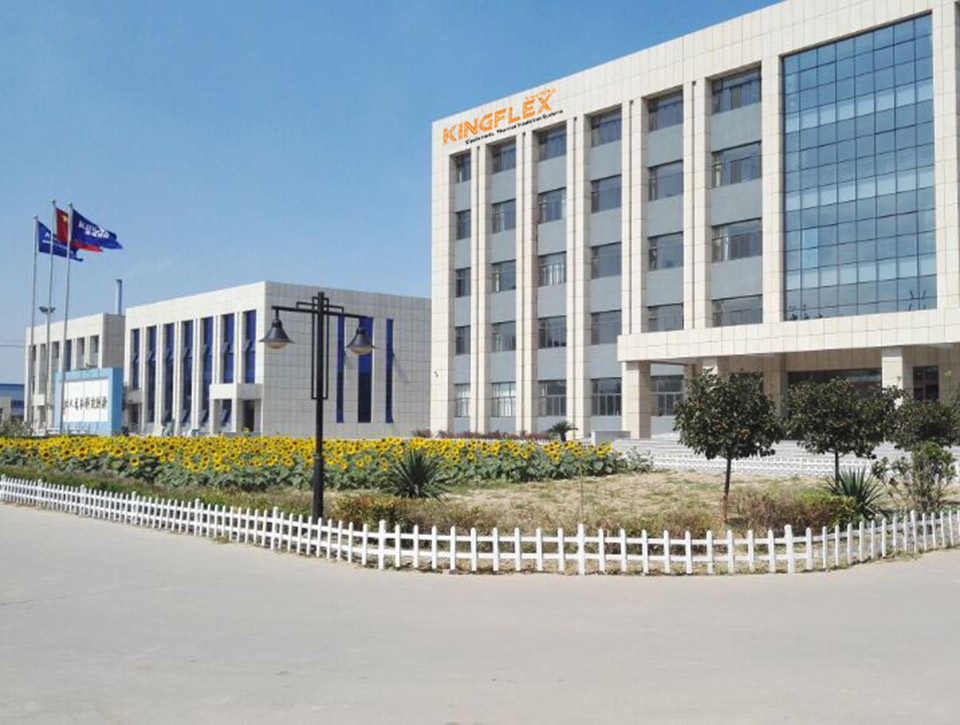
Kingflex Insulation Co., Ltd. is a leading professional manufacturing and trading combo for high-quality thermal insulation products. Nestled in Dacheng, China—the globally recognized capital of green building materials—our research, development, and state-of-the-art production departments run on a unified mission: promoting energy efficiency, consumption reduction, and eco-friendly infrastructure.
Our operational strategy views insulation as an end-to-end science. We guide customers from initial engineering consultations and tailor-made R&D to precise production, structured installation instructions, and responsive post-sale care. As pioneers of building and industrial insulation networks, we set high benchmarks in performance, ecological responsibility, and lifecycle reliability.
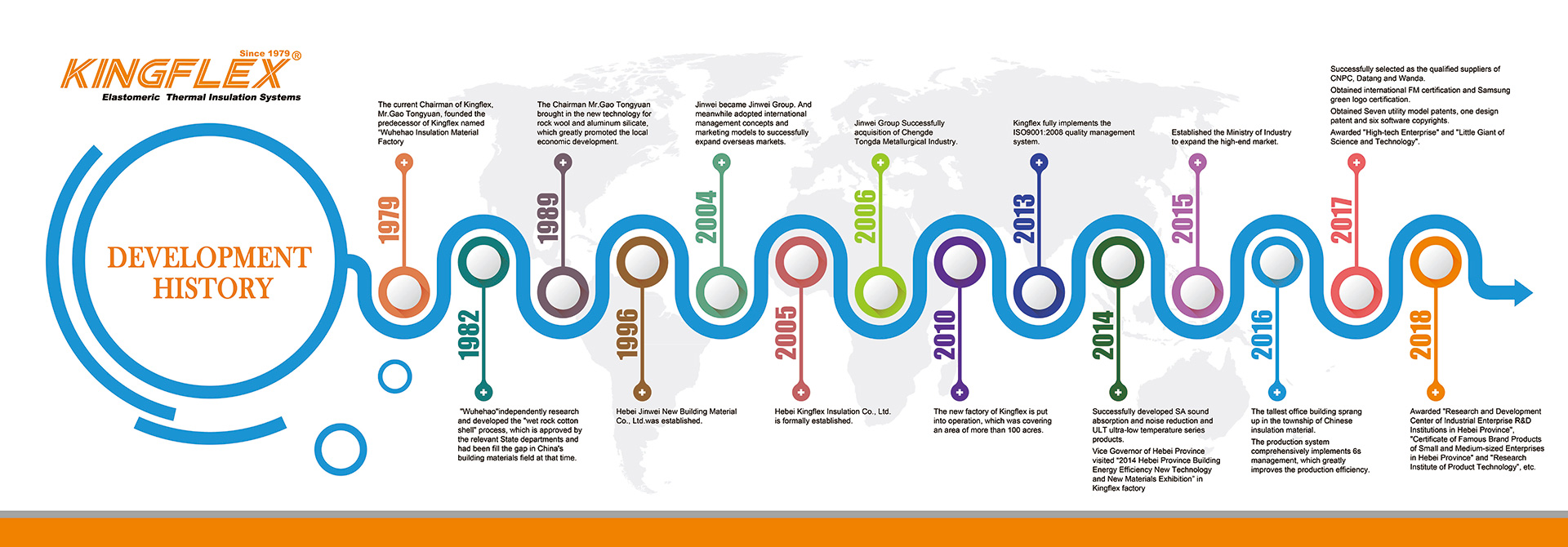
A Rich Heritage of Expertise: Built by the Jinwei Group, our enterprise draws upon over 40 years of continuous growth. Established in 1979, Jinwei Group was the first manufacturer of thermal insulation materials north of the Yangtze River. Today, we scale those core competencies to supply key international infrastructure initiatives.
In modern industrial and structural design, energy efficiency is no longer an optional upgrade; it is a foundational regulatory and financial benchmark. The insulation sector is undergoing a profound paradigm shift driven by stringent carbon neutrality policies, rising energy costs, and the absolute necessity of high-grade fire safety systems. Within this transition, glass wool insulation remains a primary thermal control strategy due to its structural flexibility, thermal endurance, and acoustic absorption profiles.
Originally engineered as a basic thermal barrier to limit conductive heat loss, modern glass wool products have developed into complex, multi-functional composite systems. By spinning molten glass into incredibly fine, entangled micro-fibers, manufacturers create countless microscopic air pockets that limit conductive, convective, and radiative heat transfer. Key trends shaping the modern glass wool sector include:
Procuring raw insulation materials for massive utility plants, district energy lines, or high-rise HVAC contracts requires evaluating more than just raw material pricing. Smart procurement teams evaluate total cost of ownership (TCO) by cross-referencing factory testing, freight optimizations, and long-term durability metrics.
| Insulation Type | Density Range | Thermal Conductivity (λ at 0°C) | Max Service Temperature | Primary Application Areas |
|---|---|---|---|---|
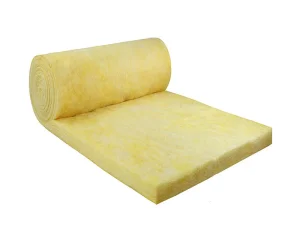
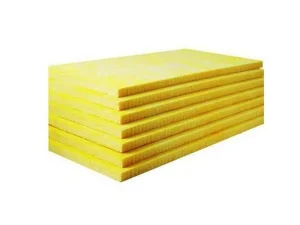
| Glass Wool Blanket | 10 - 48 kg/m³ | ≤ 0.038 W/m·K | 250°C - 400°C | HVAC ductwork wrap, wall cavity insulation, drywall acoustic backing |
| Rock Wool Board | 60 - 150 kg/m³ | ≤ 0.034 W/m·K | 650°C - 850°C | Industrial furnace casing, high-temperature steam lines, structural firewalls |
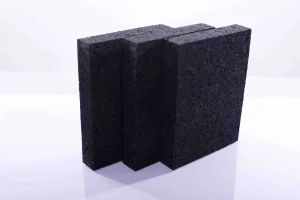
| Elastomeric Rubber Foam | 40 - 55 kg/m³ | ≤ 0.033 W/m·K | -40°C to 105°C | Chilled water systems, cooling pipelines, cleanrooms, HVAC condensation control |
For buyers, finding certified glass wool suppliers who offer transparent, verified pricelists alongside complete test reports is key. Securing factory-direct partnerships guarantees uniform quality controls, flexible customization of foil backings (such as FSK - Foil Scrim Kraft), and optimized density adjustments that streamline field installation and reduce material waste.
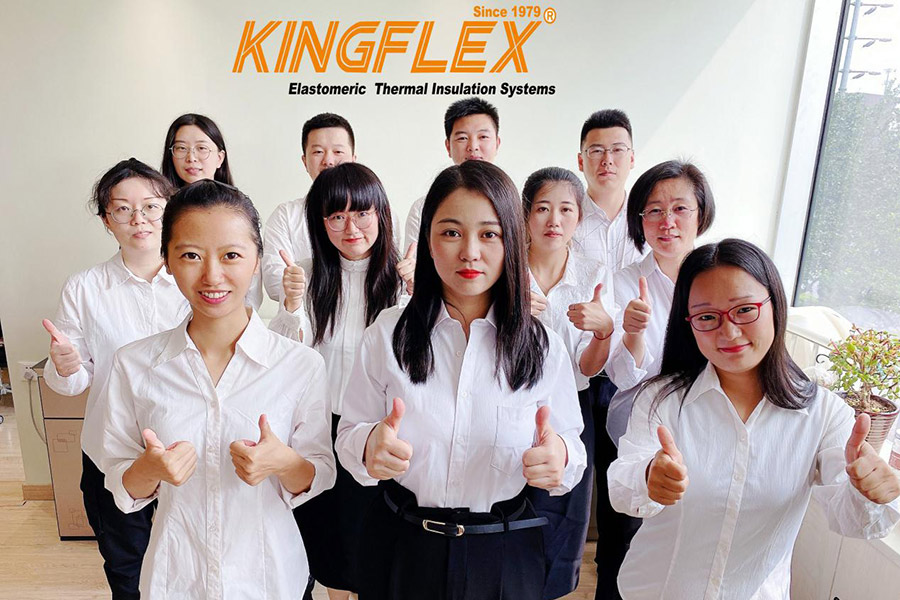

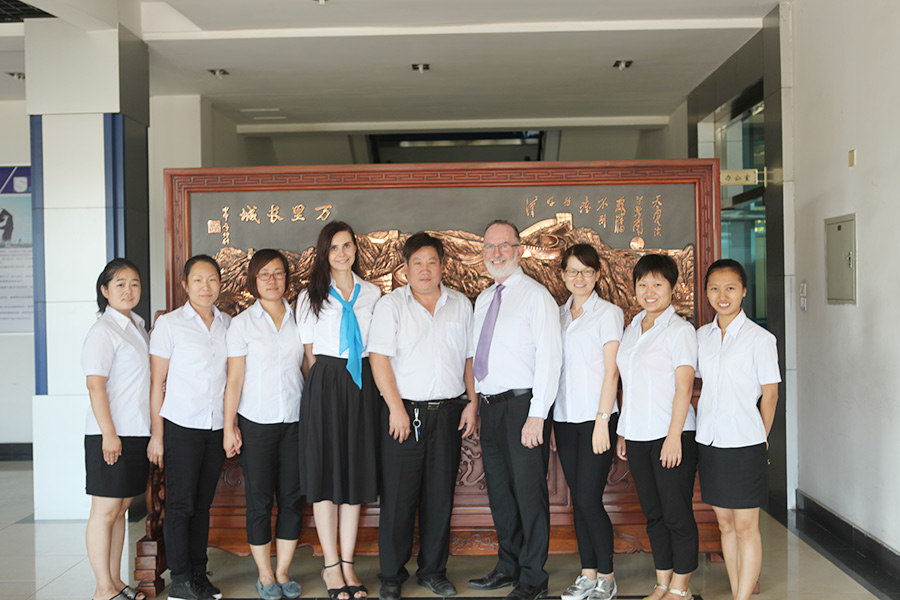
Our workforce forms the backbone of Kingflex's engineering authority. By aligning advanced automation technologies with deep material science expertise, we supply consistent insulation products that satisfy complex engineering demands.
Our production facilities are recognized suppliers by major national energy and chemical ministries, qualifying us for major global infrastructure and industrial insulation contracts.
Verified technical parameters for our flagship flexible elastomeric rubber foam sheets and pipelines.
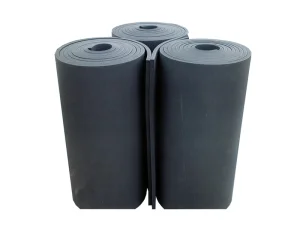
Kingflex Standard Dimension & Properties:
Primary Applications: Large HVAC ducting insulation, architectural acoustic wall lining, sub-zero refrigeration pipelines, transport carriages, and industrial storage tanks.
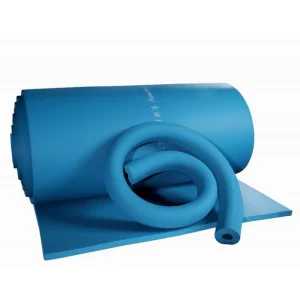
Kingflex Standard Dimension & Properties:
Primary Applications: Chilled water line condensation prevention, copper refrigerant pipes, domestic plumbing freeze protection, and industrial steam headers.
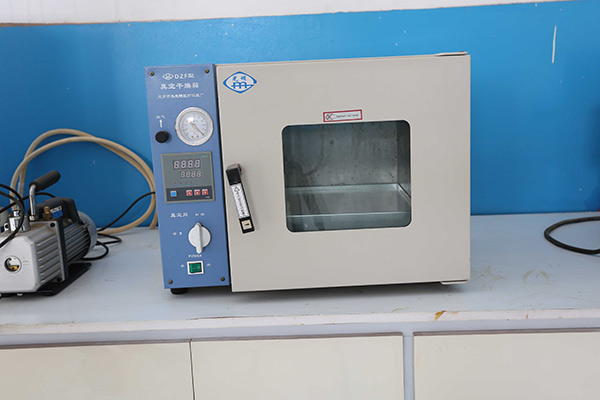
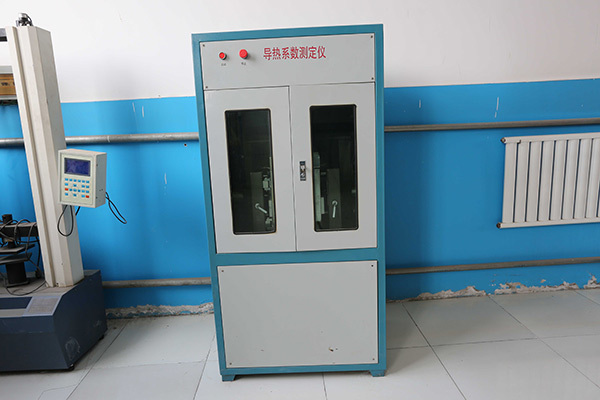
We continuously test thermal conductivity, flame propagation, smoke toxicity, and aging indices to guarantee long-term performance.

Precision thermal conductivity analyzer
Vertical furnace fire-testing cell
Mechanical tensile & aging chamber
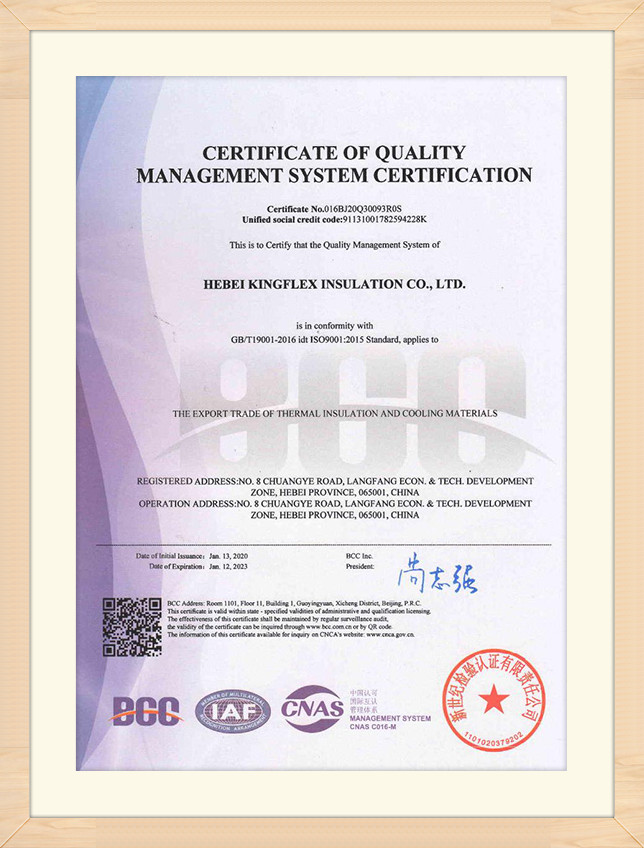
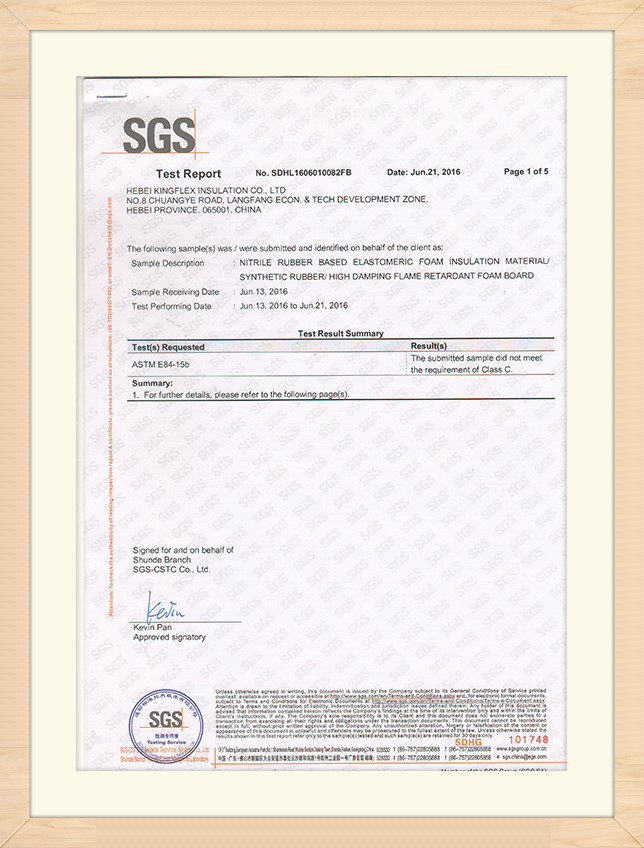
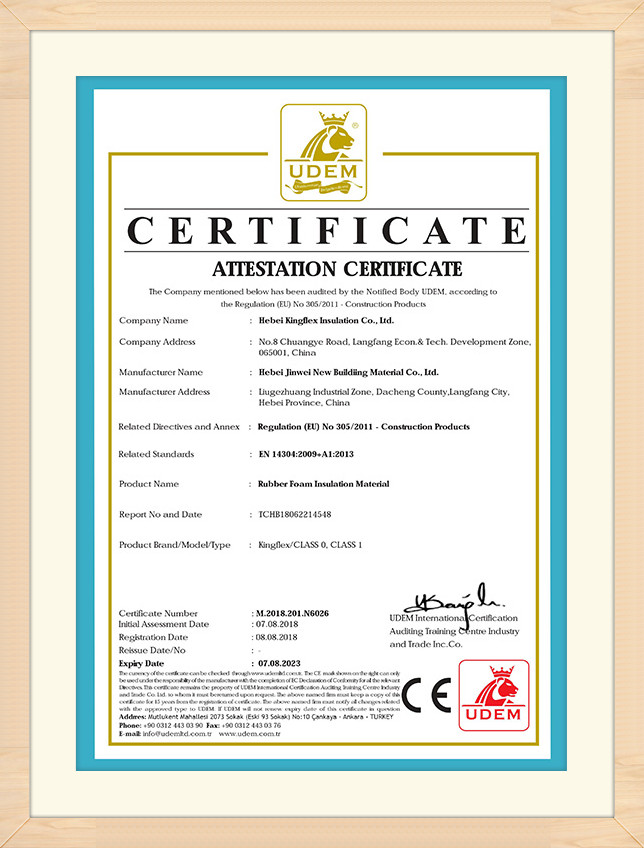
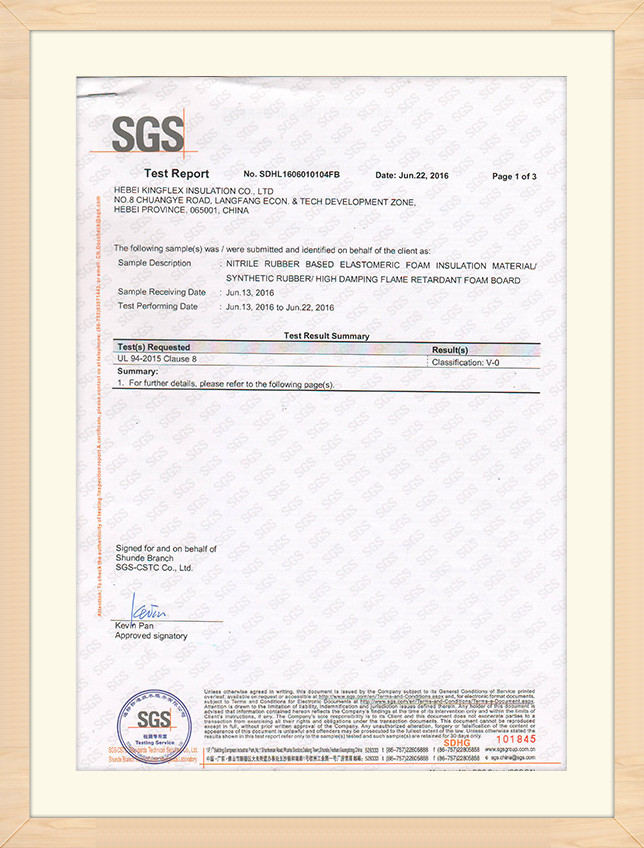
Exporting high-performance insulation systems to more than 66 countries requires aligning with strict testing standards. Our products carry international approvals that ensure safety, mechanical durability, and environmental compliance.
Batch Traceability: Every production batch undergoes comprehensive quality control testing. Physical test samples, raw chemical lot records, and manufacturing logs are cataloged for a minimum of 10 years, ensuring complete accountability for large commercial projects.
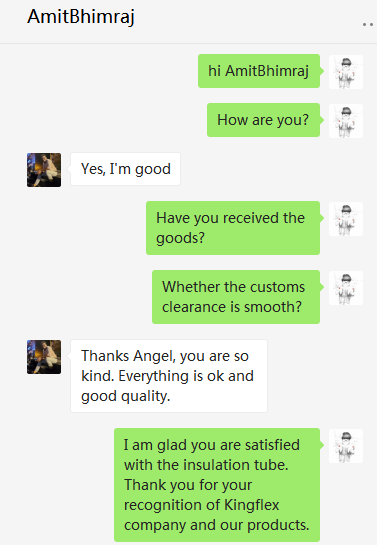
Verified project deliveries and active customer relationships in diverse construction, petroleum, chemical, and cooling markets.
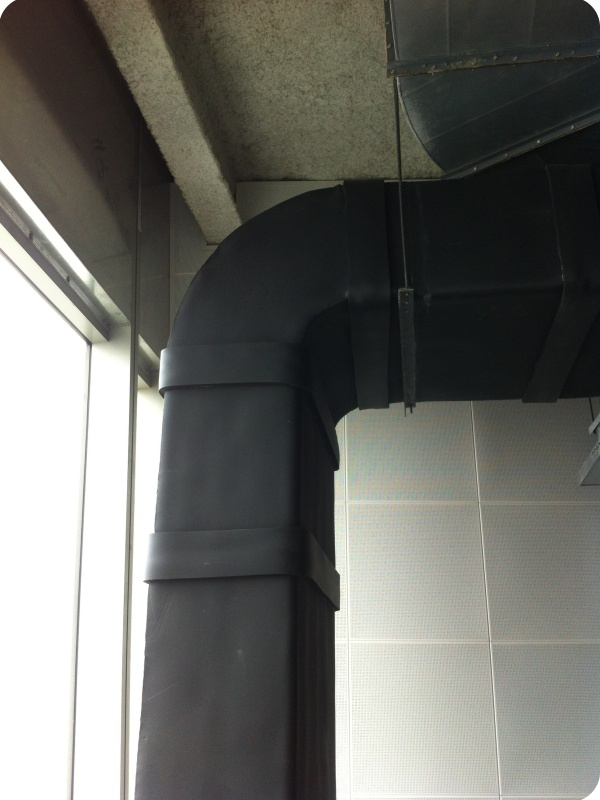
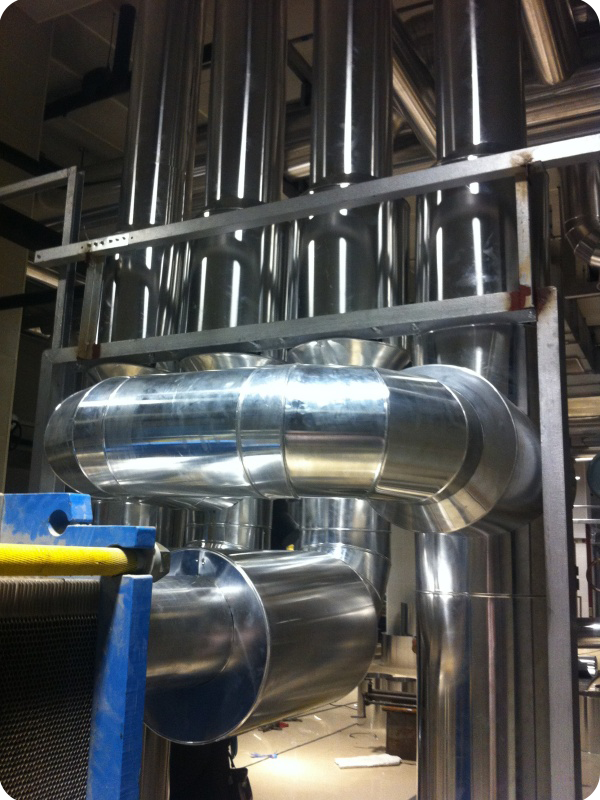
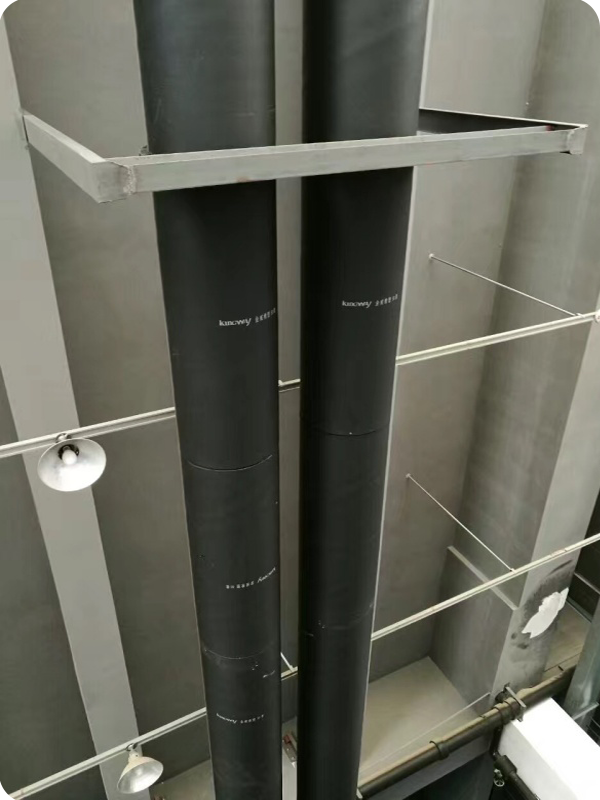



Specialized low-temperature, condensation-control, and fire-resistant materials for demanding environments.
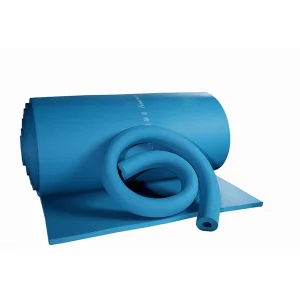
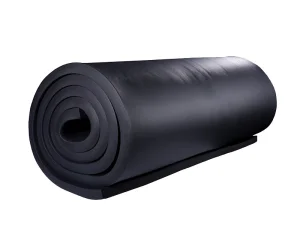
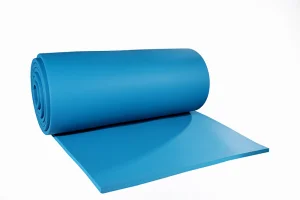
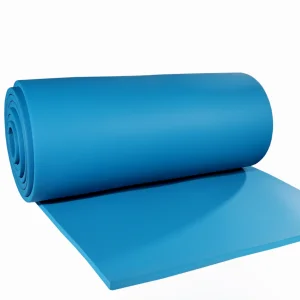
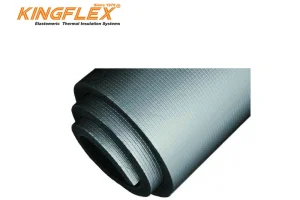
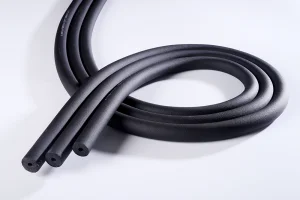
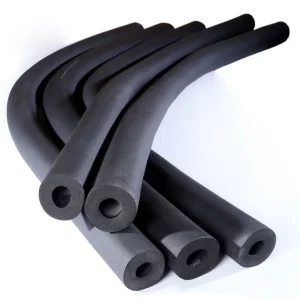
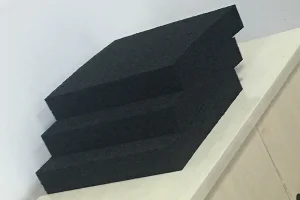
Continuous automated production lines deliver structural stability and uniform cell distribution across our entire product range.
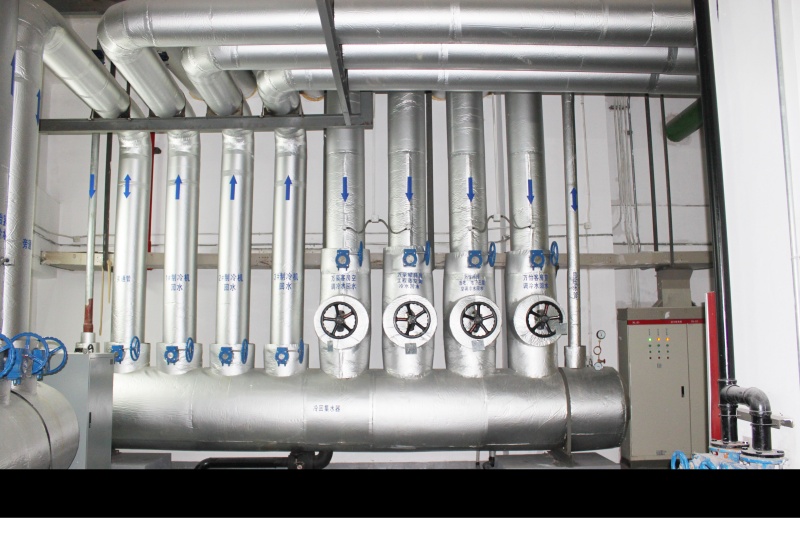
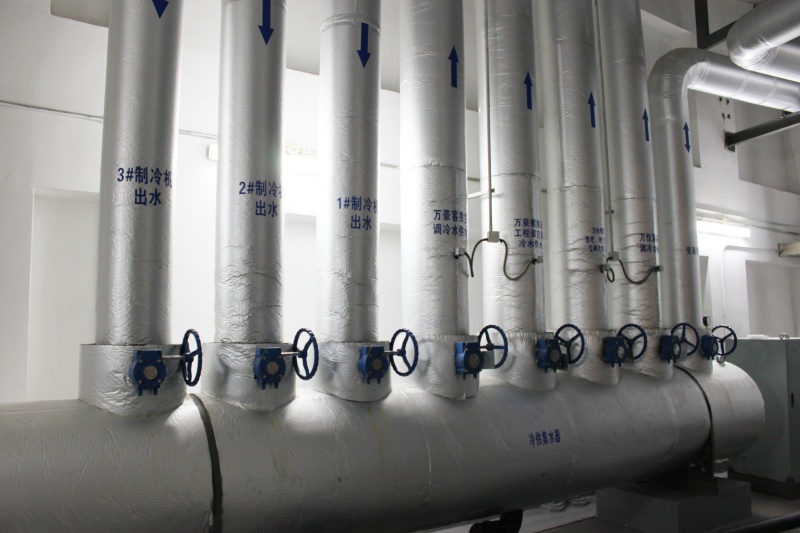

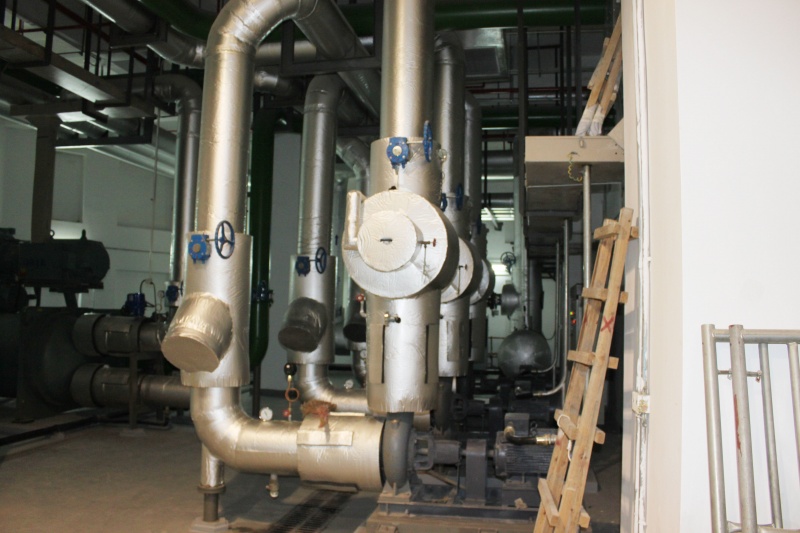
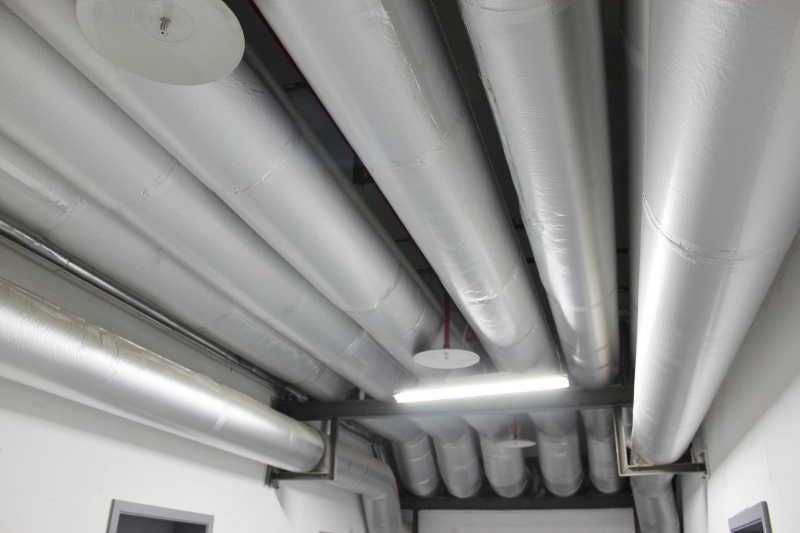
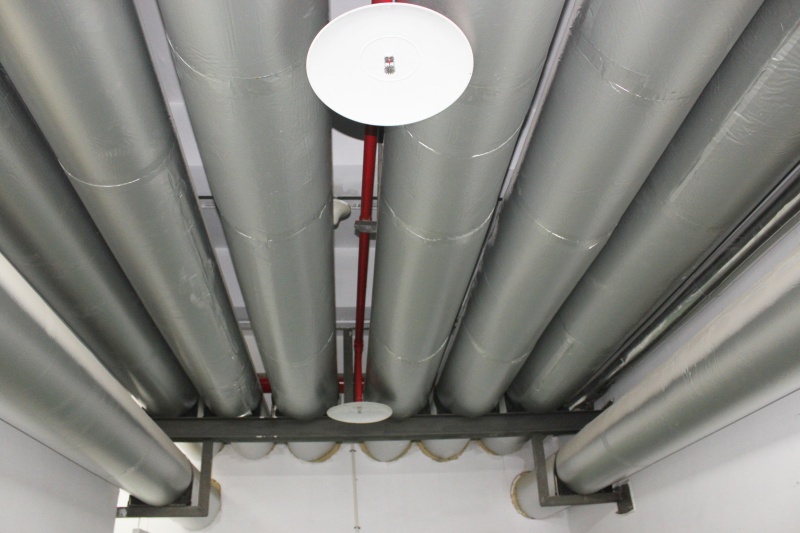
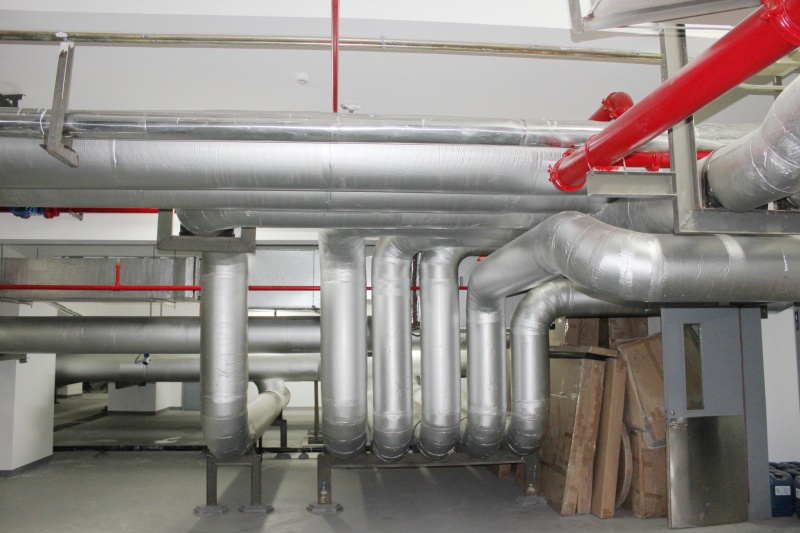
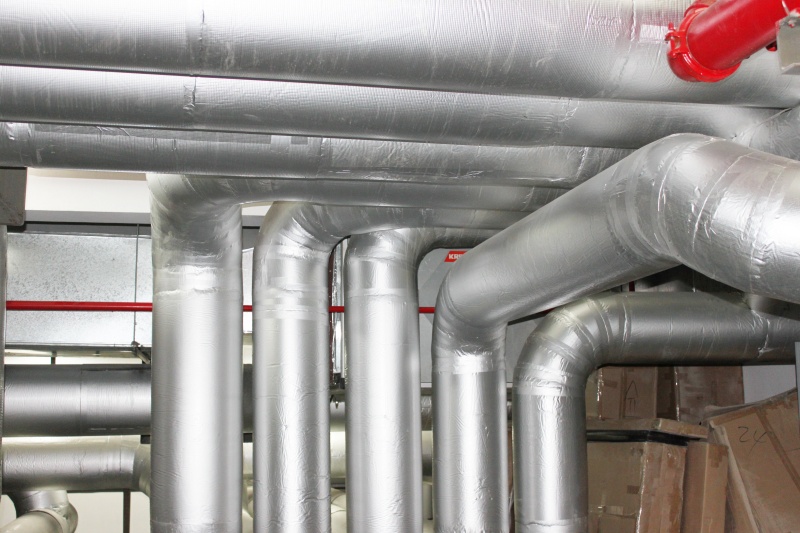
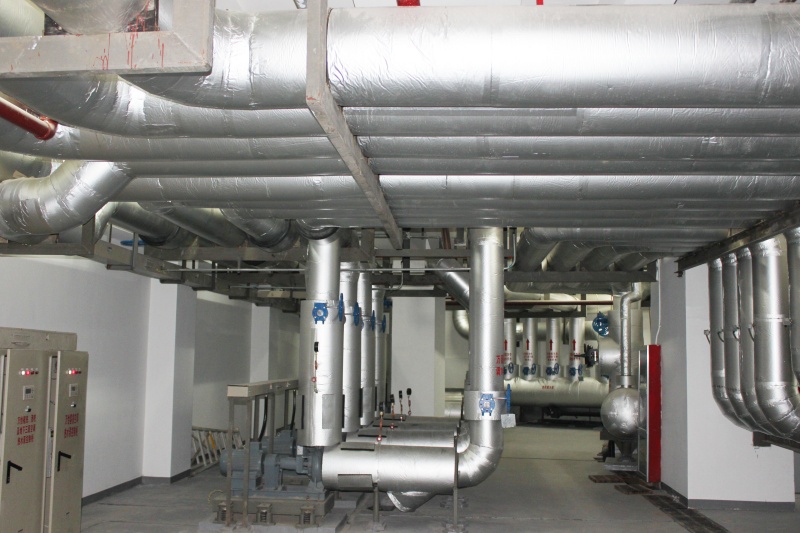
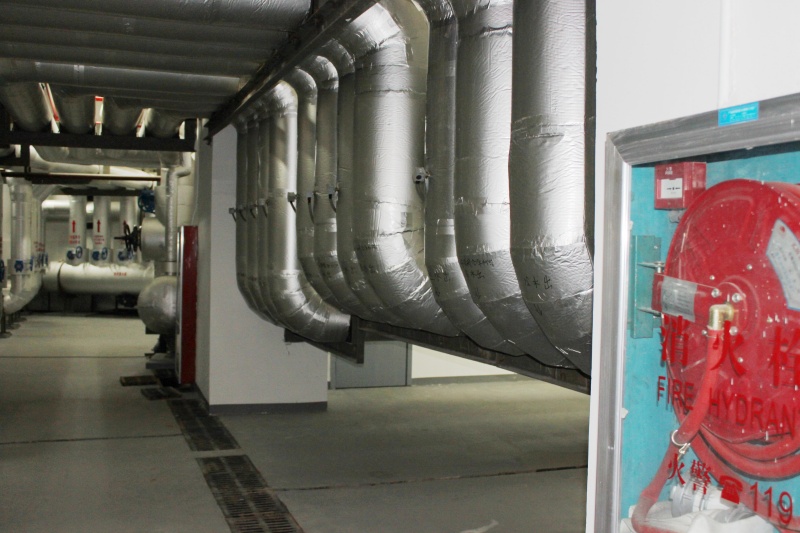
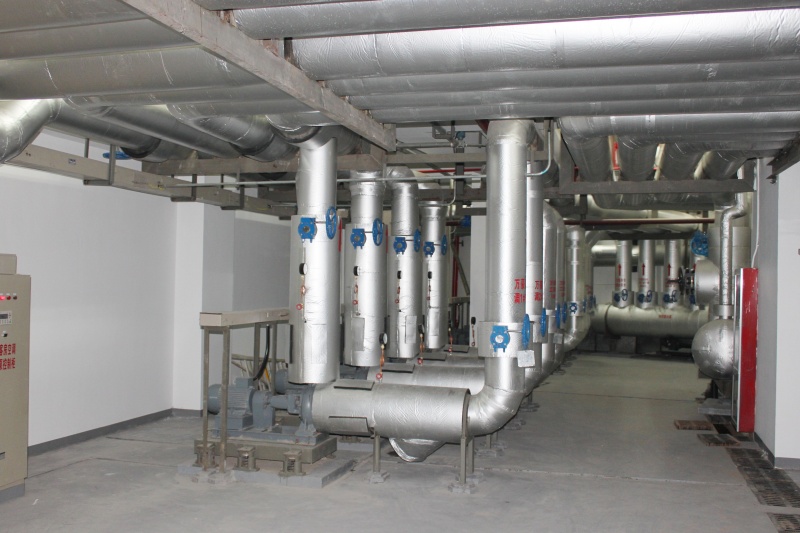
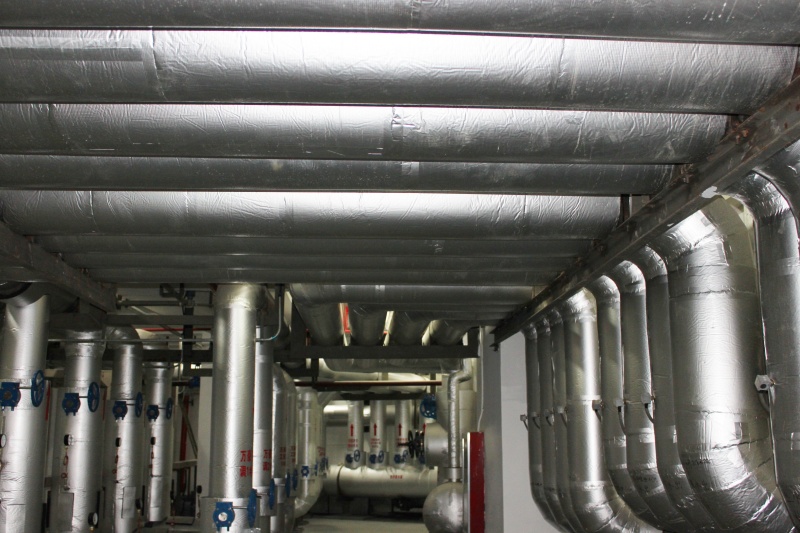
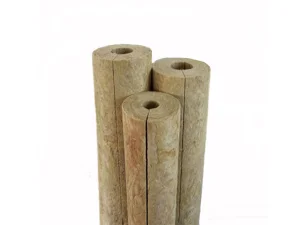
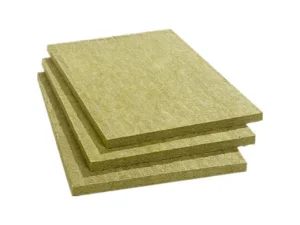
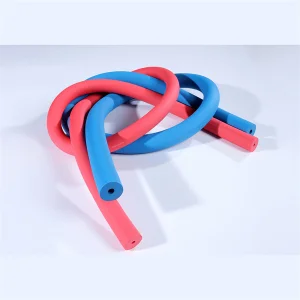
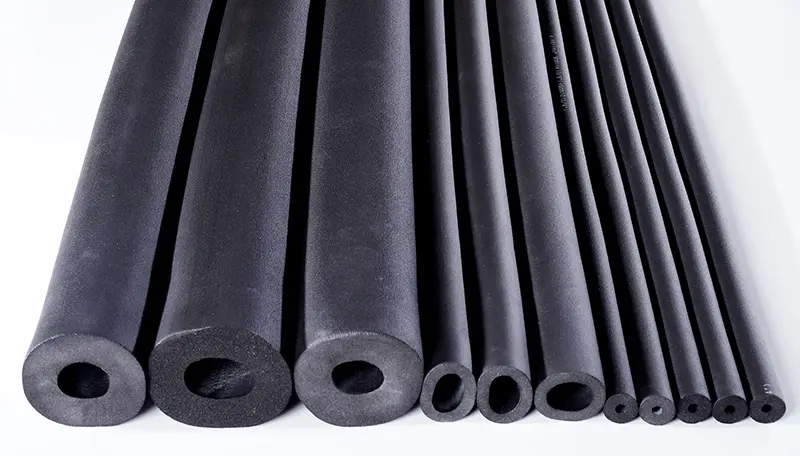
Explore our range of insulation designs, including elastomeric tubes and specialty mineral wool boards.
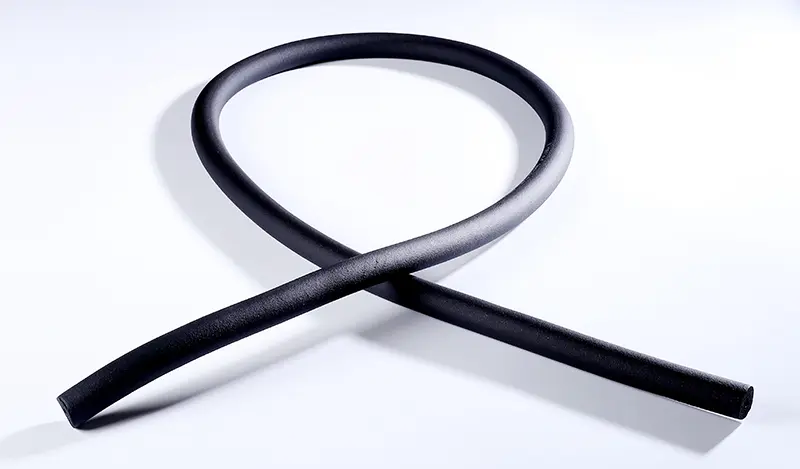
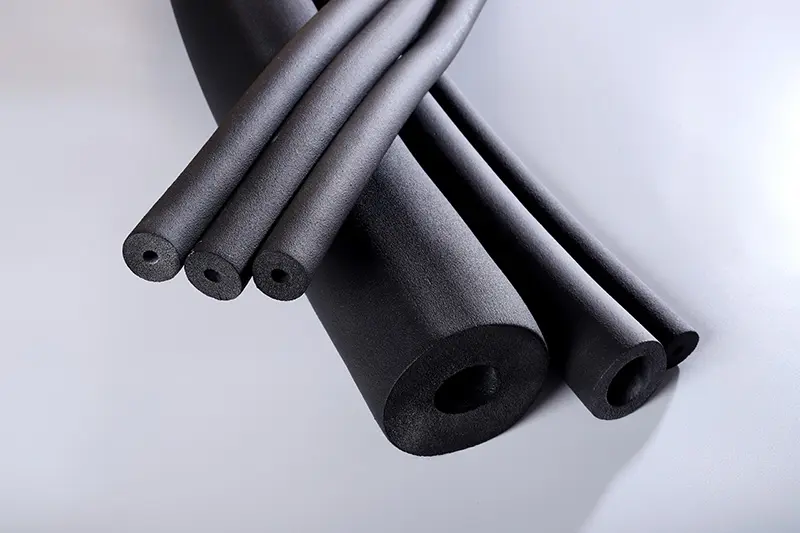

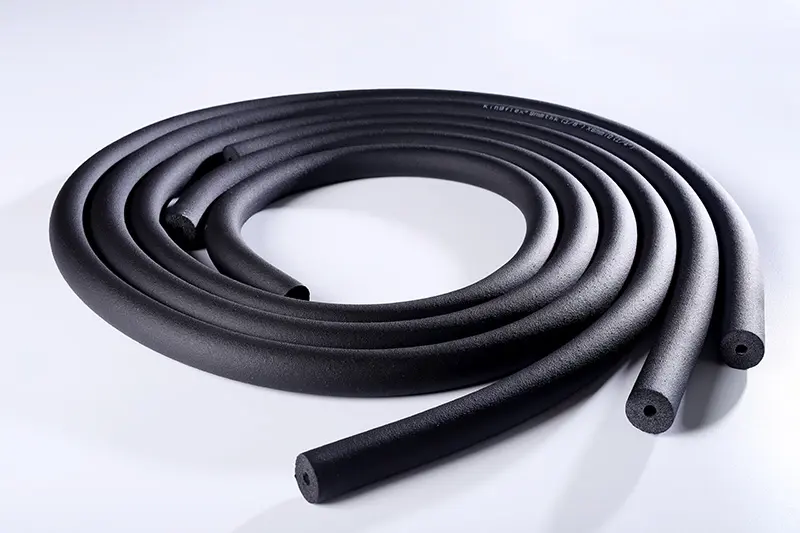
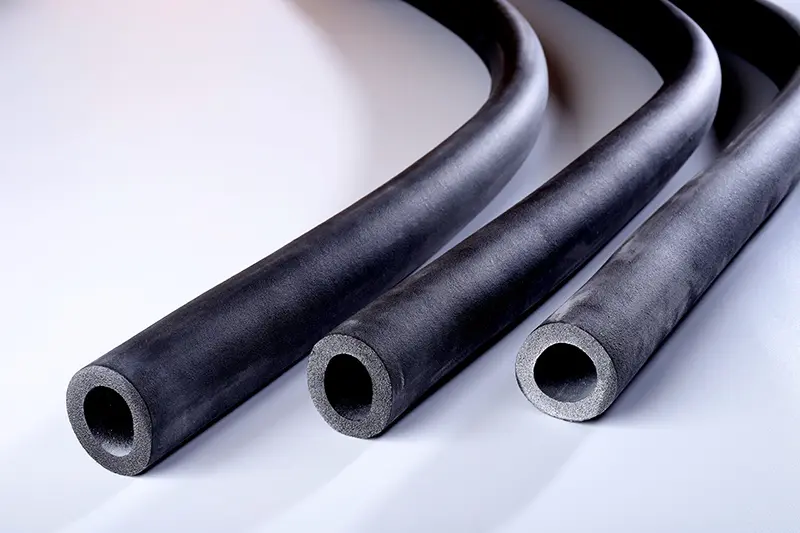
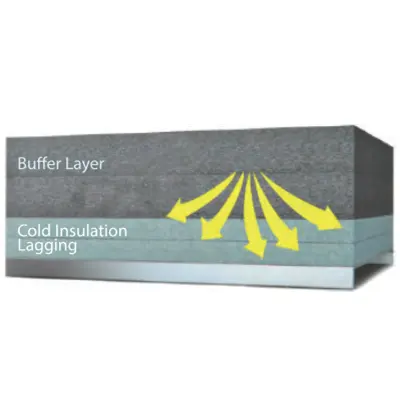
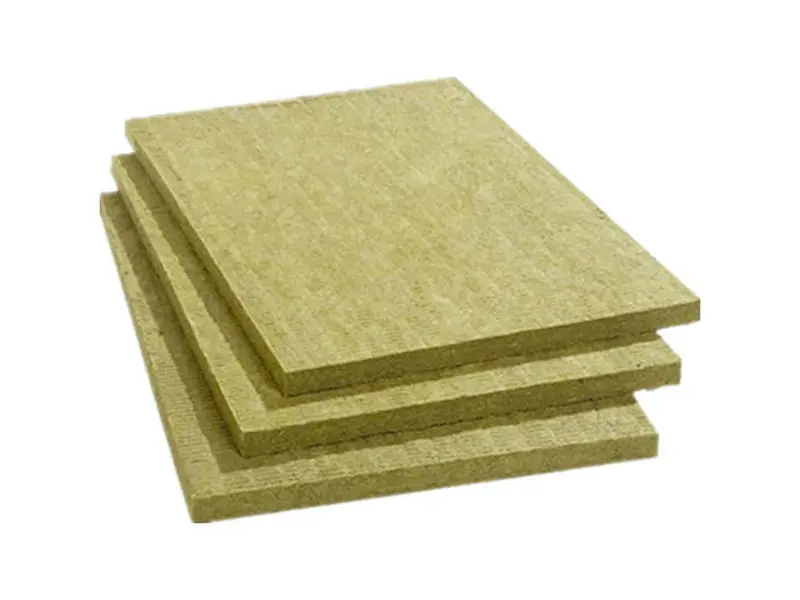
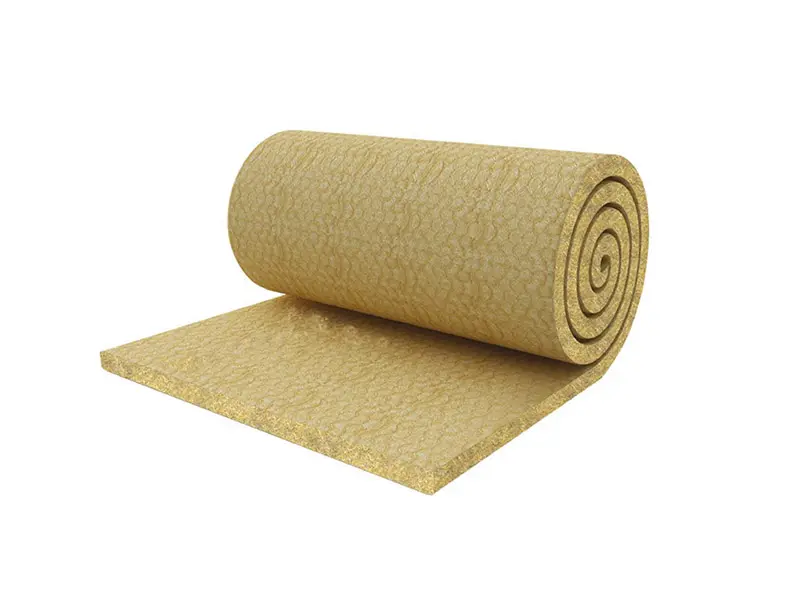





Insulation requirements vary across industrial applications. A standard office building's HVAC network has different demands compared to a petrochemical refinery's chemical storage tanks or a maritime LNG carrier's pipeline system. Designing effective insulation requires adapting material choices to these specific operating conditions:
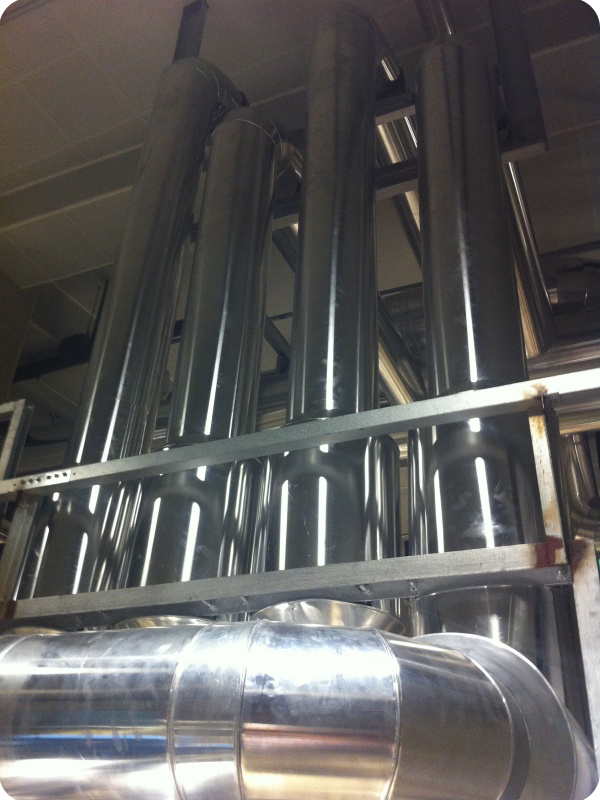
In high-density commercial developments like shopping centers, medical centers, and high-rise office towers, ventilation ducts run continuously to manage thermal comfort. Glass wool blankets wrapped in Foil Scrim Kraft (FSK) barriers serve as a primary insulation option here. This design limits heat gain/loss through metal ductwork while dampening the acoustic vibrations generated by large-scale fans.
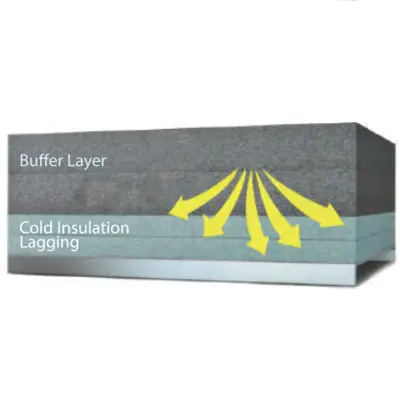
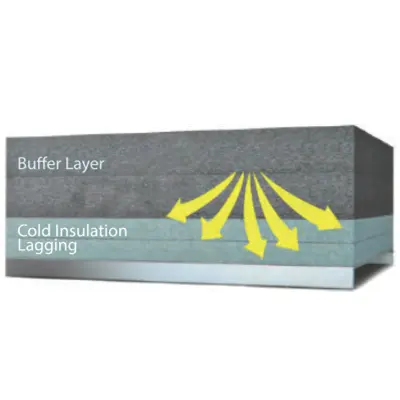
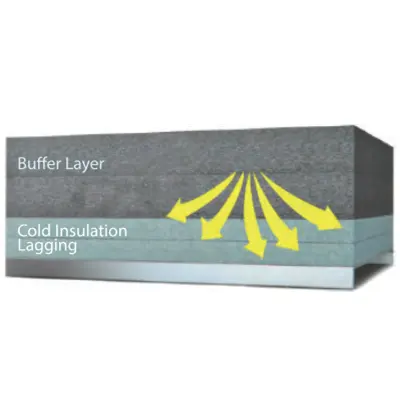
In industrial systems carrying sub-zero process fluids, liquid carbon dioxide, or liquefied natural gas (LNG), preventing moisture intrusion is critical. Standard fiber-based insulation can absorb moisture under high relative humidity, leading to condensation and water accumulation. For these cryogenic setups, closed-cell elastomeric rubber foams like Kingflex flexible insulation material for cryogenic systems are preferred. The closed-cell structure blocks moisture vapor pathing, preserving insulation efficiency and protecting piping from Corrosion Under Insulation (CUI).
In chemical processing plants, oil refineries, and power generation boilers, temperature levels often exceed 300°C. For these applications, high-density rock wool boards or pipes are typically specified. Rock wool's basalt-based composition withstands high temperatures without losing mechanical strength, providing both thermal barriers and active fire protection for facilities and personnel.
Our research and development program focuses on three main objectives: reducing thermal conductivity (lowering lambda values), minimizing environmental footprint, and extending product lifecycles. By refining our structural foaming processes and raw material sourcing, we are developing insulation solutions for future building designs:
Clear, technically accurate answers concerning installation, material limits, safety testing, and ordering details.
Elastomeric rubber foam insulation is mainly used for HVAC ducts, air conditioning pipes, building thermal insulation, industrial pipeline cold insulation, and sound insulation. Its closed-cell structure is highly effective at preventing condensation on chilled water pipes and refrigeration lines.
Yes, our rubber foam insulation products are formulated with flame retardants to meet BS 476 (Class 0 and Class 1) and UL94 V-0 safety standards. In the event of a fire, they are designed to self-extinguish and limit flame spread.
Rubber foam is a flexible, closed-cell material with high moisture resistance, making it suitable for HVAC cooling systems and sub-zero processes. Rock wool is a high-density mineral insulation with high heat resistance (up to 850°C), making it ideal for high-temperature steam lines and fire barriers.
Yes. We support custom dimensions, density configurations, and various outer jackets (including aluminum foil laminations, FSK wrappers, and self-adhesive backings) to match specific project parameters.
Our products carry CE, REACH, RoHS, UL94, BS 476, and ASTM certifications. We regularly test our materials to comply with global construction and environmental regulations.
Yes. We maintain complete batch traceability, linking every product run to its raw material checks, processing logs, and quality control reports to verify consistent product performance.
We manufacture elastomeric rubber foam sheets in thicknesses ranging from 6mm to 50mm, allowing engineers to specify the correct thickness for condensation control in varying temperatures.
With proper installation and within designated operating temperatures (-40°C to +105°C), our elastomeric rubber foam materials have an expected service life of 10 to 15 years under typical indoor operating conditions.