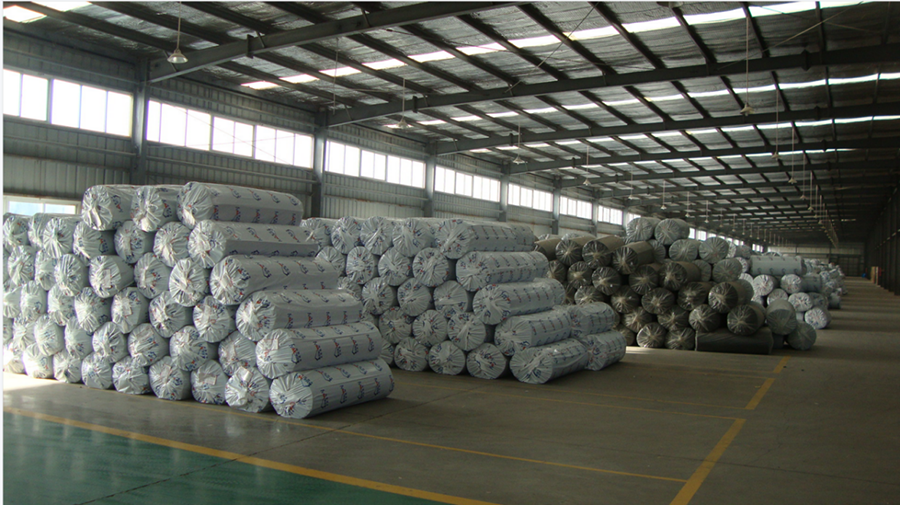
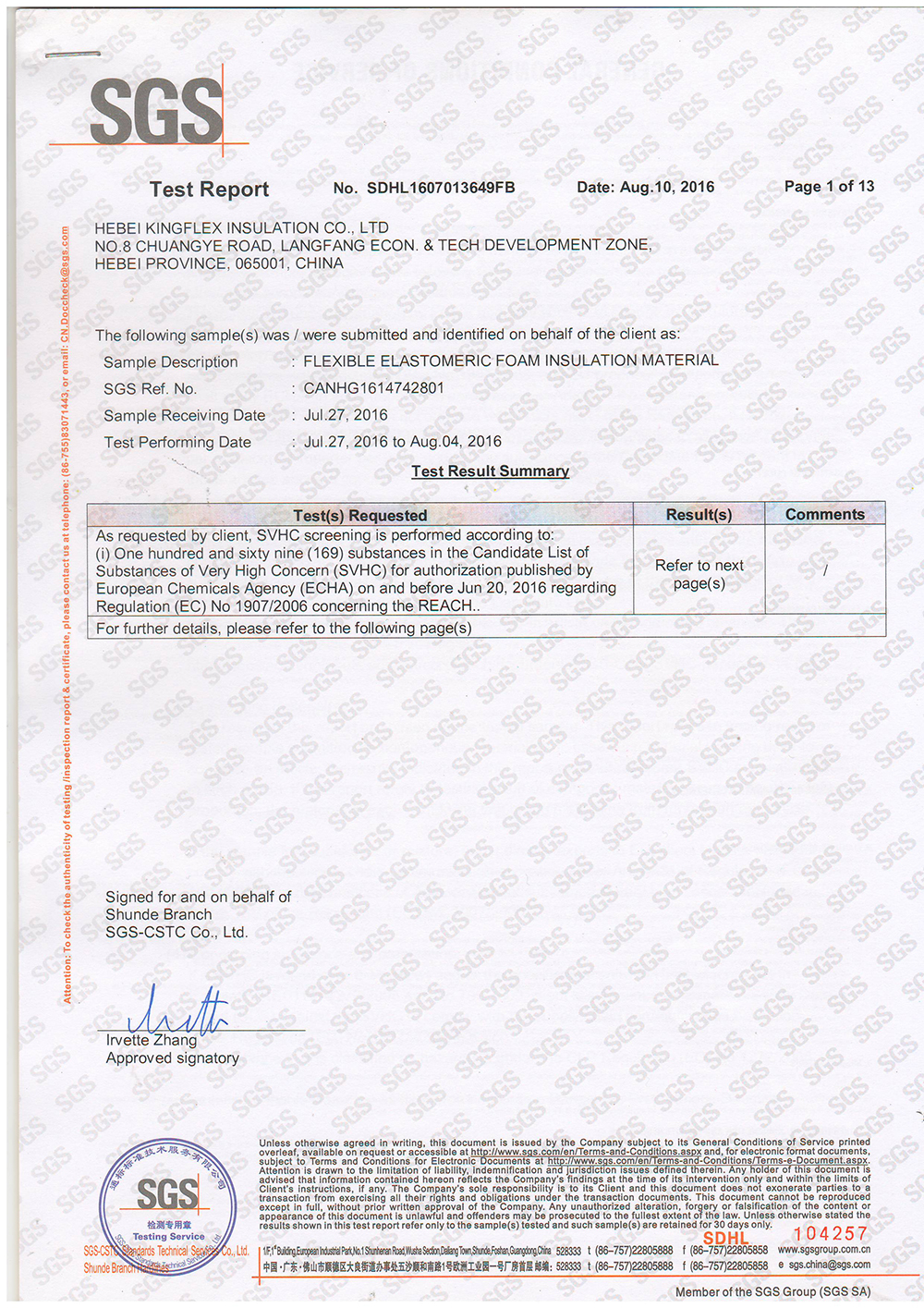
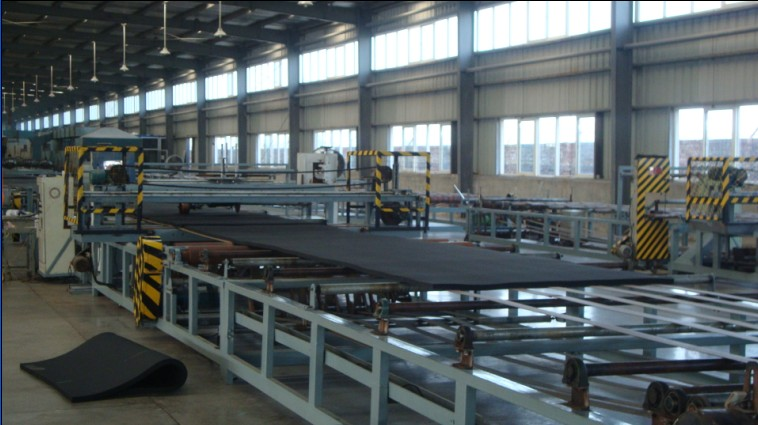
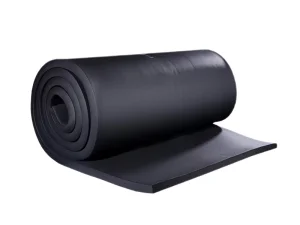
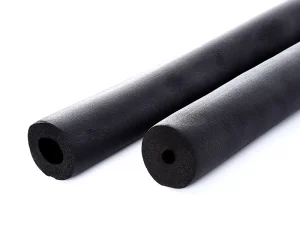
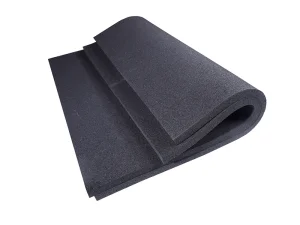
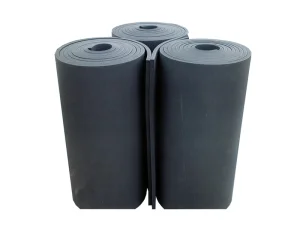
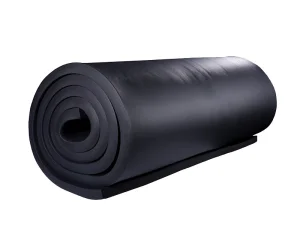
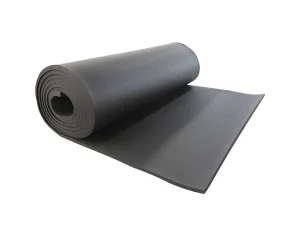
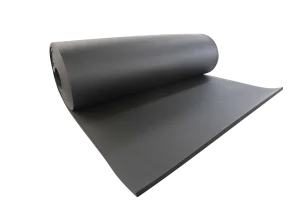
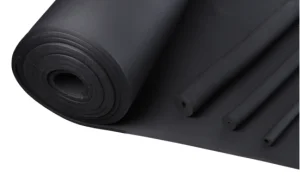
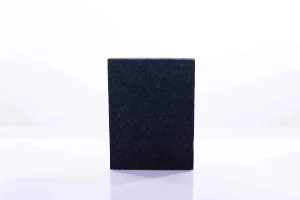
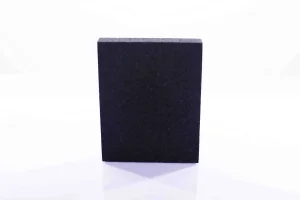
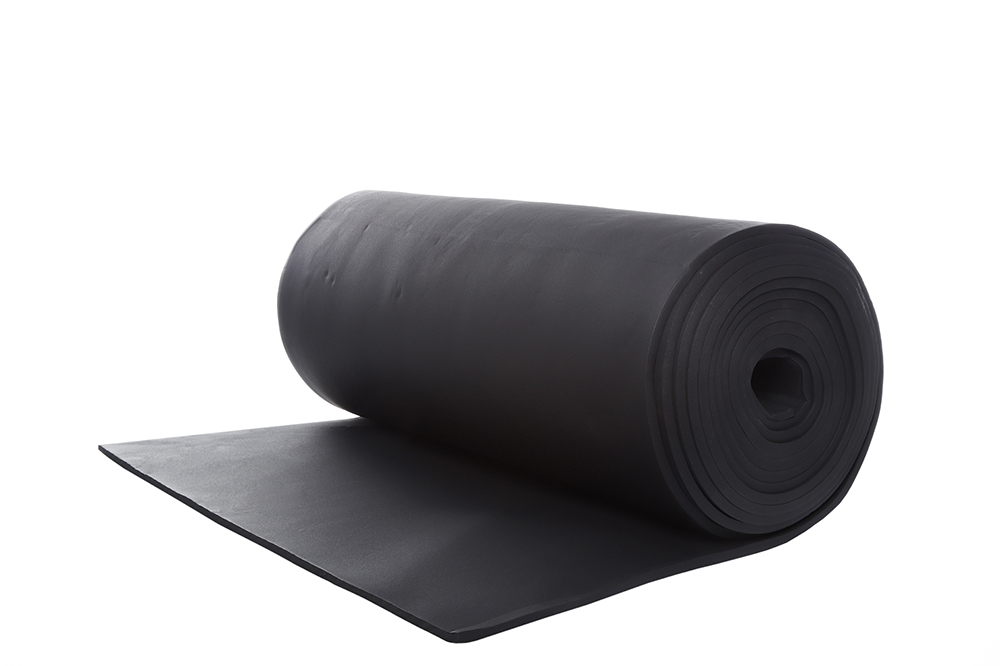
Flexible rubber foam insulation material is a kind of environmental protection insulation material with closed cell structure. It is manufactured without the use of CFCS, HFCS or hydrofluorocarbons. It is also formaldehyde-free, low in volatile organic compounds, dust-free, and resistant to mold and mildew. It is widely used in HVAC engineering, refrigeration equipment, hot and cold water pipes to ensure the tightness of the entire system.
Frequently Asked Questions (FAQ)
1. What are the key advantages of closed-cell rubber foam insulation?
Closed-cell rubber foam insulation provides exceptional thermal efficiency, superior moisture resistance, and built-in vapor barriers. Its structure prevents heat transfer and condensation, making it highly effective for HVAC and refrigeration systems.
2. Can this rubber foam insulation material prevent mold and mildew growth?
Yes. The material is formulated to be highly resistant to mold, mildew, and fungi growth according to ASTM standards. It does not release dust or fibers, ensuring a clean and hygienic environment in indoor installations.
3. What is the operational temperature range for flexible rubber foam?
This insulation performs reliably in extreme temperature environments, featuring an operational range from -50°C up to 110°C, conforming to standard testing regulations.
4. How does the fire rating profile protect building safety?
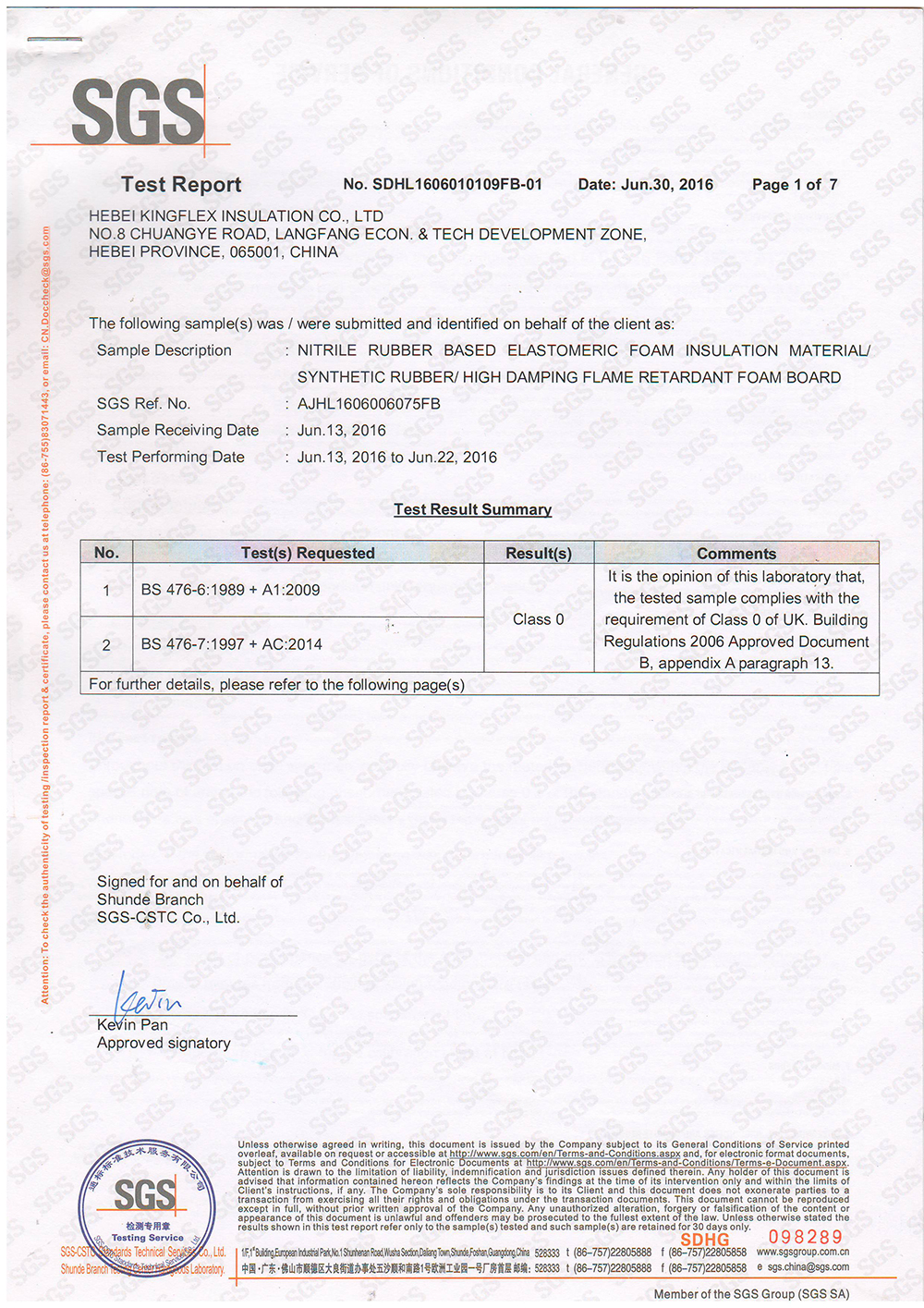
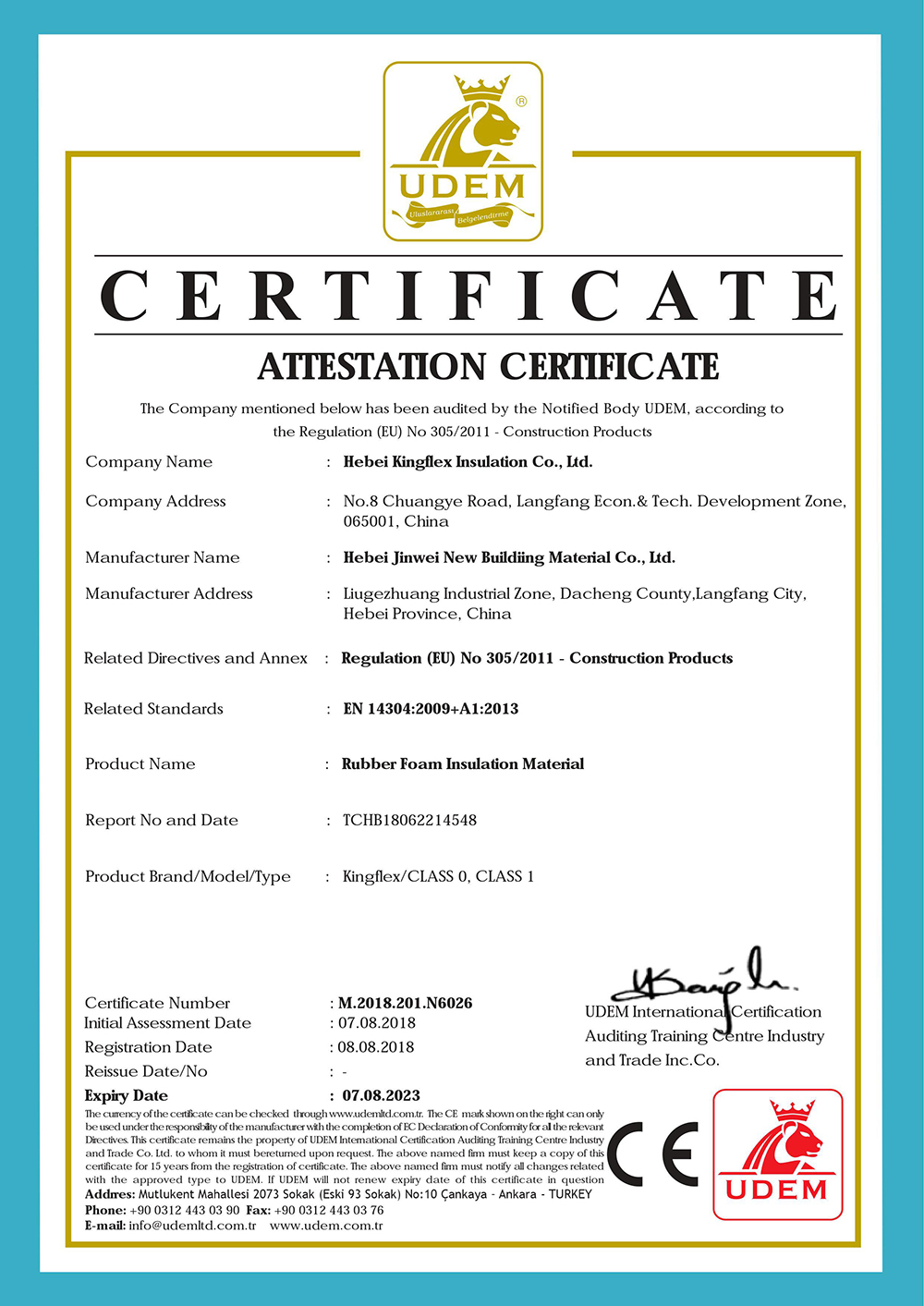
The insulation achieves Class 0 & Class 1 fire ratings (BS 476 Part 6 & 7) and satisfies ASTM E 84 requirements with a flame spread and smoke developed index of 25/50. It is highly flame retardant and self-extinguishing.
5. Is it simple to install flexible rubber foam insulation on complex pipework?
Yes, thanks to its high flexibility, soft texture, and dimensional stability, it can easily wrap around bends, valves, and complex fittings. This drastically simplifies the installation process and reduces labor costs.
 Kingflex