
1 / 2
 Kingflex
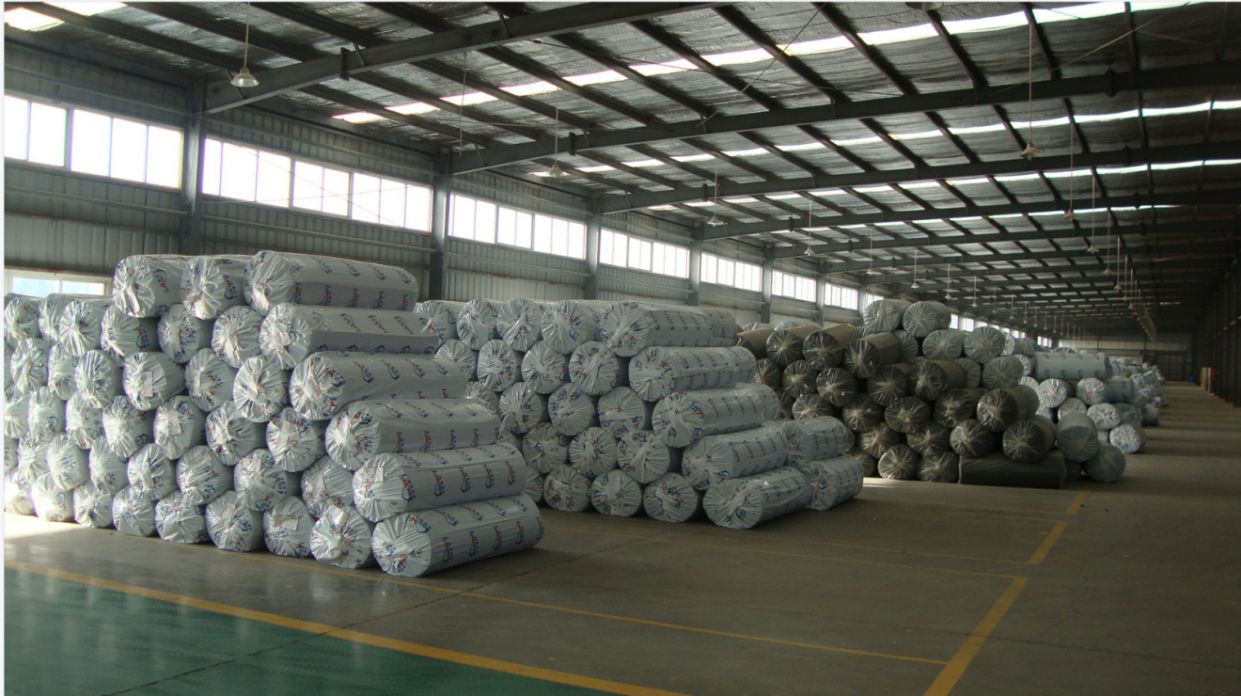
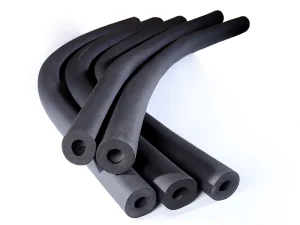
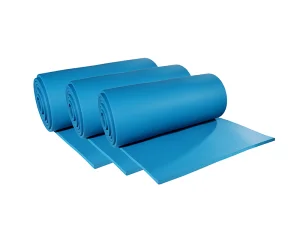
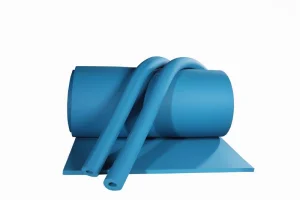
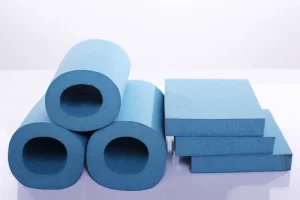
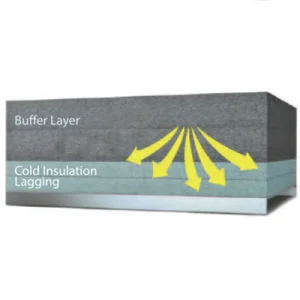
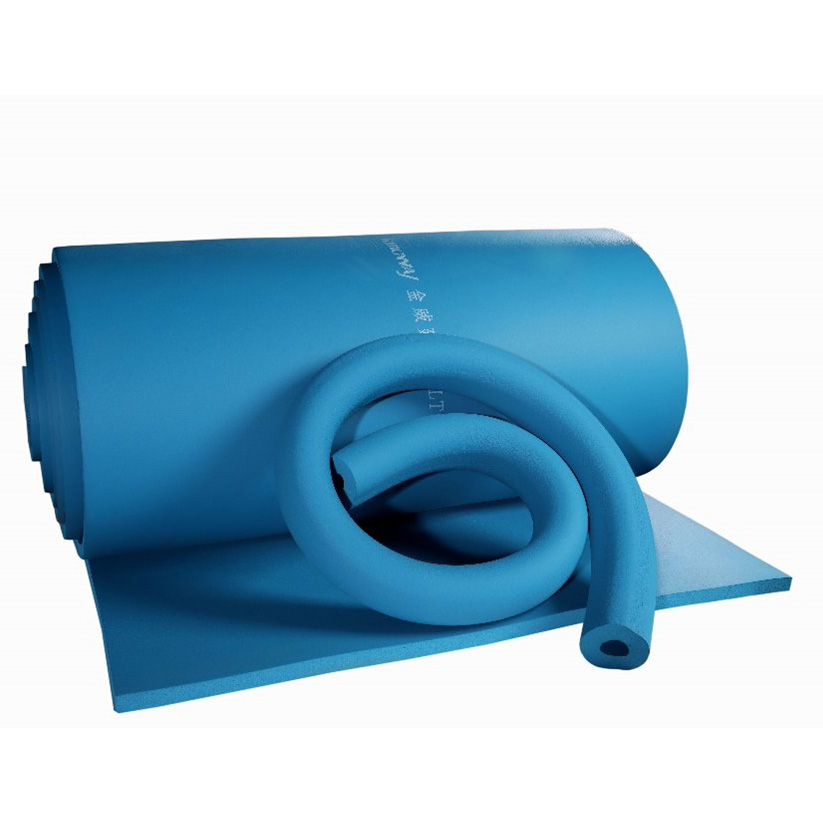
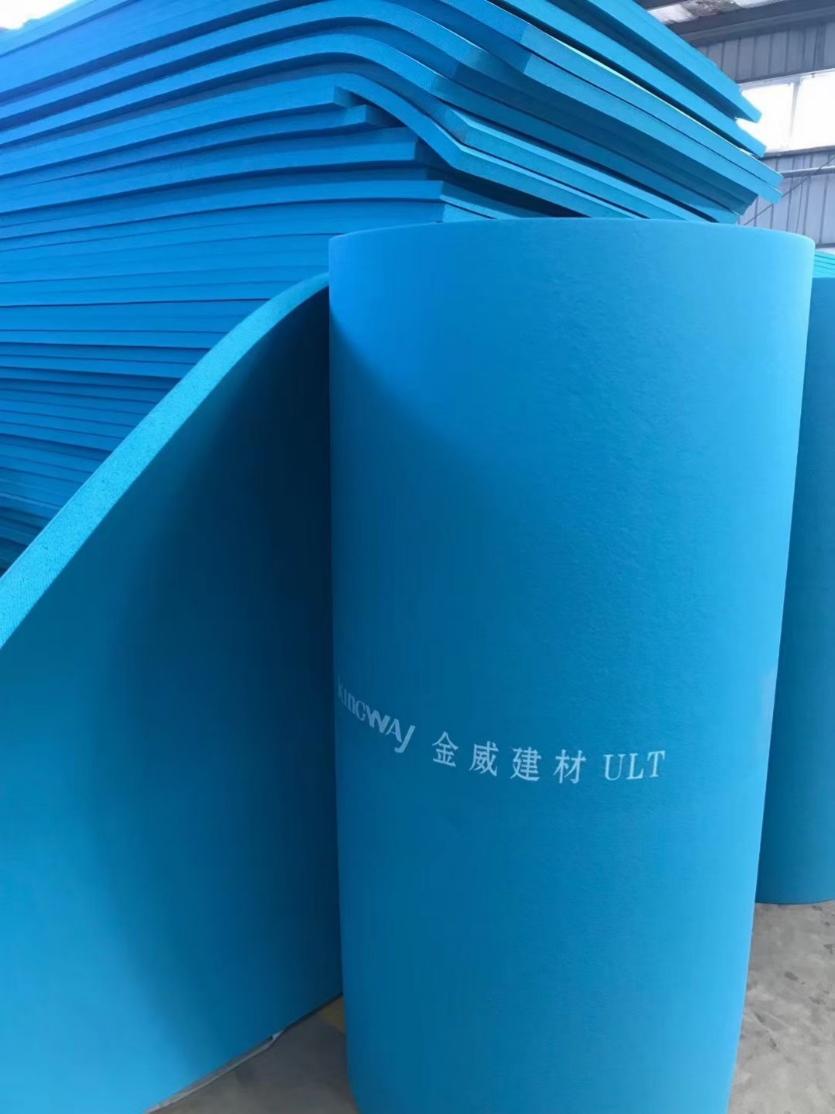
Cryogenic insulation multi-layer composite structures have excellent internal shock resistance. It is designed to meet the demands of low-temperature environments and is suitable for use in the oil and gas industry. This insulation solution provides exceptional thermal performance, reduces the risk of corrosion under insulation (CUI) and minimises the time needed for installation.
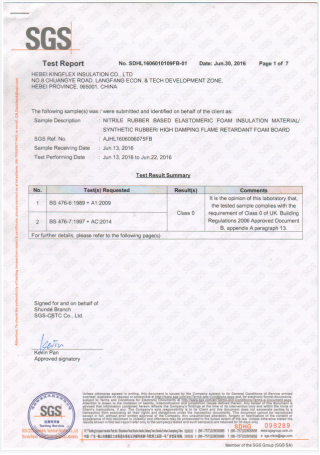
| ULT Technical Data | ||
|---|---|---|
| Property | Unit | Value |
| Temperature range | °C | (-200 to +110) |
| Density range | Kg/m³ | 60-80 Kg/m³ |
| Thermal Conductivity | W/(m.k) | ≤0.028 (-100°C) |
| ≤0.021 (-165°C) | ||
| Fungi resistance | - | Good |
| Ozone resistance | - | Good |
| Resistance to U.V. and weather | - | Good |
Growth in the construction industry and many other industrial segments, combined with concerns over rising energy costs and noise pollution, is fueling market demand for thermal insulation.


A: The technical operating temperature range for the ULT composite structure insulation spans from -200°C to +110°C, making it highly effective for deep low-temperature environments.
A: The multi-layer composite structure is specifically designed to provide exceptional thermal performance and moisture resistance, which significantly reduces the risk of corrosion under insulation (CUI).
A: The material features low thermal conductivity values: ≤0.028 W/(m.k) at -100°C and ≤0.021 W/(m.k) at -165°C, ensuring optimal energy savings.
A: Yes. The technical data sheet shows that the material has good resistance to U.V. radiation, weather exposure, ozone, and fungi growth.
A: The demand is heavily fueled by overall growth in the construction and industrial sectors, alongside rising concerns over energy conservation costs and noise pollution mitigation.