1 / 3
 Kingflex
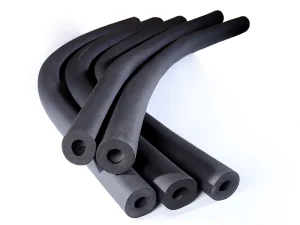
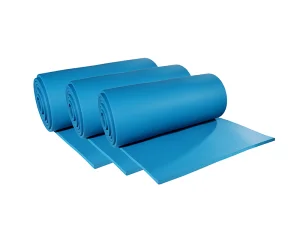
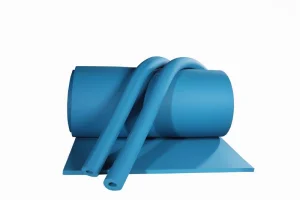
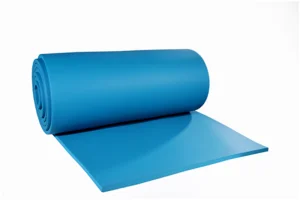
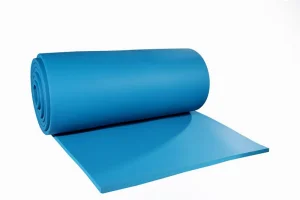
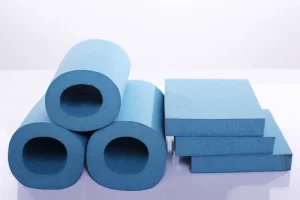
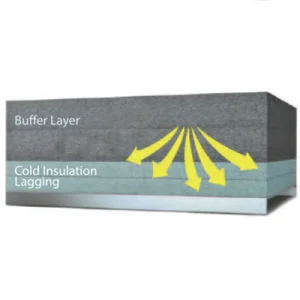
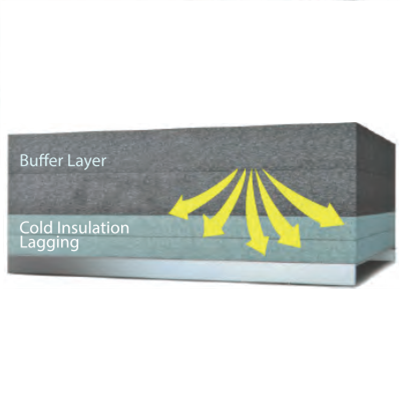
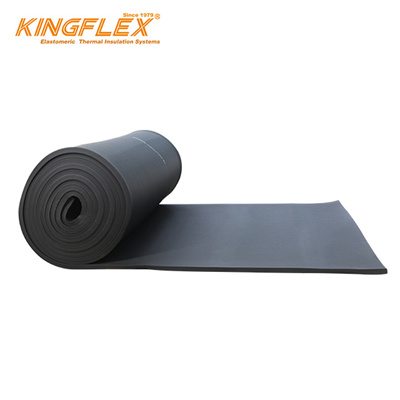
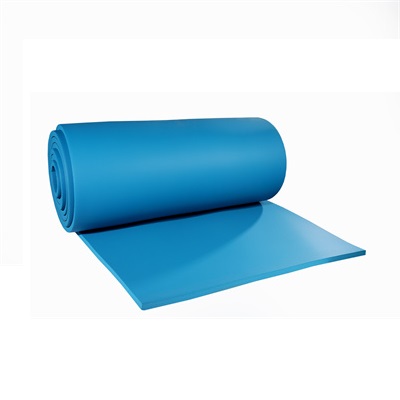
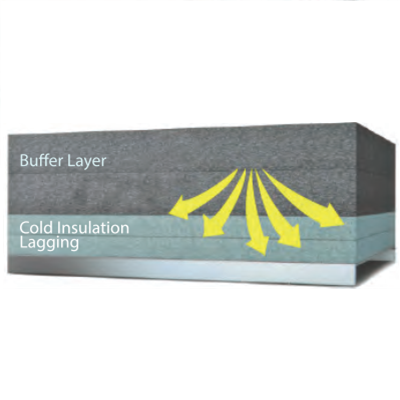
Our thermal insulation system has designed multiple thermal insulation systems for the oil and gas, petro and power plants markets. Working with alkadiene and NBR/PVC rubber materials, the multi-layer design is aimed at achieving an optimal balance of thermal performance; protection against water vapor ingress and reduced weight and thickness, our customers can rely on durable, cost and energy efficient insulation systems.
For optimum operation, industrial facilities such as power plants require mechanical insulation on pipes, ducts, tanks and equipment. Mechanical insulation in a power plant controls temperature variation to help limit heat gain or loss on surfaces operating at temperatures above or below ambient temperature. An experienced contractor typically manages installation of mechanical insulation in industrial environments.
Selecting the type of mechanical insulation to install begins with asking basic questions and understanding the scope of work. Mechanical insulation is divided into three different categories based on the level of heat it can withstand. Mechanical insulation contractors need to know the operating temperature range of the plant’s system before installing insulation. Knowing if a system is outdoors, indoors or both determines the type of protection needed to prevent damage from weather, a corrosive atmosphere, water or chemical exposure and other challenging conditions.
Over four decades, the insulation manufacturer has grown from a single manufacturing plant to a global organization with product installation in over 60 countries. From the National Stadium in Beijing, to the high rises in New York, Singapore and Dubai, people around the world are enjoying these quality products.
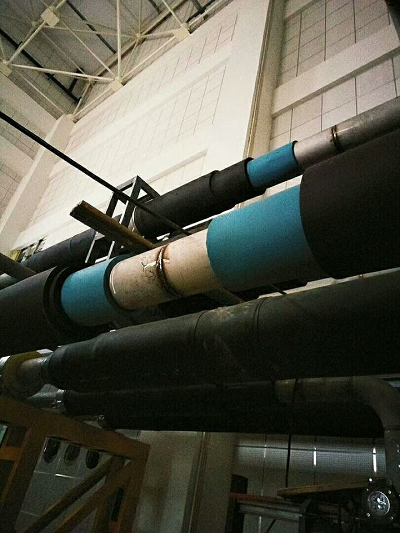
These systems are specifically designed for the oil and gas, petrochemical, and power generation facility markets.
The systems incorporate alkadiene and NBR/PVC rubber materials to provide an optimal balance of thermal performance, moisture resistance, and reduced weight.
Mechanical insulation controls temperature variation across pipes, ducts, tanks, and equipment. This limits heat gain or loss on surfaces operating above or below ambient temperatures, ensuring optimum system performance.
Mechanical insulation is divided into three distinct categories based on the specific levels of heat and temperature limits it can withstand.
Whether a system is installed indoors, outdoors, or both determines the type of protective jacket or material needed to prevent damage from weather, corrosive atmospheres, water ingress, or chemical exposure.
With installation experience spanning over 60 countries, these systems are used in iconic projects globally, ranging from the National Stadium in Beijing to high-rise developments in New York, Singapore, and Dubai.