Kingflex
Choosing the best insulation to reduce heat loss is not as simple as picking the material with the highest advertised R-value. A cold draft near a window or a chilly upstairs bedroom may point to gaps, thin insulation, or poor air sealing. Sometimes, it is a mix. Heat Loss Insulation works best when it suits the building, local climate, and the parts of the home losing energy. That detail matters.
Fiberglass batts are common and often practical between accessible wall studs or ceiling joists. Cellulose can fit irregular spaces when installed correctly, while mineral wool offers useful fire and sound resistance. Spray foam can seal awkward gaps, but its cost, installation quality, and moisture effects deserve careful review. No material wins everywhere. The performance shown on a label can differ from results in a real home, especially when insulation is compressed or installed around wiring and pipes.
A useful assessment starts with the attic, exterior walls, floors above unheated spaces, and visible air leaks. Look for dusty gaps around pipes, uneven attic coverage, or condensation near cold surfaces. An energy audit can help identify priorities before you buy materials. Still, audits and estimates have limits; actual savings depend on weather, energy prices, and workmanship. It is easy to focus on the product and overlook installation. That is a common mistake. The best choice is usually the one that delivers reliable coverage, controls air movement, and fits the home’s moisture conditions and budget.
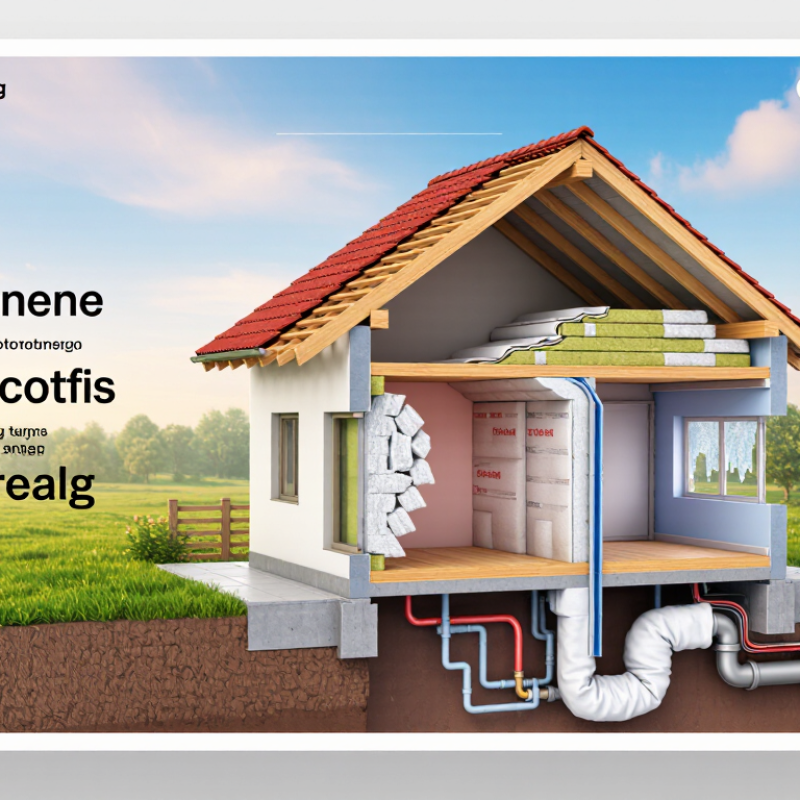
Heat loss is heat moving from a warmer room toward colder outdoors through walls, roofs, floors, and air leaks. R-value describes resistance to heat flow: a higher value generally means less heat passes through a given thickness. U-factor measures heat transfer through a material or assembly; a lower value indicates less heat loss. U-factor is roughly the inverse of R-value, but compare figures only when units and tested assemblies match. That distinction matters.
ASTM C518 is a laboratory method for measuring steady-state thermal transmission with a heat-flow meter. A prepared sample sits between plates held at different temperatures. The instrument measures heat passing through it, helping determine thermal resistance or conductivity under those test conditions. Sample thickness, temperature, and conditioning affect the result. Lab data is useful, but it is not a full picture.
A C518 result does not automatically predict how an insulated building performs. Timber framing, compressed material, gaps around outlets, and moisture can all change real heat flow. Real walls differ. When comparing options, consider the stated R-value, the assembly’s U-factor, and how carefully the insulation can be installed. I would not treat one impressive laboratory number as a guarantee; the details at the edges often matter more than expected.
Higher R-value per inch means greater resistance to heat flow in the same thickness. These approximate, nominal values are for comparison; actual performance varies with product, temperature, moisture, and installation.
How to read the ratings: R-value measures resistance to heat flow; higher is better. U-factor measures heat transmission through an assembly; lower is better. For the same assembly and conditions, U-factor is approximately the reciprocal of total R-value.
About ASTM C518: This test method uses a heat-flow-meter apparatus to measure steady-state thermal transmission properties of specimens. A test result depends on the specimen and test conditions, so the chart shows typical comparison values—not results for specific samples tested under ASTM C518.
DOE Typical R-Values show fiberglass at about R-2.2 to R-3.8 per inch, while cellulose is roughly R-3.2 to R-3.8. These ranges vary by product form and installation. The U.S. Department of Energy’s Energy Saver guidance explains that R-value measures resistance to heat flow; higher values generally mean less heat passes through the insulation. Cellulose often offers more resistance per inch than low-density fiberglass, but the ranges overlap.
That overlap matters. A well-fitted fiberglass batt can outperform cellulose that has settled unevenly or left gaps around wiring and framing. Conversely, dense, continuous cellulose can help fill awkward cavities. Neither material fixes air leaks by itself. DOE guidance recommends considering the whole building assembly, including air sealing and moisture control, rather than choosing by R-value alone. The comparison is useful, but not perfect: real walls include studs, openings, and installation flaws.
Tips: Check the product label for its tested R-value and the thickness needed to reach your target. At a drafty attic hatch, seal the edges before adding insulation. Keep material clear of required ventilation paths, and ask an insulation professional to inspect wiring and moisture concerns. Small gaps matter. A quick visual check cannot reveal every hidden defect, so avoid treating one number as a guarantee.
Mineral wool typically provides about R-3.0 to R-3.3 per inch, while closed-cell spray foam reaches roughly R-6 to R-7 per inch. These ranges appear in U.S. Department of Energy insulation guidance and Building America Solution Center resources. For a two-by-four cavity, mineral wool batts can fit neatly between studs, like firm panels filling a frame. Closed-cell foam offers more resistance in less space. That gap matters.
Higher R-value does not automatically mean lower heat loss in a real home. Gaps around wiring, compressed batts, and uneven foam can weaken performance. The DOE notes that insulation effectiveness depends on proper installation and control of air leakage. Closed-cell foam can help limit air movement when applied continuously, while mineral wool generally needs a separate air-control layer. Small details count.
Choice also depends on moisture conditions, budget, and access for future repairs. Closed-cell foam may be useful where cavity depth is limited, but installation quality deserves close attention. Mineral wool is easier to cut and replace, though it will not seal every crack. I would not treat the quoted R-values as a guarantee; actual wall performance can disappoint when the assembly is poorly detailed. Cite the product’s tested data and evaluate the whole wall, not just insulation per inch.
The best insulation starts with the climate zone, not a favorite material. The 2021 IECC sets different R-value targets for building parts, including ceilings, walls, and floors. Colder zones generally require higher thermal resistance. Check the code table for your zone and construction type; local amendments may change what applies.
A target is only useful when insulation fits the space properly. In an attic, gaps around eaves, recessed lights, or hatch edges can let warm air escape. A thick layer over an unsealed ceiling may still perform poorly. Air sealing matters. So does moisture control. For walls, compare the required cavity insulation with any continuous insulation listed for that assembly. R-values are not always interchangeable.
Before choosing a product, identify the home’s climate zone and inspect the areas losing heat. A cold floor above a crawlspace may need a different approach than a drafty attic. Ask a qualified energy professional to confirm the applicable code and look for hidden air leaks. Even careful estimates can miss them. That part is frustrating, but worth checking.
The best insulation depends on what your house is losing. ENERGY STAR estimates that air sealing and adding insulation in key areas can save an average of 15% on heating and cooling costs in existing homes. That figure is a guide, not a promise: leaky ducts, poor ventilation, and local energy prices change results. A cold draft near an attic hatch may call for sealing before adding more insulation.
Moisture risk matters as much as R-value. The U.S. Department of Energy advises choosing insulation and vapor control for the local climate; trapping damp air can encourage mold or damage wood. Compare installed cost per R-value, including preparation and labor, rather than judging by package price alone. Even high-rated batts perform poorly when compressed or left with gaps around wiring and joists. A clean-looking job can still miss hidden leaks.
Tips: On a windy day, check for drafts around attic hatches and window trim. Seal leaks before insulating, and ask an experienced installer how the assembly will dry if it gets wet. EPA and ENERGY STAR’s savings estimate is useful, but your home may behave differently. That uncertainty deserves a closer inspection.
R-value measures resistance to heat flow. Higher values generally mean less heat passes through a given thickness. Units matter.
U-factor measures heat transfer through a material or assembly. Lower values indicate less heat loss. It is roughly the inverse of R-value, but compare matching units and assemblies.
A sample sits between plates at different temperatures. A heat-flow meter measures heat passing through it under steady conditions. It is a lab test.
Not by itself. Studs, gaps around outlets, compressed insulation, and moisture can change real heat flow. The edges matter.
Typical values are about R-2.2 to R-3.8 per inch for fiberglass, and R-3.2 to R-3.8 for cellulose. The ranges overlap.
Start with your climate zone and the building area losing heat. A cold floor above a crawlspace may need a different approach than a drafty attic. No single material fits every space.
No. Insulation does not fix air leaks by itself. Seal gaps around an attic hatch before adding insulation. Small gaps matter.
Check the product label, needed thickness, ventilation paths, wiring, and signs of moisture. A quick visual check can miss hidden defects. That is easy to underestimate.
Check the applicable code table for your climate zone, building part, and construction type. Local changes may apply, so confirm the requirements with a qualified professional.
Heat Loss Insulation works by slowing the movement of heat through a building envelope. R-value measures resistance to heat flow, while U-factor describes how readily heat passes through a material or assembly; a lower U-factor generally means better insulating performance. ASTM C518 is a standard laboratory method for measuring thermal transmission and determining material R-values. Typical ranges vary by product and installation: fiberglass is about R-2.2 to R-3.8 per inch, and cellulose about R-3.2 to R-3.8. Mineral wool commonly provides around R-3.0 to R-3.3, while closed-cell foam can reach approximately R-6 to R-7 per inch.
The best choice depends on the building, not just the highest R-value. Use the 2021 IECC climate-zone requirements to set targets for roofs, walls, and floors, then consider air leakage, moisture exposure, cost, and installation quality. Gaps, compression, and poor air sealing can reduce real-world performance, so suitable materials should be installed carefully and coordinated with appropriate moisture control.
