 Kingflex
Kingflex
Kingflex
What Is the Best Jacketing Insulation for 2026? The answer depends on temperature, moisture, impact, fire performance, and total service life. No single system wins every test. A jacket protecting chilled-water insulation may need vapor resistance, while a refinery pipe may demand heat tolerance, corrosion control, and mechanical strength.
The International Energy Agency’s Energy Efficiency 2023 report states that buildings consume about 30% of global final energy. The U.S. Department of Energy’s Industrial Decarbonization Roadmap identifies industry as responsible for roughly one-quarter of U.S. greenhouse-gas emissions. These figures make insulation performance more than a specification detail. It affects operating costs, emissions, worker comfort, and equipment reliability.
In practical terms, aluminum jacketing offers a lightweight shield against weather and impact. Stainless steel performs better where chemicals, washdown, or severe corrosion are expected. ASJ-faced products can support clean indoor applications, while cellular glass and mineral wool serve different temperature and moisture conditions. The right choice must still follow project standards, including ASTM C795, ASTM C921, and relevant fire codes.
Real projects are less tidy. A cheaper jacket may fail early around seams, supports, or penetrations. A premium material may be unnecessary in a dry plant room. Engineers should compare thermal conductivity, water-vapor permeance, installation quality, maintenance access, and lifecycle cost—not price alone. The best Jacketing Insulation for 2026 is therefore the system that remains effective after years of weather, vibration, handling, and imperfect installation.
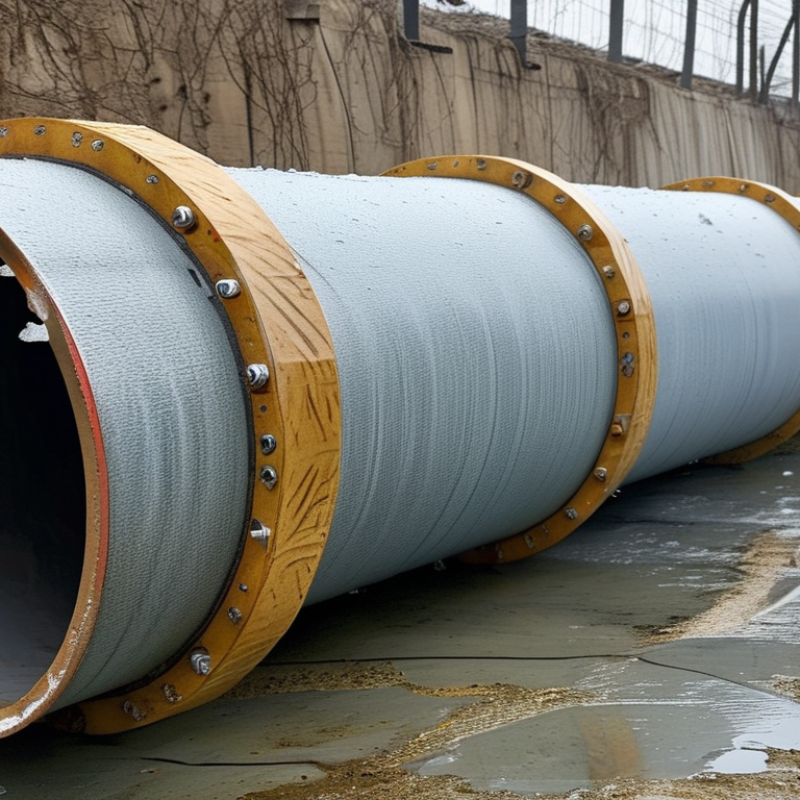
Jacketing insulation is the protective outer layer around thermal insulation on pipes, ducts, tanks, and equipment. It does more than improve appearance. In field work, it helps resist water, impact, chemicals, ultraviolet exposure, and mechanical wear. The insulation beneath it controls heat flow, but the jacket protects that control system. Without a sound jacket, wet insulation can lose performance quickly. Corrosion can also develop beneath insulation, especially where joints, seams, or penetrations remain poorly sealed. For 2026 projects, selection should begin with the operating environment, not a fashionable material.
A suitable jacket balances temperature tolerance, flexibility, fire performance, cleanability, and service life. Metal jacketing often suits exposed industrial areas, while polymeric or coated systems may work better where moisture and shaping are concerns. The correct choice depends on surface temperature, weather, traffic, washdown routines, and maintenance access. I have seen small gaps around valves create larger failures than broad, well-covered sections. That detail is easy to miss. It should not be. Specifications should follow tested data and applicable local requirements, with attention to vapor control and expansion movement.
Tips: Inspect seams after installation and after the first severe weather event. Press gently around penetrations; loose sections may reveal hidden moisture. Use compatible sealants, fasteners, and support details. Do not assume a thicker jacket fixes poor drainage. Record temperature readings and damaged areas during maintenance. A simple photo log can expose recurring problems, although it is not a substitute for professional inspection. Recheck the design when process conditions change; old assumptions often survive longer than they should.
Comparative guide to common insulation jacketing materials and their practical applications
| Jacketing Material | Primary Role | Typical Thickness | Typical Service Temperature* | Moisture and Vapor Control | Corrosion Resistance | UV Resistance | Best-Fit Applications |
|---|---|---|---|---|---|---|---|
| Aluminum | Protects insulation from weather, impact, moisture, and mechanical damage. | Approximately 0.016–0.032 in (0.4–0.8 mm) | About −320 to 600°F (−196 to 316°C), depending on alloy, finish, and system design | Provides an effective weather barrier when seams, joints, and penetrations are properly sealed. | Good in many outdoor environments; vulnerable to galvanic corrosion when improperly combined with dissimilar metals. | Excellent | Outdoor pipework, tanks, ducts, chilled-water systems, and industrial process equipment |
| Stainless Steel | Provides high mechanical strength and long-term protection in aggressive environments. | Approximately 0.016–0.025 in (0.4–0.6 mm) | About −320 to 1,000°F (−196 to 538°C), subject to grade and application limits | Forms a durable barrier when seams are correctly overlapped and sealed. | Excellent resistance to many chemical, marine, and high-humidity environments. | Excellent | Chemical plants, food-processing areas, marine locations, high-temperature piping, and washdown zones |
| Galvanized Steel | Adds rigidity, impact protection, and a durable metal surface over insulation. | Approximately 0.016–0.028 in (0.4–0.7 mm) | Commonly used from about 0 to 400°F (−18 to 204°C), depending on coating and design | Good weather protection when joints and fasteners are properly detailed. | Good in moderate environments; zinc coating can deteriorate in highly corrosive or continuously wet conditions. | Excellent | Indoor industrial facilities, mechanical rooms, ducts, and moderate outdoor service |
| PVC Jacketing | Creates a smooth, lightweight protective surface that is easy to clean and install. | Approximately 20–30 mil (0.5–0.8 mm) | Often about −20 to 150°F (−29 to 66°C); verify the product rating for the installation | Good water resistance when seams are sealed; performance depends strongly on joint design. | Good against many chemicals, but compatibility must be checked for solvents and specific process chemicals. | Good for outdoor-rated formulations; prolonged sunlight can affect unsuitable grades. | Indoor piping, hospitals, food-service areas, cleanable spaces, and low-to-moderate temperature systems |
| FSK Laminate | Provides a vapor-retarder facing and protects flexible insulation during installation. | Commonly about 3–5 mil facing thickness, excluding the insulation core | Generally used for low-to-moderate temperature HVAC applications; follow the facing and adhesive ratings | Very good vapor control when all laps, staples, tears, and penetrations are sealed. | Limited compared with metal jacketing; not intended for severe impact or prolonged wet exposure. | Limited unless specifically designed and rated for exterior exposure. | Indoor HVAC ducts, air-handling systems, commercial buildings, and cold-system vapor control |
| Elastomeric or Flexible Polymer Jacketing | Protects flexible insulation while accommodating movement, vibration, and irregular shapes. | Typically supplied as a thin sheet or coating; thickness varies by system | Commonly suited to low-to-moderate temperature services; confirm the system-specific rating | Good when seams are continuously sealed and the material is rated as a vapor retarder. | Good resistance to moisture and many chemicals, subject to formulation and exposure. | Varies widely; exterior-rated grades are required for direct sunlight. | Valves, fittings, irregular surfaces, vibration-prone equipment, and indoor mechanical systems |
Selection guidance: For most exposed outdoor systems, aluminum is a practical general-purpose choice because it combines low weight, weather resistance, and broad temperature capability. Stainless steel is preferable where chemical exposure, marine conditions, frequent washdown, or high temperatures create a more demanding service environment. PVC and FSK laminates are often more suitable for indoor, low-to-moderate temperature applications.
Note: The listed values are typical industry ranges rather than universal limits. Final selection should consider insulation type, operating temperature, condensation risk, fire requirements, impact exposure, chemical compatibility, local codes, and the jacketing manufacturer's tested system rating.
: No single option suits every project. Choose according to temperature, moisture, impact, chemicals, and installation conditions.
Compare measured conductivity at the actual service temperature. A low dry-value may become costly after moisture enters.
Check water absorption, vapor permeance, drainage, and joint durability. A damaged facing can allow water inside.Small gaps matter.
Aluminum jacketing can resist weather and reflect solar heat. Seal every joint carefully, because rainwater may pass beneath gaps.
Stainless steel suits frequent cleaning, mechanical impact, and corrosive air. It costs more, but may reduce replacement work.
No. PVC is light and easy to install, but high heat may deform it. Confirm its temperature limits first.
They suit vibration, movement, and complex shapes. Chemical compatibility still needs checking, because flexibility does not guarantee resistance.
Review the tested assembly, including insulation, jacket, adhesives, and supports. An isolated material rating may not reflect site conditions.Dust changes things.
Yes. Poor seams, overlaps, bands, and penetrations can create cold bridges, condensation, and moisture damage.
Request service-temperature data, inspect mechanical-damage performance, and review maintenance access. The cheapest option may not remain efficient.The comparison stays imperfect.
Choosing the best Jacketing Insulation in 2026 requires more than selecting the material with the lowest initial cost. Jacketing insulation protects thermal systems from heat loss, moisture, mechanical damage, corrosion, and fire exposure while supporting reliable long-term operation. Common options include metal, polymer-based, composite, and specialized fire-resistant jackets, each offering different levels of durability, flexibility, weather resistance, and thermal performance.
The right choice depends on the application, operating temperature, exposure conditions, maintenance requirements, and safety expectations. Compare materials by examining thermal efficiency, water resistance, vapor control, fire behavior, impact strength, and compatibility with the underlying insulation. Proper installation is equally important because gaps, poorly sealed joints, and damaged surfaces can reduce performance. Routine inspections and timely repairs help preserve efficiency and prevent costly deterioration. Although a premium solution may require a higher upfront investment, its longer service life, reduced maintenance, and improved energy performance can provide better overall value.
