Kingflex
Choosing the best thin pipe insulation can seem challenging. According to Dr. Emily Hart, an expert in thermal insulation, "Quality insulation is key to energy efficiency." Her insight reflects the critical role that thin pipe insulation plays in maintaining optimal temperatures.
When selecting thin pipe insulation, consider your specific needs. Different applications require different insulation materials. Utilizing the right type can significantly impact energy consumption. Evaluate factors such as pipe material, temperature range, and environment.
A common mistake is underestimating the importance of insulation thickness. Thin pipe insulation may fit easily, but it must be adequate for your purpose. An overly thin option may lead to energy losses. Balancing ease of installation with efficiency is crucial. Always consult with professionals if uncertain about your choices. Quality insulation will ultimately save you money and resources.
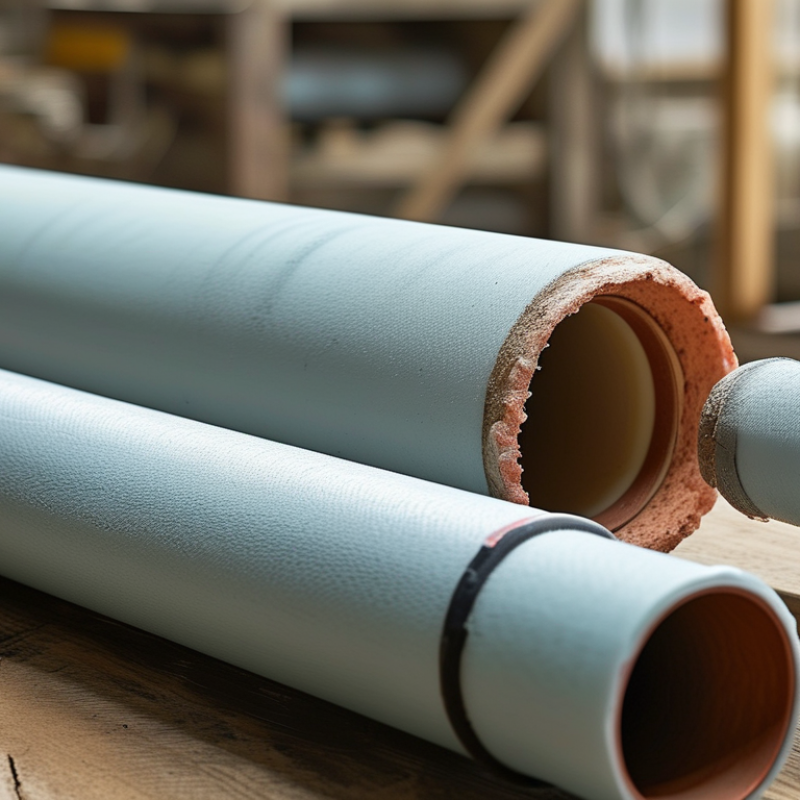
When it comes to thin pipe insulation, various materials are accessible, each catering to different needs. Fiberglass insulation is popular due to its thermal performance. According to the U.S. Department of Energy, fiberglass can reduce energy consumption by 30% when insulating pipes. This material is lightweight and resistant to moisture, making it suitable for both hot and cold applications.
Another noteworthy option is polyurethane foam. This material offers excellent thermal resistance and can be applied to irregular surfaces. A study conducted by the National Insulation Association indicates that polyurethane foam can save more than 40% in energy costs when properly installed. Similar to fiberglass, it has its own limitations. It may not be suitable for environments exposed to high UV light.
Rubber insulation is another viable choice. It is flexible and easily installed, catering to various pipe sizes. Rubber can effectively withstand temperature fluctuations. However, it may not have the same lifespan as fiberglass or polyurethane. This makes it important to consider the specific environmental conditions before making your selection.
When selecting the ideal thin pipe insulation, thickness plays a crucial role. The right thickness ensures efficient energy conservation and prevents condensation. However, choosing the right thickness isn't always straightforward. One key factor is the environment; pipes in colder regions require thicker insulation, while moderate climates may work well with thinner options.
Consider the type of pipes being insulated. Metal pipes conduct heat differently than plastic ones. If the insulation is too thin, it may not provide adequate protection. Conversely, excessive thickness can lead to wasted materials and unnecessary costs. Rely on experience or consult industry guidelines to determine suitable thickness for your project.
Another factor is the intended application. Heating, cooling, and plumbing systems each have unique insulation needs. Reflect on how often the pipes will be accessed. If frequent maintenance is required, thinner insulation might be more manageable. It’s crucial to balance performance and practicality for your specific situation. Frequent reassessment of insulation needs can result in better long-term decisions. Always remember, mistakes can lead to learning opportunities in insulation choices.
When choosing thin pipe insulation, temperature resistance plays a crucial role. Insulation materials are rated for specific temperature ranges. Proper selection can prevent energy loss and protect pipes from damage. Research shows that effective insulation can reduce heat loss by up to 40%. This is particularly important during extreme weather conditions.
Tips: Always check the insulation's temperature tolerance. High-temperature pipes require materials with higher resistance. Conversely, low-temperature applications need insulation designed to handle cold environments.
The importance of temperature resistance cannot be underestimated. Choosing the wrong insulation can lead to unexpected failures. Overheating pipes may crack their insulation. Conversely, freezing temperatures may cause pipes to burst. According to industry reports, poorly insulated pipes can account for significant energy waste. Recognizing these factors is essential for maintaining a well-functioning system.
Choosing the right installation method for thin pipe insulation can greatly impact energy efficiency. Industry studies indicate that properly insulated pipes can reduce energy costs by up to 30%. Two common installation methods include self-adhesive insulation and wrap-around insulation. Each has its advantages and limitations.
Self-adhesive insulation is easy to apply and perfect for tight spots. Simply cut the insulation to size, peel off the backing, and stick it on. This method reduces installation time significantly, but the adhesive may not last in high-temperature environments. Consider the durability of HVAC systems when choosing this option.
Wrap-around insulation is ideal for irregular shapes. This method involves wrapping a pre-formed insulation blanket around the pipe. It offers better coverage but requires more time and effort. When securing the insulation, use appropriate fasteners to avoid gaps, as even small openings can lead to heat loss.
Tips: Before starting, measure the pipe's diameter carefully. Ensure a snug fit to maximize insulation effectiveness. Always follow local codes and guidelines for installation. Remember, improper installation can negate the benefits of insulation, leading to increased energy bills.
Choosing the right thin pipe insulation can greatly impact your energy savings. With energy costs on the rise, effective insulation is crucial for maintaining efficiency. Research from the Department of Energy indicates that insulating pipes can reduce heat loss by up to 90% in certain applications. This translates to significant savings over time.
Cost-effectiveness is vital when considering insulation options. The initial investment in thin pipe insulation can lead to substantial long-term savings. According to the Home Energy Saver tool, homeowners can save around 10% to 15% on heating bills after proper insulation installation. This means that while some insulation types may have a higher upfront cost, the return on investment can be realized within a couple of years.
It's important to reflect on the long-term benefits versus initial costs. Some insulation materials may not perform as expected, leading to higher energy bills. Regular assessments of insulation performance are necessary. Understanding these factors ensures that the insulation choice is not only affordable but also effective in achieving energy savings. Proper installation is just as crucial as the material itself.
| Insulation Type | Thickness (inches) | R-Value | Cost per Linear Foot ($) | Energy Savings (%) |
|---|---|---|---|---|
| Foam Insulation | 1/2 | 3.6 | 0.75 | 15 |
| Rubber Insulation | 3/4 | 4.0 | 1.00 | 22 |
| Fiberglass Insulation | 1 | 3.2 | 0.85 | 12 |
| Mineral Wool Insulation | 1/2 | 3.0 | 0.90 | 10 |
| Reflective Insulation | 1/4 | 2.0 | 0.70 | 8 |
: Common materials include fiberglass, polyurethane foam, and rubber insulation. Each serves different insulation needs.
Fiberglass insulation can reduce energy consumption by 30%. This makes it a popular choice among homeowners.
Polyurethane foam offers excellent thermal resistance. It saves more than 40% in energy costs when installed correctly.
Rubber insulation is flexible, but it may not last as long as fiberglass or polyurethane. Environmental conditions matter.
Self-adhesive insulation and wrap-around insulation are two popular methods. Each has distinct advantages and requirements.
The adhesive may not endure high temperatures. This can reduce the insulation's overall effectiveness.
Poor installation can lead to heat loss. This might cause increased energy bills, nullifying insulation savings.
Carefully measure the pipe's diameter for a snug fit. This ensures maximum insulation effectiveness.
The right choice leads to long-term savings on energy bills. Initial costs should be considered against future savings.
Regular assessments are necessary. This ensures insulation continues to perform as expected and saves on energy costs.
Thin pipe insulation is a crucial element in maintaining energy efficiency and preventing heat loss in heating and cooling systems. When selecting the best thin pipe insulation, it’s important to consider the various types of materials available, including fiberglass, foam, and rubber, each offering unique benefits. Factors such as insulation thickness, temperature resistance, and installation methods play a significant role in ensuring optimal performance and longevity.
Temperature resistance is particularly vital, as it determines the insulation's effectiveness in different environmental conditions. Additionally, assessing the cost-effectiveness of thin pipe insulation reveals that investing in high-quality products can lead to substantial energy savings over time. By addressing these considerations, one can make an informed choice that aligns with their specific requirements and enhances overall system efficiency.
