Insulation Foam Tape has become a crucial component in various construction and DIY projects. John Miller, an industry expert in insulation materials, states, “Quality insulation foam tape can prevent heat loss and improve overall energy efficiency.” This insight underscores the importance of selecting the right materials in modern applications.
The effectiveness of Insulation Foam Tape lies in its unique properties. It is often weather-resistant and offers excellent adhesion. This versatility allows it to be used in various settings, from homes to industrial spaces. Many users may overlook the long-term benefits of investing in high-quality foam tape. However, poor choices can lead to insulation failures, resulting in increased energy costs.
While Insulation Foam Tape is generally reliable, choosing the right thickness and density for your specific needs requires careful consideration. Not all projects are the same, and the wrong tape could compromise project outcomes. Therefore, understanding the features and potential drawbacks of different types of foam tape ensures that you make the best choice for your needs.
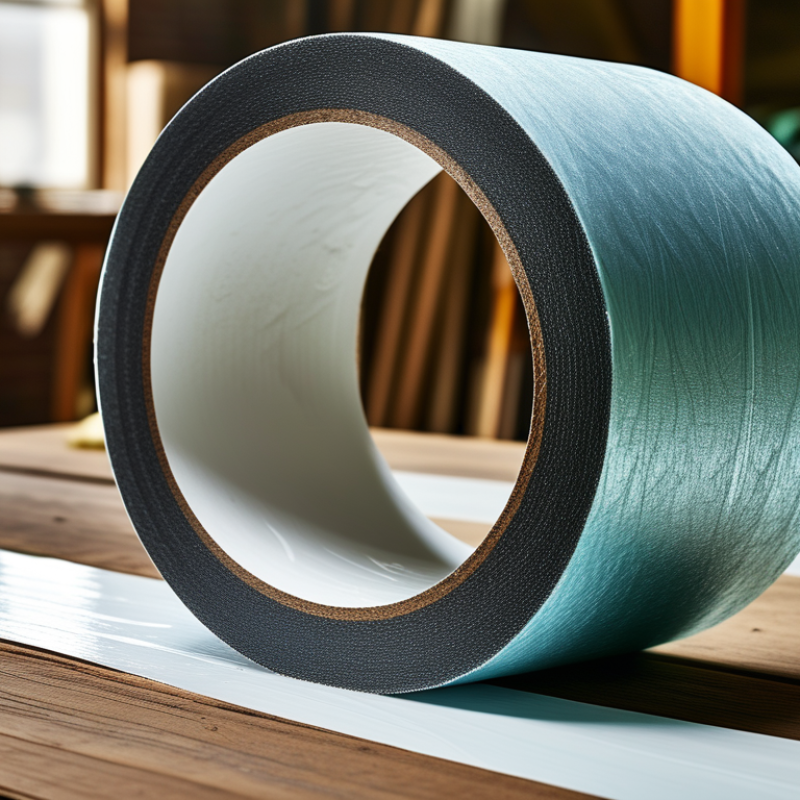
Benefits of Using Insulation Foam Tape in Various Applications
Insulation foam tape is increasingly recognized for its diverse applications across various industries. It offers excellent sealing properties, making it ideal for reducing air leakage in buildings. According to the U.S. Department of Energy, sealing gaps in homes can reduce energy bills by 10–20%. The tape’s lightweight design and flexibility allow for easy installation in tight spaces, enhancing the efficiency of insulation materials.
When it comes to soundproofing, insulation foam tape plays a significant role. It can dampen vibrations and reduce unwanted noise in residential and commercial environments. Projects utilizing such tape reported a noticeable reduction in sound transmission, benefiting both workplaces and homes. A study published in the Journal of Building Performance shows that proper insulation can lead to a 30% reduction in noise pollution.
Tip: Ensure proper surface preparation before applying the tape. Clean the area of dust and debris for better adhesion. Consider layering the tape in areas with high humidity to prevent moisture-related issues. Over time, the tape may wear out, so periodic inspection is advisable to maintain its effectiveness.
Benefits of Using Insulation Foam Tape
Types of Insulation Foam Tape and Their Unique Properties
Insulation foam tape comes in various types, each with unique properties. Understanding them can enhance your projects significantly. For instance, closed-cell foam tape is known for its excellent thermal resistance. It traps air within its cells, providing superior insulation. This tape is ideal for drafts and gaps in doors or windows. Its durability allows it to withstand temperature fluctuations.
Another type is open-cell foam tape. This version is softer and more flexible. Its properties make it perfect for cushioning applications. It absorbs shock and works well for protecting delicate items. While it doesn't provide as much thermal insulation as closed-cell, it excels in soundproofing.
Additionally, there’s adhesive-backed foam tape. This type offers convenience in application. With strong adhesive properties, it easily sticks to various surfaces. The challenge is that the adhesive may degrade over time, especially in wet conditions. Choosing the right type depends on the specific needs of your project. Consider the trade-offs to ensure the best fit for your insulation challenges.
Tips for Selecting the Right Insulation Foam Tape for Your Project
When selecting insulation foam tape for your projects, consider several key factors. First, identify the thickness and density of the tape. Thicker tape often offers better insulation properties. Density plays a role in durability. A denser foam can withstand wear and tear. Ensure the tape you choose matches the specific requirements of your application.
Temperature resistance is another important aspect. Different tapes perform well under various conditions. Some may resist extreme heat, while others handle cold better. Be aware of the environment where the tape will be used. If you find yourself often needing to replace tape, this could indicate a poor choice.
Adhesive quality is essential too. A strong adhesive ensures longevity and performance. However, some tapes may leave residue when removed. Test a small section before proceeding with a large application. This helps prevent potential issues and maintains your work area clean. Balancing all these elements can lead to a successful project outcome.
Application Techniques for Optimal Performance of Foam Tape
Foam tape is an excellent choice for various projects due to its versatility and strong adhesion. Proper application techniques can greatly enhance its performance. For instance, ensuring a clean and dry surface enhances the tape's ability to bond effectively. According to a report from the Adhesive and Sealant Council, a clean surface can increase adhesion strength by up to 50%. This simple yet crucial step cannot be overlooked.
Temperature also plays a significant role in application. For optimal performance, applying foam tape in temperatures between 60°F and 100°F is recommended. Deviation from this range can compromise adhesion and overall effectiveness. Additionally, using consistent pressure while applying the tape can prevent bubbles and gaps. Data indicates that uneven pressure can lead to a 30% reduction in adhesion quality. It is important to assess these factors to avoid future issues.
On a reflective note, users often underestimate the importance of patience during installation. Rushing can lead to misalignment or incomplete sealing. Recognizing this tendency allows for adjustments in technique, ensuring a more robust result. Proper application not only saves time but also enhances project durability. Emphasizing these points can significantly improve the results in any project involving foam tape.
Common Mistakes to Avoid When Using Insulation Foam Tape
Using insulation foam tape can be effective for many projects. However, common mistakes can hinder its performance. One issue is improper surface preparation. A clean, dry surface ensures better adhesion. According to industry statistics, up to 70% of tape failures are due to insufficient surface cleaning. Dust, oil, or moisture can prevent the tape from sticking effectively.
Another frequent error is applying too much pressure during installation. While it may seem logical, excessive force can lead to tape stretching and eventual peeling. Using moderate pressure helps maintain its structural integrity. Additionally, choosing the wrong thickness can compromise insulation performance. For example, a tape that’s too thick may not conform well to irregular surfaces, leading to gaps.
Lastly, neglecting temperature conditions during installation can also cause problems. Applying foam tape in extreme temperatures can affect adhesion and flexibility. Research indicates that optimal application temperatures are between 60°F and 100°F. Ensuring the right conditions can significantly enhance the tape's effectiveness. Addressing these mistakes can lead to more successful and durable projects.
FAQS
: There are mainly three types: closed-cell, open-cell, and adhesive-backed foam tape.
Closed-cell foam tape offers excellent thermal resistance. It traps air for superior insulation against drafts.
Open-cell foam tape is softer and more flexible. It excels at cushioning and soundproofing but offers less thermal insulation.
Adhesive-backed foam tape is convenient and sticks well to various surfaces. This makes application easier.
Consider thickness, density, and temperature resistance to ensure the tape meets your project's needs.
Thicker tape usually provides better insulation. It's important to balance thickness with the application requirements.
Strong adhesive ensures longevity. However, it may leave residue, so it's wise to test before full application.
If you frequently replace tape, it might indicate a poor choice. Reassess your selection criteria.
Yes, different tapes perform in varying temperatures. Know your environment for best results.
Degraded adhesive can compromise performance. Always check the tape's reliability for your specific conditions.
Conclusion
Insulation Foam Tape is an essential tool for various projects due to its numerous benefits, such as providing superior thermal insulation, soundproofing, and sealing capabilities. Different types of insulation foam tape cater to specific needs, with unique properties that enhance their performance in diverse applications. Selecting the right tape is crucial; one should consider factors like thickness, adhesive type, and intended use to ensure optimal results.
To achieve the best performance from Insulation Foam Tape, proper application techniques must be employed. This includes ensuring a clean surface, applying sufficient pressure, and allowing adequate curing time. Additionally, avoiding common mistakes, such as improper storage and mismatched tape types, can significantly enhance the effectiveness of the insulation. By understanding these aspects, users can fully leverage the advantages of insulation foam tape in their projects.
 Kingflex
