Kingflex
When it comes to selecting the right Flex Pipe Insulation, the choices can be overwhelming. Various materials and types are available. Each option has unique benefits and drawbacks. Selecting the best insulation requires careful consideration of several factors.
Understanding heat retention is essential. Flex Pipe Insulation plays a vital role in maintaining temperature. This not only conserves energy but also extends the lifespan of pipes. The right insulation can reduce heat loss significantly. In contrast, the wrong choice may lead to increased energy bills over time.
Quality must also be addressed. Not all Flex Pipe Insulation is created equal. Trusted brands often provide better performance. Researching product reviews and expert recommendations is crucial. This step can help you avoid subpar options. Remember, investing in quality insulation can save you money in the long run.
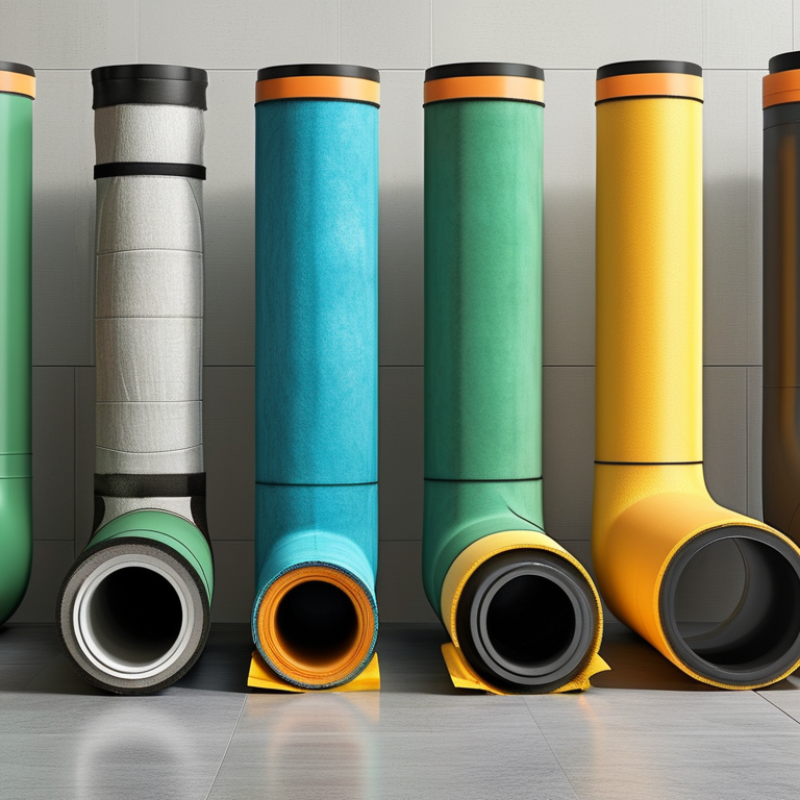
Flex pipe insulation plays a crucial role in maintaining energy efficiency and safety. This type of insulation reduces heat loss and protects pipes from environmental damage. According to the U.S. Department of Energy, insulated pipes can save up to 10% on heating bills. Understanding its importance helps make informed decisions.
Choosing the right flex pipe insulation can prevent costly repairs. Look for materials that offer both thermal resistance and durability. Foam and fiberglass are common options, but they vary in performance. A study from the American Society of Heating, Refrigerating and Air-Conditioning Engineers (ASHRAE) emphasizes that improper insulation can lead to significant energy waste.
Tips: Evaluate your local climate. Areas with extreme temperatures require better insulation. Consider moisture resistance, especially in humid environments. Proper installation is key. Gaps can significantly lower insulation effectiveness. Always check for certifications to ensure reliability.
When choosing the best flex pipe insulation, it’s important to assess your specific needs. Consider the temperature range the pipes will encounter. Insulation must withstand extreme heat or cold. Insufficient insulation can lead to energy loss and increased costs. Think about the environment as well. Is the insulation required for indoor use or outdoor exposure?
Another aspect is the thickness and material of the insulation. Thicker insulation often provides better thermal resistance. However, it may also take up more space. Balance is key. Consider the flexibility of the material too; it should accommodate bends and turns in your piping system.
Additionally, reflect on installation requirements. Some insulation types are easier to install than others. If you prefer DIY solutions, look for user-friendly options. Evaluate ongoing maintenance needs as well. Some insulations require periodic checks for wear and tear. Not all products will suit every application. It's beneficial to research and gather opinions from professionals.
When selecting flex pipe insulation, it's crucial to understand the various materials available. Each insulation type has its own advantages and drawbacks. For instance, fiberglass insulation offers excellent thermal resistance and is lightweight. It can help maintain consistent temperatures in ductwork, but it may not handle moisture well, leading to potential mold issues.
Another popular choice is foam insulation. It provides great flexibility and an effective thermal barrier. However, it can be susceptible to damage from UV exposure. If placed outdoors, it may require additional protection. On the other hand, mineral wool insulation is durable and fire-resistant, making it a safe choice. Yet, it tends to be heavier and can be difficult to install in tight spaces.
In assessing these materials, the environment plays a significant role. Consider temperature fluctuations and humidity levels in your area. Each insulation type requires thoughtful consideration to ensure optimal performance. Keep in mind that the most effective choice isn't always the one that looks best on paper. Reflection and practical testing may yield unexpected insights into what works best for your specific needs.
This chart displays the R-Value effectiveness of different insulation types used for flex pipes. Higher R-Values indicate better insulation performance, allowing for more efficient temperature control in piping systems.
When choosing flex pipe insulation, evaluating the R-value is crucial. R-value measures the material's resistance to heat flow. The higher the R-value, the better the insulation. This can lead to significant energy savings over time. If your insulation has a low R-value, your energy bills may rise. Consider that each application might require different R-value needs.
For instance, pipes exposed to extreme temperatures need insulation with high R-values. On the other hand, less critical areas may not require such robust protection. It’s essential to assess your environment. Local climate conditions and installation points determine the appropriate insulation type. Lower R-values might fit some spaces but could lead to future inefficiencies.
Sometimes, homeowners might overlook the importance of R-values. They might choose insulation based on price alone. This can result in regret when energy costs soar. Finding the right balance is key. Investing in quality insulation upfront can yield long-term benefits. A thoughtful approach ensures better energy efficiency and comfort in your home.
| Insulation Type | R-Value | Material | Temperature Range (°F) | Application |
|---|---|---|---|---|
| Foam Rubber | R-4 | Synthetic Rubber | -20 to 120 | HVAC Systems |
| Fiberglass | R-2.9 to R-4.3 | Fiberglass | -20 to 325 | Plumbing, Ductwork |
| Mineral Wool | R-3.3 to R-4.0 | Stone Fiber | -30 to 1200 | Fireproof Applications |
| Aerogel | R-10 to R-30 | Silica-based | -325 to 1200 | Very High Temperature |
| PVC Foam | R-3.0 | Polyvinyl Chloride | -20 to 140 | Low-temperature piping |
When installing flex pipe insulation, proper techniques are essential for achieving maximum effectiveness. Begin by ensuring the surface is clean and dry. Dirt or moisture can hinder insulation adherence. Use a sharp utility knife to cut the insulation to the correct length. This prevents gaps that could lead to heat loss. It’s important to work carefully, as uneven cuts can compromise the entire installation.
Pay attention to the seams. Overlap them slightly to create a tight seal. Use tape designed for insulation to secure these seams. This step is vital for maintaining thermal efficiency. Consider the surrounding environment. If the area is prone to moisture, additional protective measures may be needed. Reflecting on your installation process helps identify potential flaws. Review your work for any gaps or loose areas that might need readdressing.
Finally, monitor the insulation over time. Changes in performance may indicate a need for adjustments or replacements. Staying proactive can extend the life of your insulation. Remember that well-installed insulation not only aids in energy efficiency but also enhances the overall performance of your system.
: Flex pipe insulation helps maintain energy efficiency and protects pipes from damage.
It reduces heat loss and can save up to 10% on heating bills.
Foam and fiberglass are common, each with unique performance characteristics.
Areas with extreme temperatures need better insulation to prevent energy waste.
Ensure surfaces are clean and cut insulation accurately to avoid gaps.
Changes in performance can indicate that adjustments or replacements are needed.
It offers excellent resistance but may struggle with moisture, leading to mold risks.
No, foam insulation can be damaged by UV exposure and may need extra protection outside.
Overlapping seams creates a tight seal, maintaining thermal efficiency.
Uneven cuts and unsealed seams can significantly reduce insulation effectiveness.
Flex Pipe Insulation plays a crucial role in enhancing energy efficiency and preventing heat loss in various piping systems. Understanding its significance begins with identifying your specific insulation needs, which can vary based on the application and environmental factors. This article delves into the different materials available for Flex Pipe Insulation, weighing their pros and cons to help you make an informed choice.
Additionally, evaluating the R-values of insulation materials is essential, as it directly affects energy efficiency and cost savings over time. Finally, the article provides practical installation tips that ensure optimal performance and longevity of Flex Pipe Insulation. By following these guidelines, you can effectively select and install the right insulation to meet your unique requirements.
