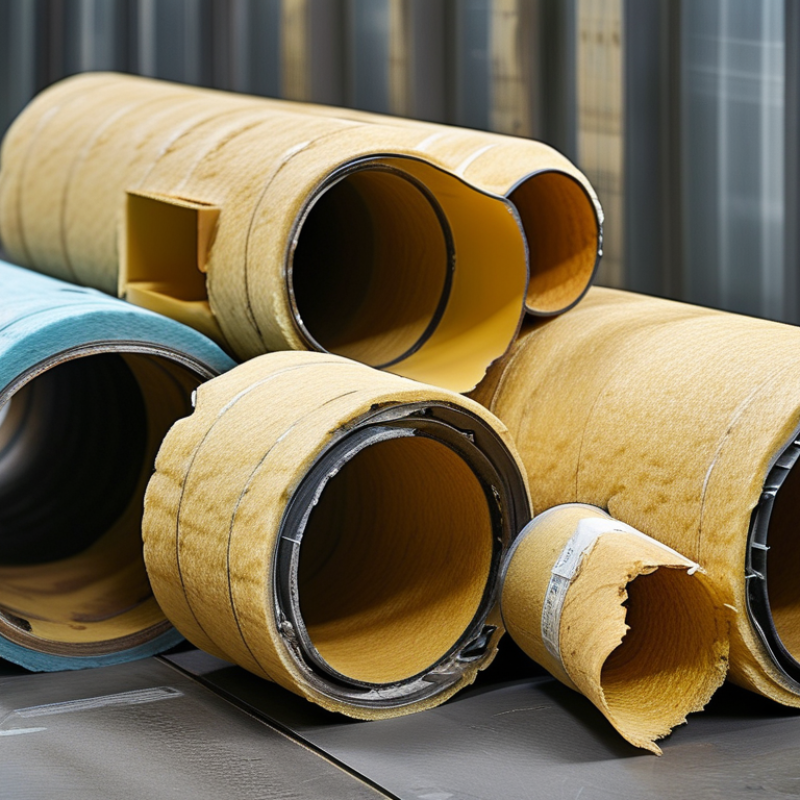
Choosing the right 35mm pipe insulation is crucial for effective thermal management. With many options available, it can be overwhelming. Understanding your specific needs is essential. Insulation plays a significant role in energy efficiency and cost savings.
When selecting 35mm pipe insulation, consider factors like material type and application. For instance, fiberglass offers excellent thermal resistance and is often used in industrial settings. In contrast, foam insulation provides flexibility and ease of installation for residential use.
It's important to remember that not all insulation is created equal. Some may not meet your requirements, leading to inefficiencies. Regularly assess your insulation choices to ensure optimal performance. Reflecting on your previous selections can help you improve. Choosing the right 35mm pipe insulation not only enhances efficiency but also contributes to long-term sustainability.
Understanding the Purpose of 35mm Pipe Insulation
35mm pipe insulation serves a critical purpose in various applications. It primarily aims to maintain the temperature of fluids within pipes while preventing energy loss. Insulation types vary, impacting energy efficiency. According to the U.S. Department of Energy, proper insulation can reduce energy consumption by up to 20%. This fact highlights its importance in residential and commercial settings.
Choosing the right insulation ensures both cost savings and system efficiency. For example, fiberglass and foam are popular options. Fiberglass offers excellent thermal resistance, but it can be prone to moisture absorption. On the other hand, foam insulation is lightweight and easy to install, but its durability can be questionable in extreme conditions. Industry reports reveal that many buildings still suffer from inadequate insulation, leading to increased operational costs and energy waste. Evaluating these factors is essential for making informed decisions.
Proper installation of 35mm pipe insulation is also crucial. A poorly insulated pipe can lead to condensation, causing corrosion and other issues. The National Insulation Association emphasizes that about 30% of energy loss in HVAC systems is due to uninsulated pipes. This figure urges careful consideration of both materials and application methods, illustrating the need for ongoing education in insulation practices.
Comparative Analysis of 35mm Pipe Insulation Types
Types of 35mm Pipe Insulation Materials Available
When selecting 35mm pipe insulation, understanding the different materials is crucial.
Foam insulation is one of the most common choices. It offers excellent thermal resistance. Easy to install, it wraps around the pipes well. Yet, it can be vulnerable to moisture. This could lead to mold growth if not properly sealed.
Another popular option is fiberglass insulation. It has superior fire-resistant properties. This makes it ideal for higher temperature environments. On the downside, fiberglass can be prickly during installation. Proper protective gear is necessary to avoid irritation.
Polystyrene is also available. It provides strong insulation and a lightweight solution. It's less flexible, which may require more cutting. In some cases, manufacturers blend materials to enhance performance. Such combinations aim to balance strength and flexibility. Assessing your specific needs will ensure you choose the right material.
Factors to Consider When Choosing Pipe Insulation
When selecting 35mm pipe insulation, several key factors should influence your decision. The material type is crucial. Common options like fibreglass, polyethylene, and rubber each provide varying degrees of thermal resistance. According to the U.S. Department of Energy, proper pipe insulation can reduce energy losses by 10% to 20%. This statistic highlights the importance of choosing the right material for your specific application.
Another important consideration is the climate where the pipes are located. In colder climates, insulation with a higher R-value is necessary. Conversely, in milder conditions, a lower R-value may suffice. Data from industry standards suggests that using insulation rated for your specific environment can significantly improve energy efficiency. Additionally, the installation method also affects performance. Improper installation can lead to gaps, which compromise insulation effectiveness.
Cost cannot be overlooked, but investing in quality insulation pays off. The initial expense is often offset by energy savings over time. A study indicates that building owners can recoup insulation costs within a few years due to reduced energy bills. It's essential to weigh cost against longevity and durability in your decision-making process.
Installation Techniques for 35mm Pipe Insulation
When installing 35mm pipe insulation, techniques vary based on the environment and material used. It's important to ensure that the insulation fits snugly around the pipes. Gaps can reduce efficiency, leading to energy loss. Research highlights that poorly insulated pipes can lose up to 30% of energy, which is significant for industrial settings.
One common installation method is to use adhesive. Apply it carefully along the pipe surface. Make sure to press the insulation firmly to eliminate any air pockets. Alternatively, use a wrap-around style insulation for easy application. This method is effective in commercial applications, where speed matters.
**Tips:** Always measure the pipe diameter before selecting insulation. Double-check compatibility with the insulation type. Using a vapor barrier in humid areas is often necessary. It prevents moisture buildup that could damage the pipes and insulation. Regularly inspect for wear or damage. Timely repairs can increase the lifespan of both the insulation and the pipes.
How to Choose the Right 35mm Pipe Insulation for Your Needs? - Installation Techniques for 35mm Pipe Insulation
| Insulation Type |
Thermal Conductivity (W/m·K) |
Max Operating Temperature (°C) |
Moisture Resistance |
Typical Usage |
| Polyethylene (PE) |
0.038 |
85 |
High |
Plumbing and HVAC |
| Fiberglass |
0.040 |
230 |
Medium |
Industrial piping |
| Rubber (EPDM) |
0.045 |
120 |
Low |
Refrigeration |
| Mineral Wool |
0.035 |
550 |
Medium |
High-temp applications |
| Foam Glass |
0.050 |
470 |
High |
Cryogenic systems |
Maintenance and Longevity of Pipe Insulation Solutions
When considering the maintenance and longevity of 35mm pipe insulation, it is essential to choose the right materials. Insulation can degrade due to environmental factors, moisture, and temperature fluctuations. These elements can lead to increased energy costs and structural damage if not addressed promptly. Regularly inspecting the insulation will help identify early signs of wear, such as cracks or dampness.
Proper installation is key for longevity. Ensure the insulation fits snugly around pipes. Gaps can lead to energy loss and condensation. Moreover, using insulation covers or wraps can enhance durability and prolong service life. Consider the local climate when selecting materials, as varying temperatures can influence performance.
Maintaining pipe insulation isn't solely about replacement. It also involves proactive measures. Regular cleaning removes dirt and debris that can attract moisture. This simple task can extend the insulation's life. Training staff or homeowners about these measures fosters better care and decision-making. Overall, informed choices lead to effective solutions that stand the test of time.
FAQS
: Choosing the correct insulation is crucial. It affects efficiency and prevents energy loss.
Adhesives are popular. They need careful application to avoid air pockets.
Regular inspections help find issues early. This prevents further damage.
Moisture and temperature changes can degrade insulation, leading to higher energy costs.
Yes, in humid areas. It helps prevent moisture buildup and damage.
Gaps can significantly reduce insulation efficiency. This may lead to energy loss.
No, maintenance includes regular cleaning too. This stops moisture attraction.
Regular inspections are necessary. Look for cracks or dampness to address issues early.
Yes, proper installation is essential. A snug fit prevents energy loss and condensation.
Absolutely! Educating staff helps ensure better maintenance and decision-making.
Conclusion
When selecting the right 35mm Pipe Insulation, it's important to understand its primary purpose, which is to enhance energy efficiency and prevent heat loss in piping systems. There are various types of insulation materials available, including foam, fiberglass, and rubber, each offering distinct advantages depending on the specific application.
Key factors to consider when choosing 35mm Pipe Insulation include the temperature of the pipes, environmental conditions, and compliance with any relevant regulations. Proper installation techniques are crucial to ensure effectiveness and durability, while regular maintenance can extend the lifespan of the insulation. By thoroughly evaluating these aspects, homeowners and professionals can make informed decisions that meet their insulation needs effectively.
 Kingflex