 Kingflex
HVAC Vent Insulation is material fitted around heating and cooling ducts or vents to slow heat transfer. It helps conditioned air stay closer to its intended temperature as it travels through a home or building. The U.S. Department of Energy’s Energy Saver guidance recommends insulating ducts located in unconditioned spaces, such as attics, crawlspaces, and garages. These spaces can be much hotter or colder than the rooms being served.
The stakes are practical. ENERGY STAR estimates that a typical home may lose 20% to 30% of its conditioned air through leaks, holes, and poorly connected ductwork. That figure describes air leakage, not heat loss through uninsulated ducts. The difference matters: insulation slows heat transfer, while sealing addresses escaping air. In many buildings, both issues deserve attention. A cool supply vent in a sun-heated attic can reveal a problem, but appearance alone cannot identify its cause.
A careful assessment considers duct location, existing insulation, moisture, and local climate. Insulation type and thickness should suit the system and the space; installation details matter, too. Poorly fitted material can leave gaps or create maintenance concerns. Small details count. HVAC Vent Insulation can improve comfort and help reduce wasted energy, but it is not a stand-alone fix for an inefficient system. A qualified HVAC professional can inspect the ducts and recommend appropriate measures. Even then, results vary by building. That uncertainty is worth stating plainly.
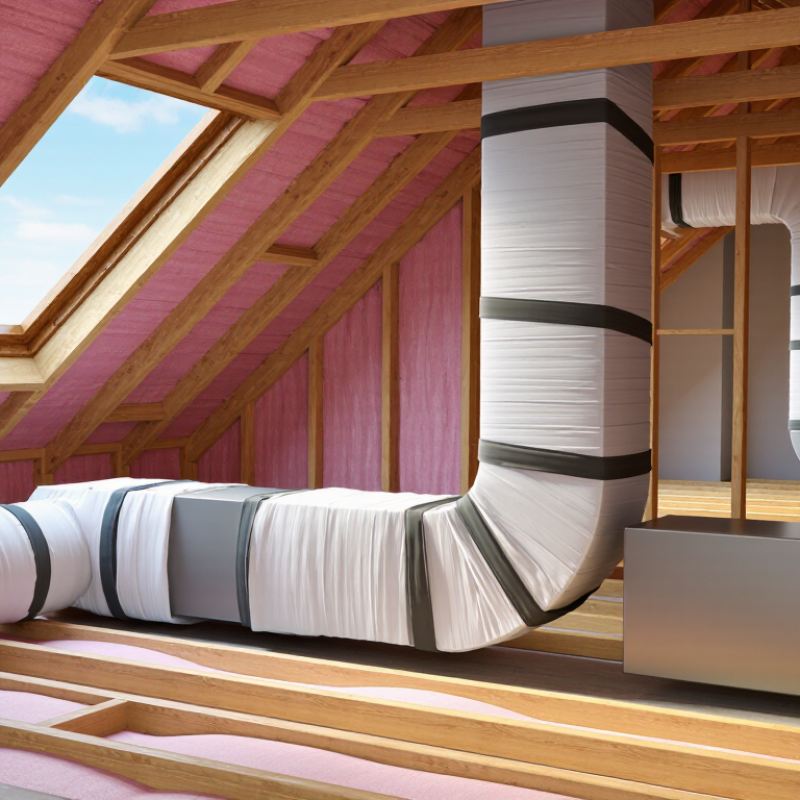
HVAC vent insulation is thermal insulation fitted around heating and cooling ductwork, including sections near supply vents and return-air openings. It slows heat transfer between moving air and the space around the ducts. Common materials include fiberglass blankets, foam sleeves, and foil-faced insulation. On a cold morning, insulation can help keep warm air warmer as it travels through an attic or crawlspace. It can also reduce condensation on cold ducts in humid areas. Not the grille. The visible register is usually left open so air can flow freely.
The U.S. Department of Energy’s Energy Saver guidance recommends at least R-6 insulation for ducts in unconditioned spaces. The agency also estimates that typical duct systems can lose 20% to 30% of their air through leaks; that figure describes leakage, not heat loss that insulation alone can fix. Sealing joints and insulating ducts address different problems. Insulation should fit closely around the duct, without crushing flexible sections or blocking access to dampers. Details matter. In older homes, the boundary between a vent boot and the main duct can be awkward to wrap, so a site inspection may change what material and thickness are practical.
| Aspect | What It Is | Why It Is Used | Practical Considerations |
|---|---|---|---|
| Definition | Thermal insulation installed around HVAC ducts or, in some cases, near vents to slow heat transfer between the moving air and surrounding spaces. | Helps heated or cooled air remain closer to its intended temperature as it travels through the duct system. | Insulating the ductwork is generally more effective than covering a room supply register, which must remain unobstructed for airflow. |
| Common materials | Fiberglass duct wrap or rigid fiberglass board; flexible closed-cell elastomeric or polyethylene foam is also used in suitable applications. | Different materials provide thermal resistance and may also help limit condensation when correctly selected and installed. | Use materials rated for the application and follow their installation instructions, including any required facing or vapor-control layer. |
| R-value | R-value measures resistance to heat flow. Duct insulation products are sold in a range of R-values, commonly including R-4.2, R-6, and R-8 options. | A higher R-value generally provides greater resistance to heat transfer, all else being equal. | The appropriate value depends on local energy codes, climate, duct location, and system design; code requirements vary by jurisdiction. |
| Energy performance | Insulation reduces heat gain or heat loss through duct walls. | It can reduce energy wasted when ducts pass through unconditioned areas such as attics, garages, or crawlspaces. | Results depend on the entire system. Insulation does not compensate for disconnected, crushed, or poorly sealed ducts. |
| Condensation control | Insulation keeps a duct’s exterior surface warmer or cooler relative to humid surrounding air, depending on operating conditions. | When properly designed and installed, it can help reduce moisture forming on cold duct surfaces. | Correct thickness, sealed joints, and appropriate vapor control matter. Insulation cannot fix existing leaks or persistent moisture problems by itself. |
| Noise reduction | Some duct insulation can absorb or dampen a portion of sound transmitted through ductwork. | May help reduce certain airflow or equipment noises. | It is not a substitute for diagnosing noisy equipment, excessive air velocity, loose ductwork, or other mechanical issues. |
| Typical locations | Duct runs in attics, crawlspaces, garages, and other unconditioned areas are common candidates for insulation. | These locations expose ducts to larger temperature differences than ducts routed through conditioned rooms. | Inspect the duct layout and applicable building requirements before choosing an insulation method. |
| Installation basics | Insulation is fitted around or over ducts, with seams and joints finished according to the product instructions. | Continuous coverage helps limit thermal gaps and supports consistent performance. | Keep insulation clear of heat-producing components unless the material is approved for the required temperature, and do not block registers or access panels. |
| Best paired improvement | Duct sealing closes gaps and joints where conditioned air can escape. | Sealing and insulating address different issues: air leakage and heat transfer, respectively. | For many systems, inspecting and sealing accessible duct leaks before insulating improves the overall result. |
It is material wrapped around ducts to slow heat transfer. It helps air stay closer to its intended temperature.
It is often used in attics, crawlspaces, unfinished basements, garages, and ceiling cavities near exterior spaces. These areas can get very hot or cold.
Usually not. The duct behind the grille is the part that gets insulated.
It can help keep cold duct surfaces warmer in humid areas, reducing water droplets. It cannot fix every moisture problem.
No. It does not seal gaps or repair crushed ducts. Loose joints may still leak air.
Check accessible ducts for torn sections, damp spots, loose seams, or compressed insulation. Small details are easy to miss.
Find and address the moisture source before replacing the wrap. If a duct stays wet, ask a qualified HVAC professional to inspect it.
It may help when ducts cross very hot or cold spaces. But poor airflow or other duct problems may still affect comfort. Not a cure-all.
HVAC Vent Insulation is material added around heating and cooling ducts or vents to slow the transfer of heat between the air inside the system and the surrounding space. By helping maintain the air’s temperature as it moves through a building, insulation can support more consistent indoor comfort and reduce energy waste. Its effectiveness depends on factors such as insulation type, thickness, duct condition, and the quality of installation.
Common options include fiberglass, foam, and reflective insulation, which may be fitted around accessible ductwork or applied as a covering. HVAC vent insulation is often used in attics, crawl spaces, garages, and other unconditioned areas where ducts are exposed to temperature changes. While it can improve efficiency and help limit condensation, it cannot correct every airflow or equipment problem. Regular checks for gaps, damaged coverings, moisture, or loose fittings help keep the insulation in good condition and allow issues to be addressed promptly.
