Kingflex Kingflex

What Are the Top 10 Types of Insulation Jacketing?

Time:2026-09-19 Author:Ethan
0%

Insulation Jacketing protects insulated pipes, ducts, tanks, and equipment from moisture, impact, chemicals, and weather. It also creates a cleaner, more durable surface for industrial and commercial systems. Behind every jacket, the insulation must remain dry and stable. Otherwise, thermal performance can decline quickly.

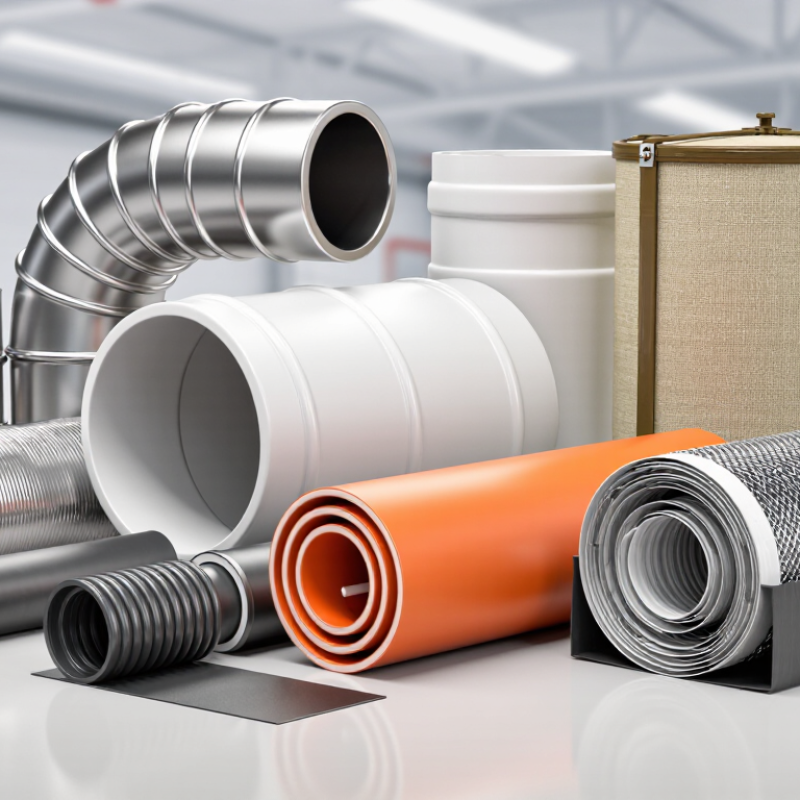
This guide examines the top 10 types of Insulation Jacketing, including aluminum, stainless steel, PVC, canvas, silicone, metal mesh, and flexible polymer options. Each material behaves differently in real working conditions. Aluminum may suit outdoor pipework exposed to rain and sunlight. Stainless steel can perform better near corrosive chemicals or high-contact areas. PVC often offers a practical finish for indoor mechanical rooms. Small details matter, such as sealed overlaps, sharp edges, fastener placement, and expansion allowances.

No jacket is perfect.

Selection depends on temperature, location, maintenance access, fire requirements, appearance, and project budget. Experienced contractors also consider how workers will install and repair the system. A material that looks efficient on paper may become difficult around valves, elbows, or tight equipment connections. That is where many recommendations need more careful thought. Technical data, manufacturer instructions, and applicable project standards should guide the final decision. Qualified insulation professionals can verify compatibility before installation. This overview provides a practical foundation for comparing the ten leading jacket types and understanding where each one may offer real value.
What Are the Top 10 Types of Insulation Jacketing?

What Is Insulation Jacketing and What Functions Does It Serve?

Insulation jacketing is the protective outer layer wrapped around thermal insulation. It is not the insulation itself. Its main role is shielding insulation from rain, humidity, sunlight, impact, chemicals, and daily wear. On a hot pipe, the jacket also helps maintain stable surface conditions. That matters in factories, commercial buildings, and cold-storage areas. The International Energy Agency’s Energy Efficiency 2023 report states that buildings consume about 30% of global final energy. Better insulation systems can reduce this demand, but the jacket must remain intact.

A well-selected jacket controls moisture entry and limits damage during maintenance. Aluminum and stainless steel offer strong weather resistance. PVC and reinforced fabrics can suit cleaner, lighter-duty spaces. Outdoor systems often need sealed laps, secure bands, and carefully finished penetrations. Otherwise, water can travel behind the jacket and create corrosion under insulation. The U.S. Department of Energy reports that properly insulated steam systems can reduce heat loss by up to 90%, depending on existing conditions and installation quality. The jacket protects that investment.

Field experience shows that small defects cause large problems. A loose seam can expose insulation within one rainy season. A bright metal surface may look professional, yet hidden moisture can remain. Jacketing also cannot correct poor insulation thickness or badly fitted joints. Selection should consider temperature, location, cleaning methods, mechanical traffic, and local climate. The “best” jacket is rarely universal. It is the one that stays sealed, repairable, and compatible with the insulation beneath it.

What Are the Top 10 Types of Insulation Jacketing?

Insulation jacketing is the protective outer layer applied over thermal or electrical insulation. It helps resist moisture, chemicals, abrasion, UV exposure, mechanical damage, and heat while extending the service life of the insulated system.

Indicative upper continuous-use temperatures for commonly used jacketing materials. Actual limits depend on formulation, thickness, exposure conditions, installation method, and applicable standards.

Moisture Control

Helps prevent water ingress, condensation, and corrosion under insulation.

Mechanical Protection

Reduces damage caused by impact, abrasion, vibration, and handling.

Environmental Resistance

Provides resistance to chemicals, oils, sunlight, weather, and industrial contaminants.

Thermal and Electrical Performance

Maintains insulation performance across the temperature range required by the application.

How Are Insulation Jacketing Materials Classified?

Insulation jacketing materials are best classified by composition, service environment, and installation demands. In field inspections, moisture resistance often matters more than appearance. Metallic jackets include aluminum, stainless steel, galvanized steel, and coated steel. They suit outdoor runs, impact zones, and hot equipment. Aluminum is light and easy to form. Stainless steel handles corrosive atmospheres better. Galvanized and coated steel provide practical mechanical protection, but damaged surfaces can invite corrosion.

Nonmetallic jackets include PVC, polyethylene, elastomeric rubber, reinforced foil laminate, fiberglass cloth, and canvas. PVC works well in clean, moderate-temperature areas. Polyethylene resists water and some chemicals. Elastomeric rubber follows curved pipe closely. Reinforced foil laminate combines vapor control with low weight. Fiberglass cloth tolerates heat when properly sealed. Canvas is useful for indoor protection and finish work. These ten types should not be ranked by price alone. Temperature limits, UV exposure, washdown, fire requirements, and maintenance access can change the selection. A jacket that looks ideal may fail at a seam.

Tips: Check insulation temperature, jacket permeability, and joint design before ordering. Use compatible bands, sealants, and corrosion barriers. Leave inspection points accessible. On a humid pipe rack, one unsealed overlap can collect water. Field conditions are rarely perfect. Recheck the specification after installation, because actual bends and supports may differ from drawings.

What Are the Top 10 Types of Insulation Jacketing?

What are the top 10 types of insulation jacketing? The answer depends on temperature, moisture, impact, and installation conditions. Aluminum jacketing is lightweight and resists corrosion. Stainless steel handles severe heat, chemicals, and physical abuse. Galvanized steel offers strength at a lower cost. PVC jacketing is flexible, clean-looking, and common indoors. Polyethylene works well where water exposure is expected. Canvas provides a practical finish for protected interior spaces. It is not suitable for every wet location.

Silicone-coated fiberglass jacketing tolerates high temperatures and repeated movement. EPDM rubber jacketing remains flexible around valves, elbows, and vibrating equipment. Foil-scrim-kraft jacketing combines vapor resistance with tear strength. All-service jacketing adds a durable facing for commercial mechanical systems. These ten types behave differently at seams, penetrations, and support points. A poorly sealed joint can defeat excellent insulation. Small details matter.

In field inspections, aluminum often performs well outdoors, but dents can invite water entry. PVC can crack after prolonged exposure to cold or ultraviolet light. Canvas looks simple, yet it needs careful coating in humid rooms. Stainless steel may be excessive for mild indoor conditions. I have found that installers sometimes choose by appearance instead of service temperature. That shortcut deserves reconsideration. Check the insulation system, operating range, cleaning method, and local fire requirements before selecting the jacket.

How Do the Ten Jacketing Types Compare in Performance and Cost?

Comparing the ten main insulation jacketing types requires more than checking purchase price. Aluminum offers low weight, strong weather resistance, and moderate cost. Stainless steel costs more, but it performs better in corrosive or high-traffic areas. Galvanized steel is cheaper than stainless steel and provides useful mechanical protection. However, damaged coatings can expose the steel to rust.

PVC is affordable, lightweight, and easy to clean, but heat and ultraviolet exposure may shorten its service life. Fiberglass-reinforced plastic provides strong impact resistance and handles moisture well. Its installation cost can be higher. Canvas jacketing is economical for indoor systems, though it needs protective coatings in damp spaces. Silicone-coated fiberglass withstands heat and weather better, but its material price is usually higher. Small details matter.

Polyethylene jacketing offers flexible moisture protection at a relatively low cost. It can be vulnerable to sharp impact and prolonged sunlight, depending on its formulation. Elastomeric rubber jacketing remains flexible around bends and vibration, making installation easier, but it may require careful ultraviolet protection. Reinforced mastic creates a seamless barrier around irregular shapes and penetrations. Labor can dominate its total cost.

Field inspections often show that the cheapest material is not the cheapest system. A low-cost jacket may need frequent patching, while a premium option can reduce maintenance. Still, premium performance is not always necessary. Selecting stainless steel for a protected indoor pipe would waste money. Choosing canvas beside heavy equipment could create avoidable repairs. Local climate, operating temperature, access, installer skill, and expected service life should control the decision. My own comparison would remain provisional without project-specific exposure data.

What Are the Top 10 Types of Insulation Jacketing? — How Do the Ten Jacketing Types Compare in Performance and Cost?
Rank Jacketing Type Typical Construction Common Applications Moisture and Vapor Control Mechanical Protection UV and Weather Resistance Typical Service Temperature* Relative Installed Cost Indicative Material Cost** Main Advantages Main Limitations
1 Smooth Aluminum Jacketing Thin aluminum sheet, commonly used with longitudinal and circumferential seams Outdoor pipe, tanks, ductwork, chilled-water and industrial insulation High
Very low water-vapor transmission when seams are properly sealed
High
Good resistance to impact and compression
High
Does not degrade readily in sunlight
Approximately -196°C to 260°C (-320°F to 500°F), depending on alloy, thickness, sealants and insulation system High Approximately US$10–30/m² Long service life, reflective surface, strong weather barrier, clean appearance Higher material and installation cost; can dent and may require corrosion separation from dissimilar metals
2 Stucco-Embossed Aluminum Jacketing Embossed aluminum sheet with a textured surface Outdoor process piping, equipment, tanks and areas requiring improved dent concealment High
Excellent when joints and penetrations are sealed
High
Texture improves stiffness and hides minor damage
High Approximately -196°C to 260°C (-320°F to 500°F), system dependent High Approximately US$12–35/m² Durable, attractive, less visibly affected by small dents than smooth sheet More difficult to clean; seams, edges and penetrations still need careful detailing
3 Stainless-Steel Jacketing Stainless-steel sheet, typically selected for corrosive, hygienic or high-durability environments Food and pharmaceutical facilities, chemical plants, coastal locations and high-temperature equipment High
Very effective when fully sealed
Very High Very High Approximately -196°C to 650°C (-320°F to 1,200°F), subject to grade and system design Very High Approximately US$25–70/m² Excellent corrosion resistance, cleanability and long-term durability Highest cost among common metal options; heavier and more demanding to fabricate
4 Galvanized-Steel Jacketing Zinc-coated carbon-steel sheet Indoor or sheltered industrial piping, ducts and mechanical-room insulation High
Good barrier performance with sealed joints
High Medium
Suitable exposure depends on coating, environment and maintenance
Approximately -40°C to 315°C (-40°F to 600°F), depending on coating, sealants and system details Medium–High Approximately US$8–25/m² Rigid, impact resistant and generally less expensive than stainless steel Can corrode after cutting, scratching or prolonged exposure to aggressive chemicals and moisture
5 PVC Jacketing Flexible or semi-rigid polyvinyl chloride sheet, commonly available in several colors Indoor mechanical piping, fittings, chilled-water lines and clean utility areas High
Low water-vapor permeance when seams are properly closed
Medium Medium
Outdoor use requires a UV-stabilized formulation and suitable detailing
Approximately -40°C to 65°C (-40°F to 150°F), with product-specific limits Medium Approximately US$4–12/m² Easy to cut and install, low maintenance, smooth cleanable surface and good appearance Can become brittle or soften outside its temperature range; some formulations have restrictions for high-temperature or fire-sensitive applications
6 ASJ (All-Service Jacket) Factory-laminated kraft paper, reinforcing fibers, polyethylene and aluminum foil Indoor fiberglass and mineral-wool pipe insulation, HVAC piping and commercial mechanical rooms High
Integrated vapor retarder when laps and penetrations are sealed
Low–Medium Low
Primarily intended for protected indoor locations
Approximately -40°C to 65°C (-40°F to 150°F), product dependent Low Approximately US$2–6/m² Fast installation, neat factory finish, economical and effective for indoor vapor control Not suitable as an exposed outdoor jacket; can tear or become damaged by water and impact
7 FSK (Foil-Scrim-Kraft) Facing Aluminum foil, fiberglass scrim and kraft paper laminate HVAC ducts, equipment insulation and indoor or concealed building-envelope applications High
Acts as a vapor retarder when joints are taped or sealed
Medium
Scrim improves tear resistance
Low–Medium
Normally requires protection from direct weather exposure
Approximately -40°C to 80°C (-40°F to 175°F), depending on facing and adhesive details Low Approximately US$1.50–5/m² Low cost, lightweight, easy to staple or adhere and provides useful radiant and vapor-control properties Limited impact and weather resistance; not a stand-alone outdoor protective jacket
8 PSK (Poly-Scrim-Kraft) Facing Polymer film, reinforcing scrim and kraft paper laminate Indoor duct and equipment insulation, especially where improved tear resistance is desired High
Good vapor-retarder performance with sealed seams
Medium
Generally more moisture-tolerant than plain kraft facing
Low–Medium
Outdoor suitability depends on the specific polymer and protection system
Approximately -40°C to 80°C (-40°F to 175°F), product dependent Low Approximately US$2–6/m² Lightweight, flexible, economical and resistant to tearing and moderate job-site moisture Usually unsuitable for direct outdoor exposure or severe mechanical abuse
9 Reinforced Aluminum-Foil Laminate Aluminum foil bonded to polymer layers and fiberglass or polyester reinforcement Outdoor HVAC ductwork, tanks, vessels and insulation systems needing a lightweight weather barrier High
Very low vapor permeance when overlaps are sealed
Medium–High High
Good resistance when UV-stabilized and correctly installed
Approximately -40°C to 120°C (-40°F to 250°F), depending on laminate and adhesive Medium–High Approximately US$5–15/m² Lightweight, reflective, flexible and faster to install than rigid metal jacketing Can puncture or delaminate under severe abuse; temperature and UV limits vary by construction
10 Canvas or Fabric Jacketing Woven cotton, polyester or glass-fiber fabric, usually coated or sealed after installation Indoor equipment, irregular shapes, removable covers and areas requiring a paintable finish Low–Medium
Depends heavily on coating, paint and seam treatment
Medium
Good flexibility but limited puncture resistance
Low–Medium
Requires a suitable exterior coating for weather exposure
Approximately -40°C to 150°C (-40°F to 300°F), depending on fabric, coating and adhesive Low–Medium Approximately US$3–10/m² Conforms well to complex shapes, easy to repair and can provide a smooth paintable finish Needs periodic coating maintenance and offers less moisture and impact protection than metal jacketing

* Temperature ranges are broad typical-use ranges for the jacketing material and do not replace the manufacturer’s product data, insulation-system design or local fire and building-code requirements. ** Indicative 2025 material-only ranges in US dollars per square meter; they exclude insulation, accessories, labor, scaffolding, freight, taxes and regional variation. Actual installed cost depends on thickness, diameter, fittings, seam design, access and project conditions.

How Should Insulation Jacketing Be Selected for Each Application?

What Are the Top 10 Types of Insulation Jacketing?

How Should Insulation Jacketing Be Selected for Each Application?

Insulation jacketing protects thermal systems from water, impact, chemicals, and sunlight. The right choice depends on the environment, not just insulation thickness. Common options include aluminum, stainless steel, galvanized steel, PVC, PVDF, HDPE, reinforced foil, kraft paper, silicone-coated fiberglass, and weather-resistant composite jacketing.

For outdoor pipework, aluminum offers low weight and strong weather resistance. Stainless steel suits coastal areas, food facilities, and locations needing higher corrosion resistance. Galvanized steel handles mechanical abuse but may require extra protection in wet conditions.

PVC is practical for indoor systems, while PVDF performs better around aggressive chemicals and ultraviolet exposure. HDPE works well underground or where moisture remains constant.

Foil and kraft facings are useful inside dry buildings. They are not reliable as exposed outdoor jackets. Silicone-coated fiberglass can tolerate heat and occasional movement, although installation quality matters greatly. In a busy plant, thicker metal may prevent dents from carts and tools. Near washdown zones, sealed joints and corrosion-resistant fasteners deserve equal attention.

Check operating temperature, moisture, sunlight, chemical contact, fire requirements, maintenance access, and expected impact. A jacket that looks economical on paper can create expensive repairs later. No option is perfect. Designers sometimes overlook expansion, condensation, or damaged seams. Small gaps around valves can also undermine an otherwise careful installation. Mock-up testing and installer feedback often reveal these weaknesses before full production.

FAQS

How are insulation jacketing materials commonly classified?

They are classified by composition, service environment, and installation demands. Metallic options include aluminum, stainless steel, galvanized steel, and coated steel. Nonmetallic options include PVC, polyethylene, elastomeric rubber, foil laminate, fiberglass cloth, and canvas.

Which jacket suits outdoor pipework?

Aluminum suits many outdoor runs because it is light and weather resistant. Stainless steel fits corrosive or high-traffic locations. Galvanized steel handles impacts, but damaged coatings can expose steel to rust. Outdoor seams need sealing. Looks can mislead.

What works in humid or washdown areas?

Choose a jacket that limits water entry and tolerates cleaning exposure. Polyethylene can provide useful moisture protection. Seal overlaps near washdown zones, especially around supports and lower joints. One open seam can collect water. Inspect carefully.

Which materials suit indoor, dry spaces?

PVC works well in clean, moderate-temperature areas. Foil and kraft facings suit dry interiors. Canvas offers economical indoor protection and a neat finish. These materials need extra protection outdoors or in damp spaces. That shortcut often fails.

How should heat and movement affect selection?

Check operating temperature and expected movement before ordering. Silicone-coated fiberglass tolerates heat and occasional movement. Elastomeric rubber follows curved pipes and vibrating sections. Fiberglass cloth can handle heat when properly sealed. Rigid jackets need careful joint planning.

How do cost and performance compare?

Purchase price does not show total system cost. Aluminum often balances low weight, weather resistance, and moderate cost. Stainless steel costs more but may reduce repairs in corrosive settings. Reinforced mastic can require substantial labor around irregular shapes. The cheapest jacket may need frequent patching.

What damage risks should be considered?

Consider impacts from carts, tools, supports, and nearby equipment. Thicker metal can prevent dents in busy plants. PVC and polyethylene may suffer from heat, sunlight, or sharp impacts. Protective coatings need inspection after installation. A small dent is not always harmless.

What should be checked before and after installation?

Check temperature, permeability, ultraviolet exposure, chemicals, fire requirements, and maintenance access. Confirm that bands, sealants, and corrosion barriers are compatible. Keep inspection points reachable. Actual bends and supports may differ from drawings. I would recheck the specification.

Conclusion

Insulation Jacketing is the protective outer layer applied over thermal insulation to shield it from moisture, physical damage, chemicals, weather, and temperature changes. It also improves durability, supports clean installation, and can enhance fire safety and appearance. Jacketing materials are commonly classified by composition, flexibility, installation method, resistance requirements, and service environment. The top ten types include aluminum, stainless steel, galvanized steel, PVC, polyethylene, polypropylene, reinforced foil laminate, kraft paper, fiberglass-reinforced fabric, and elastomeric or rubber-based jacketing.

Each type offers a different balance of performance, cost, and installation convenience. Metal jacketing provides strong mechanical and weather protection, while plastic options are lightweight, economical, and resistant to moisture or corrosion. Foil laminates and paper-based products are suitable for vapor control and indoor applications, whereas fabric and elastomeric systems offer flexibility around irregular shapes and equipment. Selection should consider operating temperature, indoor or outdoor exposure, humidity, chemical contact, impact risk, fire requirements, maintenance needs, service life, and total installed cost.

Ethan

Ethan

Ethan is a seasoned marketing professional with a deep expertise in our company's innovative product line. With a passion for sharing knowledge and insights, he takes the lead in regularly updating our corporate blog, where he explores industry trends, product features, and effective marketing......