 Kingflex
Kingflex
Kingflex
Engineered thermal solutions designed for outstanding thermal efficiency, acoustic attenuation, and certified fire resistance.
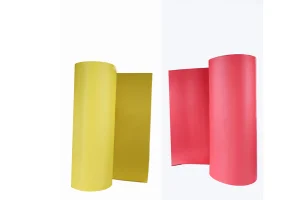
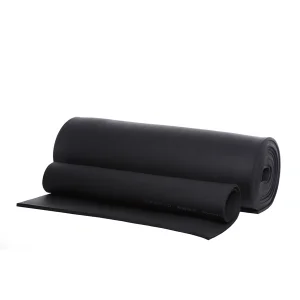
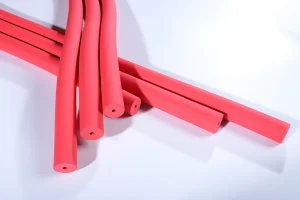
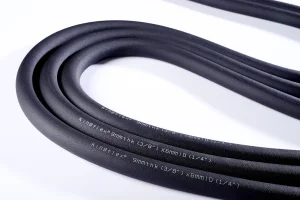
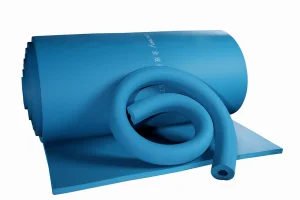
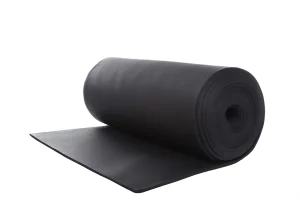
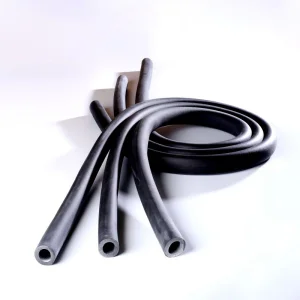
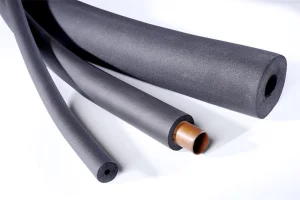
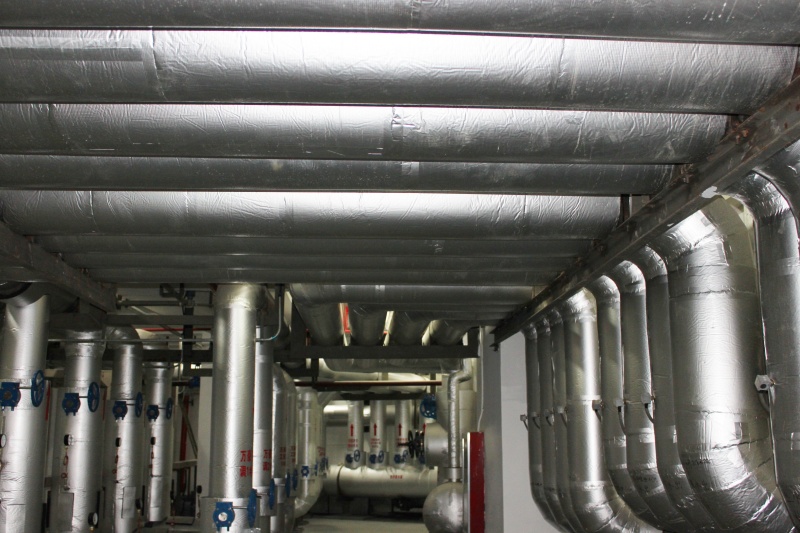
Modern architectural engineering, manufacturing facilities, and heavy-duty processing plants rely heavily on highly optimized HVAC (Heating, Ventilation, and Air Conditioning) networks. Insulated ventilation ducts serve as the arterial pathways of these structures, ensuring that thermal energy is controlled, indoor air quality (IAQ) is sustained, and acoustic pollution is mitigated. As international energy conservation mandates grow increasingly strict, the specifications for duct insulation have transitioned from basic thermal barriers to advanced, integrated elastomeric rubber systems.
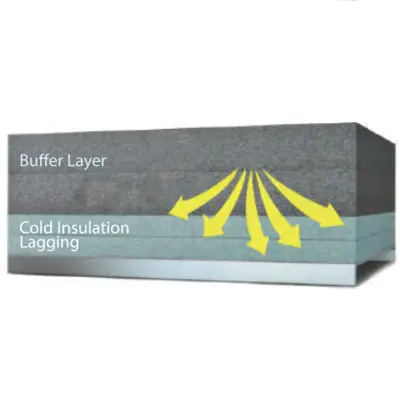
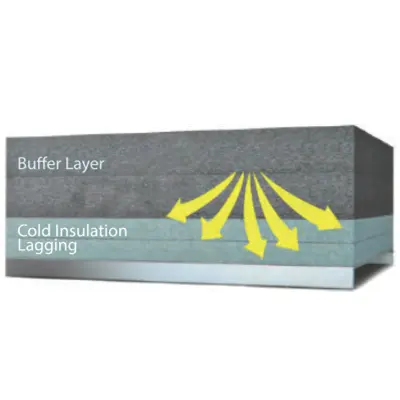
Historically, commercial projects utilized fiberglass or rock wool wrap to insulate sheet metal ducts. However, modern engineering standards favor closed-cell elastomeric rubber foam insulation. Unlike open-textured fibrous materials, closed-cell structures present an inherent resistance to water vapor, eliminating the need for a separate vapor barrier. This prevents structural degradation through Under-Insulation Corrosion (UIC), which can drastically compromise building safety and performance.
Multi-story commercial edifices require high thermal efficiency and absolute condensation control to prevent moisture dripping onto interior ceilings and electrical installations.
Chemical processing and industrial plants rely on insulated ducting to transport harsh process air while enduring extreme external temperatures and chemical exposures.
Micro-electronics, pharmaceutical labs, and hospital environments require zero fiber shedding and excellent antibacterial resistance, which elastomeric rubber foam reliably provides.
From an international policy perspective, building codes across the Americas (such as ASHRAE 90.1 and IECC), Europe (EN standards), and Asia-Pacific demand higher thermal resistance values (R-values) and exceptionally low smoke and flame spread indexes. Selecting high-grade insulated rubber foam sheet rolls and pipes is no longer just a purchasing decision; it is a critical regulatory compliance safeguard.
China stands at the forefront of the global advanced insulation manufacturing industry. Centered in regional clusters such as Dacheng (Hebei Province)—nationally recognized as the capital of energy-efficient and green-building materials—Chinese manufacturers have achieved unparalleled vertical integration.
At Kingflex Insulation Co., Ltd., our operations integrate raw elastomer formulation, continuous automated foaming, and precision cutting within a single, highly controlled production environment. This localized concentration of expertise, raw materials, and logistics networks allows for continuous production runs with minimized overhead costs.
Unlike regional suppliers who rely on imported raw NBR/PVC polymers, our deep integration with primary chemical suppliers ensures consistent raw material quality and insulates our pricing from volatile global shipping and material supply shocks.
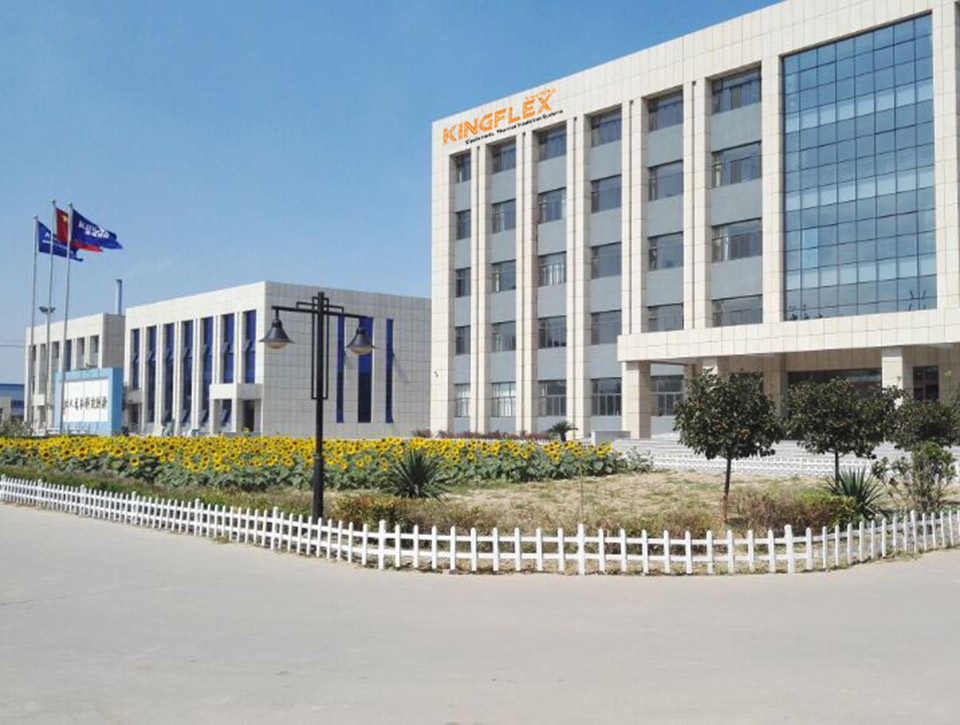
Through our five large-scale automated continuous foaming lines, Kingflex achieves uniform cell structures across various thicknesses (from 6mm up to 50mm). This mechanical precision guarantees that every cubic meter of foam rubber produced exhibits identical thermal conductivity, density, and flexibility, meeting the exact specifications of the world's largest engineering projects.
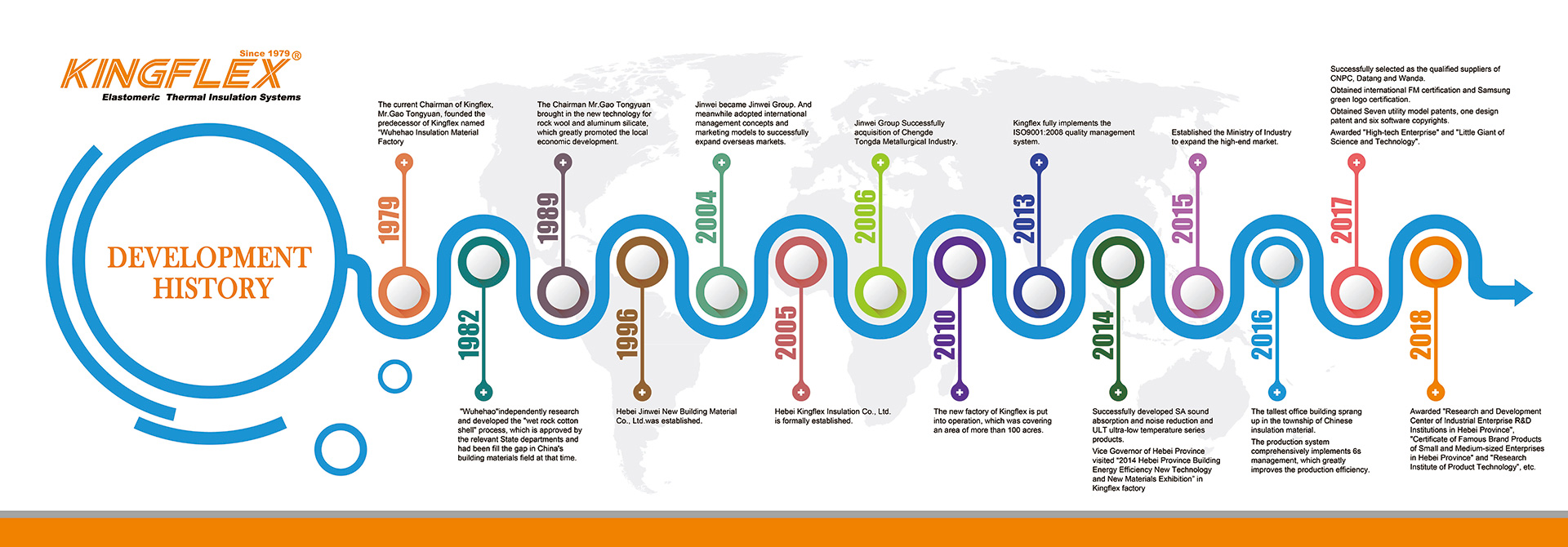
Established under the Jinwei Group, which boasts over 40 years of manufacturing history since its founding in 1979, Kingflex is the pioneer of northern China's thermal insulation sector. We were the first to scale high-temperature and sub-zero flexible insulation systems north of the Yangtze River, paving the way for the development of the region's green energy codes.
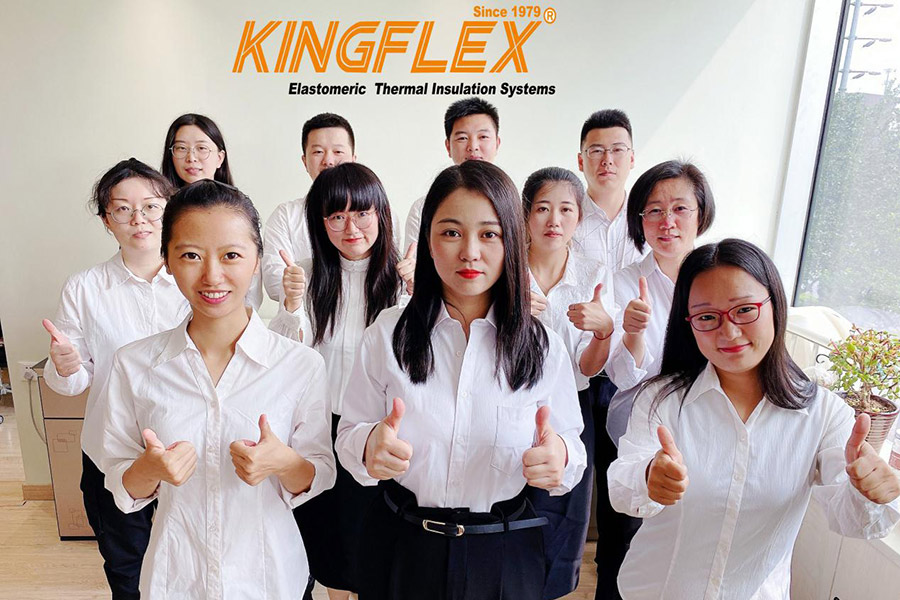
Our long-term authority is built on reliable performance. We maintain a dedicated research and development department led by 8 professional insulation engineers, supported by 6 international trade specialists and a production team of 230 technicians. This ensures that every export order meets both customer expectations and international regulatory standards.
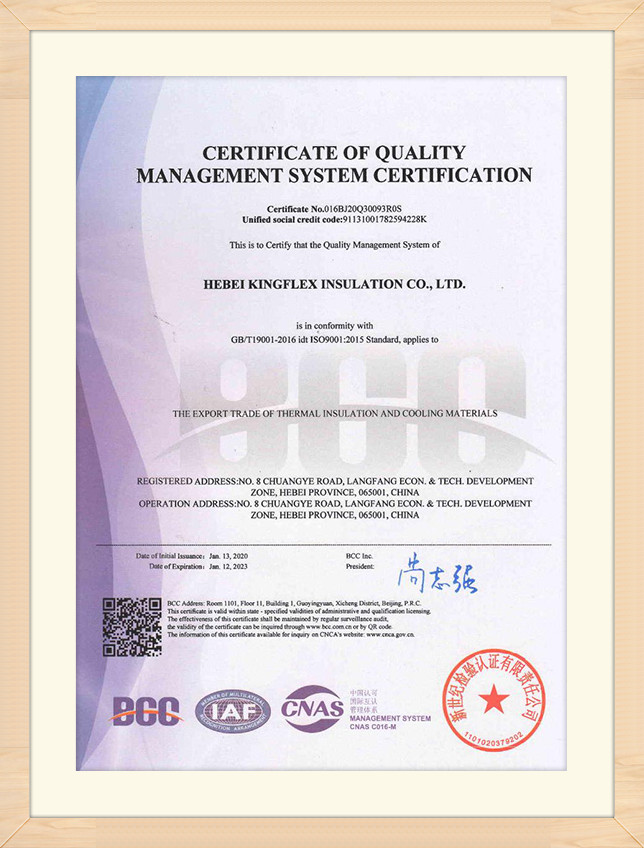
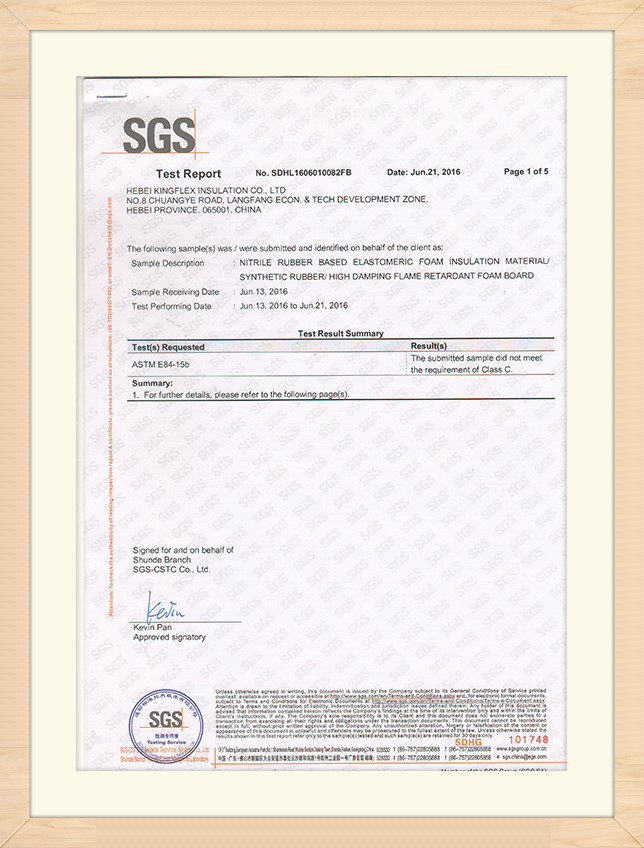
To operate reliably in global markets, we test our formulations against international criteria. Kingflex elastomeric insulation has passed rigorous fire safety, environmental impact, and physical performance assessments, securing certifications including BS 476 (Class 0 and Class 1), CE, REACH, RoHS, UL94, and ASTM. This guarantees compliance for commercial and industrial projects in Europe, the Americas, the Middle East, and Southeast Asia.
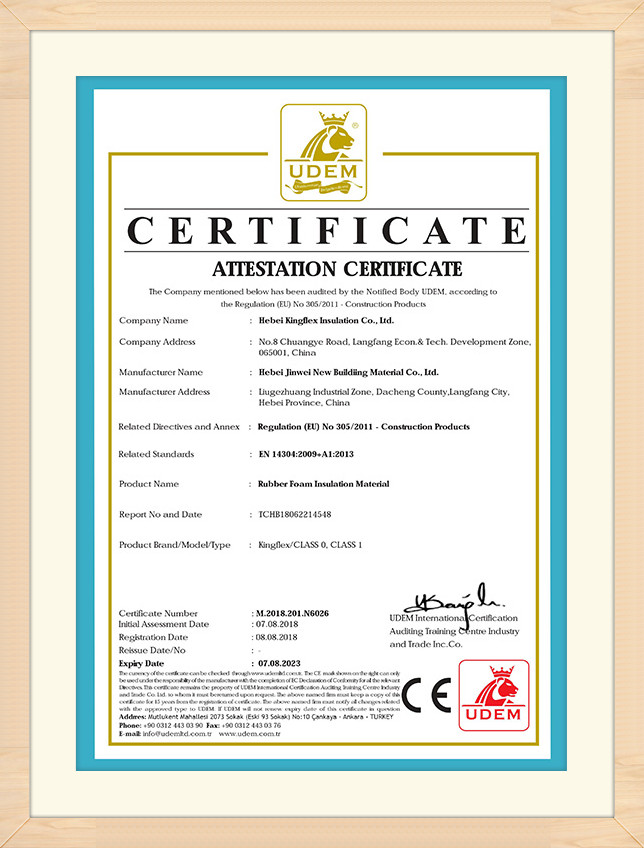
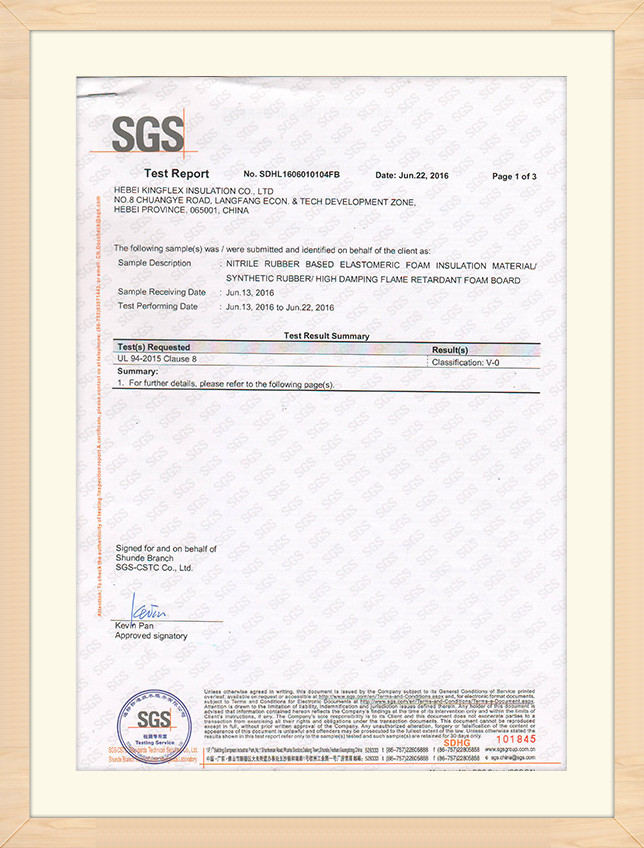
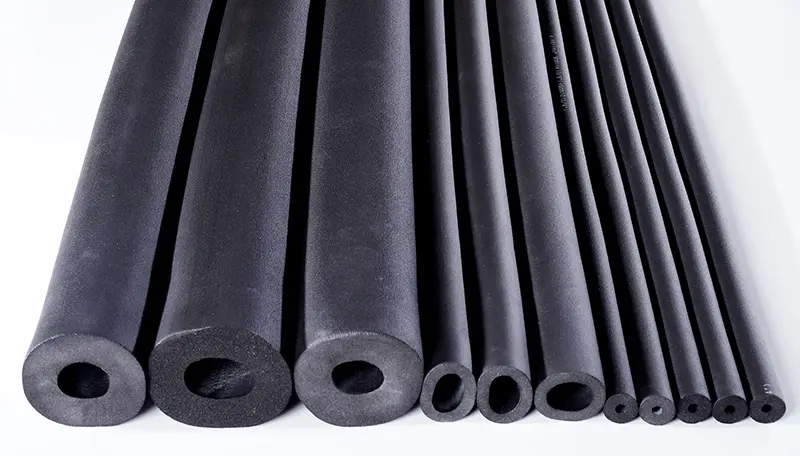
Kingflex insulation sheets, rolls, and pipes are manufactured from a high-quality NBR/PVC (Nitrile Butadiene Rubber / Polyvinyl Chloride) synthetic polymer blend. The formulation undergoes a chemical vulcanization and expansion process, resulting in a flexible, closed-cell matrix with excellent thermal and physical properties.
| Property Parameter | Kingflex Standard Sheet Value | Kingflex Standard Pipe Value |
|---|---|---|
| Base Compound | NBR/PVC Elastomeric Foam Blend | NBR/PVC Elastomeric Foam Blend |
| Core Material Thickness | 6mm to 50mm options | 9mm to 40mm options |
| Inner Diameter (ID) Range | N/A (Flat sheet/roll form) | 6mm to 114mm options |
| Nominal Density | 40 - 55 kg/m³ | 40 - 55 kg/m³ |
| Service Temperature Limit | -40℃ to +105℃ | -40℃ to +105℃ |
| Closed Cell Percentage | >98% cell closure rate | >98% cell closure rate |
| Fire Classification | Class 0 / Class 1 (BS 476) / UL94 V-0 | Class 0 / Class 1 (BS 476) / UL94 V-0 |
| Compression Recovery | >80% structural restoration | >80% structural restoration |

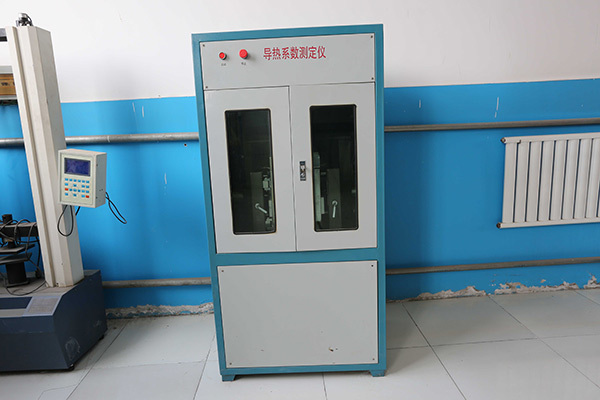
Thermal insulation requirements vary significantly across different applications, climates, and environmental exposures. NBR/PVC elastomeric rubber systems are designed to address these varying conditions, ensuring stable thermal performance and long-term durability.
In high-humidity environments, chilled air ducts can rapidly accumulate condensation. Kingflex sheet rolls provide a tight, moisture-resistant wrap that prevents sweating, dripping, and subsequent water damage to suspended ceilings.
Micro-electronics, pharmaceutical labs, and hospital environments require zero fiber shedding and excellent antibacterial resistance, which elastomeric rubber foam reliably provides.
Air turbulence and mechanical fan noise inside ventilation shafts can create significant acoustic disturbances. Kingflex's viscoelastic material absorbs sound waves, serving as an effective acoustic dampening layer for theaters, malls, and libraries.
Under-cooling loops and industrial gas transport systems operate at sub-zero temperatures. Custom cryogenic NBR/PVC compositions prevent thermal gains, keeping fluids cold while avoiding surface frost build-up.
Petrochemical facilities and offshore platforms expose ductwork to saline moisture and chemical fumes. NBR/PVC's chemical structure resists acid, alkali, and oil splash degradation, protecting underlying metal pipes from corrosion.
Airports, hospitals, and transit hubs require insulation that meets stringent fire safety codes. Kingflex Class 0 components release minimal smoke and resist ignition, helping to maintain safe escape pathways.
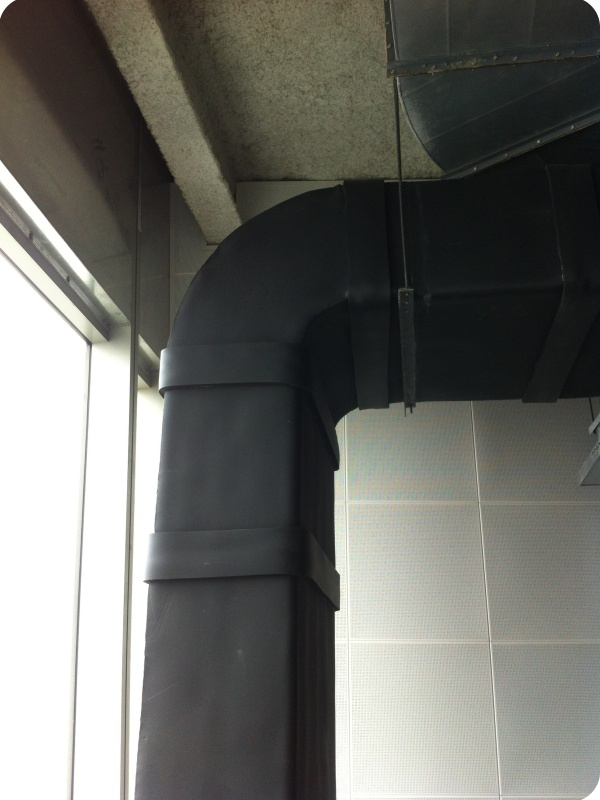
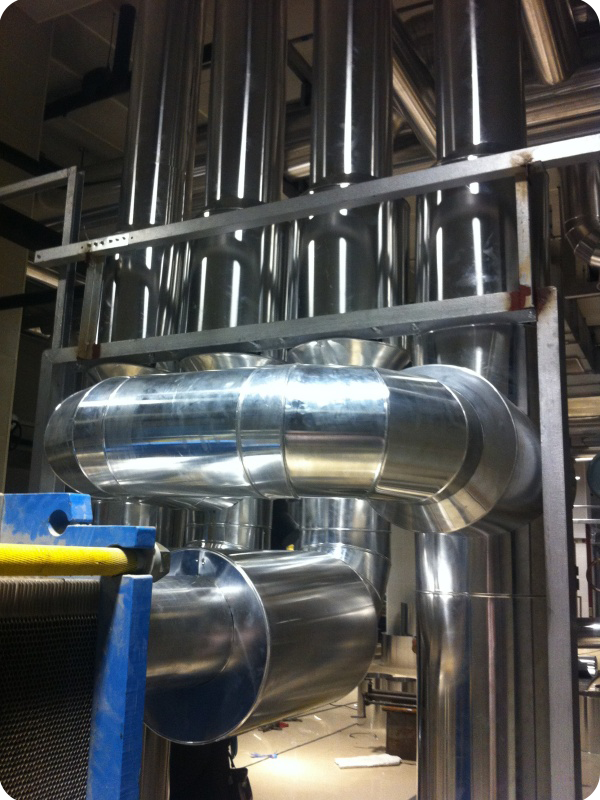
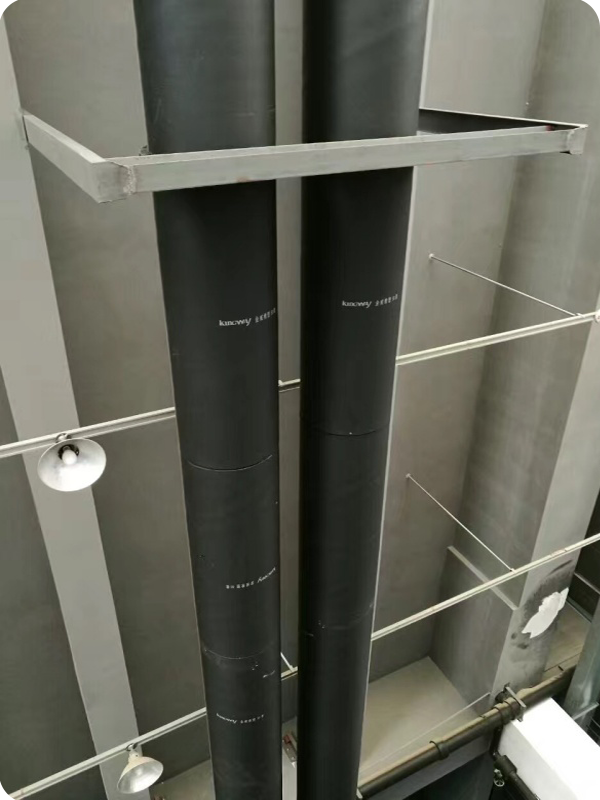
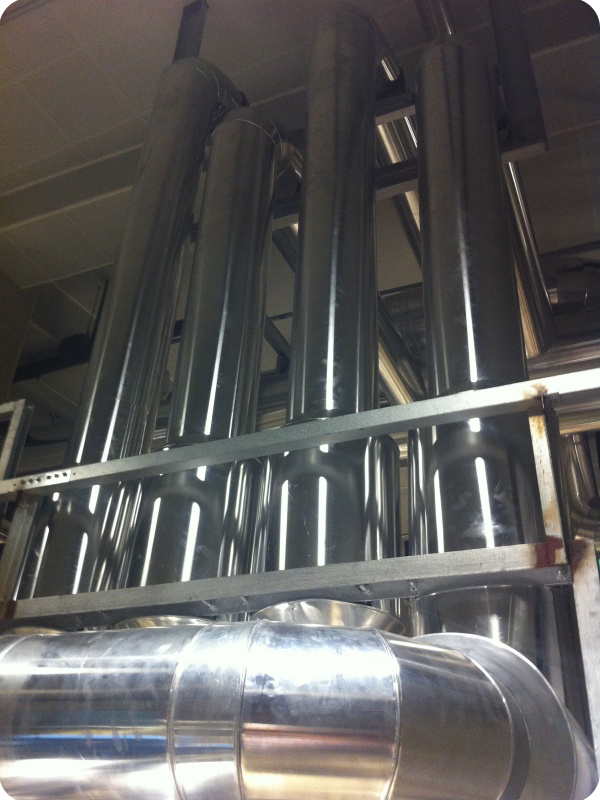
Procuring industrial duct insulation on a global scale requires attention to performance testing, logistics, and quality assurance. For procurement officers and MEP engineers, the following guidelines help ensure a successful sourcing process:

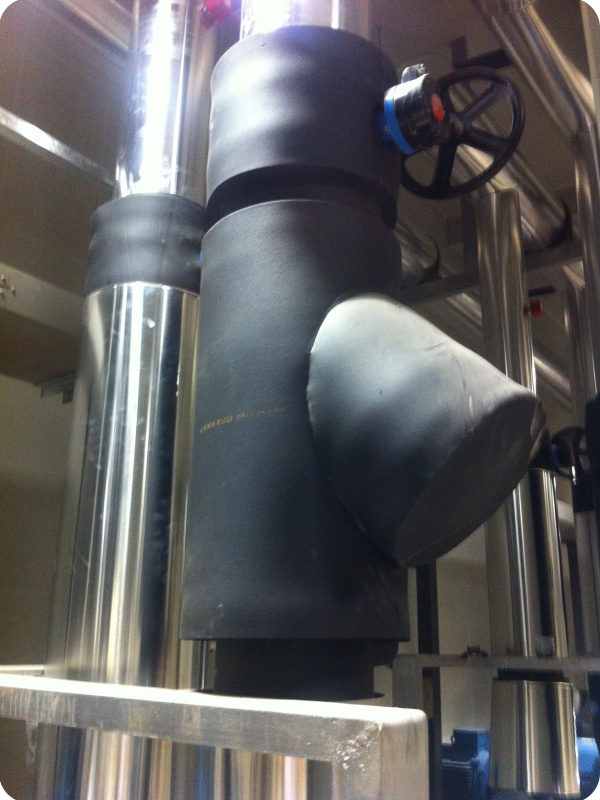
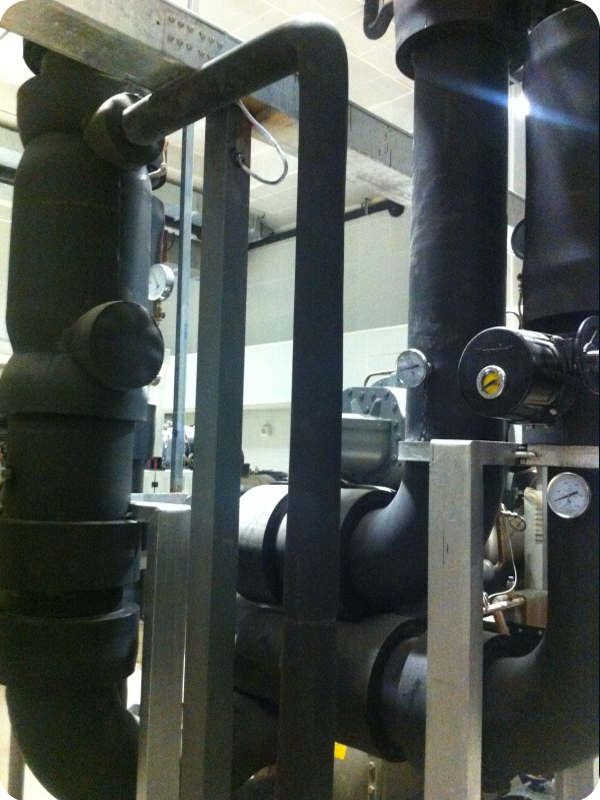
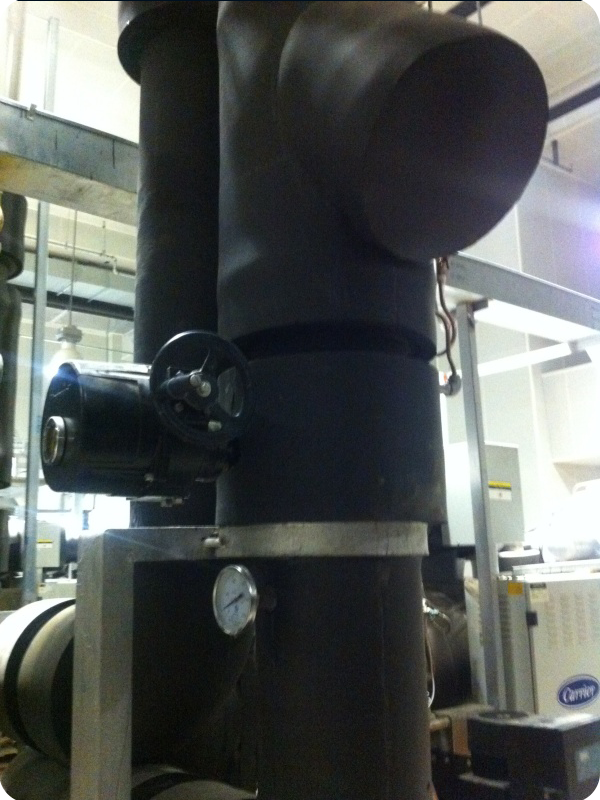
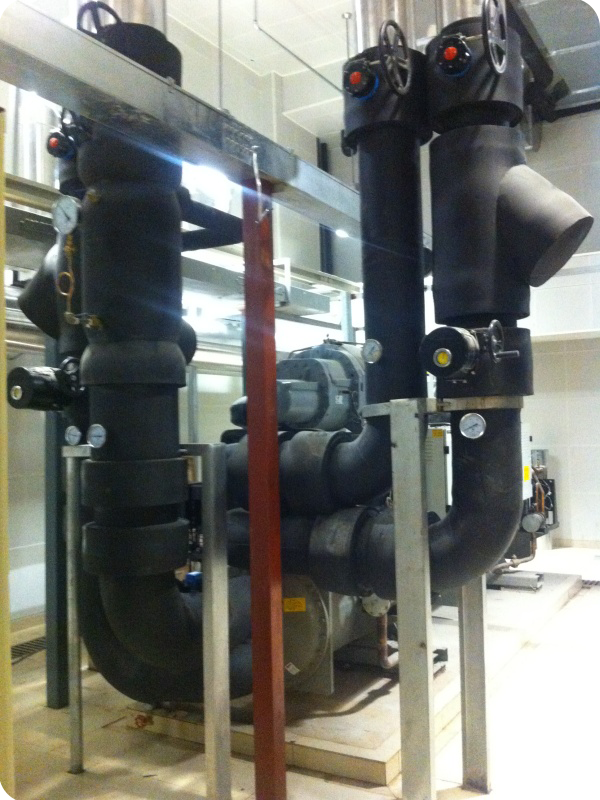
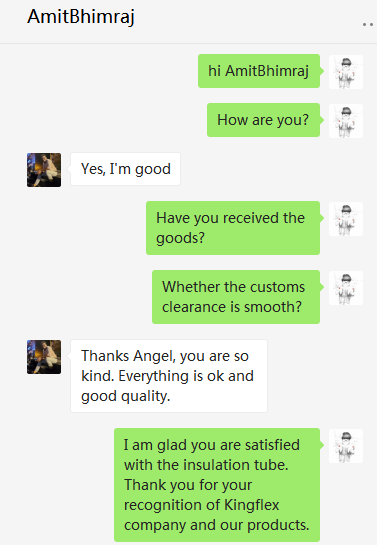
Reliable performance and technical support build long-term partnerships. The following communication records demonstrate our day-to-day engagement and technical support with international engineering clients:




Detailed answers to common questions about NBR/PVC elastomeric rubber insulation systems.
A visual tour of our raw material yard, continuous extrusion facilities, and global shipping warehouses.
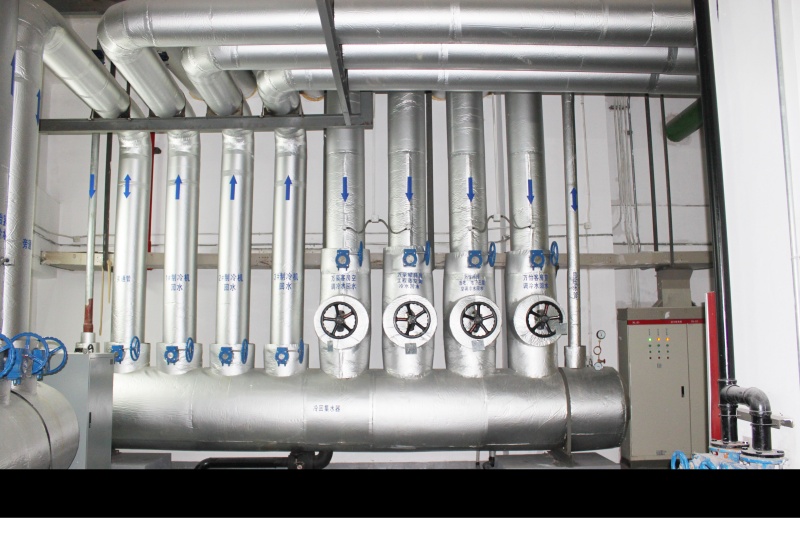
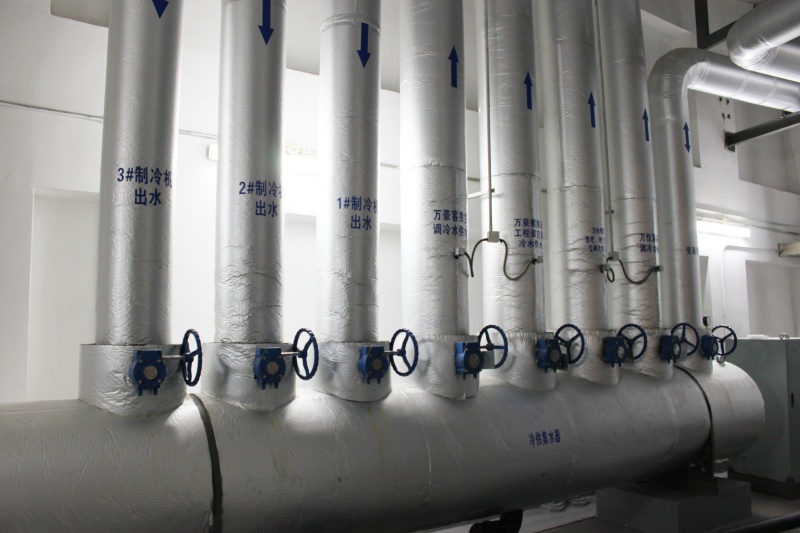

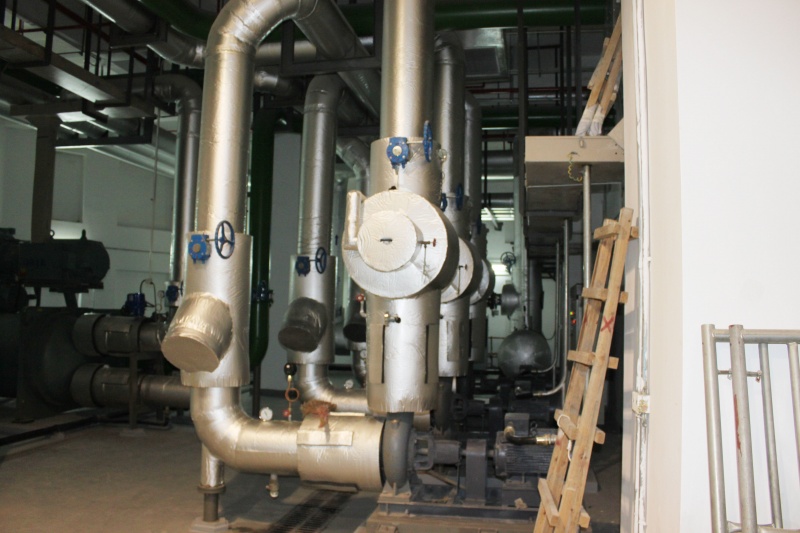
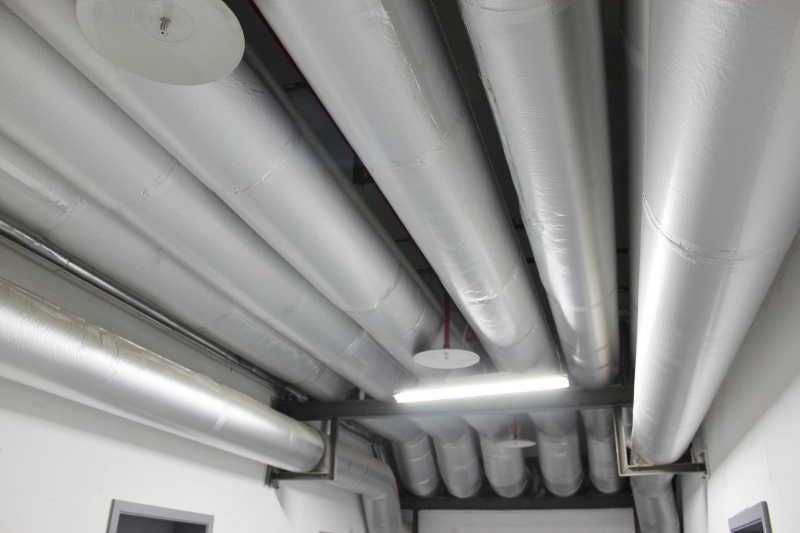
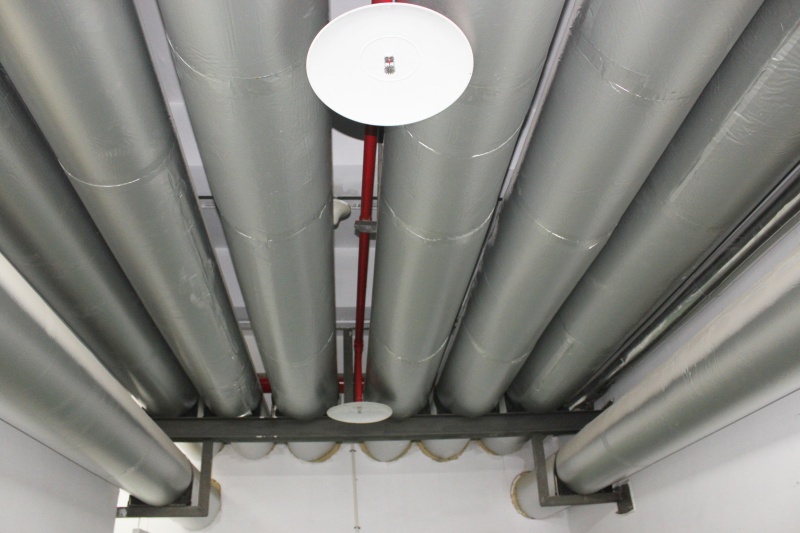
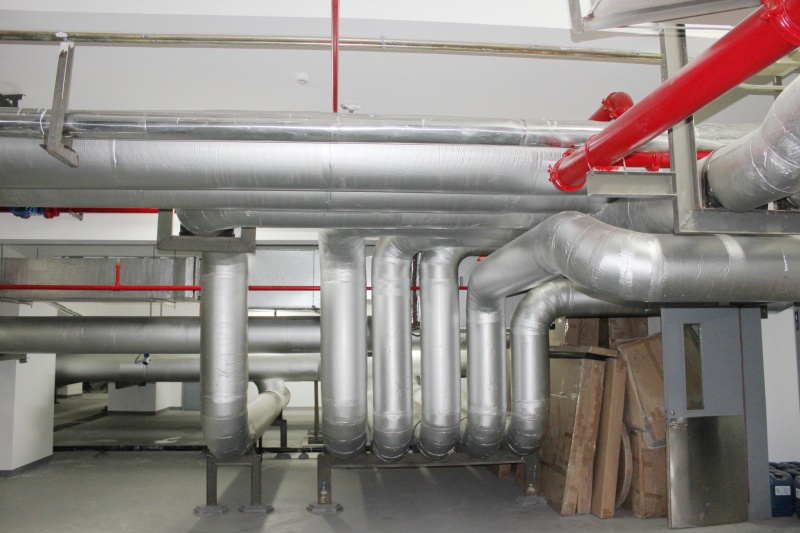
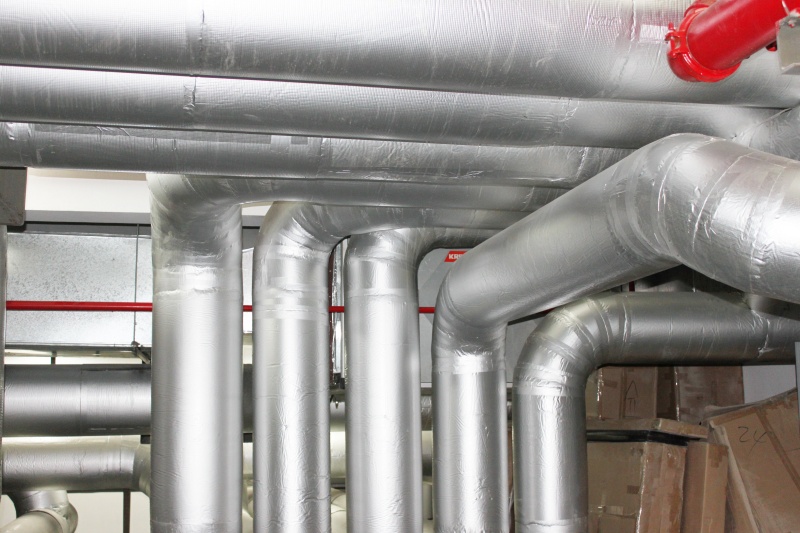
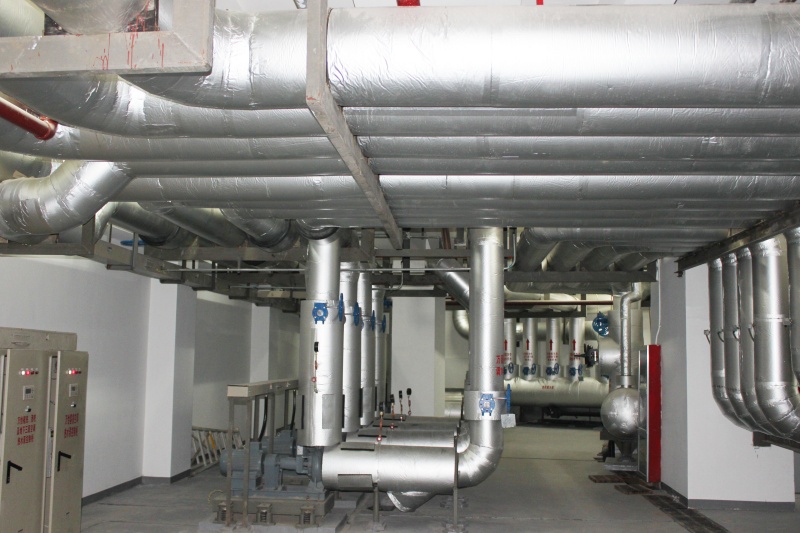
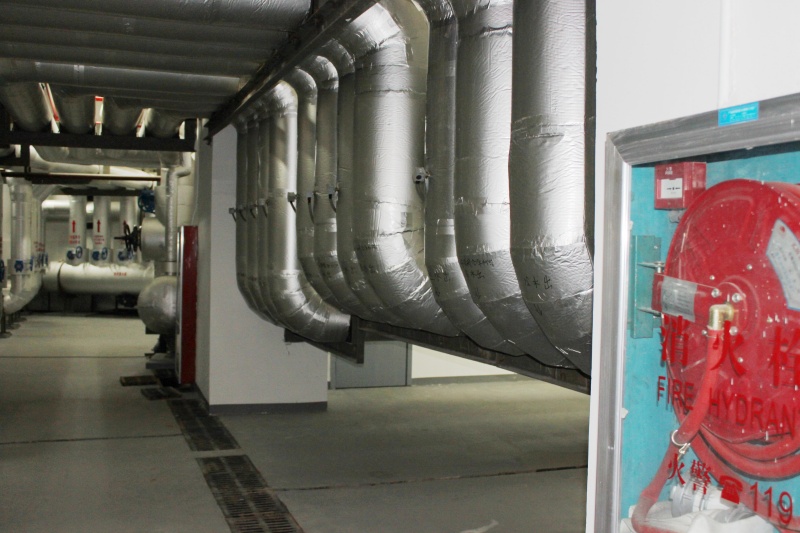
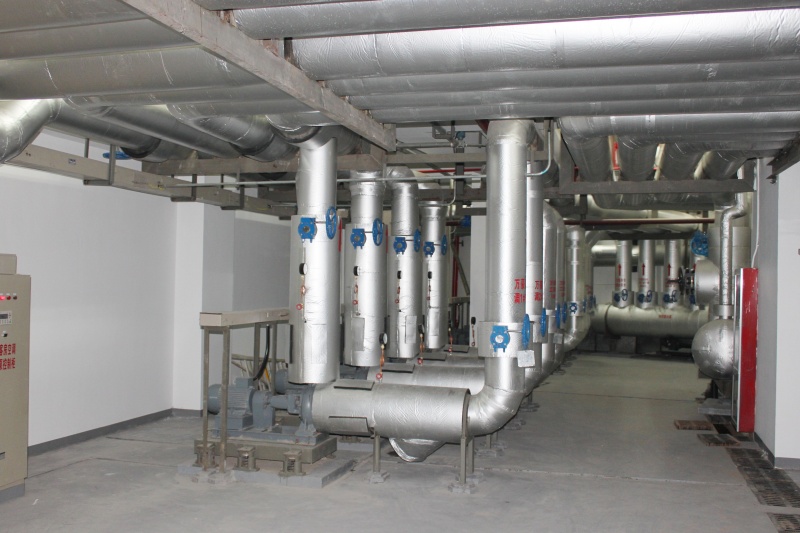
Explore our range of closed-cell elastomeric tubes, pipes, and specialized insulation systems.