
1 / 5
 Kingflex
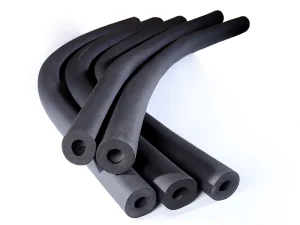
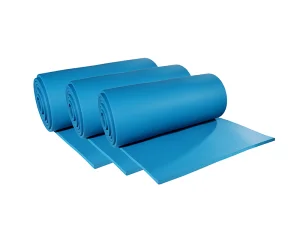
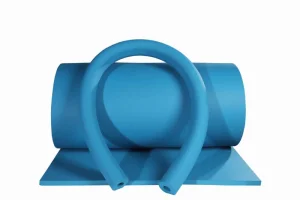
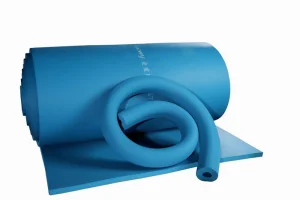
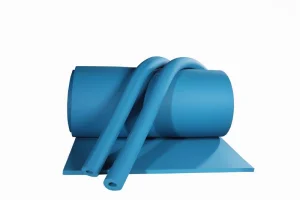
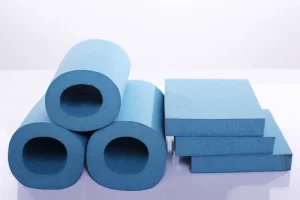
Alkadiene cryogenic thermal insulation materials in cryogenic environments feature a lower coefficient of thermal conductivity, lower density, and excellent elasticity. Characterized by zero cracking, effective insulation, outstanding flame-retardant performance, high moisture resistance, and long-lasting durability, it is widely utilized in the production of liquefied natural gas (LNG), pipelines, petrochemical industries, industrial gases, agricultural chemicals, and various other piping and equipment insulation projects in cryogenic conditions.
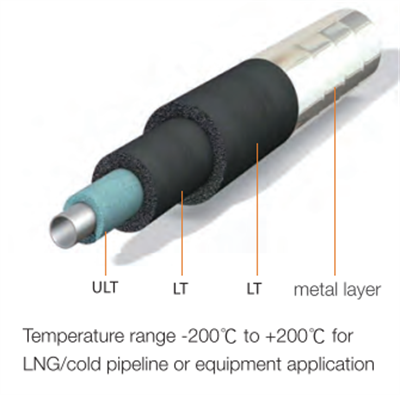
The flexible ULT insulation system eliminates the need for an external moisture barrier. Designed with a unique closed-cell structure and polymer blend formulation, LT low-temperature elastomeric materials demonstrate exceptional resistance to water vapor permeation.
This specialized foamed material delivers continuous, consistent resistance to moisture penetration throughout the entire thickness of the product, ensuring stable long-term performance.
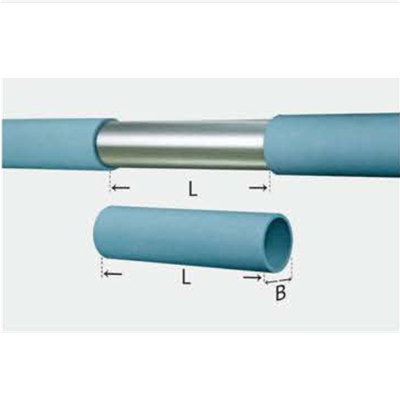
Unlike rigid foam LNG pipes that require fiber materials as expansion fillers, this flexible ULT insulation system resolves expansion joint issues simply by installing low-temperature elastomeric materials in each layer according to the recommended reserved length.
Excellent internal shock resistance
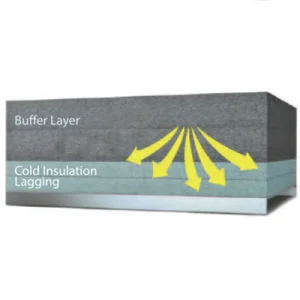
Extensive absorption and dispersion of external stresses in local positions
Avoids material cracking due to stress concentration
Prevents hard foamed material cracking caused by impact
What are the primary benefits of using Alkadiene insulation in cryogenic environments?
Alkadiene cryogenic thermal insulation offers a lower thermal conductivity coefficient, lower density, outstanding elasticity, high flame retardancy, exceptional moisture resistance, and long-term durability. It remains stable without cracking under extreme temperatures.
Why doesn't this flexible ULT insulation system require a separate moisture barrier?
Thanks to its unique closed-cell structure and specialized polymer blend formulation, the low-temperature elastomeric material is inherently and highly resistant to water vapor permeation. This provides continuous resistance to moisture throughout the full thickness of the material.
How does the material manage expansion and contraction joints?
The low-temperature elasticity of the material permits longitudinal expansion and shrinkage. By installing the elastomeric material in layers using the recommended reserved lengths, expansion joint issues are resolved without requiring fiber expansion fillers.
What industries benefit from this cryogenic insulation system?
It is widely used in liquefied natural gas (LNG) production, pipeline networks, petrochemical facilities, industrial gas plants, agricultural chemical production, and various industrial piping and equipment insulation applications.
How does this system prevent cracking under external stress?
The material offers excellent internal shock resistance. It absorbs and disperses localized external stresses, which prevents stress concentration and avoids the physical cracking common in rigid foamed materials under impact.