 Kingflex
Kingflex
Kingflex
Explore our engineering-grade closed-cell thermal systems. Designed to minimize energy loss, prevent condensation, and absorb structural vibration.
Kingflex Insulation Co., Ltd. stands as a premier manufacturer and global trading powerhouse specializing in high-performance thermal insulation solutions. Strategically situated in Dacheng, China—historically celebrated as the capital of green-building materials—we operate at the intersection of material science and environmental responsibility.
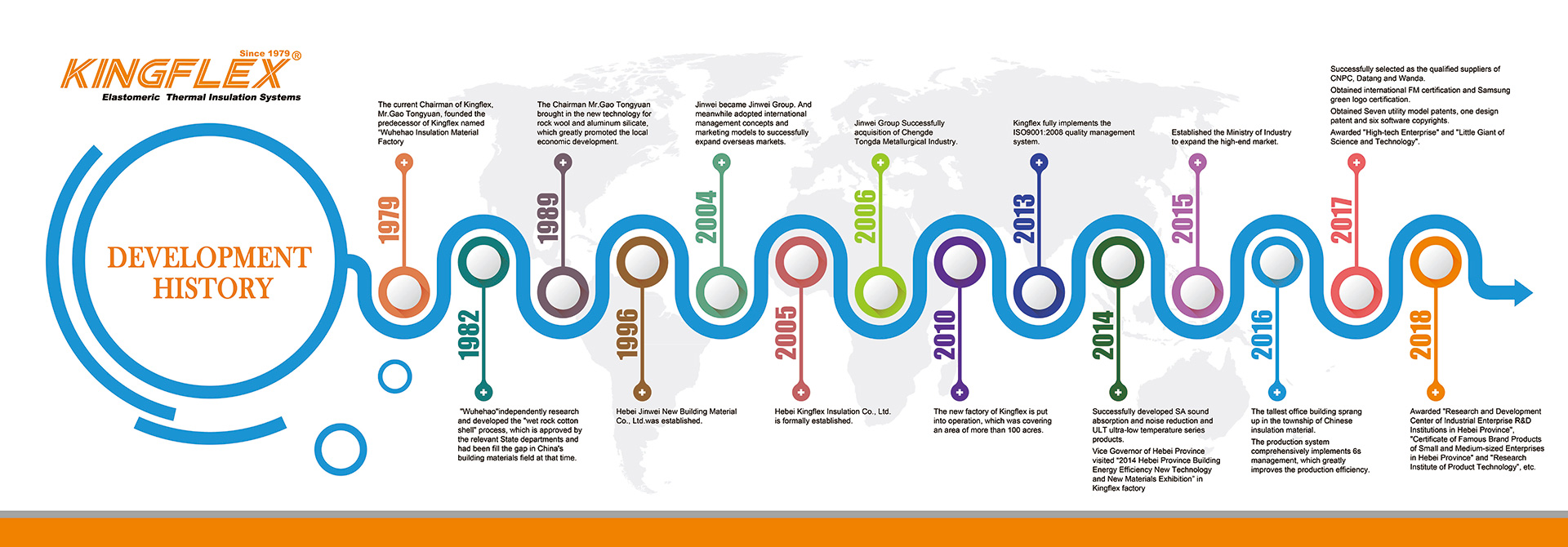
Rooted in the prestigious legacy of the Jinwei Group, which was established in 1979, Kingflex inherits over 40 years of pioneering technical expertise. As the very first developer of advanced thermal insulation systems north of the Yangtze River, Jinwei Group paved the way for Kingflex to lead the contemporary market. Today, our core operations concentrate on integrated research and development, smart manufacturing, and global sales channels.
By prioritizing energy-saving and consumption-reduction paradigms, Kingflex provides holistic solutions spanning engineering consultation, bespoke R&D, precision production, and on-site installation guidance. We serve as an essential link in the supply chains of global infrastructure, HVAC contracting, and chemical processing.
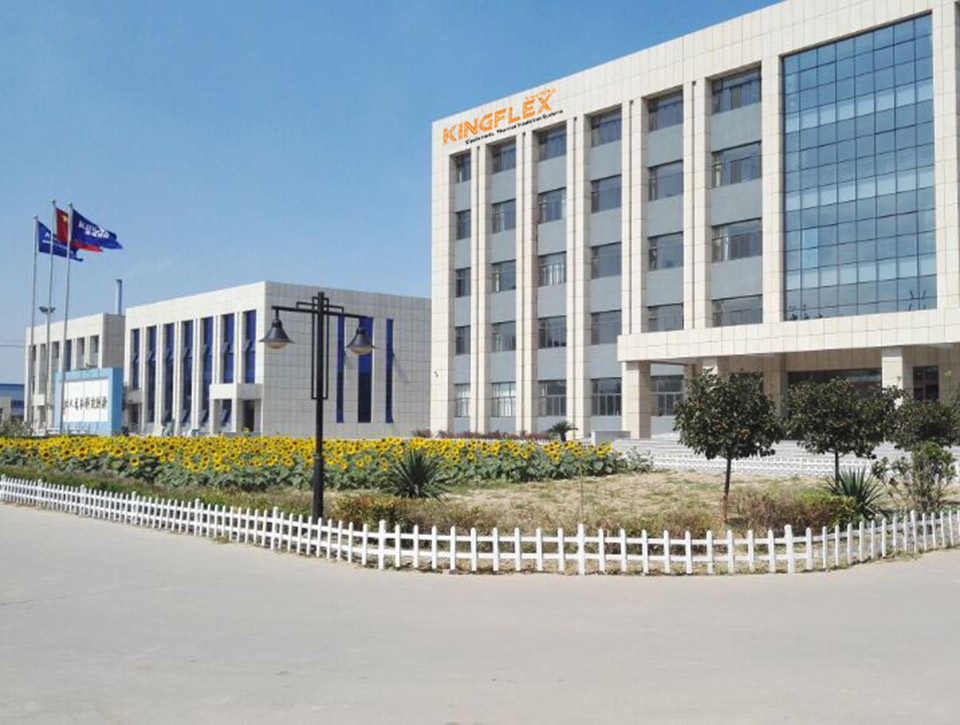
Our operational superiority is driven by a highly specialized workforce. The Kingflex team includes 8 professional R&D engineers focused on polymeric foaming mechanisms, 6 international trade consultants, and 230 skilled industrial workers. This collective expertise allows us to provide reliable products and supportive post-sale services.
With 5 fully automated assembly lines, Kingflex achieves an annual production capacity exceeding 600,000 cubic meters. This immense output has earned us official designations as a trusted supplier from key energy regulators, including the Ministry of Energy, the Ministry of Electric Power, and the Ministry of Chemical Industry.
A comprehensive analysis of elastomeric insulation performance in demanding environments.
At the core of Kingflex elastomeric insulation is a blended formulation of Nitrile Butadiene Rubber (NBR) and Polyvinyl Chloride (PVC). Under controlled temperature and pressure conditions, this composite polymer undergoes a vulcanization and chemical foaming process. This creates a highly uniform, micro-cellular matrix where the closed-cell rate exceeds 98%.
Unlike open-cell materials or fibrous insulations (like fiberglass or rock wool), closed-cell NBR/PVC structures contain thousands of independent gaseous pockets. These pockets prevent water vapor transmission and maintain low thermal conductivity, even in high-humidity environments.
The primary index of insulation performance is thermal conductivity ($\lambda$-value). Kingflex products exhibit a thermal conductivity range between 0.032 W/(m·K) to 0.035 W/(m·K) at 0°C. Heat transfers through solids, liquids, and gases via three pathways: conduction, convection, and radiation. The micro-cellular structure minimizes these mechanisms:
In cold piping and HVAC applications, moisture intrusion is a primary cause of insulation failure. When water vapor enters an insulation material, it displaces the air pockets. Because water has a thermal conductivity of roughly 0.6 W/(m·K), moisture increases the overall thermal conductivity, leading to condensation and pipe corrosion (CUI - Corrosion Under Insulation).
Kingflex elastomeric foam features a built-in water vapor barrier, achieving a high moisture resistance factor (represented by the $\mu$-value). This eliminates the need for external vapor wraps, simplifying installation and extending system life in humid conditions.
| Physical Property | Standard Specification (Sheet Roll) | Standard Specification (Insulation Pipe) | Testing Protocol Reference |
|---|---|---|---|
| Material Blend | NBR / PVC Composite | NBR / PVC Composite | ASTM D1667 |
| Density | 40 kg/m³ to 55 kg/m³ | 40 kg/m³ to 55 kg/m³ | GB/T 6343 / ASTM D1622 |
| Thickness Options | 6 mm to 50 mm | 9 mm to 40 mm (ID: 6-114 mm) | ISO 1923 |
| Thermal Conductivity | ≤ 0.035 W/(m·K) at 0°C | ≤ 0.035 W/(m·K) at 0°C | ASTM C177 / EN 12667 |
| Service Temperature Limit | -40°C to +105°C (ULT Grade down to -200°C) | -40°C to +105°C | ASTM C411 |
| Fire Safety Classification | Class 0 / Class 1 / BS 476 Part 7 | Class 0 / Class 1 / UL 94 V-0 | BS 476 Part 6 & 7 / UL 94 |
| Closed Cell Proportion | ≥ 98% | ≥ 98% | ASTM D2856 |
| Compression Resilience | ≥ 80% | ≥ 80% | ASTM D1056 |
Inside our testing centers, modern assembly lines, and material laboratories in Dacheng, China.

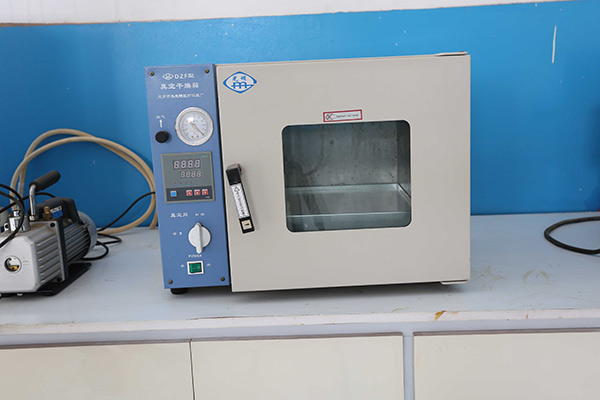
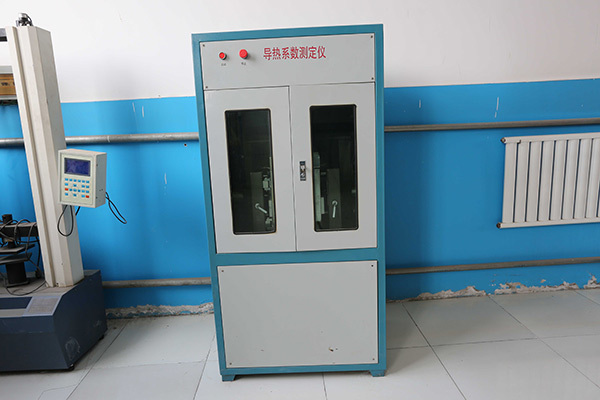
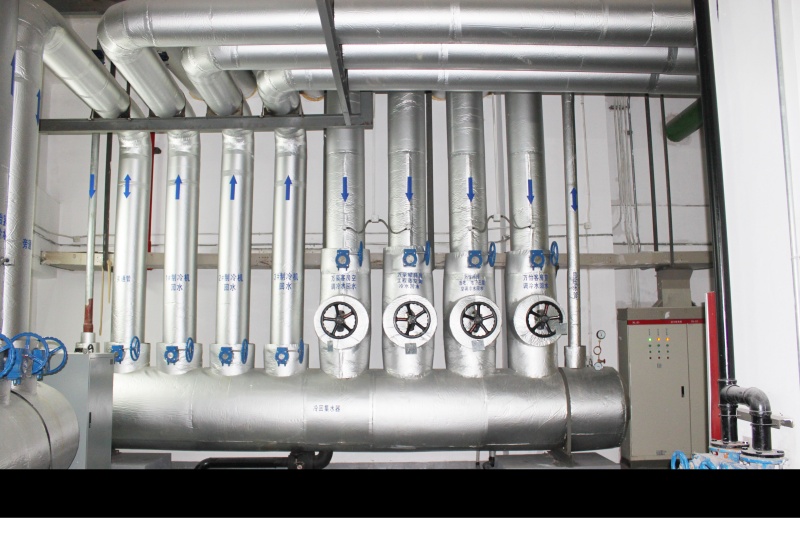
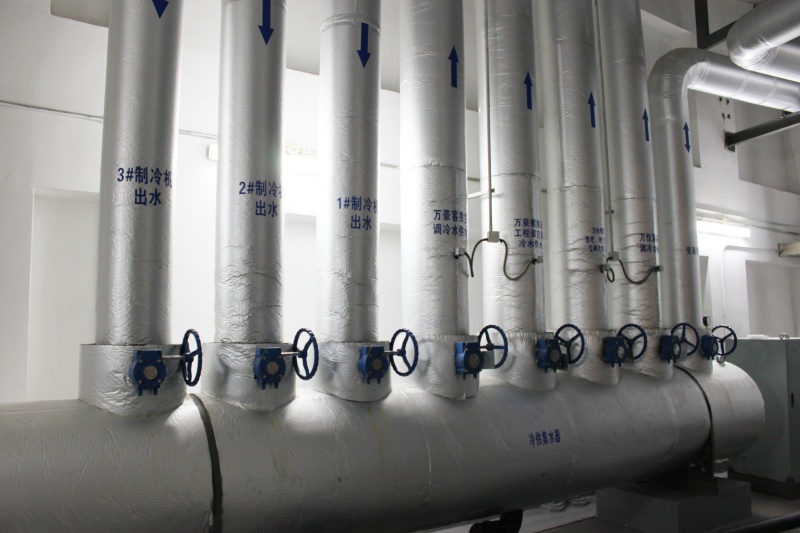

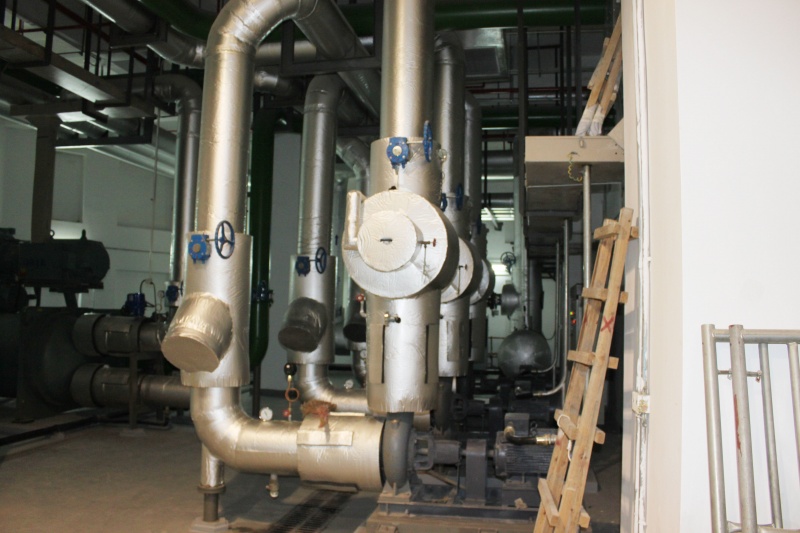
Procuring elastomeric insulation on a global scale requires balancing cost, quality, logistics, and scalability. Kingflex coordinates the distinct logistical advantages of the Chinese industrial ecosystem to offer clients high-value, reliable sourcing.
Our facility in Dacheng is located near domestic petrochemical clusters. This ensures steady access to raw materials, including nitrile rubber, PVC resins, blowing agents, and flame retardants. By sourcing materials locally, we minimize exposure to global commodity price swings and keep our production lines moving.
With 5 continuous vulcanization extrusion lines, we can scale operations to support projects ranging from local HVAC retrofits to international chemical plant builds. We handle custom density, wall thickness, and sheet profiling demands while maintaining consistent lead times.
We configure formulations to prioritize specific properties, such as enhanced flame retardancy, low smoke toxicity, high compression resilience, or extended temperature limits for cold applications.
To reduce ocean freight costs, Kingflex rolls and sheets are packaged using compression-wrapping systems. Our materials are designed to recover over 98% of their original thickness upon decompression at the job site.
We work with global container ports in Tianjin and Qingdao to arrange reliable, multi-modal transport. Our team manages customs clearance, export licensing, and freight documentation to streamline delivery.
Compliance documentation and material testing certifications for international construction and industrial markets.
Industrial components rely on certified quality. Kingflex products are tested to meet fire safety, environmental, and material standards across various regional markets.
Our elastomeric materials are engineered with built-in flame retardants. Kingflex products meet the Class 0 and Class 1 requirements of BS 476 Parts 6 & 7. These standards ensure low flame spread and limited heat release. In North American and European projects, our materials conform to UL94 (V-0 rating) and ASTM E84 limits for surface burning characteristics (Flame Spread Index < 25, Smoke Developed Index < 50).
We verify that our rubber foam matrices do not off-gas harmful chemicals. Our materials comply with REACH and RoHS regulations, confirming they are free of polybrominated biphenyls (PBBs), polybrominated diphenyl ethers (PBDEs), and decaBDE. The manufacturing process is completely CFC and HCFC-free, protecting the ozone layer.
We implement a strict batch-coding system on all products. Every run of sheet rolls and insulation tubes is stamped with unique production identification, linking the finished product back to the raw material batch, laboratory test records, and quality control logs.
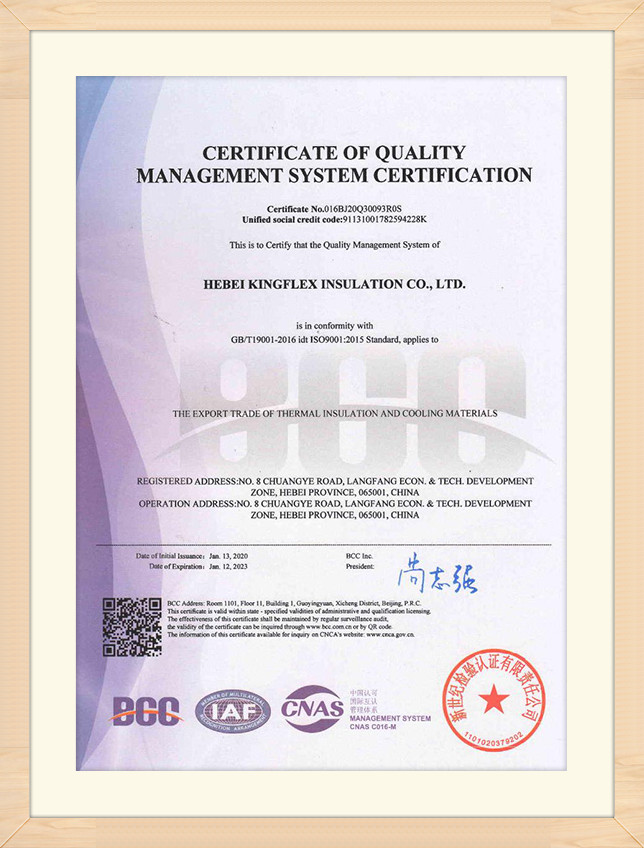
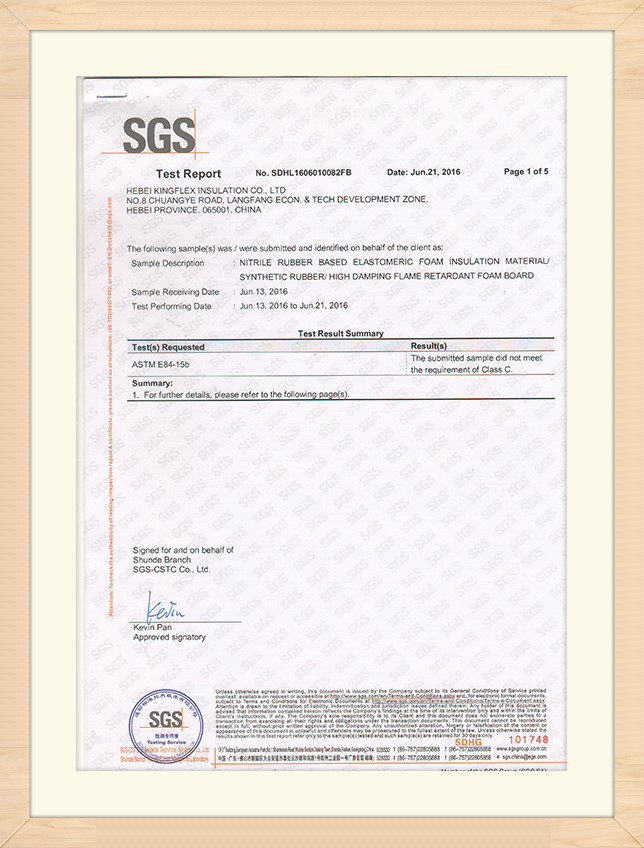
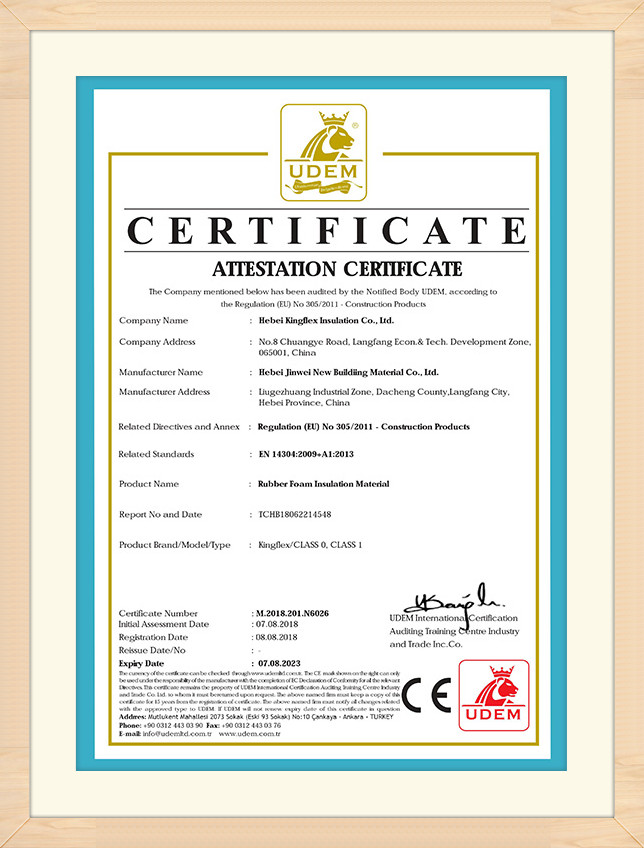
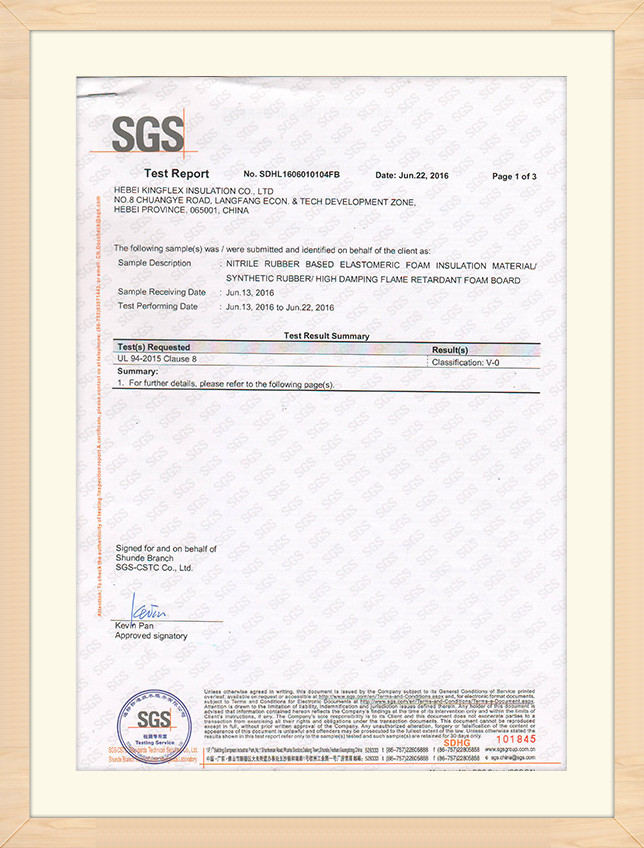
How modern engineering challenges utilize specialized NBR/PVC structures to optimize performance.
As the construction and chemical processing sectors evolve, elastomeric materials are adapting to support increasingly specialized applications. Below are the primary localized scenarios where Kingflex solutions are deployed:
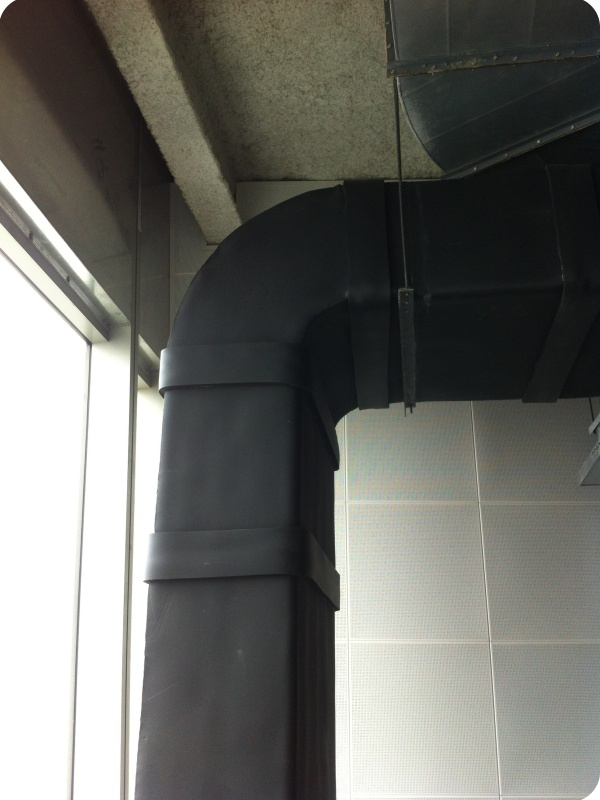
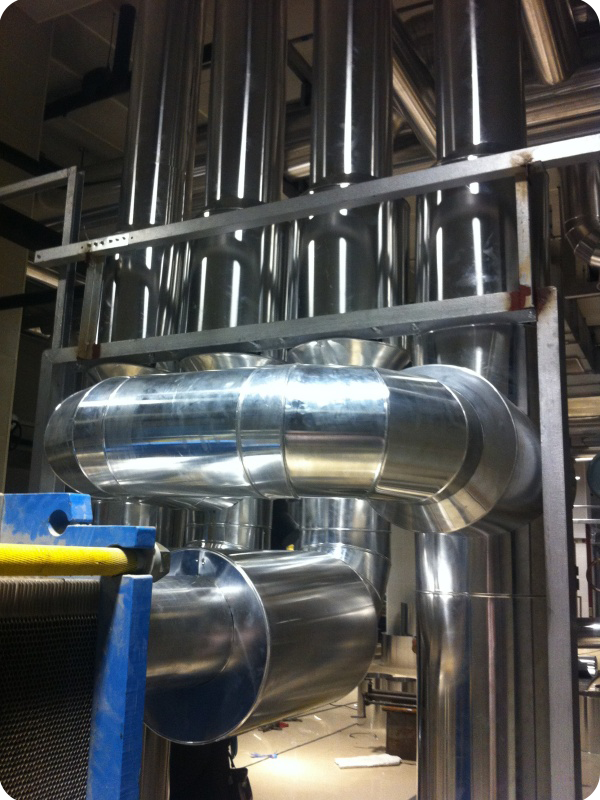
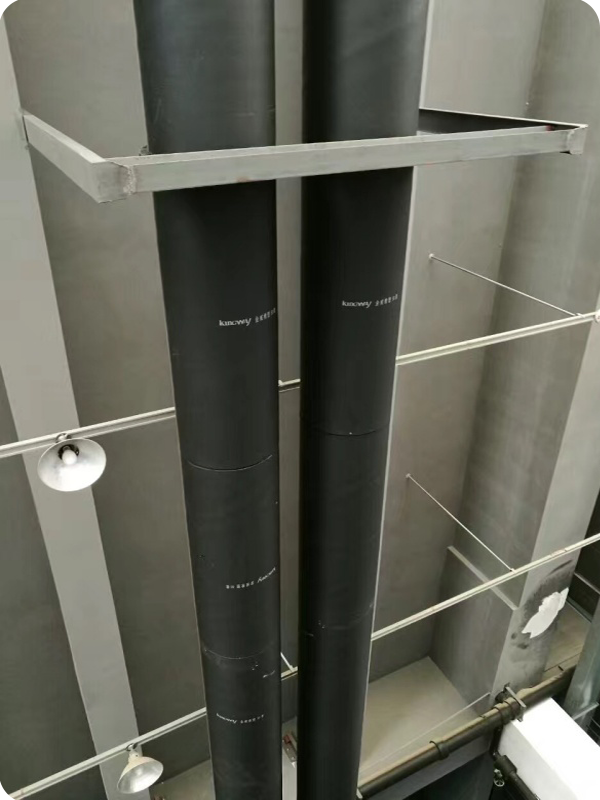
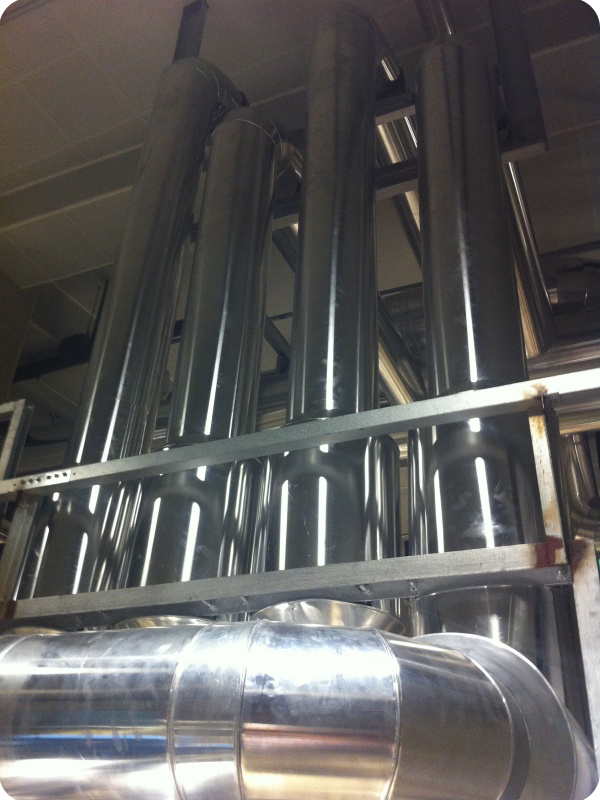
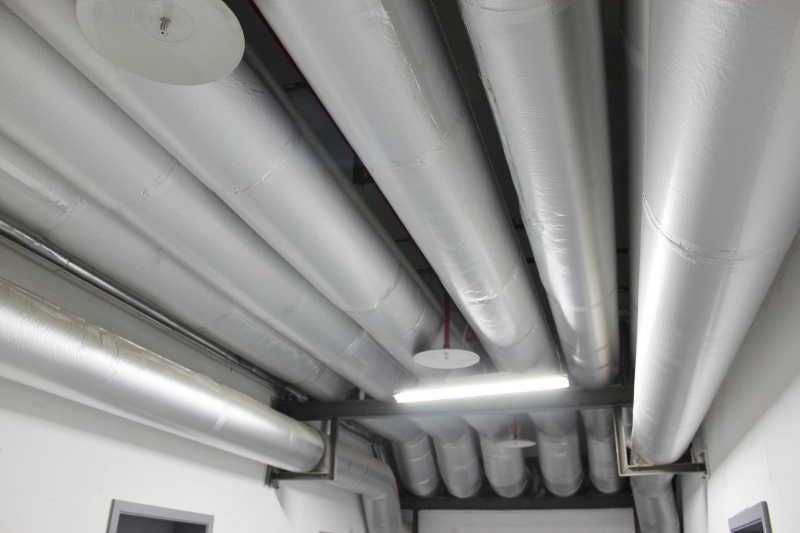
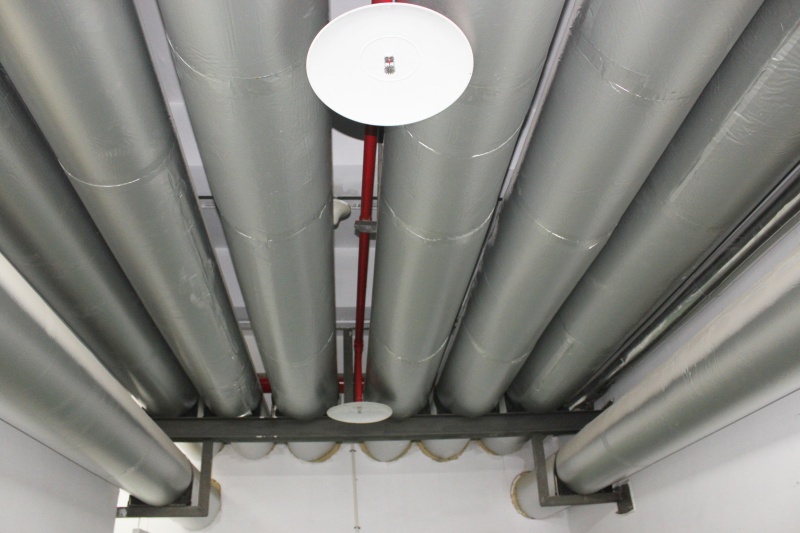
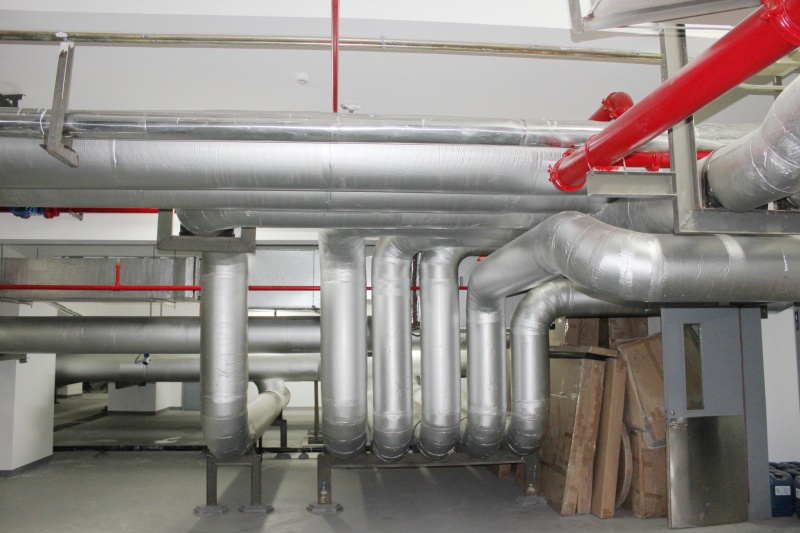
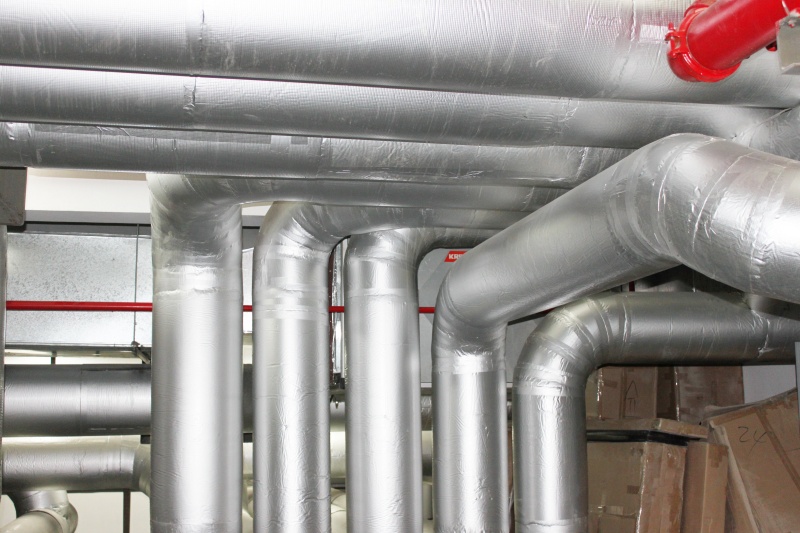
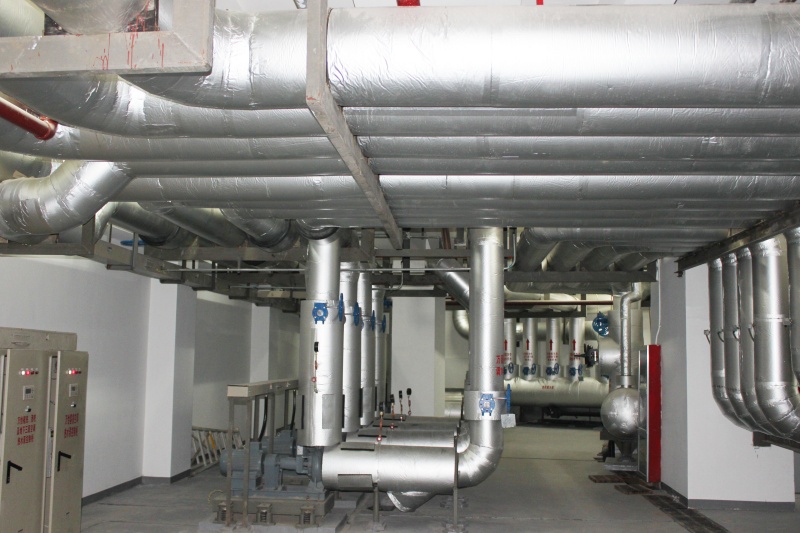
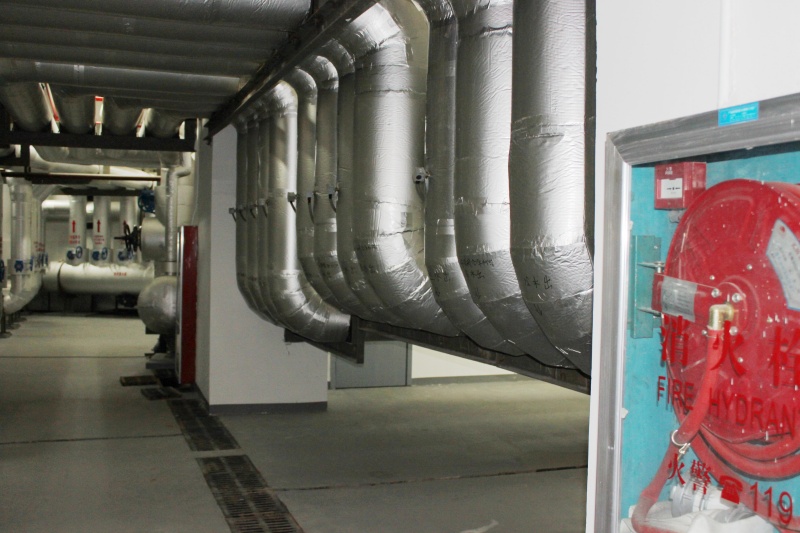
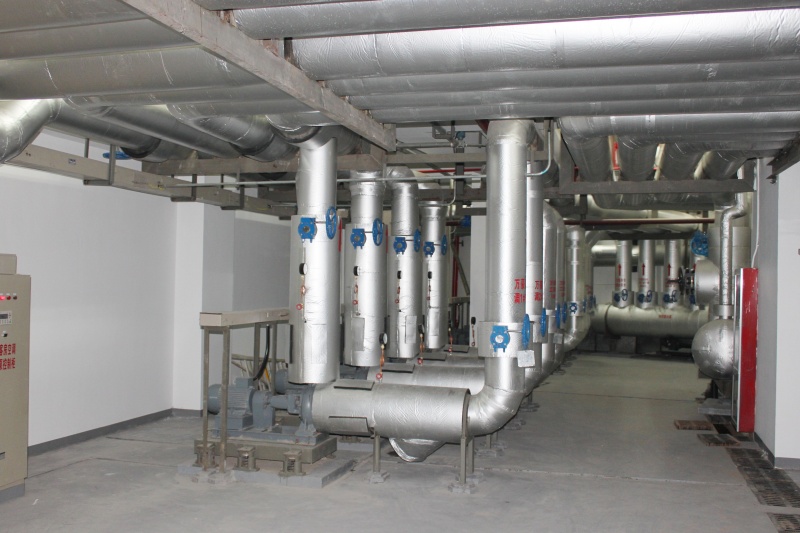
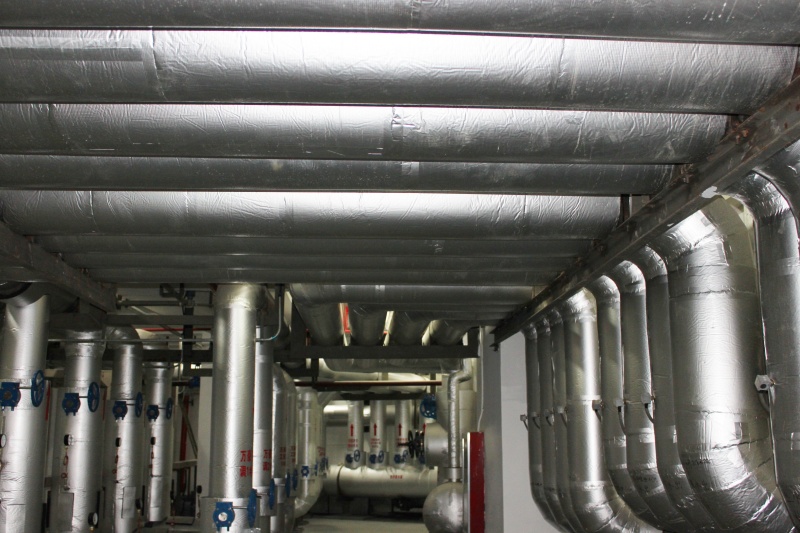
In hot, humid areas, cold-water lines and air distribution ducts are highly prone to condensation. Water accumulation can damage ceilings, promote mold growth, and corrode structural supports. Installing closed-cell Kingflex tubes directly onto pipe runs prevents condensation and protects surrounding infrastructure.
The rise of LNG processing, pharmaceutical cold chains, and liquid nitrogen applications requires insulation that remains stable at very low temperatures. Under cryogenic conditions, standard rubber foams can become brittle and crack. Kingflex ULT-grade elastomeric systems incorporate specialized plasticizers to maintain flexibility down to -200°C, protecting pipes from thermal contraction damage.
Factories, mechanical rooms, and HVAC duct systems often generate high noise levels. By combining closed-cell layers with open-cell foam matrices, Kingflex acoustic panels help absorb high-frequency vibrations and reduce decibel levels in commercial spaces.
The global construction sector is shifting toward materials with lower environmental impact. Key trends shaping our development include:
Direct communication and technical coordination with international procurement teams.



Key technical specifications required to request accurate industrial quotes.
To secure a project-compliant quote, procurement teams should define the following technical parameters. Clear specifications help ensure correct pricing and reduce lead times:
Define whether your installation requires pre-formed cylindrical tubes (for pipe runs) or flat sheet rolls/plates (for large flat vessels, air ducts, or non-standard fittings).
For pipes, specify the exact inner diameter (ID) and wall thickness. For sheets, detail the length, width, and sheet thickness (from 6mm up to 50mm).
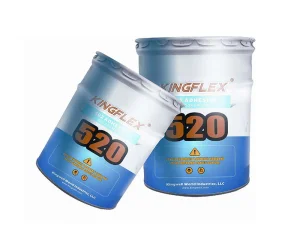
Specify if the insulation requires protective additions, such as a factory-applied adhesive backing or an outer aluminum foil jacket for weathering and UV resistance.
State your regional fire rating requirements (e.g., BS 476 Class 0, UL94 V-0, or ASTM E84 compliance) to ensure the formulation meets building codes.
Once these variables are confirmed, Kingflex coordinates raw material allocation, production line scheduling, and custom packaging configurations to generate accurate, itemized quotes.
A closer look at our raw material staging, automated slicing, packing bays, and large-scale product storage.
Technical guidance and commercial support from our engineering and export departments.
Get in touch with our technical sales division in Dacheng, China for detailed product information, material certifications, and project-specific quotes.
Request Engineering QuoteA full range of specialized insulation pipes, tubes, open-cell sheets, and cryogenic barriers.
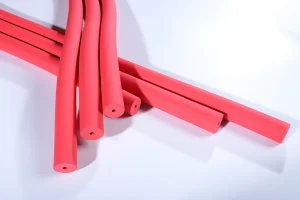
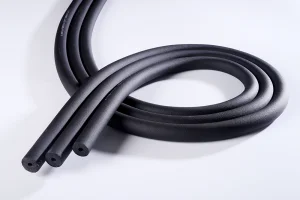
Specific size profiles for our elastomeric foam sheet rolls and pre-formed tubes.
Standard Dimensions & Specifications:
Key Advantages:
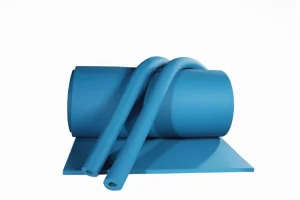
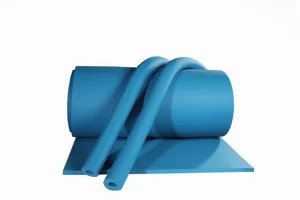
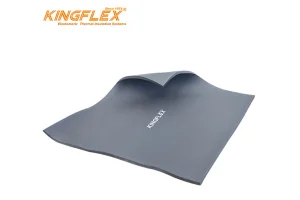
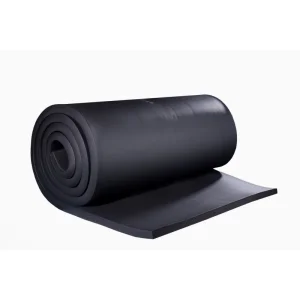
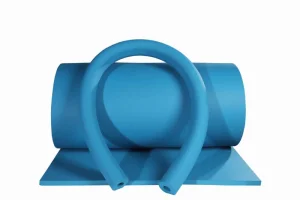
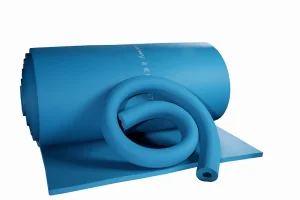
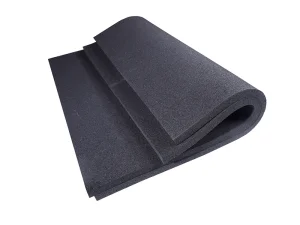
Our sheet rolls foam evenly during processing, achieving a closed-cell rate over 98%. This high proportion of closed cells limits moisture absorption, helping to maintain stable thermal conductivity over the long term. The composite material also provides compression resilience over 80% and flame-retardant performance.
Standard Dimensions & Specifications:
Key Advantages:
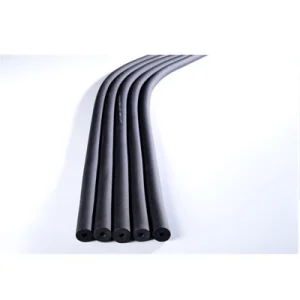
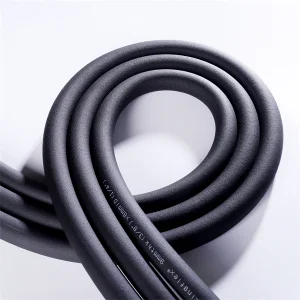
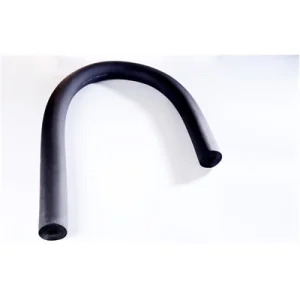
Extruded using automated spraying equipment to ensure uniform coating, our pre-formed pipes slide easily onto standard HVAC copper lines and iron piping. The closed-cell structure helps prevent condensation and reduces the risk of pipe freezing in external systems.
Continuous quality inspection and high-density packaging before shipping from our manufacturing plant.