 Kingflex
Kingflex
Kingflex
Engineered to meet international thermal efficiency standards. High-density structure, low vapor permeability, and superior flame resistance.
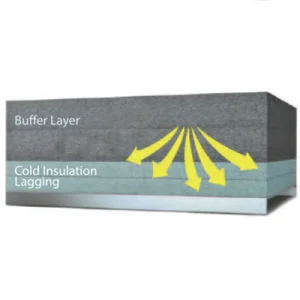
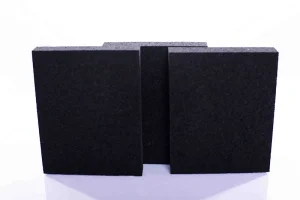
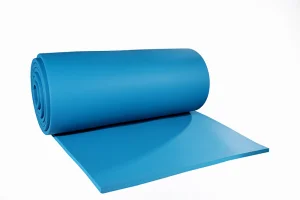
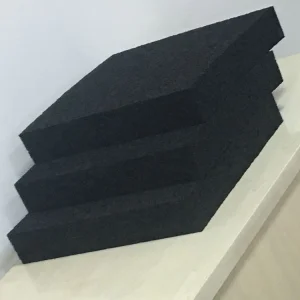
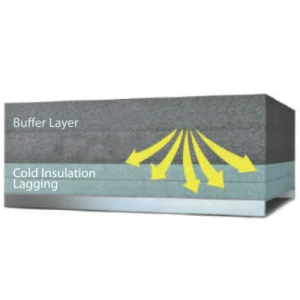
Modern industrial complexes, processing plants, and commercial infrastructures require highly sophisticated pipe insulation systems to balance energy loads, control process temperatures, prevent corrosion under insulation (CUI), and alleviate environmental footprints. The demands of structural insulation systems are shifting from basic thermal resistance to complex multi-layered safety barriers.
According to the American Society of Heating, Refrigerating and Air-Conditioning Engineers (ASHRAE) Standard 90.1 and International Energy Conservation Code (IECC), specified mechanical insulation thicknesses are dictated by fluid operating temperatures, thermal conductivities of the substrate, and environmental ambient conditions to maximize energy conservation.
In hot water distribution, commercial HVAC lines, and process steam piping, inadequate insulation results in direct BTU losses, driving up operating costs. In cryogenic and chilled water services, incorrect insulation thickness results in condensation, liquid dripping, mold development, structural degradation, and severe failure of terminal air handling units.
Understanding the engineering criteria for global mechanical and structural systems.
Governs preformed flexible elastomeric cellular insulation in sheet and tubular form, evaluating density, water vapor permeability, and thermal parameters. Standard ASTM C547 covers mineral wool pipe insulation metrics optimized for high-temperature applications.
The standard for flame propagation and surface spread of flame in commercial projects. Achieved when propagation index I is less than 12 and subindex i1 is less than 6, rendering materials safe for public infrastructure escape routes.
European standards governing flexible elastomeric foam (FEF) products, ensuring zero volatile organic compounds (VOCs), halogen-free formulations, and full compliance with environmental health safety directives.
| Standard Reference | Material Focus | Core Testing Metric | Project Target Value |
|---|---|---|---|
| ASTM C534 Type I & II | Flexible Elastomeric (NBR/PVC) | Thermal Conductivity & Water Vapor Permeability | ≤ 0.034 W/(m·K) at 0°C / μ ≥ 10,000 |
| BS 476 Part 7 | Elastomeric & Rock Wool Systems | Surface Flame Spread Classification | Class 1 (Class 0 System Level) |
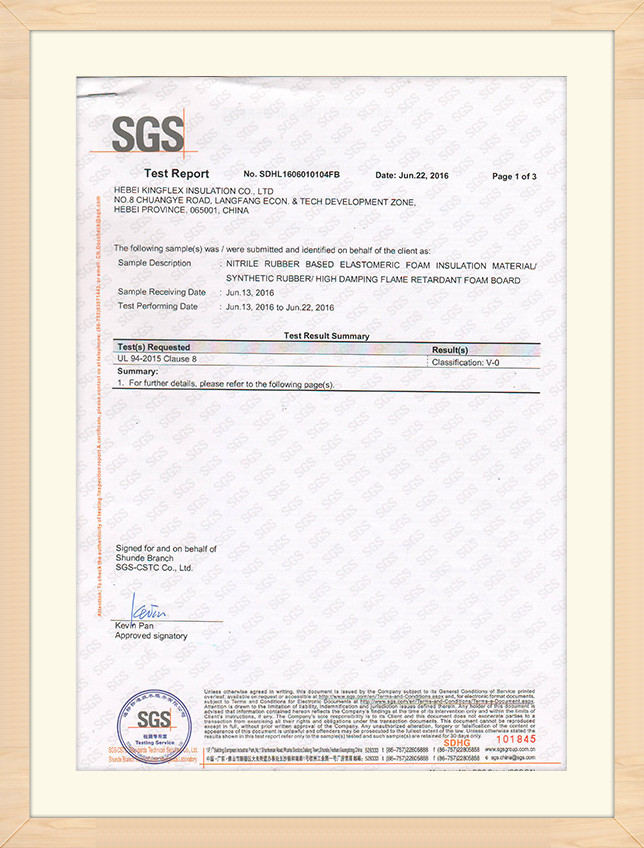
| UL 94 | Synthetic Foams & Plastics | Vertical/Horizontal Flammability Safety | V-0 / V-1 Rating |
| EN 14304 | Factory-made Flexible Elastomeric Foam | Dimensional Tolerances & Long-term Service Temp | -40°C to 105°C (Continuous Duty) |
More than 40 years of pioneering research and advanced manufacturing capacity.
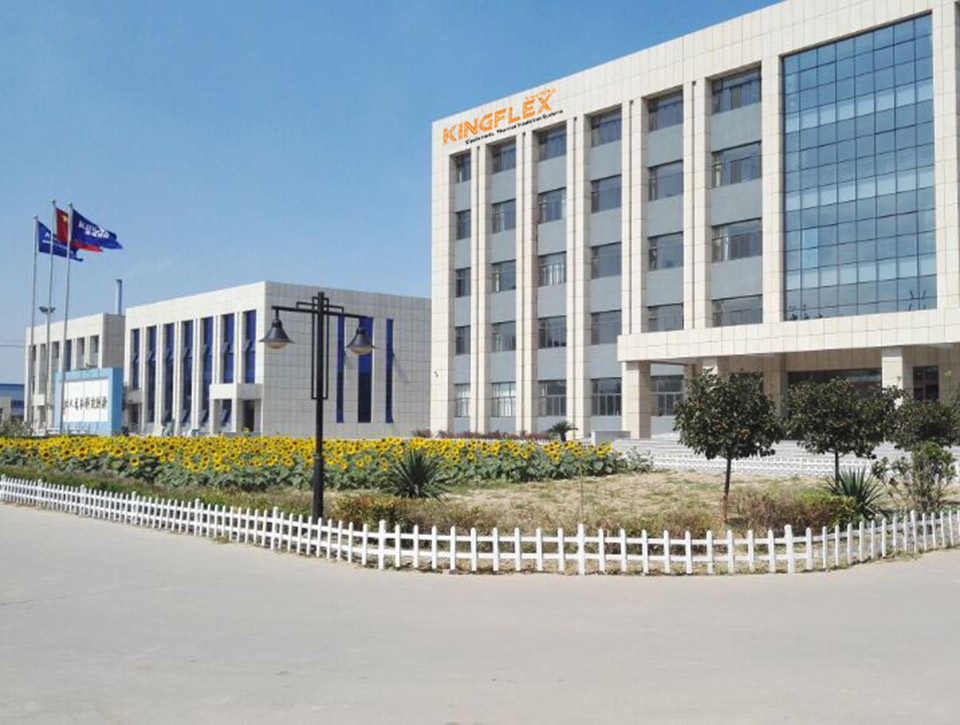
Kingflex Insulation Co., Ltd. is a professional manufacturing and trading combo for thermal insulation products. Located in Dacheng, China—the capital of green building materials—our facility focuses on energy conservation and consumption reduction.
Initially established by the Jinwei Group in 1979, Kingflex was the first manufacturer of thermal insulation materials north of the Yangtze River. Today, we supply building and industrial insulation solutions through consultation, R&D, production, and installation guidance.
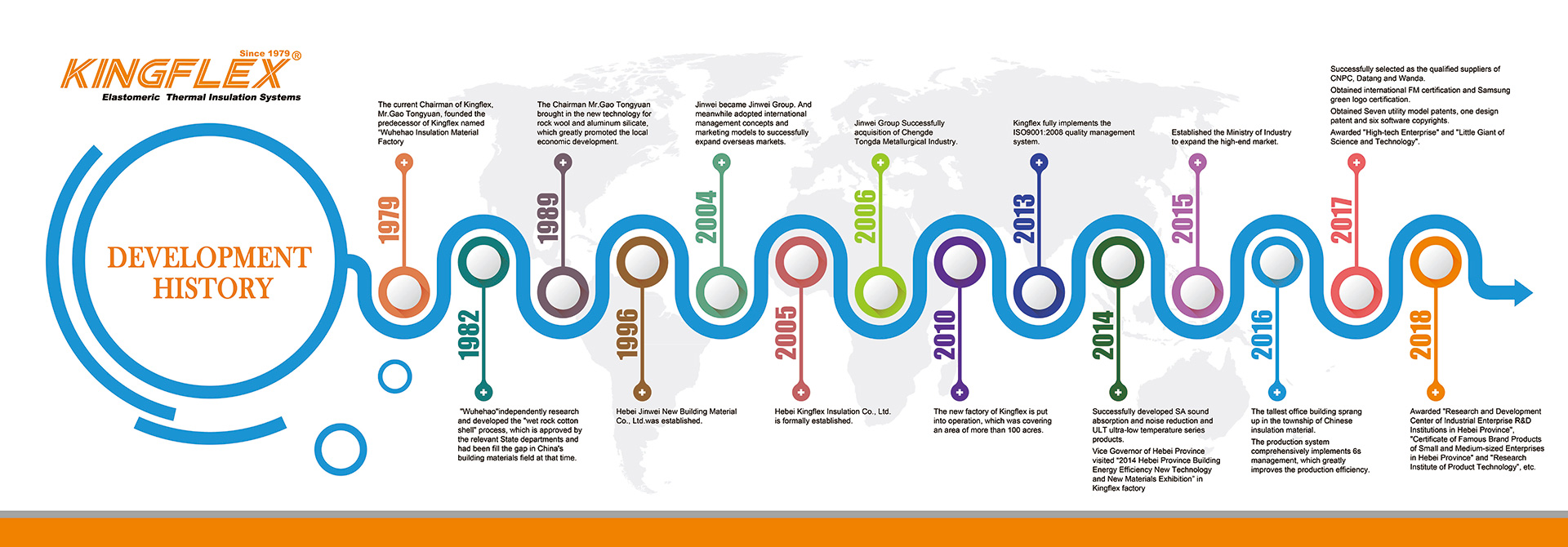
Decarbonization, performance upgrades, and material design in insulation engineering.
As green building mandates and industrial emissions protocols tighten globally, the demands on pipe insulation material properties are evolving rapidly. Materials must deliver high thermal performance, extreme durability, and fire safety, while keeping carbon footprints low.
Kingflex NBR/PVC foams are formulated with a closed-cell rate exceeding 98%. This high concentration of closed cells limits convective heat transfer and acts as a barrier to moisture intrusion. Unlike open-cell insulation, Kingflex elastomeric foams do not require separate vapor barriers, remaining efficient in wet or humid conditions.
Water infiltration in insulated systems often causes Corrosion Under Insulation (CUI). Kingflex's chemical structure is free of corrosive chlorides and fluorides, which protects steel, copper, and stainless steel pipe networks from chemistry-driven pitting and degradation.
For liquefied natural gas (LNG), liquid nitrogen, and ethylene processing lines, Kingflex cryogenic systems maintain flexibility down to -40°C (and lower with specialized formulations). This prevents stress cracking and handles pipe contraction and expansion from thermal cycling.

Review the engineered measurements, thermal limits, and physical dimensions of Kingflex lines.
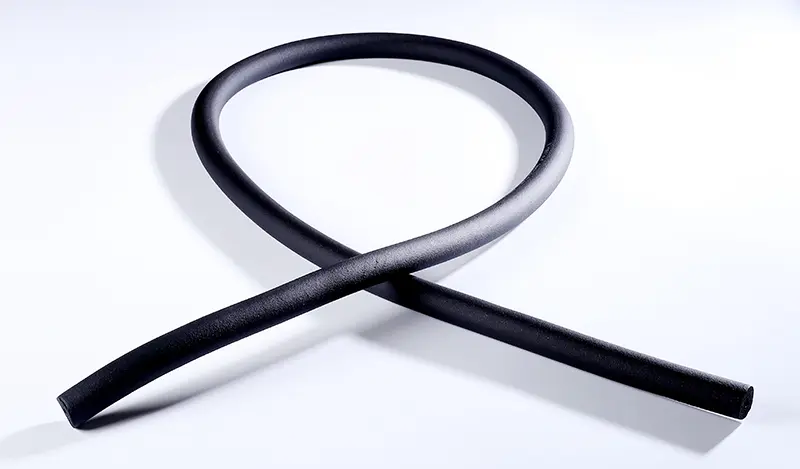
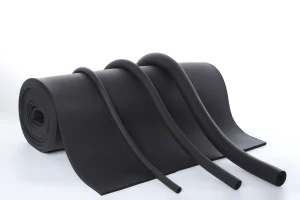
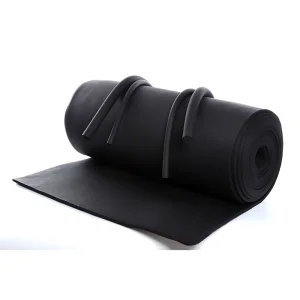
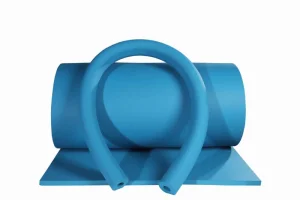
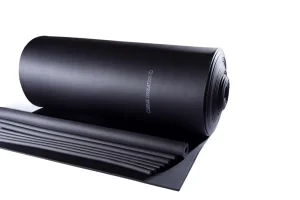
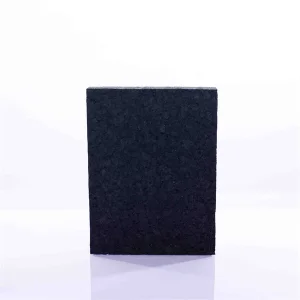
Material: NBR/PVC Elastomeric Foam Blend
Thickness Range: 6mm to 50mm
Density Range: 40 to 55 kg/m³
Service Temperature Limit: -40℃ to 105℃
1. Central air conditioning: Heat insulation for air ducts and pipes
2. Buildings: Wall, roof and basement thermal & sound insulation
3. HVAC & water supply: Anti-condensation and anti-freezing for pipes
4. Industrial plants: Insulation for equipment, steam pipes and storage tanks
5. Hotels, malls & hospitals: Insulation and noise reduction for ventilation ducts and machine rooms
6. Rail transit & cold storage: Thermal insulation for carriages and cold rooms
7. Chemical industry: Heat insulation, sound insulation and corrosion protection for process pipe
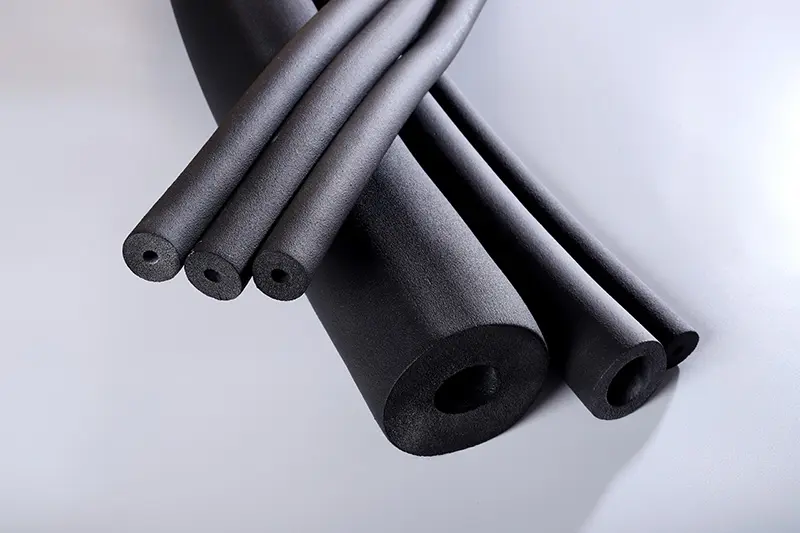
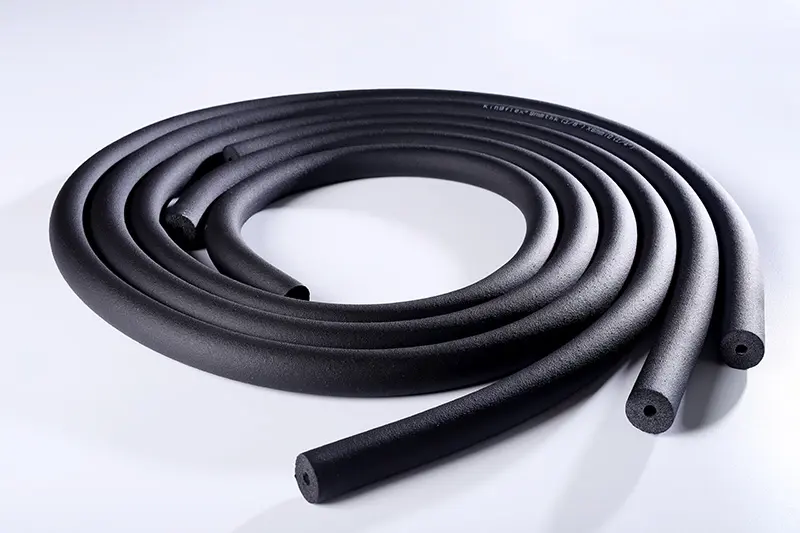
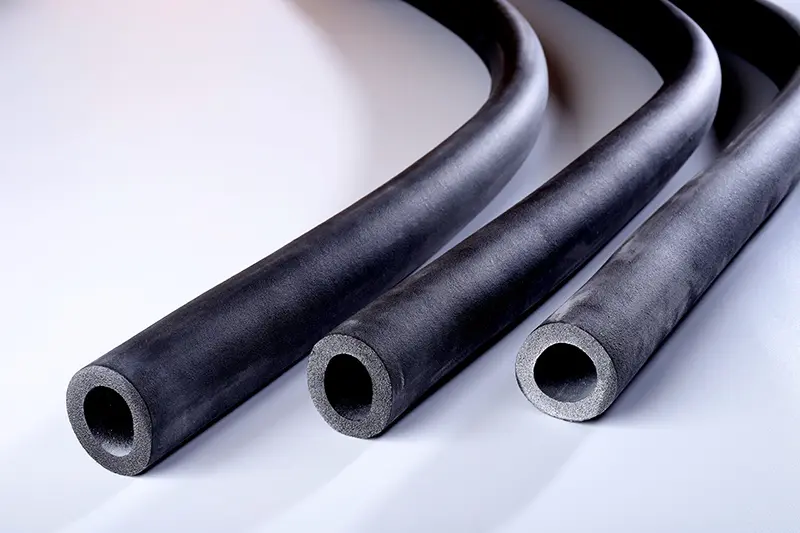
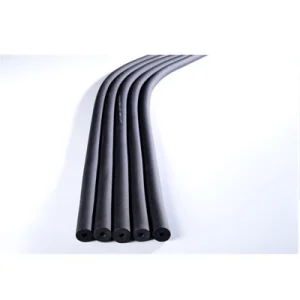
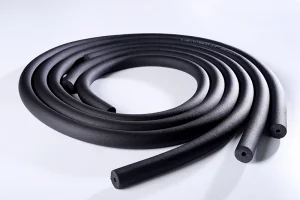
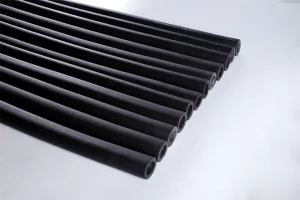
Material: NBR/PVC Elastomeric Foam Blend
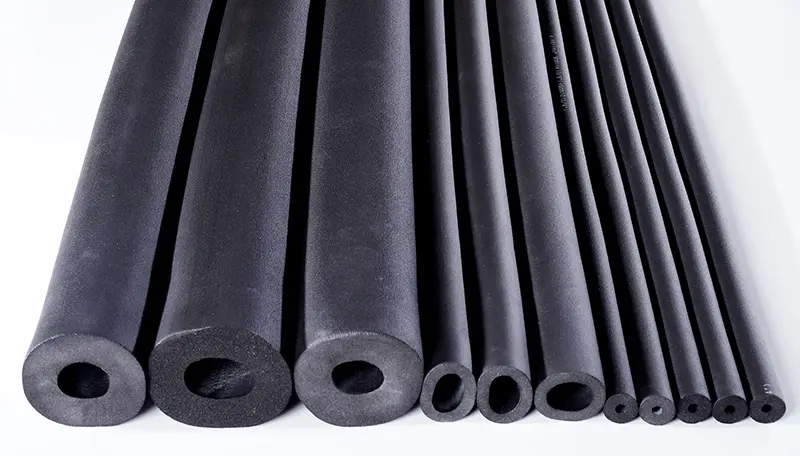
Thickness Range: 9mm to 40mm
Inner Diameter (ID): 6mm to 114mm
Density Range: 40 to 55 kg/m³
Service Temperature Limit: -40℃ to 105℃
1. Central air conditioning chilled/hot water pipes and condensate pipes
2. Building HVAC & water supply pipes: antifreeze and anti-condensation
3. Ventilation and equipment room pipes for hotels, malls and hospitals
4. Thermal & cold insulation for industrial steam and process pipes
5. Cold insulation for cold storage and cold chain pipelines
6. Insulation, sound and corrosion protection for chemical & petrochemical pipes
7. Thermal insulation for solar and hot water system pipelines
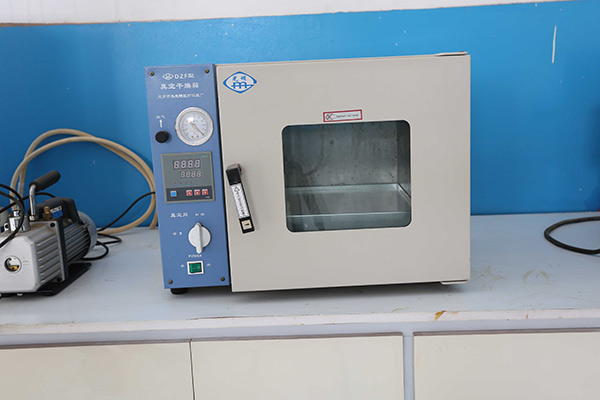
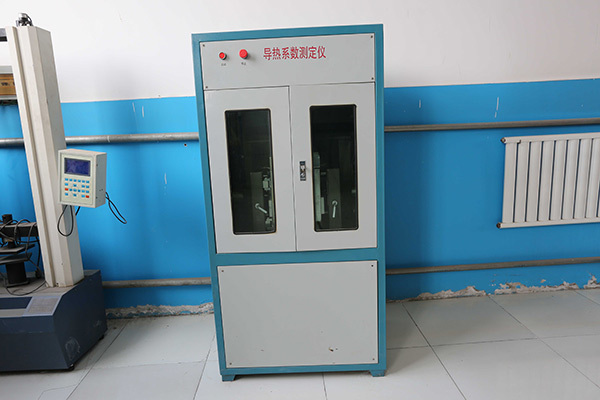
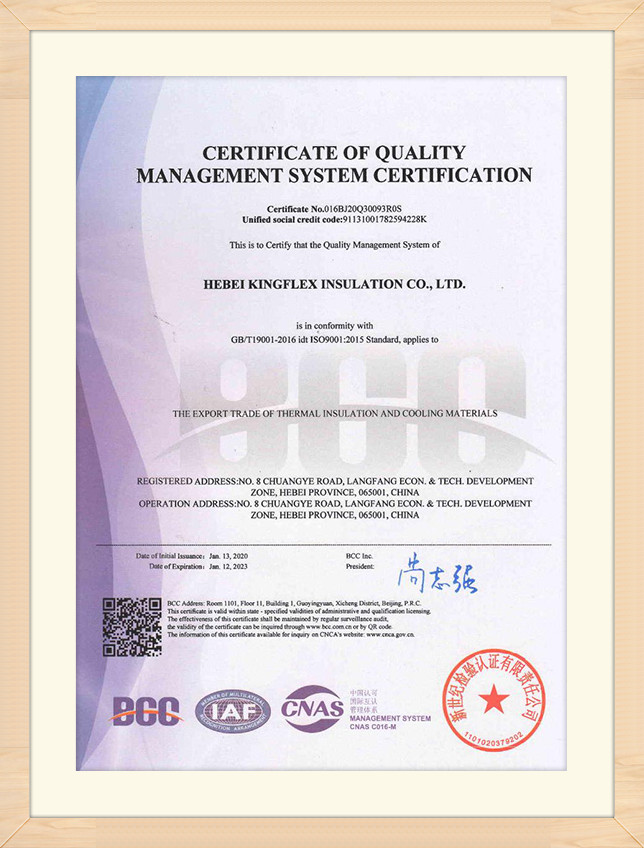
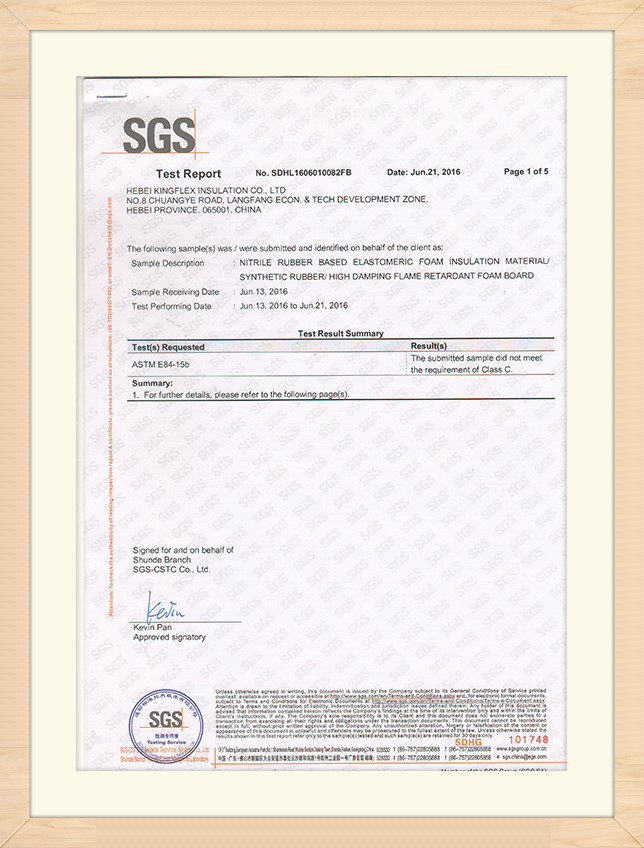
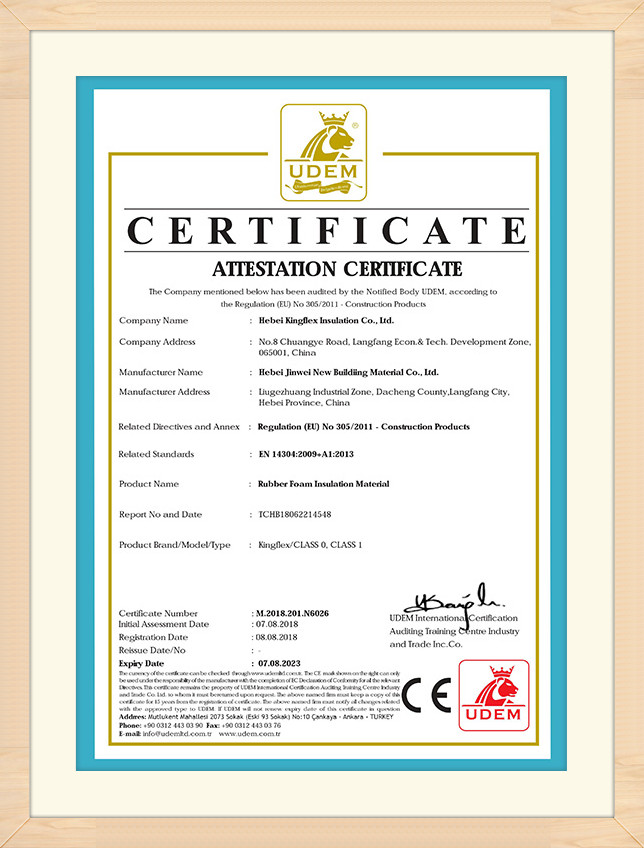
Kingflex runs strict quality control protocols at our Dacheng manufacturing plant. Raw materials and finished batches are tested for thermal conductivity, water vapor resistance, density variance, smoke generation, and mechanical flexibility. Our products carry multiple international certifications, ensuring they comply with local building regulations in major markets.
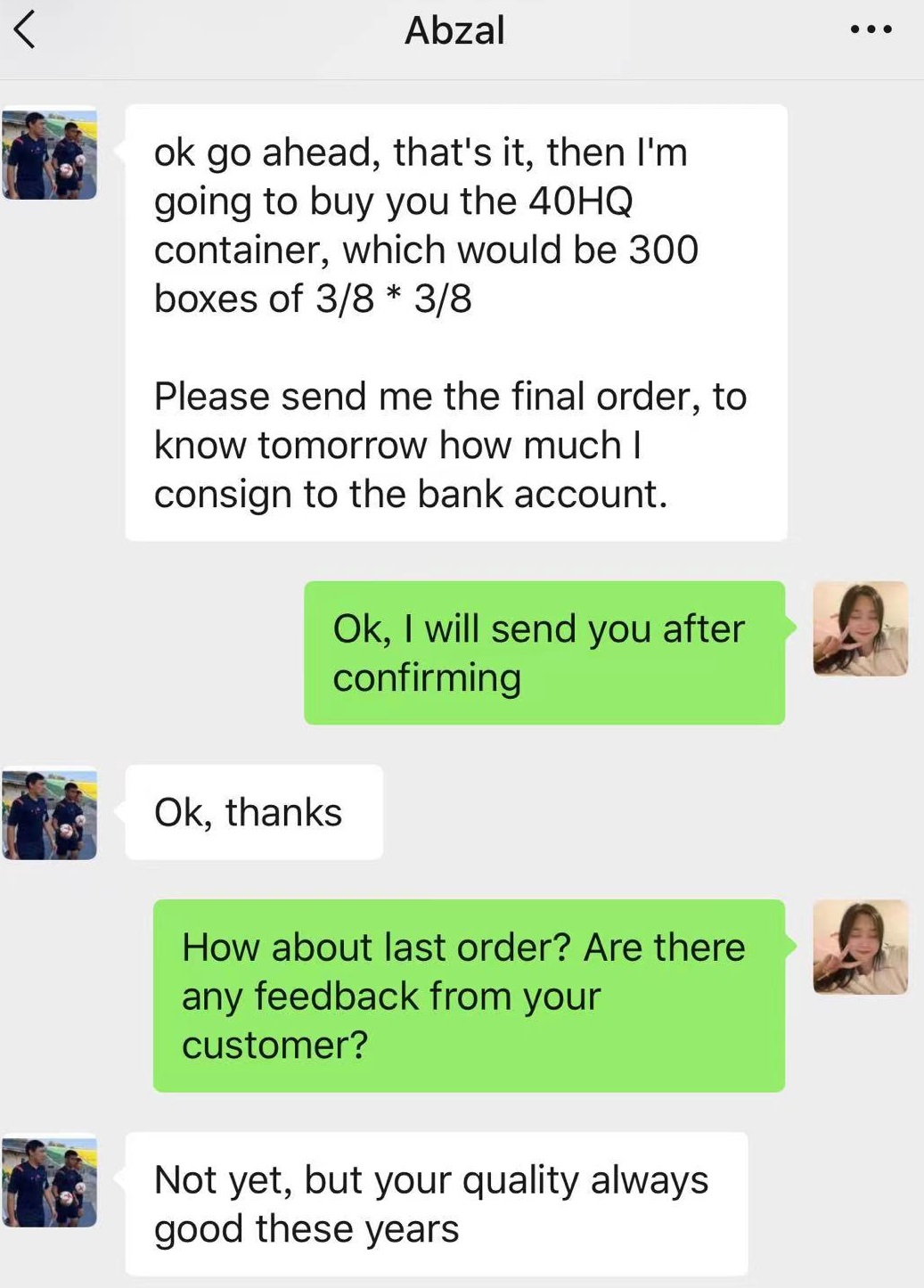
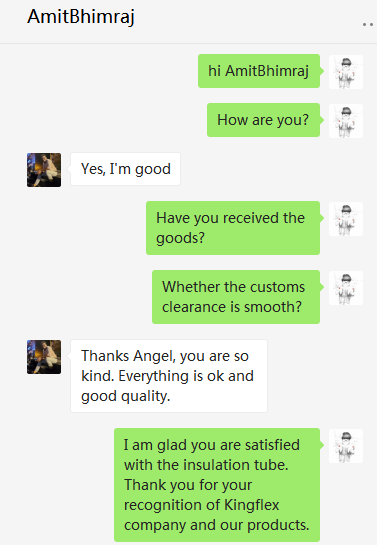
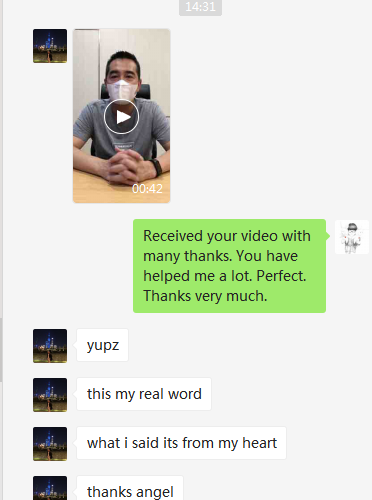
We work directly with international HVAC contractors, cryogenic plant managers, and mechanical distributors. Below are actual screenshots of client communications, demonstrating our commitment to quality, tracking, and customer support.


Explore our global pipeline, air duct, and cryogenic insulation projects.
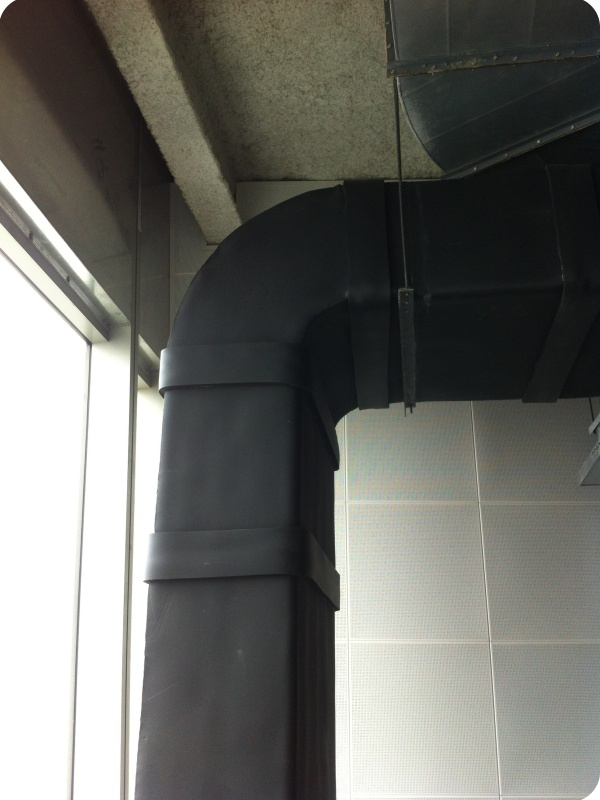
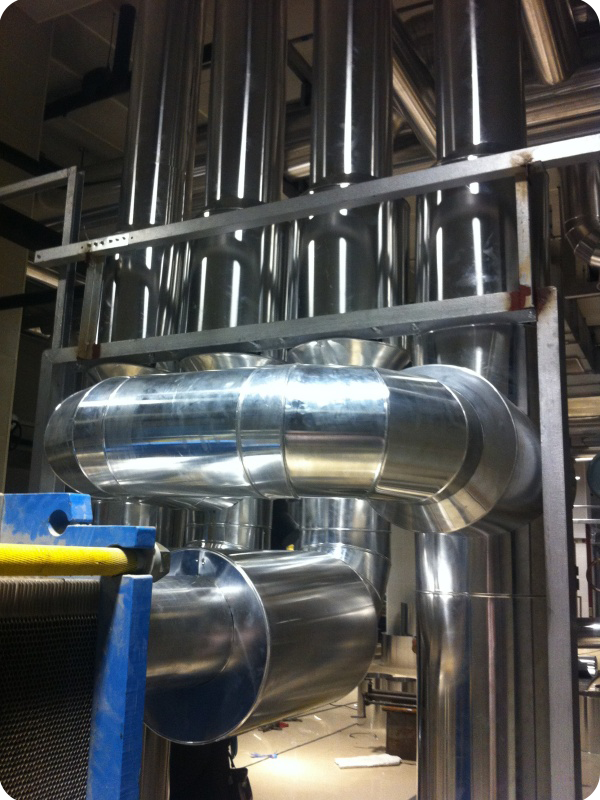
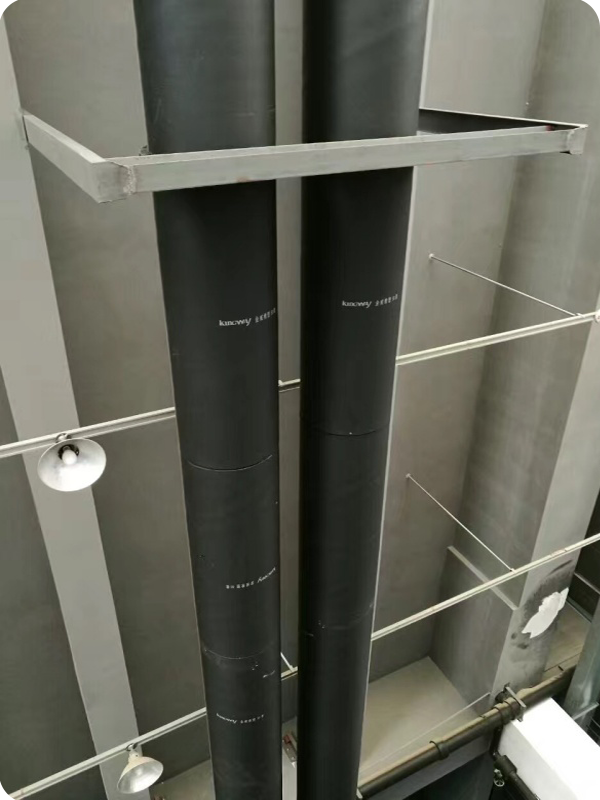
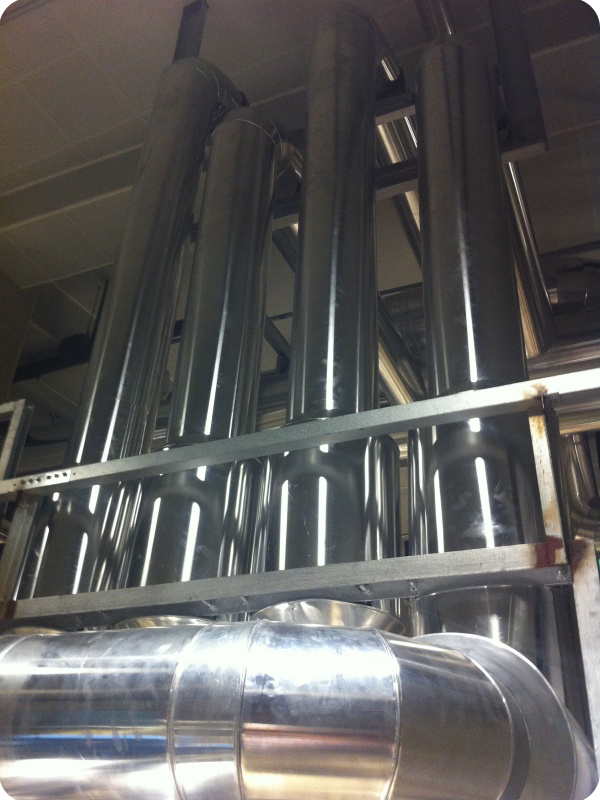
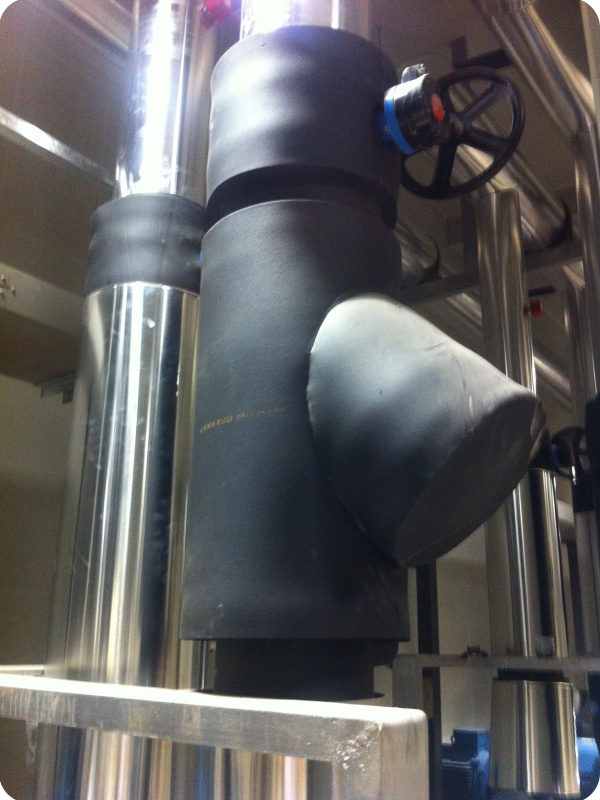
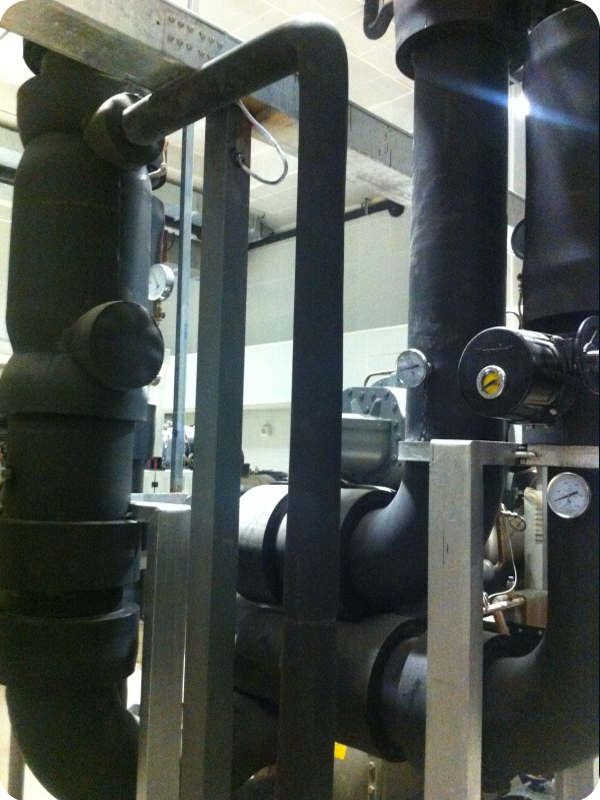
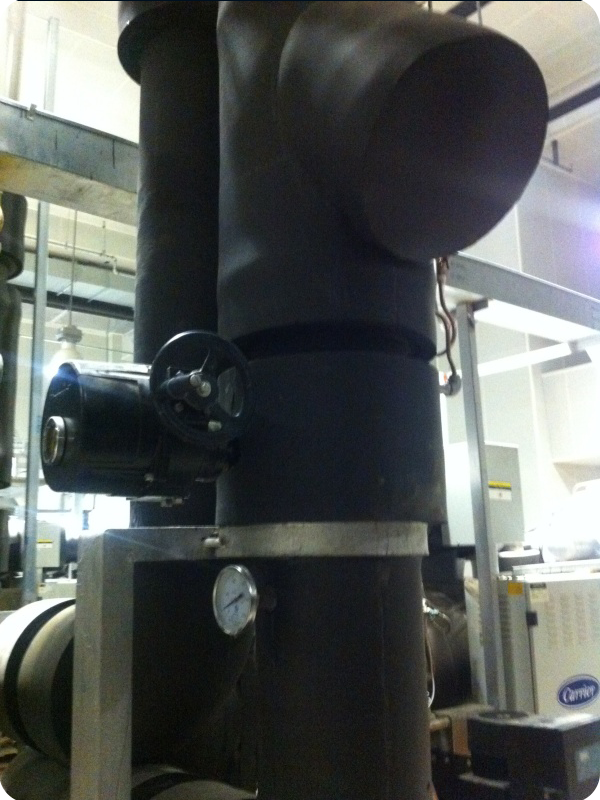
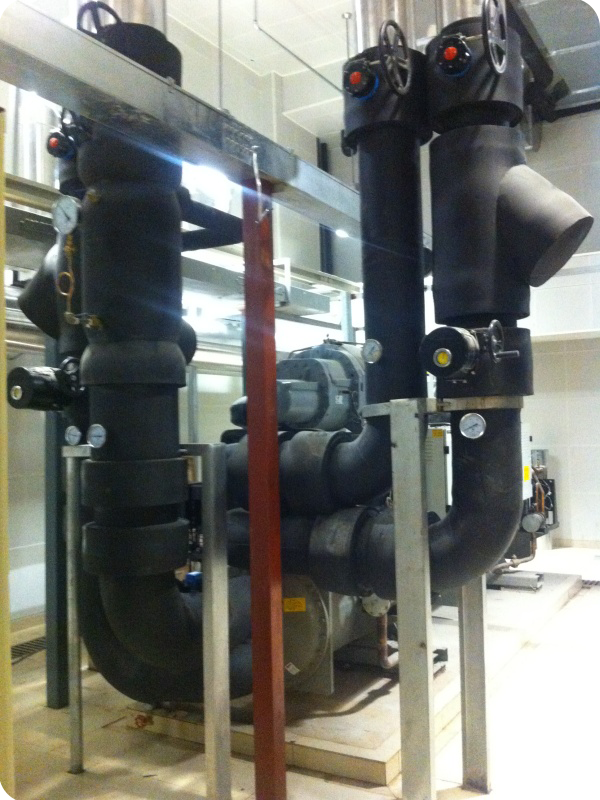
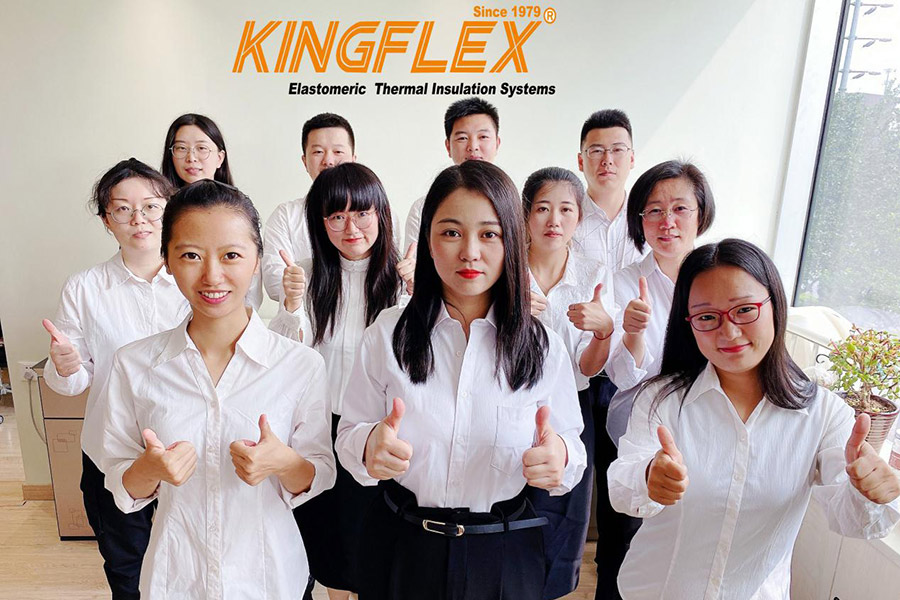
With an annual capacity of over 600,000 cubic meters, Kingflex is a designated supplier for major energy, power, and chemical agencies. Below is a look at our daily operations and manufacturing team.

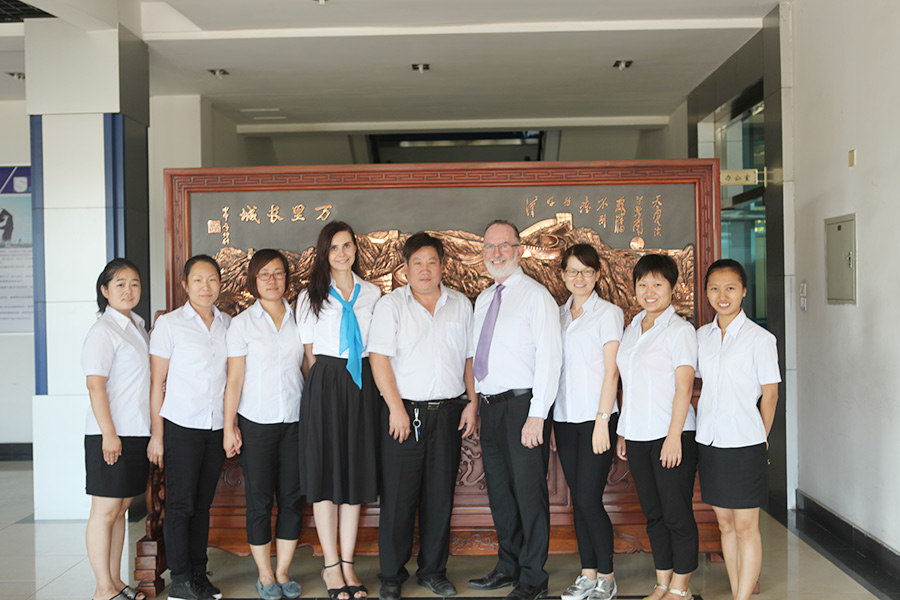
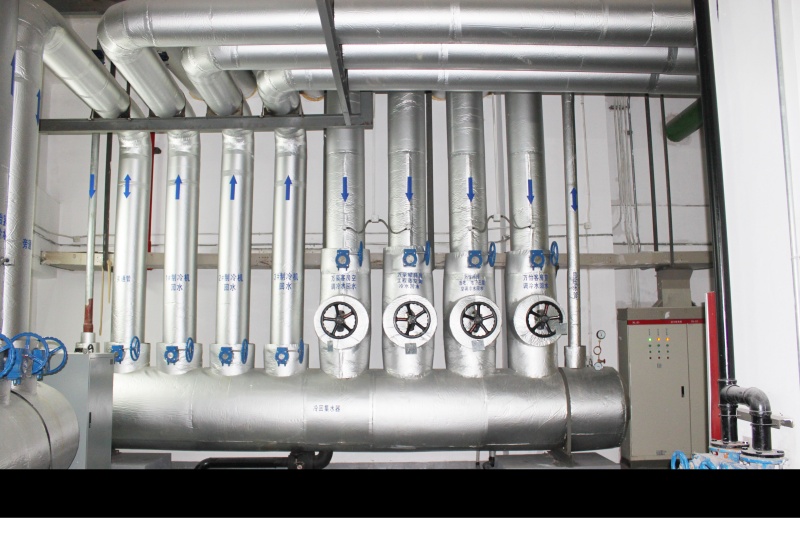
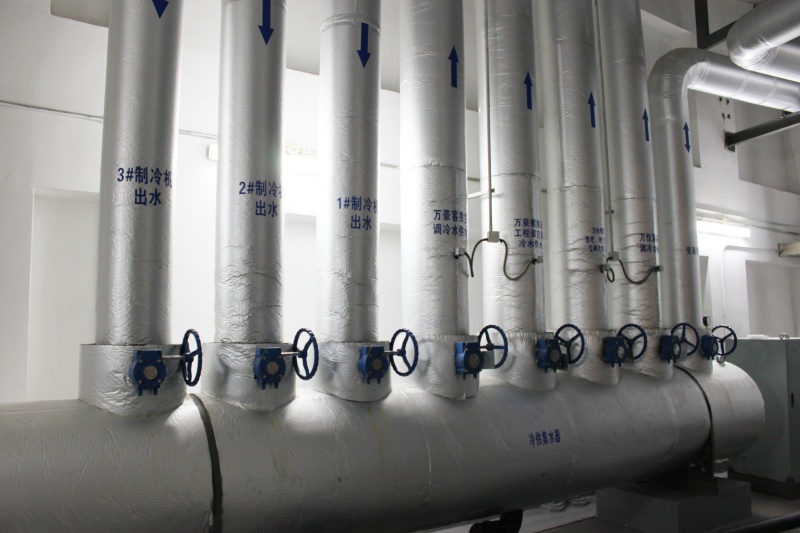

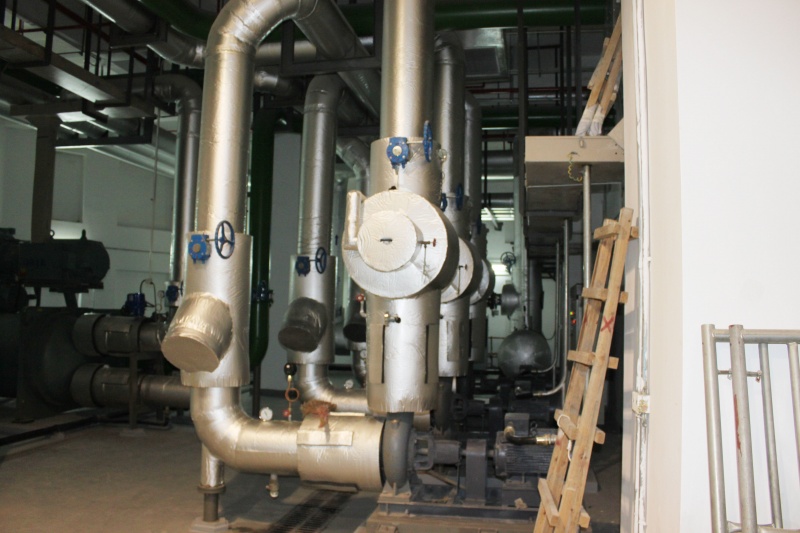
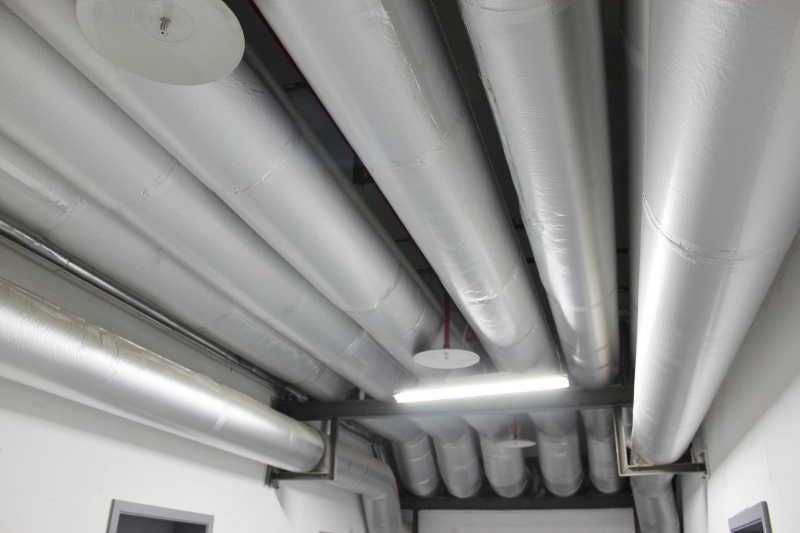
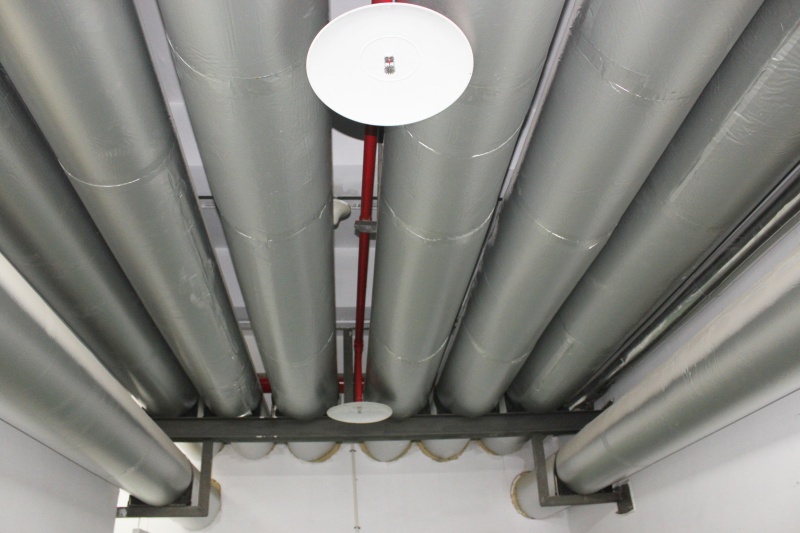
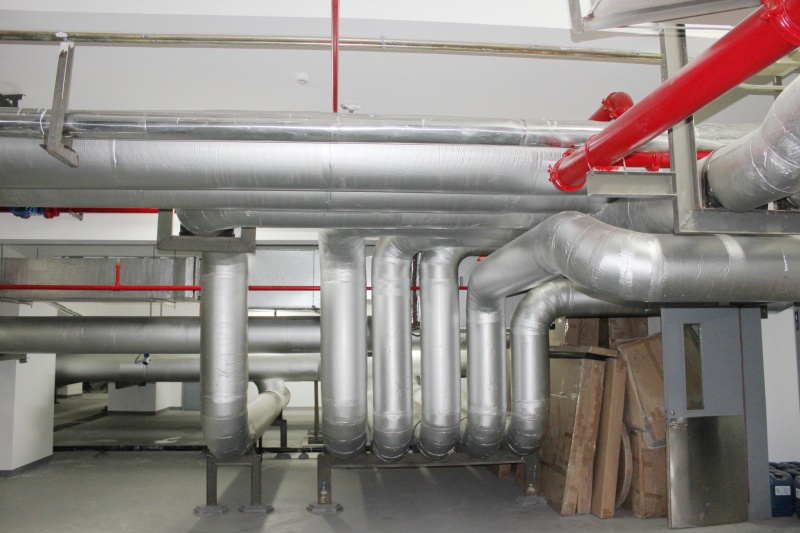
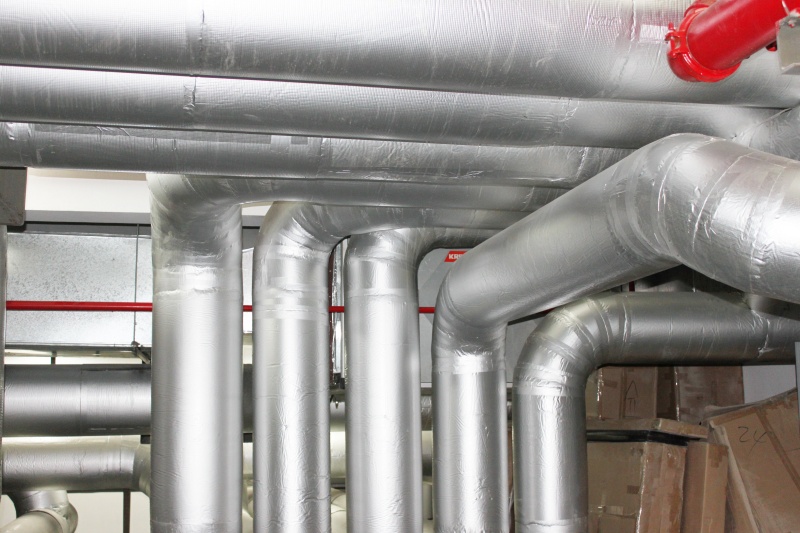
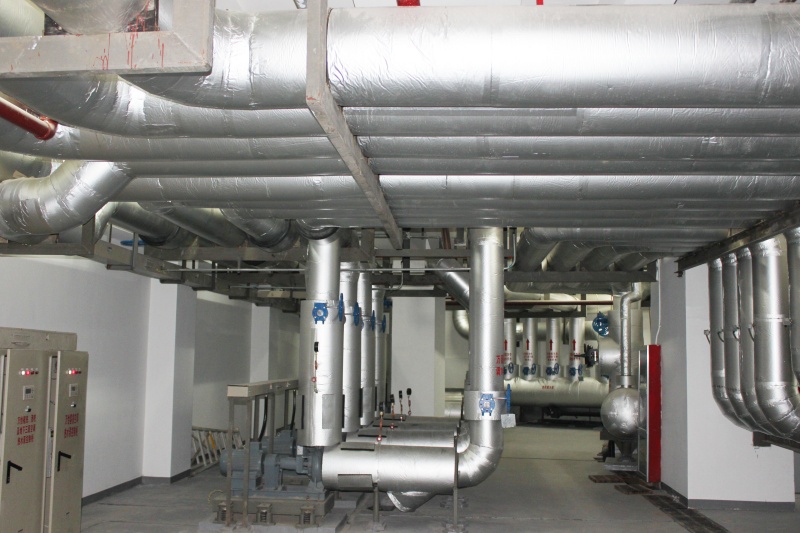
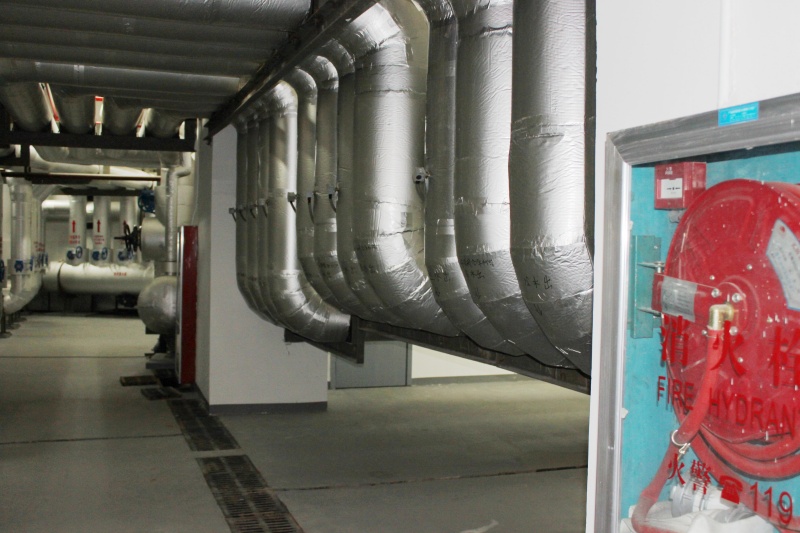
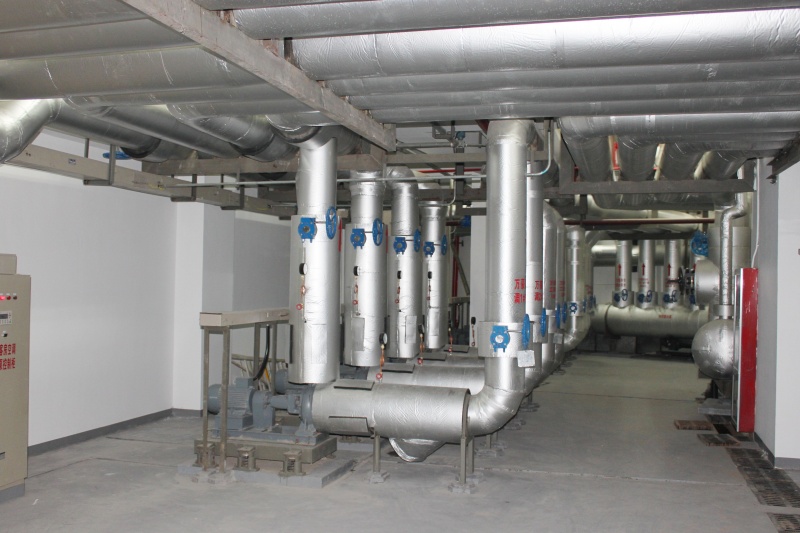
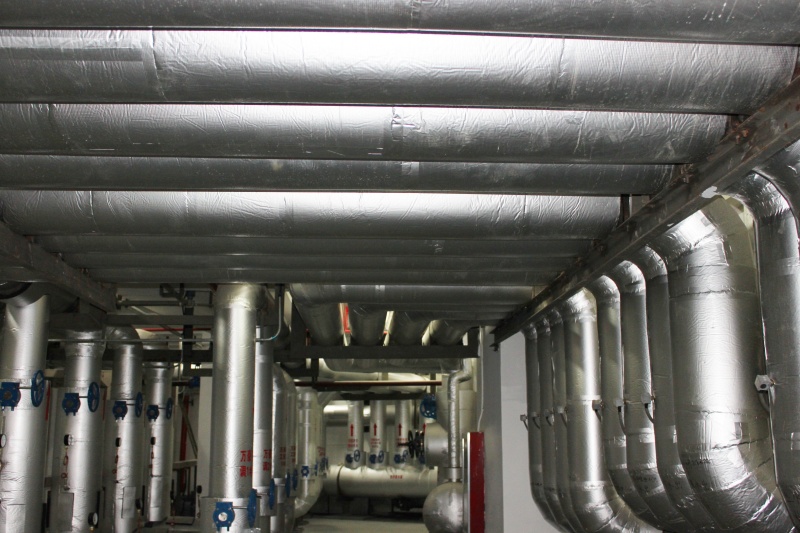
Consistently delivering certified thermal and cryogenic solutions to overseas distributors.




Technical details and support inquiries regarding our insulation systems.
A1: It is mainly used for HVAC ducts, air conditioning pipes, building thermal insulation, industrial pipeline cold insulation, and sound insulation to prevent condensation and control temperature.
A2: Yes, our rubber foam insulation products are fire retardant, meeting international building standards like BS 476 and UL94 to ensure safety in commercial and industrial projects.
A3: Rubber foam is a flexible, closed-cell material with high moisture resistance, ideal for HVAC and cold insulation. Rock wool is a fibrous material with high-temperature resistance and fire protection, suited for high-temperature industrial pipelines.
A4: Yes, we support OEM/ODM services, allowing adjustments to thickness, density, and backing configurations to meet specific project needs.
A5: Our products have passed BS 476, CE, REACH, RoHS, UL94, ASTM, and other international certifications, ensuring compliance with global environmental and safety standards.
A6: Yes, all Kingflex products have batch traceability, covering production line records, testing logs, and raw material runs.
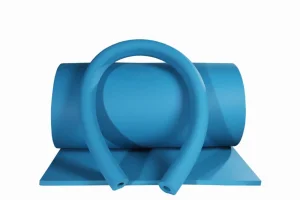
A7: We produce rubber foam rolls in thicknesses from 6mm to 50mm, providing options for both lightweight and heavy-duty configurations.
A8: Under normal indoor environmental conditions and proper installation, the expected service life is 10 to 15 years.
Explore our full line of synthetic rubber sheets, acoustic boards, and heavy-duty rock wool solutions.
Verified specifications of our high density and thermal resistant product catalog.