 Kingflex
Kingflex
Kingflex
Explore our precision-manufactured open-cell and closed-cell rubber foam solutions designed for superior heat transfer mitigation, soundproofing, and industrial application integrity.
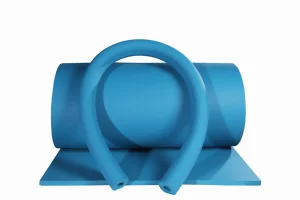
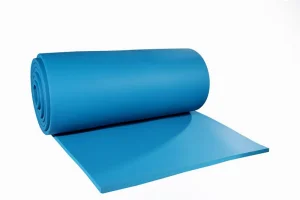
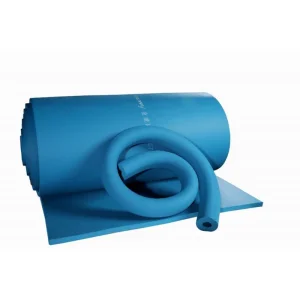
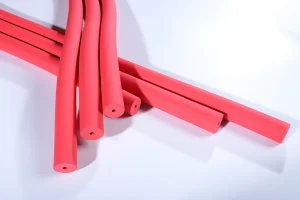
Historically, elastomeric rubber foam insulation has been predominantly black, serving as a functional, hidden barrier within walls and utility shafts. However, modern industrial and commercial building designs demand clear, physical visual cues for system identification, preventative maintenance, and safety zoning. Yellow Color Rubber Foam Insulation Sheet Rolls are synthetically color-doped during the foaming process to provide a high-visibility marking system without compromising the material's critical physical properties.
By color-coding lines—such as designating yellow for high-pressure gas piping, structural hot water supplies, or specialized ventilation lines—facility managers can dramatically reduce maintenance errors and rapidly deploy safety protocols. The yellow coloration is UV-stabilized during composition to ensure it does not fade under structural lighting exposure, retaining its structural identification capabilities over a projected service life of 10 to 15 years.
Physically, Kingflex yellow color rubber foam relies on a highly integrated closed-cell configuration (closed-cell rate exceeding 98%). The micro-cellular structures trap dry air, which has an extremely low thermal conductivity of approximately 0.024 W/(m·K) at room temperature. The resultant composite exhibits a stable thermal conductivity coefficient (λ) as low as ≤ 0.034 W/(m·K) at 0°C.
This closed-cell morphology acts as a continuous water vapor barrier. The material's high moisture resistance factor (μ ≥ 10,000) prevents interstitial condensation, which is the primary cause of insulation degradation and Corrosion Under Insulation (CUI) in structural steel piping. This makes the product a dual thermal-moisture barrier that retains its physical characteristics across a broad temperature scale of -40℃ to 105℃.
Our production facilities are situated in Dacheng, China, internationally recognized as the premier manufacturing cluster for environmental and energy-saving thermal insulation. The close geographic proximity of raw material polymer refineries, foaming agents, and stabilizing additive producers allows Kingflex to run a highly optimized supply chain that mitigates raw material price volatility and shipping bottlenecks.
With five continuous automated high-speed extrusion lines, Kingflex operates an annual capacity exceeding 600,000 cubic meters. This continuous extrusion and foaming process ensures uniform wall thickness, consistent cell distribution, and optimal mechanical flexibility across all production runs. Our scale enables us to rapidly fulfill volume-heavy specifications for mega-infrastructure projects globally, maintaining stable factory-direct pricing structures.
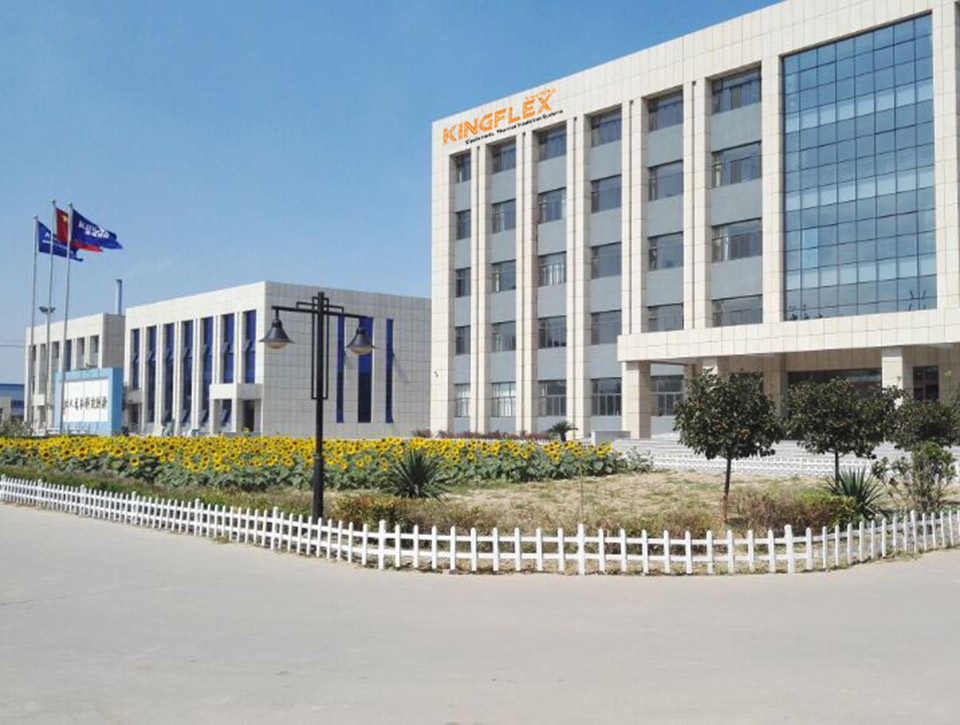
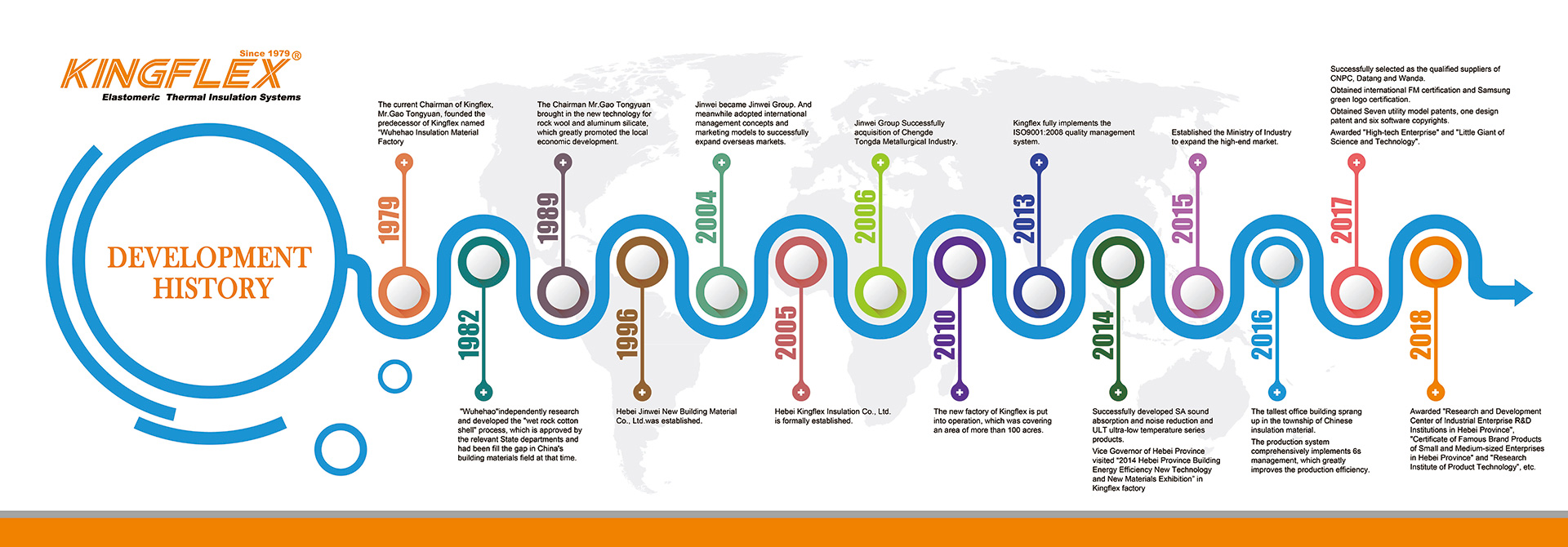
Founded on a legacy initiated by the Jinwei Group (established in 1979), Kingflex carries over 40 years of pioneering research in thermal insulation materials. Being the first major thermal materials producer north of the Yangtze River, our research division has worked closely with national academic institutions to pioneer fire-retardant chemistry formulations.
Our modern workforce comprises 230 highly trained operations personnel and 6 international logistics coordinators who ensure compliance with customs procedures, port operations, and project-site delivery windows across 66 countries. Our structural longevity reflects in our product engineering, providing structural systems that stand up to decades of cyclic thermal stress.
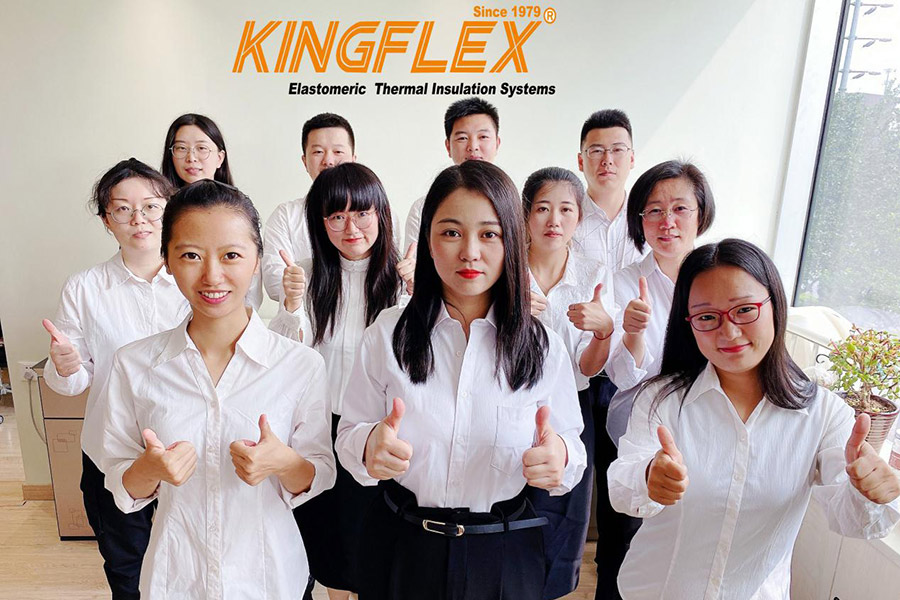
At Kingflex, innovation is driven by our specialized research and development division, led by 8 senior chemical and thermal engineers. The R&D laboratory runs continuous test cycles measuring thermal conductivity degradation over simulated aging cycles, volatile organic compound (VOC) emissions, and elastomer cross-linking density.
This strict internal testing environment allows us to optimize NBR/PVC blend ratios, ensuring optimal elongation at break, compression recovery factors (exceeding 80%), and superior flame-retardant properties. By adjusting the formulations, we tailor performance metrics for specific geographic demands, including enhanced UV resistance for Middle Eastern regions or high-flexibility structures for sub-zero cryogenic systems.
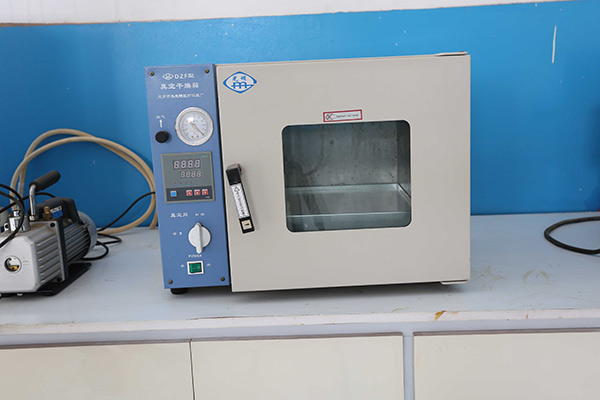
Ensuring high precision via certified test apparatuses measuring flame spreads, chemical compound safety, and structural integrity.

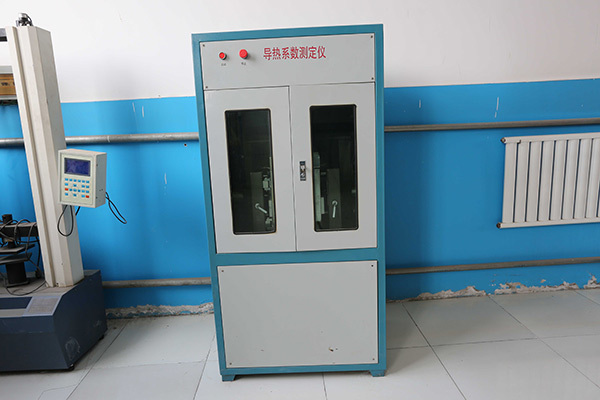
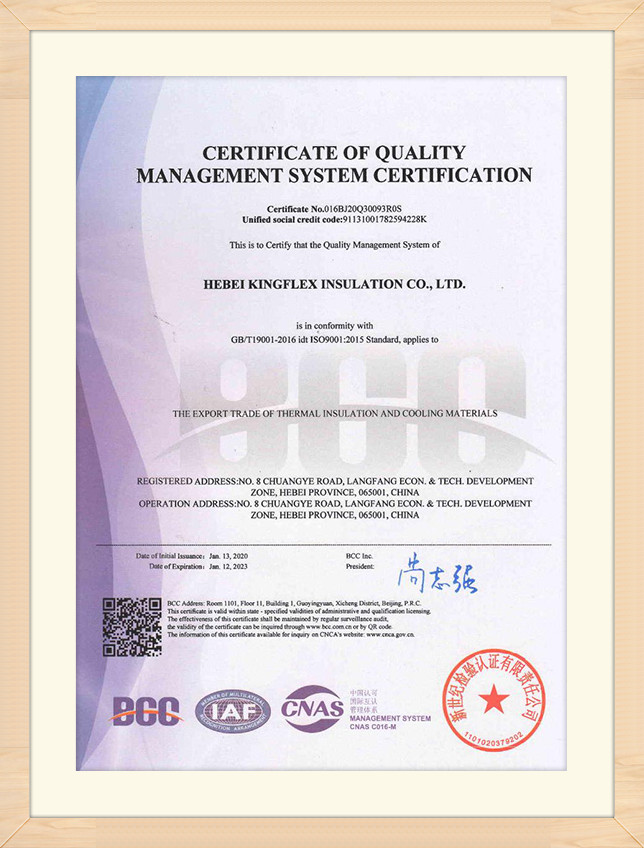
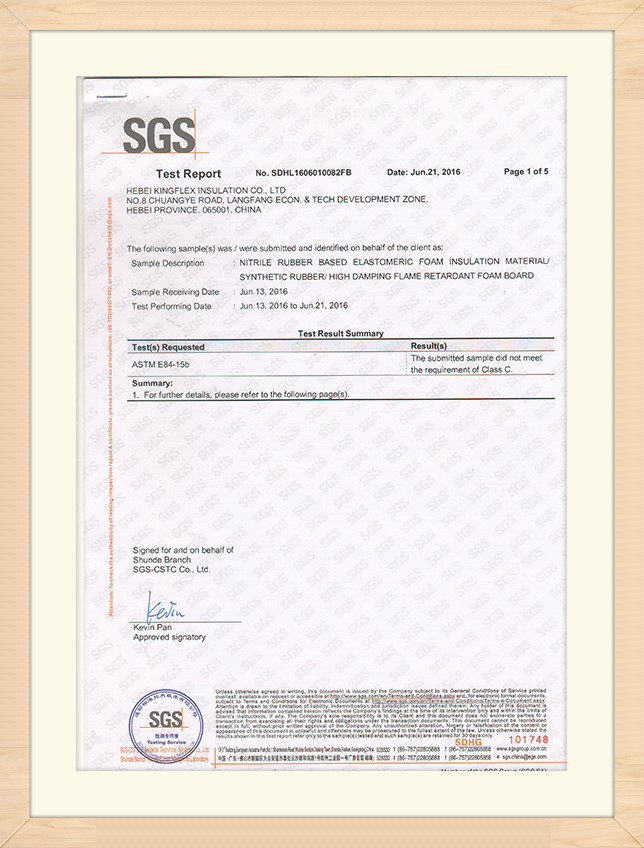
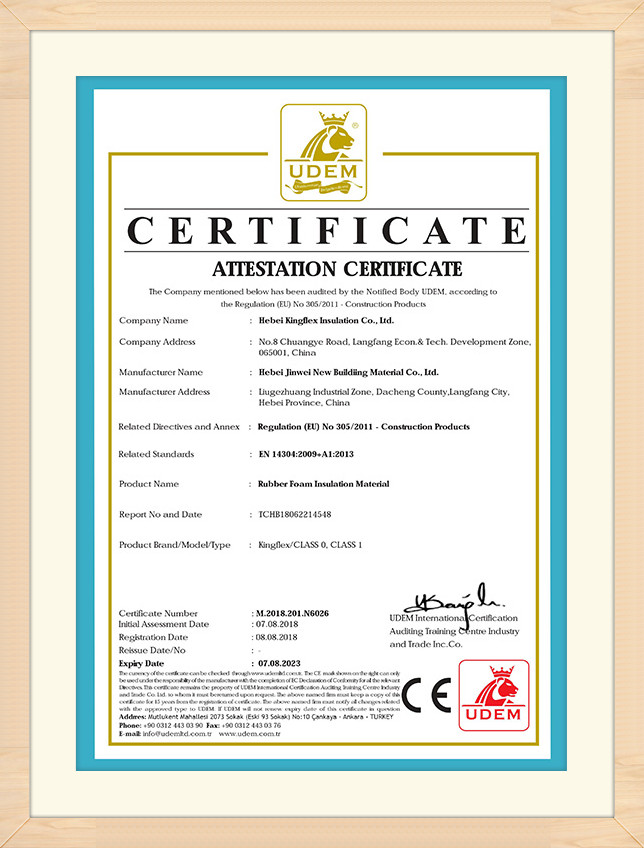
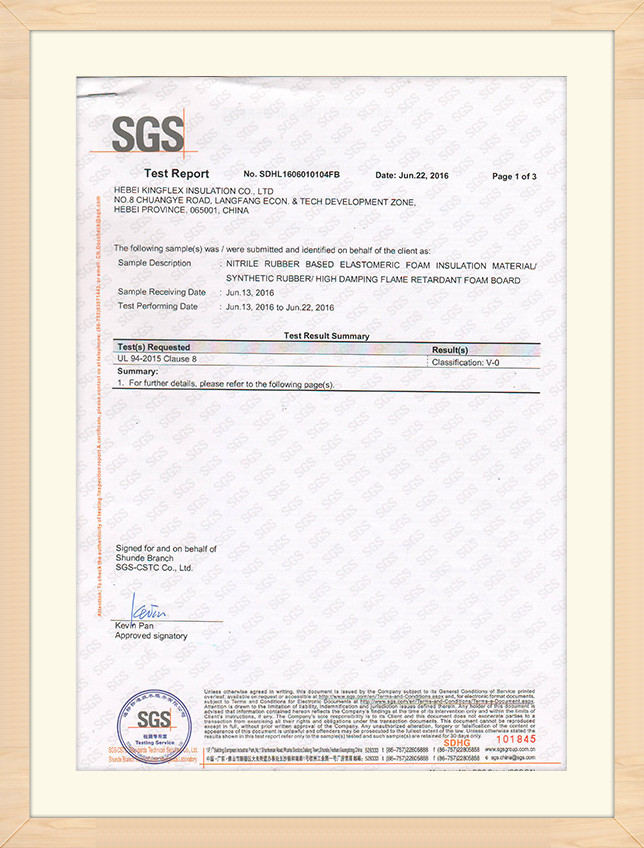
We validate our material performance against stringent global construction codes through accredited third-party testing institutions.
Our formulations achieve Class 0 and Class 1 standards, ensuring low flame spread and limited heat release during thermal incidents. This compliance is essential for high-occupancy commercial projects, including healthcare facilities and transportation hubs.
Tested for vertical and horizontal burn rates, our NBR/PVC matrix is self-extinguishing. Under ASTM C534 guidelines, the physical structure maintains density stability and low linear shrinkage under operating thermal cycles.
Our manufacturing processes are free from heavy metals, polybrominated biphenyls, and halogenated flame retardants that cause outgassing. This guarantees safe application within cleanrooms, food processing plants, and commercial buildings.

Condensation on HVAC ducts leads to structural damage, mold growth, and compromised indoor air quality. Implementing our yellow closed-cell sheets creates a seamless thermal seal. The high elasticity allows the sheets to conform tightly to rectangular ducts, valves, and elbows, eliminating thermal bridges.
In chemical and refining operations, lines must remain highly visible to prevent physical impact. Our yellow rubber foam serves as both thermal insulation and visual safety demarcation. The NBR-based matrix is resistant to splash contact from mineral oils, organic solvents, and typical industrial pollutants.
Operating down to -40℃ (and specialized systems down to liquefied gas levels), managing heat gain is critical. Kingflex elastomeric systems retain flexibility at low temperatures, absorbing pipe expansions and contractions without cracking, ensuring continuous thermal barrier integrity.
Step inside our automated production facility, showcasing raw material mixing, vulcanization, and finished inventory warehouse control.
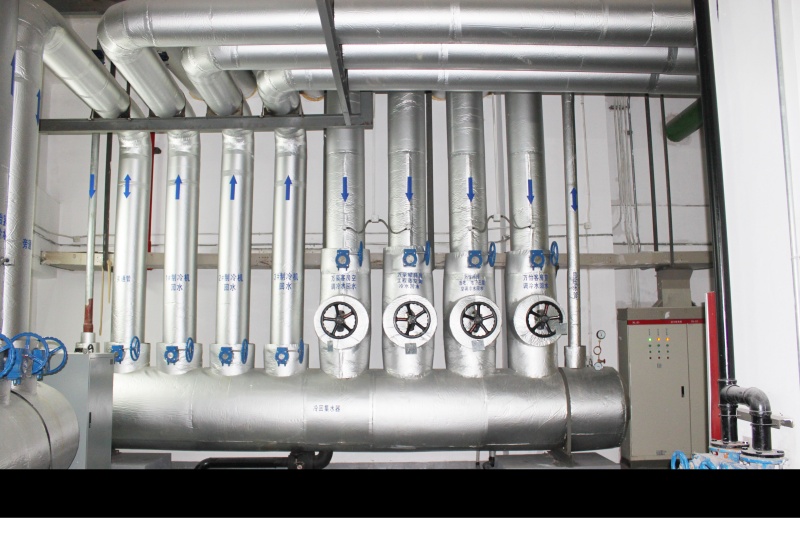
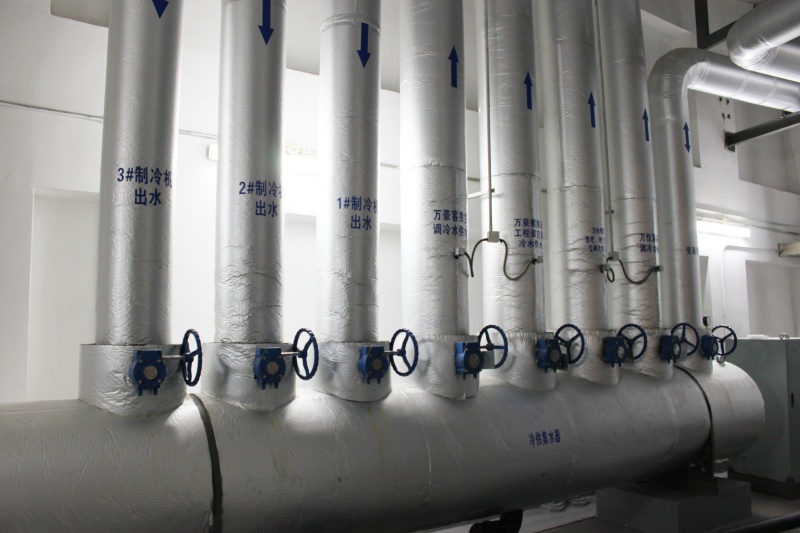

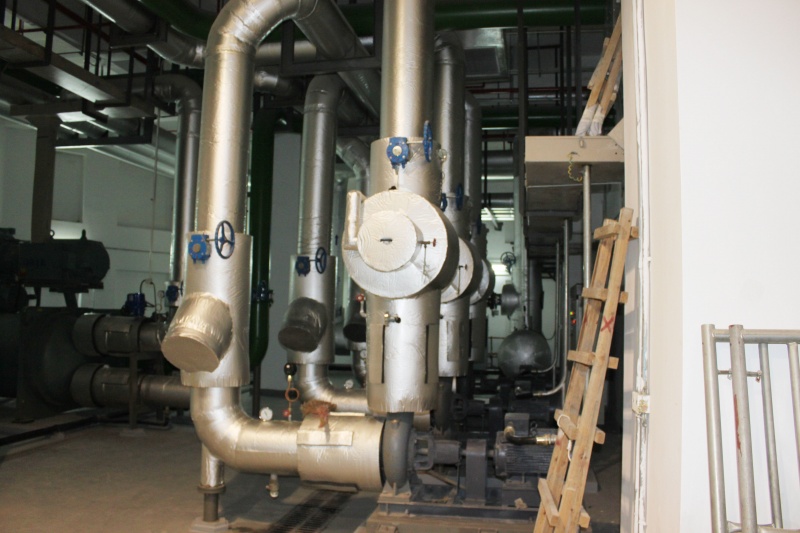
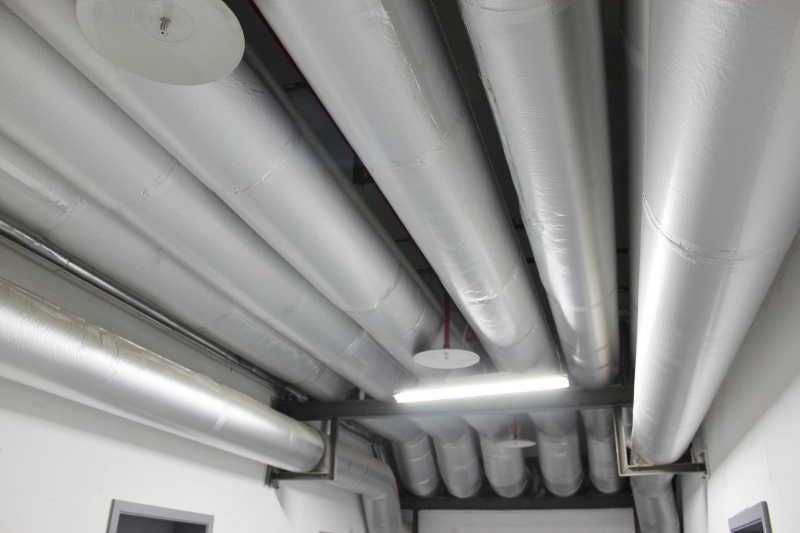
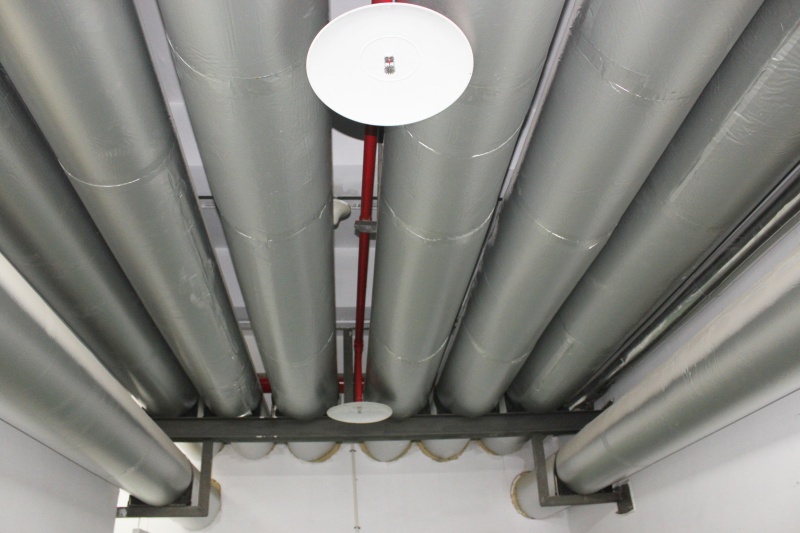
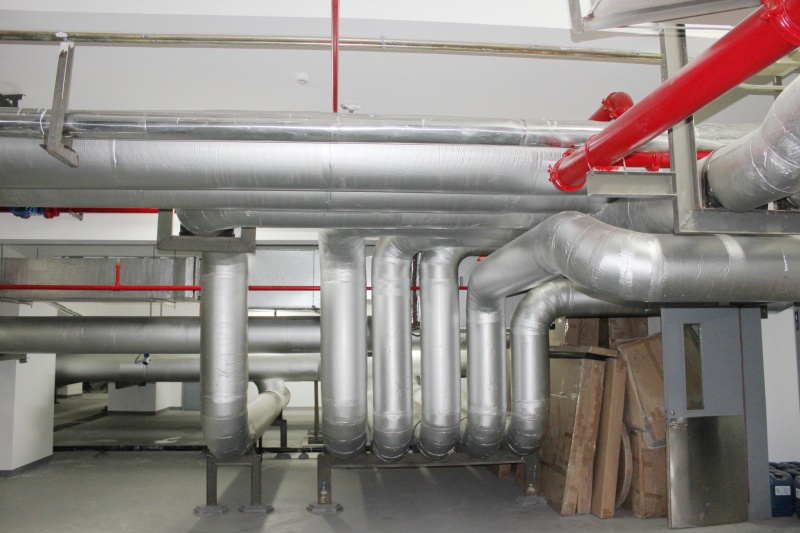
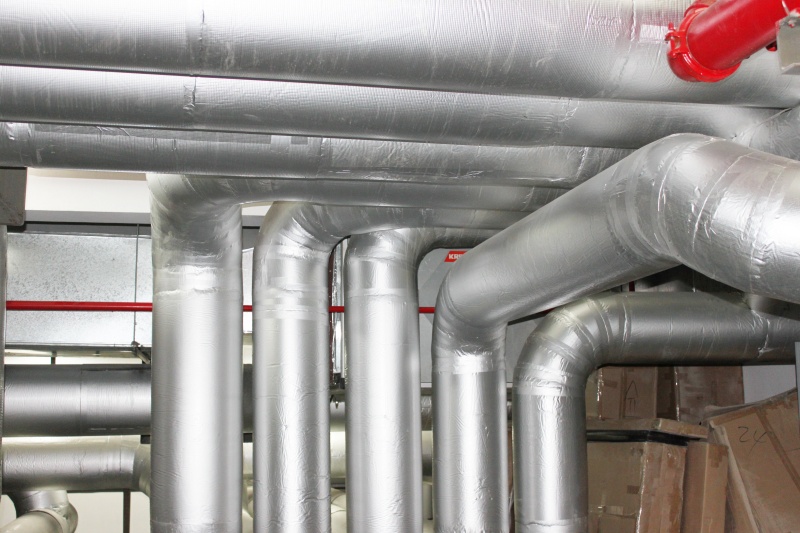
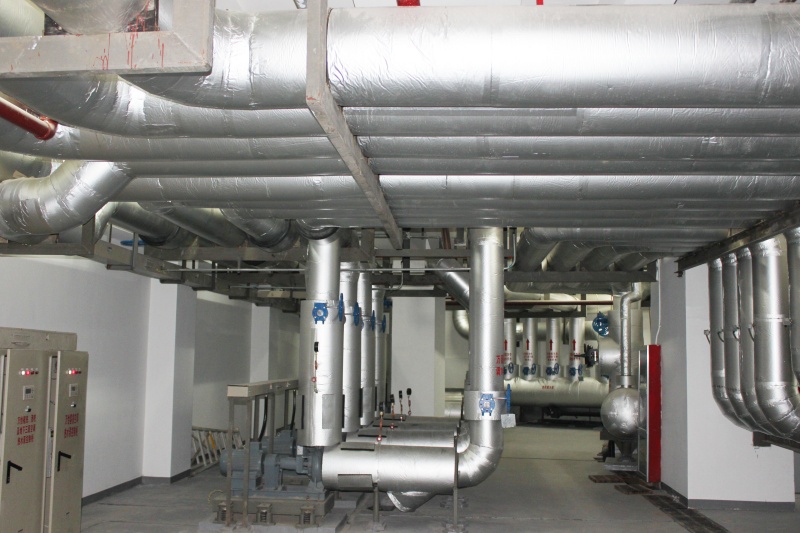
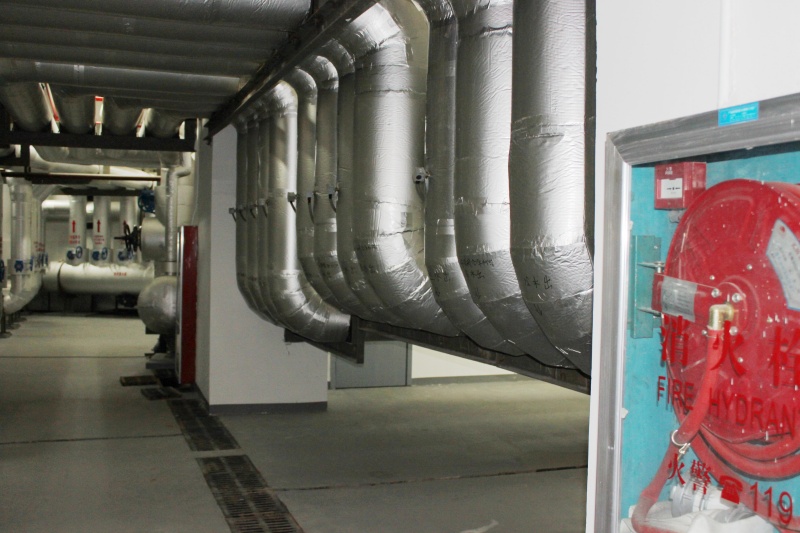
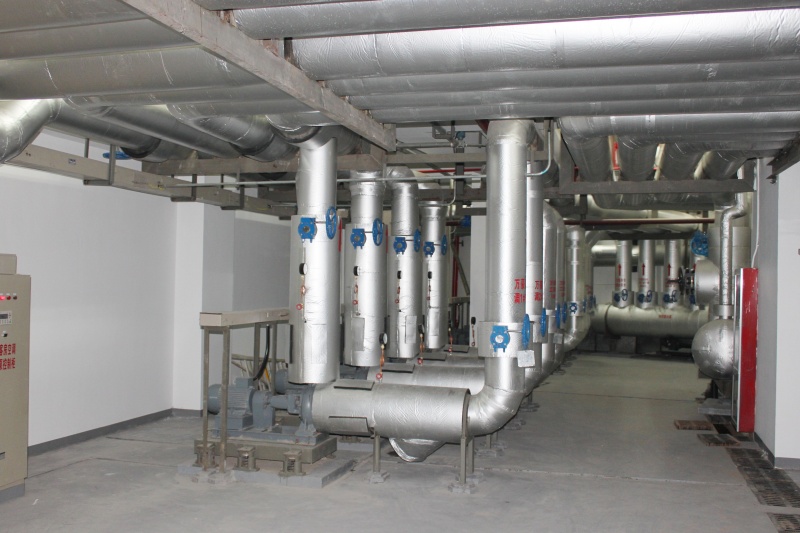
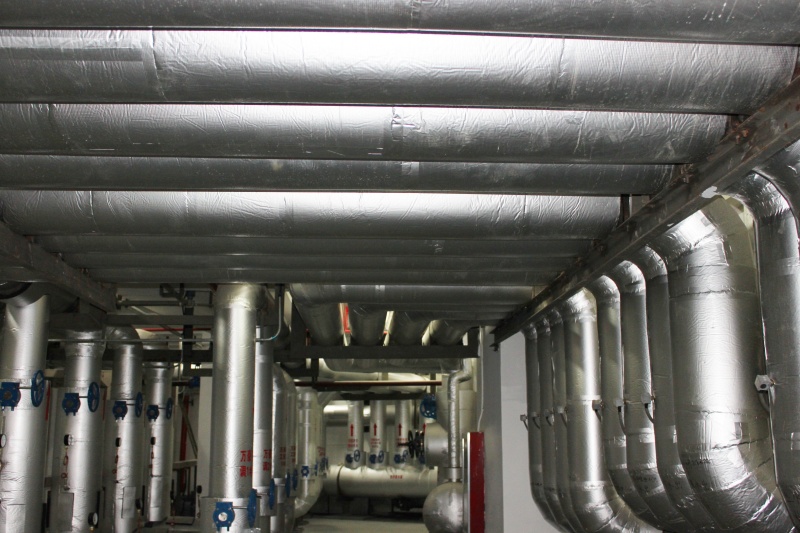
Review how our elastomeric systems are specified in blueprints and actual installations to solve complex piping and duct challenges.
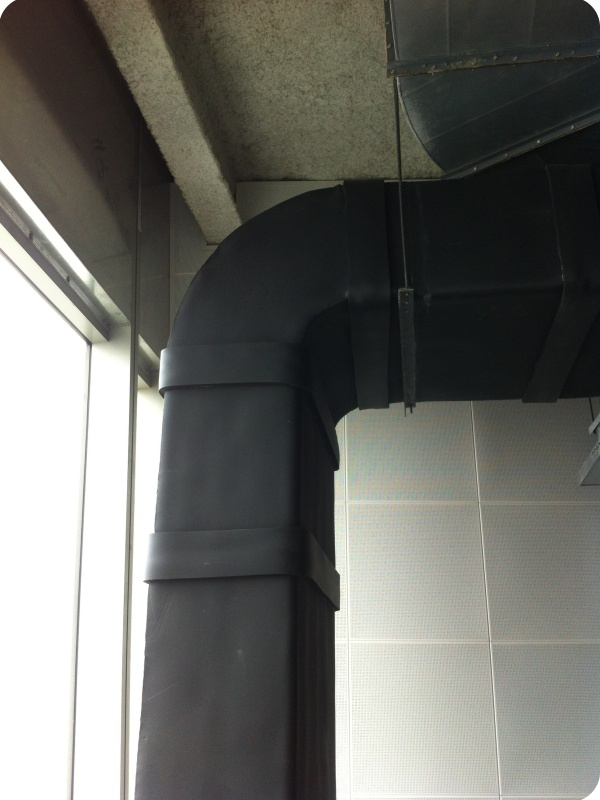
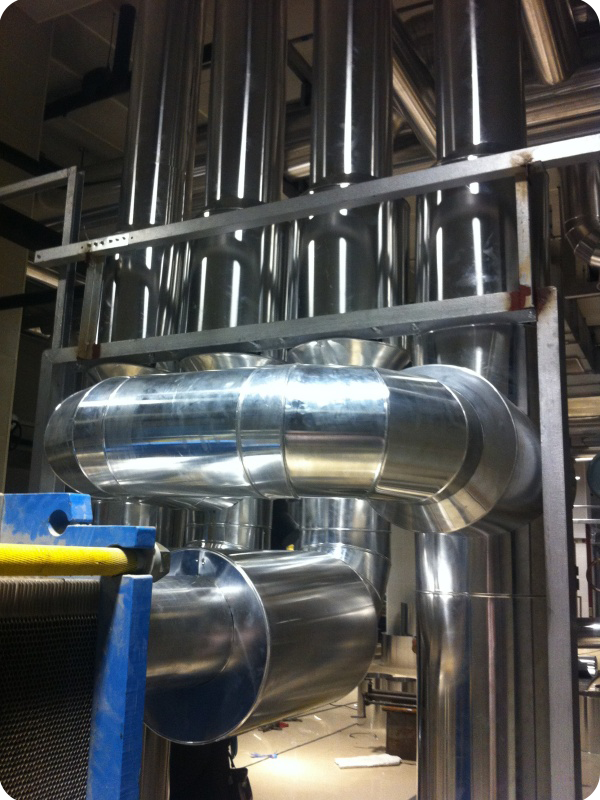
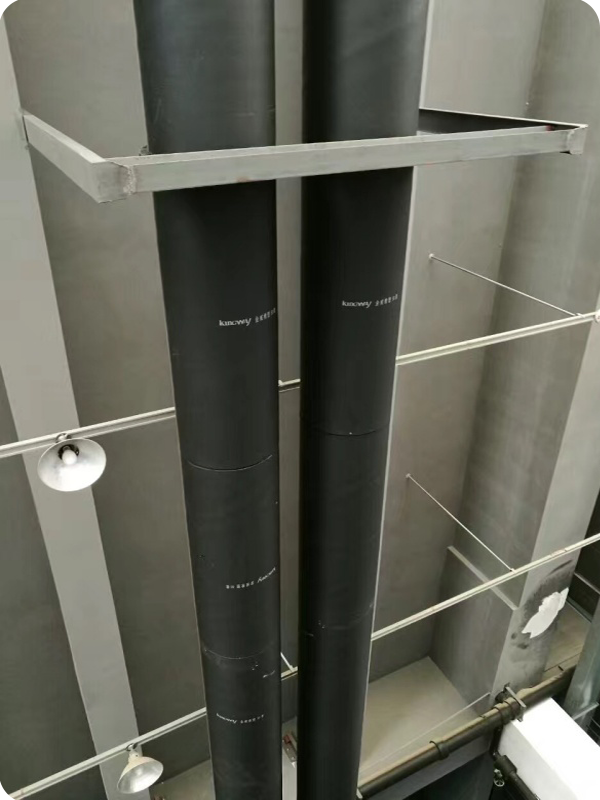
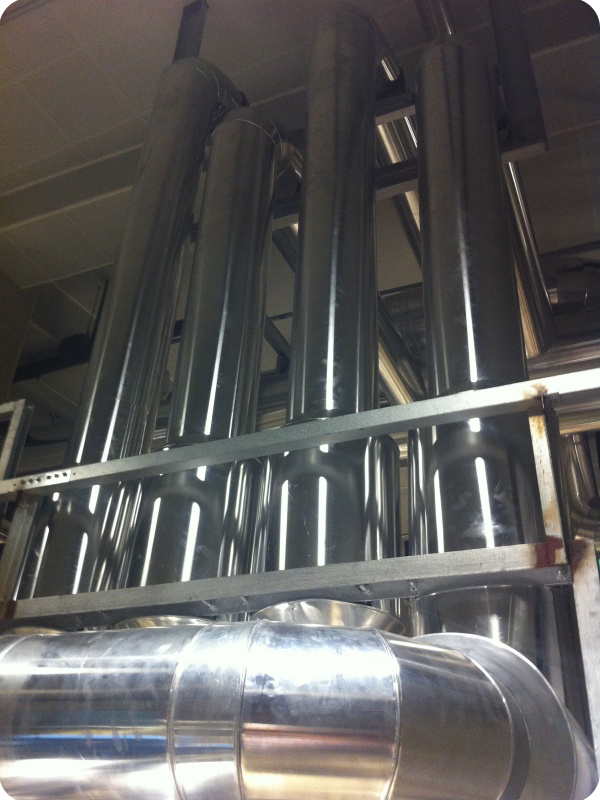
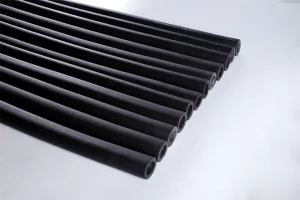
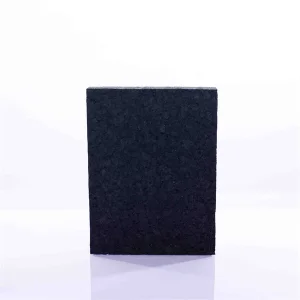
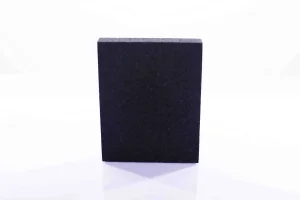
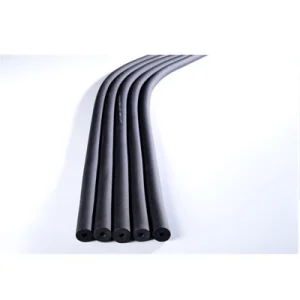
While colored insulation serves specific code-compliance roles, our standard black formulations provide identical thermal resistance and fire classification properties. By selecting from our complete portfolio, design engineers can balance aesthetic needs, identification rules, and budget metrics across a single structural contract.
Standard Dimensions: Material: NBR/PVC | Thickness: 6mm-50mm | Density: 40-55kg/m³ | Temperature Range: -40℃ to 105℃.
Advantages: Uniform cell structures, low moisture absorption, > 80% compression resilience, and flame-retardant chemistry that self-extinguishes upon removal of the source fire.
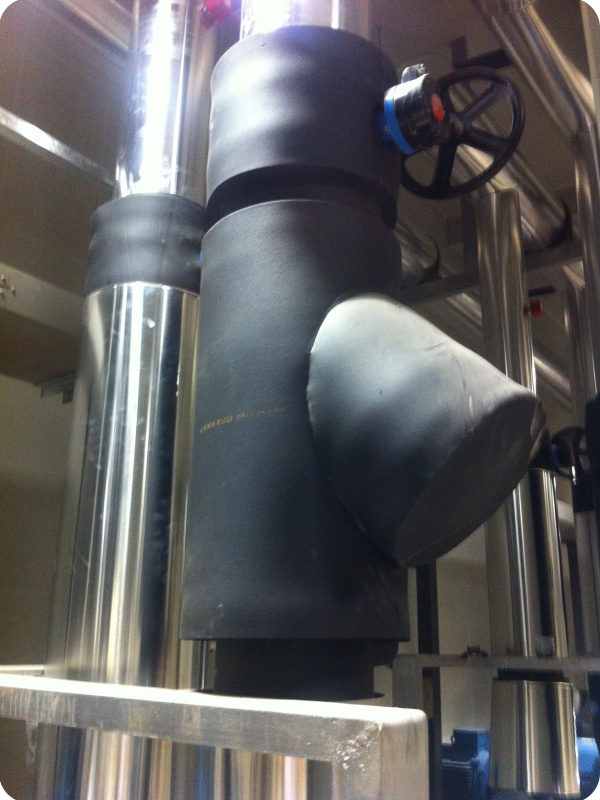
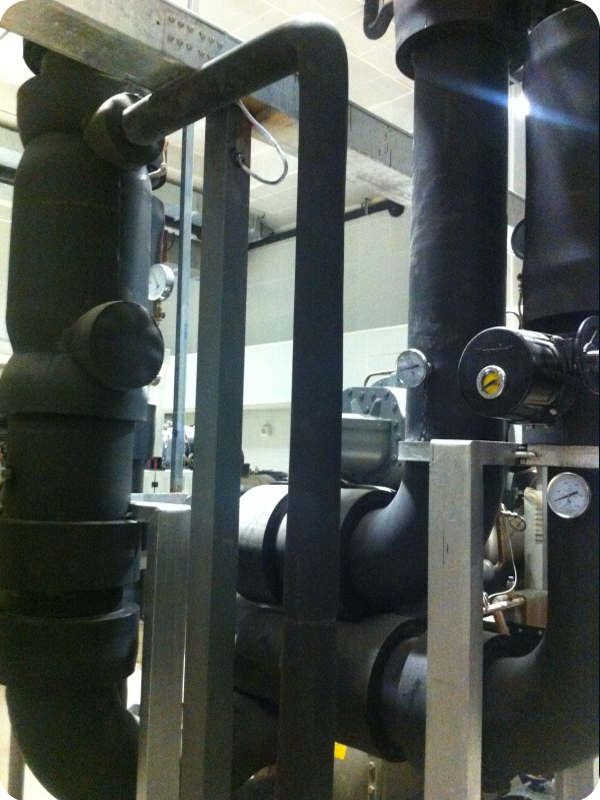
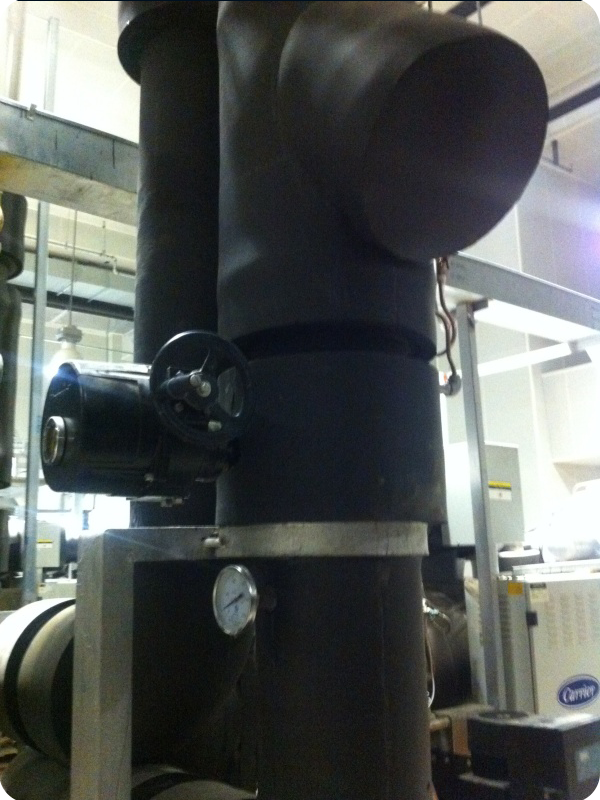
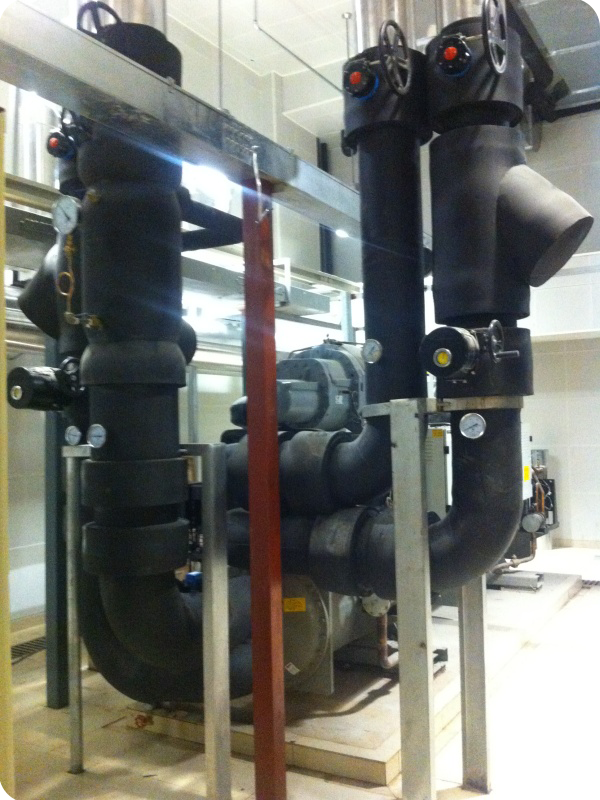
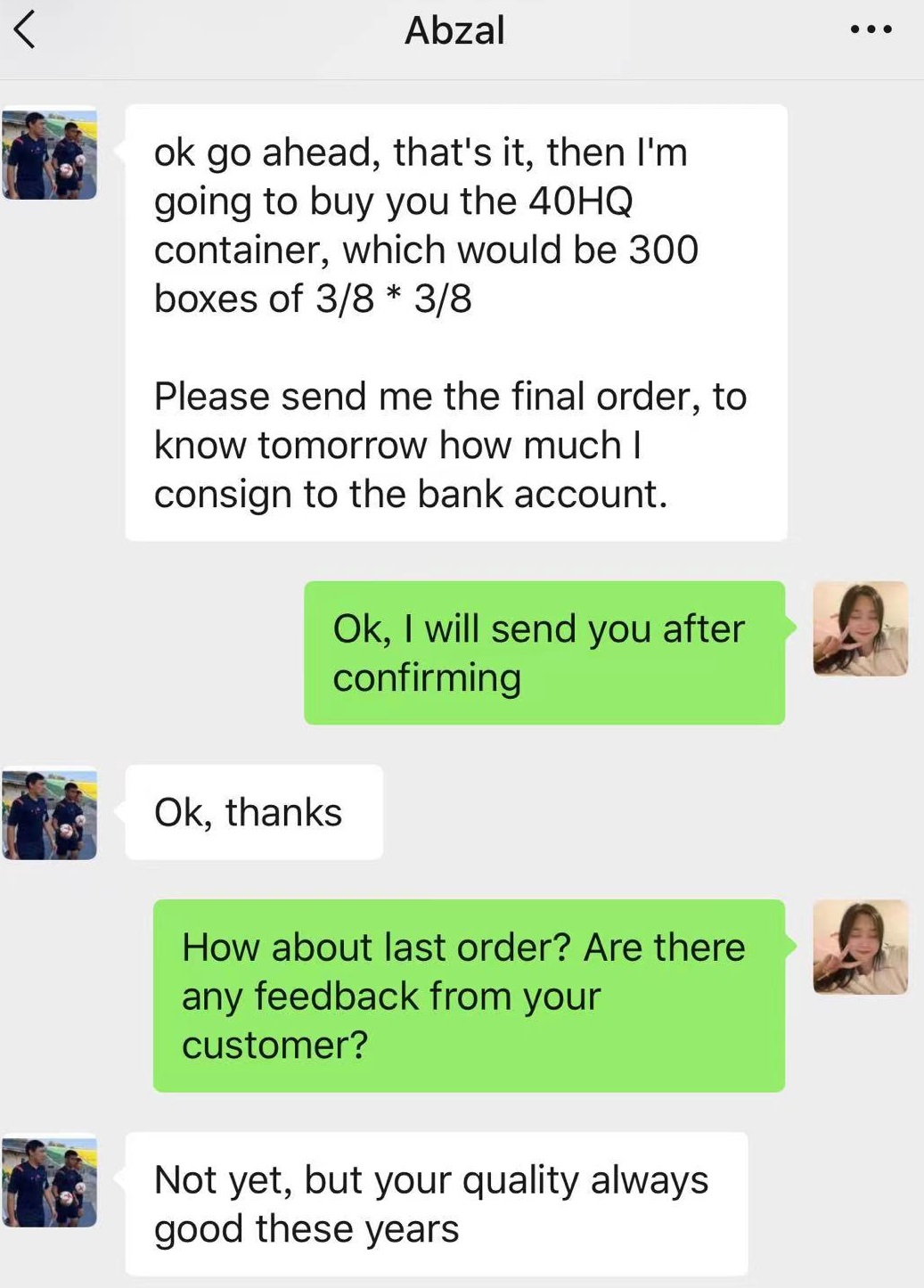
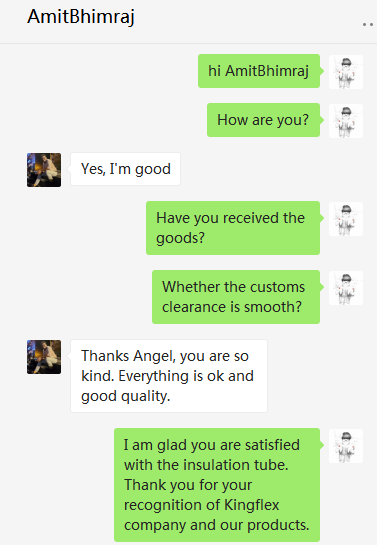
Transparency builds trust. View verified direct communication logs showing our client onboarding, sample approvals, and volume order coordination.



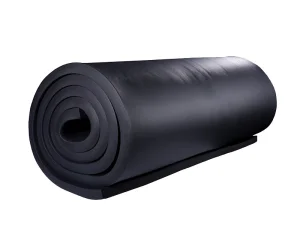
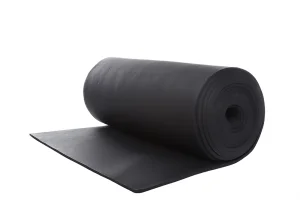
Every commercial development requires unique insulation profiles. We manufacture our yellow rolls in thicknesses from 6mm up to 50mm, with adjustable roll lengths to minimize waste on custom duct dimensions. Backed by automated slitting equipment, we maintain a dimensional tolerance of within ±0.5mm, facilitating fast, flush jointing on site.
Exporting lightweight yet high-volume elastomeric materials requires efficient container packing strategies. Our export packing division utilizes specialized vacuum-compression systems that safely maximize container volume without compromising the material's cell wall integrity or elasticity recovery properties upon arrival.
For high-liability industrial installations, material tracing is mandatory. Every Kingflex production run features an ink-jet-printed tracking code along the margin, linking back to the raw batch chemistry, production line data, QA inspector, and certification test reports, ensuring full accountability.
Green building programs (such as LEED and BREEAM) are steadily tightening guidelines around material safety, pushing the industry toward halogen-free formulations. During thermal decomposition, traditional flame-retardant chemistry can release toxic acid gases. The next generation of Kingflex NBR insulation uses metal hydrate systems that release harmless water vapor when heated, reducing smoke density and acidity to protect escape routes in public buildings.
As industrial automation advances, monitoring insulation systems in hard-to-reach locations is crucial. Integrating thin-film moisture and temperature sensors directly under the elastomer layer allows for real-time diagnostics of pipe integrity. This setup flags localized condensation or physical seal failures before CUI can develop, preventing unscheduled downtime in processing plants.
Browse our complete industrial catalog, featuring cryogenic systems, high-temperature tubing, and industrial soundproofing accessories.
We also manufacture and distribute mineral wool systems and custom performance profiles to suit specific design conditions.