 Kingflex
Kingflex
Kingflex
Engineered rubber foam, elastomeric systems, and high-performance pipeline insulation certified for industrial deployment.
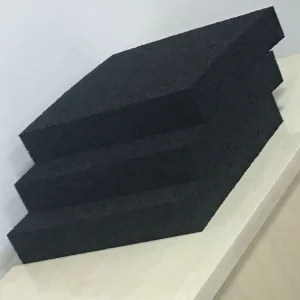
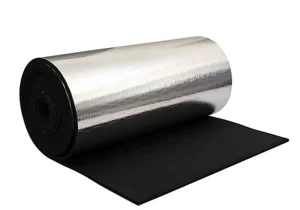
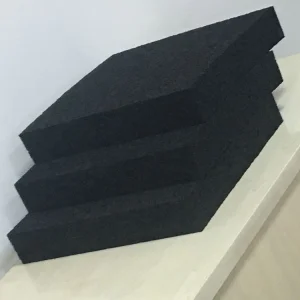
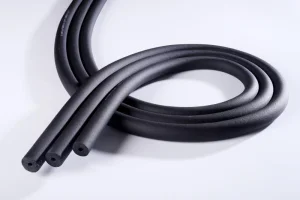
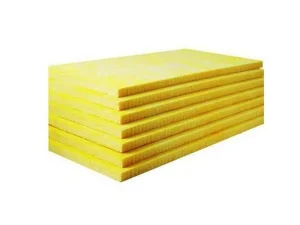
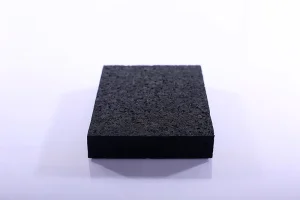
Liquefied Natural Gas (LNG) processing, storage, and transport command one of the most demanding thermal environments in the modern industrial landscape. Maintained at sub-zero cryogenic temperatures down to -162°C (-260°F), LNG requires uninterrupted thermal barrier networks to avoid premature phase transition (vaporization) and mitigate massive energy losses. At this temperature scale, standard insulation materials fail, leading to embrittlement, stress fracturing, and high-rate moisture absorption. To address this risk, specialized industrial facilities rely on robust elastomeric rubber foam systems, NBR/PVC closed-cell structures, and complex fiber matrix designs.
For chemical and pipeline engineering departments, managing Boil-Off Gas (BOG) is the principal operational metric. The rate of BOG is directly proportional to the thermal heat flux entering the transfer lines. Selecting the optimal thermal barrier involves assessing the material’s thermal conductivity (λ), moisture resistance factor (μ), and mechanical resilience under thermal expansion and contraction cycles.
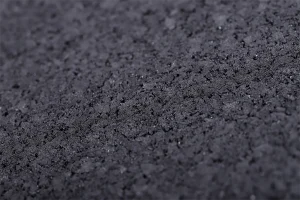
Elastomeric rubber foam insulation utilizes a dense matrix of closed cells, containing dry nitrogen gas pocket structures. This micro-anatomy delivers highly stable thermal resistance, even when exposed to high ambient humidity. Since water has a thermal conductivity approximately 24 times higher than that of typical elastomeric insulation materials, any water ingress will destroy the thermal efficiency of the entire installation. Closed-cell rubber maintains an integrated vapor barrier, eliminating the dependency on external metal or polymer barrier foils, which are susceptible to mechanical tearing during transport or installation.
B2B procurement teams must analyze mechanical and thermal parameters against project criteria. Below is a comparative overview of elastomeric insulation versus alternative cryogenic isolation technologies.
| Insulation Parameter | NBR/PVC Elastomeric Foam | Cellular Glass | Polyurethane Rigid Foam (PUR) | Rock Wool Material |
|---|---|---|---|---|
| Operating Temp. Range | -40°C to +105°C (Specialized to -200°C) | -260°C to +430°C | -180°C to +120°C | Amb. to +650°C (Not for Cryo) |
| Thermal Cond. (λ W/m·K) | ≤ 0.034 at 0°C | ≤ 0.040 at 0°C | ≤ 0.024 at 0°C | ≤ 0.038 at 25°C |
| Moisture Permeability | ≥ 10,000 (μ-factor) | ∞ (Hermetic) | High resistance with skin | High absorption (Requires outer skin) |
| Flexibility & Installation | Excellent, self-conforming | Brittle, requires field cutting | Rigid, premolded segments | Flexible but porous |
| Fire Safety Standard | Class 0 / Class 1 (BS 476) | Non-combustible (Class A1) | Class B2/B1 dependent on additive | Non-combustible (Class A1) |
Corrosion Under Insulation is a critical point of failure in chemical pipelines. When vapor permeates the insulation material and condenses on the carbon steel piping below, oxygen-rich moisture drives galvanic oxidation. Because closed-cell elastomeric foams incorporate moisture resistance throughout the entire cross-section of the material, they prevent moisture from shifting laterally along the pipe surface. In contrast, open fibrous or mineral-based products act as a sponge, holding moisture directly against the pipe surface and accelerating CUI.
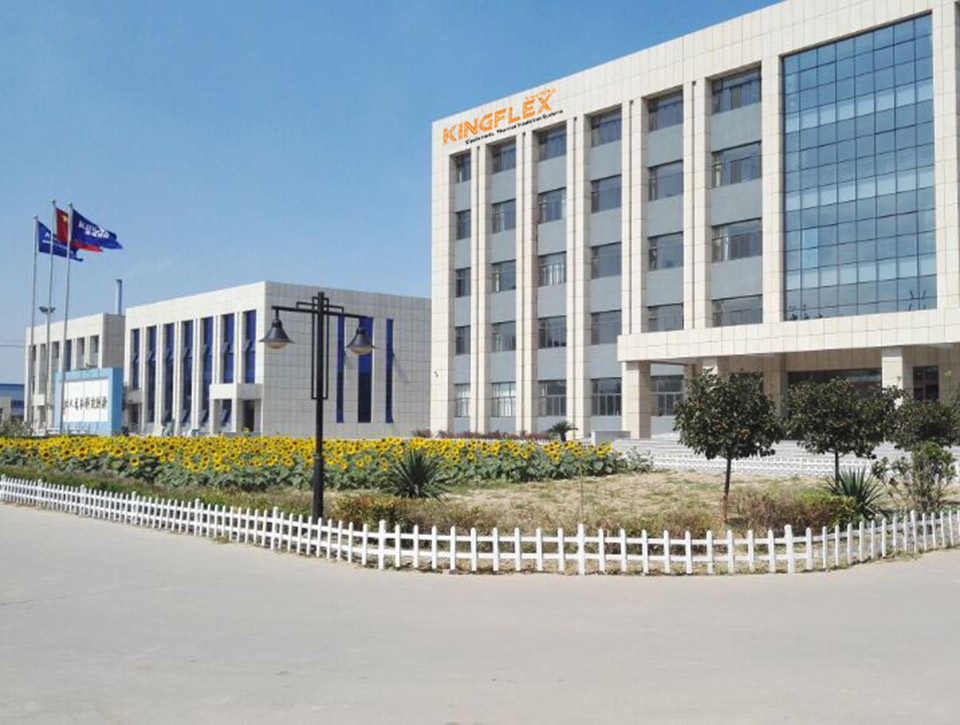
Established as an energy-efficient manufacturing enterprise, Kingflex Insulation Co., Ltd. operates its core research and production hubs in Dacheng, China—a region recognized as the capital of green-building technologies. Focused on industrial energy conservation, Kingflex combines research, development, and high-volume manufacture of elastomeric nitrile rubber and structural fiber insulation materials.
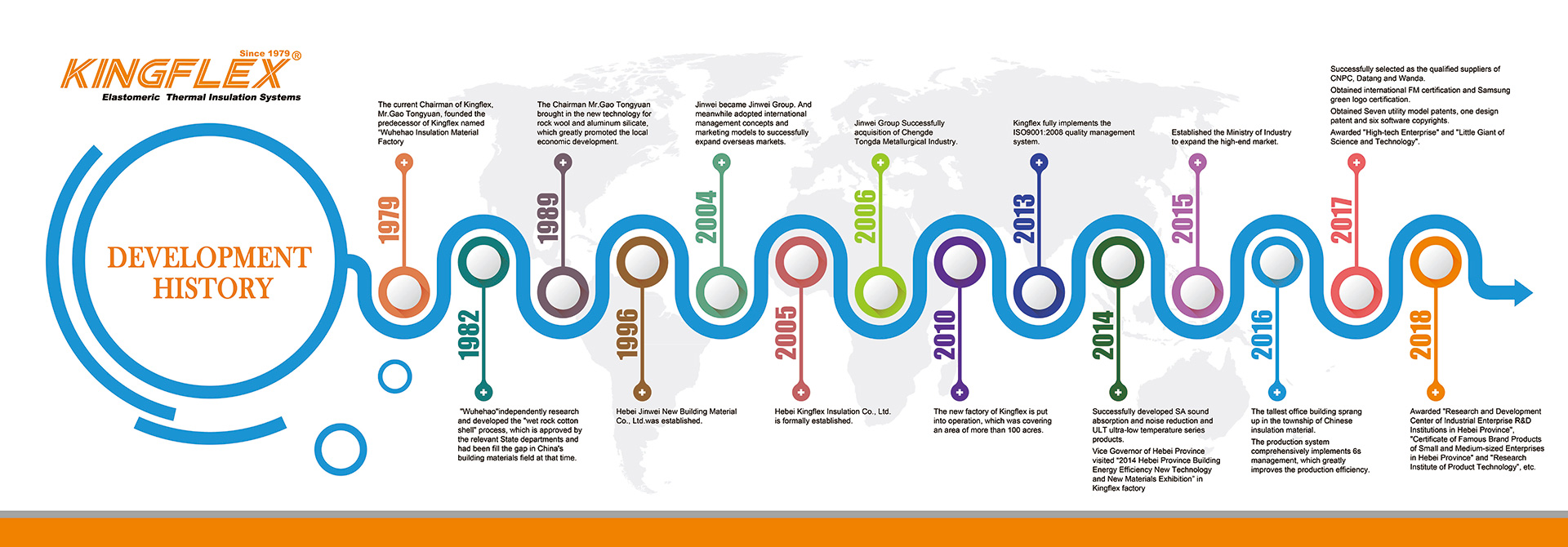
Backed by the Jinwei/Kingway Group (established in 1979, the first insulation manufacturer north of the Yangtze River with over 40 years of industrial expertise), Kingflex operates five large-scale automated assembly lines. Our production processes are recognized by the Ministry of Energy, the Ministry of Electric Power, and the Ministry of Chemical Industry, ensuring consistent supply for large-scale energy infrastructure initiatives.
B2B procurement professionals, EPC (Engineering, Procurement, and Construction) companies, and chemical plant operators manage complex supply chains. When sourcing LNG pipe insulation systems, the criteria extend beyond standard pricing to cover technical capabilities, delivery logistics, and regulatory compliance.

Detailed performance parameters for engineering designs.
Material Base: Nitrile Rubber (NBR) / PVC Blend
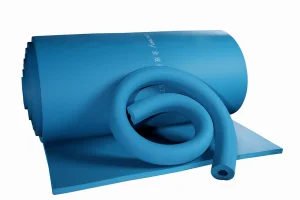
Available Thicknesses: 6mm, 9mm, 13mm, 19mm, 25mm, 32mm, 40mm, 50mm
Density Range: 40 kg/m³ to 55 kg/m³
Operating Range: -40°C to +105°C (special formulations support cryogenic down-cycles)
Key Benefit: Uniform expansion structure maintains thermal performance when exposed to variable thermal fluxes.
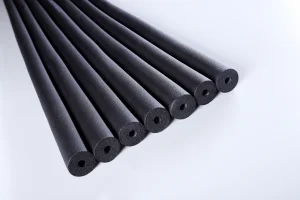
Wall Thickness: 9mm to 40mm
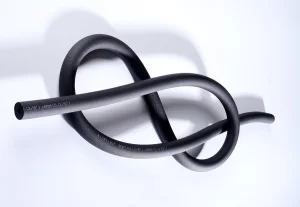
Inside Diameters (ID): 6mm to 114mm (Supports standard industrial copper and steel pipe sizes)
Elastic Recovery: ≥ 80% compression resistance
Vapor Resistance: Integrated closed-cell matrix prevents moisture penetration
Key Benefit: Flexible, slit-and-seal application reduces pipe freezing risks and cuts onsite labor times.
Flame Spread Index: Class 0 / Class 1 (BS 476 Part 6 & 7)
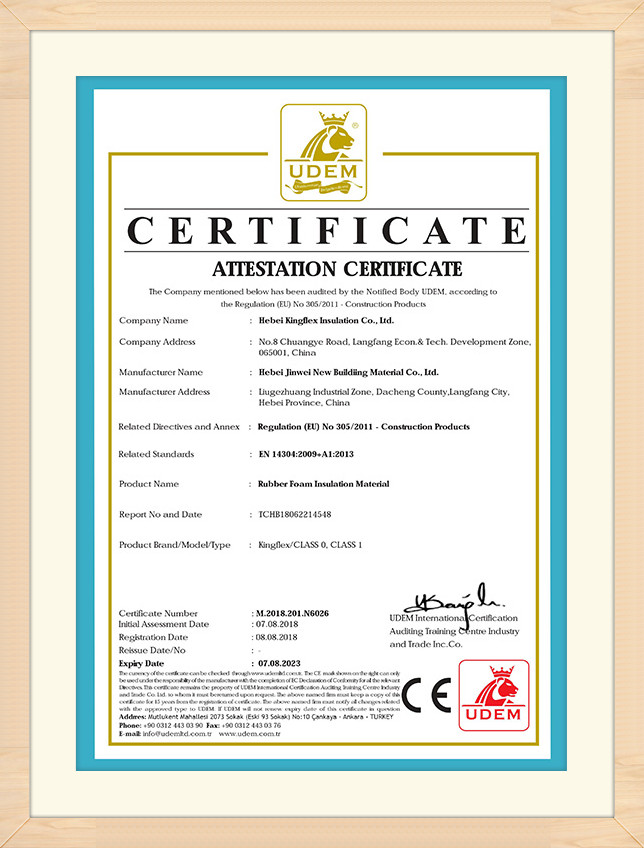
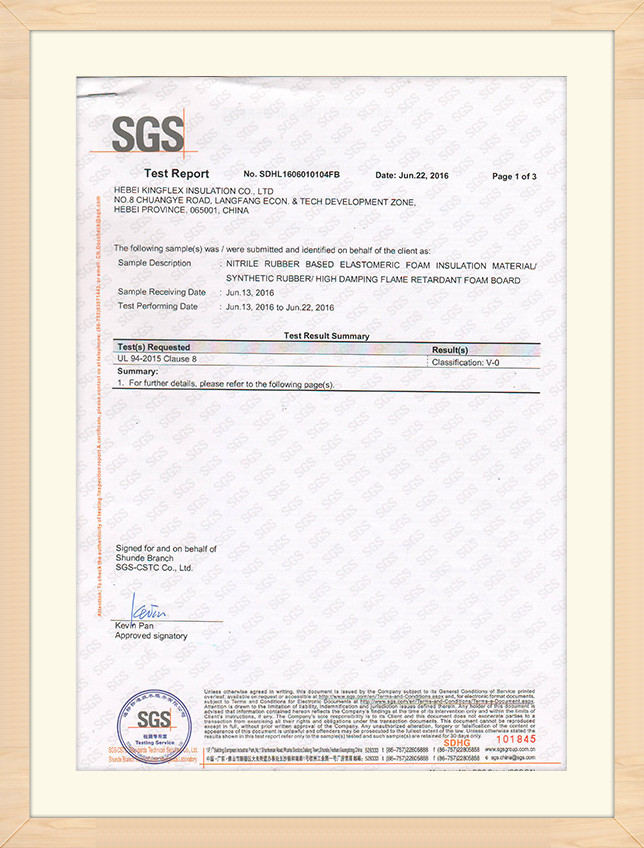
Compliance: CE, REACH, RoHS, UL94, ASTM testing protocols verified
Traceability: Each batch is traceable back to raw material source inputs
Key Benefit: Simplifies regulatory approvals for offshore oil platforms, onshore terminals, and complex HVAC networks.
As international energy policy trends toward lower-carbon alternatives, LNG serves as a primary transition fuel. Regasification terminals, cryogenic carrier vessels, and peak-shaving facilities operate thousands of kilometers of pipelines. Thermal insulation is no longer just a passive protection system; it is a critical component of environmental compliance programs.
Every BTU of heat energy that leaks into a cryogenic system triggers the vaporization of liquid methane into Boil-Off Gas (BOG). When storage pressure limits are exceeded, operators must vent or flare this gas, releasing greenhouse gases. High-efficiency closed-cell thermal systems limit BOG rates, helping operators meet regulatory compliance standards and lower their carbon footprint.
Historically, cellular glass and rigid foams were the primary choice for deep-cold systems. However, their rigidity creates installation challenges. Mechanical vibrations from nearby pumps can crack brittle insulation materials over time, allowing moisture to seep inside. The industry technical roadmap points toward multi-layer hybrid systems:
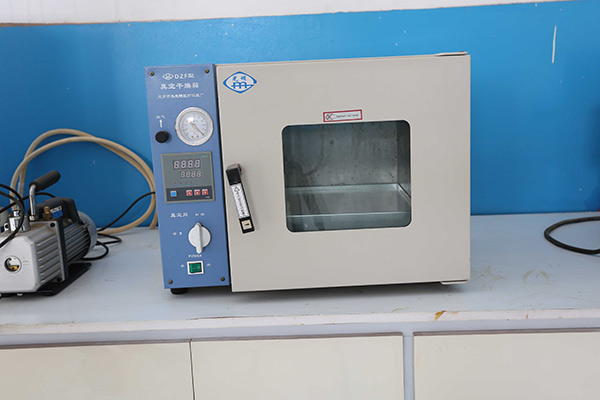
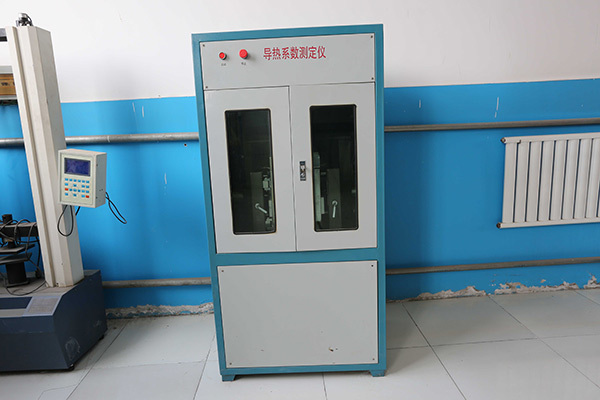
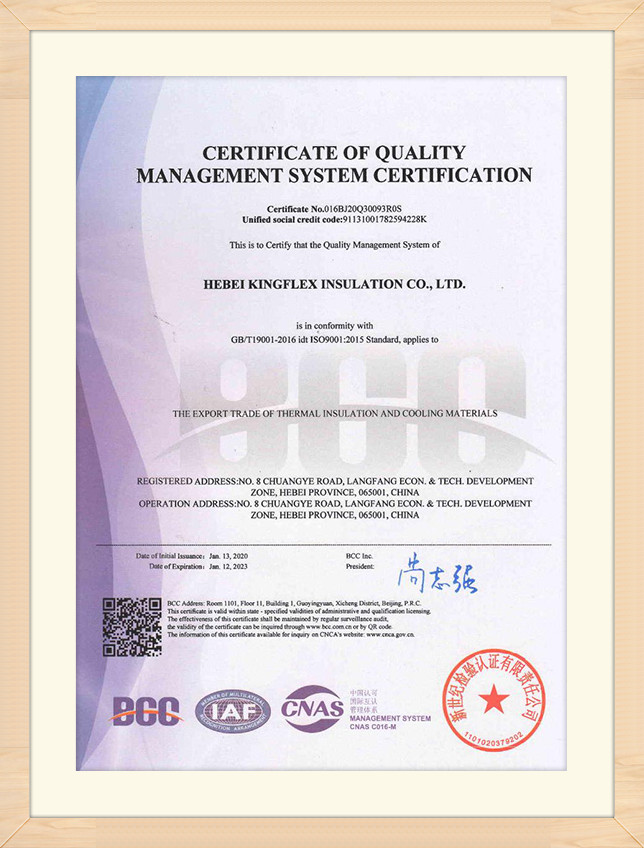
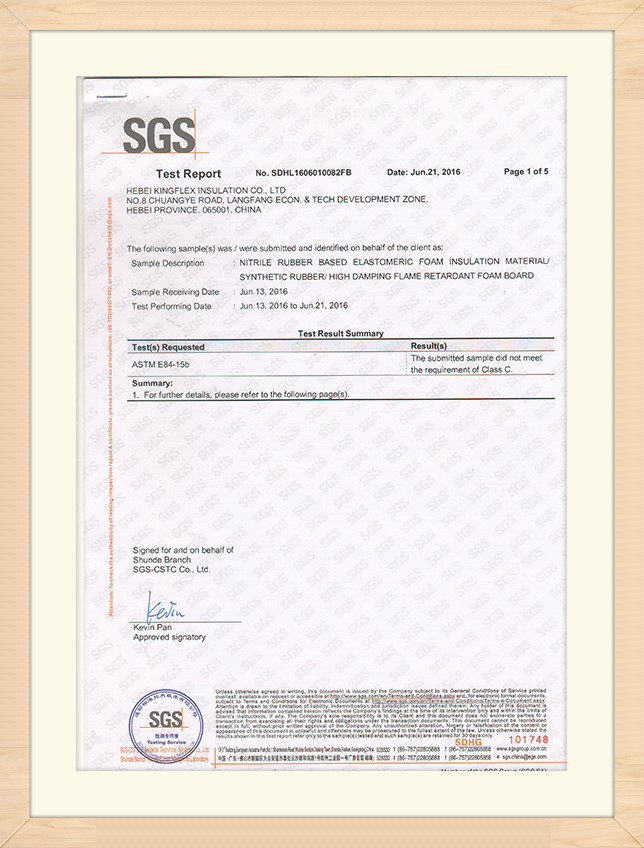
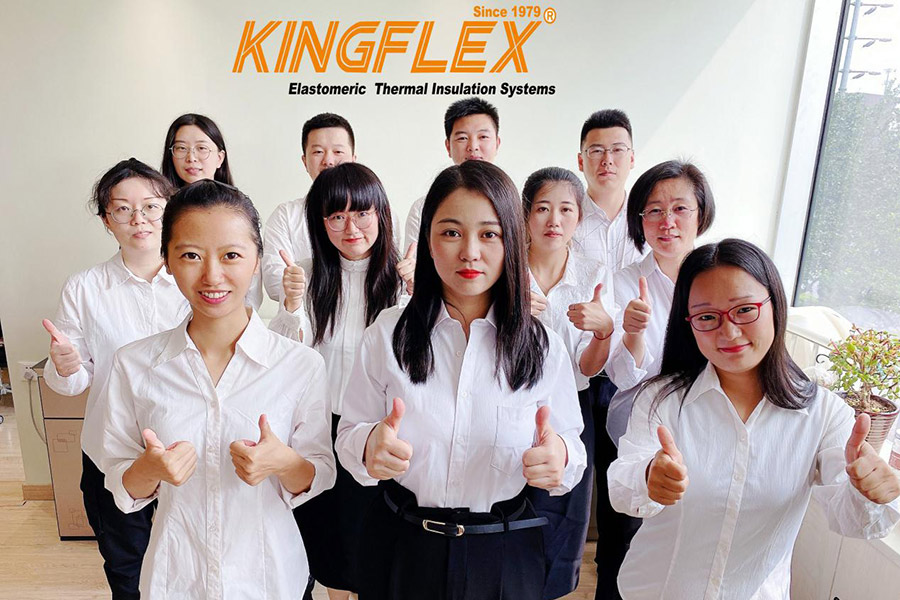
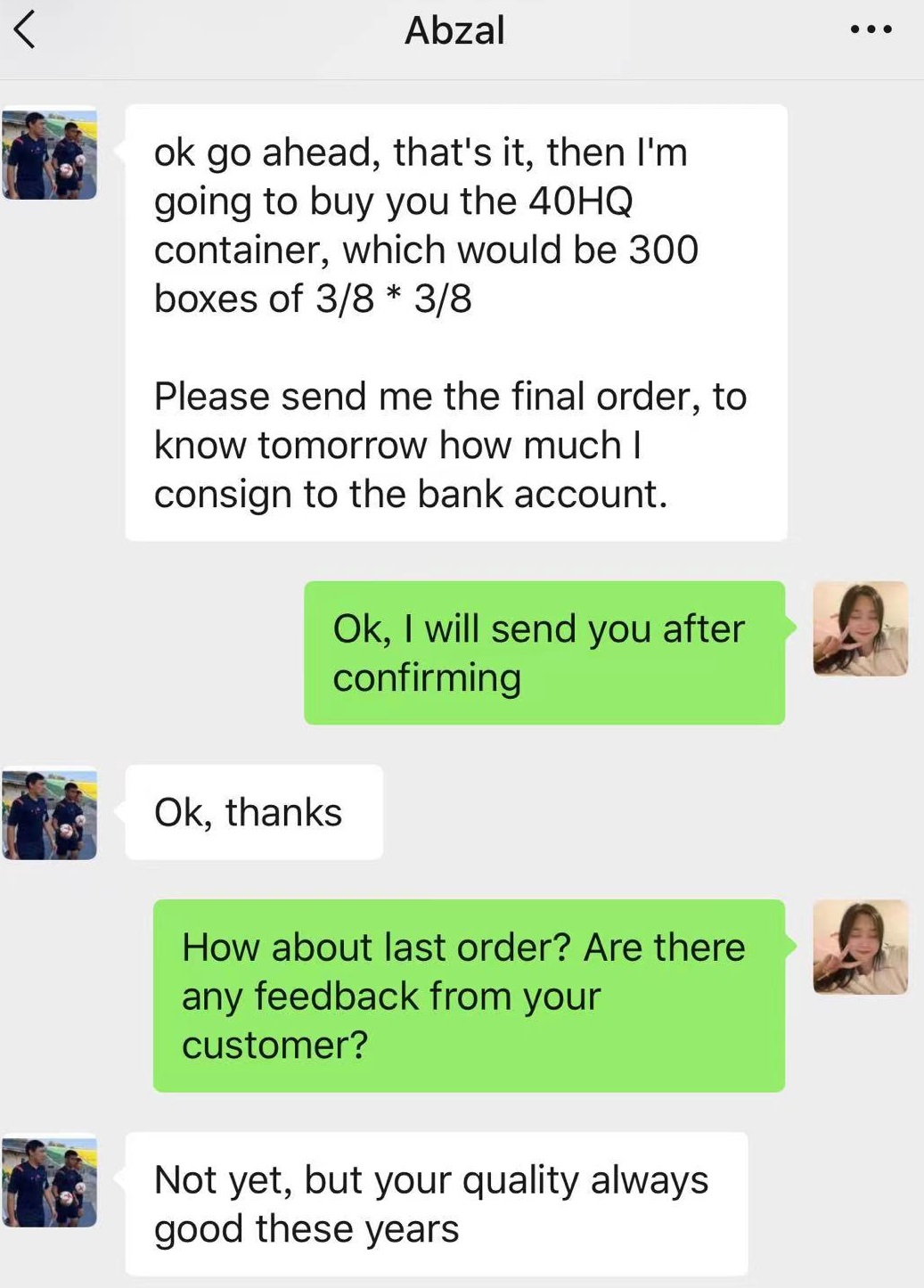
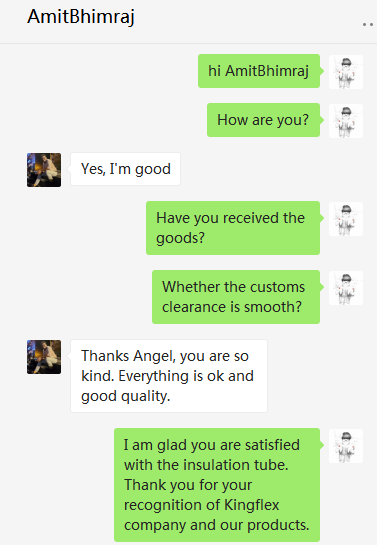
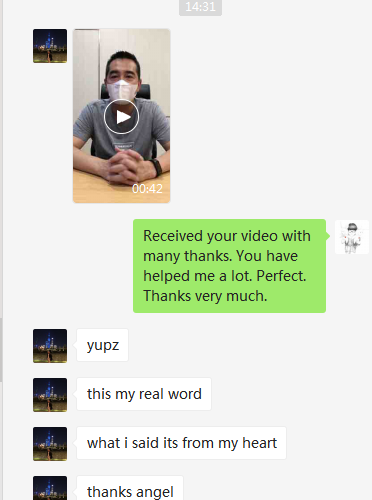
Operating in global B2B markets requires a transparent approach to quality assurance. Kingflex maintains direct communication lines for all technical queries, providing certified testing logs, material trace records, and custom dimension layouts for engineering approvals. Below are verified records of customer correspondence and certifications from international inspection agencies.

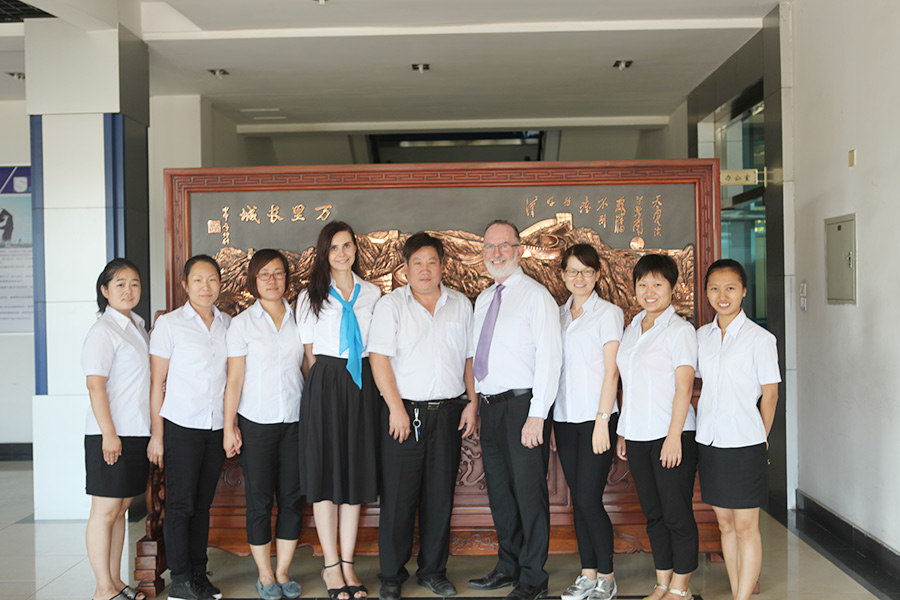
Our export division handles documentation, custom packaging requests, and shipping schedules to ensure prompt delivery to your project site. We verify material specs directly with procurement teams before shipping to avoid installation delays.


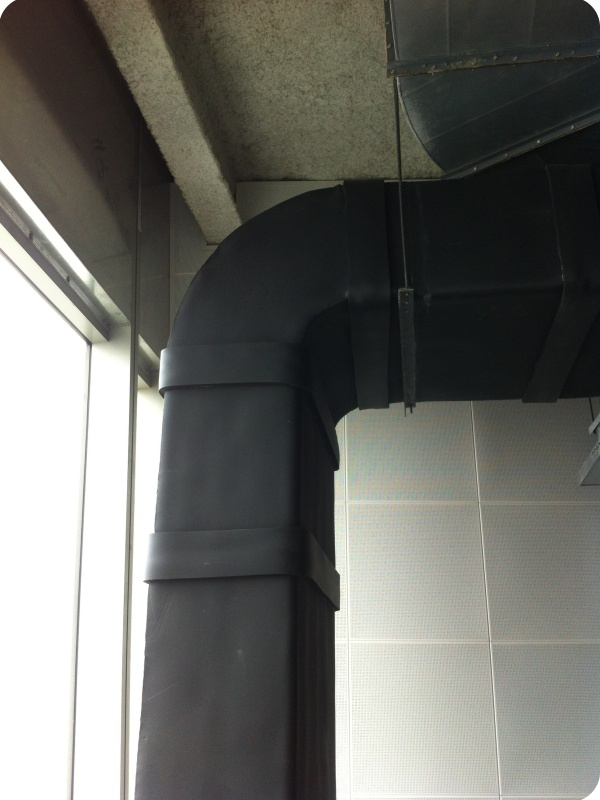
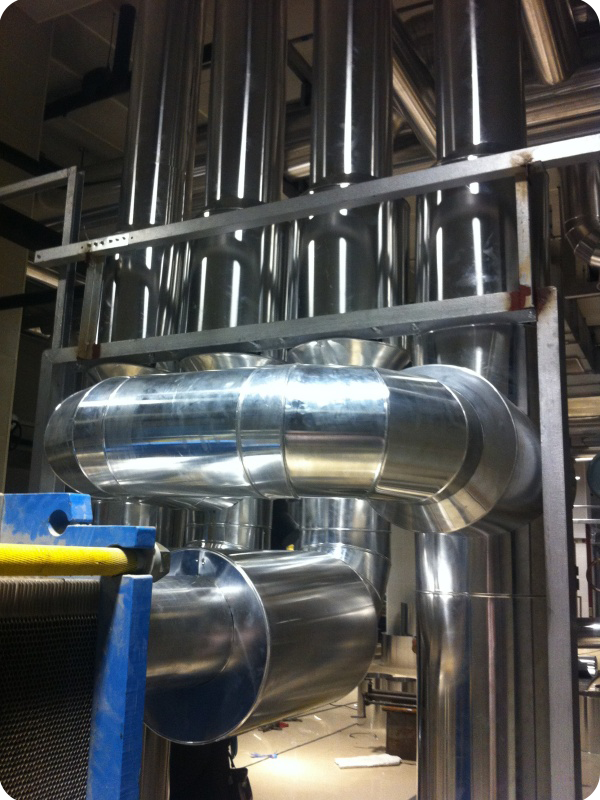
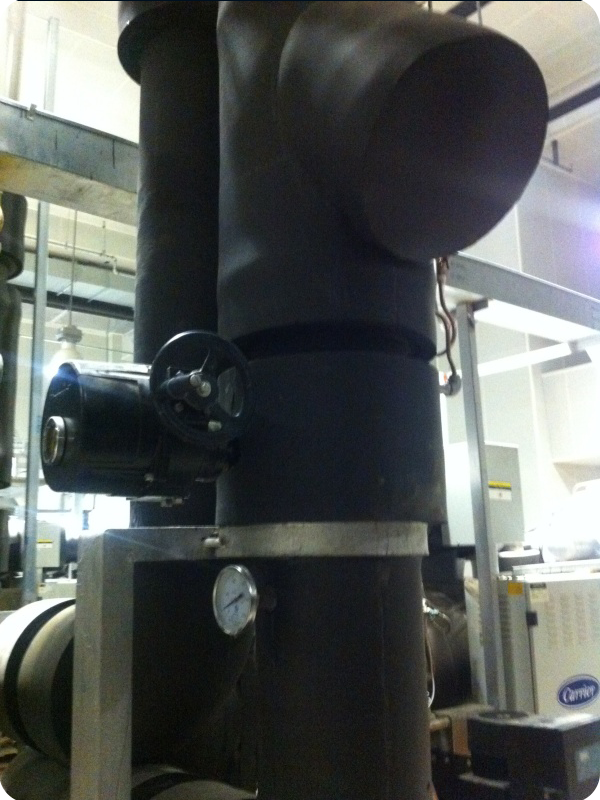
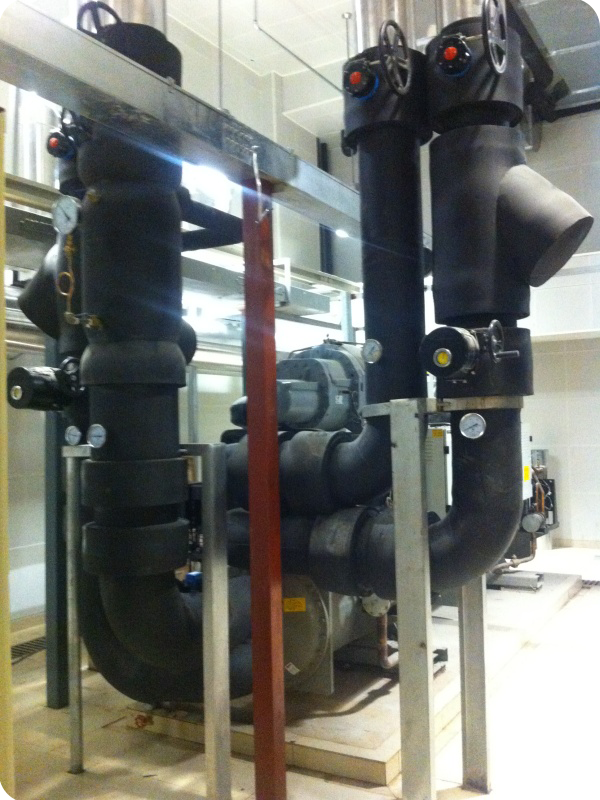
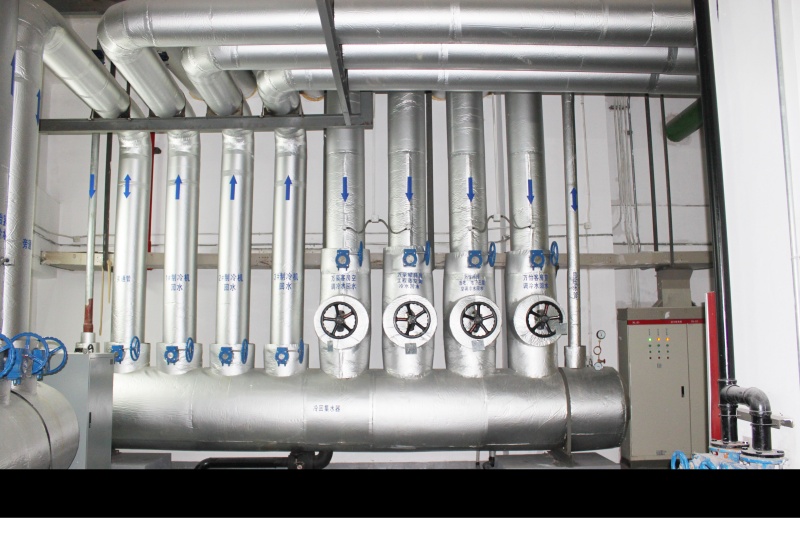
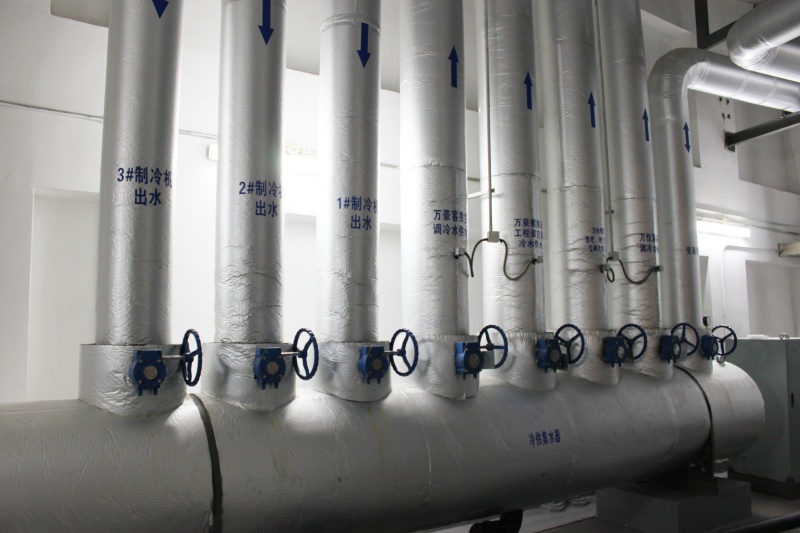
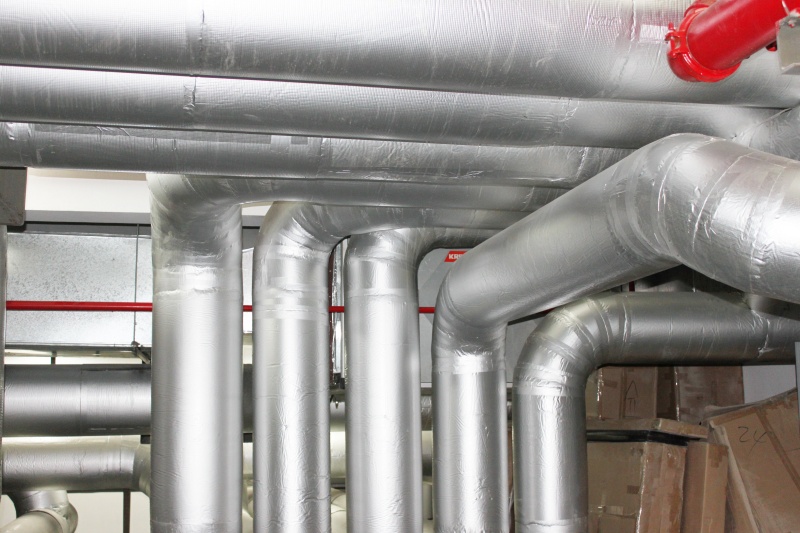
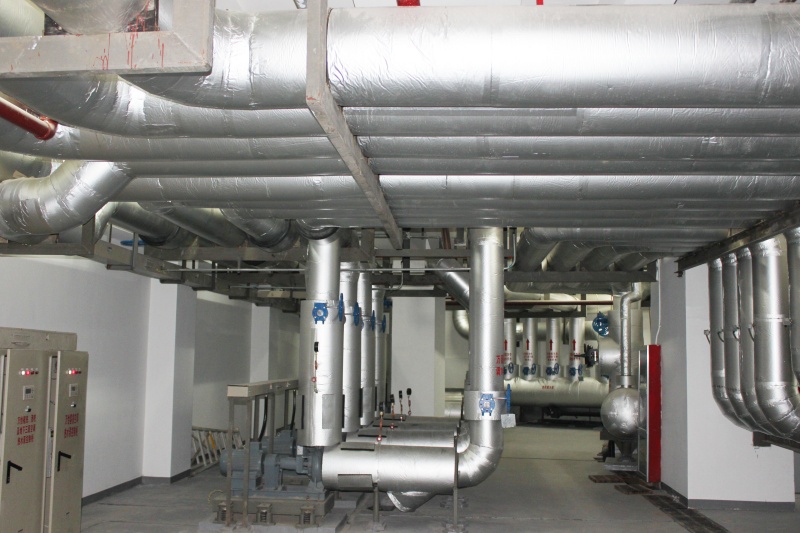
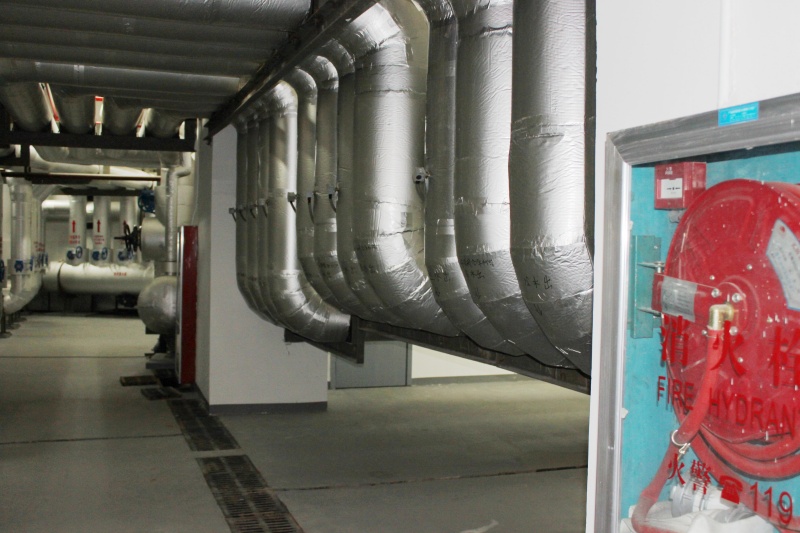
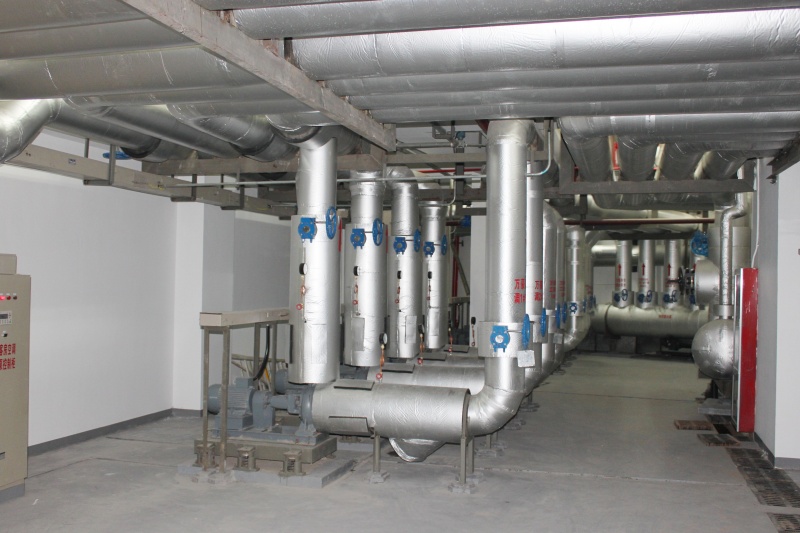
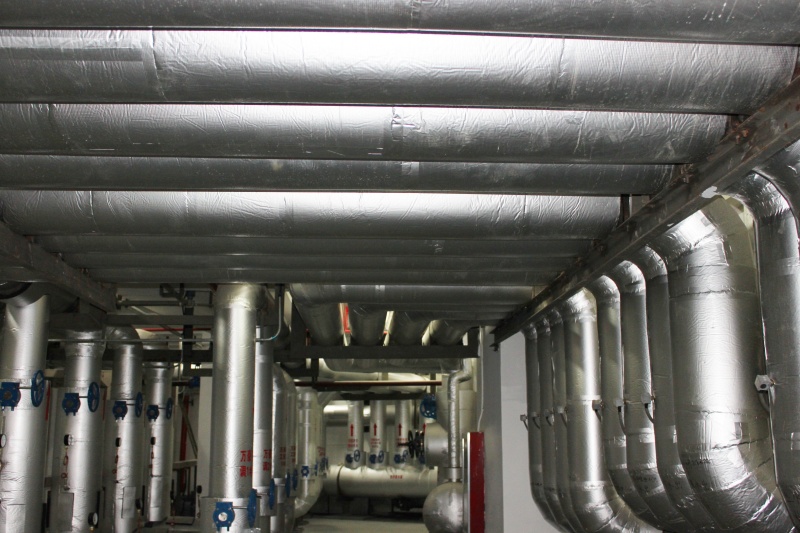
Our insulation materials are installed in HVAC projects, chemical processing plants, and cold-chain distribution terminals around the world.
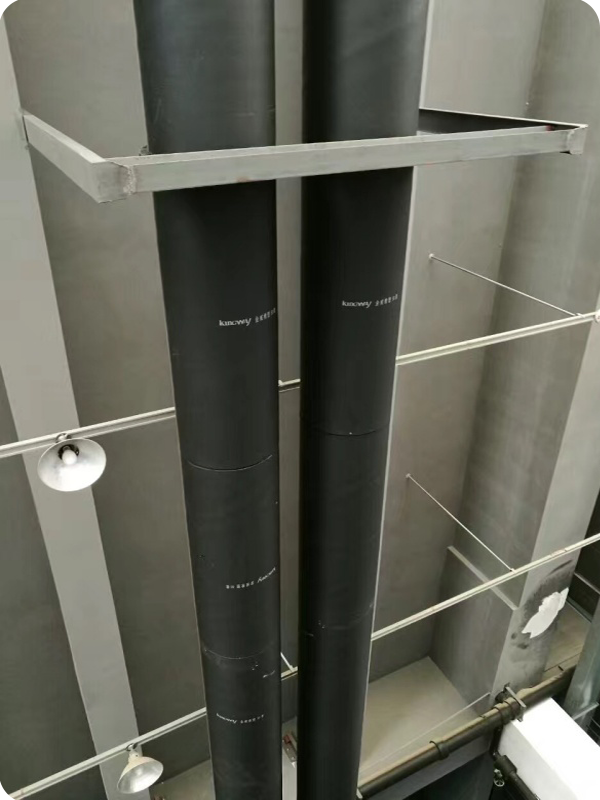
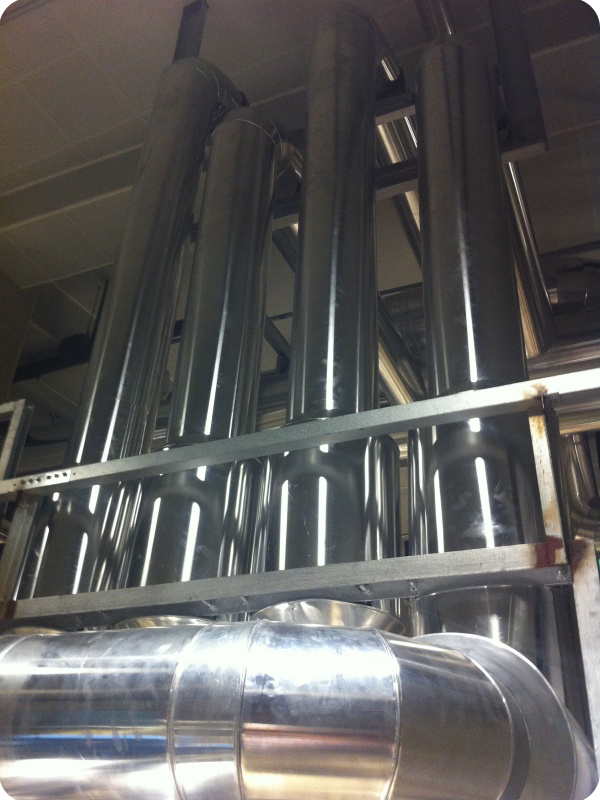
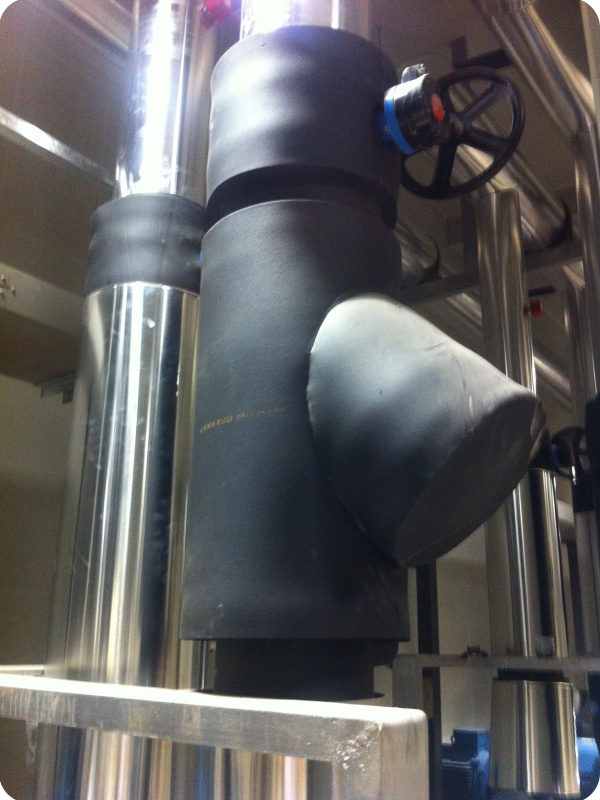
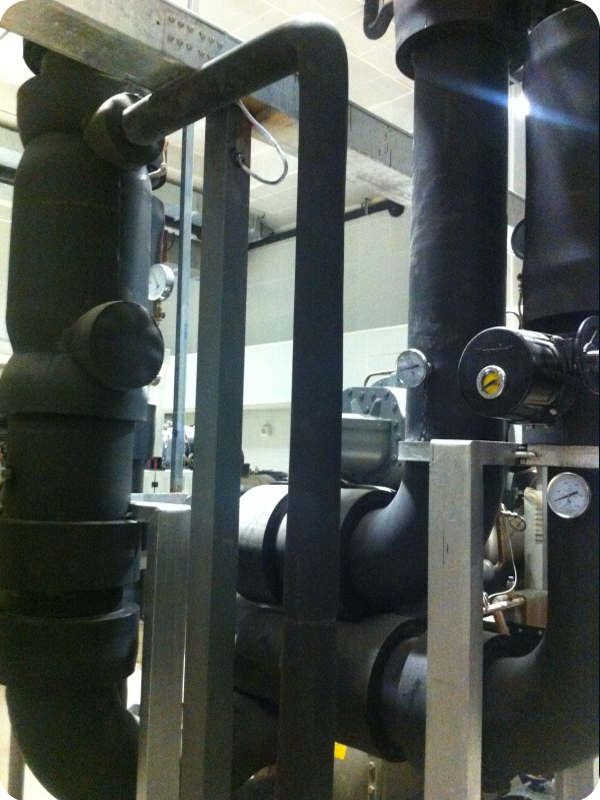

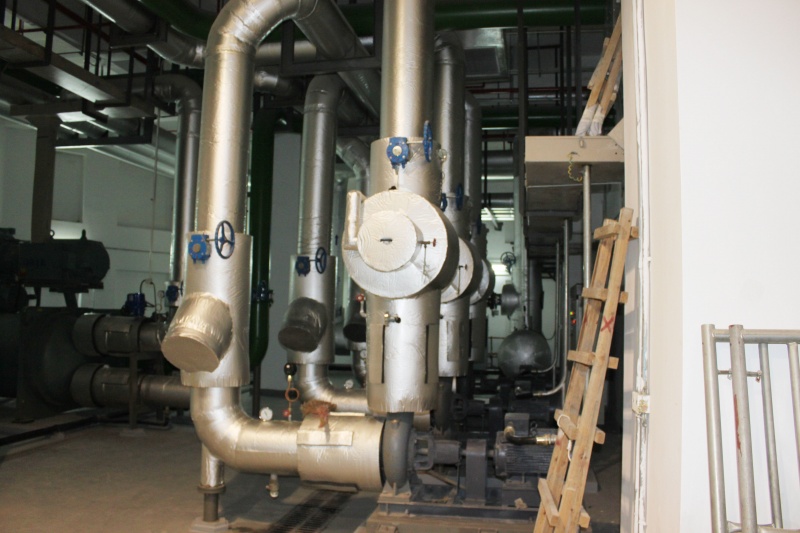
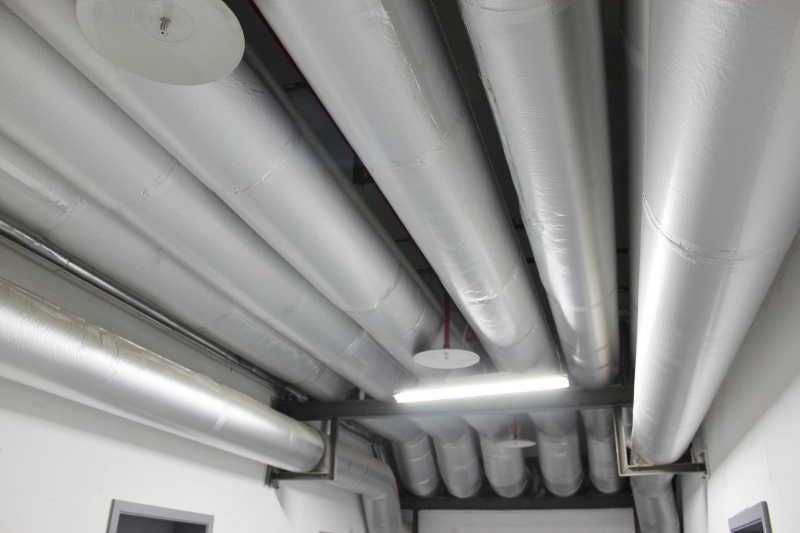
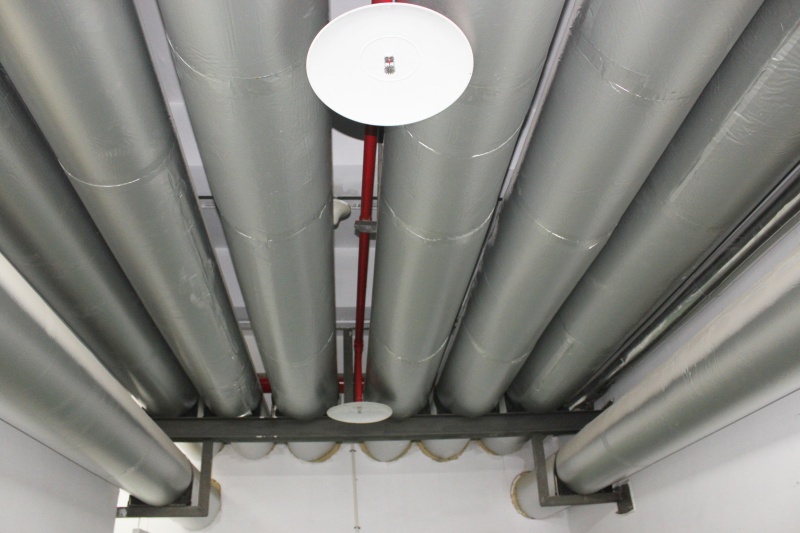
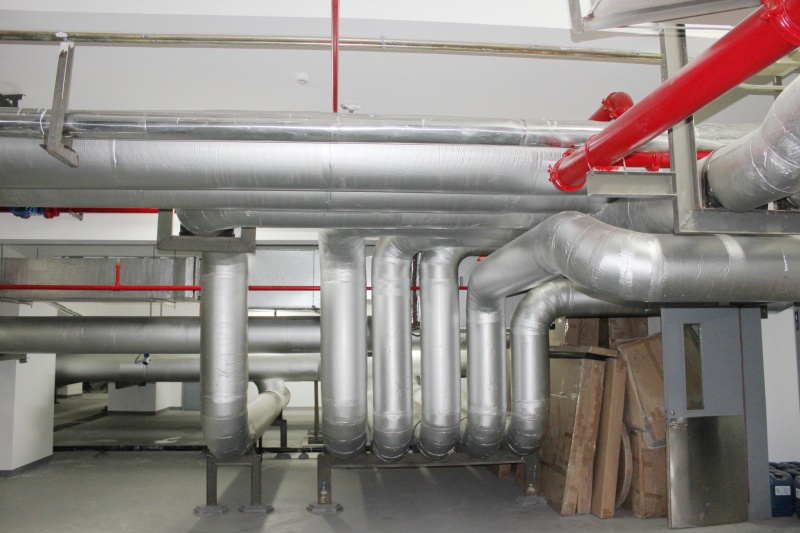
Providing clear answers to common technical, design, and procurement questions.
A1: It is primarily used for HVAC ducts, industrial chiller pipelines, building thermal envelopes, refrigeration pipes, and low-temperature/cryogenic industrial processing pipes. Its closed-cell structure prevents condensation and reduces thermal losses.
A2: Yes, our elastomeric products incorporate flame-retardant chemistry to meet international fire standards, including BS 476 (Class 0 and Class 1), UL 94, and ASTM E84, ensuring they are safe for high-occupancy and critical industrial sites.
A3: Rubber foam is a flexible, closed-cell material that is highly resistant to moisture, making it ideal for refrigeration, HVAC, and cryogenic systems. Rock wool is an open-fiber mineral material that excels in high-temperature applications (up to 650°C) and acoustic dampening, but requires a separate vapor barrier to prevent moisture absorption in cold environments.
A4: Yes, we provide OEM and ODM manufacturing services to meet specific thickness, diameter, density, and cladding requirements for your projects.
A5: Our products are certified by international agencies to meet BS 476, CE, REACH, RoHS, UL94, and ASTM standards, ensuring compliance with building codes worldwide.
A6: Yes, we implement a comprehensive quality control system where every batch of insulation is assigned a unique batch number, allowing us to trace manufacturing conditions and raw materials.
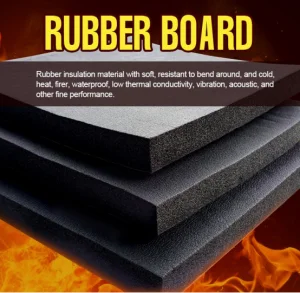
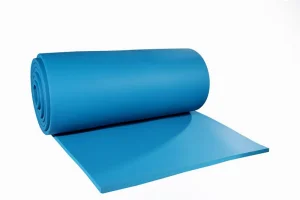
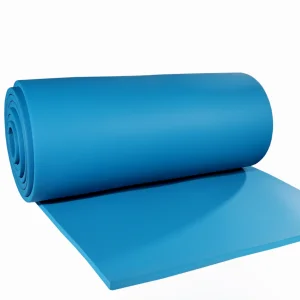
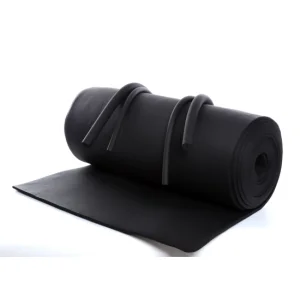
A7: We manufacture rubber foam insulation rolls and sheets in standard thicknesses ranging from 6mm up to 50mm to suit different thermal designs.
A8: When properly specified, installed, and protected from UV degradation, our insulation materials have an expected service life of 10 to 15 years in typical environments.
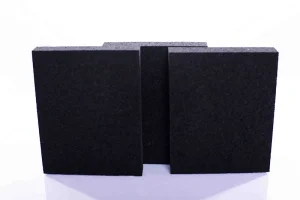
High-density foam sheets, cryogenic system sleeves, and engineered rock wool options for complete project coverage.