1 / 1
 Kingflex
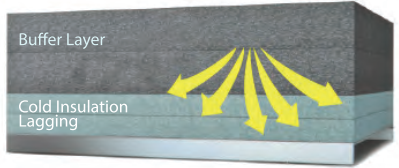
Flexible ultra-low temperature adiabatic systems have the inherent characteristics of impact resistance. Their cryogenic elastomer material can absorb the impact and vibration energy caused by external machinery to protect the overall system structure.
The impact from any part can be widely dispersed and attenuated by the elastomer materials, thus avoiding the risk of cracking due to stress concentration. Additionally, reducing the temperature change stress ensures that this cooling system remains superior to traditional materials such as foam glass, polyurethane PIR, and PUR.
These traditional hard materials are not elastic at normal and low temperatures. Consequently, there is a significant risk of deterioration in adiabatic performance caused by material extrusion and cracking under temperature-changing stress.
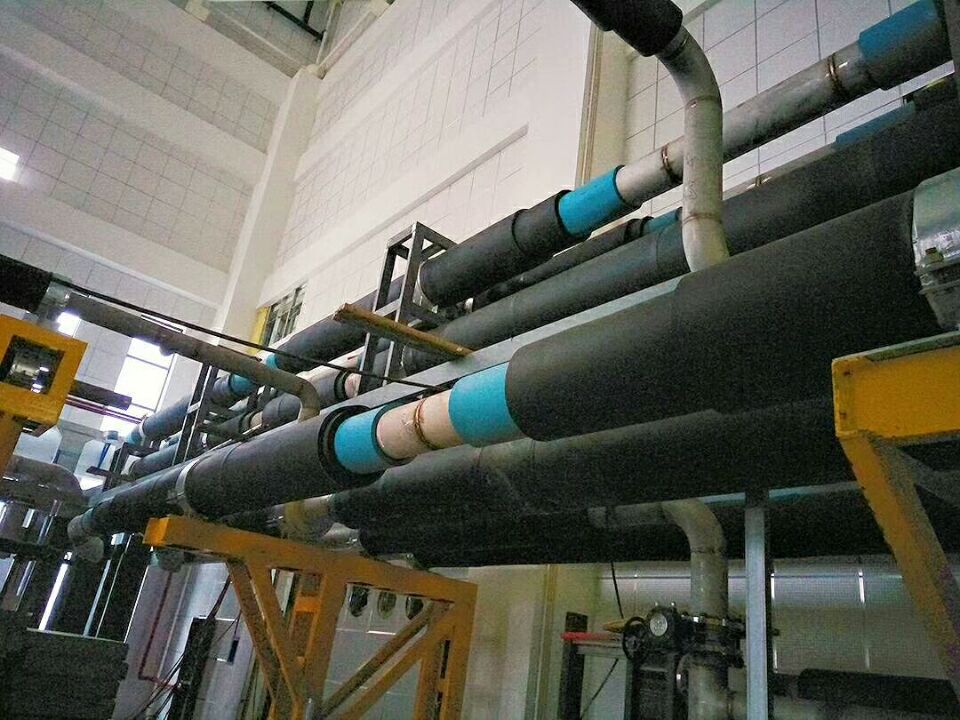
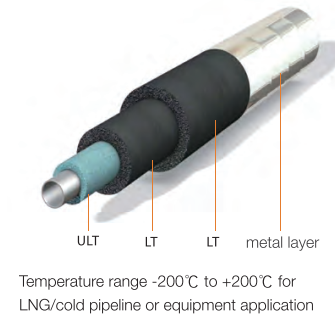

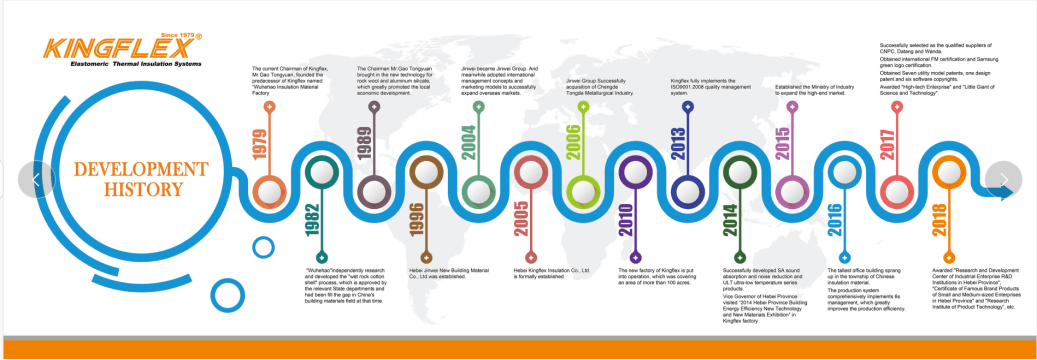
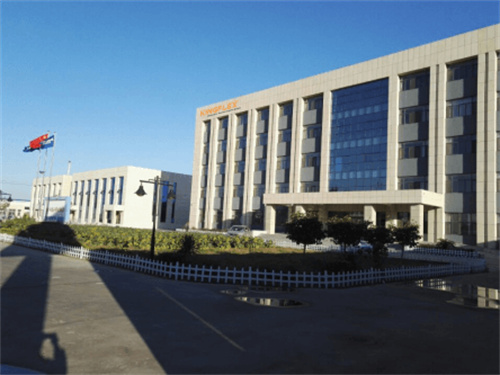




These systems are ideal for demanding environments including coal chemical MOT, low temperature storage tanks, FPSO (floating production storage oil) unloading devices, industrial gas and agricultural chemical production plants, platform pipes, gas stations, ethylene pipes, and nitrogen plants.
The cryogenic elastomer material features inherent impact resistance. It effectively absorbs both the impact and vibration energy generated by external machinery, thereby shielding the main system structure from physical damage.
By utilizing elastomer materials, any external impact force is widely dispersed and attenuated across the structure. This mechanism prevents the local accumulation of stress, significantly reducing the risk of material cracking.
Unlike traditional hard materials such as foam glass, polyurethane PIR, and PUR, which lose elasticity at normal and low temperatures, flexible systems successfully reduce temperature change stress, eliminating the structural failures common in rigid alternatives.
Traditional rigid materials do not possess elastic properties at lower temperatures. This lack of elasticity leads to material extrusion and cracking under temperature-changing stress, which ultimately degrades the adiabatic performance of the system.