 Kingflex
Kingflex
Kingflex
Engineered high-performance elastomeric foam sheets, rolls, and tubes designed to provide superior thermal conductivity resistance and absolute condensation protection.
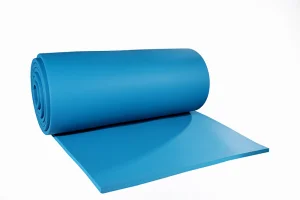
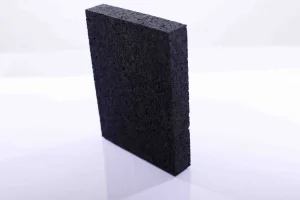
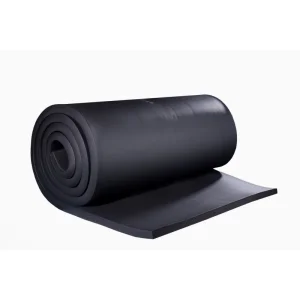
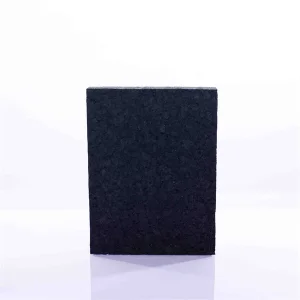
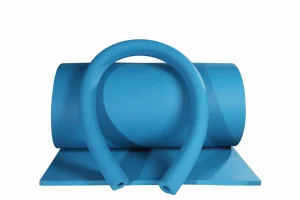
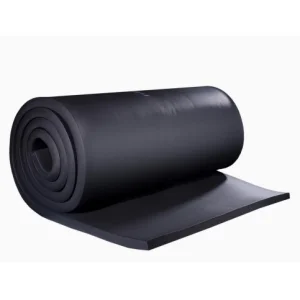
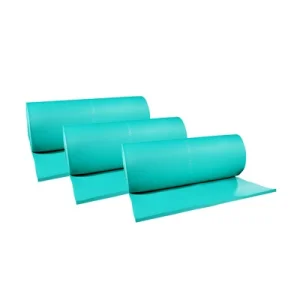
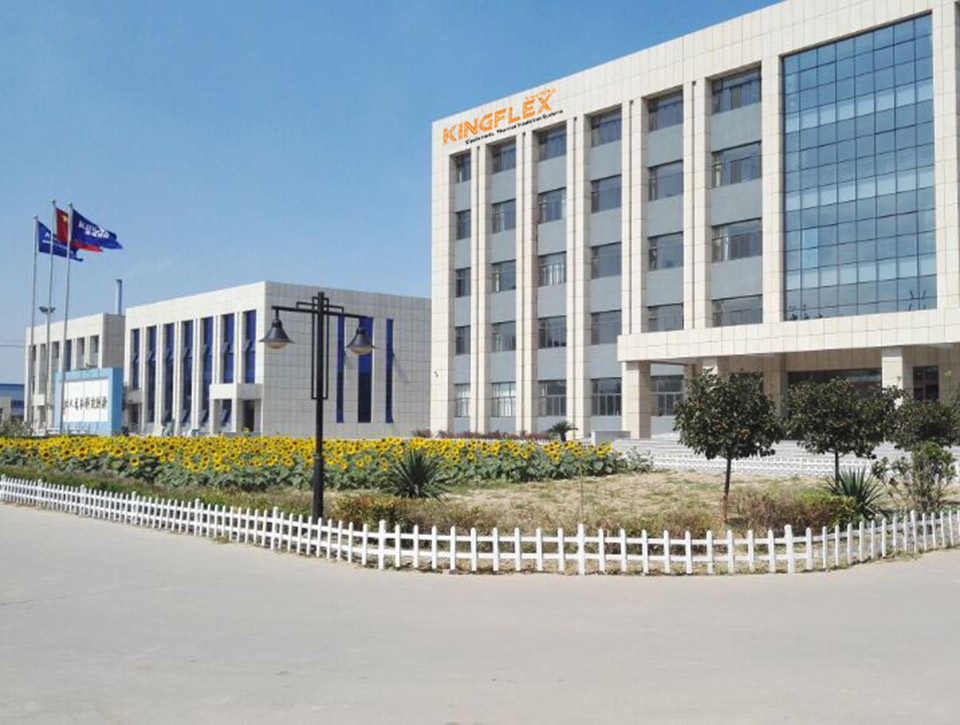
Kingflex Insulation Co., Ltd. stands as a premier manufacturing and trading conglomerate specialized in state-of-the-art thermal insulation products. Our cutting-edge research, development, and high-efficiency manufacturing centers are based in Dacheng, China—historically recognized as the country's main hub for green building technologies.
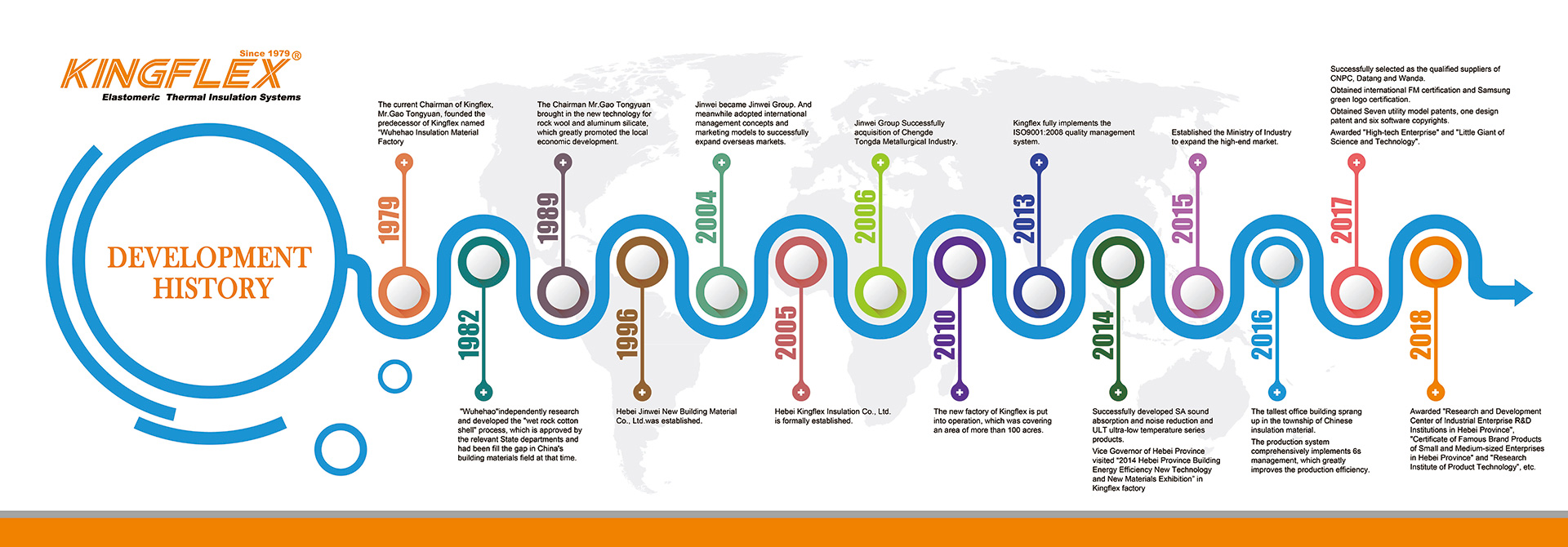
Founded by the Jinwei Group, which boasts a heritage spanning more than 40 years, our roots date back to 1979 as the very first manufacturer of thermal insulation materials north of the Yangtze River. Today, we are dedicated to environmental preservation, energy optimization, and complete architectural solutions.
From consultancies and continuous R&D to installation guidelines and responsive after-sales assistance, Kingflex leads the path forward in energy-saving industrial and building materials.
A look into cost drivers, material yields, and procurement standards for global buyers and engineering contractors.
Procuring nitrile butadiene rubber (NBR) and polyvinyl chloride (PVC) blended elastomeric insulation in large quantities requires a clear understanding of what influences the overall pricelist:
Scaling up to support massive infrastructure projects worldwide with consistent quality control.
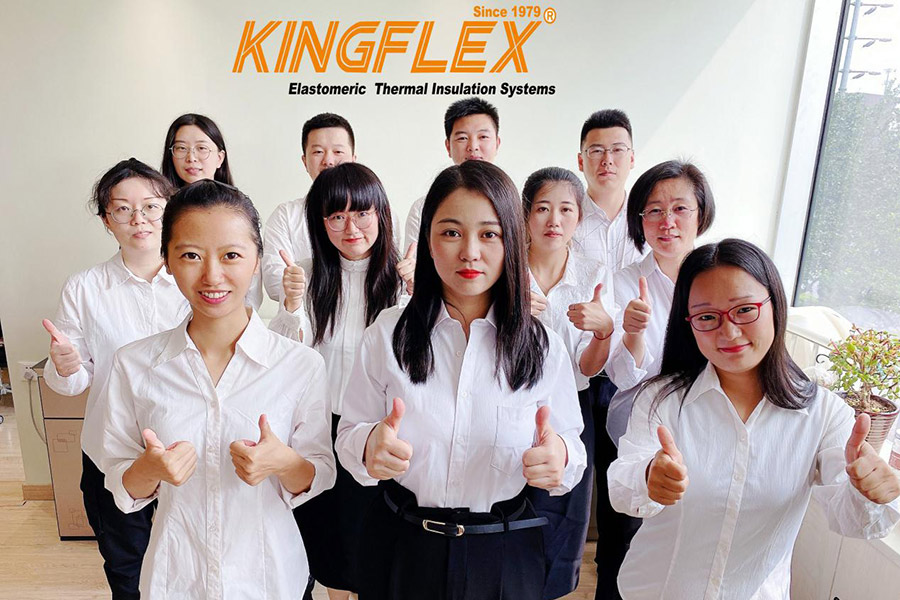
Our employees are remarkable in their own right, and together they make Kingflex an dynamic and successful place to work. The Kingflex team is a closely-knit group focused on a shared goal: providing first-class service to clients across the globe.
To maintain our leadership position in thermal and mechanical insulation, Kingflex supports a specialized R&D Department featuring 8 professional research engineers, backed by 6 international sales specialists and a workforce of 230 production personnel.
Kingflex is a designated supplier for key state energy agencies, including the Ministry of Energy, the Ministry of Electric Power, and the Ministry of Chemical Industry in China.
Accurate performance numbers to help engineers and consultants write specification guidelines.
| Industry Sector | Insulation Application Detail | Primary Function |
|---|---|---|
| Commercial Buildings & Construction | Walls, roofing, basements, chilled air ducts, and central AC systems. | Thermal energy conservation, acoustic insulation, soundproofing, and structural condensation control. |
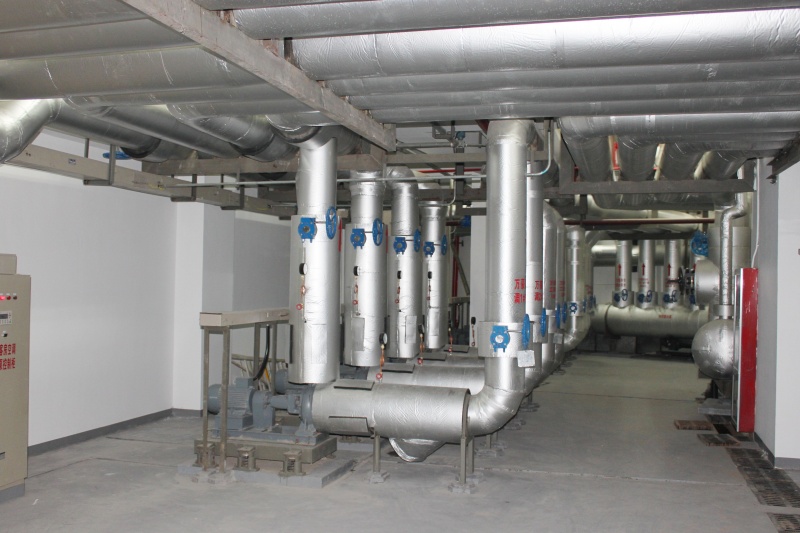
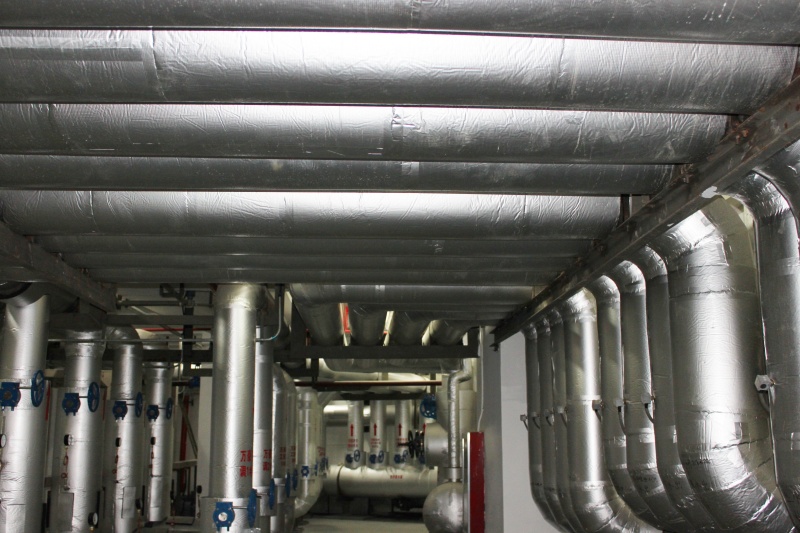
| HVAC & Water Supply Systems | Hot & cold water line piping, dual-temperature ducts, and condenser pipes. | Prevention of exterior condensation sweating and protection of pipes from freezing or bursting in winter. |
| Industrial & Chemical Processing | Process pipeline piping, high-pressure steam supply lines, storage tanks, and boilers. | Process temperature stabilization, energy saving, noise reduction, and corrosion mitigation (CUI). |
| Cryogenic & Ultra-Low Temp Systems | Specialized chemical transport systems, LNG refrigeration lines, and low-temp cooling loops. | Prevents severe ice buildup and maintains ultra-low temperatures under demanding environmental conditions. |
Our commitment to global building codes is verified by accredited third-party laboratories.
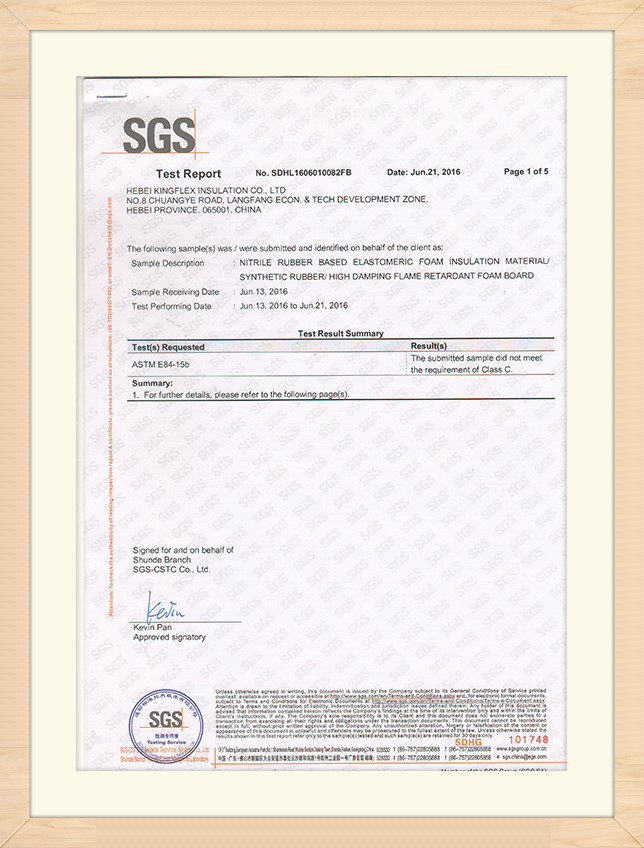
BS 476 Fire Test
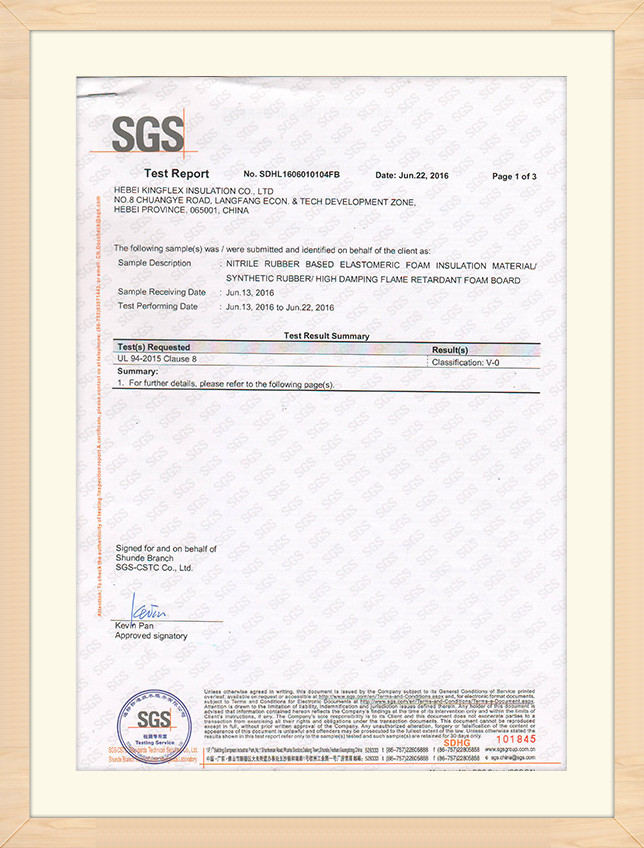
Quality Certificate
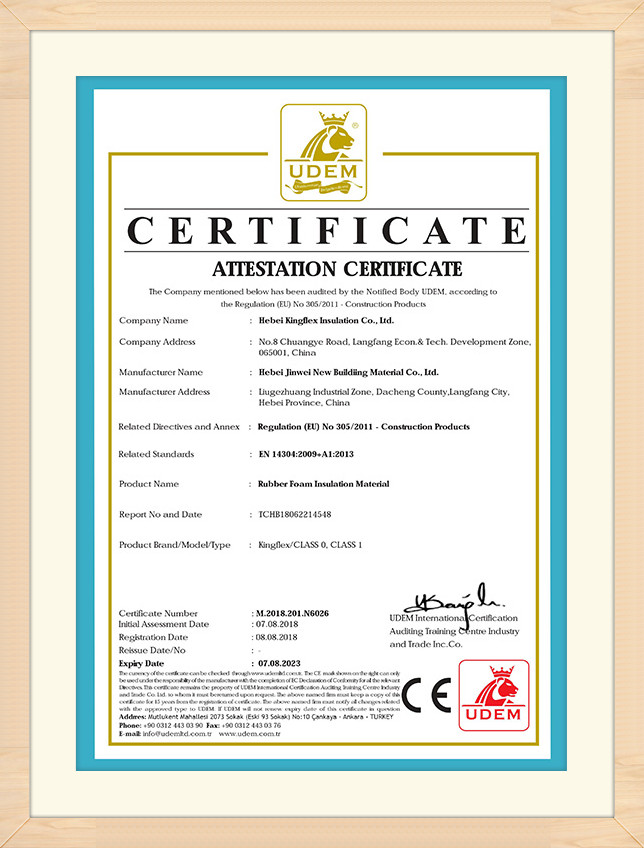
CE Standard Compliance
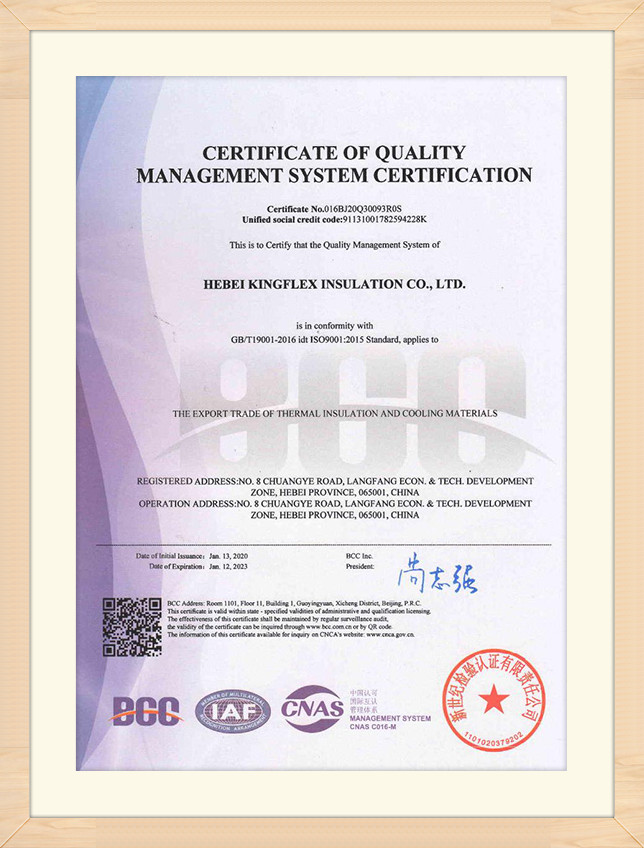
ISO 9001 Facility
Our R&D team works closely with safety laboratories to test and verify every batch of NBR/PVC elastomeric foam insulation. We test for key metrics including thermal conductivity, smoke density, flame spread index, and tensile strength.
By maintaining ISO 9001 and ISO 14001 certified production lines, Kingflex provides product traceability from raw materials to final packaging.

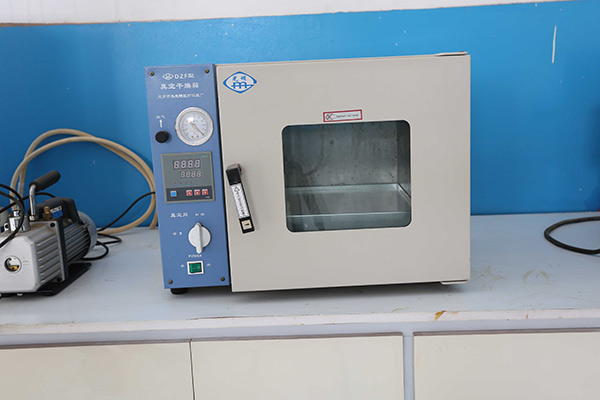
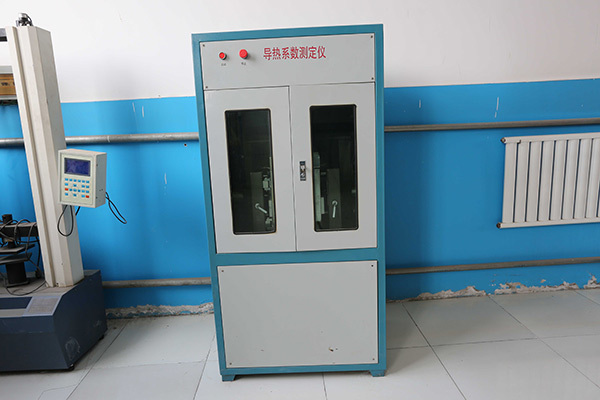

Our high-performance rubber foam insulation has been successfully installed in projects across 66 countries.
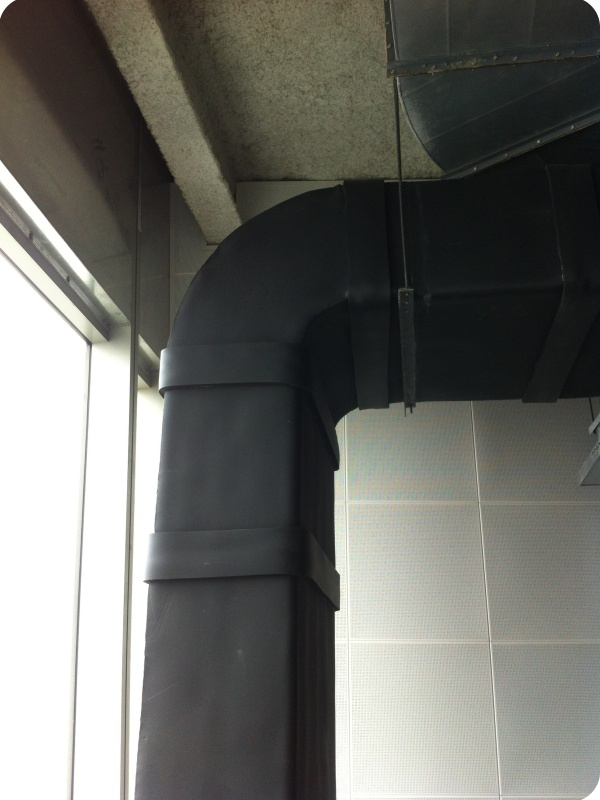
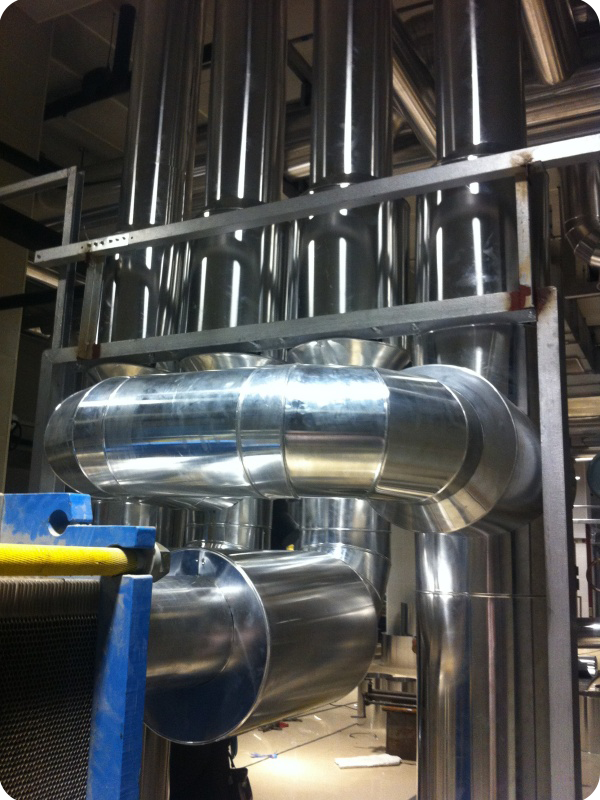
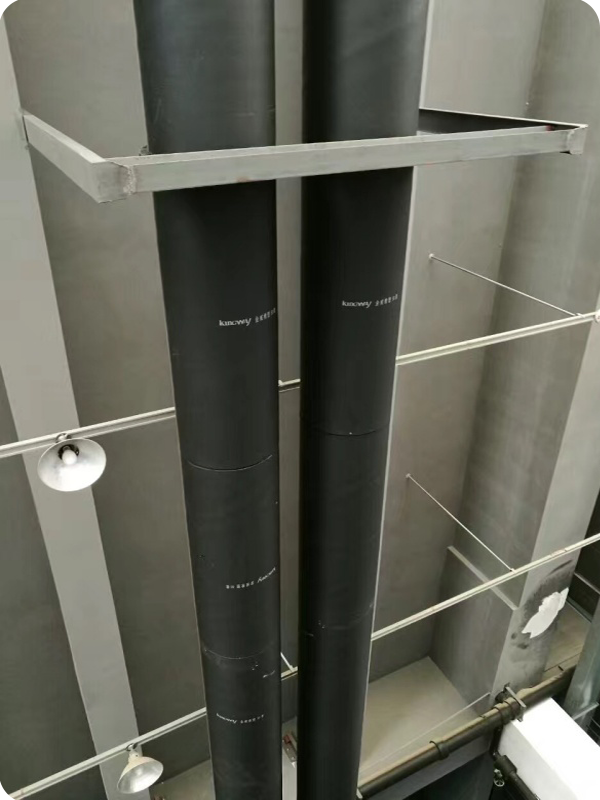
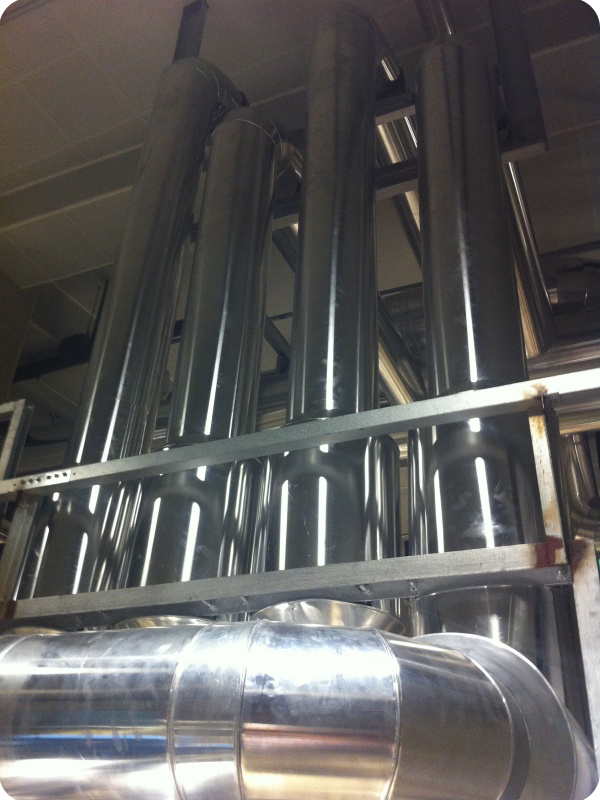
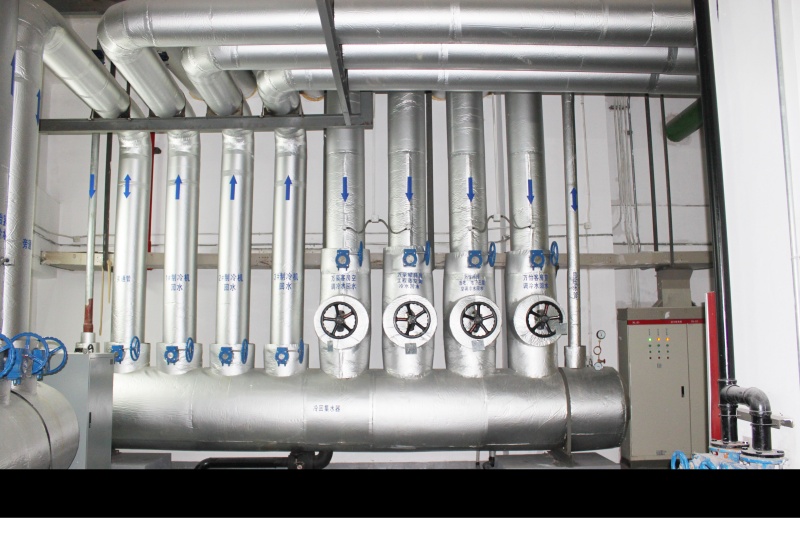
Kingflex insulation products are trusted by contractors and engineers around the world. We offer comprehensive support to ensure our products meet local building and mechanical regulations.
We work closely with clients from the design and specifying phase through final delivery to ensure reliable, high-performance thermal insulation.



A look inside our modern continuous vulcanization and foaming production facilities.
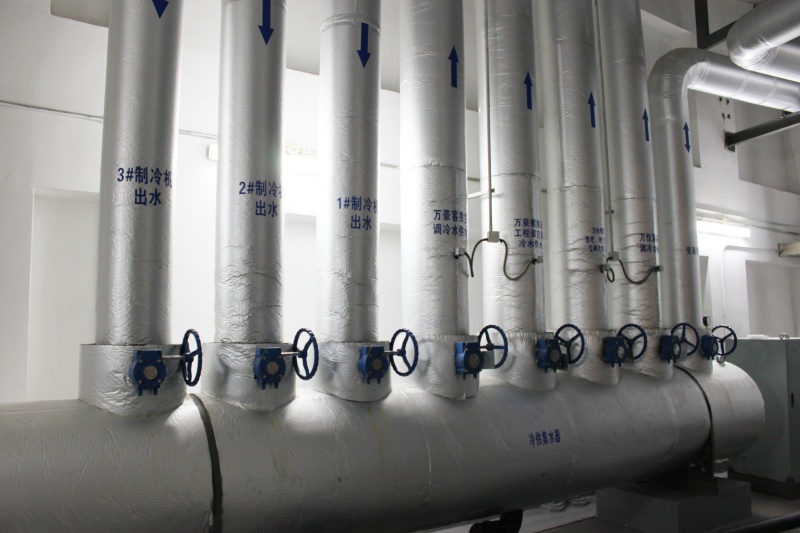

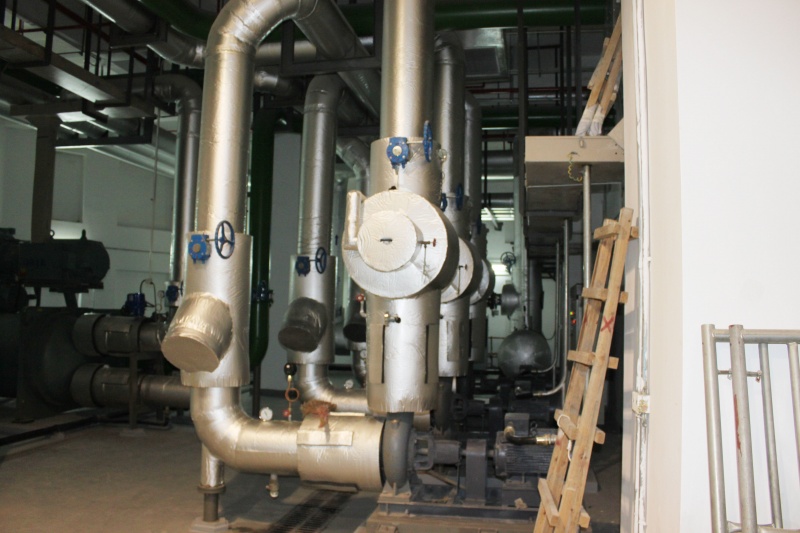
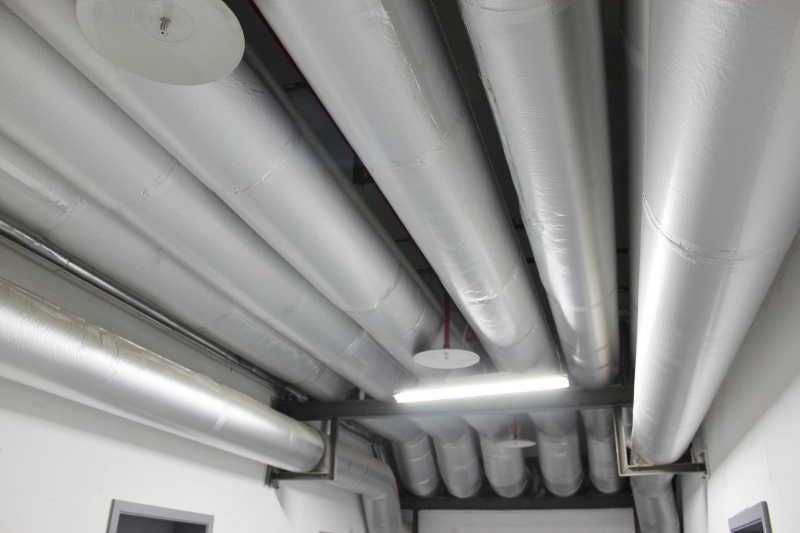
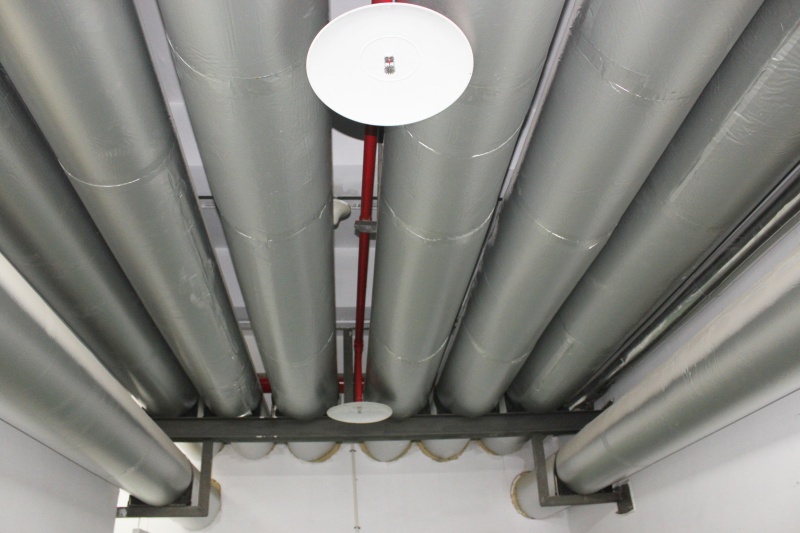
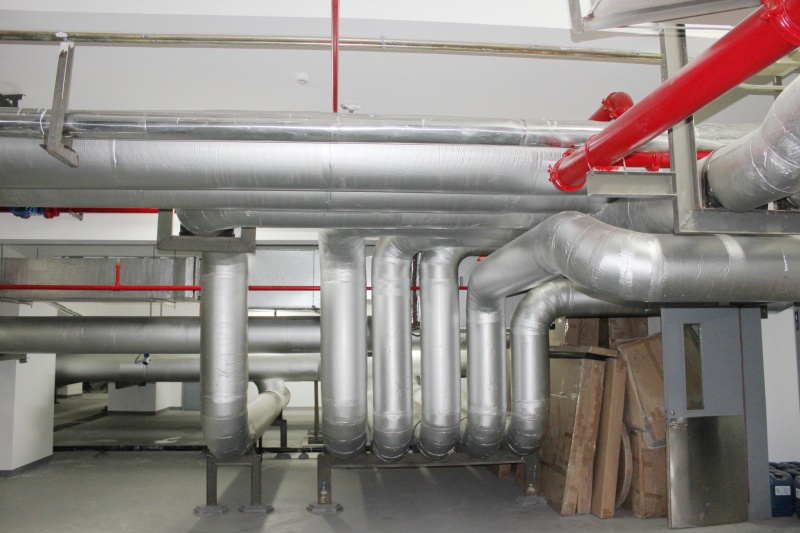
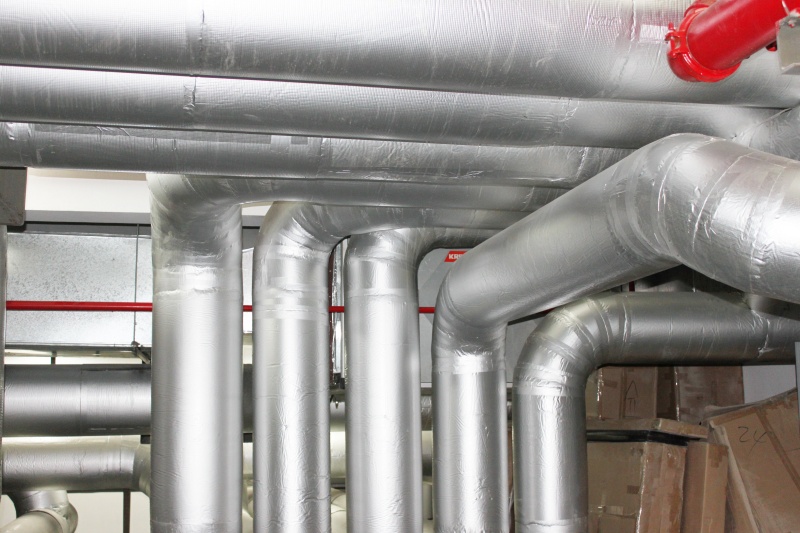
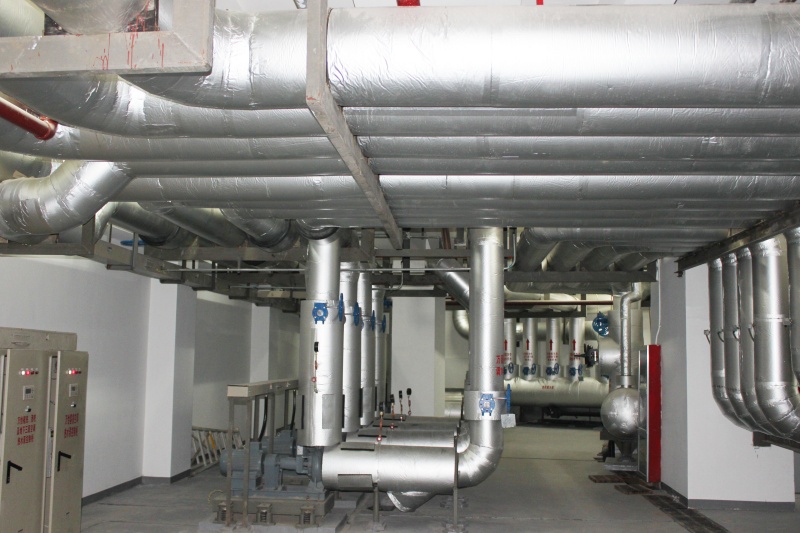
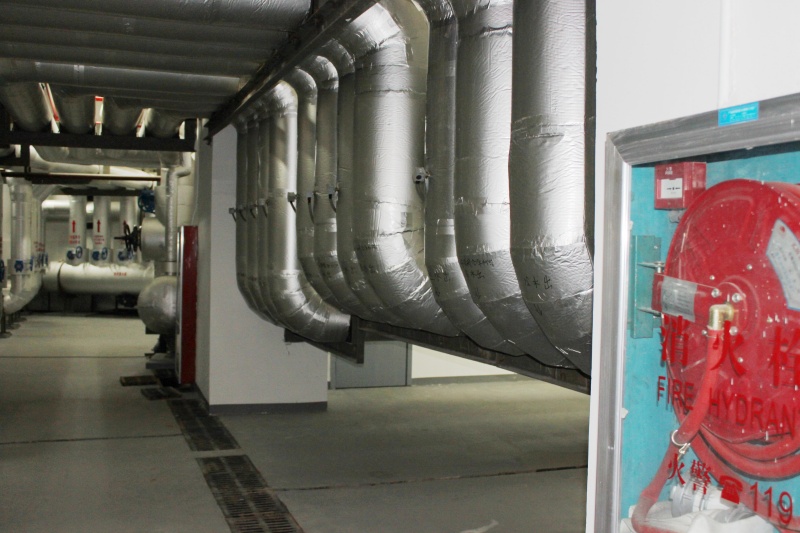
Providing clear answers to technical and commercial questions about rubber foam insulation.
Browse our complete line of specialized products, including self-adhesive rolls, aluminum-clad wraps, and high-density thermal sleeves.
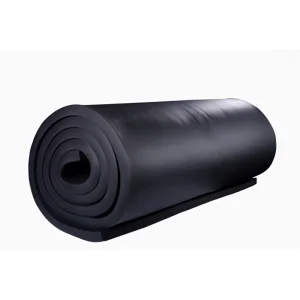
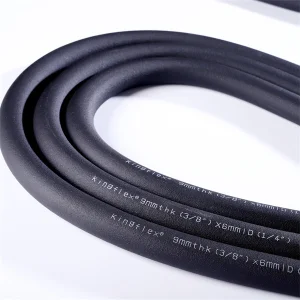
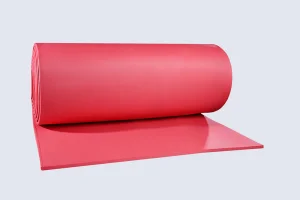
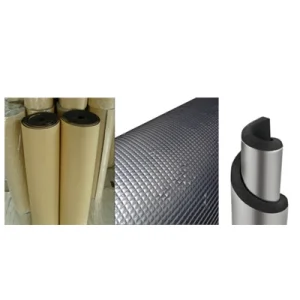
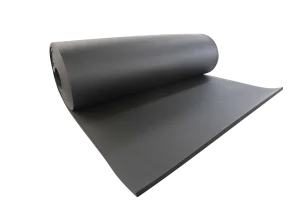
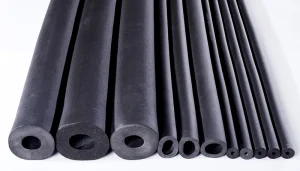
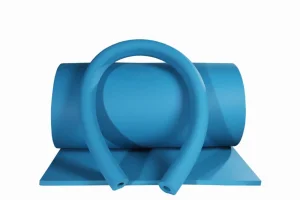
Selecting structural thermal insulation for commercial HVAC, cryogenic, and process pipeline systems requires evaluating long-term performance, fire safety compliance, and thermal conductivity. Nitrile Butadiene Rubber (NBR) blended with Polyvinyl Chloride (PVC) forms the standard for closed-cell elastomeric foam insulation. This whitepaper analyzes the physical properties, installation practices, and cost structures of NBR/PVC insulation.
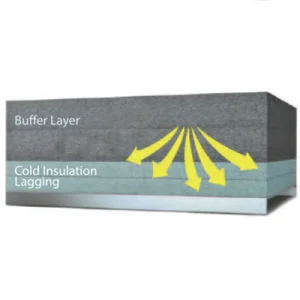
The performance of elastomeric insulation depends on its cellular structure. During manufacturing, the NBR/PVC blend undergoes continuous vulcanization and expansion. This process creates millions of independent micro-cells containing dry air. The high closed-cell rate (exceeding 98%) prevents liquid water penetration and limits vapor transmission. This structure maintains stable thermal conductivity (λ ≤ 0.034 W/m·K at 0°C) even in high-humidity environments.
Condensation on cold pipelines leads to energy loss, dripping water damage, and Corrosion Under Insulation (CUI). Unlike fibrous materials that require a separate vapor barrier, NBR/PVC foam has an inherent resistance to water vapor transmission (permeability resistance factor μ ≥ 10,000). The material acts as its own vapor barrier, protecting the pipe surface from moisture ingress and corrosion throughout its service life.
Flame spread and smoke development characteristics are key criteria for building material selection. Kingflex NBR/PVC insulation uses halogen-free and flame-retardant mineral additives. These components allow the material to meet fire safety standards, including Class 0 and Class 1 designations under BS 476, and compliance with ASTM E84 and UL94. In the event of a fire, the material limits flame spread and self-extinguishes, producing minimal toxic fumes.
Proper installation is essential for elastomeric insulation performance. Installers must ensure all seams are sealed using matching neoprene-based adhesives. For outdoor or high-wear environments, adding protective coatings like aluminum foil, fiberglass cladding, or UV-resistant paints helps prevent mechanical damage and weathering.