 Kingflex
Kingflex
Kingflex
Direct-from-factory sourcing for high-demand thermal insulation accessories customized for regional regulatory standards and complex construction setups.
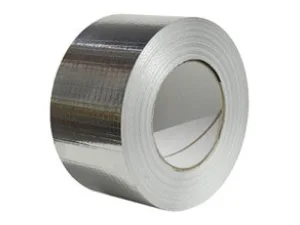
Designed to provide continuous vapor barriers over seams, preventing moisture intrusion under coastal Bay Area fog conditions.
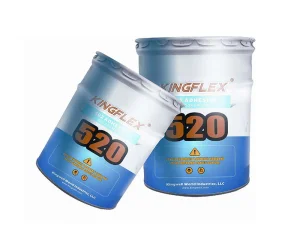
High-strength adhesive engineered specifically for elastomeric bonding, ensuring joints remain airtight under thermal stress.
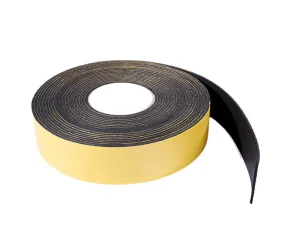
A premium, highly flexible sealing tape ideal for wrapping valves, tees, and complex joints in commercial mechanical rooms.
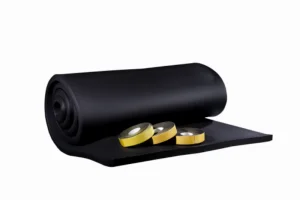
Simplifies installation in narrow vertical risers and overhead spaces inside historic San Francisco building renovations.
The San Francisco Bay Area demands highly specific mechanical insulation standards due to its unique combination of climate factors, building styles, and strict local codes. The region features microclimates ranging from cool, salty sea breezes in downtown San Francisco to warmer conditions in the East and South Bay. This variation causes persistent condensation issues for commercial HVAC ductwork, chilled water lines, and plumbing installations.
In addition, California’s Building Energy Efficiency Standards (Title 24, Part 6) set strict requirements for thermal performance, vapor transmission resistance, and environmental impact. Under these rules, mechanical systems must use insulation accessories that reduce thermal loss and prevent water vapor transmission, which can lead to mold growth and compromise indoor air quality.
Moist coastal air combined with cool marine fog makes condensation control a top priority for engineering teams in San Francisco. When warm, humid air contacts cold chilled-water pipes, condensation forms quickly. This can lead to dripping water, damaged ceilings, and structural corrosion (known as Corrosion Under Insulation, or CUI).
Using closed-cell NBR/PVC elastomeric rubber foam insulation and high-performance accessories, such as specialty adhesive glue and aluminum foil vapor tapes, creates an airtight moisture barrier. The high vapor resistance factor (μ-value) ensures the system remains dry and operates reliably over a long service life, even in damp coastal conditions.
Globally, the mechanical insulation industry is shifting toward materials that support sustainability, high fire safety, and low toxic emissions. Halogen-free and low-VOC (volatile organic compound) materials are increasingly requested by international design firms. Modern projects, from high-density data centers in Silicon Valley to high-rise mixed-use complexes in transit hubs, require insulation systems that meet strict international fire safety standards (like UL 94, Class 0 rating under BS 476, and ASTM E84 surface burning characteristics).
Global procurement teams face challenges such as volatile material costs, shifting freight routes, and the need for reliable supply chains. To mitigate these risks, major contracting firms are moving toward direct-from-factory sourcing models. Working directly with top-tier manufacturers allows companies to secure customized dimensions, verify quality certifications, and control costs on large-scale infrastructure projects.
Maintains consistent temperatures across variable thermal zones, reducing energy use in commercial buildings.
Meets strict international flame spread and smoke development requirements for high-occupancy spaces.
Supports low-VOC emission goals, aligning with green building certifications like LEED and BREEAM.
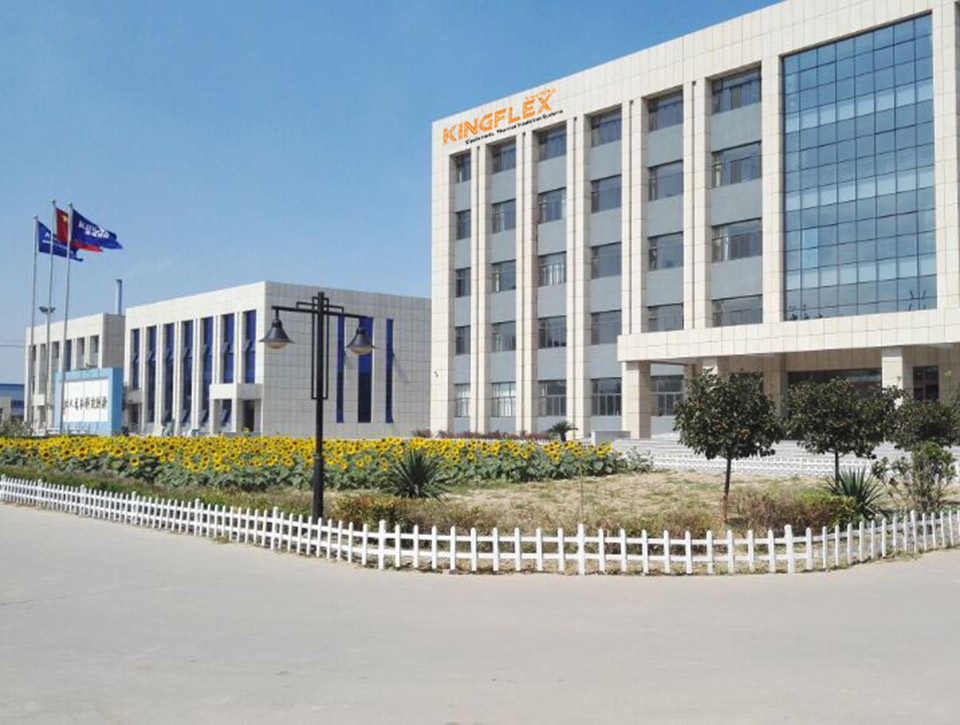
Kingflex Insulation Co., Ltd. operates its research, development, and main production facility in Dacheng, China—a major hub for energy-efficient green building materials. Our facility features five automated assembly lines, delivering an annual production capacity of over 600,000 cubic meters of high-grade elastomeric insulation materials. This industrial scale allows us to fulfill large international orders while maintaining consistent product quality and cost efficiency.
Our vertically integrated production process ensures complete traceability, from raw rubber and PVC compounding to final extrusion, vulcanization, and adhesive backing application. This automated system ensures stable density, consistent cell structure, and reliable thermal properties across all product batches.
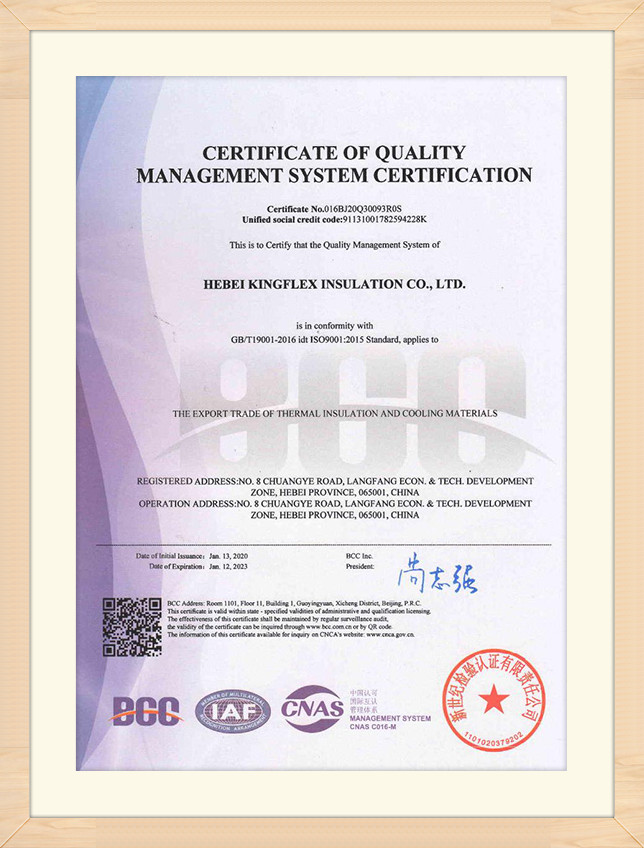
To support global supply chains and meet municipal requirements in markets like San Francisco, our products carry extensive certifications. These include BS 476, CE, REACH, RoHS, UL 94, and ASTM testing approvals. These certifications verify that our materials meet strict international safety and environmental guidelines, ensuring smooth regulatory approvals on municipal and private development projects.
A full range of closed-cell elastomeric materials and accessories designed for mechanical, structural, and acoustic applications.
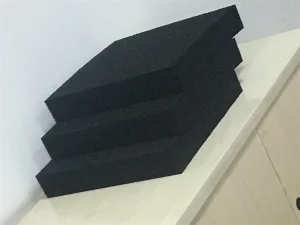
Open/closed acoustic hybrid cells designed to control structural noise and airflow sound inside theater and mechanical ventilation ducts.
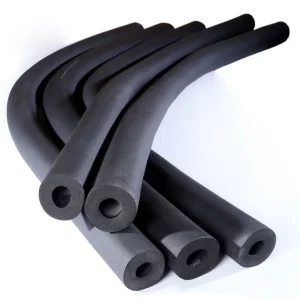
Premium wall-thickness tubing designed to prevent energy loss and vapor ingress on high-rise chilled water and hot water piping systems.
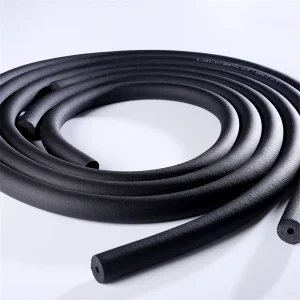
Meets strict ASHRAE and California Energy Code requirements, offering long-term thermal resistance and durability.
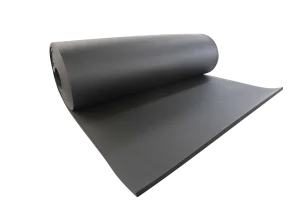
Thick, high-performance elastomeric sheets designed for industrial cold storage, food processing plants, and large air handling units.

Features a high-bond release liner for clean installation, reducing labor time in tight mechanical shafts.
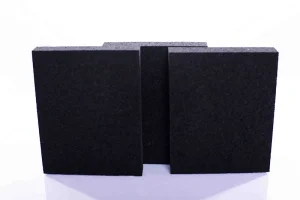
High-density soundproofing board tailored for district energy systems, chiller plants, and large HVAC installations.
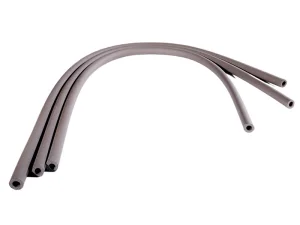
Zero halogens, low smoke toxicity, and high flame resistance. Highly recommended for transit tunnels, airports, and cleanroom environments.
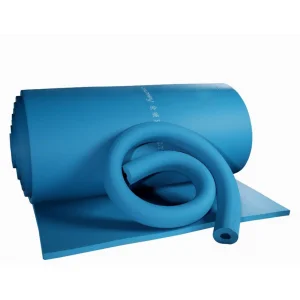
Stays flexible and resists cracking down to -200°C. Ideal for pharmaceutical storage, liquid gas lines, and laboratory systems.
Understanding the material science of elastomeric foam is key to selecting the right product for high-performance projects. Kingflex materials are manufactured from an NBR/PVC (Nitrile Butadiene Rubber / Polyvinyl Chloride) synthetic polymer blend. The closed-cell structure consists of millions of microscopic bubbles that resist moisture movement. The material achieves a water vapor permeability rating of nearly zero, preventing moisture accumulation and maintaining stable insulation values over time.
Mechanical designs often compare elastomeric rubber foam against fiberglass and rock wool. Each material serves specific industrial needs:
For installations near the coast, we recommend using foil-faced elastomeric insulation sheets. The factory-applied aluminum foil cladding provides extra protection against UV damage, physical wear, and salt spray. Joint sealing should be completed using high-tack acrylic foil tape alongside NBR foam tape to ensure a continuous barrier.
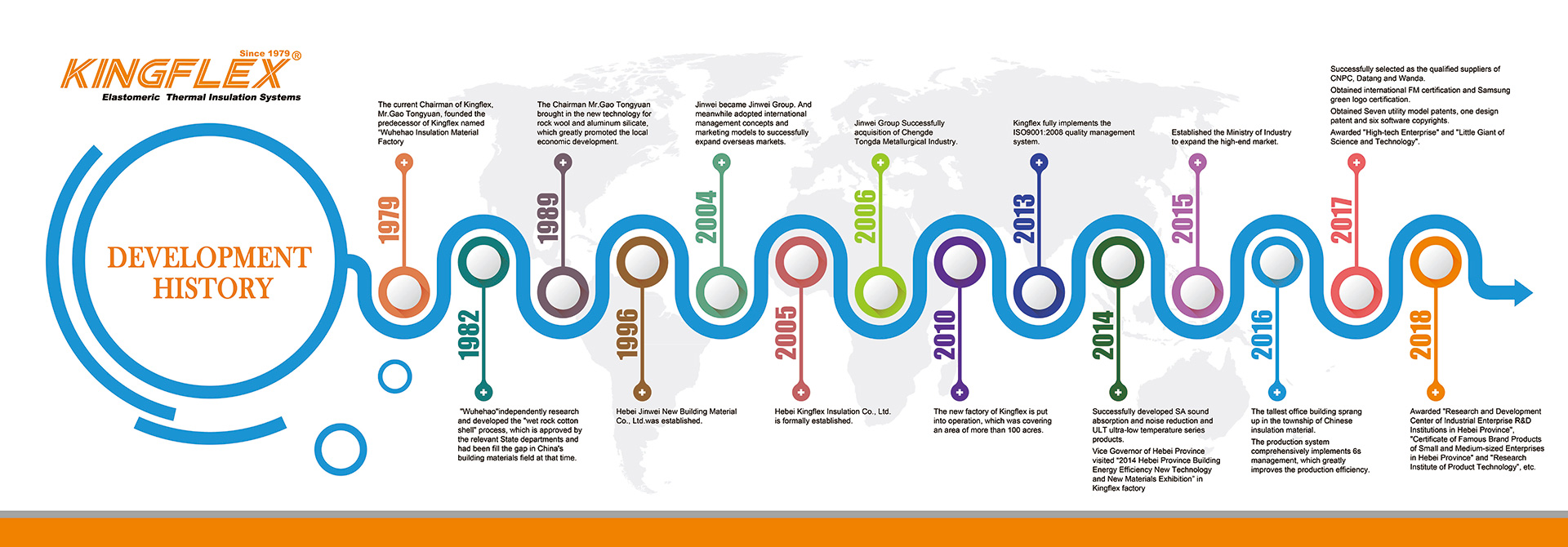
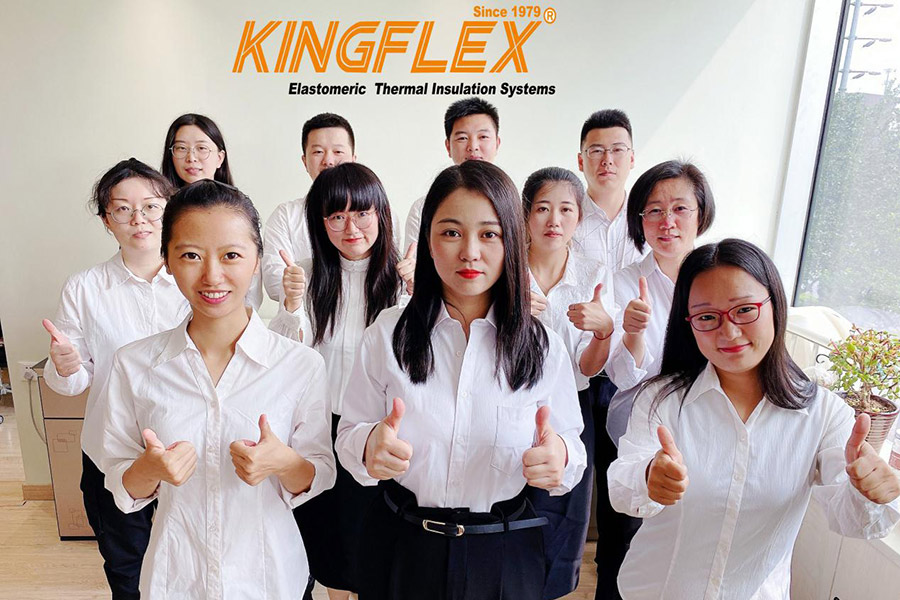
Kingflex Insulation Co., Ltd. provides full transparency on facility capabilities, research teams, and verified customer feedback.

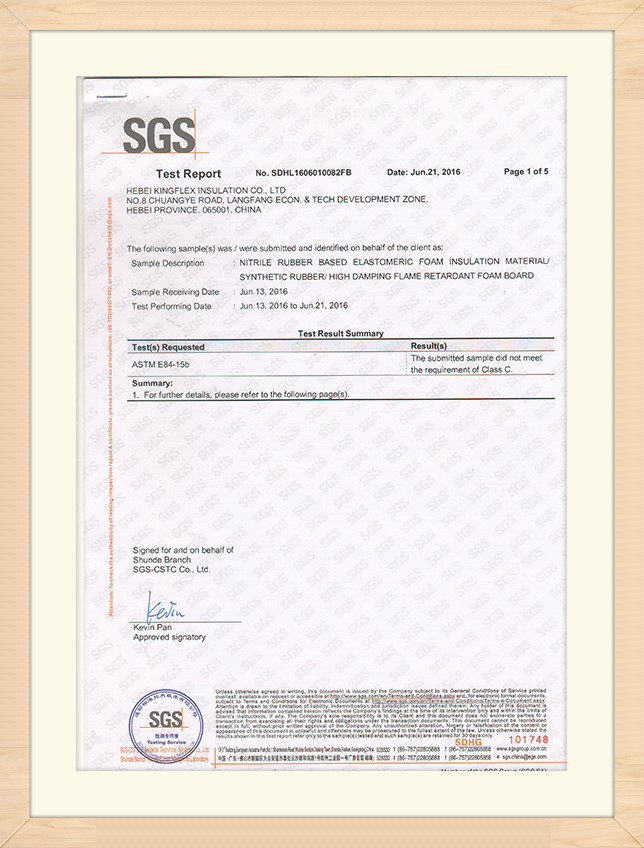
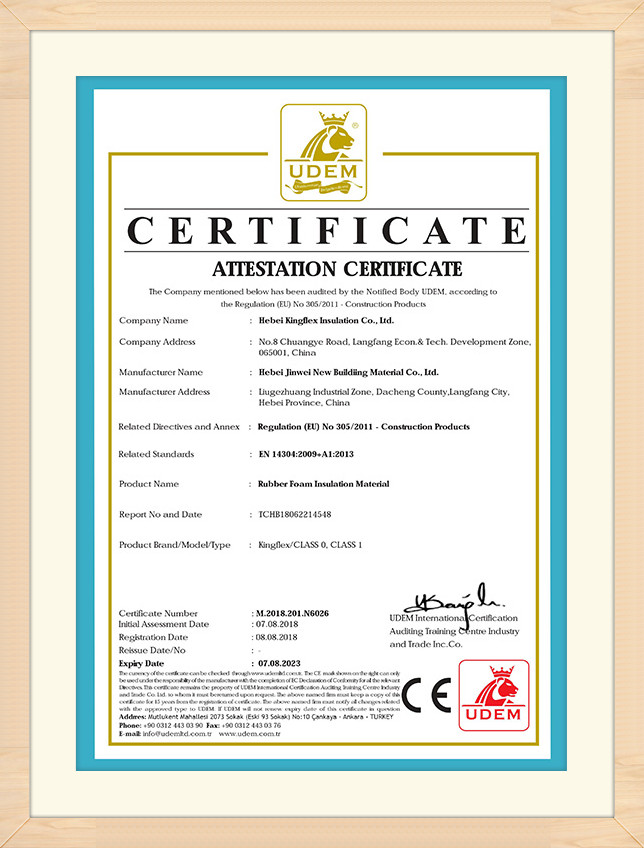
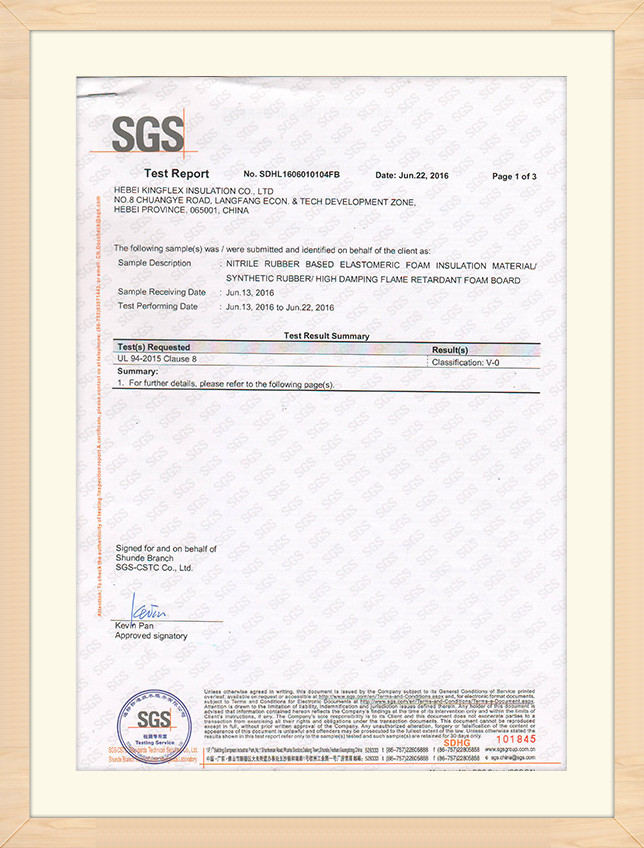

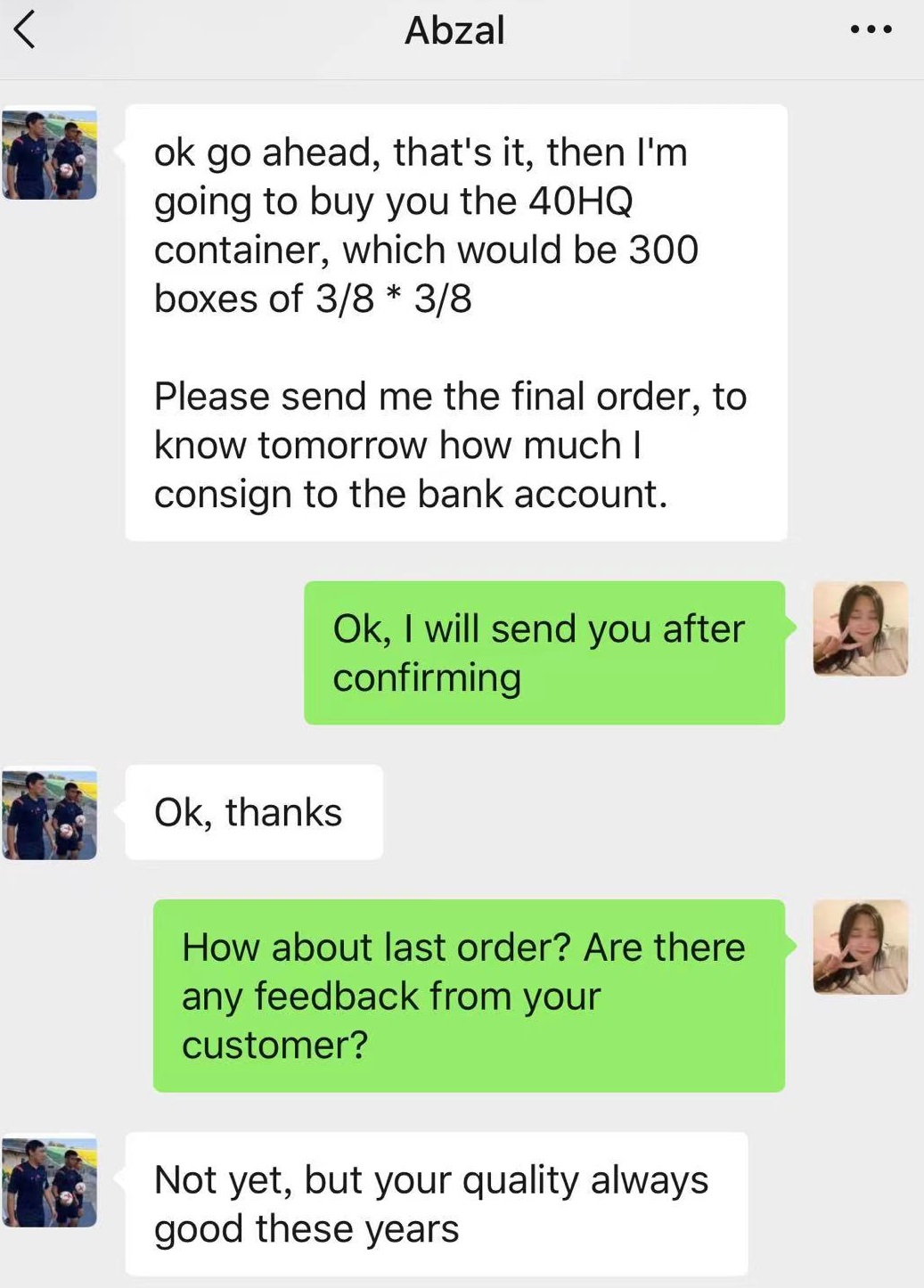
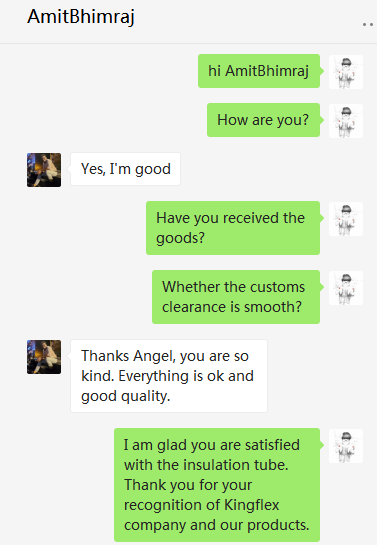

Detailed answers to common questions about specifications, installation, and shipping for project engineers and procurement managers.
Get in touch with our engineering team for technical spec sheets, ASTM test data, or a detailed quote tailored to your project timeline and shipping needs.
Send Inquiry Now