 Kingflex
Kingflex
Kingflex
Optimize system integrity at critical joints. These key accessories are engineered to maintain complete vapor barriers and resist condensation under extreme humidity in Japan's major industrial zones.
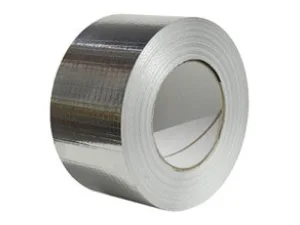
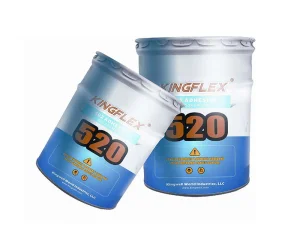
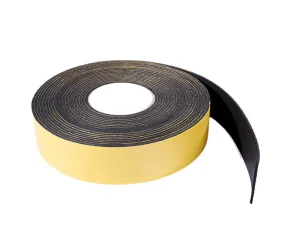
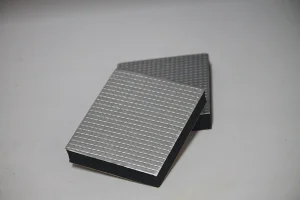
We supply OEM and customized specifications matching Japanese Industrial Standards (JIS A 9511).
Send Inquiry NowJapan's industrial construction sector is bound by some of the world's most rigorous energy conservation policies (Energy Conservation Act) and seismic resilience standards. As a result, the HVAC, commercial refrigeration, and semiconductor cleanroom sectors demand flawless performance from rubber foam insulation accessories.
For decades, Japanese engineering firms and general contractors (such as Kajima, Shimizu, and Obayashi) have prioritized long-term structural integrity. Crucial areas like joints, pipe supports, valves, and bends are often vulnerable to thermal bridging and moisture ingress. Rubber foam accessories, including high-adhesion NBR tapes and specialty adhesives, are essential for ensuring a continuous vapor barrier.
Furthermore, in cities like Tokyo, Osaka, and Nagoya, heavy summer humidity increases condensation risks. Using high-density, closed-cell NBR/PVC elastomeric insulation with matching accessories prevents structural corrosion (CUI - Corrosion Under Insulation), mold growth, and energy losses in commercial and industrial settings.
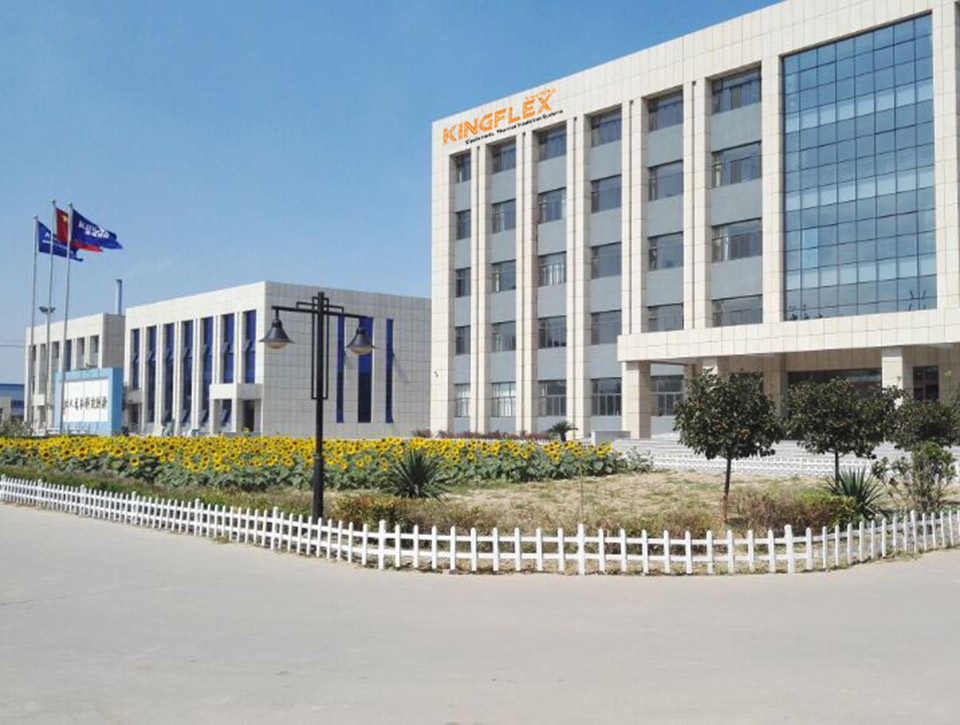
As Japan transitions towards a decarbonized society with a focus on green energy and high-performance semiconductor fabrication plants, thermal efficiency systems are under intense scrutiny.
Our closed-cell rubber foam solutions contribute directly to CASBEE rating systems in Japanese green buildings. By minimizing heat losses and thermal bridging in HVAC pipelines, developers save gigawatt-hours of energy annually across major metropolitan areas.
Japan's booming semiconductor fabrication expansion (e.g., TSMC Kumamoto, Rapidus Hokkaido) requires strict contamination control. We manufacture halogen-free, low-VOC elastomeric tubing and tape accessories to ensure no corrosive outgassing occurs within high-tech fabrication zones.
Earthquake safety in Japan requires flexible building joints and pipes. Rigid insulation materials fail under seismic displacement. Our highly elastic, flexible NBR/PVC foam accessories absorb mechanical stresses, keeping insulation systems intact after minor seismic shifts.
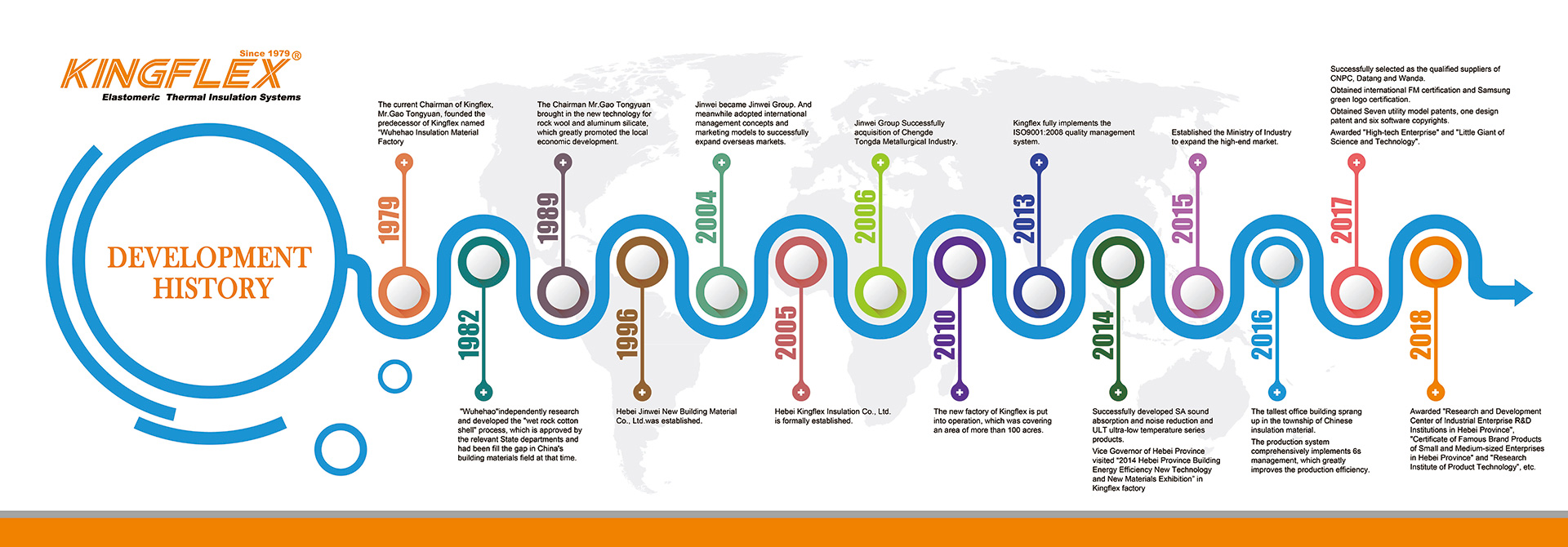
Established by the Jinwei Group, which possesses a proud history dating back to 1979, Kingflex has grown to become a leading energy-saving environmental enterprise. In our state-of-the-art facility located in Dacheng, China—the capital of green building materials—we concentrate on the research, development, production, and supply of global-grade elastomeric insulation systems.
Today, Kingflex operates five large automatic assembly lines, producing high-performance insulation sheets, tubes, and related accessories. Over the past 16 years, our products have served critical projects in over 66 countries. Our materials are designated for key applications by major global energy, chemical, and electrical ministries due to their high flame retardance, low thermal conductivity, and outstanding vapor barrier resistance.
We optimize rubber foam insulation accessories to comply with JIS A 9511 and international building codes (BS 476, ASTM, CE, UL94). Below is a comprehensive look at the raw material properties of our NBR/PVC systems.
| Property / Metric | Value (Standard Range) | Testing Standards & Compliance |
|---|---|---|
| Base Material Structure | NBR/PVC Elastomeric Foam (Closed-Cell Rate >98%) | JIS A 9511 / ASTM C534 |
| Service Temperature Range | -40°C to +105°C (Specialized Cryogenic up to -196°C) | ASTM C534 / Cryogenic Applications |
| Thermal Conductivity (λ) | ≤ 0.034 W/(m·K) at 0°C | ASTM C177 / GB/T 10294 |
| Water Vapor Permeability (μ) | ≥ 10,000 (Built-in Vapor Barrier) | ASTM E96 / BS EN 12086 |
| Fire & Smoke Ratings | Class 0 (BS 476 Part 6/7) & V-0 (UL94) | BS 476 / UL94 Flammability Class |
| Density | 40 - 55 kg/m³ | JIS A 9511 / ASTM D1622 |
| Chemical Compliance | Halogen-Free, RoHS, REACH, low VOC | EU Environmental Certification / cleanroom safe |
Our accessories (glue, tapes, joints) are certified to match these physical characteristics, ensuring there are no weak links in your overall thermal barrier.
From modern skyscrapers in Tokyo to petrochemical infrastructure along Tokyo Bay, our accessories keep critical systems running efficiently.
In humid coastal cities like Osaka and Yokohama, building air-conditioning units operate under heavy condensation loads. Using our closed-cell rubber foam tape to secure pipe seams stops moisture ingress, which prevents structural corrosion and dry-rot in drop ceilings.
Japan's LNG importing hubs rely on ultra-low temperature (ULT) cryogenic piping. Our cryogenic NBR rubber foam insulation systems, combined with high-grade elastomeric insulation glue, remain highly flexible under extreme thermal stress, preventing cracks at joint interfaces.
In high-density transit projects like the Shinkansen rail carriages and dense commercial high-rises, noise pollution is a major design concern. Our flexible shockproof and acoustic damping pads reduce structure-borne vibrations, improving passenger and occupant comfort.
To meet the demands of large industrial projects, Kingflex works closely with engineers to design specialized accessories. We employ advanced pipe extrusion and sheet vulcanization lines, enabling us to deliver uniform foam structures with a closed-cell rate exceeding 98%.
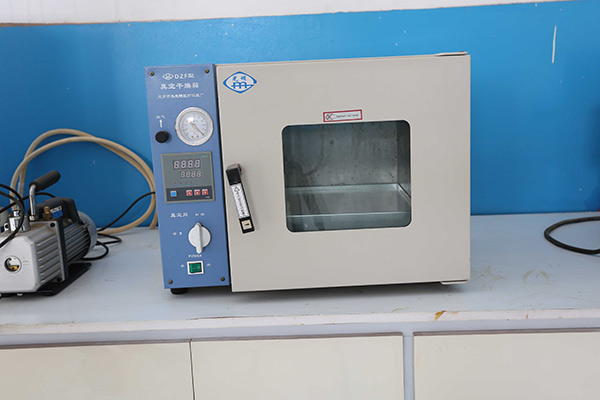
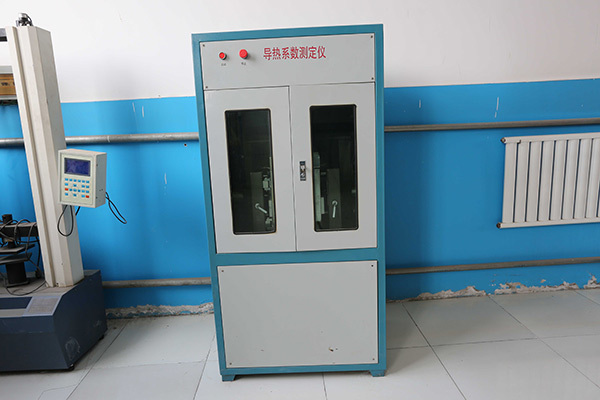
Our lab routinely performs testing on fire safety, vapor barrier performance, and chemical resistance. This ensures our products consistently meet BS 476, CE, REACH, RoHS, UL94, and ASTM requirements, giving contractors confidence during regulatory approvals.
Additionally, our logistics network provides reliable delivery schedules to Japanese ports (Tokyo, Yokohama, Kobe, Nagoya), helping to prevent site delays.
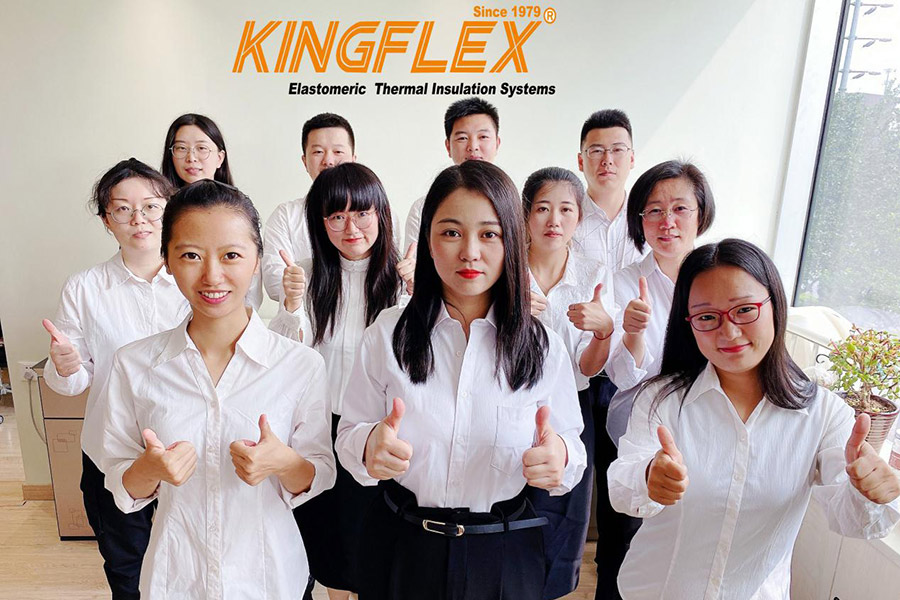

As environmental and building regulations tighten, our R&D team continues to develop next-generation insulation products.
We are expanding production of Halogen-Free Flame Retardant (HFFR) elastomers. These systems do not release toxic acid gases during fires, making them ideal for high-safety environments like hospitals, subways, and data centers.
We are researching renewable plant-based polyols to replace petroleum-derived raw materials, helping developers reduce the embodied carbon of their projects.
Our upcoming product lines feature factory-applied adhesive layers and pre-clad aluminum options, helping to speed up installations while ensuring consistent vapor control.
Technical details and project solutions regarding the application of rubber foam accessories in commercial and industrial settings.
It is mainly used for HVAC ducts, air conditioning pipes, building thermal insulation, industrial pipeline cold insulation, and sound insulation. Thanks to its closed-cell structure, it acts as both a thermal barrier and a vapor barrier, preventing condensation and reducing thermal energy loss.
Yes, our rubber foam insulation products are flame retardant. They are engineered to meet global safety standards, including BS 476 Class 0, CE, and UL94 V-0 flame ratings, making them suitable for high-occupancy commercial and industrial projects.
Rubber foam is flexible, closed-cell, and moisture-proof, making it highly effective at preventing condensation in low-temperature HVAC and refrigeration piping. Rock wool is high-temperature resistant and fireproof, making it better suited for high-temperature steam lines and structural fire barriers where moisture is not a primary concern.
Yes, we offer comprehensive OEM and customization services. We can adjust density, cell size, dimensions (including sheet thicknesses from 6mm to 50mm and pipe diameters from 6mm to 114mm), and backing finishes like aluminum foil or self-adhesive films to match your project specifications.
Our insulation materials and accessories hold certifications for BS 476, CE, REACH, RoHS, UL94, and ASTM. This ensures compliance with standard fire safety, mechanical strength, and chemical safety limits across major global markets.
Yes, we implement production batch tracking from raw chemical inputs to the finished shipped goods. Every carton and sheet roll is labeled to allow clear traceability back to the production run, helping to meet quality control requirements on major worksites.
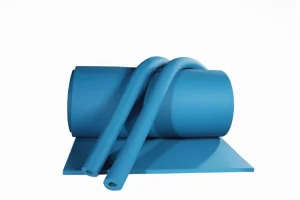
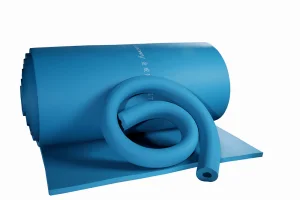
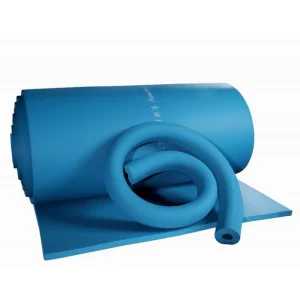
We produce sheet rolls in thicknesses ranging from 6mm to 50mm, allowing you to select the appropriate thermal resistance (R-value) for your specific environmental conditions and design requirements.
Under standard operational conditions and when properly installed with recommended adhesives and seam tapes, our insulation has a service life of approximately 10 to 15 years, maintaining its physical properties and thermal efficiency over time.
Explore our comprehensive range of thermal and cryogenic insulation solutions designed for modern industrial applications.
Whether you are designing building HVAC systems in Tokyo, cryogenic logistics in Kobe, or seeking OEM rubber foam solutions, our engineering team can assist with technical specifications, material selection, and installation guidance.