1 / 1
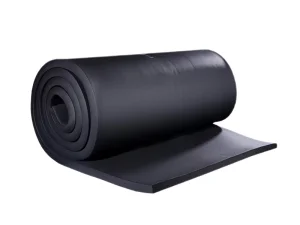
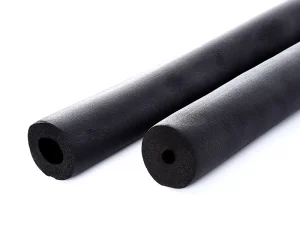
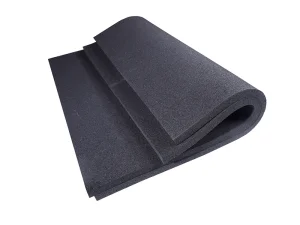
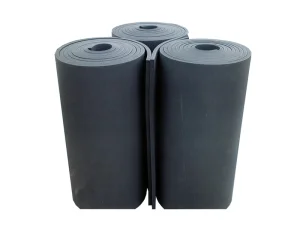
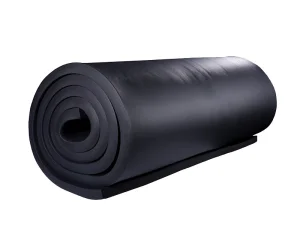
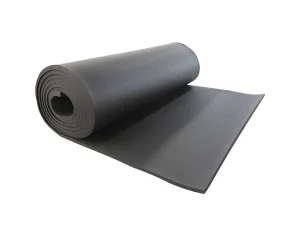
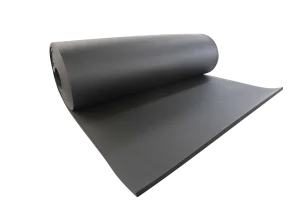
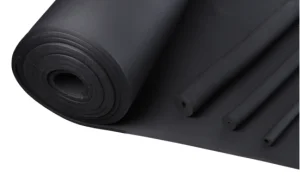
 Kingflex
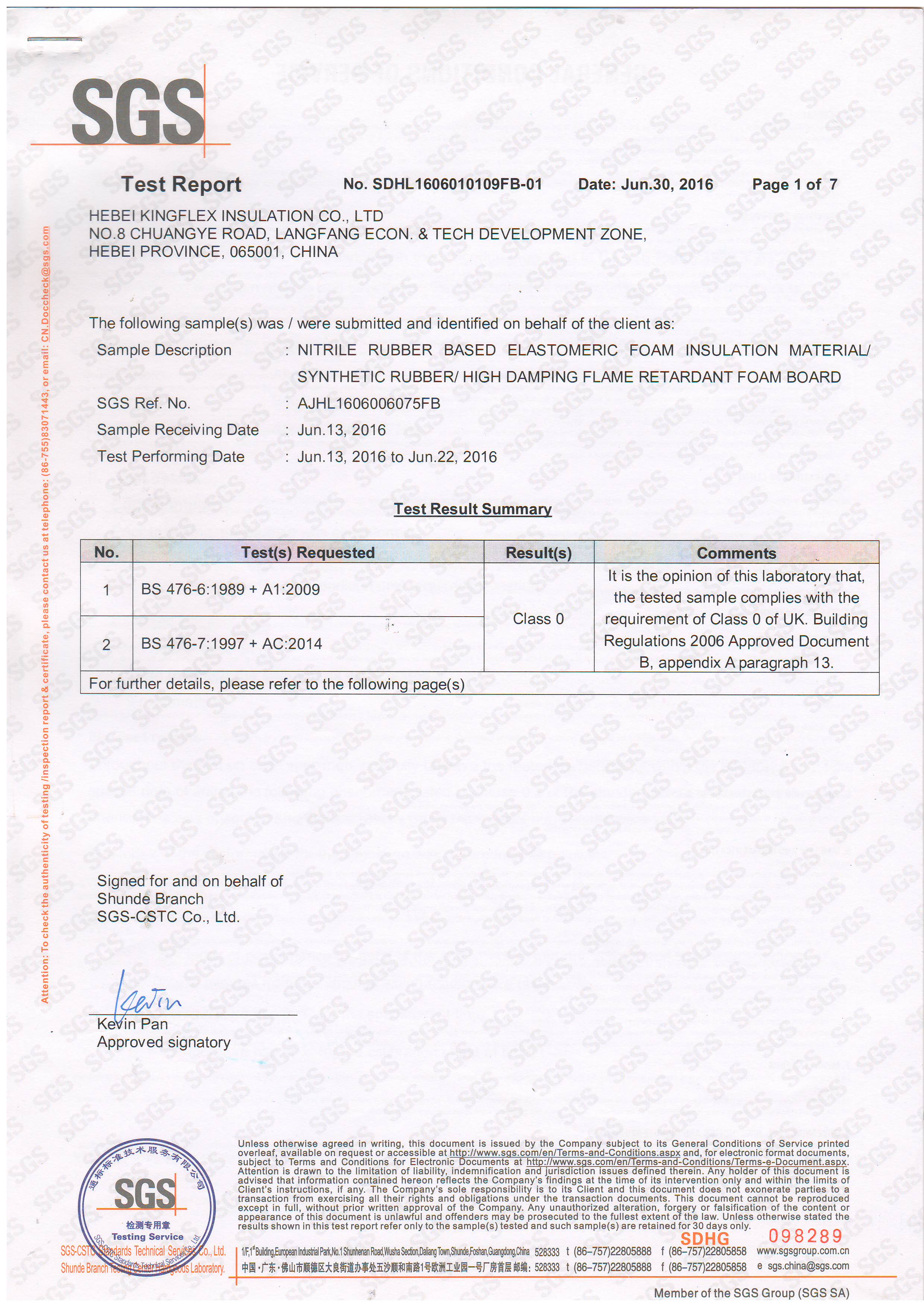
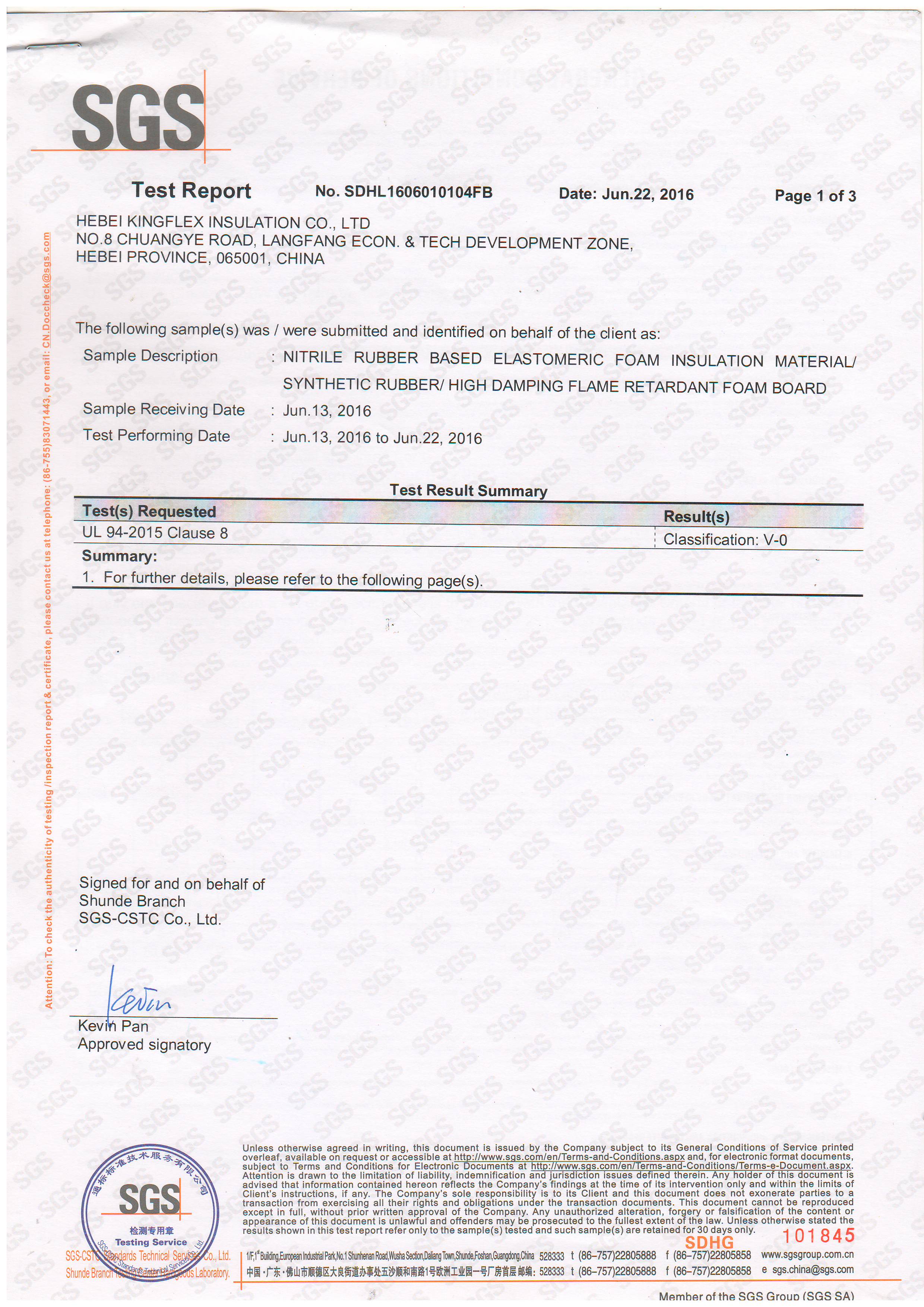
The Fire rating standard method of tests conducted under controlled laboratory conditions is a measure of a material to spread flame when compared to a known standard and is not intended to reflect hazards presented by this or any material under actual fire conditions.
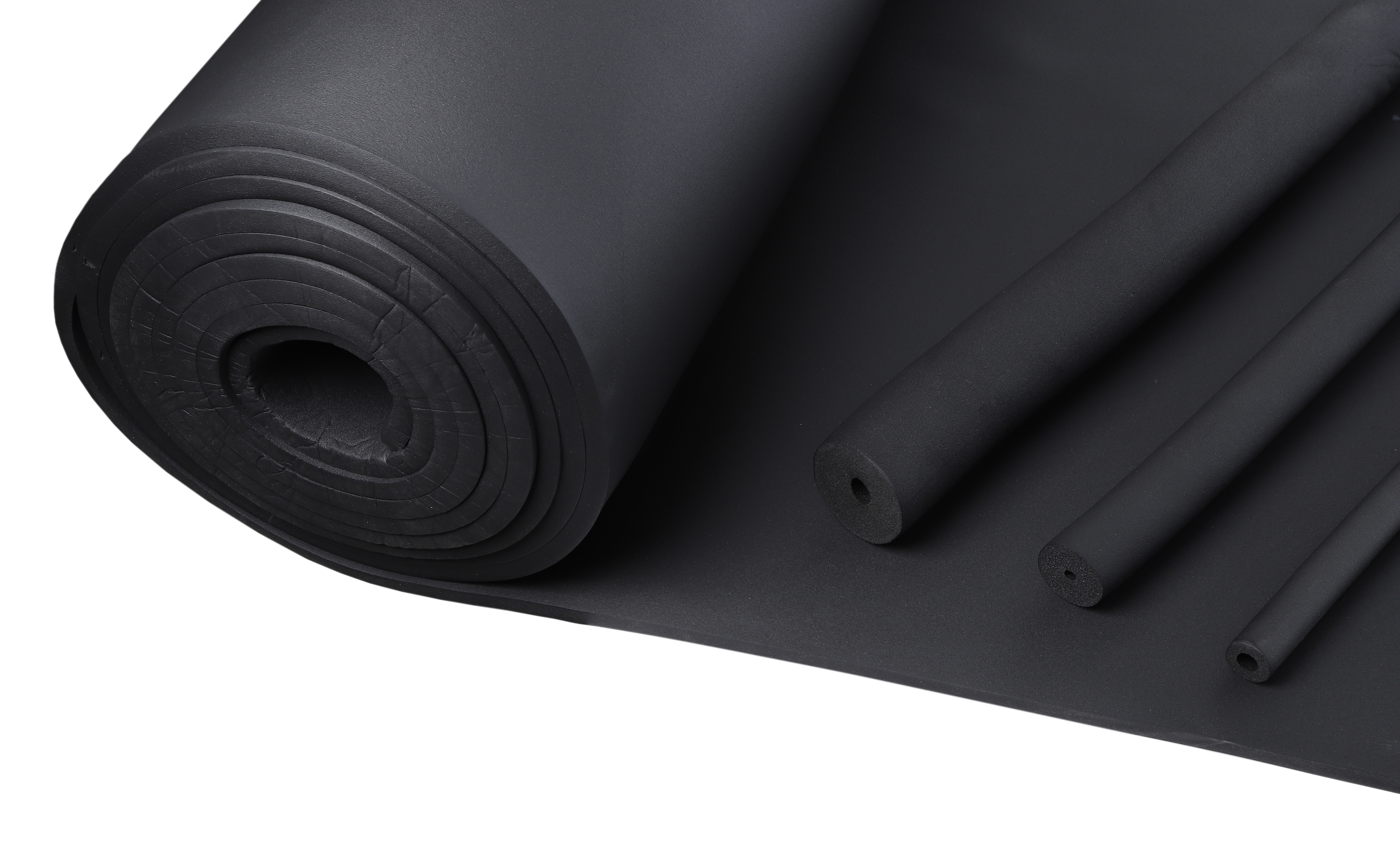
Good flexibility at low temperature
Clean, dust-free, fast and easy installation
Low thermal conductivity
Good uniform products quality appearances
High water vapor resistance factor, >5500


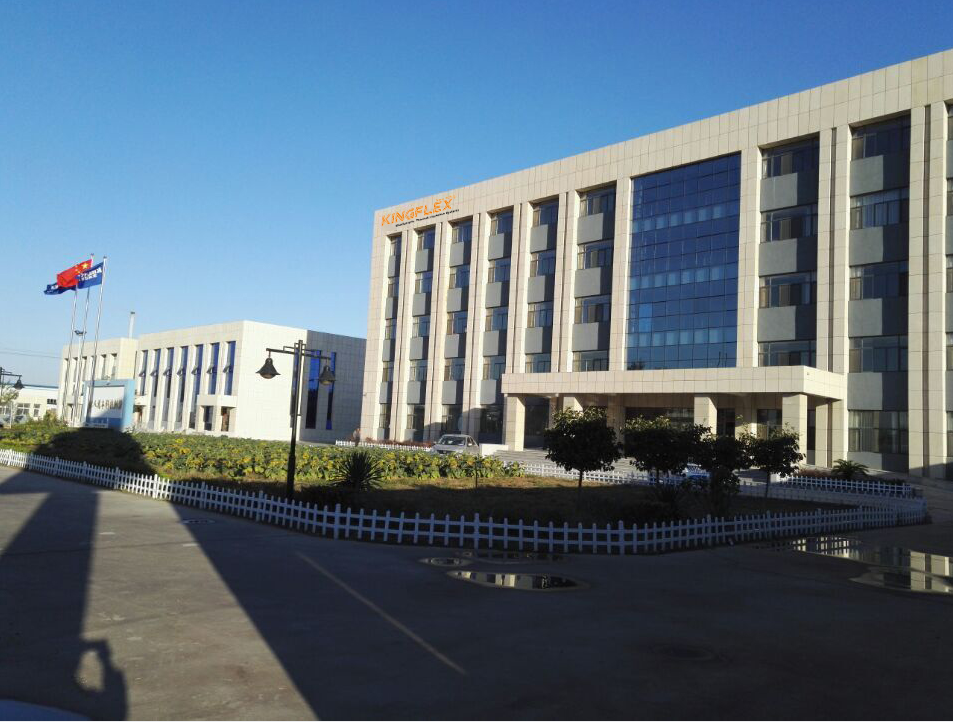
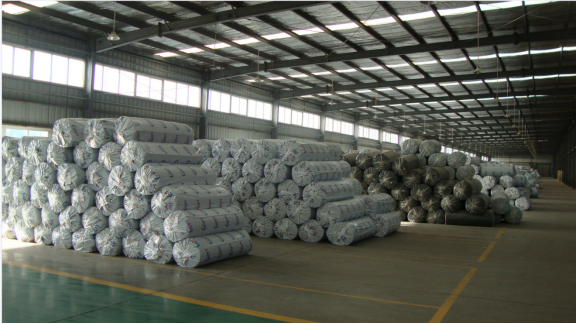
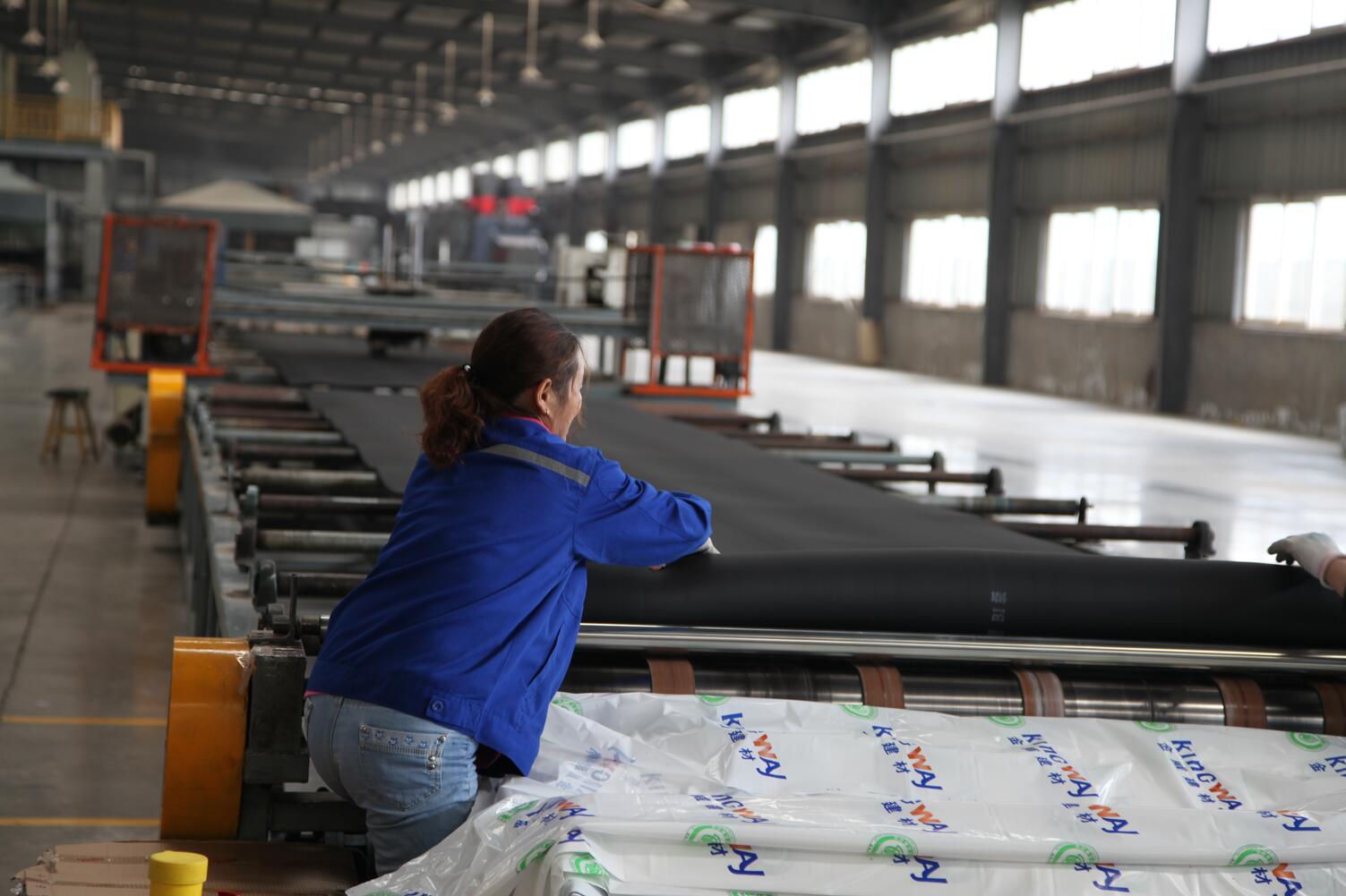


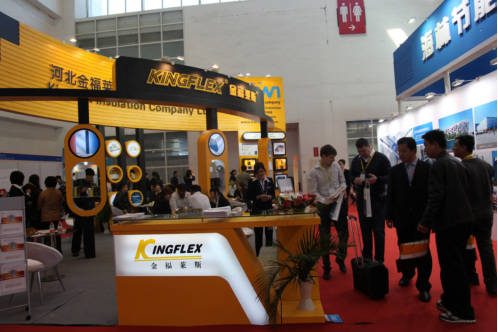
| Product Dimensions | |||||||
|---|---|---|---|---|---|---|---|
| Thickness | Width 1m | Width 1.2m | Width 1.5m | ||||
| Inches | mm | Size(L*W) | ㎡/Roll | Size(L*W) | ㎡/Roll | Size(L*W) | ㎡/Roll |
| 1/4" | 6 | 30 × 1 | 30 | 30 × 1.2 | 36 | 30 × 1.5 | 45 |
| 3/8" | 10 | 20 × 1 | 20 | 20 × 1.2 | 24 | 20 × 1.5 | 30 |
| 1/2" | 13 | 15 × 1 | 15 | 15 × 1.2 | 18 | 15 × 1.5 | 22.5 |
| 3/4" | 19 | 10 × 1 | 10 | 10 × 1.2 | 12 | 10 × 1.5 | 15 |
| 1" | 25 | 8 × 1 | 8 | 8 × 1.2 | 9.6 | 8 × 1.5 | 12 |
| 1 1/4" | 32 | 6 × 1 | 6 | 6 × 1.2 | 7.2 | 6 × 1.5 | 9 |
| 1 1/2" | 40 | 5 × 1 | 5 | 5 × 1.2 | 6 | 5 × 1.5 | 7.5 |
| 2" | 50 | 4 × 1 | 4 | 4 × 1.2 | 4.8 | 4 × 1.5 | 6 |
| Technical Data | |||
|---|---|---|---|
| Property | Unit | Value | Test Method |
| Temperature range | °C | (-50 - 110) | GB/T 17794-1999 |
| Density range | Kg/m3 | 45-65Kg/m3 | ASTM D1667 |
| Water vapor permeability | Kg/(m.s.pa) | ≤0.91×10 ﹣¹³ | DIN 52 615 / BS 4370 Part 2 1973 |
| μ | - | ≥10000 | - |
| Thermal Conductivity | W/(m.k) | ≤0.030 (-20°C) | ASTM C 518 |
| ≤0.032 (0°C) | |||
| ≤0.036 (40°C) | |||
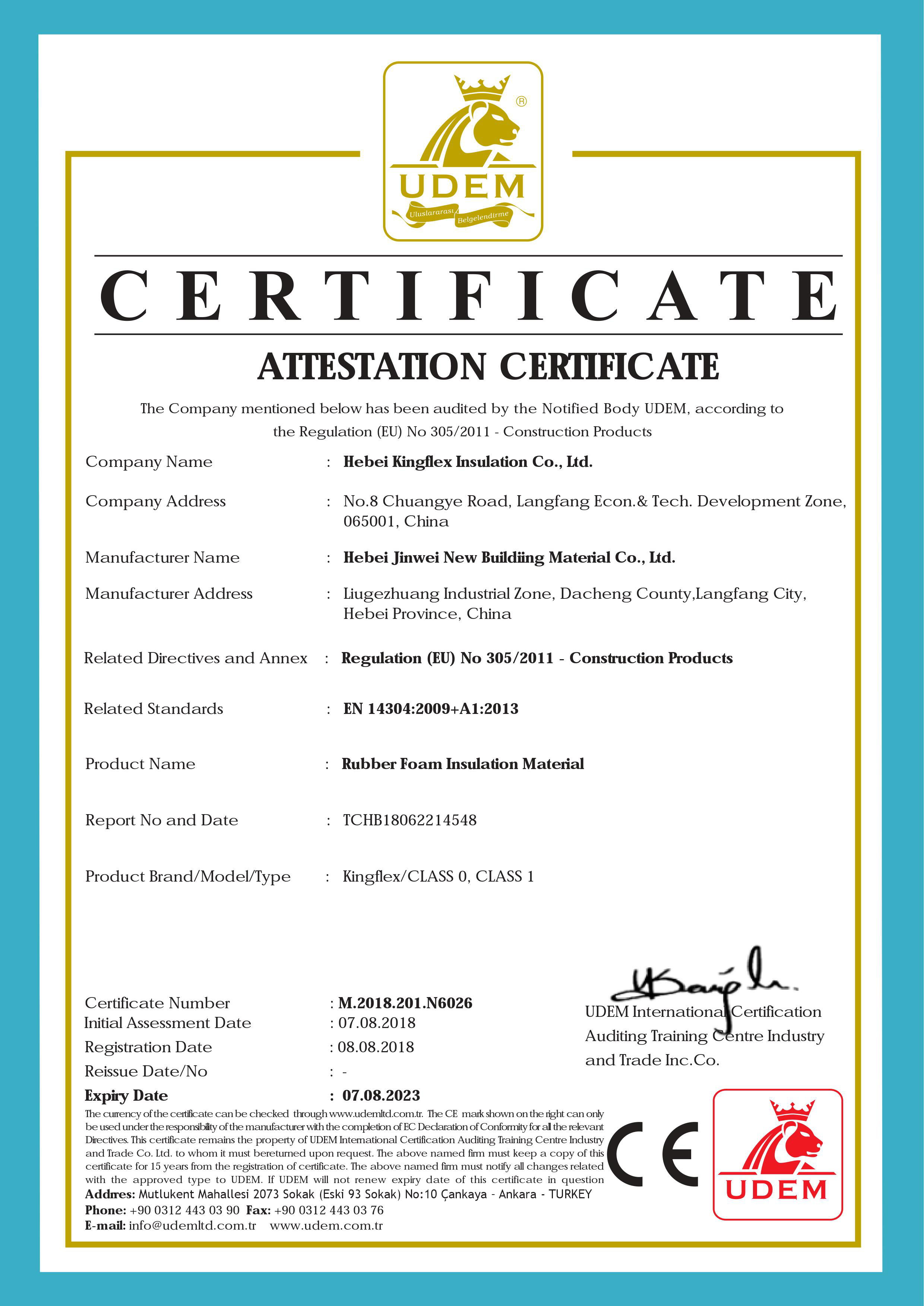
| Fire Rating | - | Class 0 & Class 1 | BS 476 Part 6 part 7 |
| Flame Spread and Smoke Developed Index | - | 25/50 | ASTM E 84 |
| Oxygen Index | - | ≥36 | GB/T 2406, ISO4589 |
| Water Absorption, % by Volume | % | 20% | ASTM C 209 |
| Dimension Stability | - | ≤5 | ASTM C534 |
| Fungi resistance | - | Good | ASTM 21 |
| Ozone resistance | Good | GB/T 7762-1987 | |
| Resistance to U.V. and weather | Good | ASTM G23 | |

1. What is the recommended service temperature range for this insulation material?
This thermal insulation material is designed to operate efficiently within a temperature range of -50°C to 110°C, tested in compliance with standard GB/T 17794-1999.
2. How does the insulation perform under fire safety standards?
The material achieves a Class 0 & Class 1 Fire Rating in accordance with BS 476 Part 6 & 7. Additionally, it features a Flame Spread and Smoke Developed Index of 25/50 under ASTM E 84, and an oxygen index of ≥36.
3. What is the thermal conductivity rating at different temperatures?
According to ASTM C 518 testing, the thermal conductivity values are exceptionally low: ≤0.030 W/(m.k) at -20°C, ≤0.032 W/(m.k) at 0°C, and ≤0.036 W/(m.k) at 40°C.
4. Does the material prevent moisture and water vapor penetration?
Yes, the insulation features a high water vapor resistance factor (μ ≥ 10000) and a water vapor permeability rating of ≤0.91×10⁻¹³ Kg/(m.s.pa), ensuring superior resistance to condensation.
5. Is this insulation resistant to environmental elements like UV and mold?
Absolutely. The material offers outstanding resistance to fungi (ASTM 21), ozone (GB/T 7762-1987), and UV/weathering (ASTM G23), making it highly durable for outdoor and humid environments.
6. What dimensions and thicknesses are standardly available?
The insulation is available in thicknesses ranging from 1/4" (6mm) to 2" (50mm). Roll widths are offered in 1m, 1.2m, and 1.5m to suit different installation requirements.