 Kingflex
Kingflex
Kingflex
Engineered Acoustical Solutions for Advanced HVAC Systems & Cryogenic Insulation Systems
Discover our industrial-grade elastomeric insulation products designed to minimize transmission loss, suppress breakout noise, and maximize thermal efficiency.
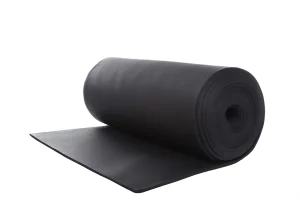
Modern commercial and residential infrastructure demands silent operation from HVAC (Heating, Ventilation, and Air Conditioning) systems. Air ducts act as physical acoustic waveguides, propagating noises generated by fans, dampers, compressors, and air friction straight into occupant environments. This acoustic transmission, known as duct breakout noise and airborne noise, can degrade occupant comfort, reduce workplace productivity, and fail to meet municipal acoustic regulations.
As a leading China Air Duct Sound Dampening Manufacturer & Factory, Kingflex Insulation Co., Ltd. specializes in producing elastomeric rubber foam materials that solve both thermal and acoustic challenges simultaneously. By installing structural sound-dampening components inside and around air ducts, engineers can successfully absorb high-frequency fan noise, mitigate structural vibration, and maintain thermal conductivity values ($\lambda \le 0.034$ W/m·K at 0°C) to prevent condensation and energy loss.
To choose the correct material, it is vital to evaluate the physical mechanisms of sound absorption. Our open-cell elastomeric rubber foam sheets, ranging from 6mm to 50mm, allow air molecules to enter the foam matrix, dissipating acoustic energy as thermal energy through internal friction. Conversely, our closed-cell rubber foam structures offer a highly efficient moisture barrier and thermal boundary, perfect for cold-air distribution systems where humidity control is paramount.
With an ideal density range of 40-55 kg/m³, our rubber foam provides high damping characteristics without adding excessive dead weight to the duct suspended structures.
Meeting BS 476 (Class 0 and Class 1), ASTM E84, and UL94 testing parameters, ensuring that the sound dampening material does not accelerate fire propagation inside ductwork.
The high moisture resistance factor (µ ≥ 7000) prevents air moisture from penetrating the cell structure, eliminating the threat of mold, rot, and structural decay.
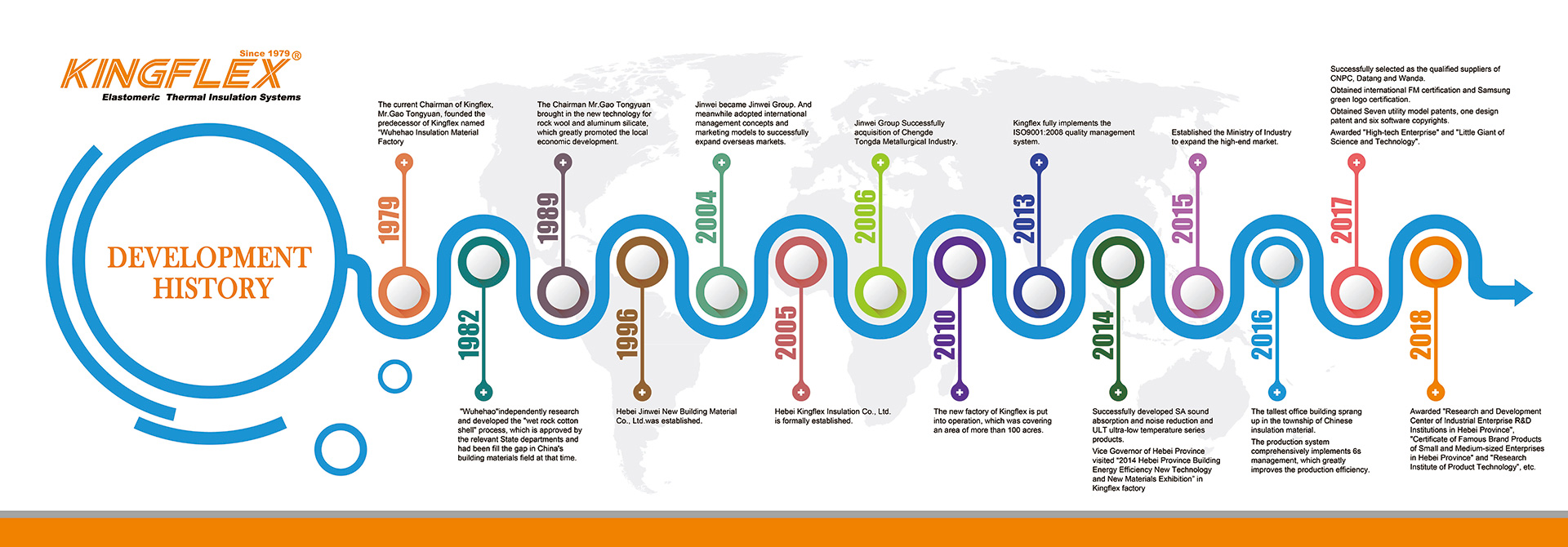
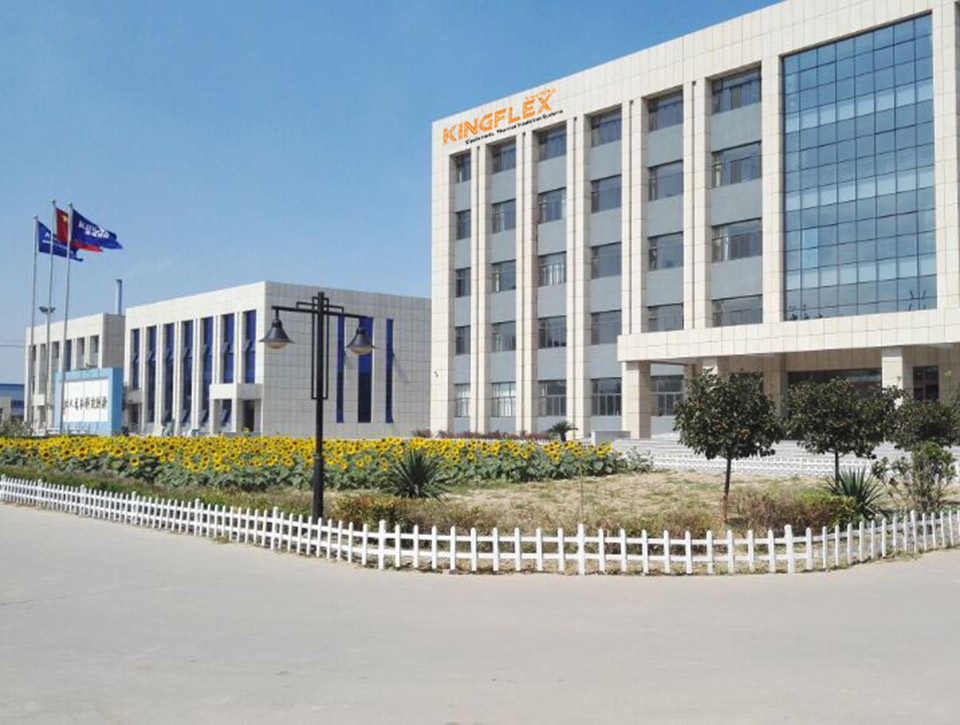
Kingflex Insulation Co., Ltd. is backed by the extensive heritage of the Jinwei Group, established in 1979. Over the past 40 years, Jinwei Group has built a reputation for pioneering thermal and acoustic insulation engineering north of the Yangtze River. Today, Kingflex carries this legacy forward as a modern, high-tech manufacturing and trading combo, focusing heavily on environmentally friendly, low-carbon materials that align with international sustainable development goals.
Our facility, based in Dacheng, China—widely recognized as the national capital for green building material development—features advanced automated infrastructure. By blending decades of processing experience with advanced raw material chemistry, we guarantee that our structural air duct lining products withstand long-term operational pressure without degrading, flaking, or generating hazardous dust particles, which is a major concern when using traditional fiberglass duct liners.
In addition to our production capability, our engineers work alongside international research partners to develop custom formulations for extreme temperatures, high-impact mechanical rooms, and marine environments. Our historical commitment to energy saving underpins every stage of the manufacturing loop, from formulation to final delivery.
Our high-capacity manufacturing lines run continuously to support municipal, commercial, and heavy industrial building infrastructure globally.
When selecting acoustic and thermal insulation for HVAC duct systems, engineers generally compare elastomeric rubber foam against mineral rock wool or fiberglass. Understanding the distinct properties of these materials is crucial for ensuring code compliance, indoor air quality (IAQ), and long-term acoustic mitigation.
| Performance Property | Kingflex Elastomeric NBR/PVC Foam | Glass Fiber / Rock Wool Insulation | Polyethylene (PE) Foam Insulation |
|---|---|---|---|
| Cellular Structure | Closed-cell / Specialized Open-cell Mix | Fibrous, non-isotropic matrix | 100% Closed-cell (Semi-rigid) |
| Sound Absorption (NRC) | 0.65 - 0.85 (Specialized Open-cell) | 0.70 - 0.90 (Requires protective facing) | 0.15 - 0.30 (Poor absorption) |
| Moisture Absorption | Extremely Low (µ ≥ 7000) | High (Requires separate vapor barrier) | Very Low |
| IAQ & Fiber Shedding | Zero fiber shedding, zero dust emission | Prone to fiber shedding, potential irritant | Zero fiber shedding |
| Service Temperature | -40°C to +105°C (Up to -200°C for Cryogenic) | Up to +650°C (High temp resistant) | -80°C to +90°C |
| Flame Spread Index | Class 0 (BS 476 Part 6/7), ASTM E84 ≤ 25 | Non-combustible (Class A) | Flame retardant variations available |
While rock wool maintains high-temperature capabilities, elastomeric rubber foam remains superior for indoor air quality because it does not release microscopic fibers into the supply air stream. Fiber shedding from internal fiberglass duct liners can settle in commercial offices or hospital rooms, presenting serious health risks. Furthermore, because elastomeric rubber foam has inherent vapor barriers, it does not trap moisture. Moist insulation in rock wool leads to structural sagging, loss of thermal performance, and dangerous bacterial growth.
We believe that trust is earned through repeatable manufacturing precision. Kingflex employs 8 professional R&D engineers, 6 international sales experts, and a dedicated production workforce of 230 staff. Our research facility continually tests physical mechanical properties, compression set recovery, flame index, and thermal degradation curves.
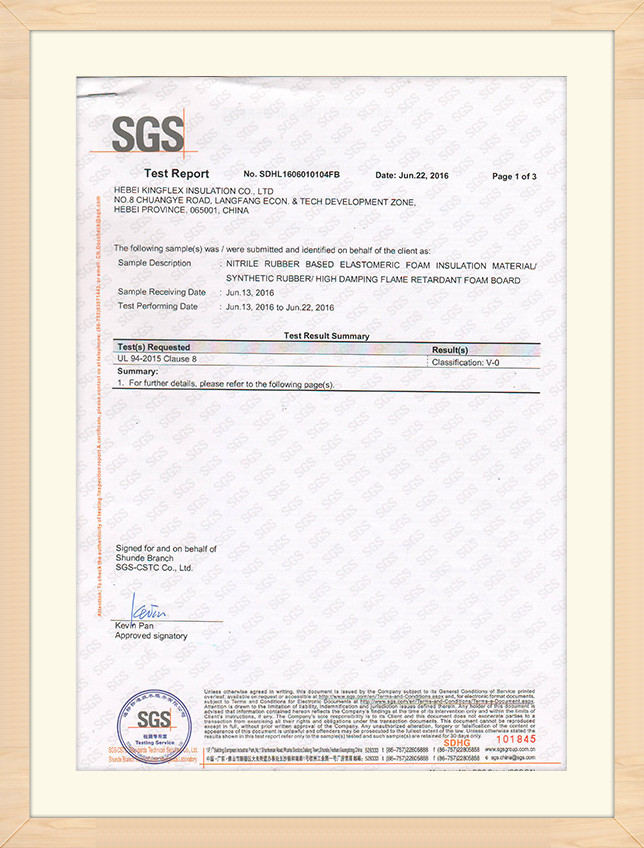
Our products comply with international safety directives. Kingflex has obtained certifications for BS 476, CE, REACH, RoHS, UL94, and ASTM standards. Each manufacturing run is fully traceable back to the raw batch input, ensuring that our customers in North America, Europe, Southeast Asia, and the Middle East receive certified products.
In our R&D laboratory, we simulate real-world thermal stresses and extreme humidity conditions to ensure that the material preserves its dynamic stiffness and elastic behavior, which are critical parameters for decoupling duct vibration from hangers and support brackets.

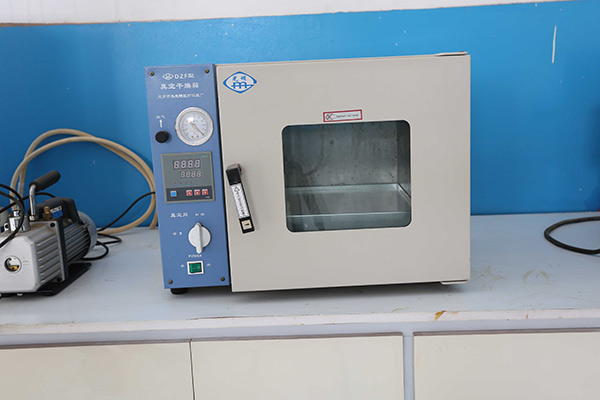
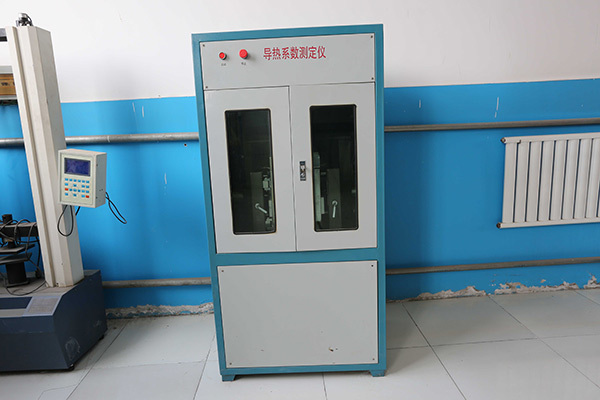
Tested and verified by global safety and material testing authorities, including BS 476, ASTM, and UL standards.
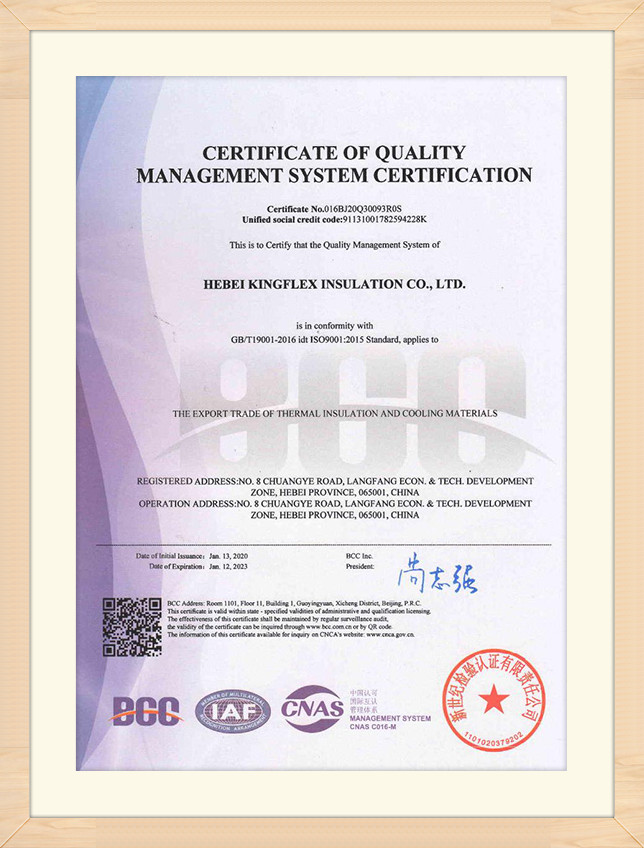
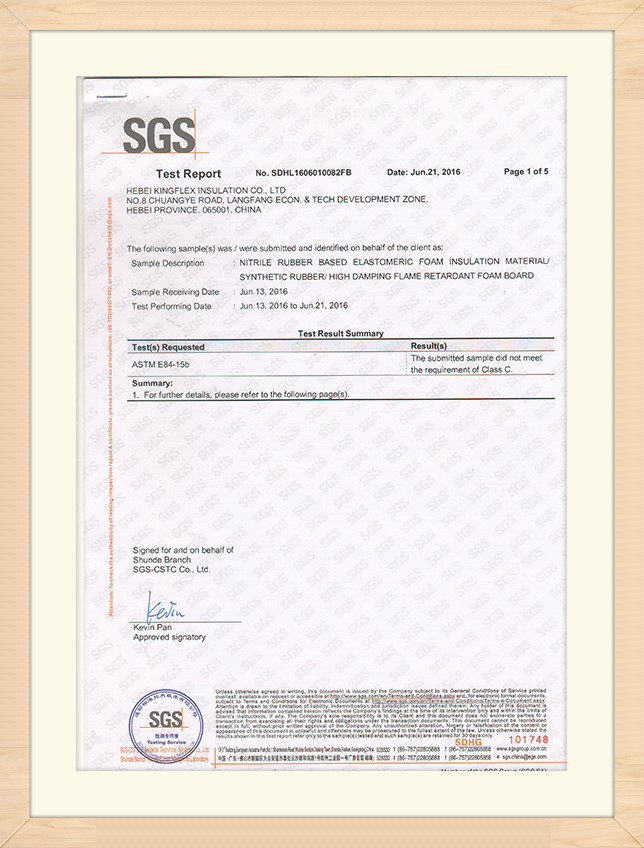
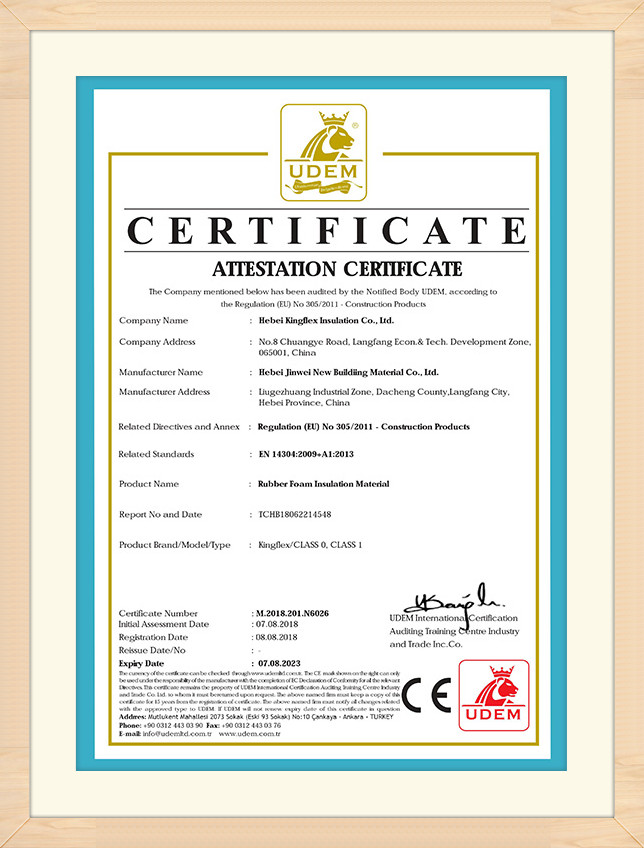

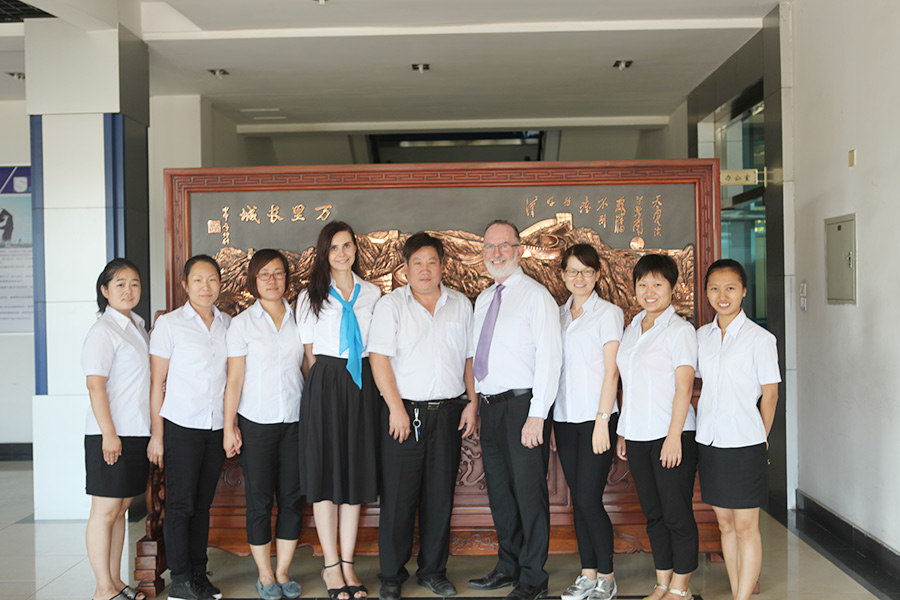
We support global mechanical engineering contractors, HVAC wholesalers, acoustic consultants, and large-scale industrial buyers. We understand that projects operate under strict deadlines, so our customer support department provides detailed calculation support, submittal documentation, and shipping logs.
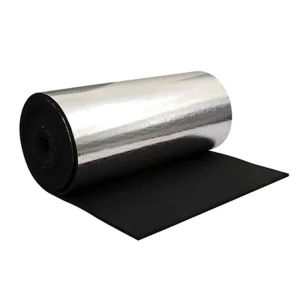
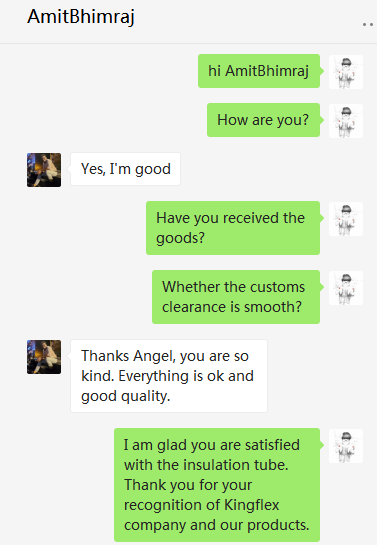
Our sales department maintains rapid feedback channels via instant messaging, offering rapid quotes and factory updates. We accommodate custom requirements, including pre-applied pressure-sensitive adhesives, aluminum foil facings, and customized tube thicknesses or diameters to speed up site installation.
Our team works closely with logistics agents to ensure shipping density is optimized. Rubber foam is naturally compressible, so we apply custom packing configurations to maximize cubic volume per container, reducing international freight costs for our buyers.
Transparent communication, quick feedback, and successful project supply records are key parts of the Kingflex service system.




The global construction industry is shifting toward high-efficiency building designs, putting a premium on low-energy systems and acoustic comfort. Traditional ventilation systems often relied on oversized silencers, but modern space limitations require high-performance, thin acoustic linings that fit inside complex mechanical rooms and plenums.
Current trends highlight several critical advancements in duct acoustics:
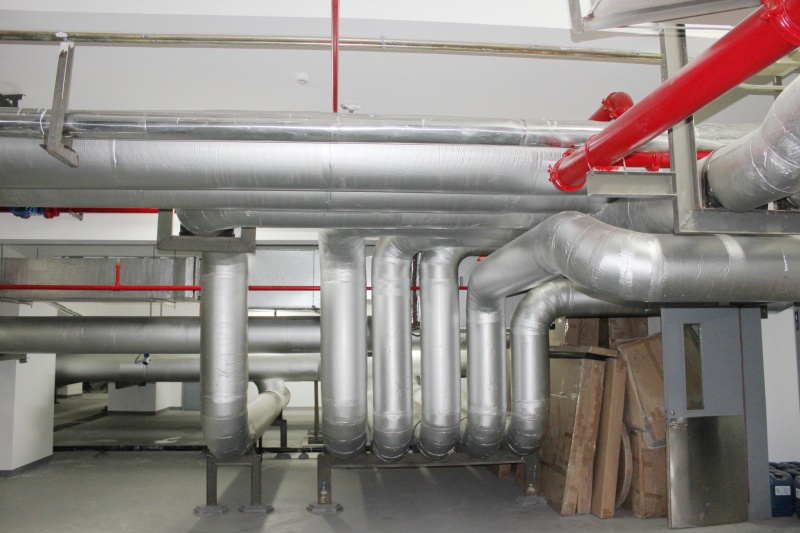
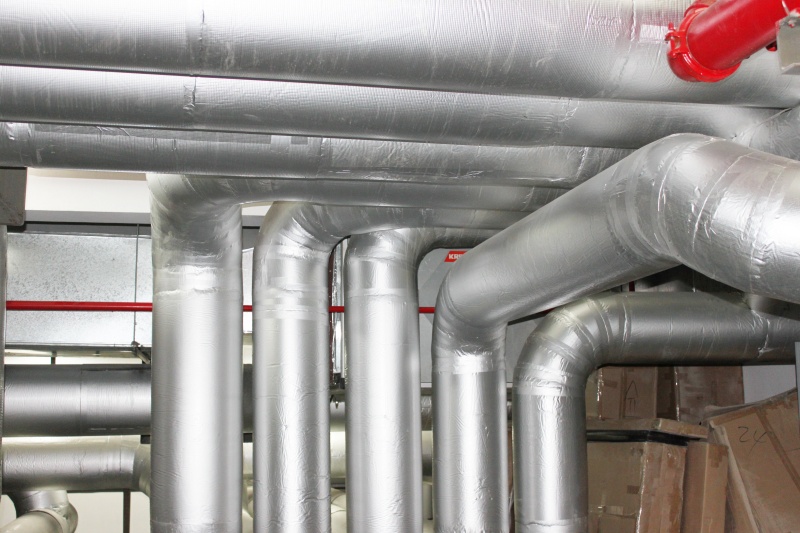
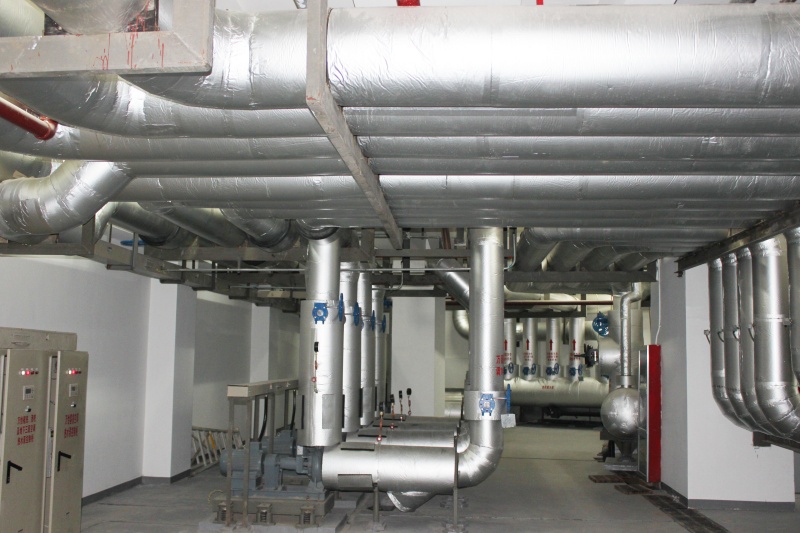
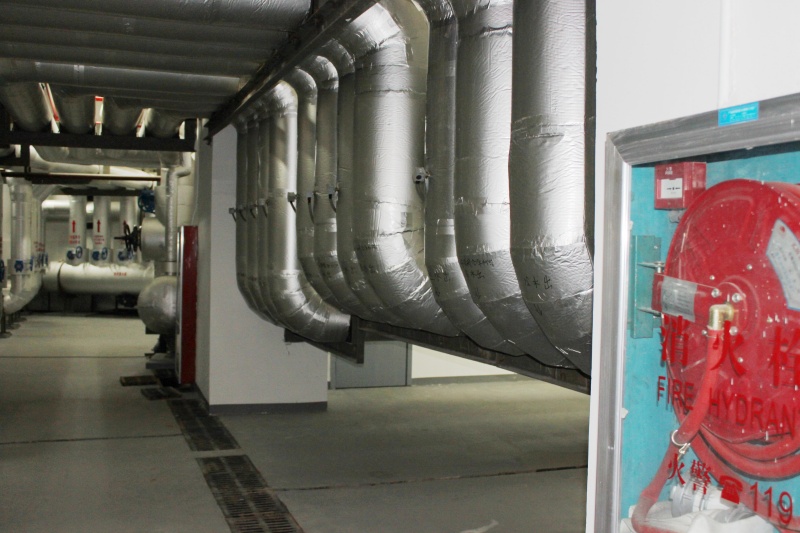
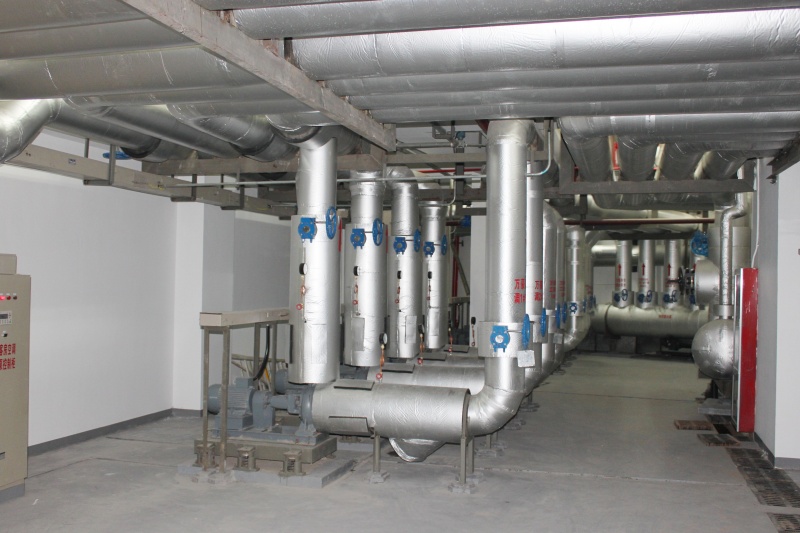
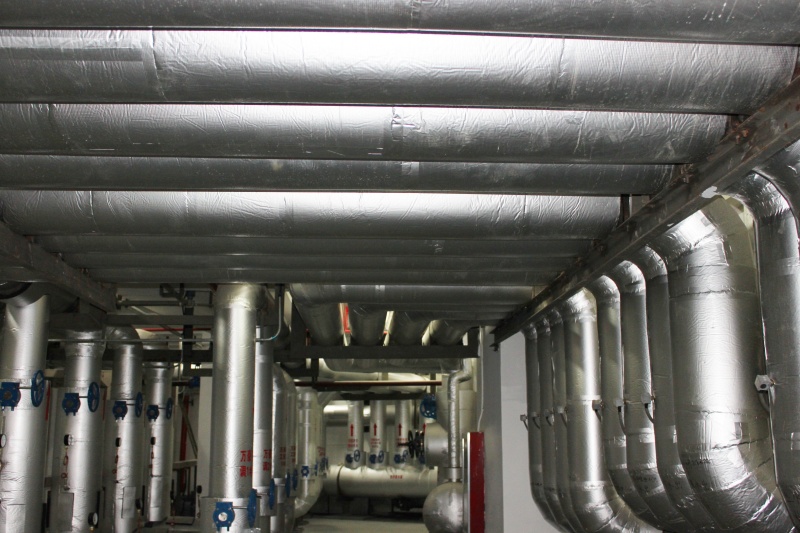
Kingflex insulation materials are installed across international commercial airports, manufacturing plants, offices, and high-tech cryogenic pipelines.
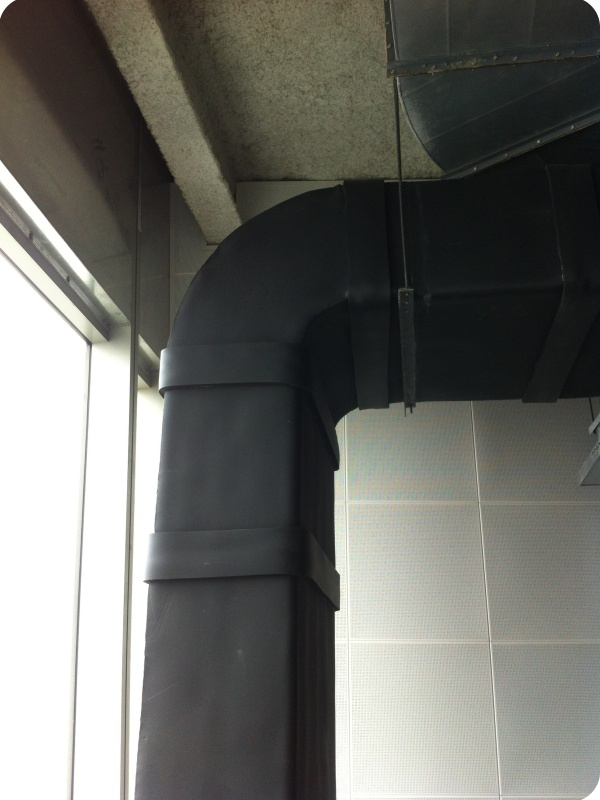
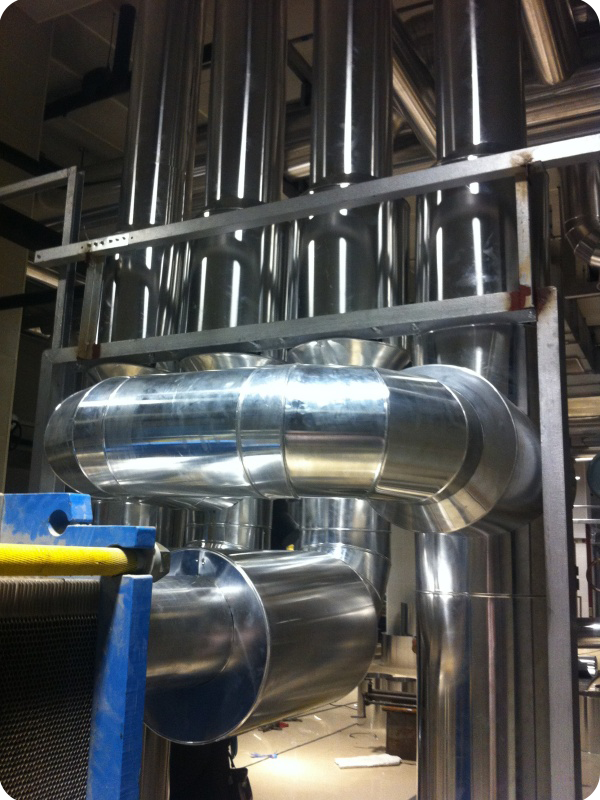
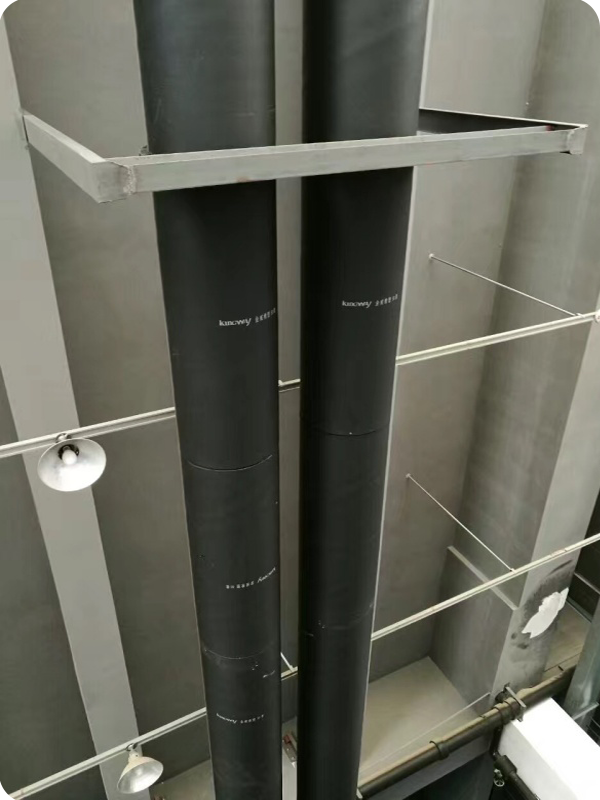
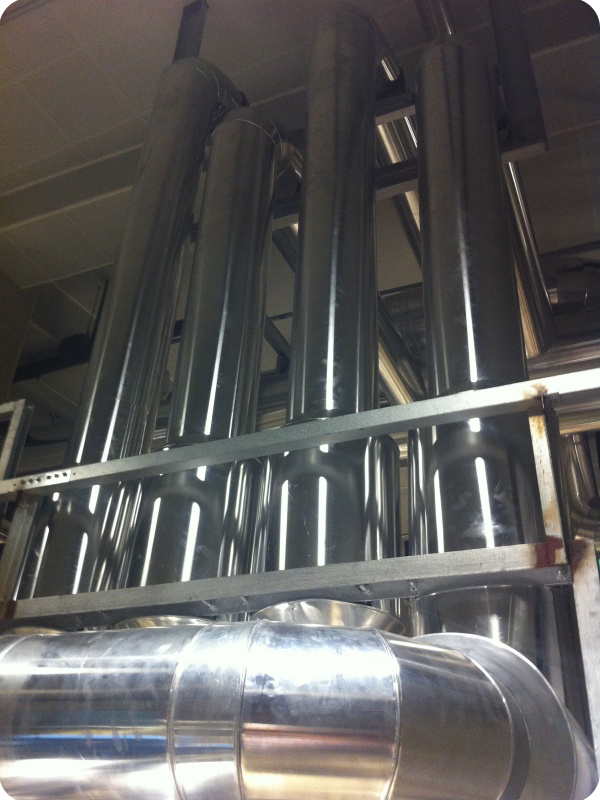
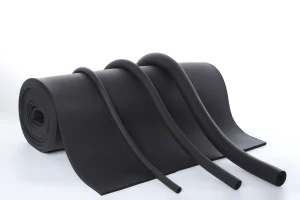
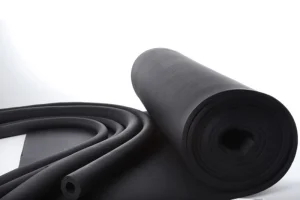
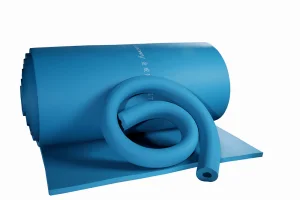
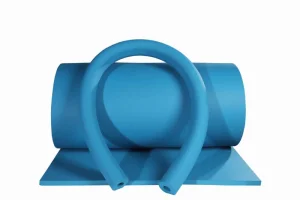
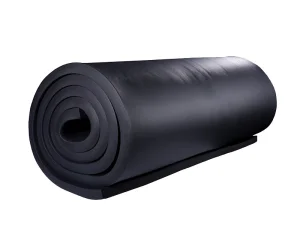
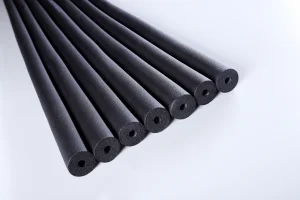
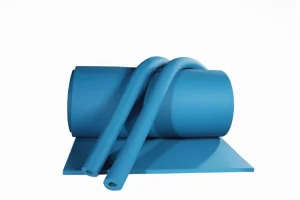
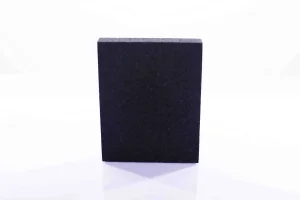
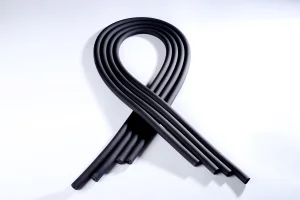
Depending on the layout of your air handling system, you will require different configurations of rubber foam. Kingflex produces two core formats of high-density NBR/PVC elastomeric materials to address these needs:
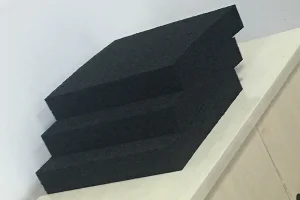
Our sheet rolls are optimized for flat or complex polygonal geometries, such as rectangular air ducts, square plenums, and large vessel tanks. The material provides a uniform thermal envelope that eliminates thermal bridging. Key specifications include:
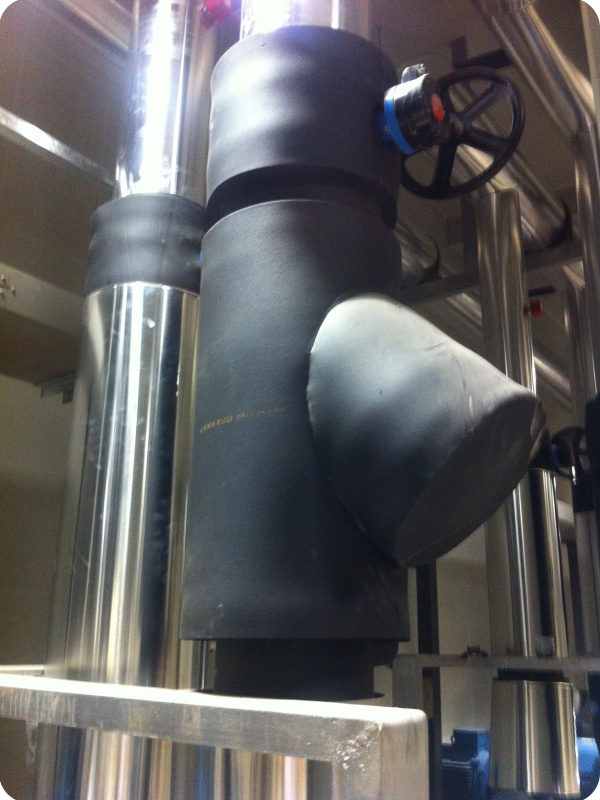
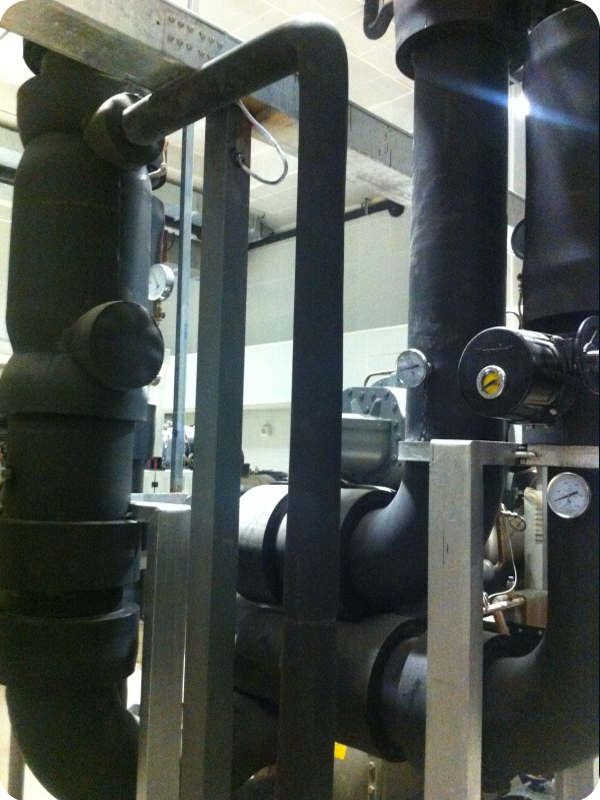
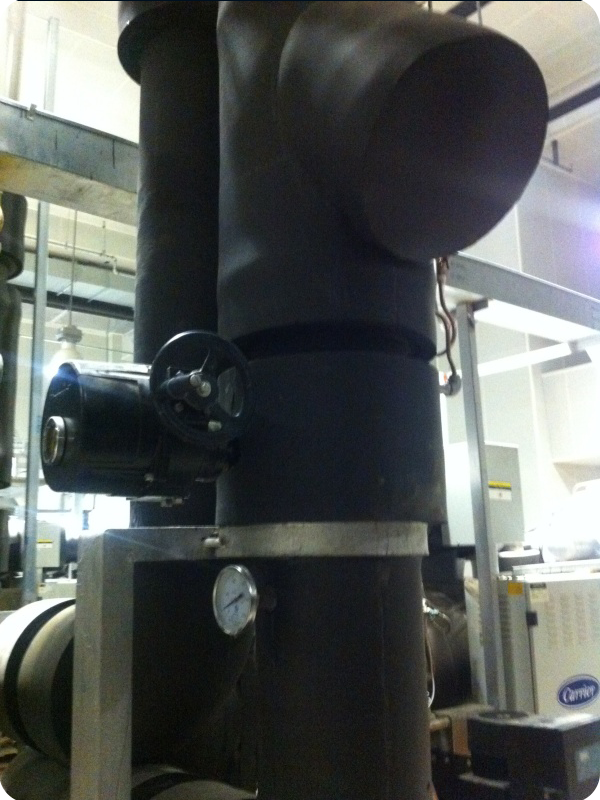
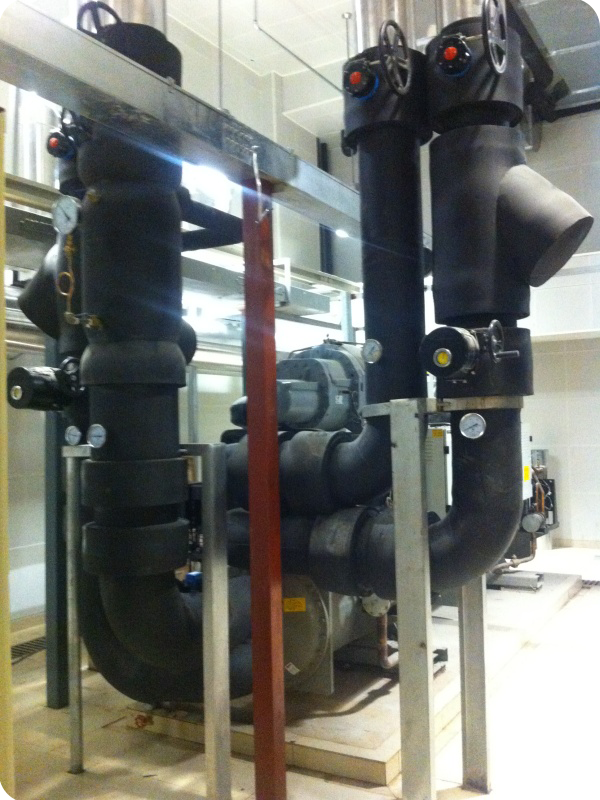
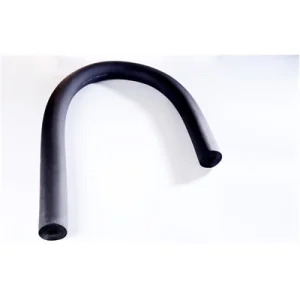
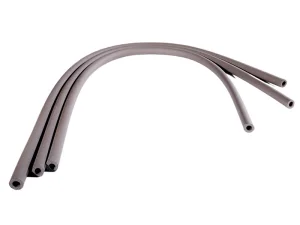
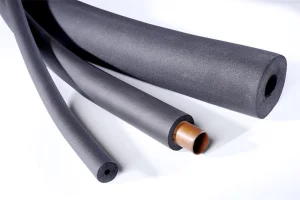
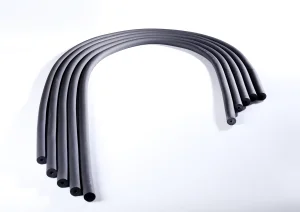
For cylindrical conduits, chilled water pipes, and condensate drainage lines, pre-molded rubber foam tubes are the standard selection. This format simplifies installation, reduces adhesive use, and provides a continuous circular boundary layer. Key specifications include:
Continuous computerized extrusion and automated chemical foaming ensure consistent material quality and density across all production runs.
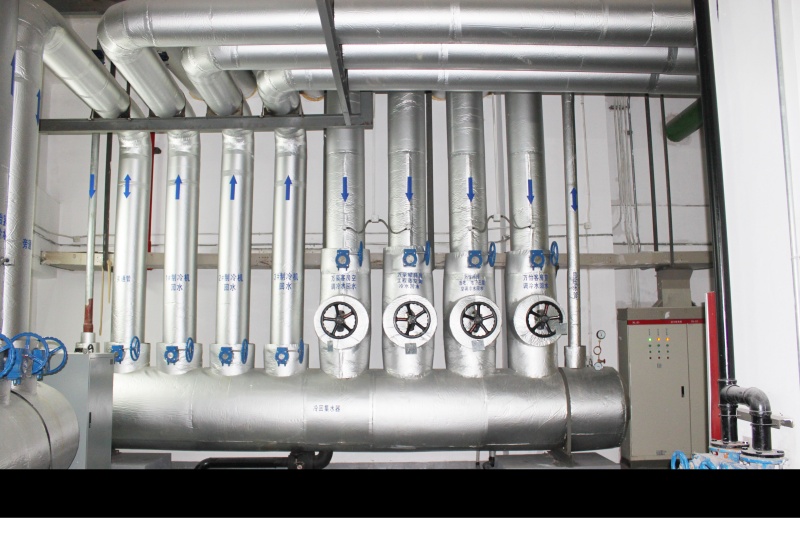
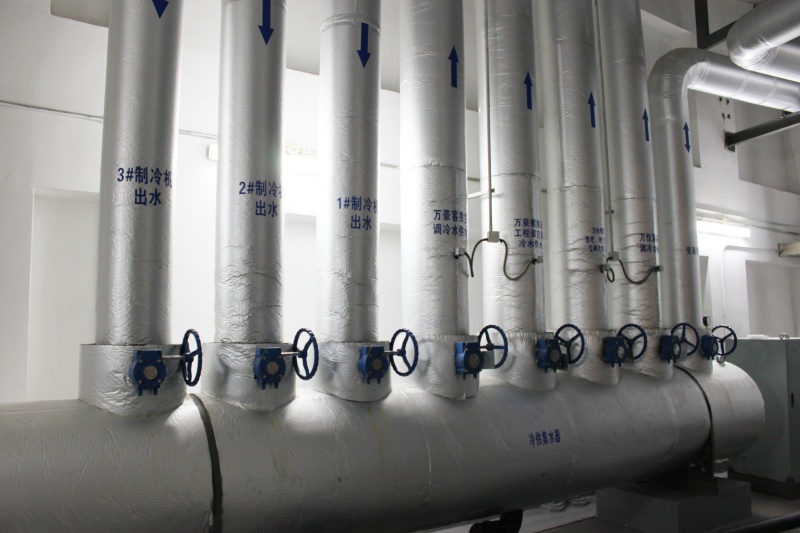

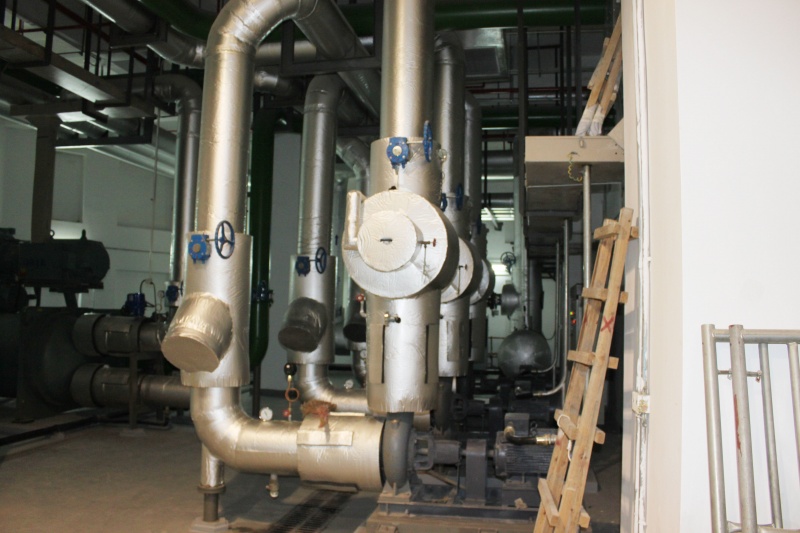
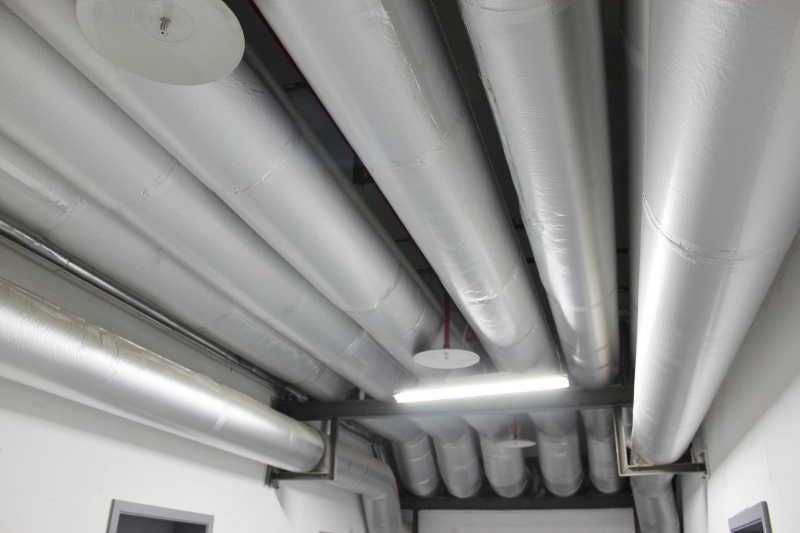
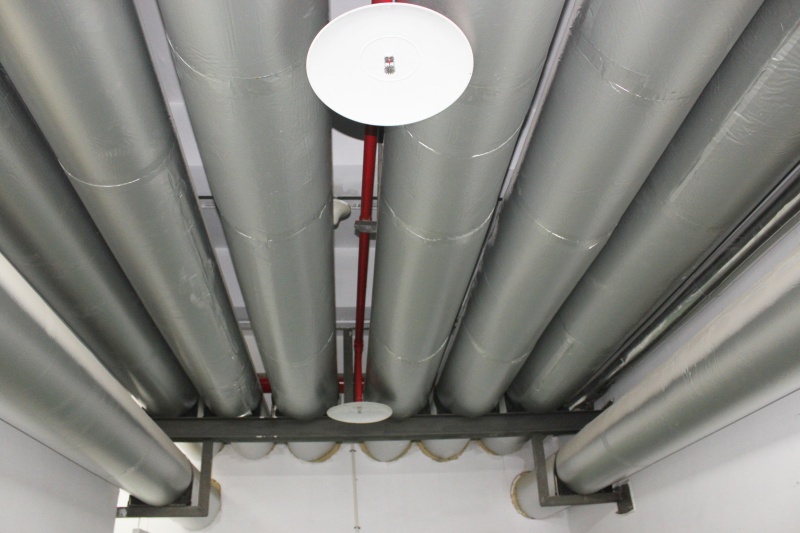
Technical clarifications on performance, compliance, customization, and installation guidelines.
We export to over 66 countries, supplying contractors and distributors with reliable packaging and logistics support.





Select the appropriate insulation format to meet your thermal management and acoustic attenuation requirements.