 Kingflex
Kingflex
Kingflex
Engineered to withstand the demanding marine conditions, our closed-cell elastomeric foam provides superior condensation control, thermal resistance, and noise reduction.
In modern shipbuilding and offshore engineering, boat insulation materials are critical component systems. The global marine sector demands insulation systems that do not merely offer thermal efficiency, but perform under multi-modal stressors. Marine insulation must prevent dynamic thermal loss, arrest structural noise propagation, control condensation under high-humidity shifts, and strictly comply with international maritime safety codes regarding flame-spread and smoke toxicity.
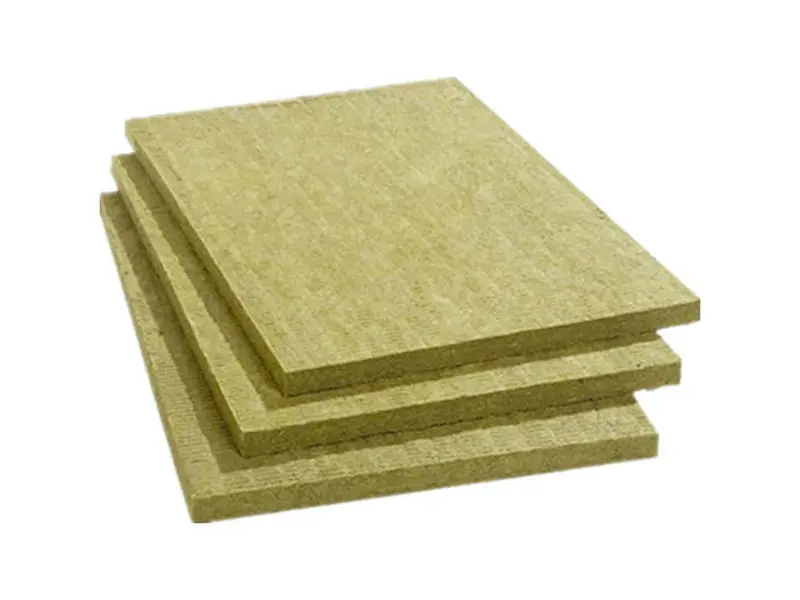
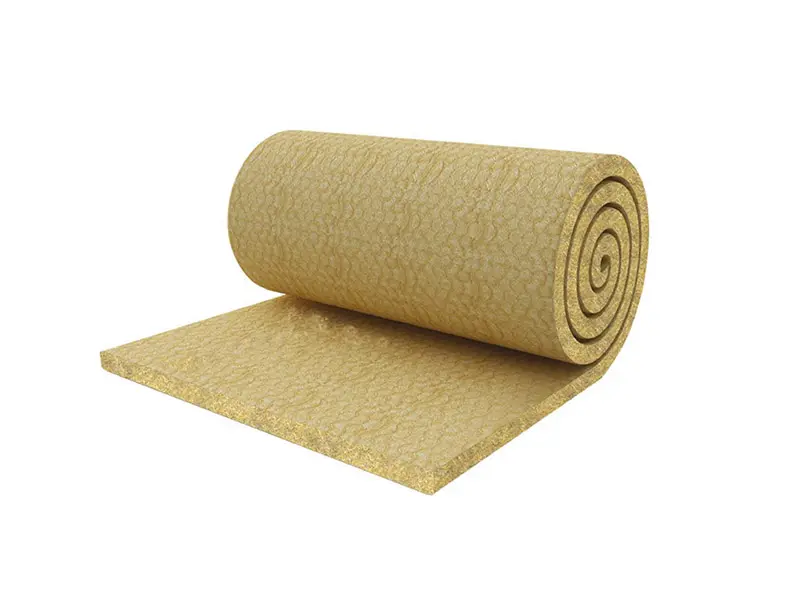
Historically, marine vessels utilized mineral wool or fiberglass solutions. However, the rise of closed-cell elastomeric foam materials has disrupted the market. Traditional systems suffer from moisture absorption under humid ocean climates, which degrades the thermal R-value over time and accelerates Corrosion Under Insulation (CUI) on steel or aluminum hulls. Highly flexible elastomeric rubber foams (NBR/PVC blends) provide an integrated vapor barrier, guaranteeing stable thermal conductivity (λ ≤ 0.034 W/(m·K) at 0°C) over long lifecycles.
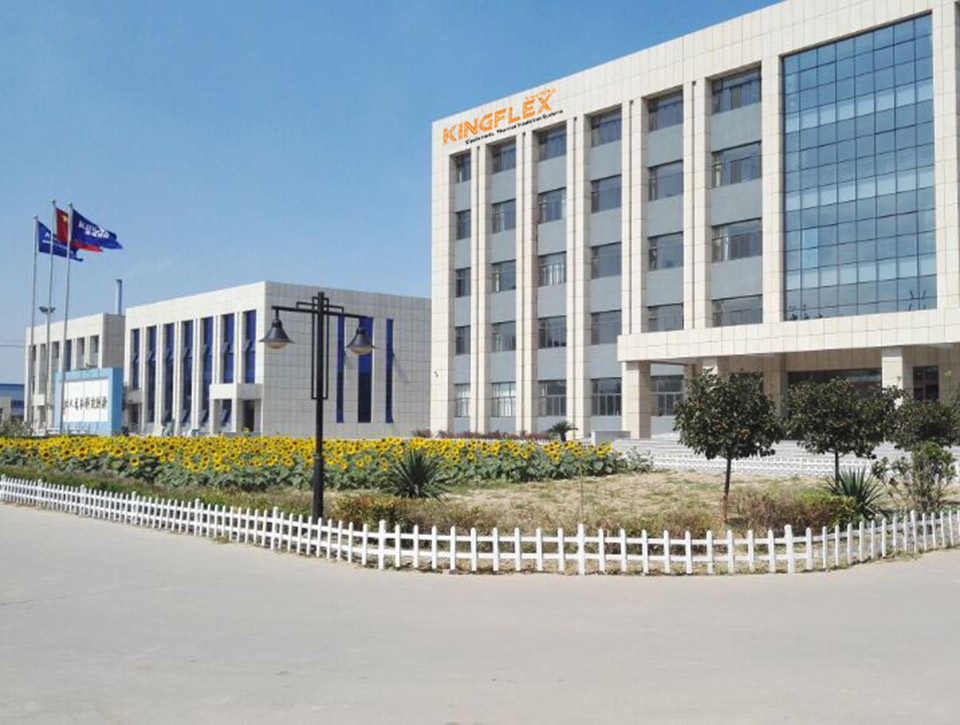
China has established itself as the supply chain anchor for industrial thermal insulation, especially in the marine sector. Chinese factories, notably concentrated in industrial hubs like Dacheng—well-recognized as the capital of green-building materials—offer a structural efficiency advantage that competitors globally cannot replicate.
At Kingflex Insulation Co., Ltd., we utilize five large-scale automatic continuous extrusion and foaming lines. This automation reduces production latency, maintains cell-density uniformity, and yields an annual production capacity exceeding 600,000 cubic meters. By integrating manufacturing operations with direct global trade resources, Chinese suppliers deliver rapid bulk fulfillment and customize dimensions for specialized hull designs. Our localized supply chain of raw elastomers and flame-retardant chemical additives yields cost efficiencies that pass directly to global procurement managers without compromising on strict regulatory standards.
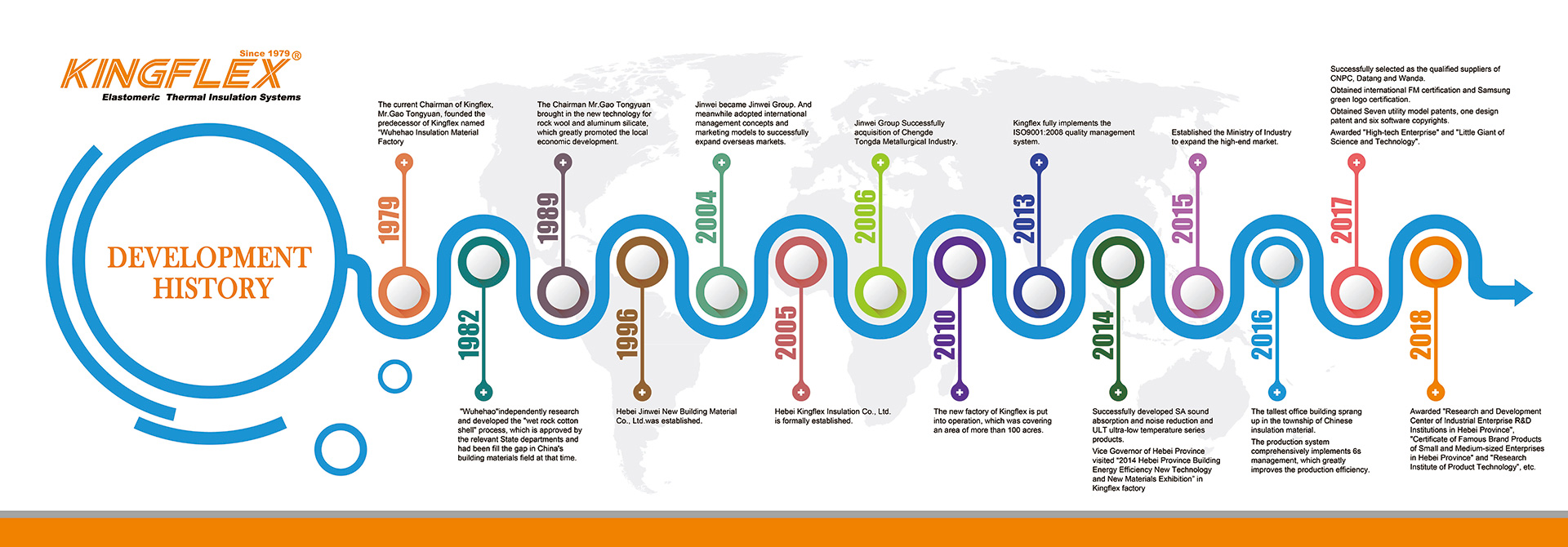
Established under the umbrella of the Jinwei Group, which holds a historic legacy dating back to 1979 as the pioneer manufacturer of thermal insulation materials north of the Yangtze River, Kingflex Insulation has spent decades refining the chemical composition of flexible elastomeric foam.
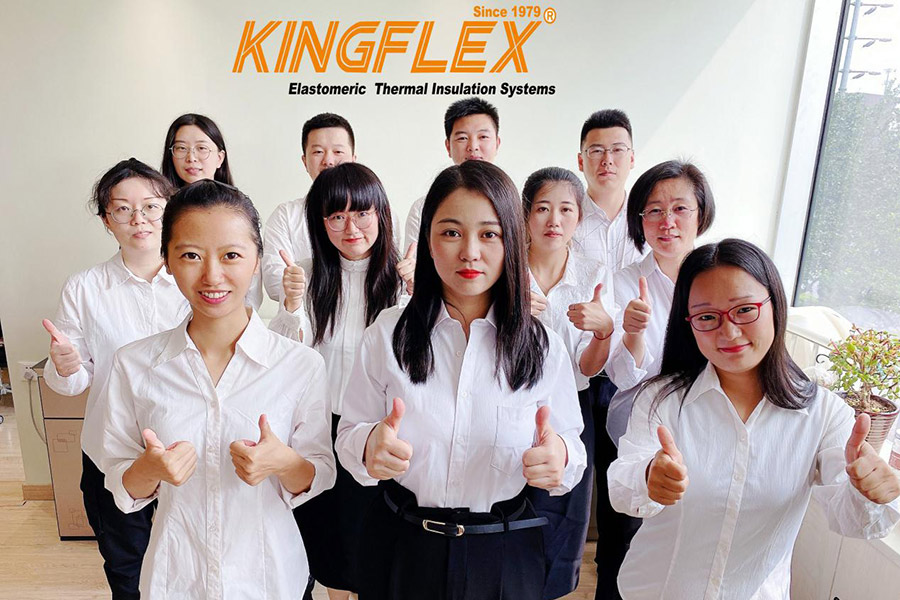
Our operation is driven by a highly specialized workforce consisting of 8 professional R&D engineers, 6 international sales consultants, and 230 skilled production technicians. We operate with a core vision: providing integrated global systems for thermal insulation, cold preservation, and acoustics. Kingflex's engineering capacity is qualified to supply the demanding standards of the Ministry of Energy, the Ministry of Electric Power, and the Ministry of Chemical Industry, making our products a staple in national defense, marine machinery, and aerospace installations.
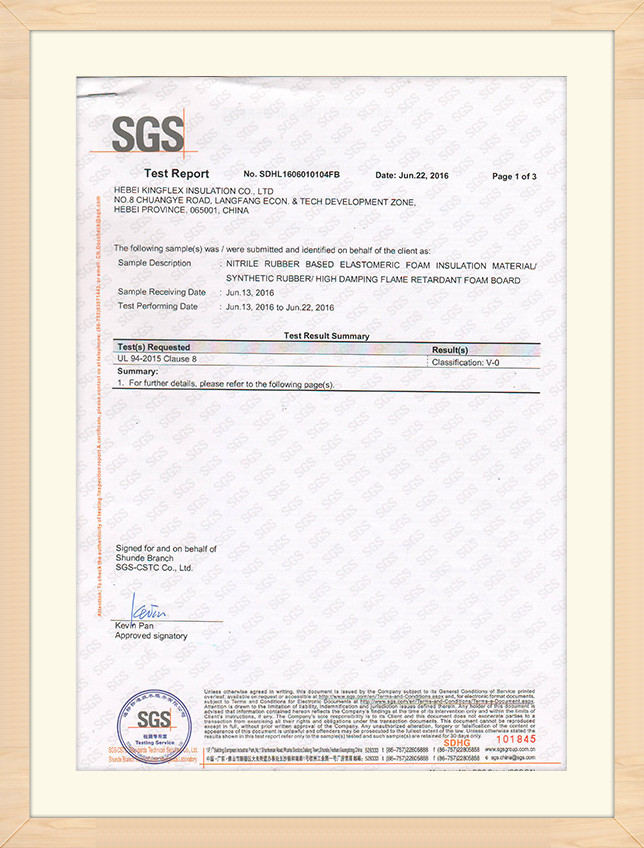
Proof of compliance with critical fire safety, toxic emissions, and quality standards for demanding marine applications.

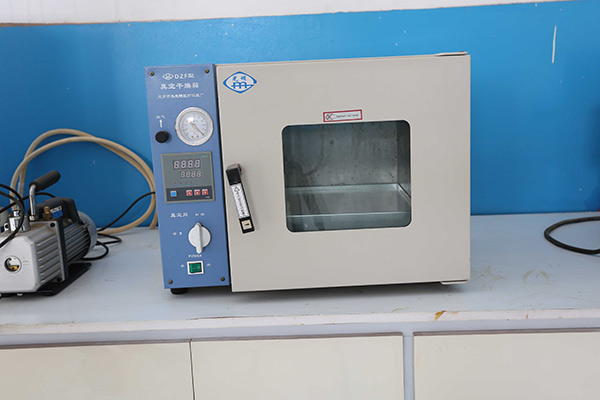
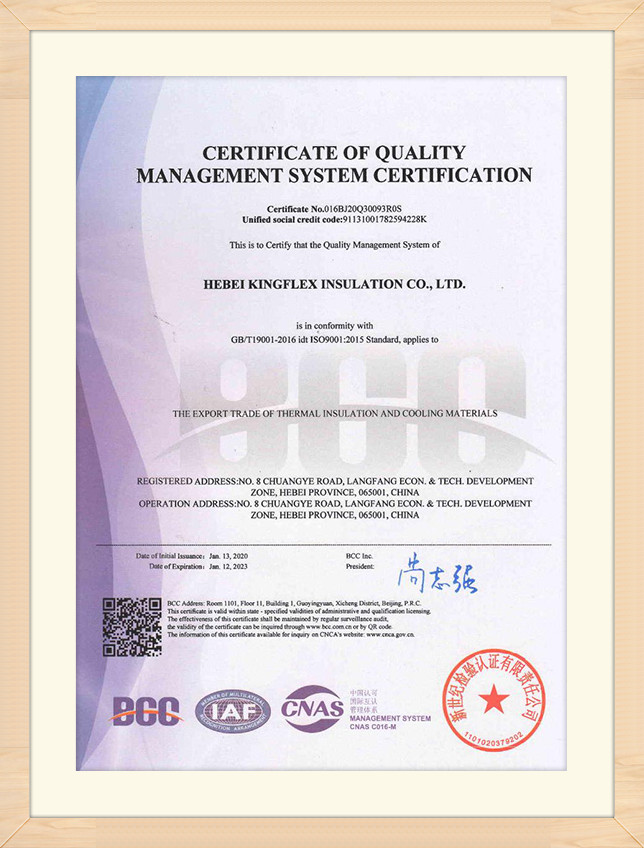
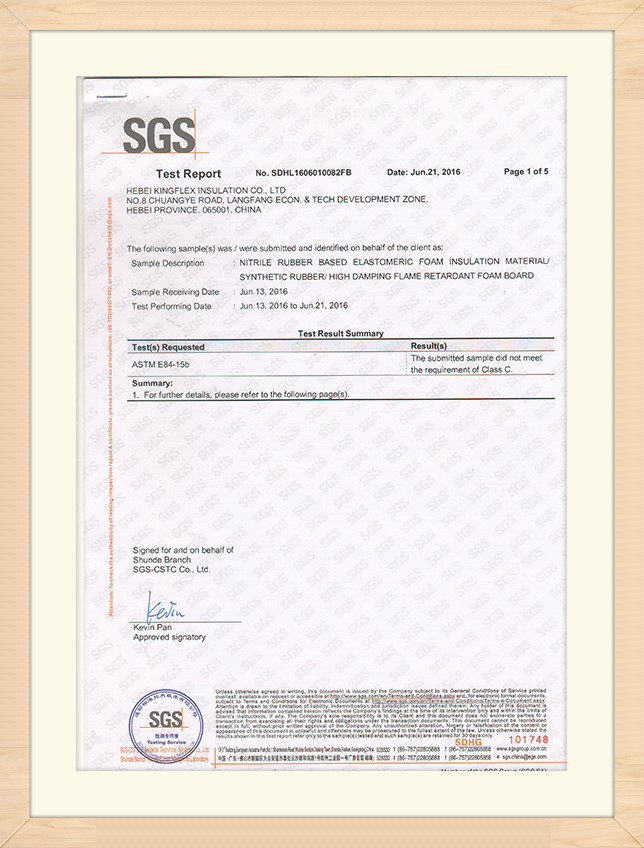
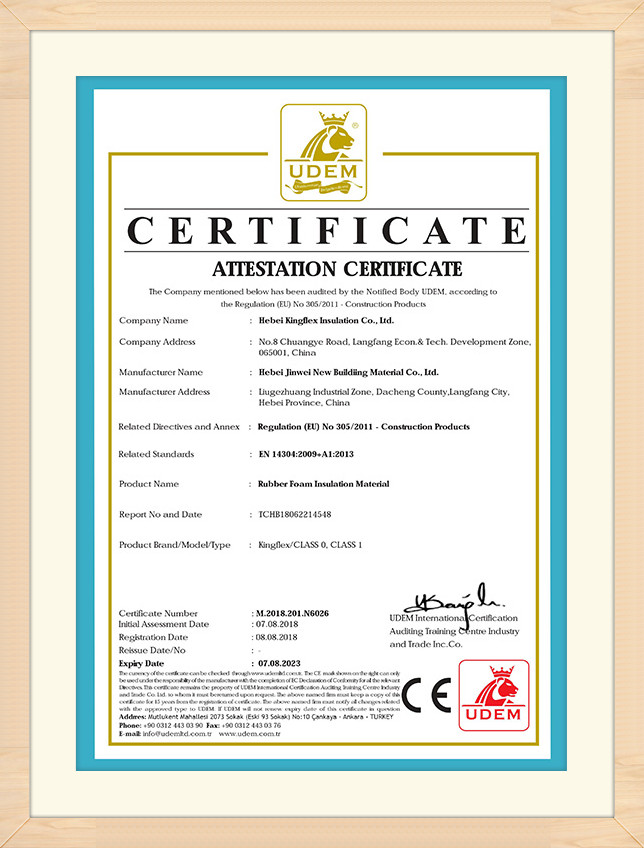

Examine the physical characteristics and structural values of our marine-grade elastomeric insulation products.
| Product Line | Material Base | Thickness Options | Physical Density | Service Temp Range | Water Vapor Permeability |
|---|---|---|---|---|---|
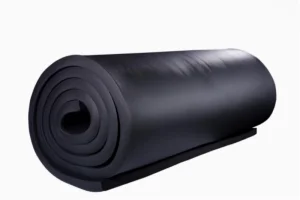
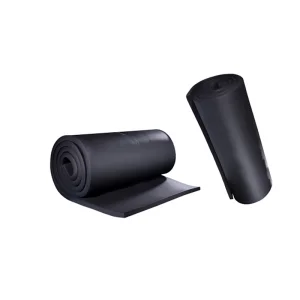
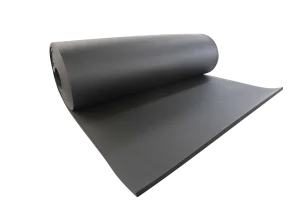
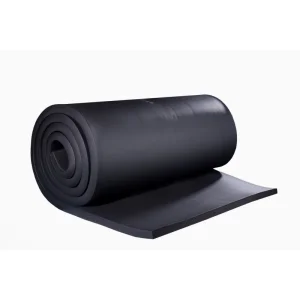
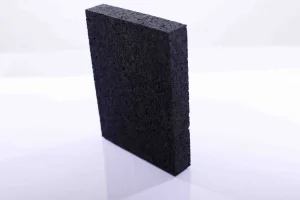
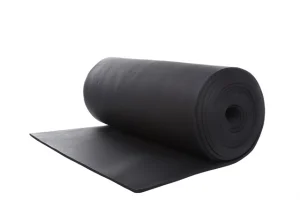
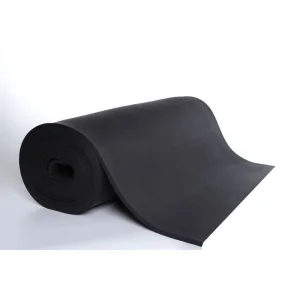
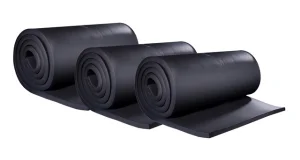
| Black Rubber Foam Sheet Roll | NBR / PVC Blend | 6mm - 50mm | 40 - 55 kg/m³ | -40℃ to 105℃ | μ ≥ 10,000 (ASTM E96) |
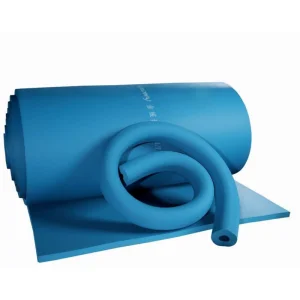
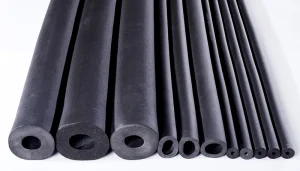
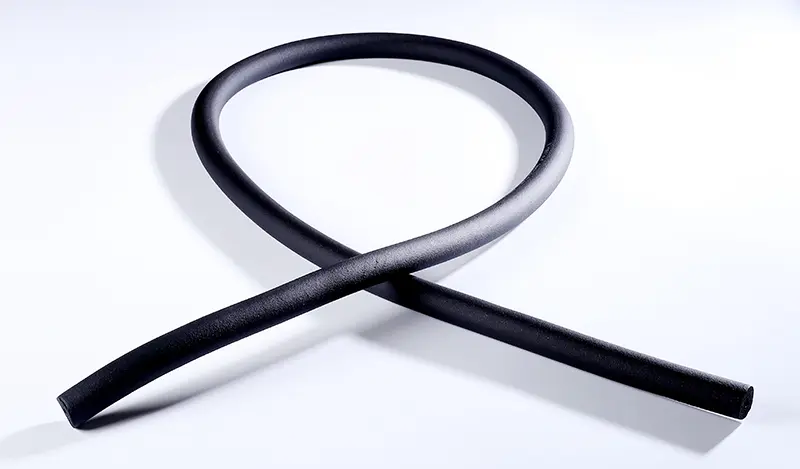
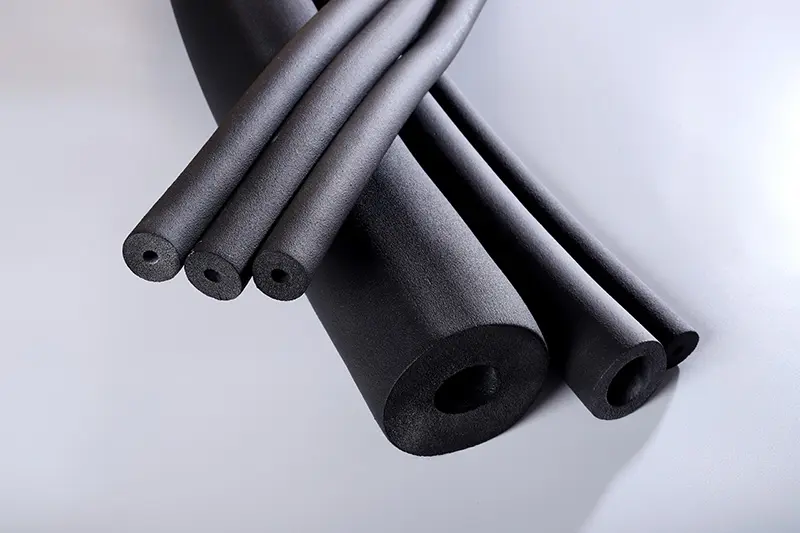
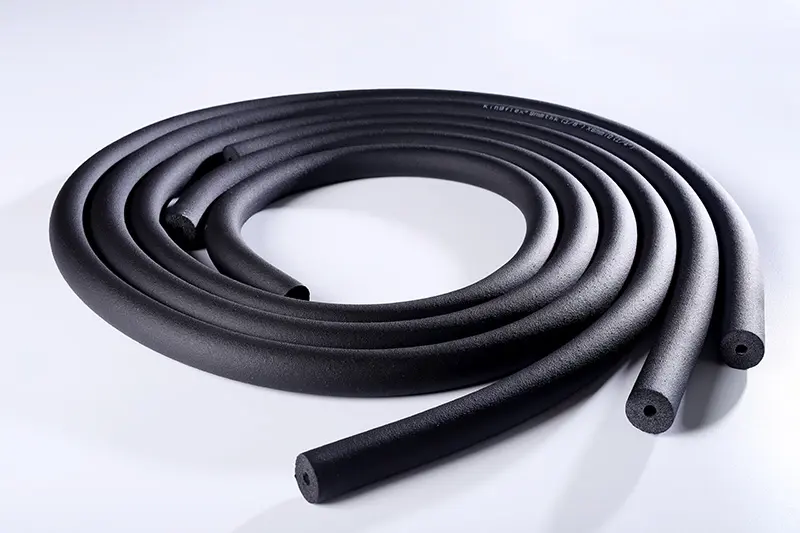
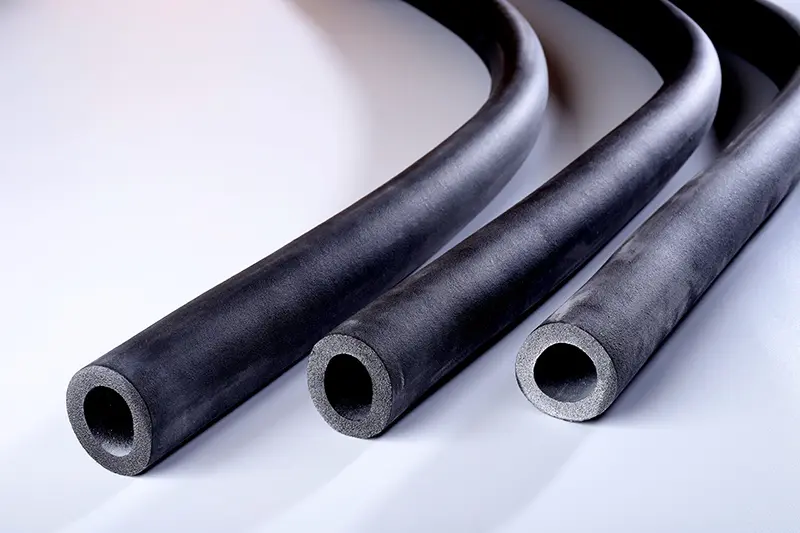
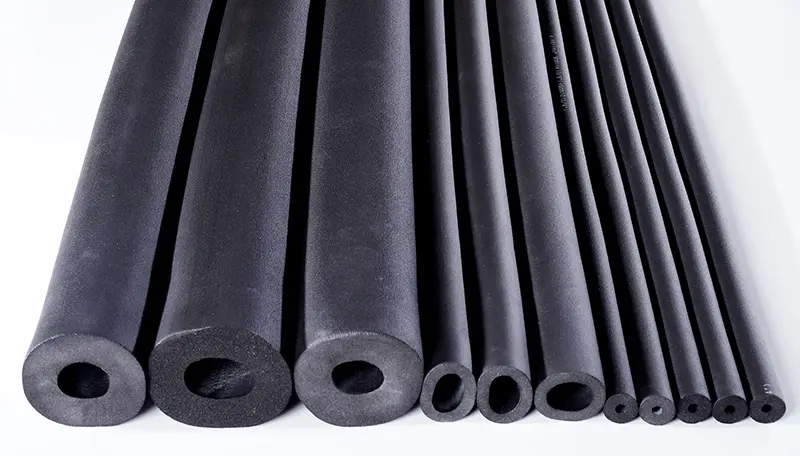
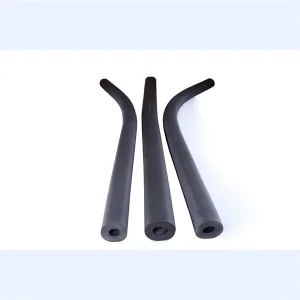
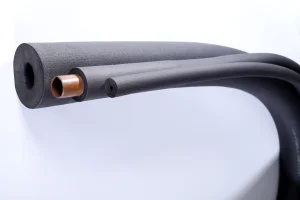
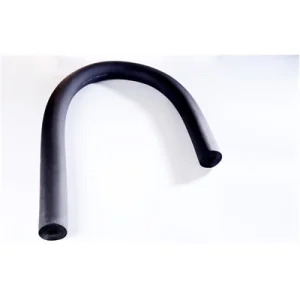
| Black Rubber Foam Insulation Tube | NBR / PVC Blend | 9mm - 40mm (ID: 6-114mm) | 40 - 55 kg/m³ | -40℃ to 105℃ | μ ≥ 10,000 (ASTM E96) |
| Cryogenic Insulation Material | Specialized Dolefin Foam | Custom Multi-layered | 60 - 80 kg/m³ | -200℃ to 125℃ | Zero-permeability design |
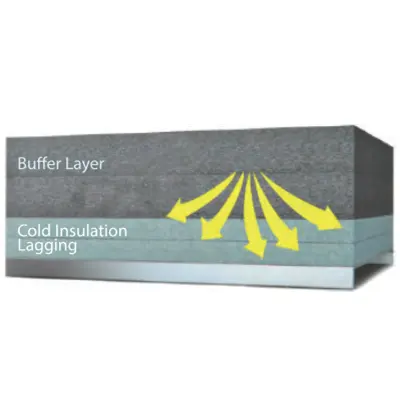
The closed-cell structure blocks ambient moisture, preventing condensation on chilled pipes and boat hulls to eradicate Corrosion Under Insulation (CUI).
Our elastomeric materials conform strictly to BS 476 Part 7 and UL94 flammability tests, delivering self-extinguishing behavior with minimal smoke density.
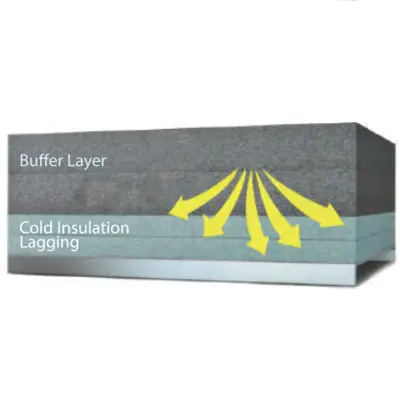
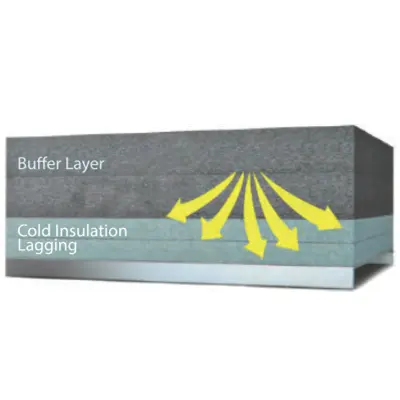
Designed to decouple structural steel panels, dampening vibrations in high-intensity areas such as engine spaces and mechanical equipment rooms.
Where marine insulation creates critical operating stability inside demanding vessels.
Sustained thermal gradients between humid ocean breezes and air-conditioned shipboard accommodations lead to severe condensation. Installing NBR/PVC elastomeric foam sheets prevents sweating, mold formation, and structural degradation in ventilation ducts.
The interior bulkheads and overhead structures of diesel-driven workboats require dynamic acoustic decoupling. Applying our high-density rubber soundproof insulation prevents structural vibration from radiating through to crew quarters.
Specialized marine transport, such as LNG carriers, requires continuous cryogenic protection. Our Dolefin flexible cryogenic insulation operates down to -200℃, preventing liquid oxygen condensation and heat ingress.
Marine engineering procurement teams prioritize total lifecycle value and regulatory compliance over raw unit cost. Modern shipyards operate on tight schedules, requiring vendors to provide verifiable material traceability, consistent dimensions, and global compliance certifications (like CE, REACH, RoHS, BS 476, and ASTM).
A major risk during shipbuilding is shipping delays and quality failures. Procurement managers require manufacturers that provide transparency at every stage. We support complete documentation, custom dimension cutting, and automated QA verification for all international shipments, reducing lead times and ensuring zero-failure installations on dockyards.

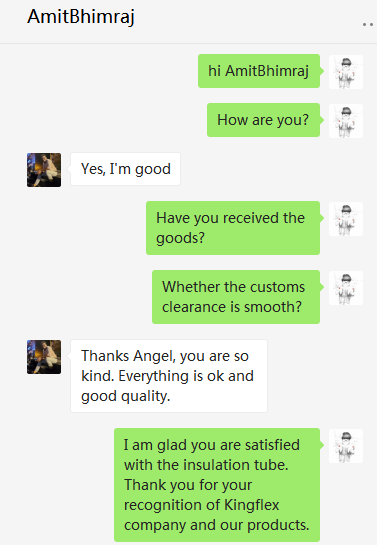
Real-world projects and direct feedback proving the structural integrity of Kingflex insulation systems.
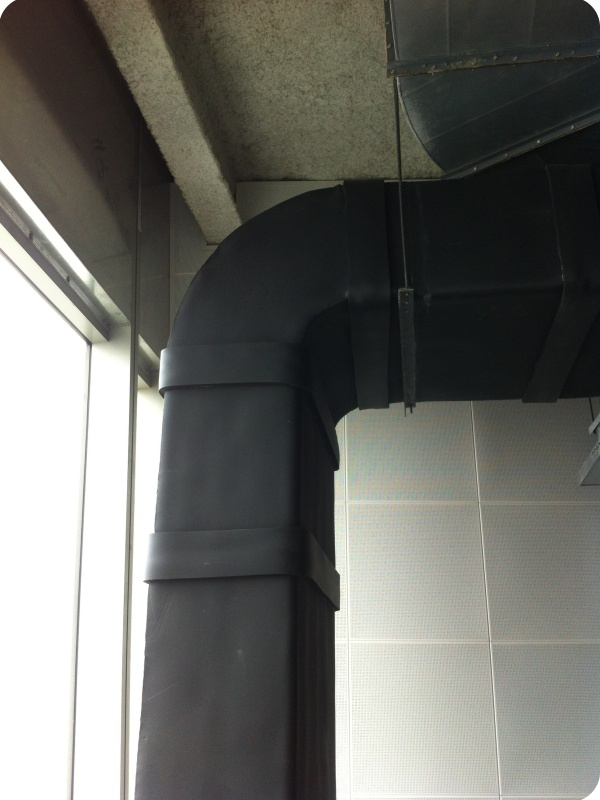
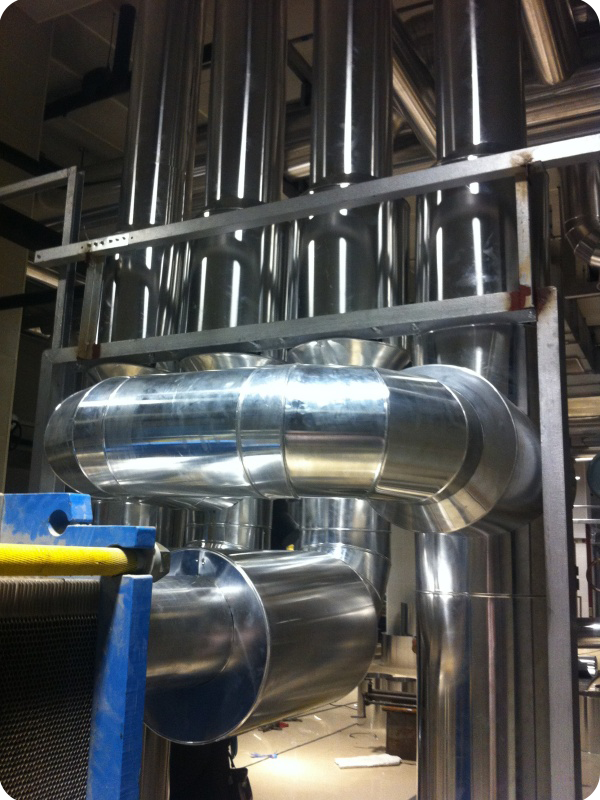
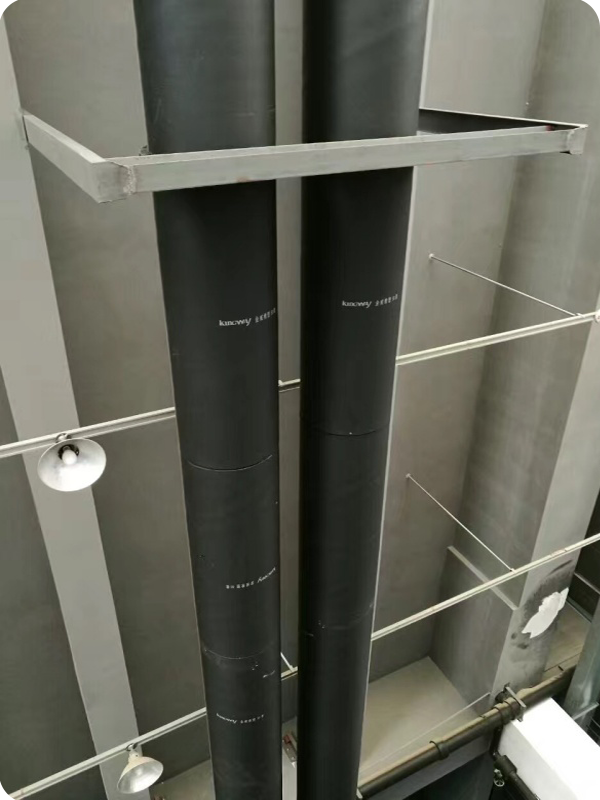
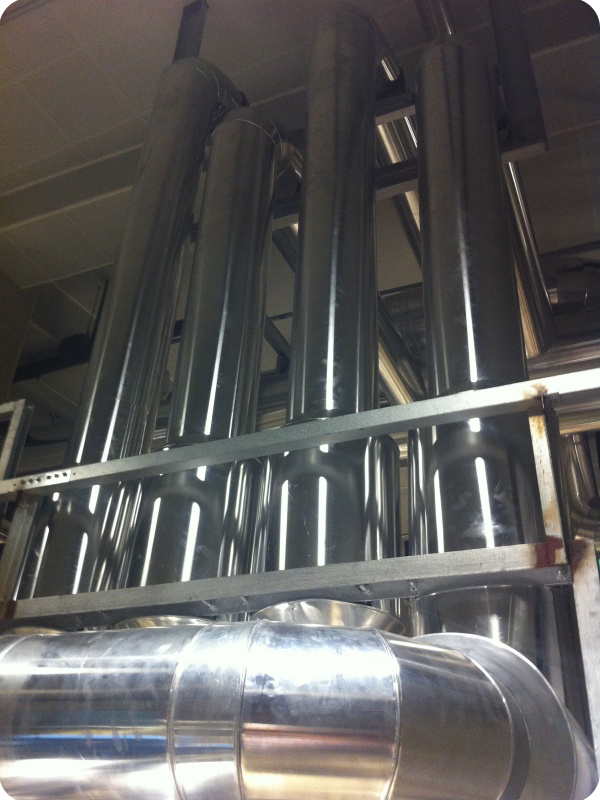
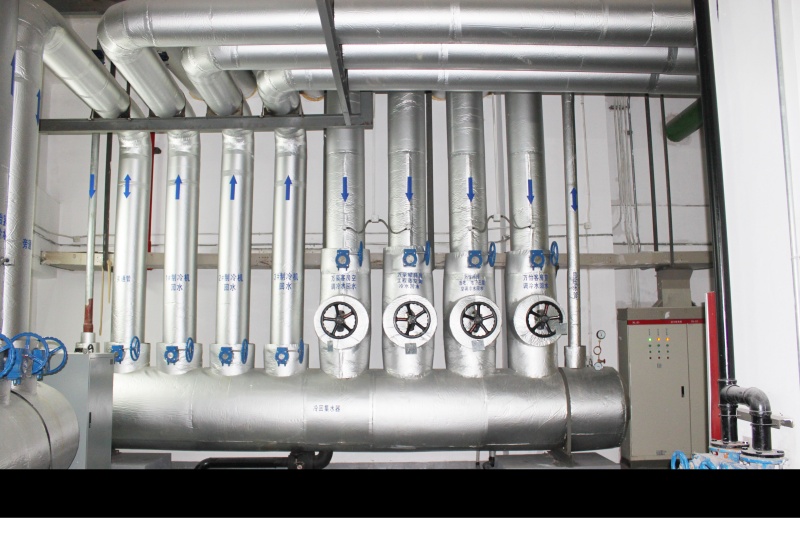
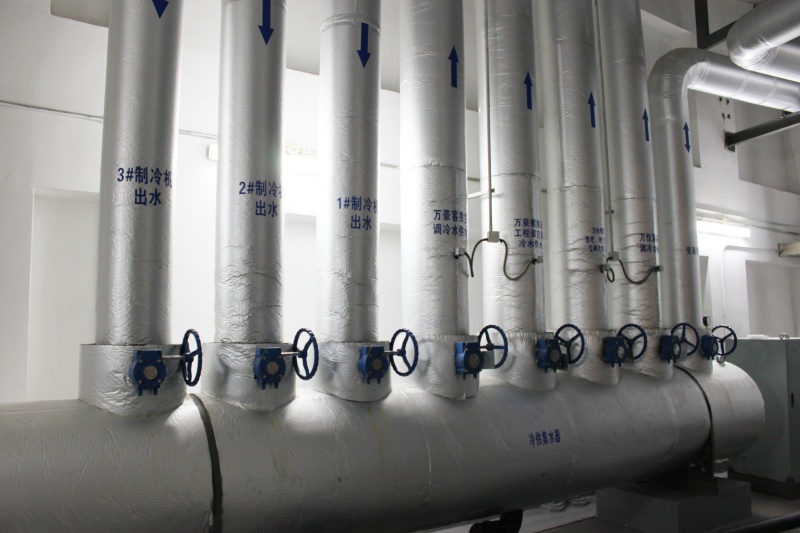

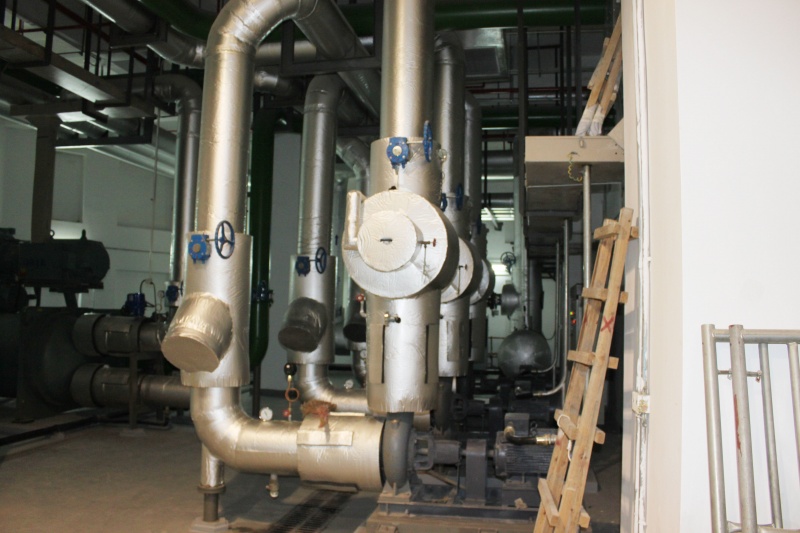
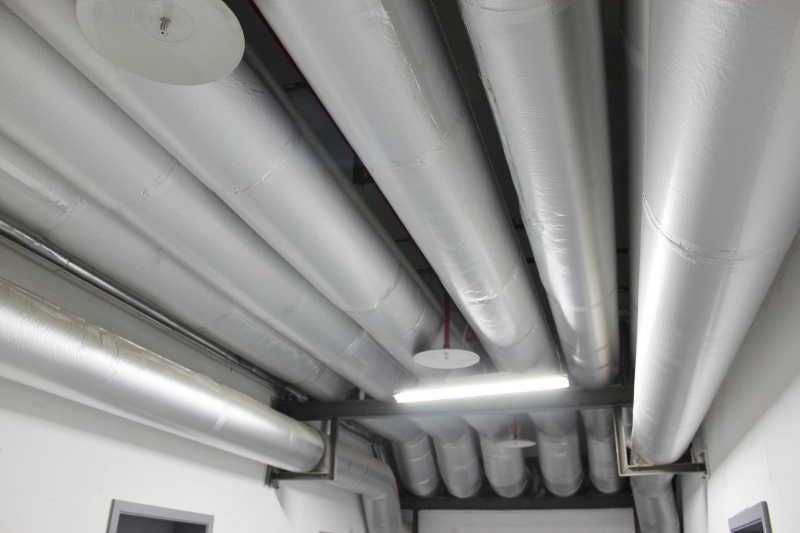
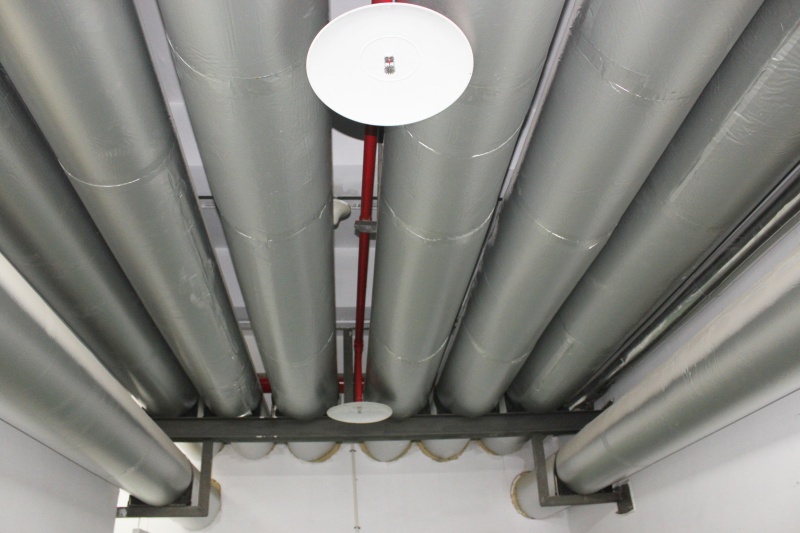
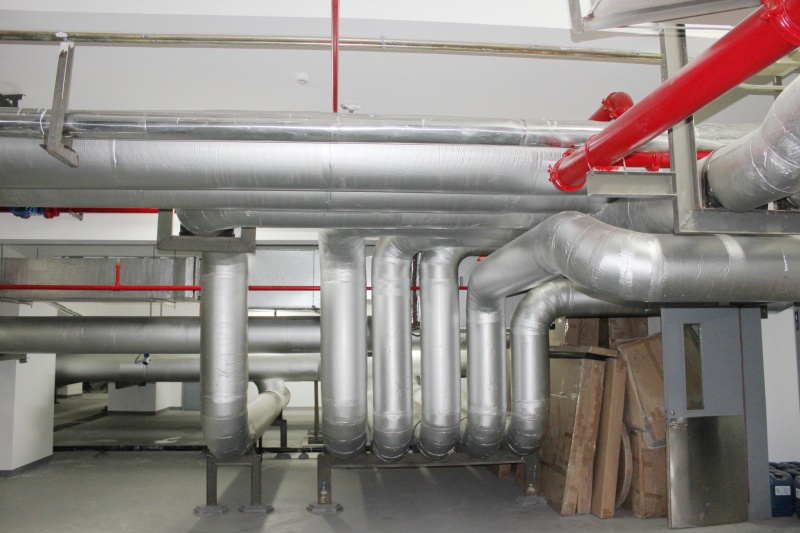
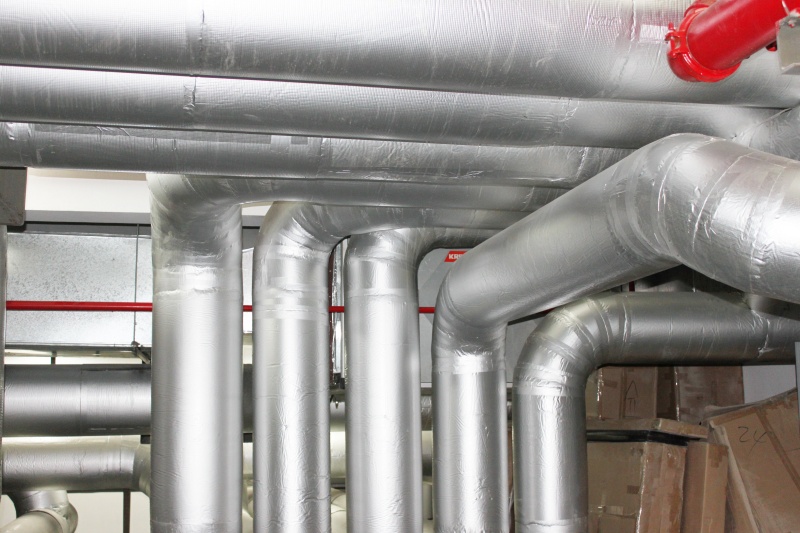
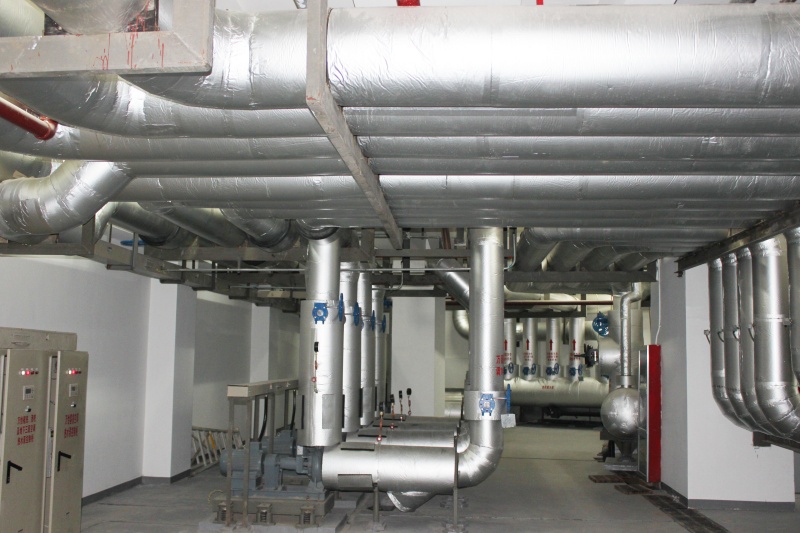
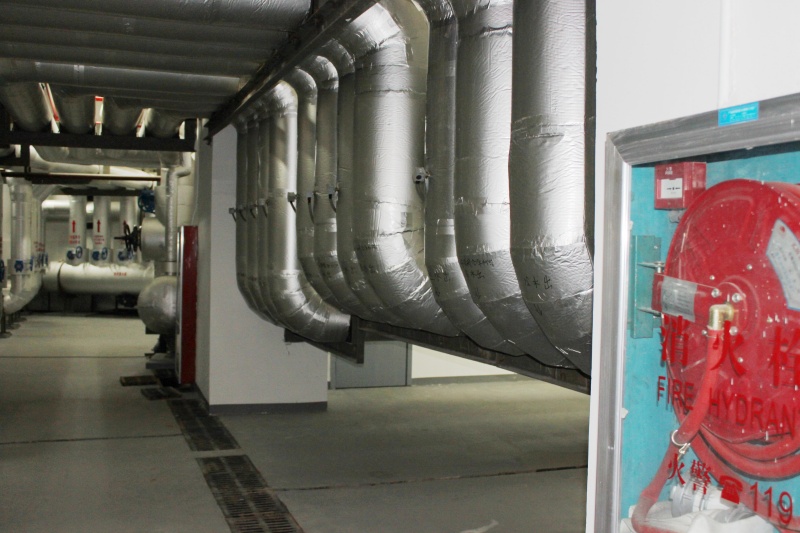
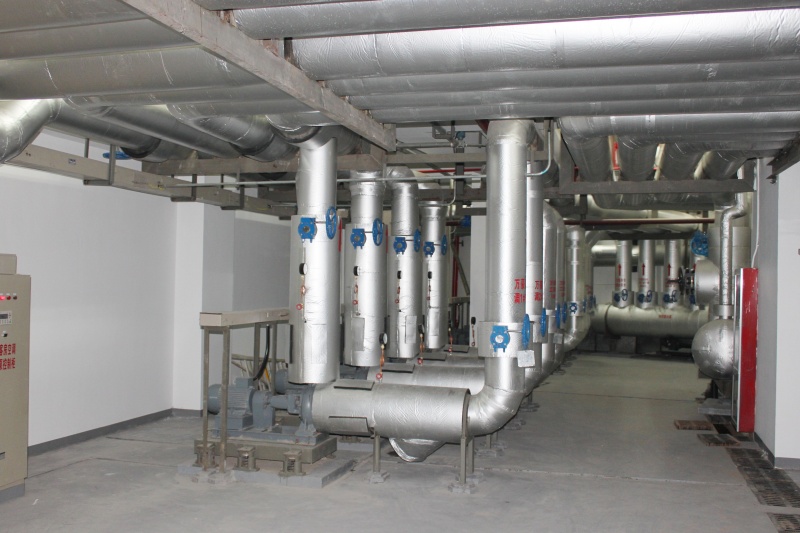
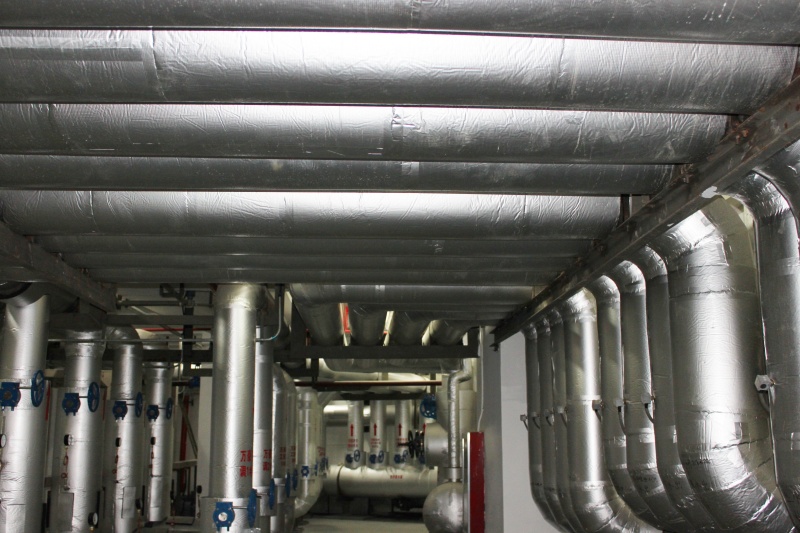




A detailed visual cross-section of our manufacturing excellence, raw material mixing, and product packaging departments.






Examine the features, technical dimension standards, and specialized applications of our main categories.
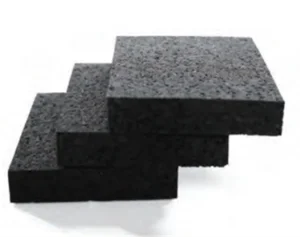
Designed for large surface area applications such as boat hulls, ventilation machinery housings, and marine bulkheads. Made of flexible, closed-cell NBR/PVC elastomeric material, it provides a highly reliable barrier against heat transmission and noise resonance.
Primary Benefits: Closed-cell rate over 98% prevents humidity absorption, securing long-term thermal properties. Excellent elasticity makes cutting and installing on curved structural parts easy.
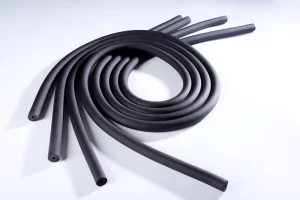
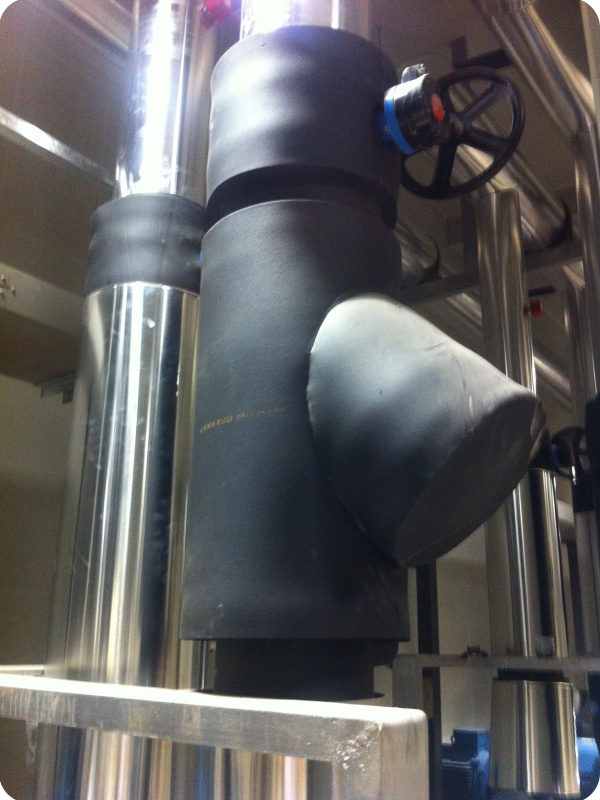
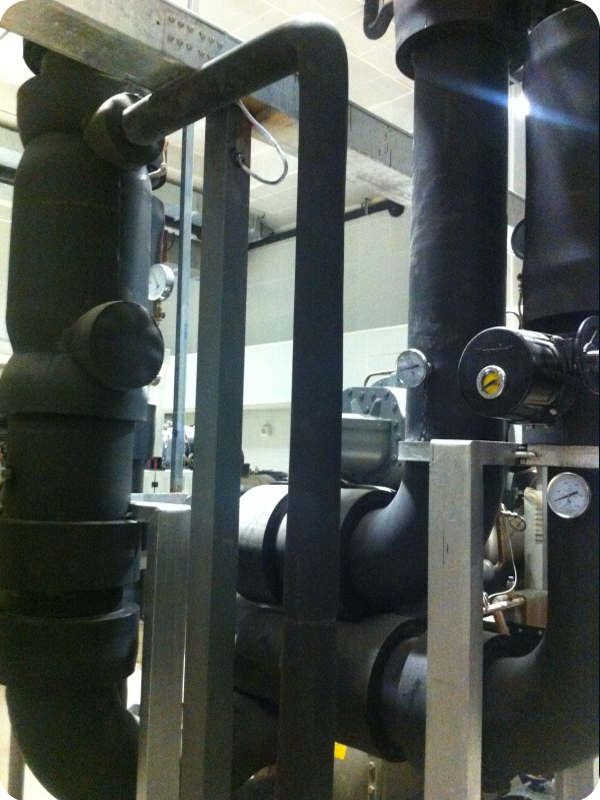
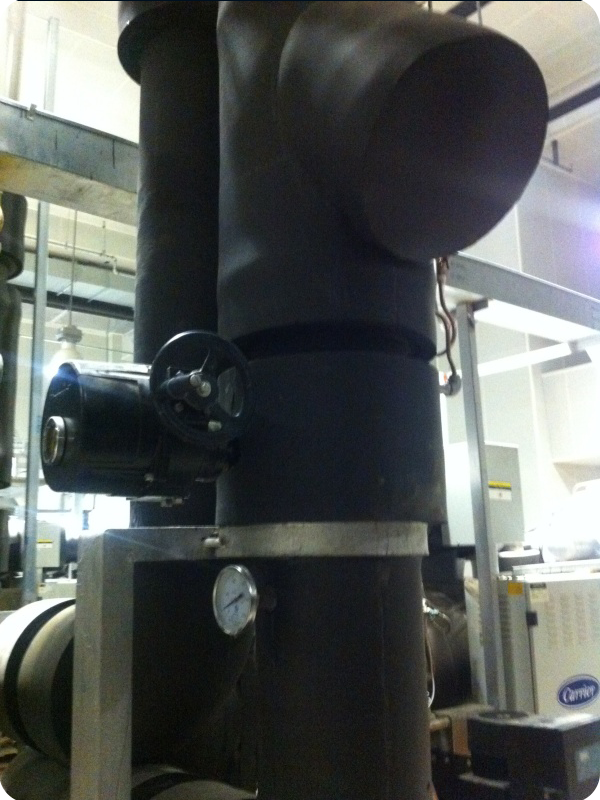
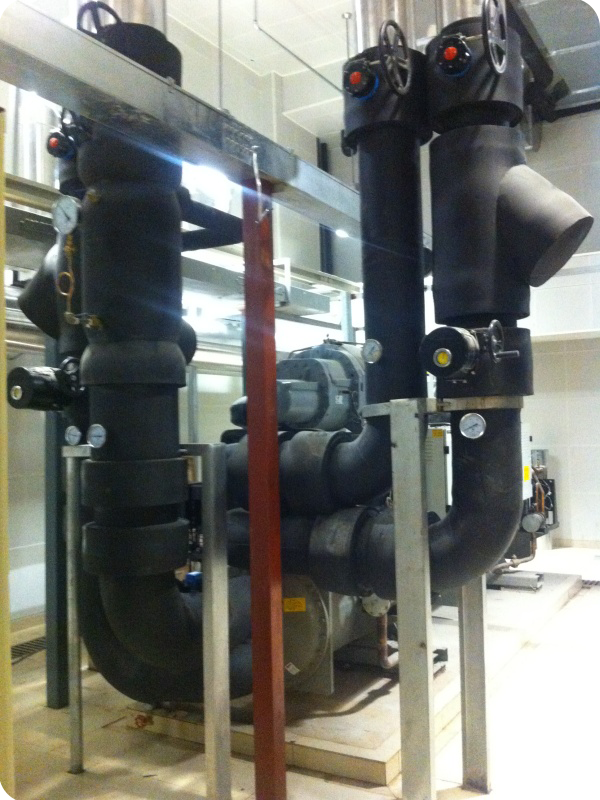
Tailored for chilled and hot water systems, refrigeration pipelines, and HVAC ducts inside ships. Our insulation pipes protect piping systems from condensation, freezing, and heat loss.
Primary Benefits: Highly uniform extrusion ensures tight joints, and reduces pipeline freezing risks in sub-zero offshore environments.
Key trends driving insulation requirements in international shipbuilding.
Global regulations demand non-toxic insulation. The market is shifting from halogenated flame retardants to eco-friendly materials with zero ozone depletion potential (ODP) and global warming potential (GWP).
Corrosion Under Insulation (CUI) costs ship operators millions annually. Using non-wicking, hydrophobic closed-cell elastomeric foam prevents moisture ingress, protecting underlying steel and aluminum structures.
Modern ships emphasize passenger comfort and crew safety. Low-frequency acoustic dampening membranes and open-cell/closed-cell hybrid foam systems are increasingly specified to reduce noise levels.
Technical answers to help engineers and procurement professionals select the right marine insulation.
Browse our selection of specialized closed-cell foams, cryogenic tubes, and high-strength installation accessories.