 Kingflex
Global Industrial Market Outlook: Copper Coil Insulation
As mechanical systems evolve to meet demanding global energy conservation limits, the thermal protection of copper lines represents a primary driver of efficiency. Copper coils and lines, serving as the high-conductivity pathways for modern heating, ventilation, air conditioning, and refrigeration (HVAC&R) systems, demand specialized insulation architectures. Unprotected copper suffers from severe thermal loss, ambient temperature bleed-off, and surface condensation.
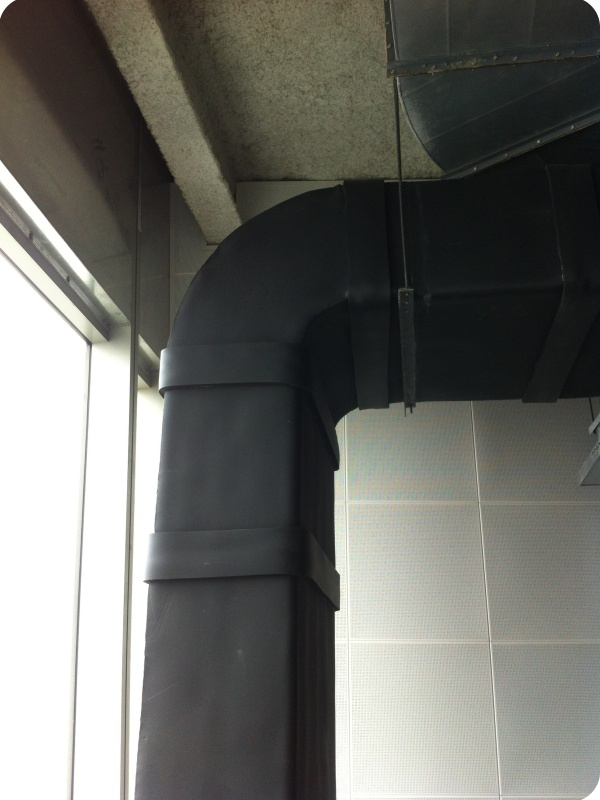
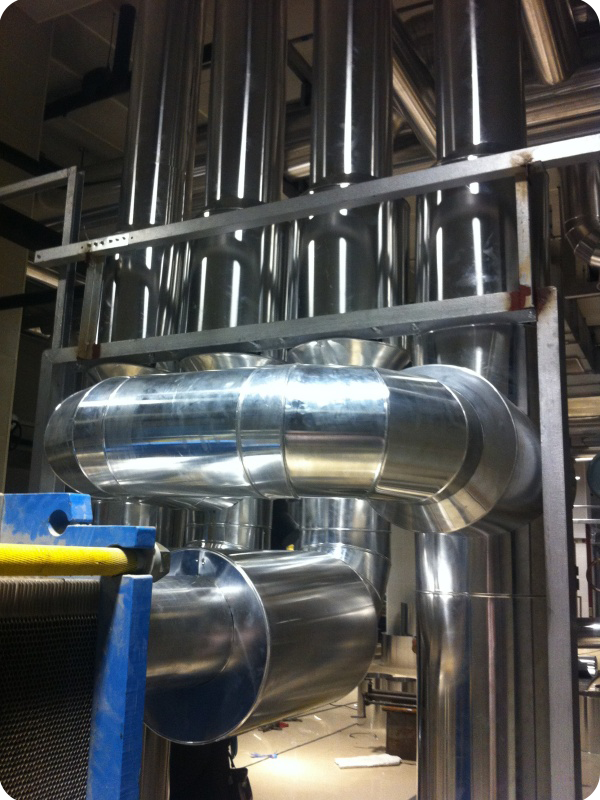
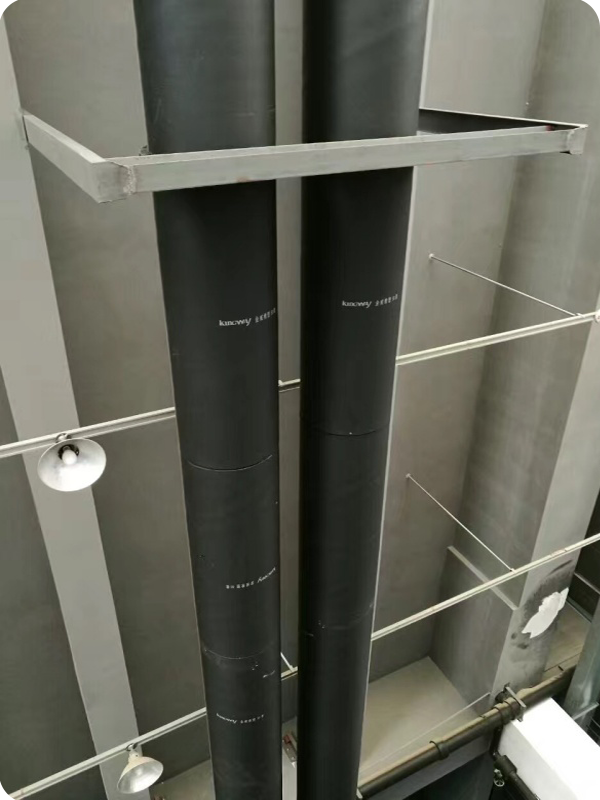
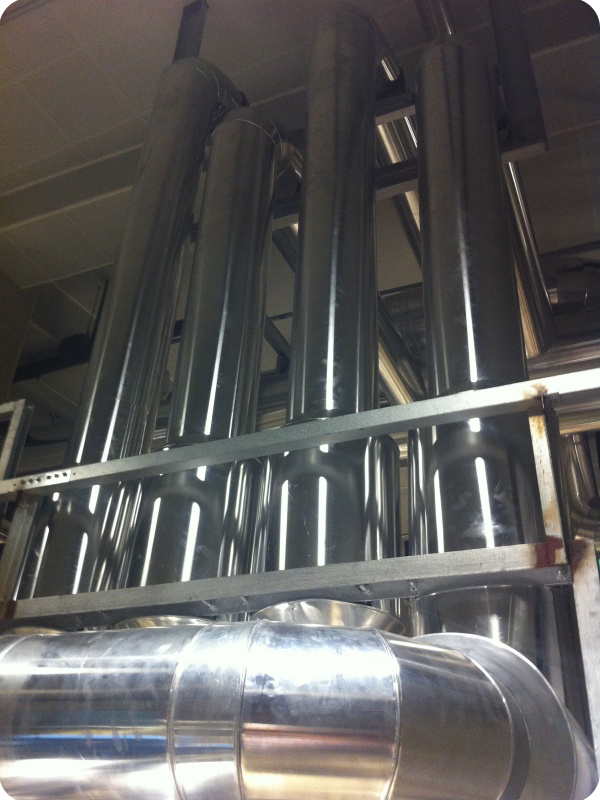
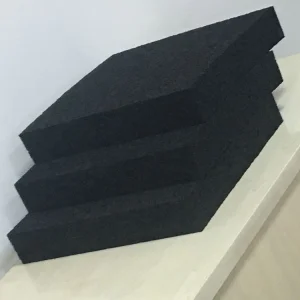
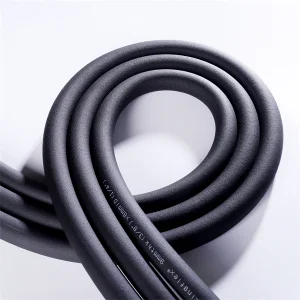
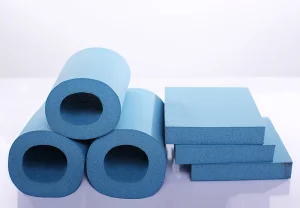
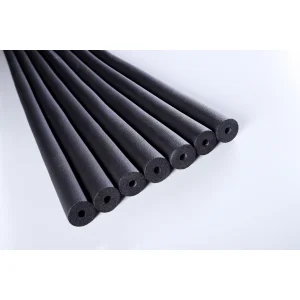
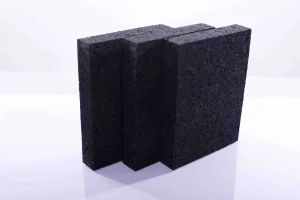
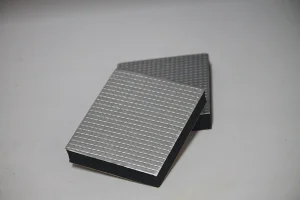
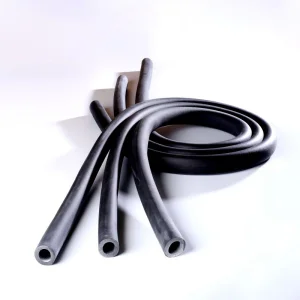
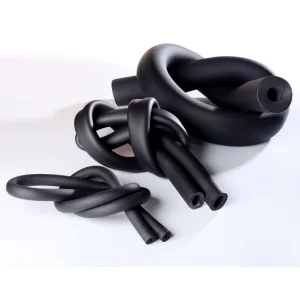
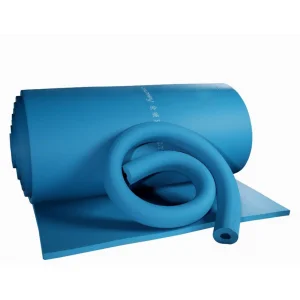
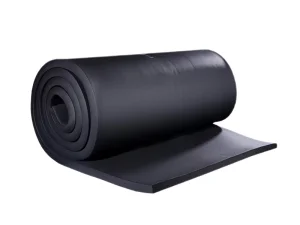
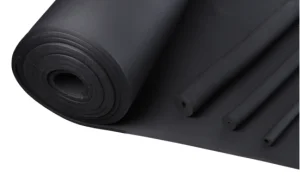
Elastomeric rubber foam insulation has emerged as the definitive industrial baseline material. The synthetic elastomer matrix restricts conductive heat transfer through a structured density of micro-chambers filled with air. This micro-porous structure inhibits natural convection within the material and eliminates vapor pathways. In heavy industrial, maritime, and large-scale commercial civil projects, selecting the appropriate density, thickness, and material composition of elastomeric wrap determines the system's operational lifespan, preventing degradation, rust, and microbial buildup on copper pipes.
Global shifts toward sustainable design have accelerated the replacement of traditional open fibrous media, such as rock wool, with advanced NBR/PVC closed-cell foams. With a service temperature profile spanning from -40°C to 105°C (and specialized configurations going down to cryogenic ranges), elastomeric rubber stands as the primary shield for cooling loops, solar thermal conduits, and municipal chemical transport pipes.