 Kingflex
Kingflex
Kingflex
Explore our certified elastomeric and rock wool product portfolio tailored for high-temperature resistance, anti-condensation, and acoustic suppression.
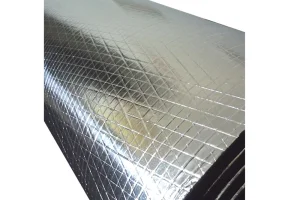
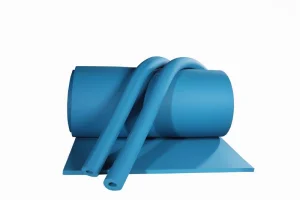
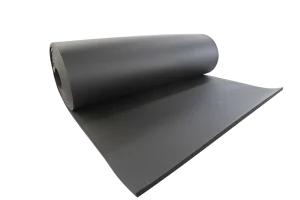
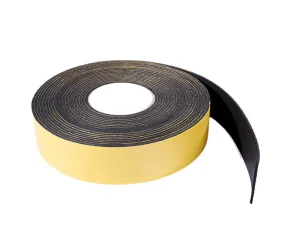
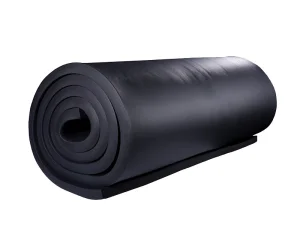
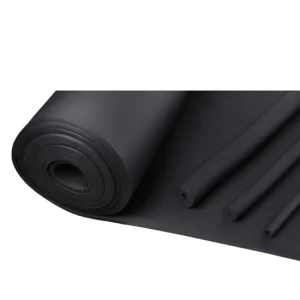
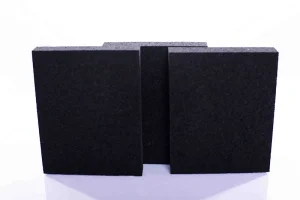
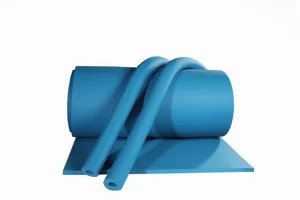
In modern industrial and commercial infrastructure design, ceiling penetrations represent a primary path of least resistance for fire, toxic gas, and thermal transfer. Standard pipe passages, cables, and HVAC duct systems crossing structural barriers require robust, certified sealing assemblies to maintain the compartmental integrity of building zones.
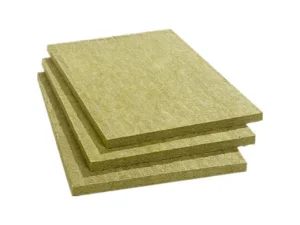
As a leading Chinese manufacturer, Kingflex Insulation designs elastomeric rubber foam and rock wool insulation solutions designed specifically to inhibit fire spread at critical penetration paths. Our materials provide high-durability seals that conform to strict structural regulations, minimizing the risk of rapid combustion in high-capacity service lines.
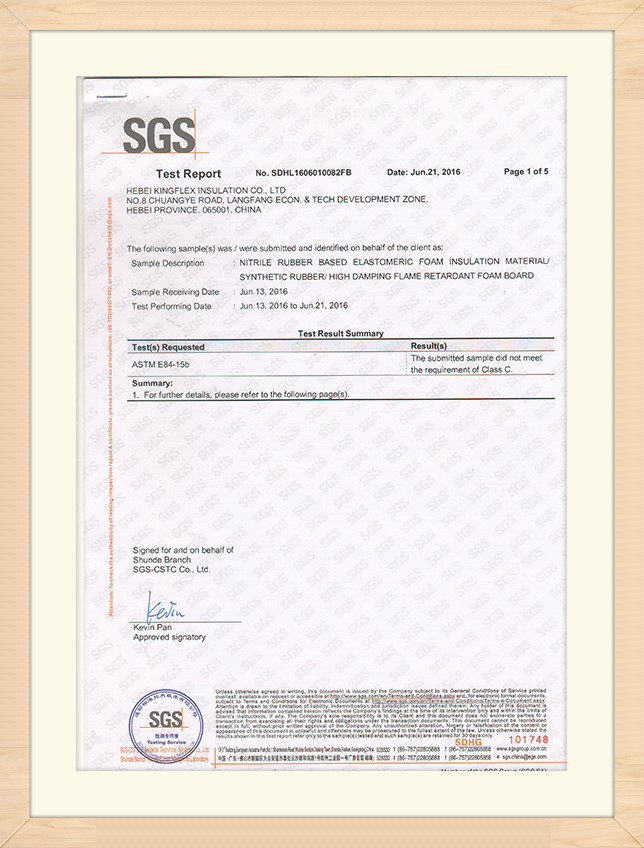
Our thermal insulation and fire-retardant boards are tested under rigorous international parameters, serving both standard environments and Ultra-Low Temperature (ULT) systems.
| Performance Characteristic | NBR/PVC Elastomeric Foam | Rock Wool Insulation Board | Test Reference Method |
|---|---|---|---|
| Thermal Conductivity (λ) | ≤ 0.034 W/(m·K) at 0°C | ≤ 0.038 W/(m·K) at 25°C | ASTM C518 / ISO 8301 |
| Fire Classification | Class V-0 / Class 0 / Class 1 | Class A1 Non-combustible | UL94 / BS 476 Part 6 & 7 |
| Service Temperature Limit | -40°C to +105°C | Up to +650°C | DIN EN 14706 / ASTM C411 |
| Closed-Cell Structure Ratio | ≥ 98% | Fibrous (Open structure) | ASTM D2856 |
| Moisture Resistance (μ) | ≥ 10,000 | Hydrophobic Treated Option | BS EN 12086 / DIN 52615 |
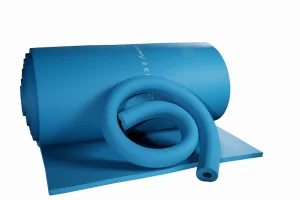
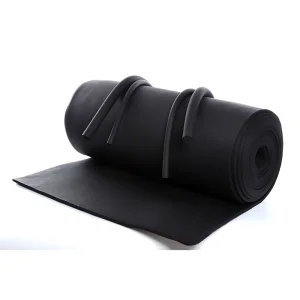
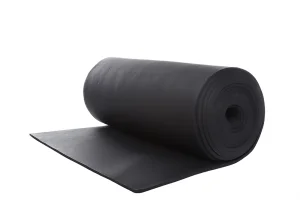
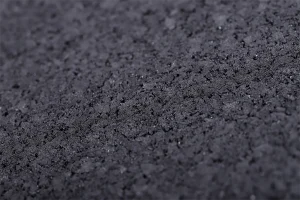
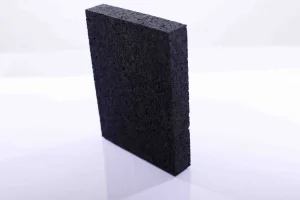
By blending high-grade Nitrile Rubber (NBR) and Polyvinyl Chloride (PVC), we create an uniform closed-cell matrix. This layout prevents moisture ingress and stabilizes long-term thermal resistance, making it an excellent barrier for cold water line penetrations susceptible to condensation.
Designed with a continuous service lifecycle of 10 to 15 years, our elastomeric products exhibit compression resilience above 80%. When deployed within ceiling conduits, they endure environmental fluctuations without structural collapse, providing consistent sealing protection.
How Kingflex satisfies the safety and trade requirements of developers, regulatory bodies, and HVAC consultants worldwide.
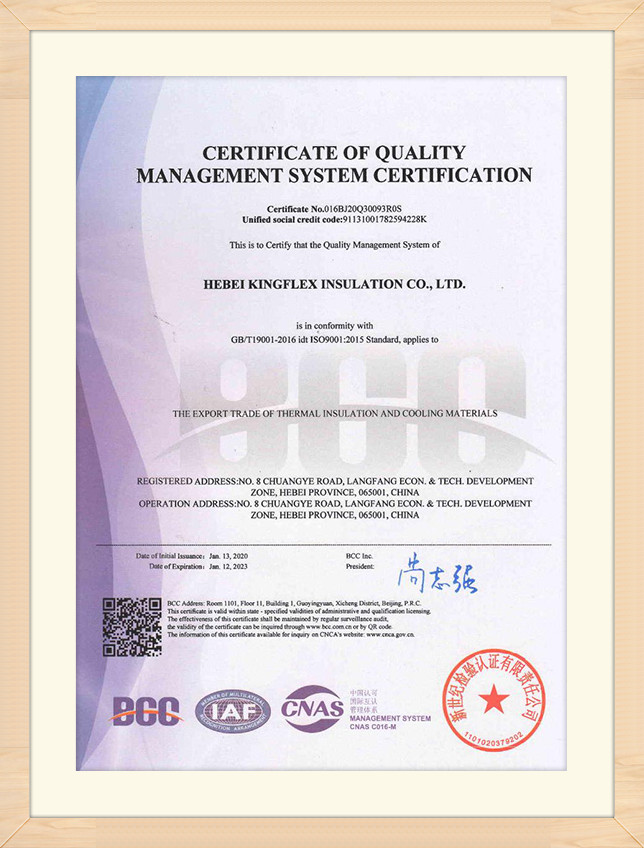
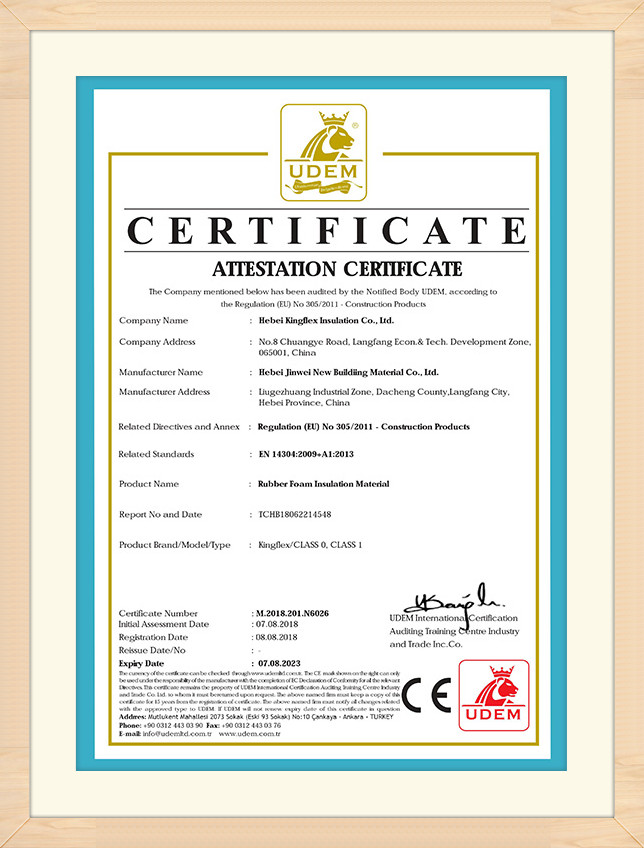
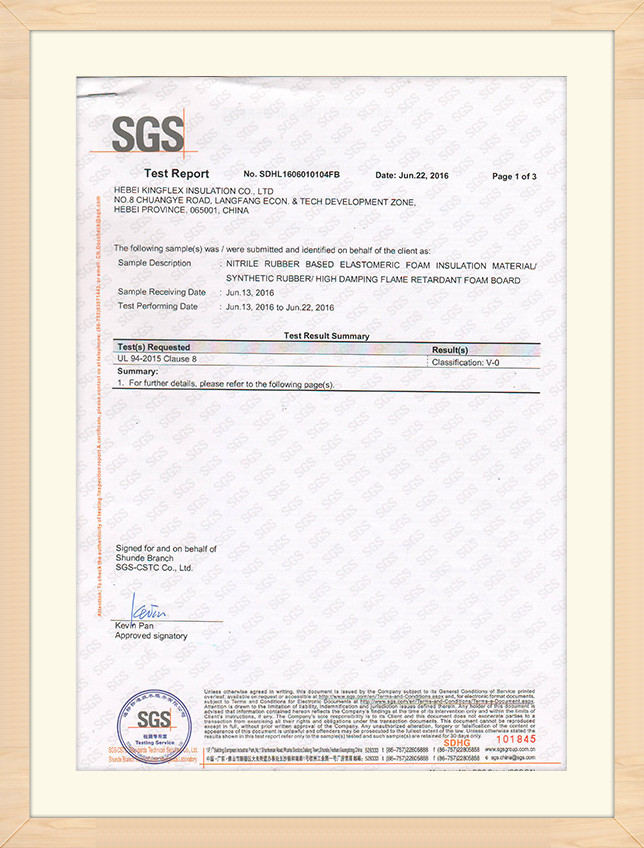
Our insulation systems carry valid certifications including BS 476, UL94, REACH, ROHS, and ASTM standards. This ensures materials meet regional fire resistance and toxicity requirements, facilitating faster local inspector approvals.
Every roll, tape, and sheet produced at Kingflex facilities bears integrated production track codes. From raw compound mixing to final vulcanization and curing, each batch can be traced to assure consistent performance.
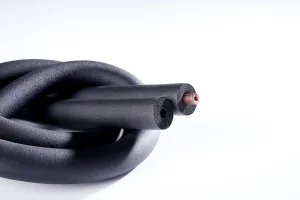
For sensitive environments like cleanrooms and data centers, Kingflex offers halogen-free thermal tubing. This material eliminates halogenated flame retardants, preventing corrosive acid gas emission under combustion.
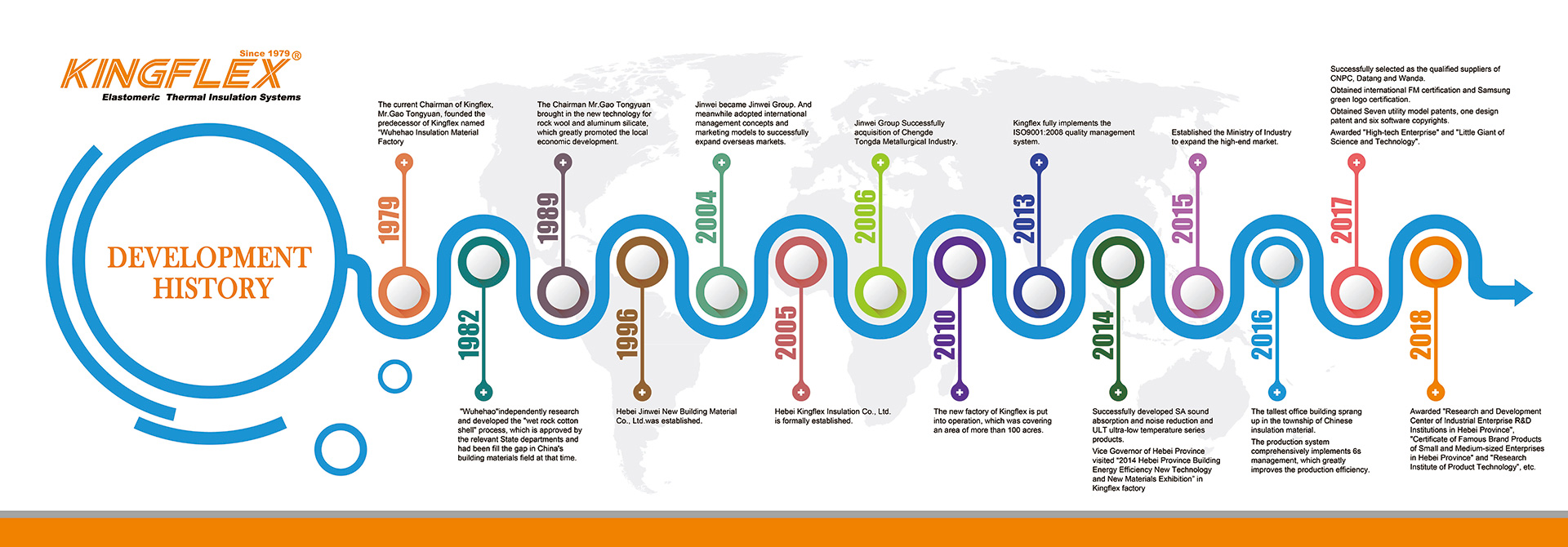
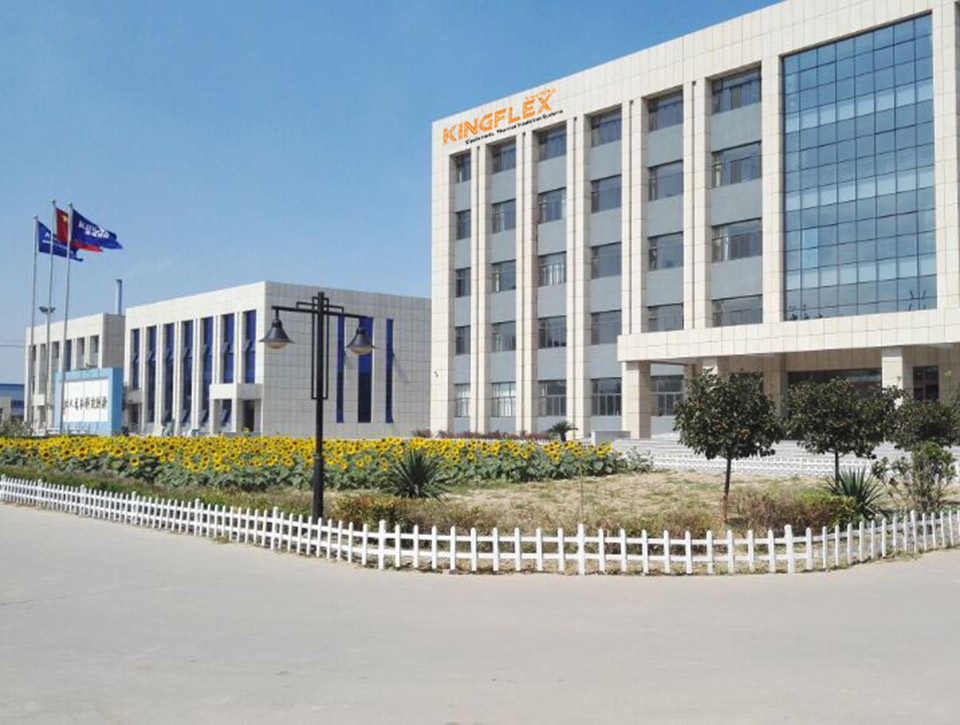
Our production facilities are situated in Dacheng, China—a hub for green building material manufacturing. Operating under the parent group, Jinwei Group (founded in 1979), Kingflex brings over 40 years of manufacturing experience to the global market.
Our operations feature:
How our elastomeric rubber foam sheets, rolls, and pipes resolve real-world engineering challenges.
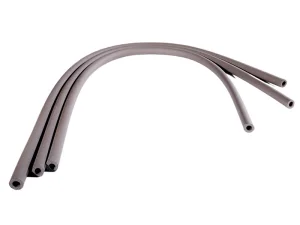
Condensate and refrigerant pipelines passing through ceilings are prone to moisture collection. Kingflex insulation tubes offer a ≥98% closed-cell rating, preventing moisture ingress and containing smoke spread in mechanical plenums.
Heavy electrical cable bundles traversing firewalls require non-combustible pathways. Our dense rock wool boards and halogen-free rubber foam insulation shield cable jackets, preventing toxic smoke release during electrical faults.
For operations utilizing ultra-low temperatures, our specialized cryogenic rubber sheets prevent extreme thermal transfer and pipe frosting at ceiling support structures.
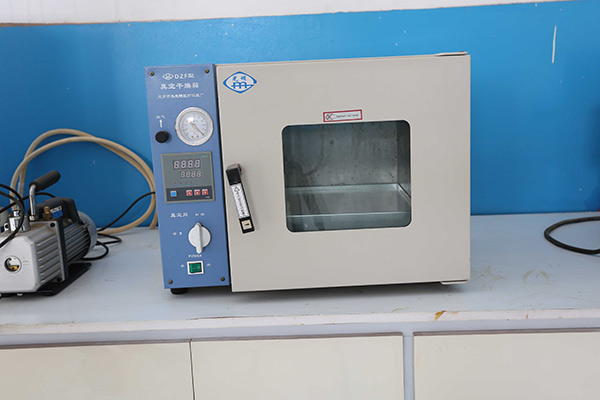
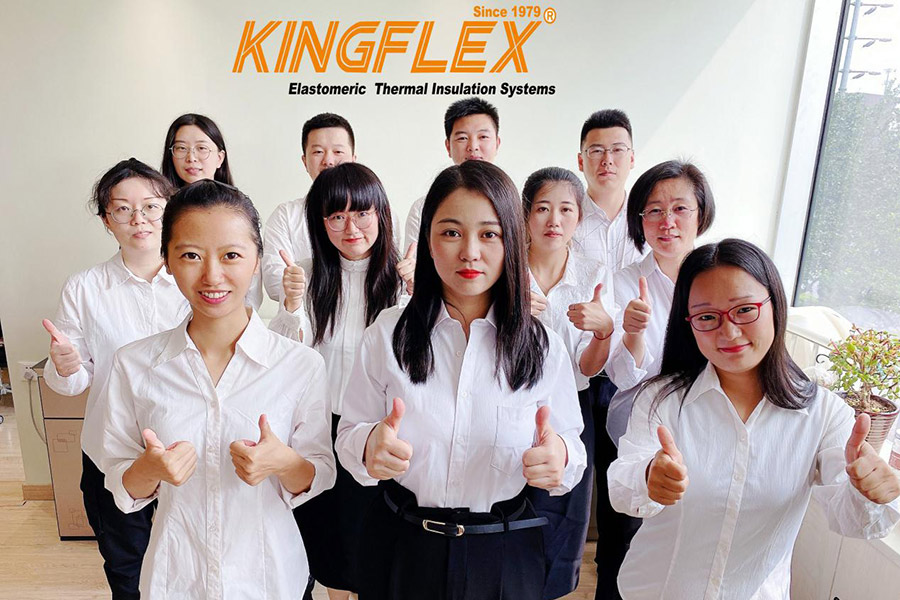
At Kingflex, innovation is supported by dedicated laboratory testing. We maintain an in-house R&D department staffed by 8 professional engineers, alongside 6 international sales specialists and a manufacturing workforce of 230 technicians.
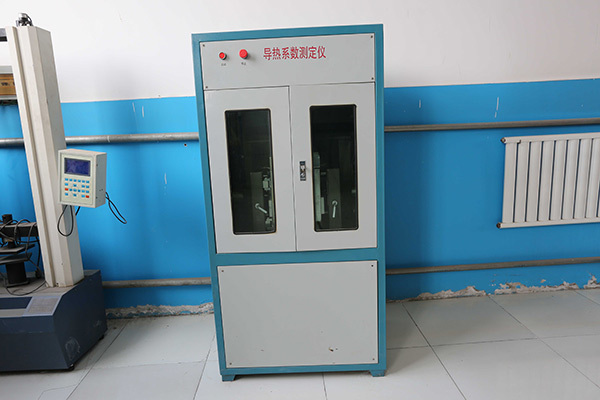
Our laboratory features specialized chambers for testing thermal conductivity, moisture permeation, compression resilience, and horizontal/vertical flame propagation. These facilities allow us to design custom formulations tailored to specific local building codes and fire standards globally.

Exploring how technology, green initiatives, and building safety regulations drive changes in the thermal insulation industry.
Standard PVC/NBR materials can release halogenated gases during high-temperature events. The industry is transitioning toward halogen-free, closed-cell materials to protect sensitive electronics and safeguard occupant escape routes.
Modern commercial buildings prioritize indoor air quality. Certified low-VOC emissions products are increasingly required to satisfy standard LEED, BREEAM, and WELL building rating systems.
Modern architecture frequently integrates mechanical services within acoustic ceilings. Building materials must serve double duty—combining thermal performance with noise reduction—to optimize space and labor costs.
Technical answers to support your engineering, specification, and procurement decisions.
Review our extended range of high-density rock wool, flexible halogen-free tubes, and self-adhesive elastomeric sheets.