 Kingflex
Kingflex
Kingflex
High-performance closed-cell materials engineered to handle extreme thermal differentials and eliminate condensation.
Analyzing the physics of thermal energy migration and engineering control methodologies in ultra-low environments.
Liquid Nitrogen (LN2) systems operate at a boiling point of approximately -196 °C (-320 °F). Standard HVAC insulation materials fail instantly under these conditions due to extreme thermal contraction, which makes them brittle and prone to structural cracking. As a leading manufacturer, Kingflex designs elastomeric rubber foam insulation that preserves its flexibility and structure even at these critical temperatures.
Our cryogenic foam uses a specialized cross-linked elastomeric matrix. This chemical structure prevents glass transition failure, meaning it can expand and contract safely during thermal cycles without cracking. This mechanical stability is crucial for protecting cryogenic valves, dewars, pipe runs, and liquid nitrogen storage tanks.
In cryogenic installations, the difference in water vapor pressure between the freezing pipe interior and the humid ambient air is immense. Vapor pressure pushes moisture inward toward the cold surface. If this moisture penetrates the insulation, it turns to ice. Ice conduct heat 100 times faster than air, causing the insulation system to lose its efficiency and fail.
Kingflex elastomeric rubber foam insulation has a closed-cell rate of over 98%. Each tiny cell acts as an independent barrier against water vapor. With a very high resistance factor (μ ≥ 10,000), our insulation prevents water ingress and ensures long-term thermal efficiency, making external jackets optional in many installations.
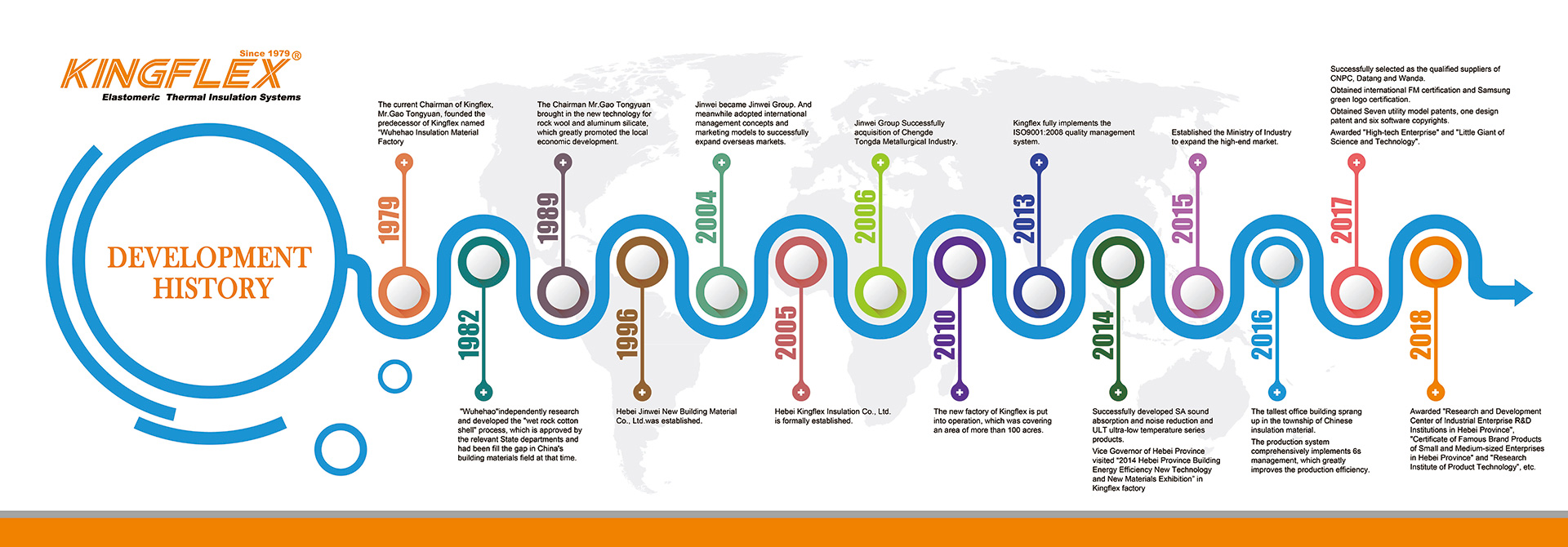
Kingflex Insulation: Supported by four decades of production expertise and global energy-saving initiatives.
We design systems with high flexibility, low thermal conductivity, and structural stability across a wide range of temperatures.
| Parameters | Standard Specifications (NBR/PVC) |
|---|---|
| Density Range | 40 - 55 kg/m³ |
| Thermal Conductivity (λ) | ≤ 0.034 W/(m·K) at 0 °C |
| Temperature Range | -40 °C to 105 °C (Up to -200 °C for Cryogenic Series) |
| Closed-Cell Ratio | ≥ 98% |
| Compression Resilience | ≥ 80% |
| Reaction to Fire | Flame Retardant, Self-Extinguishing |
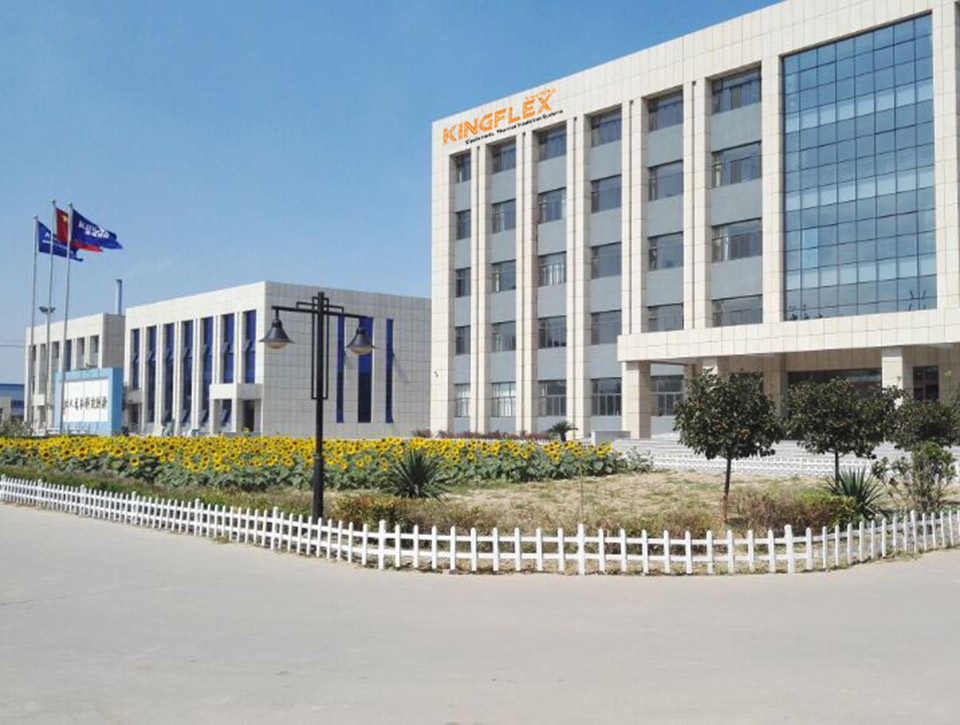
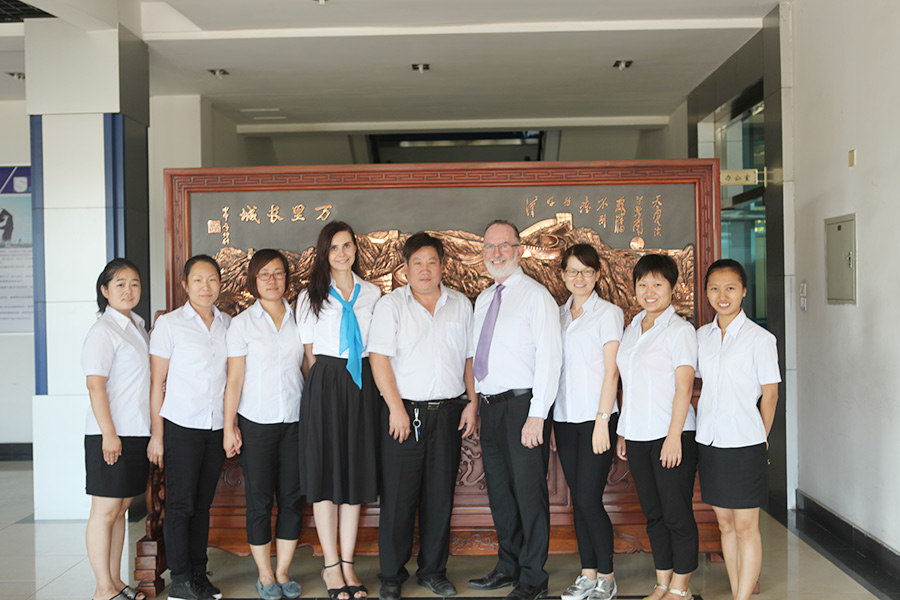
Our manufacturing plant features 5 large automated assembly lines, certified by the Ministry of Energy, the Ministry of Electric Power, and the Ministry of Chemical Industry. This allows us to supply complete thermal insulation systems, cold insulation, and noise reduction solutions for complex industrial applications.
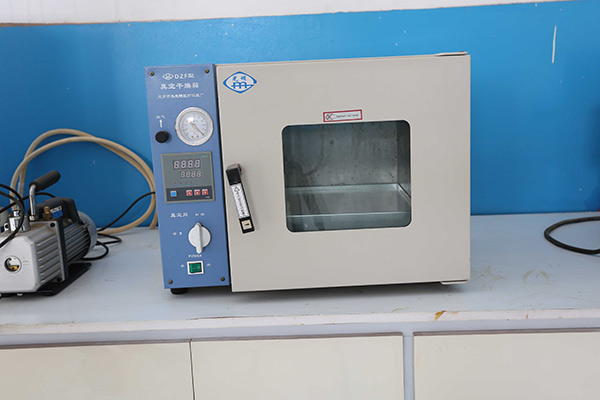
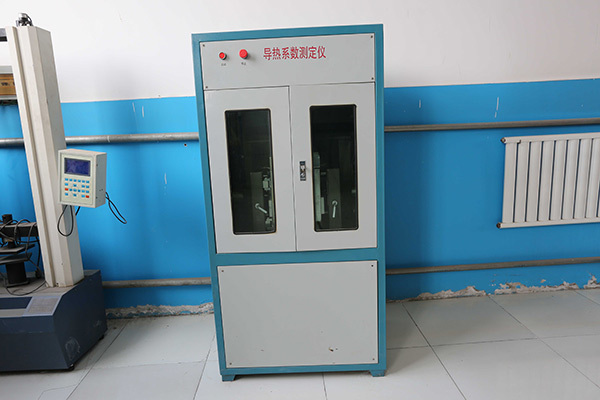
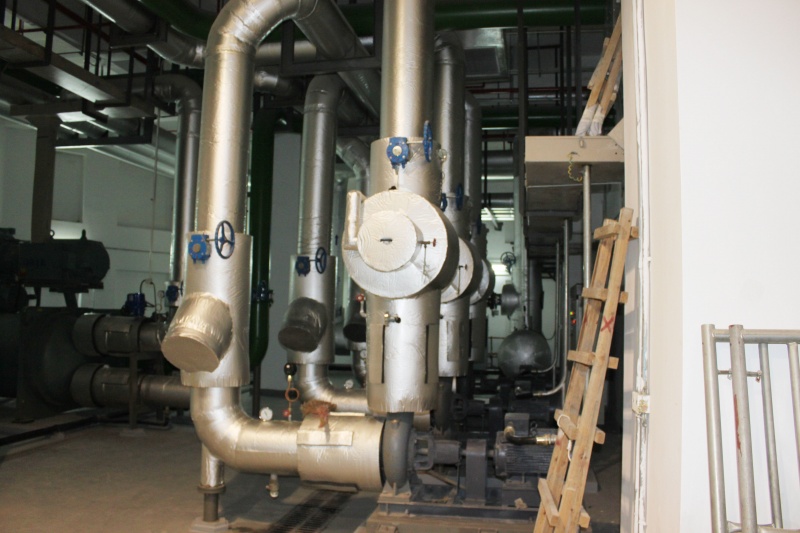
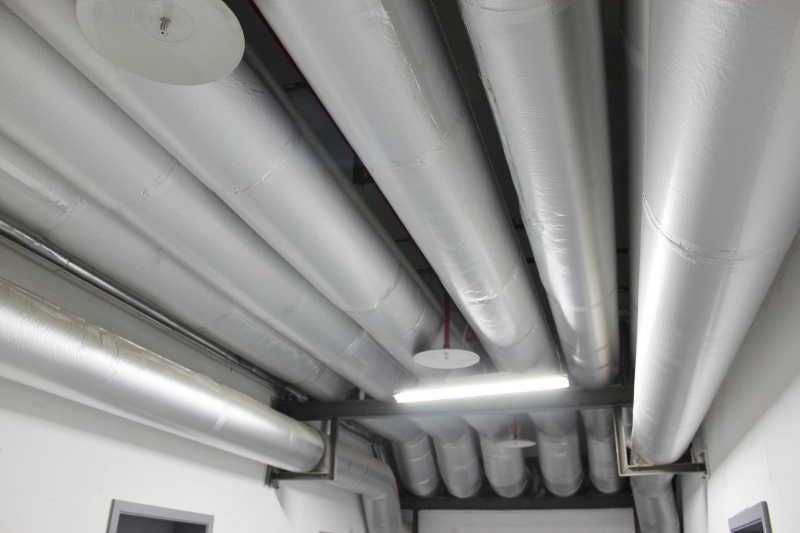
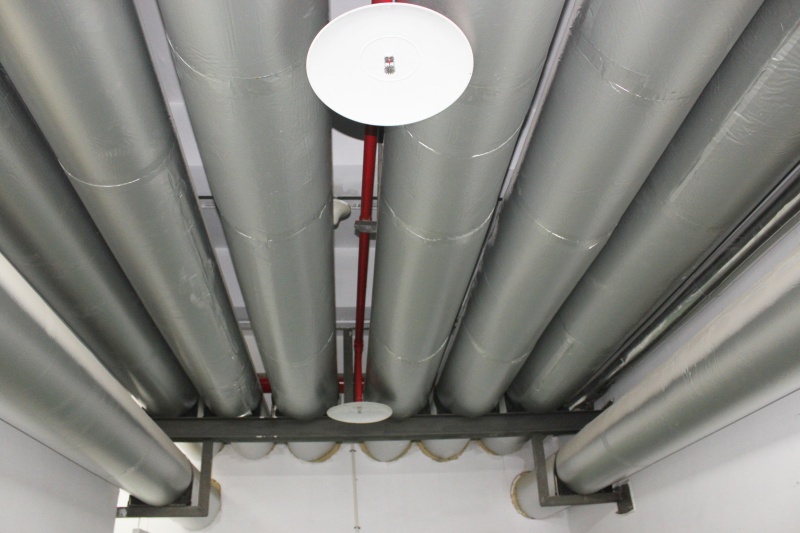
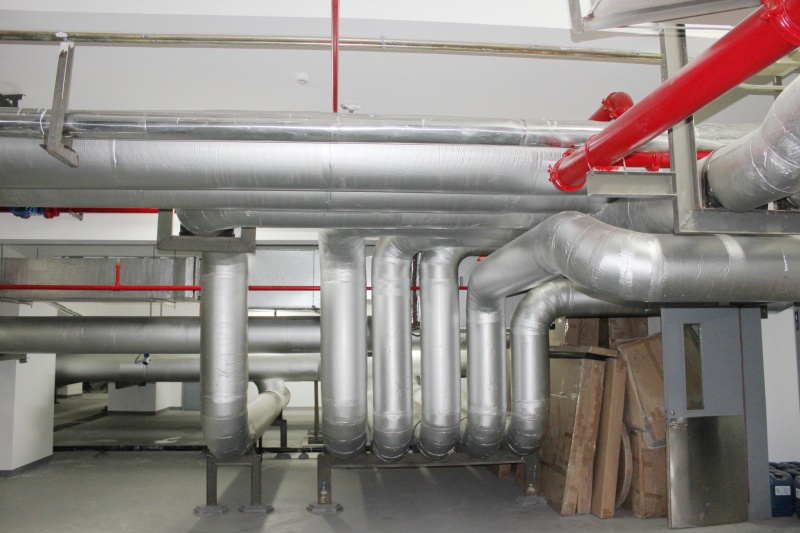
Continuous innovation in material science is central to our work. We test our formulations under simulated cryogenic conditions to prevent crystallization and contraction-induced failure. Below are images from our testing center showing our insulation materials under research and quality evaluation.

Certified compliance with international fire, environmental, and mechanical performance standards.
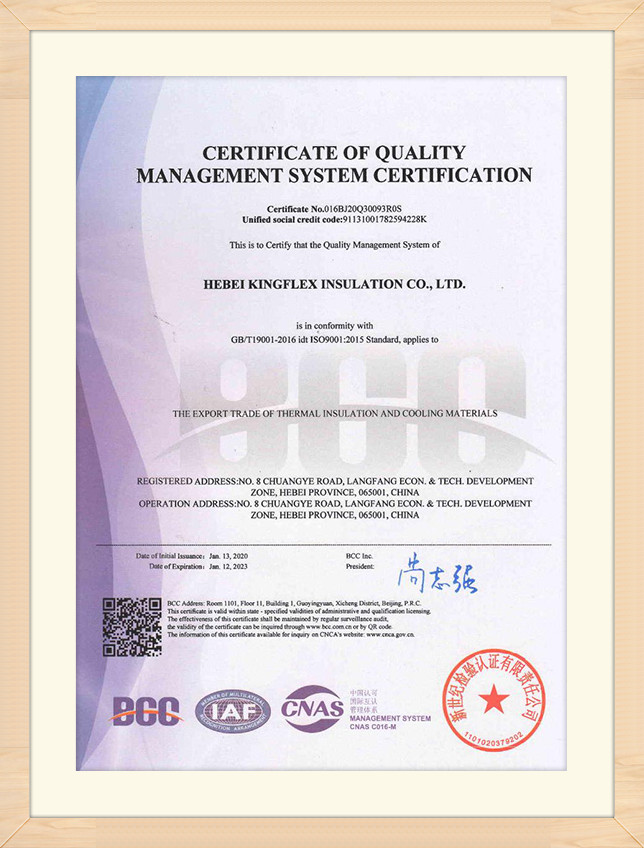
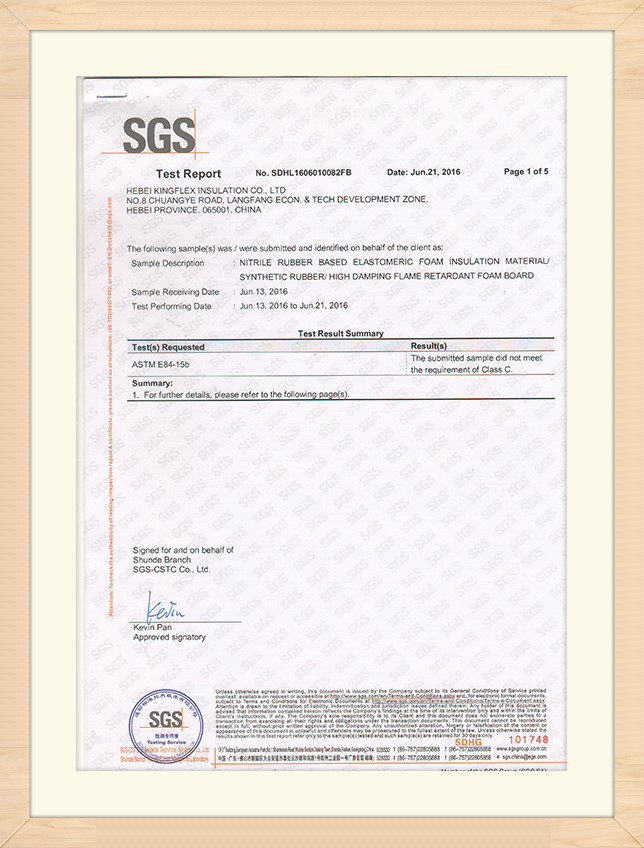
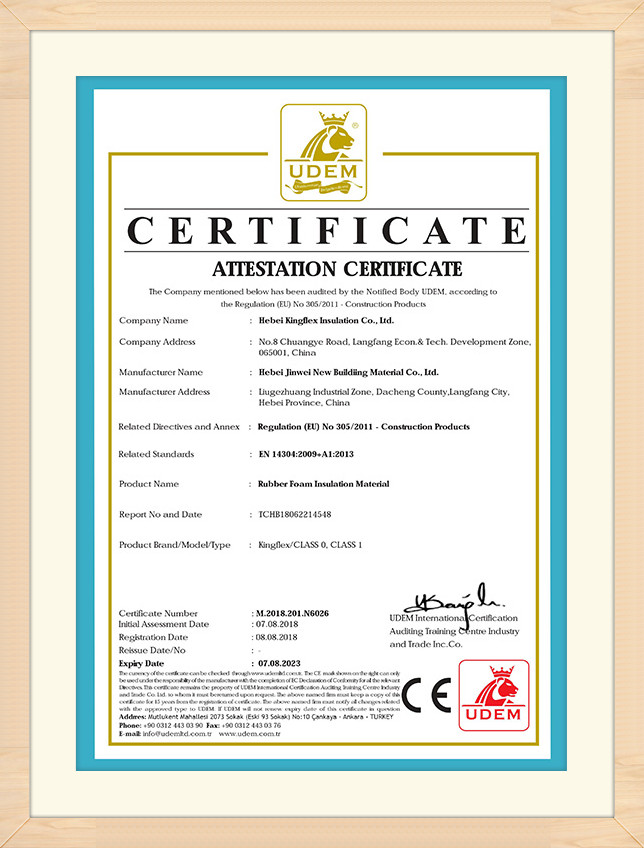
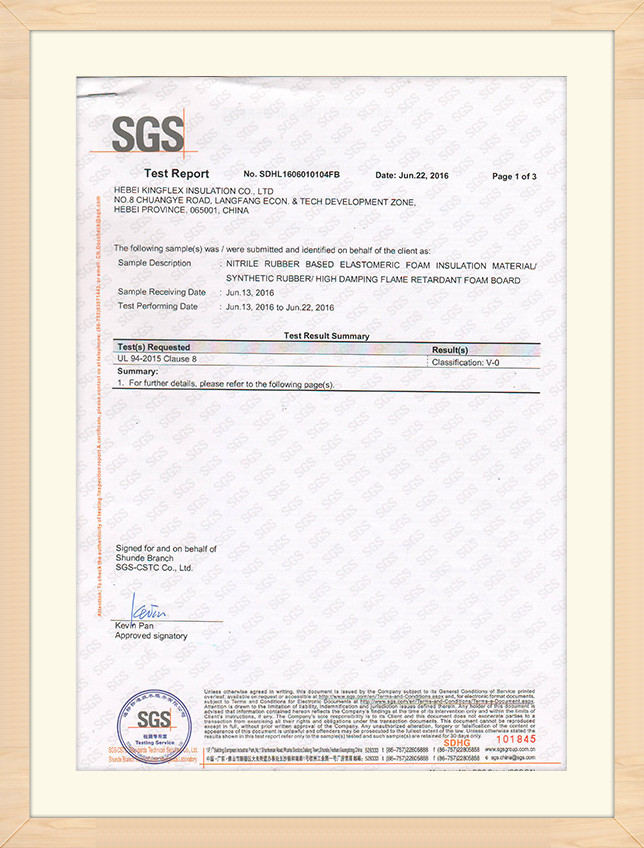
Our cryogenic insulation solutions meet fire safety standards (BS 476 Part 6 & 7 Class 0, UL94 V-0) and chemical regulations (REACH and RoHS). We ensure that every batch of NBR/PVC material is traceable from raw material sourcing to delivery. This system guarantees consistent density and structural integrity for all cryogenic systems.
We supply insulation systems for global projects in petrochemical refining, LNG transport, and scientific facilities.
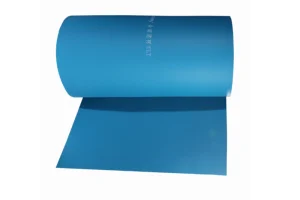
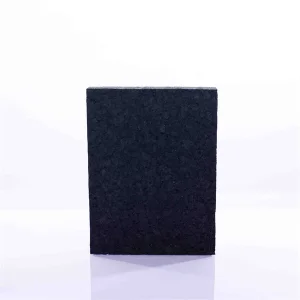
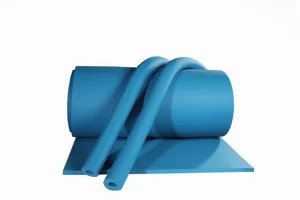
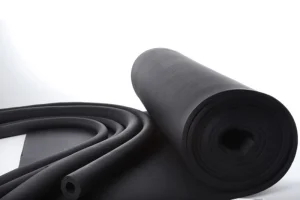
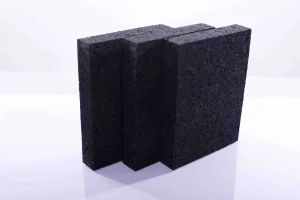
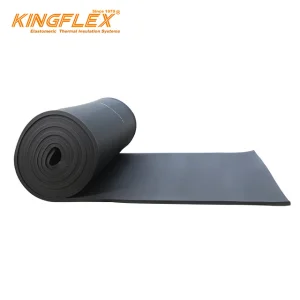
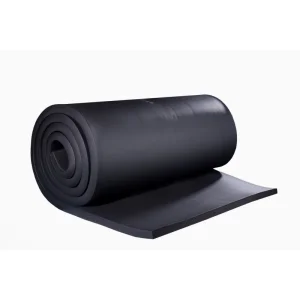
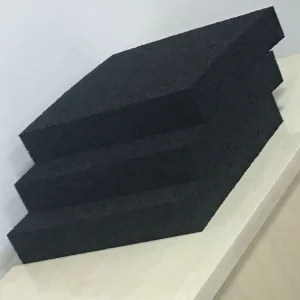
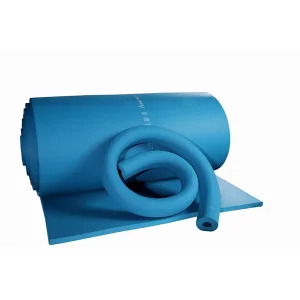
Standard Dimensions: Thickness: 6mm - 50mm | Density: 40 - 55 kg/m³ | Temperature Range: -40 °C to 105 °C (Customizable for cryo applications down to -200 °C).
Advantages: Closed-cell rate over 98% prevents moisture absorption and stabilizes thermal conductivity. High elasticity reduces thermal stress at pipe joints, and the flame-retardant formulation self-extinguishes upon fire exposure.
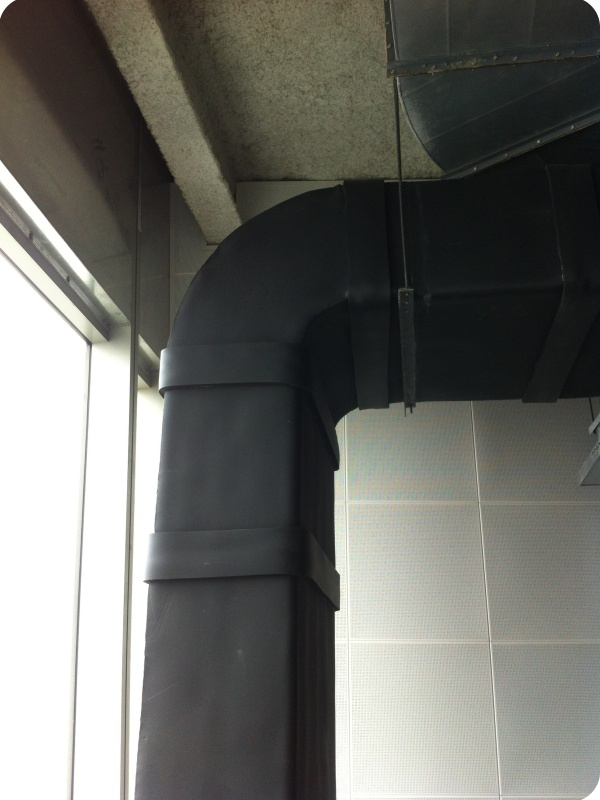
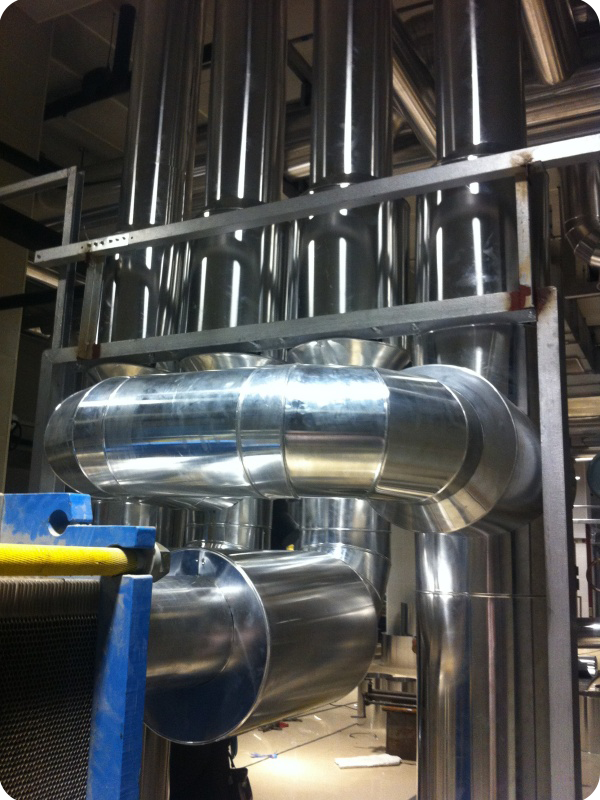
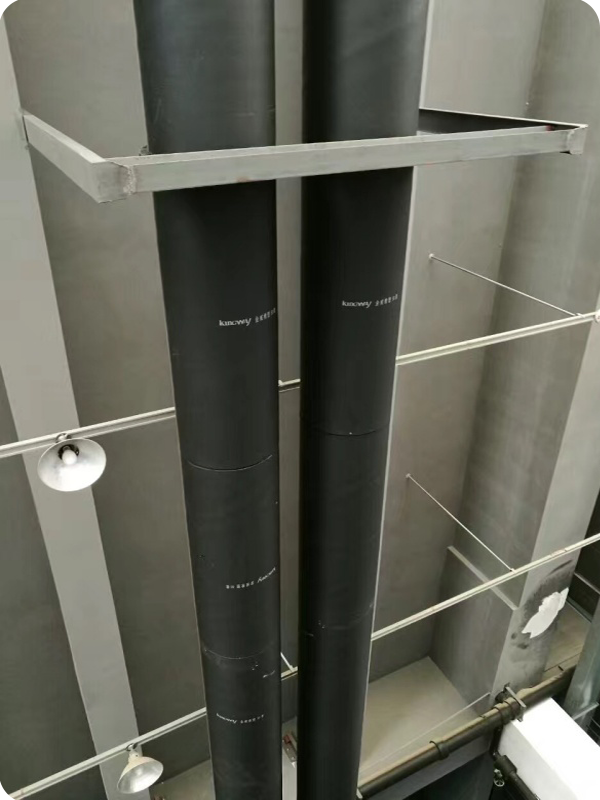
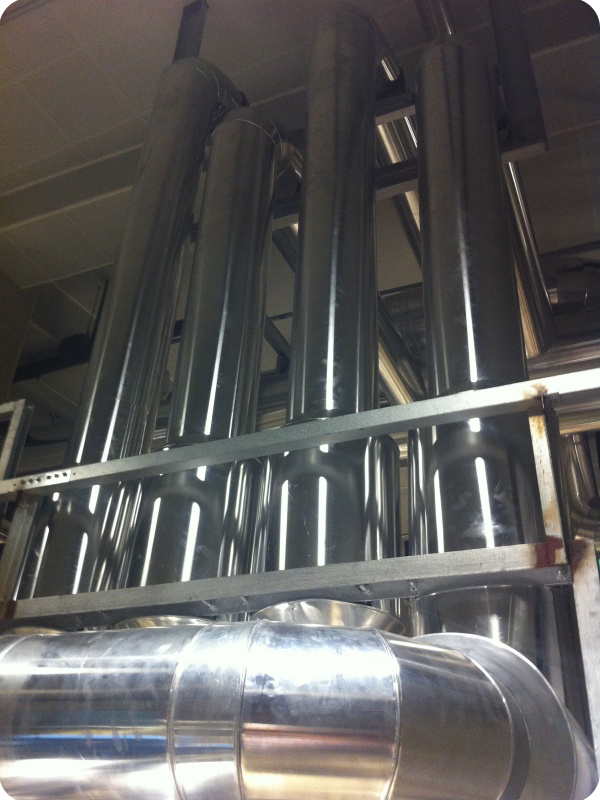
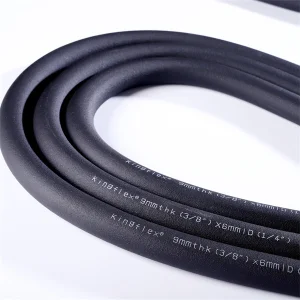
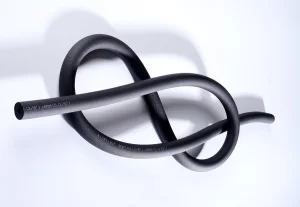
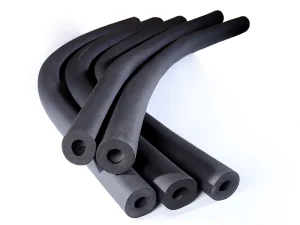
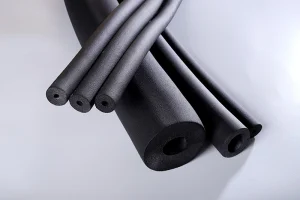
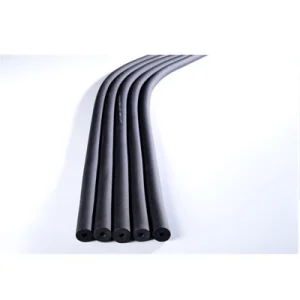
Standard Dimensions: Thickness: 9mm - 40mm | Inner Diameter: 6mm - 114mm | Service Temperature: -40 °C to 105 °C (Standard NBR/PVC range).
Advantages: Pre-formed tubes fit industrial pipes with close tolerance, eliminating air gaps. Uniform extrusion thickness helps prevent condensation. Highly flexible for clean routing around bends, elbows, and valves.
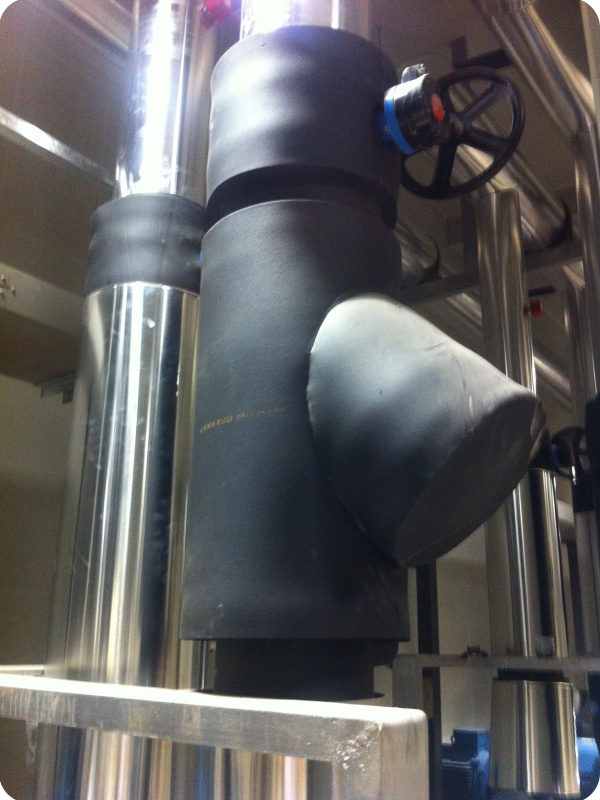
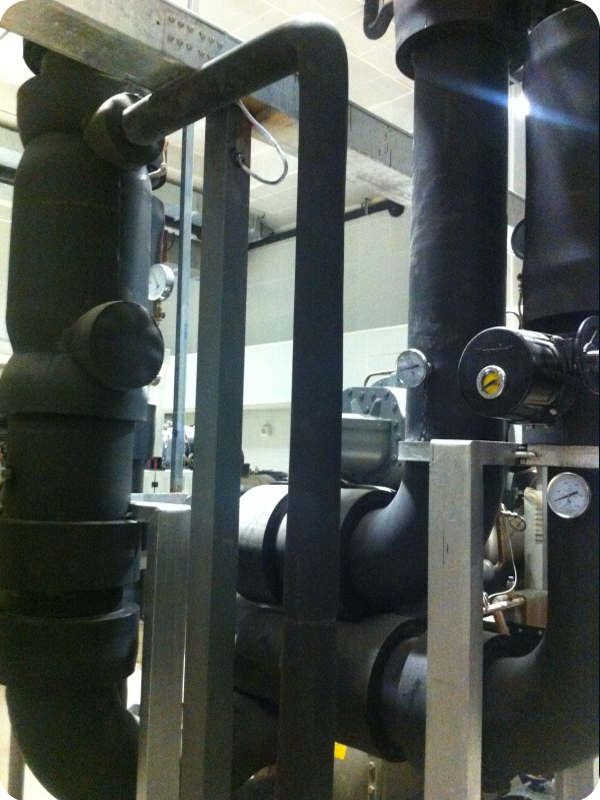
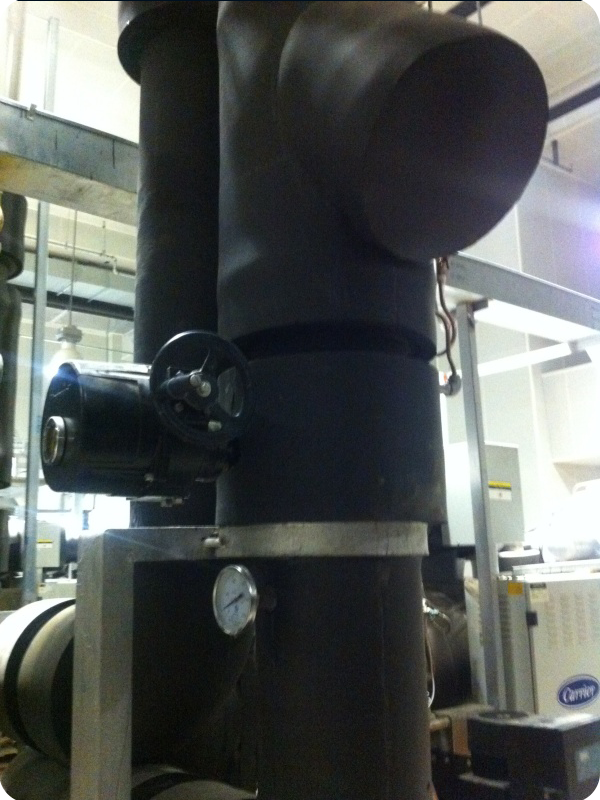
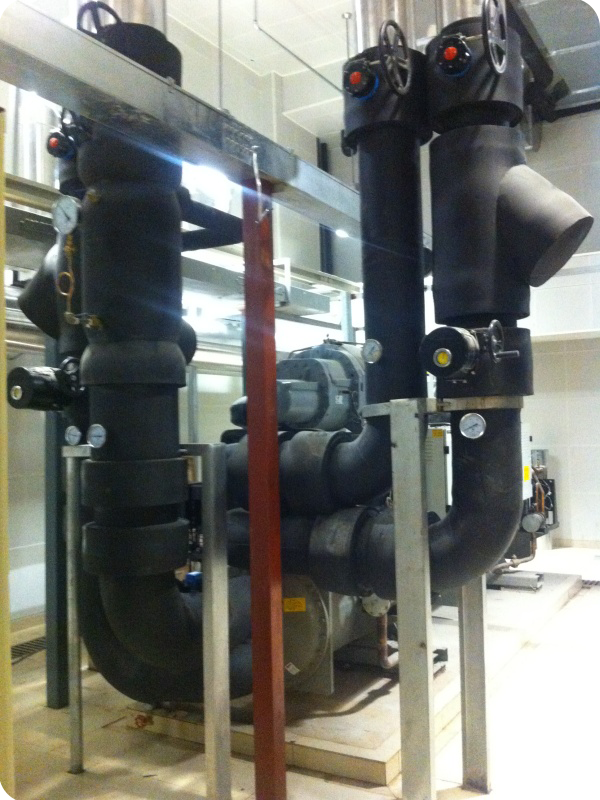
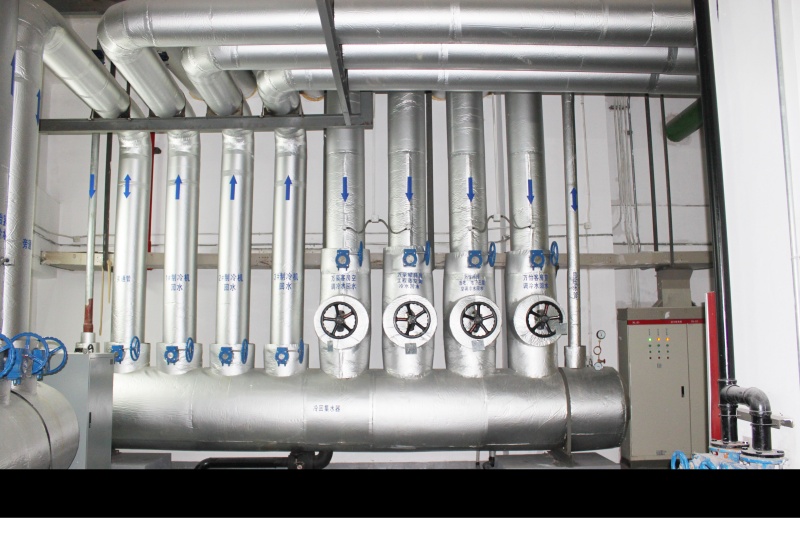
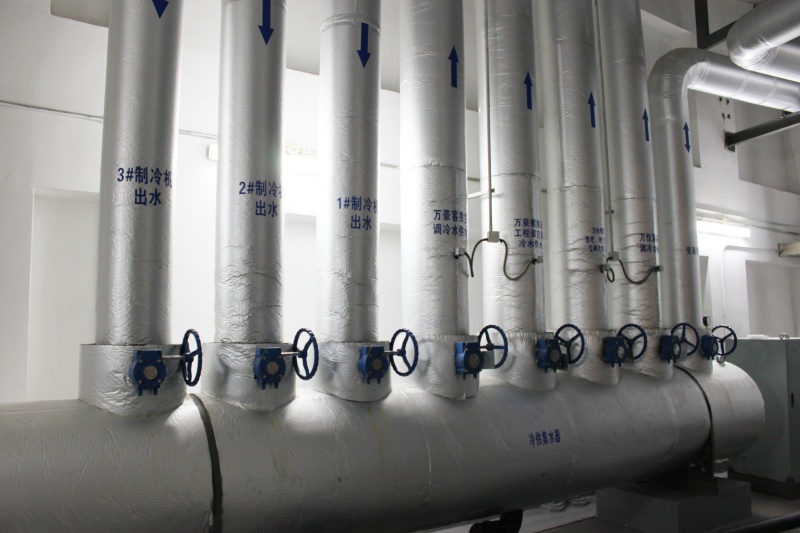

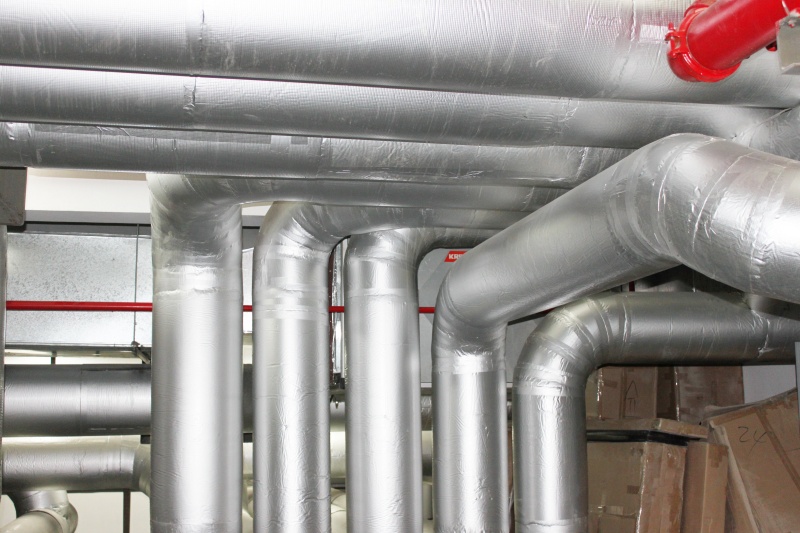
Direct client correspondence confirming our technical performance and prompt supply operations.

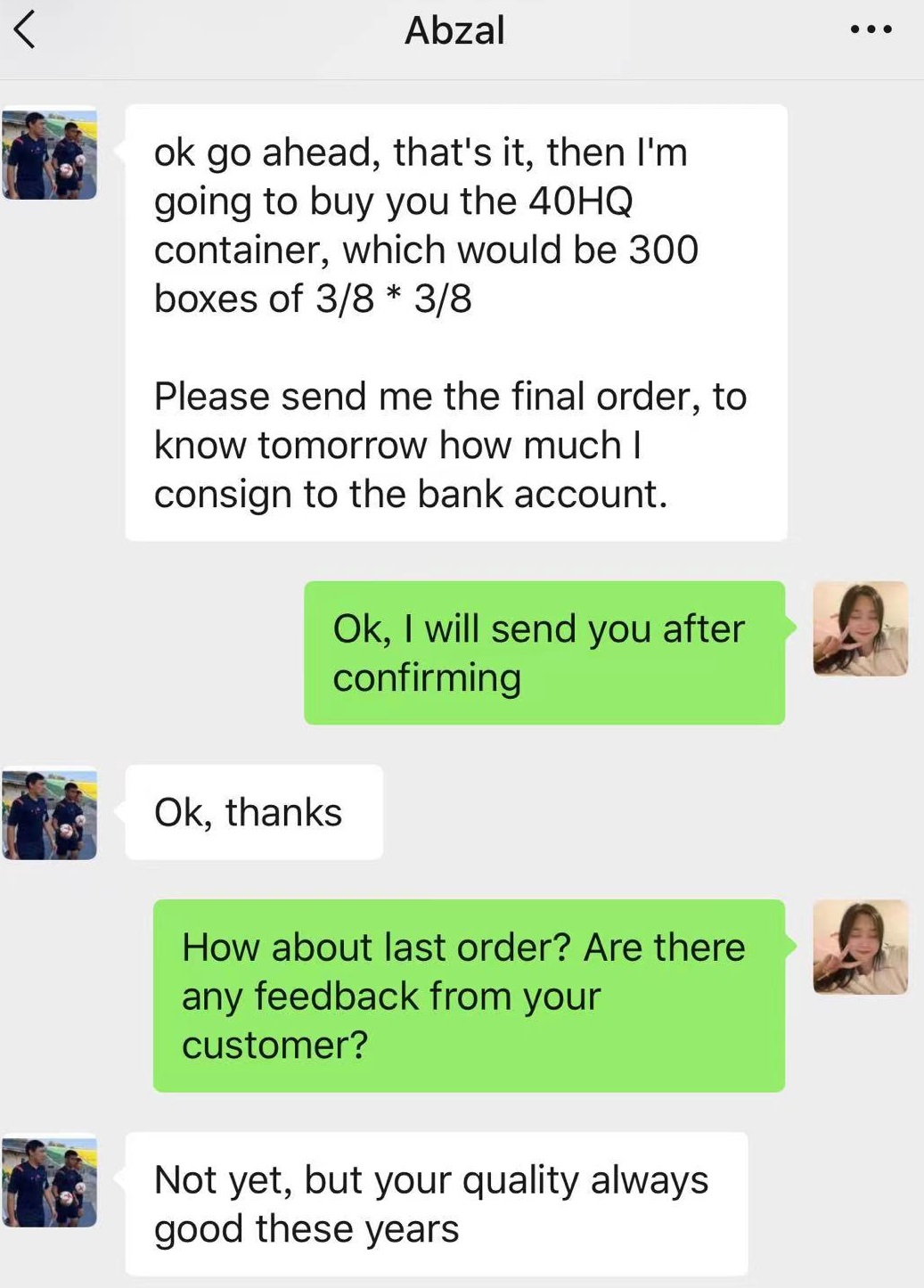




Our engineering plan for the next generation of cryogenic insulation materials.
We are testing aerogel nanoparticles in our NBR/PVC matrix to lower thermal conductivity to ≤ 0.027 W/(m·K). This allows for thinner insulation layouts in tight pipe runs.
We are shifting our foaming processes to HFO (Hydrofluoroolefin) systems with zero Ozone Depletion Potential (ODP) and low Global Warming Potential (GWP), meeting global environmental rules.
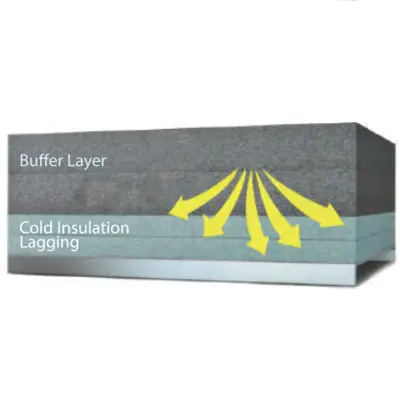
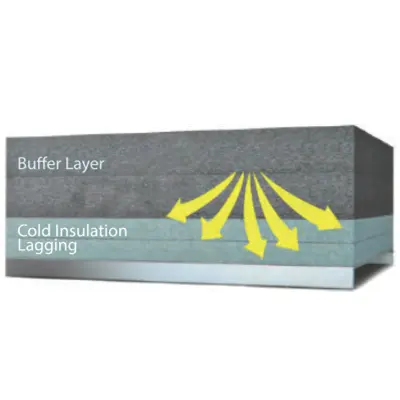
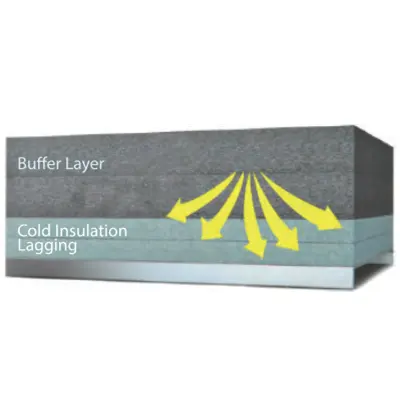
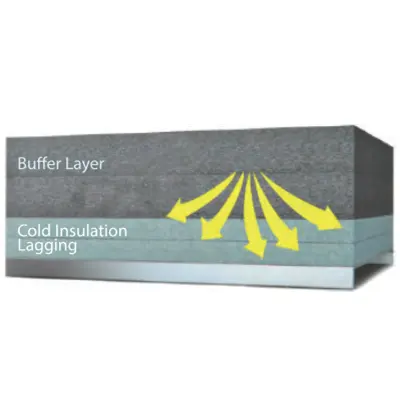
Developing multi-layer composite systems that combine flexible elastomeric foam with high-density outer barriers. This design prevents wind-scour and mechanical wear in coastal LNG terminals.
Answers to common technical queries about Kingflex cryogenic elastomeric products.
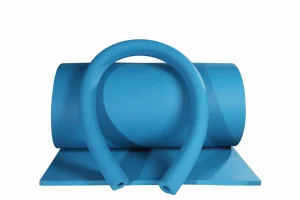
A comprehensive selection of elastomer pipes, sheet rolls, and acoustic solutions.
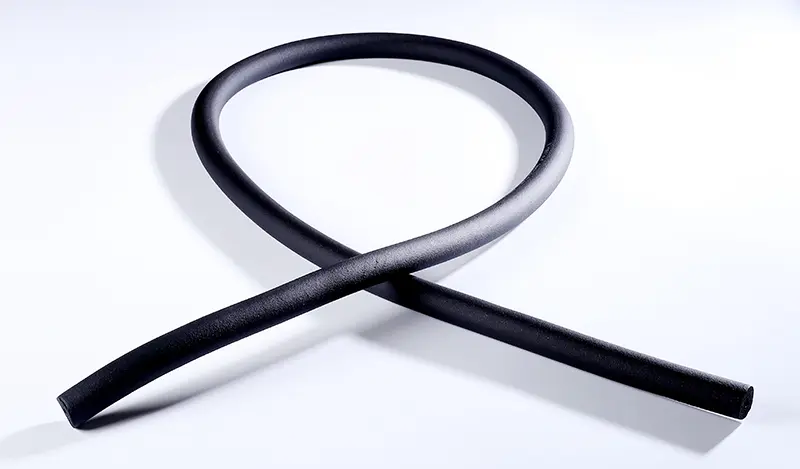
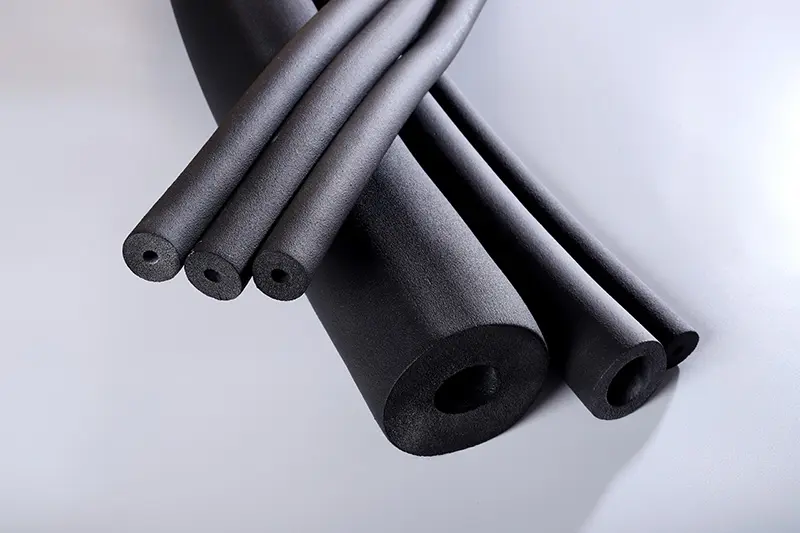

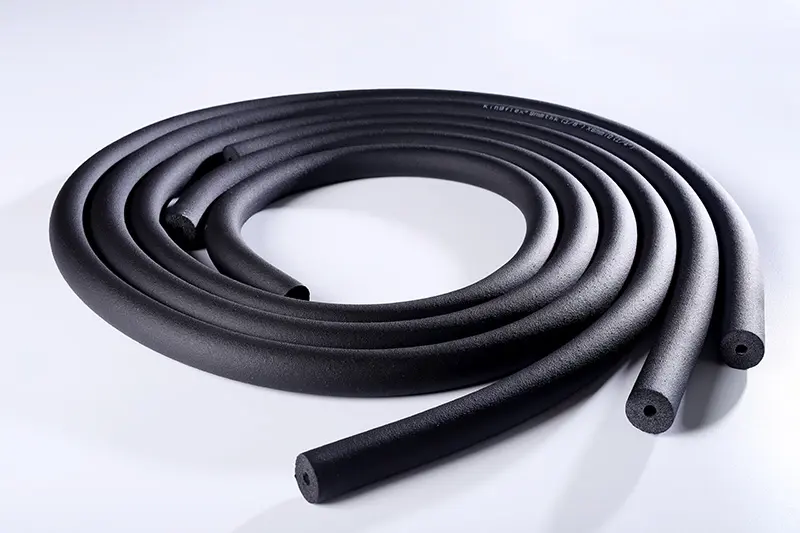
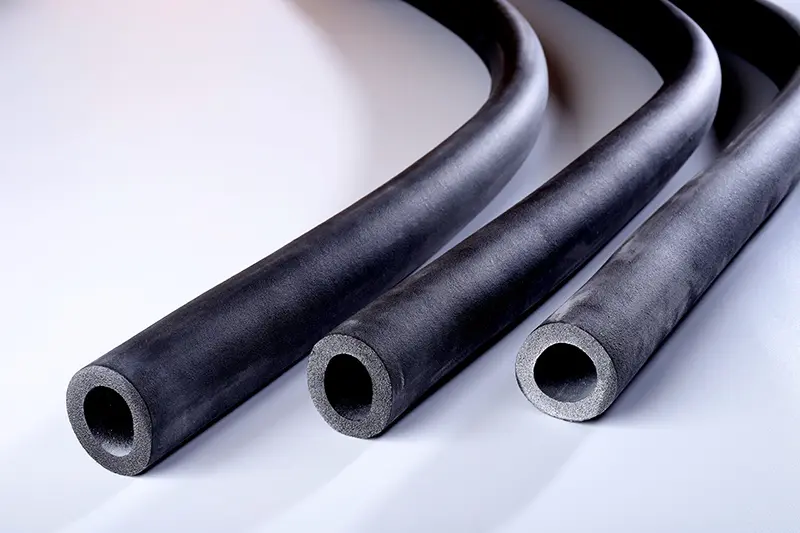
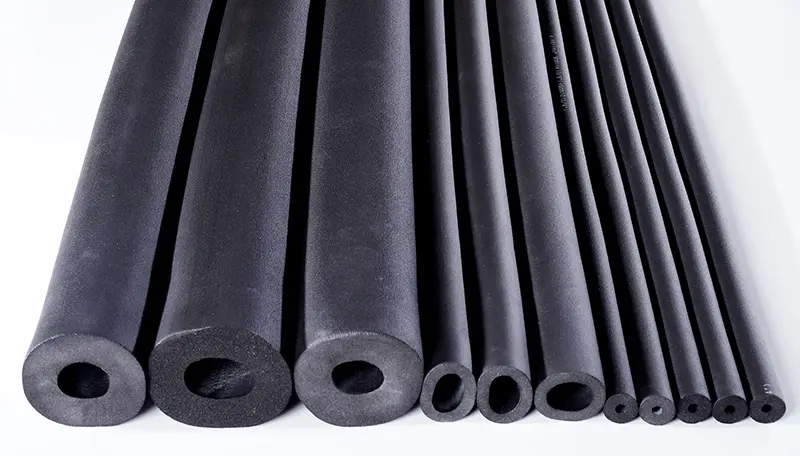
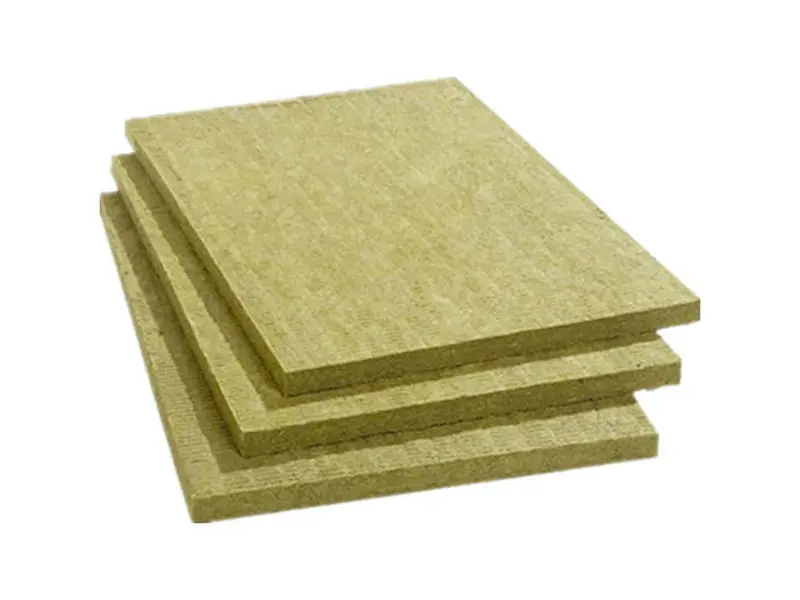
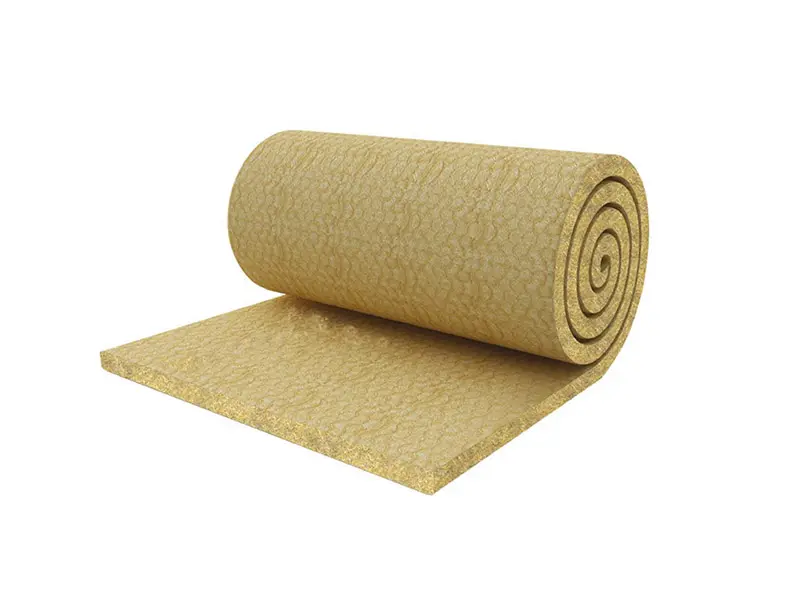







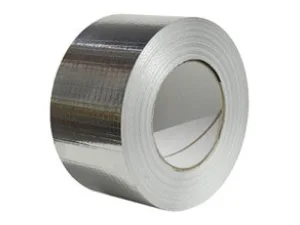
We supply standard and ultra-low temperature tubes, sheets, and tapes for industrial cryogenic installations.