 Kingflex
Kingflex
Kingflex
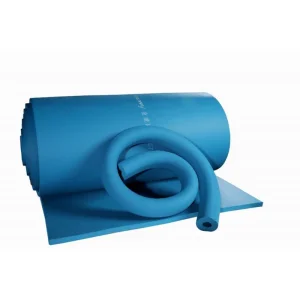
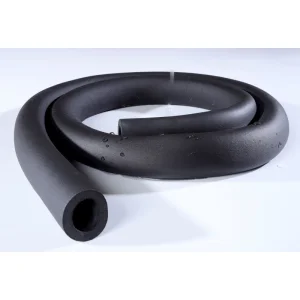
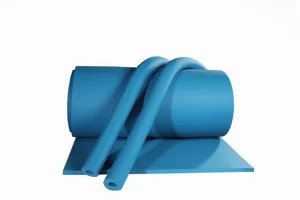
Explore our foundational range of elastomeric foams and specialized low-temperature pipeline insulation systems engineered for world-class R-Value efficiency.
Understanding the physics behind thermal conductivity, surface heat transfer, and system efficiency.
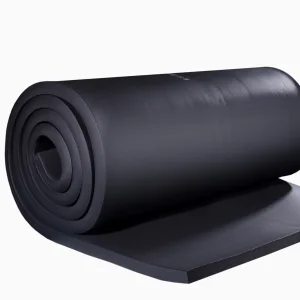
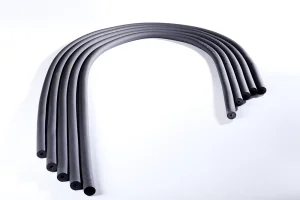
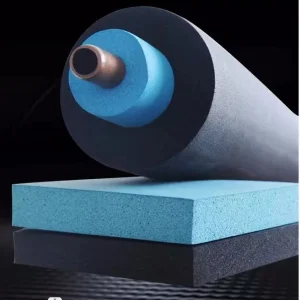
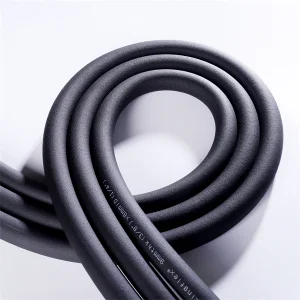
Thermal resistance, denoted as the R-value, is the quantitative measure of a material's capacity to impede the flow of heat. In flat structures, this value represents a simple linear relation of thickness to thermal conductivity (λ). However, in pipe insulation, the radial geometry requires a complex calculation profile. As thermal energy transfers outward from a piping core, the cross-sectional area expands. Therefore, evaluating a pipe insulation factory in China requires focusing on the raw λ-value (typically ranging between 0.031 to 0.035 W/m·K at 0°C for NBR/PVC elastomeric matrices) and how the manufacturer optimizes cellular density to maintain high R-values across variable cylindrical profiles.
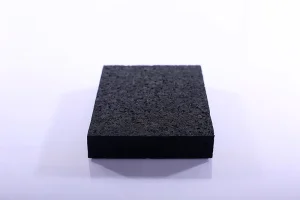
For cryogenic and refrigeration systems, preventing condensation is the primary engineering imperative. When the surface temperature of the pipe insulation falls below the ambient dew point, moisture vapor condenses, leading to immediate thermal degradation and dangerous Corrosion Under Insulation (CUI). By utilizing a 98%+ closed-cell structural matrix, products manufactured by specialized factories like Kingflex maintain an exceptionally high moisture resistance factor (μ ≥ 10,000), preserving the nominal R-value over a operating lifespan of 10 to 15 years.
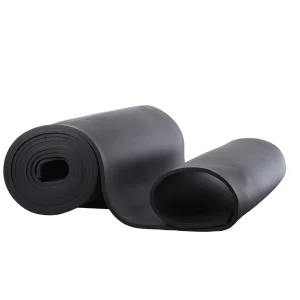
Lower λ signifies superior barrier performance. Our closed-cell rubber plastic formulations consistently achieve λ ≤ 0.033 W/m·K at 0°C, offering optimum thermal resistance per millimeter of wall thickness.
A high moisture vapor transmission rating ensures that environmental humidity cannot penetrate the insulation envelope, keeping the R-value stable even in high-humidity industrial plant environments.
Formulations complying with BS 476, Class 0, and UL 94 V-0 guarantee low flame spread and minimal toxic gas production during emergency high-temperature events, which is crucial for modern green buildings.
Measuring production capabilities and market reach across major industrial infrastructure projects.
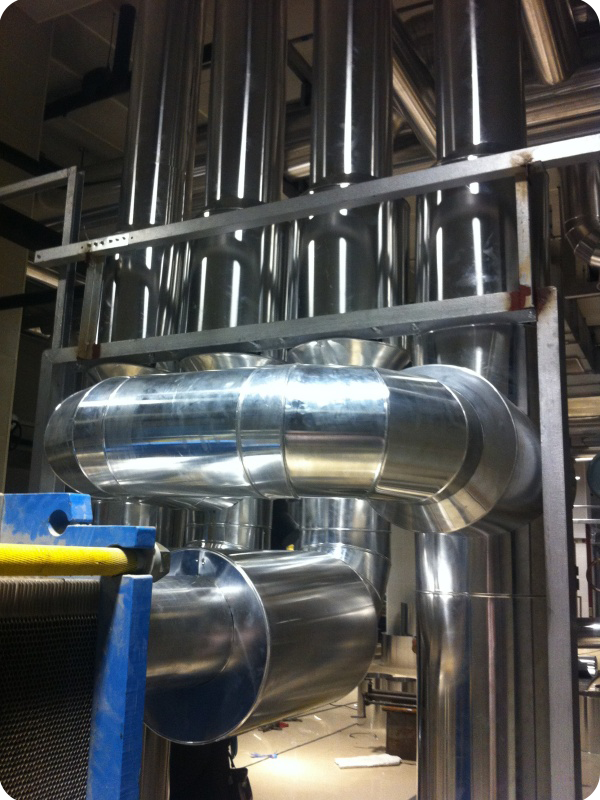
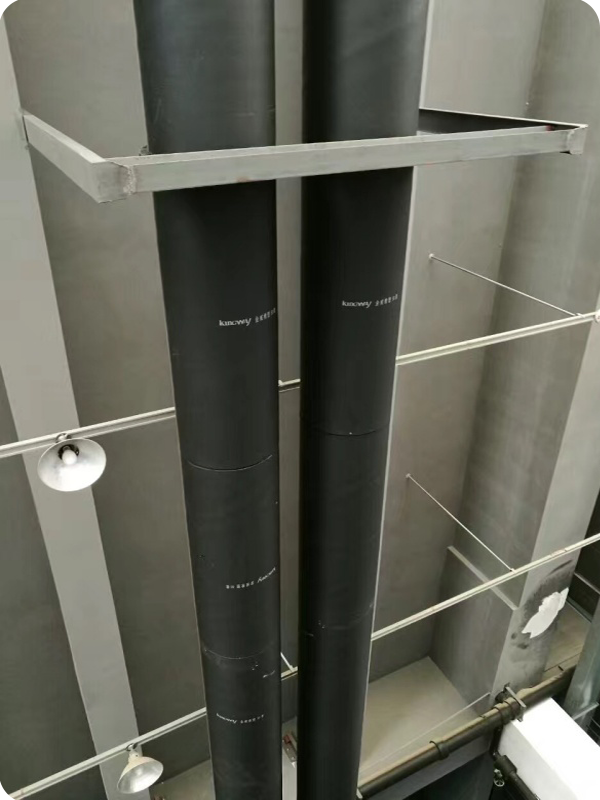
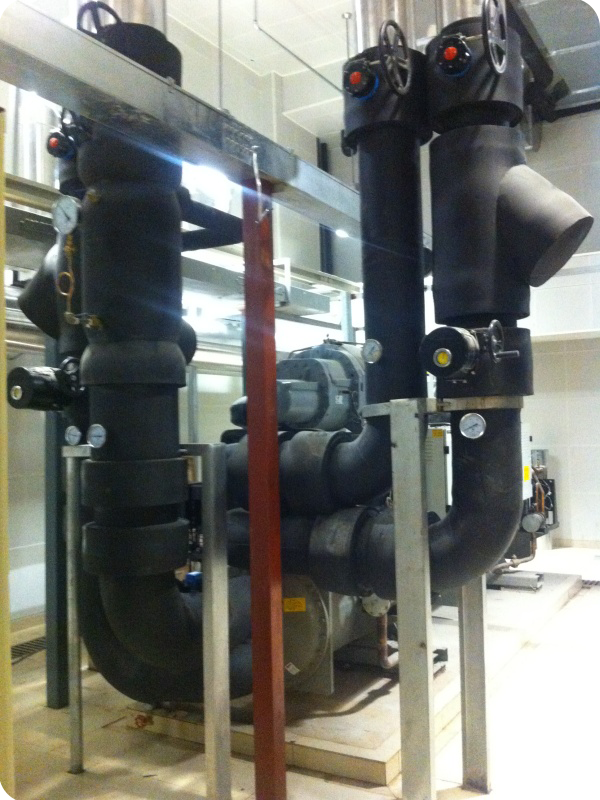
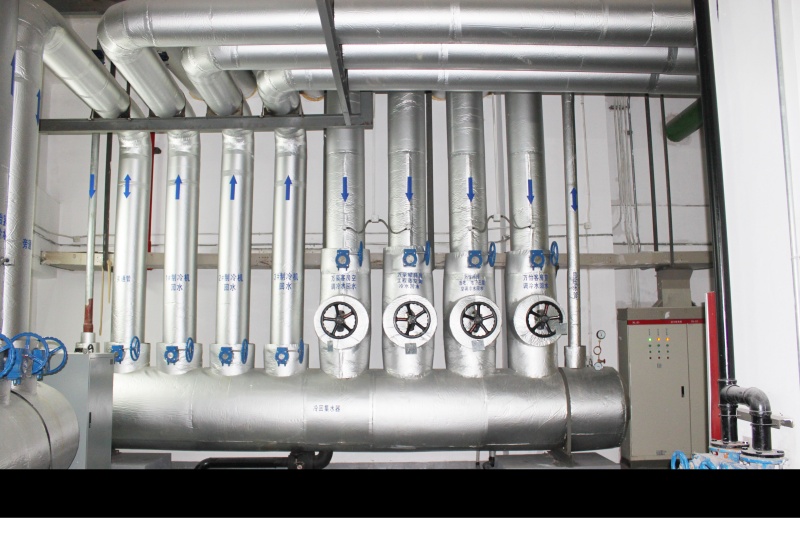
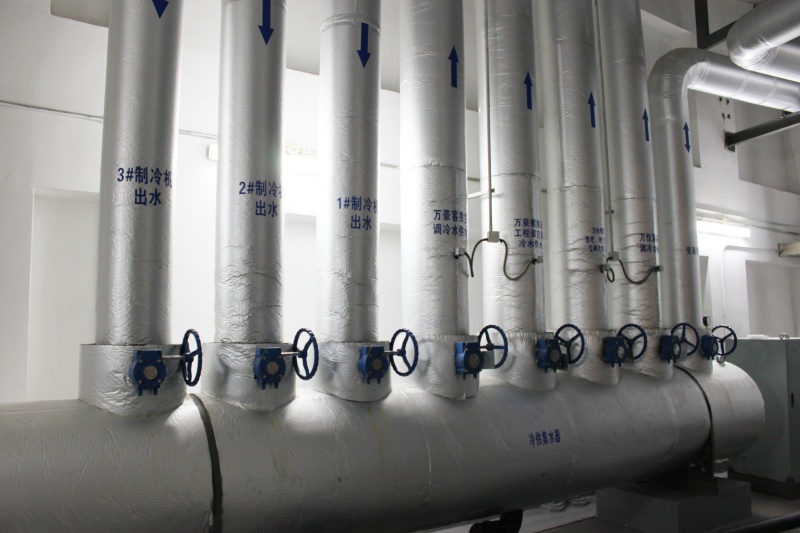
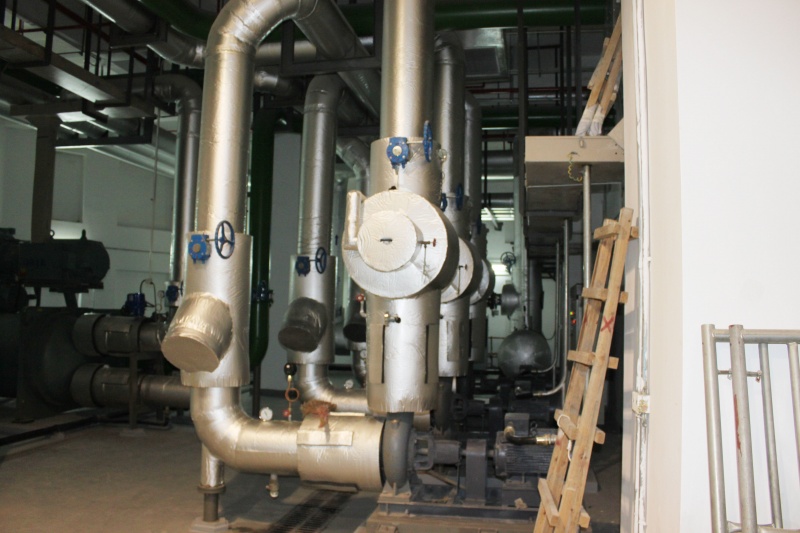
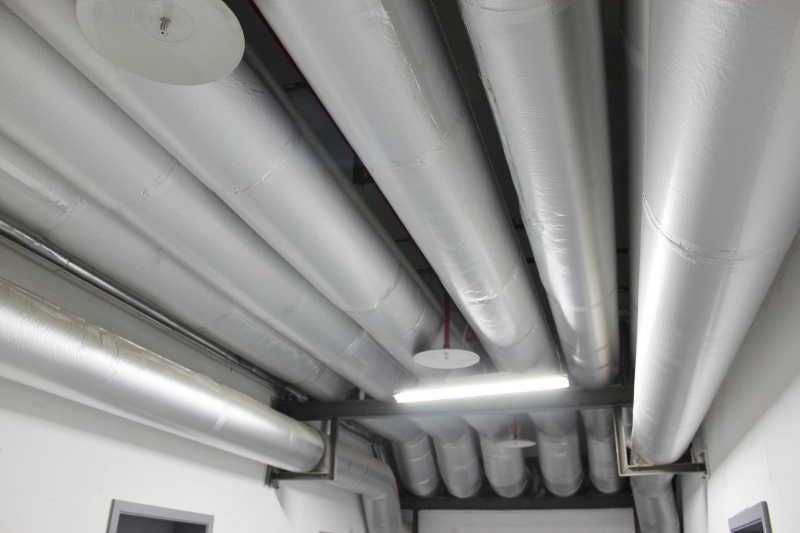
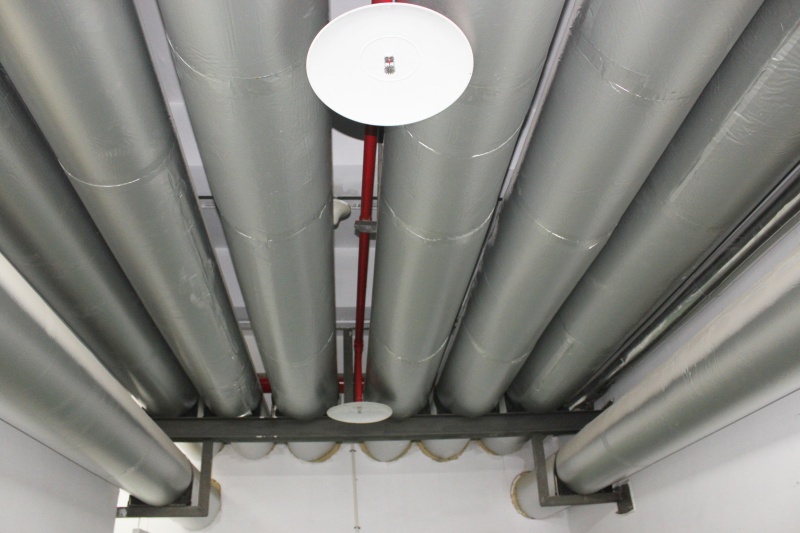
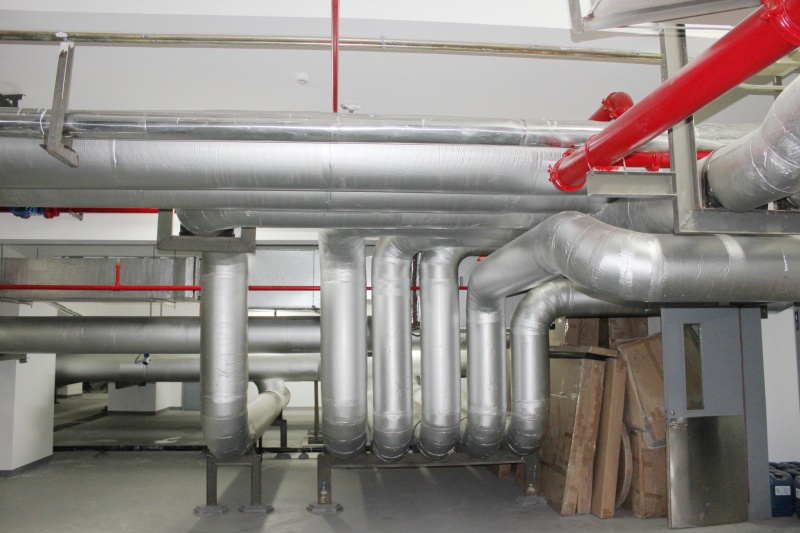
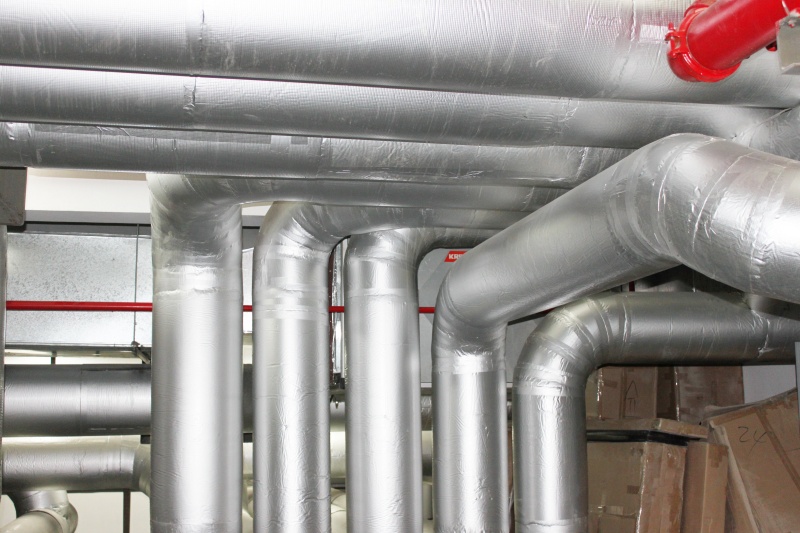
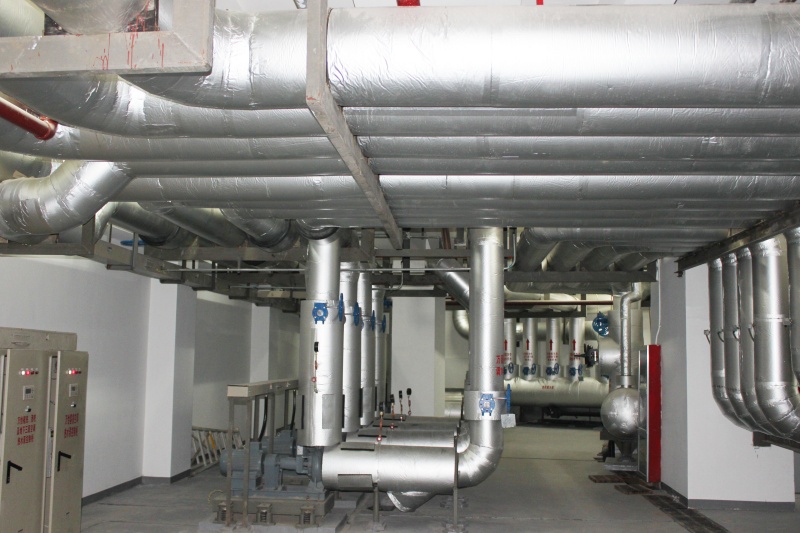
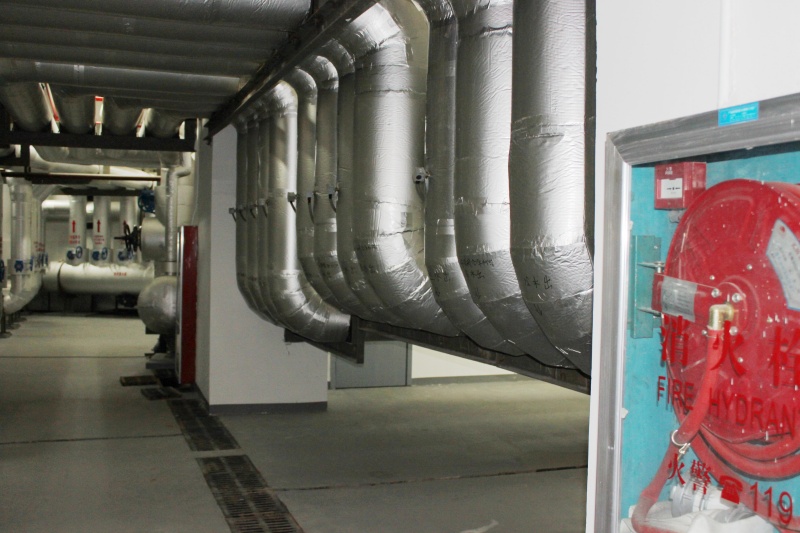
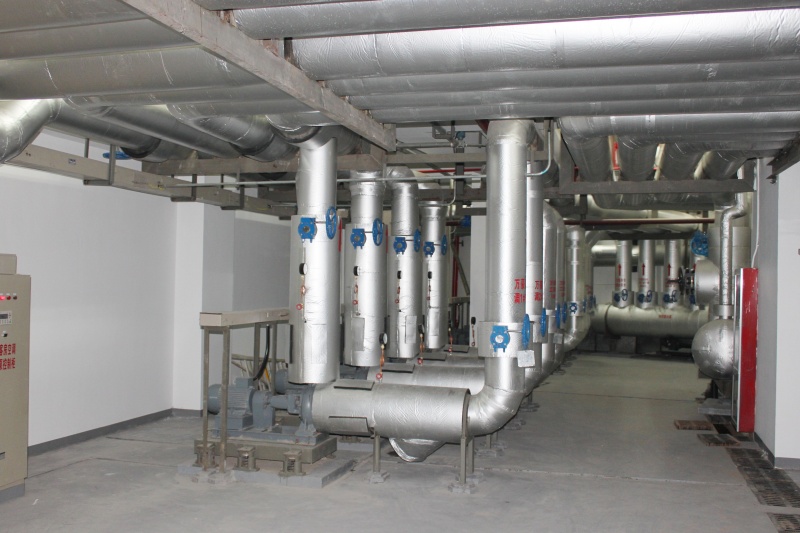
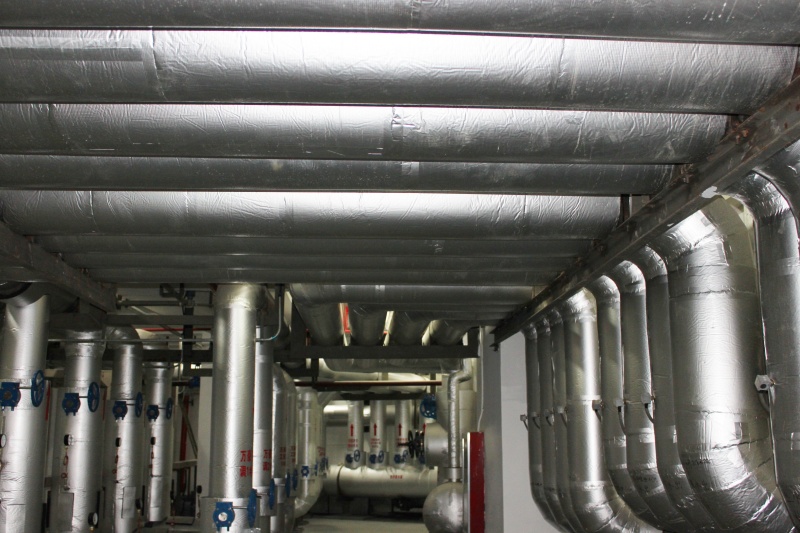
The macro-scale application of modern pipe insulation extends far beyond simple heating systems. In the petrochemical and energy sectors, massive volume storage demands stable thermal preservation. In cryogenic configurations (including LNG transport lines and industrial air separation plants), temperatures regularly reach below -150°C. Standard insulation materials fail under these extremes due to structural cracking and contraction. This is where advanced elastomers, developed by leading China pipe insulation factories, show their value by remaining flexible and structurally sound while preventing massive thermal gains.
High information gain analysis of certified parameters compared against global testing protocols.
Specifying engineers cannot rely on simple marketing claims. True authority in pipe insulation factories is demonstrated through rigorous verification. To assure the longevity and reliability of thermal performance, products must be subjected to standard testing methods including ASTM C534 (Standard Specification for Preformed Flexible Elastomeric Cellular Thermal Insulation in Sheet and Tubular Form) and BS 476 Parts 6 & 7 for fire safety propagation.
| Parameter Class | Testing Methodology | Nitrile Rubber (NBR/PVC) Specification | Rock Wool Board Reference |
|---|---|---|---|
| Thermal Conductivity (λ) | ASTM C518 / ISO 8301 | ≤ 0.033 W/m·K at 0°C | ≤ 0.038 - 0.044 W/m·K at 25°C |
| Water Vapor Permeability | ASTM E96 / EN 12086 | μ ≥ 10,000 (Moisture Vapor Barrier Built-in) | μ ≈ 1 (Requires external vapor barrier jacket) |
| Service Temp. Boundary | ASTM C411 | -40°C to +105°C (-200°C with multi-layer ULT systems) | Up to +650°C (Excellent high-temp application) |
| Fire Performance Class | BS 476 Part 6 & 7 / UL 94 | Class 0 / V-0 Flammability Rating | Class A1 Non-combustible |
| Density Range | ASTM D1622 | 40 to 55 kg/m³ | 60 to 150 kg/m³ |
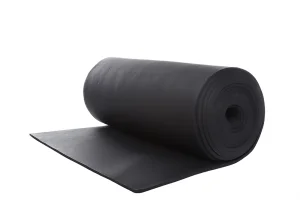
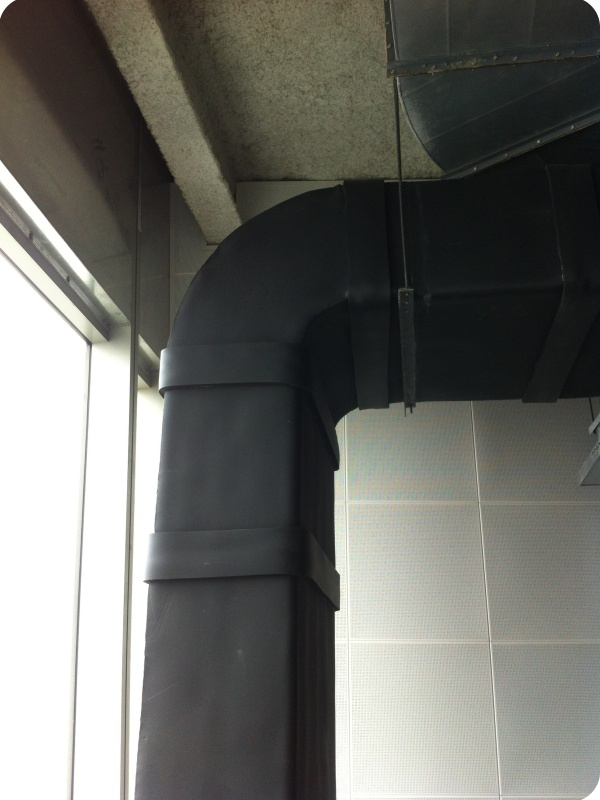
This comparative overview highlights a critical concept: while rock wool is superior for high-temperature steam lines exceeding 250°C, it requires complex, moisture-permeable multi-component jackets. Closed-cell rubber foam, on the other hand, acts as both the structural thermal barrier and the vapor retarder. This makes NBR/PVC elastomeric materials the optimal design choice for cold air ducting, chiller supply lines, and outdoor condensation mitigation systems.
How the global decarbonization mandate is transforming insulation chemistry and installation engineering.
As the international community works toward net-zero targets, building envelopes and HVAC/R loops are coming under intense regulatory scrutiny. In traditional construction, thermal losses along pipe conduits account for roughly 15% to 25% of total system energy waste. Minimizing this wastage is the direct driver behind the evolution of next-generation pipe insulation R-values.
The manufacturing process in leading China factories is shifting from traditional physical gas injection to highly controlled chemical foam processes using advanced eco-friendly blowing agents. The goal is to reduce the Global Warming Potential (GWP) and Ozone Depletion Potential (ODP) to zero, without compromising the closed-cell density or mechanical flexibility. Furthermore, modern pipelines are adopting smart designs, incorporating protective layers and acoustic cores to isolate compressor noise while maintaining tight thermal seals.
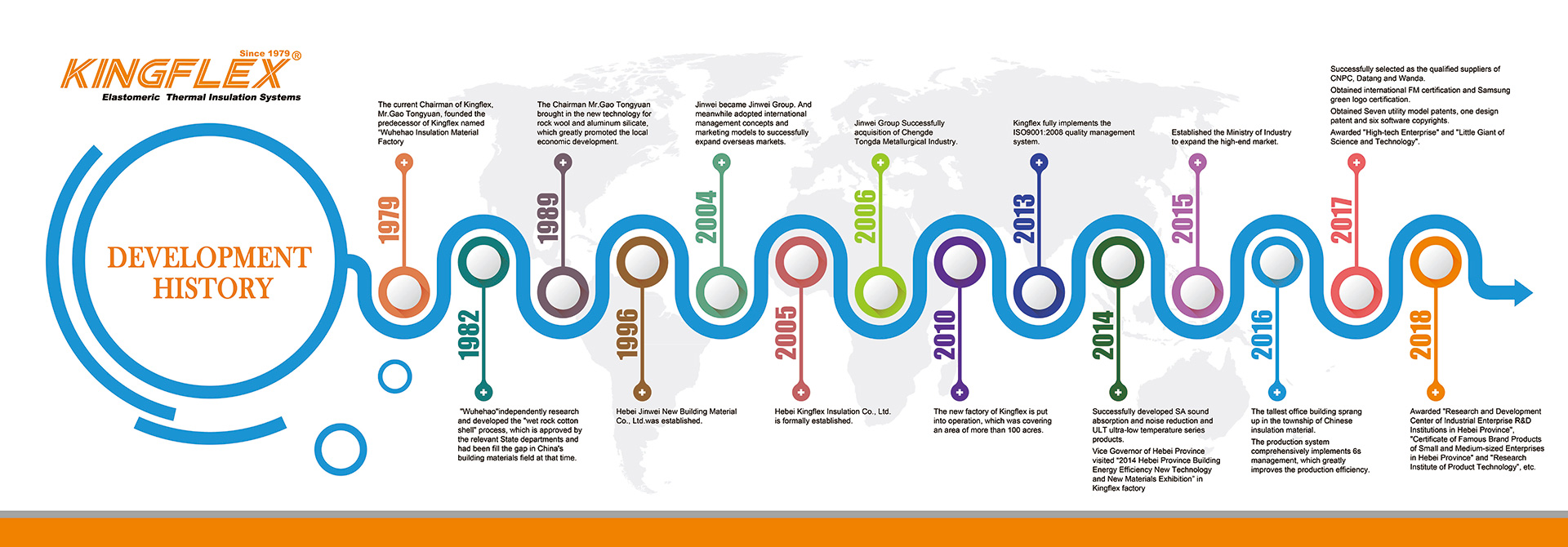

A history of specialized energy-saving manufacturing, advanced R&D, and global delivery systems.
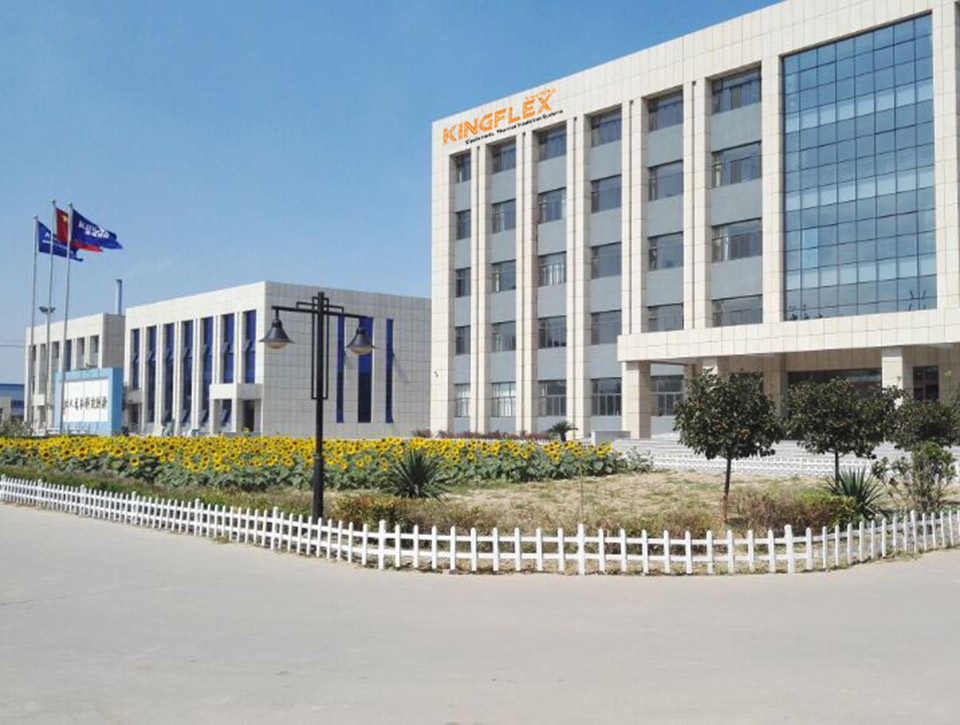
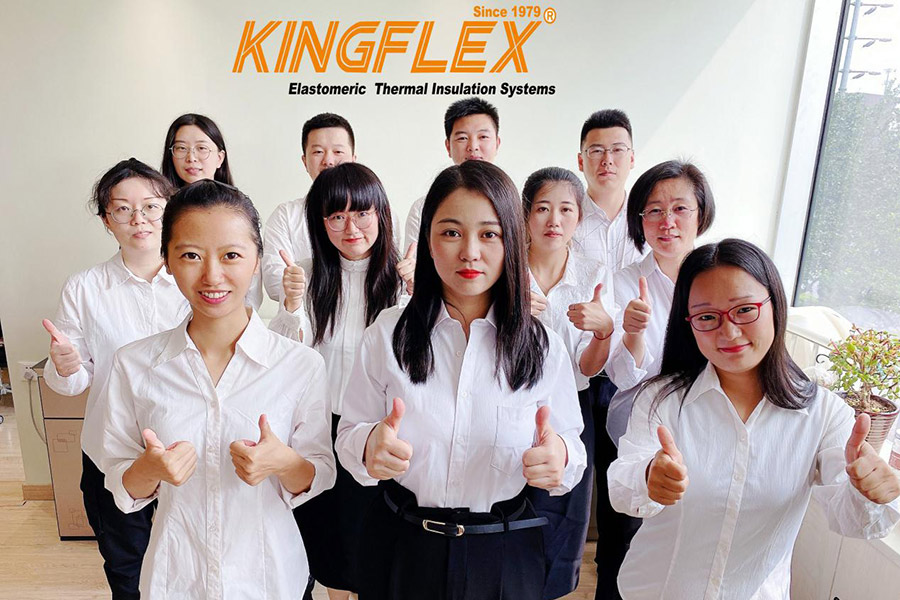
Established under the umbrella of the renowned Jinwei Group (whose legacy dates back to 1979 as the pioneer of thermal insulation northern of the Yangtze River), Kingflex has grown into a major modern manufacturing and trading powerhouse. Located in Dacheng, the green-building materials capital of China, the company integrates advanced research, precise production line management, and comprehensive technical advisory services.
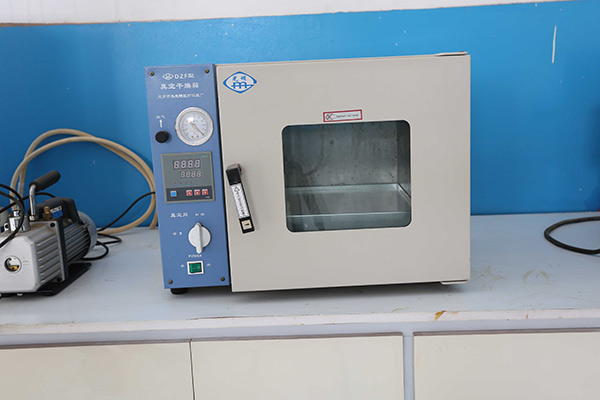
Today, our facility houses 5 large-scale automated assembly lines with a production footprint capable of outputting over 600,000 cubic meters annually. Certified by global bodies for compliance across BS 476, CE, REACH, RoHS, UL 94, and ASTM protocols, our products deliver reliability across various industrial landscapes, including construction, HVAC, cryogenic piping networks, process petrochemical systems, and marine structures.
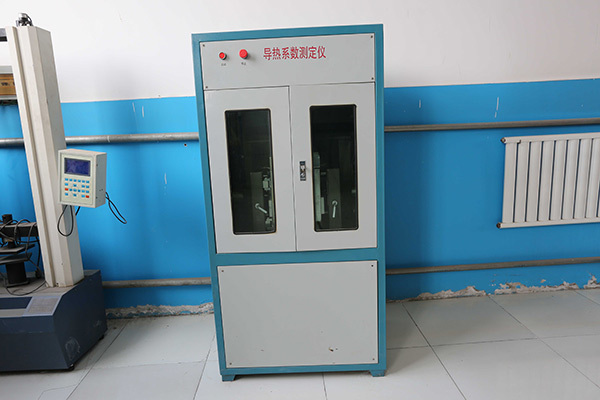
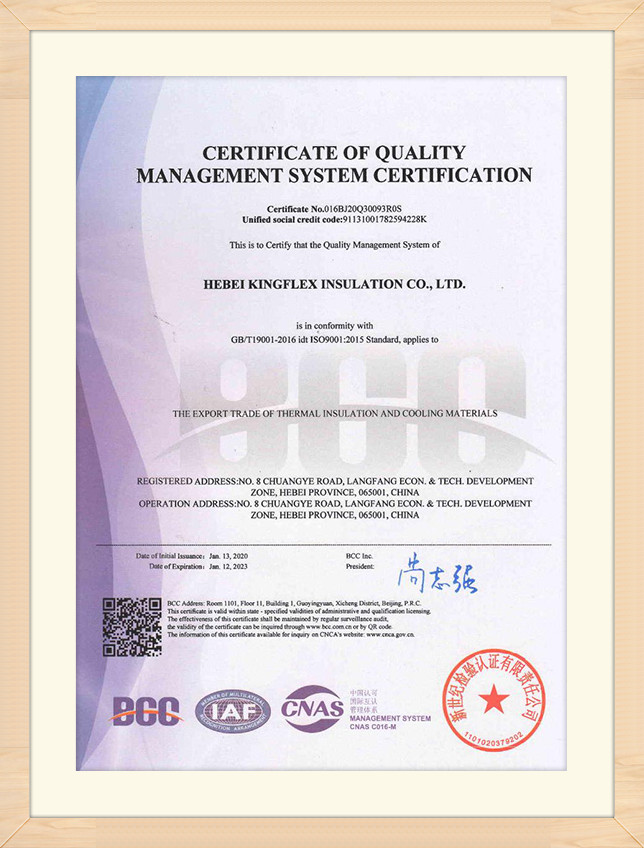
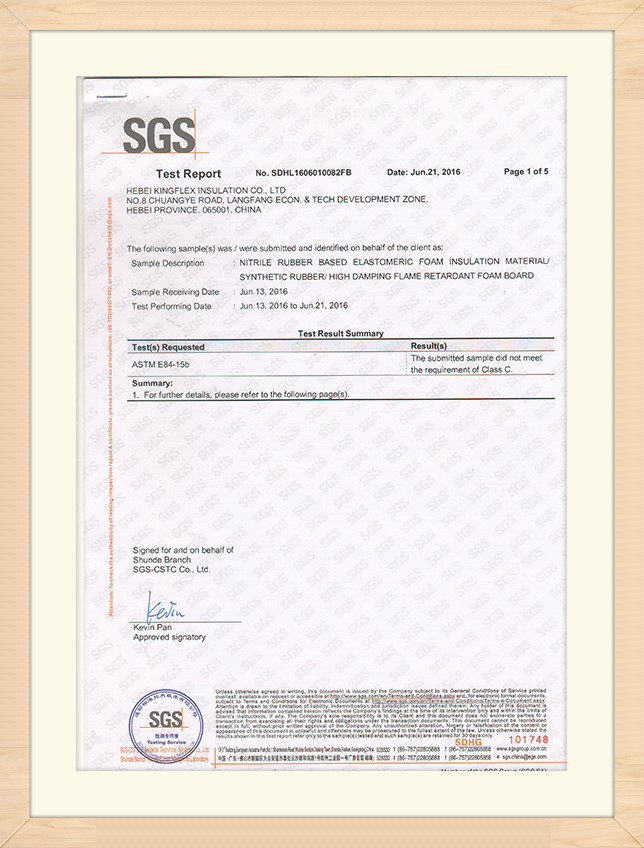
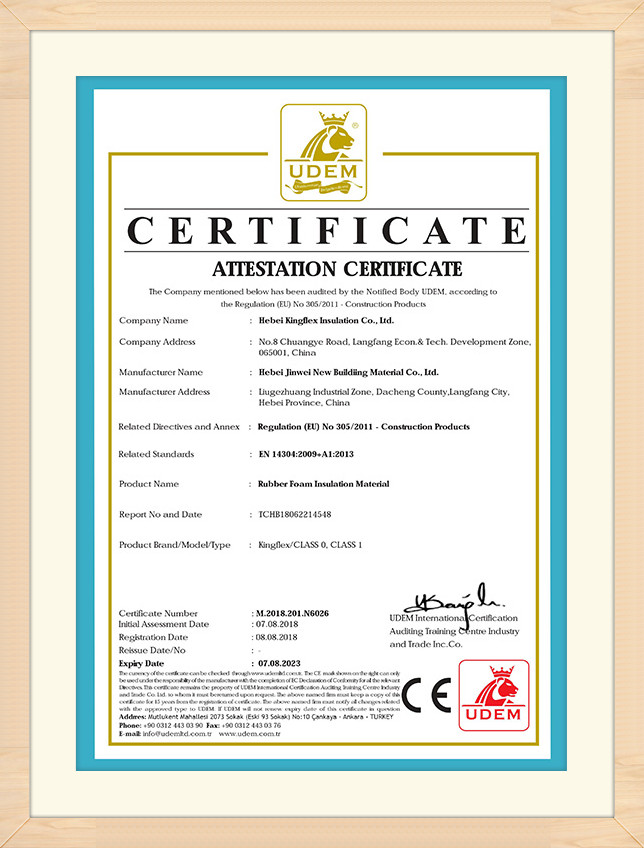
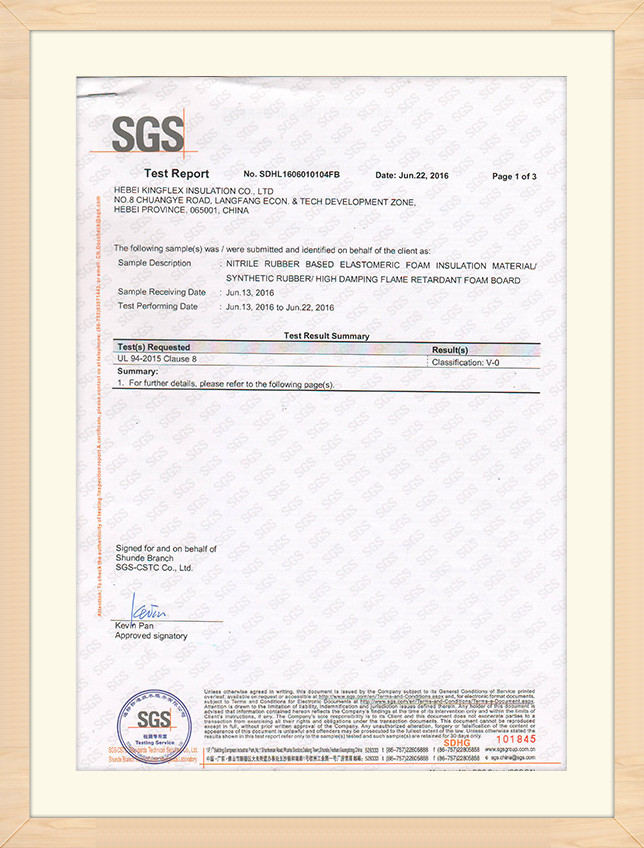

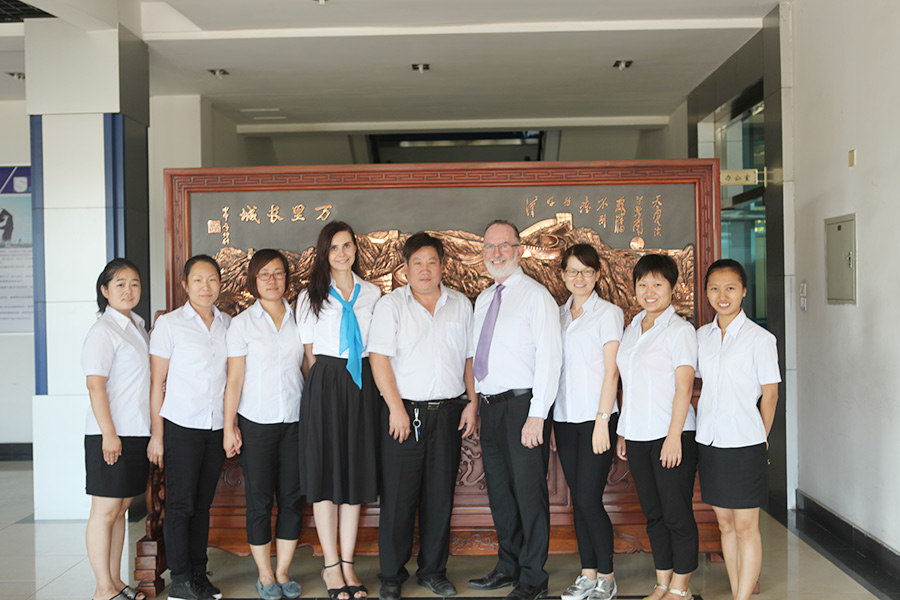
E-E-A-T Demonstration: Direct communication records, structural performance reviews, and global installations.
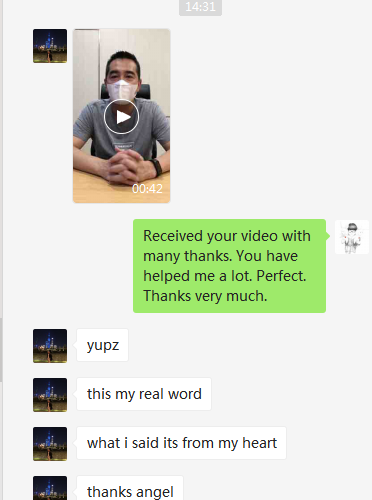
True credibility is proven through satisfied clients and successful applications. By maintaining transparency, we provide buyers with tracking data, certification files, and real-time chat updates on container shipments. This level of service keeps international engineering firms secure in their procurement processes.

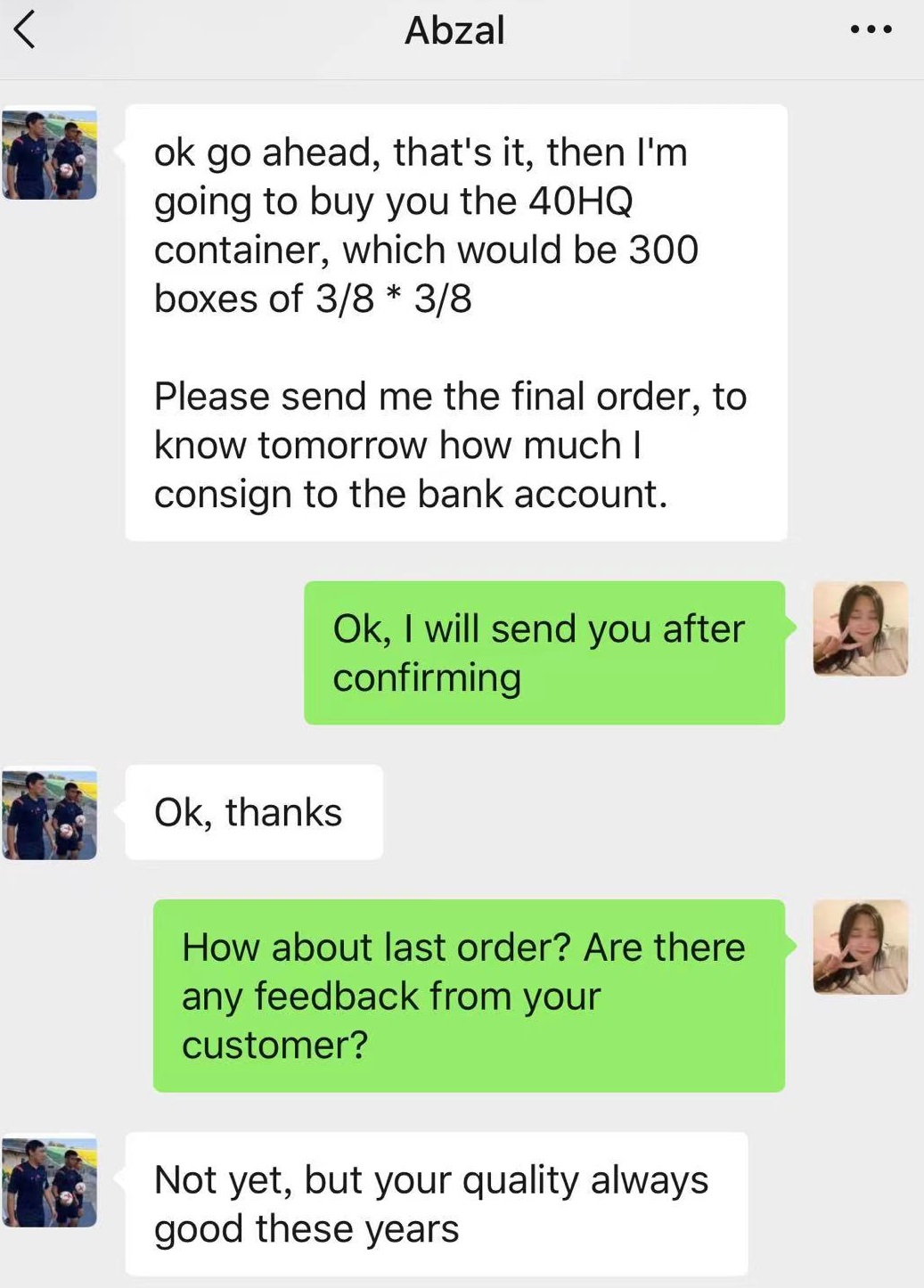
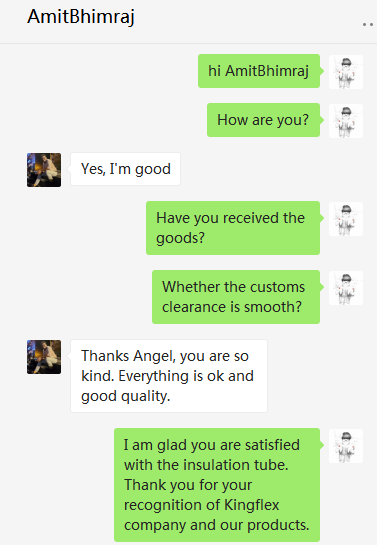


Answers to common technical queries regarding thermal resistance calculations and materials selection.
Complete your design specification using our certified range of thermal, acoustic, and cryogenic insulation materials.