 Kingflex
Kingflex
Kingflex
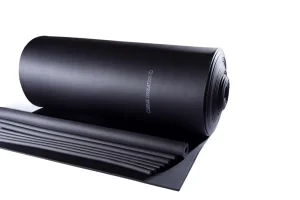
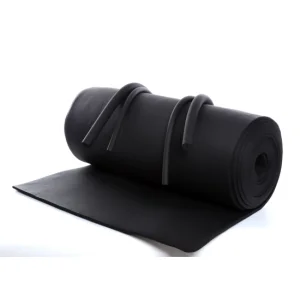
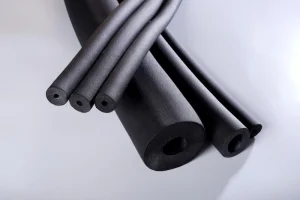
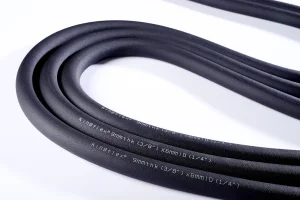
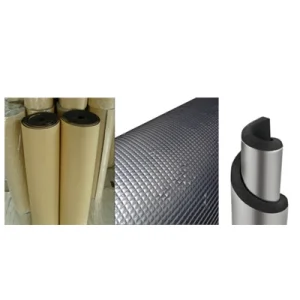
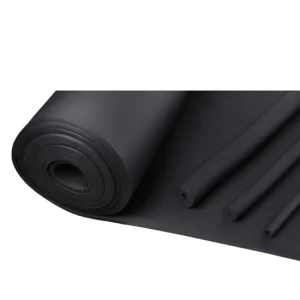
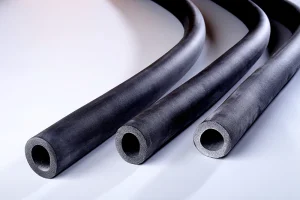
In an era defined by energy transition, global decarbonization mandates, and the rising operating expenses of commercial HVAC systems, thermal efficiency has shifted from a mere building code compliance detail to a core component of engineering economics. Closed-cell elastomeric nitrile rubber insulation sheets represent the pinnacle of modern material science, engineered specifically to control thermal losses, prevent structural condensation, and damp acoustic vibrations across industrial processing plants, commercial buildings, and cryogenic energy installations.
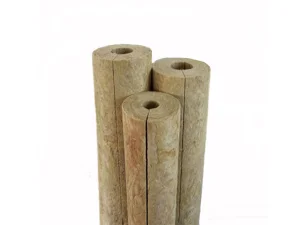
Historically, thermal insulation systems relied heavily on open-fibrous structures like mineral wool or fiberglass. While cost-effective in dry, static applications, these older materials are highly susceptible to moisture infiltration. A mere 1% increase in moisture content can degrade the thermal efficiency of mineral wool by up to 30%, leading to a catastrophic spike in energy consumption and accelerating Corrosion Under Insulation (CUI).
The elastomeric nitrile rubber sheet (NBR/PVC copolymer) has fundamentally solved this issue. Utilizing an engineered gas-expanded closed-cell configuration with a closed-cell ratio exceeding 98%, this material integrates an inherent water vapor barrier. The structural design eliminates the need for separate external vapor jackets, optimizing installation speed while ensuring long-term thermal performance that remains stable over decades.
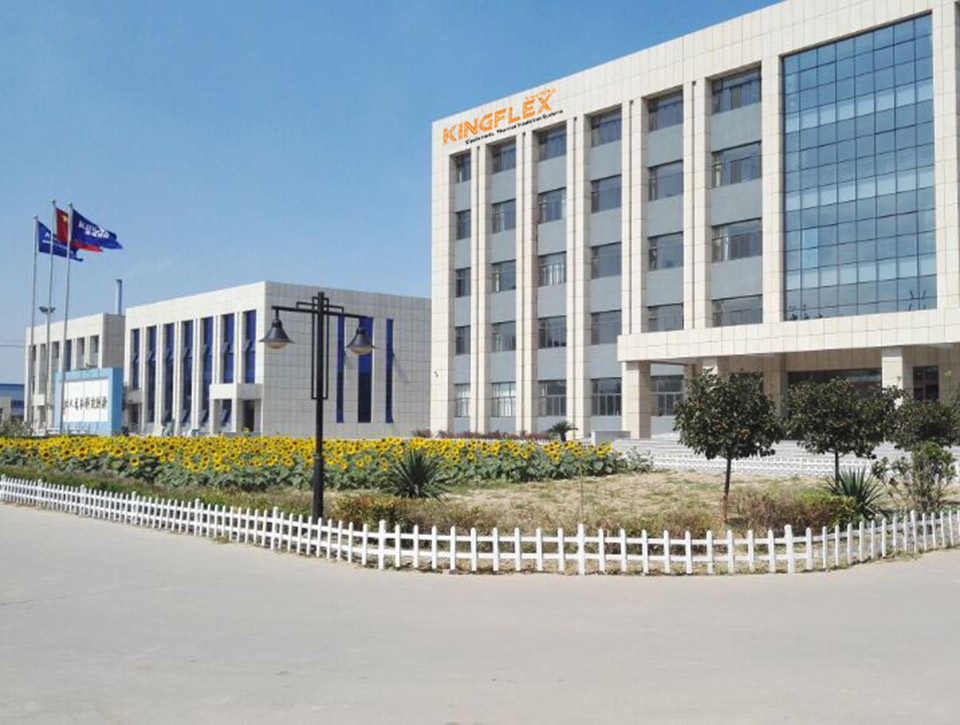
Operating from Dacheng, China—historically recognized as the national capital for green building materials development—Kingflex Insulation Co., Ltd. has pioneered the integration of Factory 4.0 automation systems into elastomeric foam manufacturing. Our facility features five state-of-the-art continuous vulcanization and foaming production lines, executing fully automated raw material metering, mixing, extrusion, and temperature-controlled foaming.
This digital architecture provides crucial benefits to global industrial purchasers:
For project engineers and specification writers, understanding the exact material performance metrics is critical. Below is the standard design standard for our standard and premium NBR/PVC elastomeric series.
| Performance Characteristic | Measured Metrics / Values | Verification Standard |
|---|---|---|
| Material Composition | Butadiene-Acrylonitrile Rubber (NBR) & Polyvinyl Chloride (PVC) Blend | ASTM D297 |
| Cellular Structure | Highly dense, closed-cell matrix (>98% cell closure) | ASTM D1056 |
| Density Range | 40 kg/m³ to 55 kg/m³ (customizable) | GB/T 6343 / ASTM D1622 |
| Thermal Conductivity (K-Value) | ≤ 0.034 W/(m·K) at 0°C | ≤ 0.038 W/(m·K) at 40°C | ASTM C518 / ISO 8301 |
| Water Vapor Permeability (μ-factor) | ≥ 10,000 (moisture barrier integrated) | EN 12086 / ASTM E96 |
| Operating Limits | -40°C to +105°C (-40°F to +221°F) | ASTM C411 |
| Fire Safety Classification | Class 0 & Class 1 (BS 476 Part 6 & 7), V-0 (UL94) | BS 476 / UL94 |
| Acoustic Damping Rating | Transmission loss improvement up to 32 dB | ASTM E90 / ISO 140 |
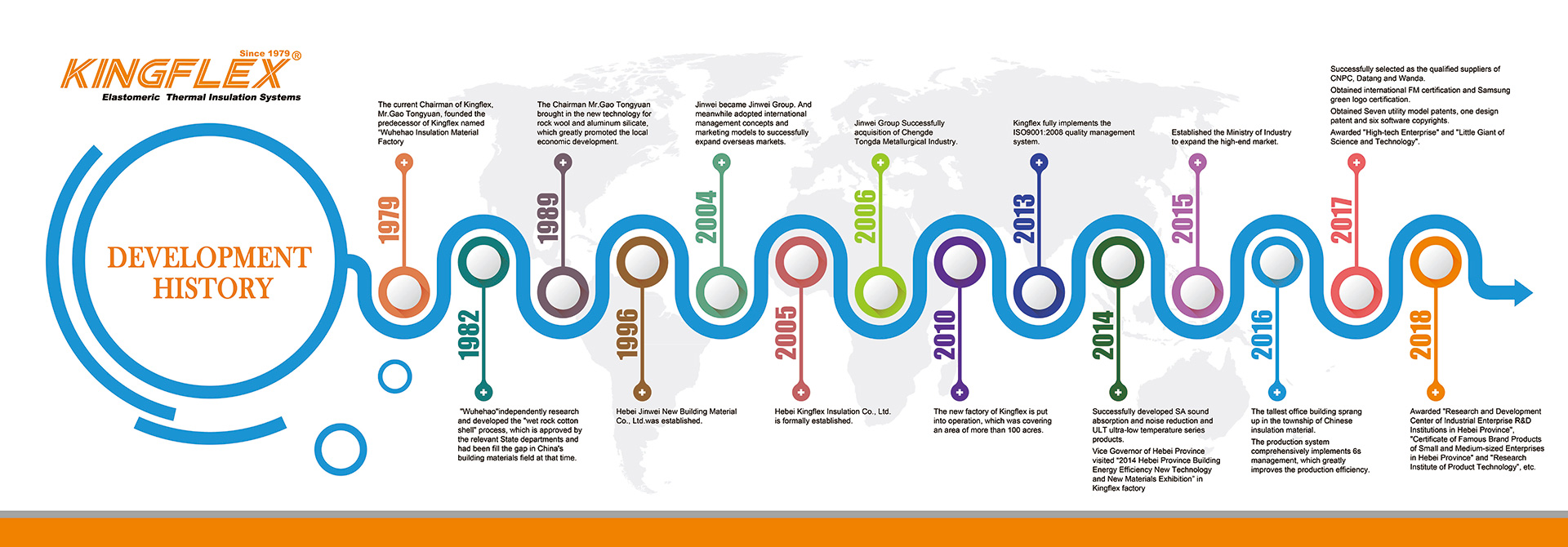

Established by the Jinwei Group, which possesses more than 40 years of market history, Kingflex was founded as the first manufacturer of thermal insulation materials north of the Yangtze River. Over the course of four decades, we have evolved from a regional supplier into a multi-national conglomerate.
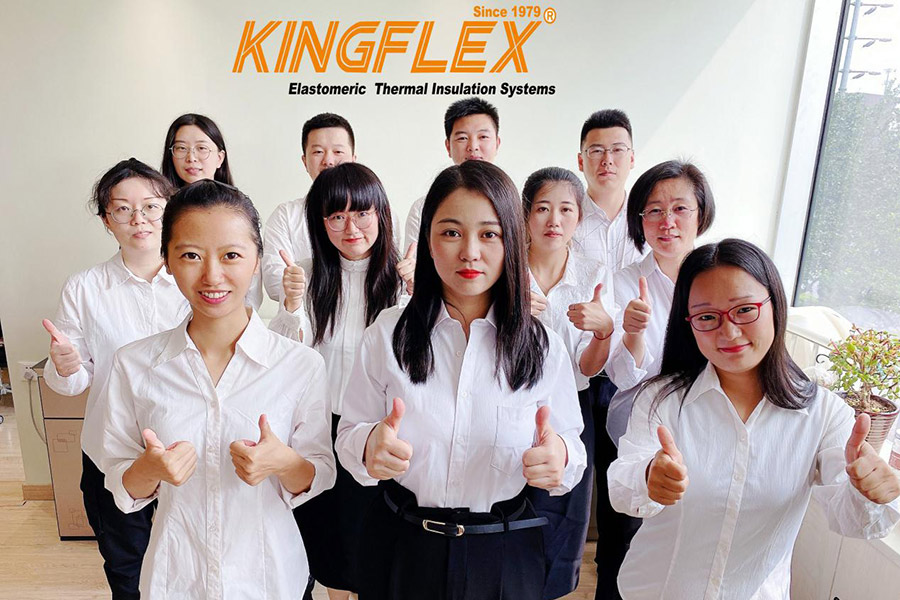
Our core operational objective is simple: to provide integrated engineering solutions for energy conservation, cold chain protection, and building acoustic insulation. Today, our technical R&D department houses 8 dedicated chemical and material engineers, backed by a global customer success team.
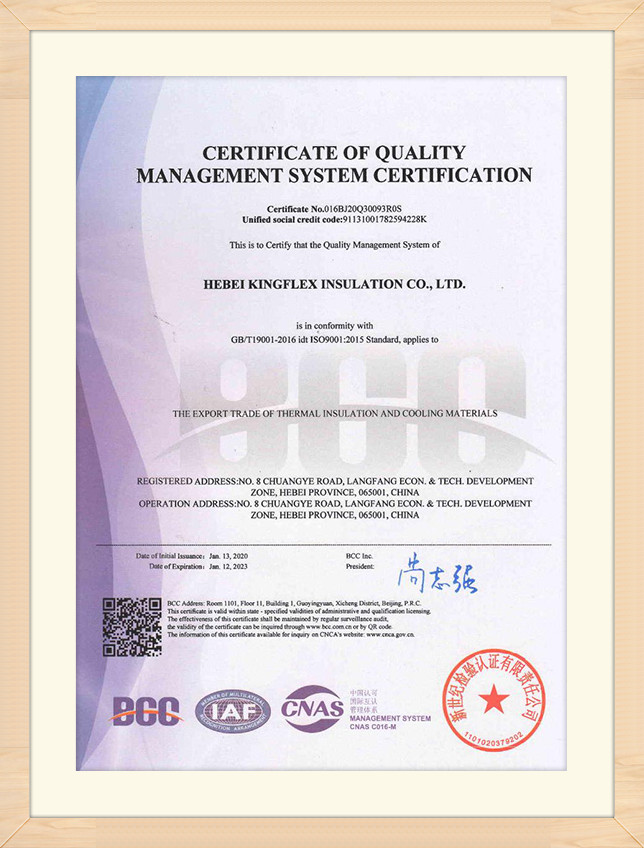
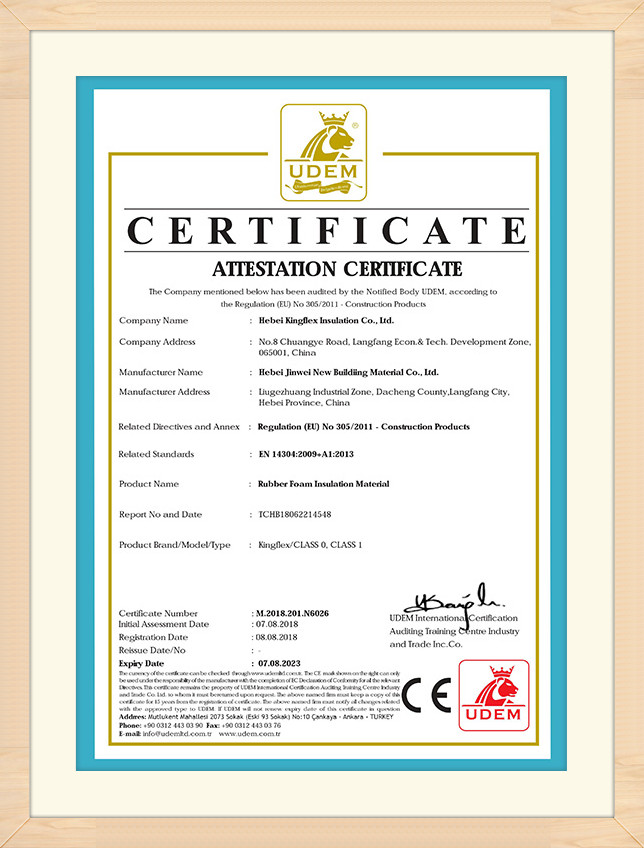
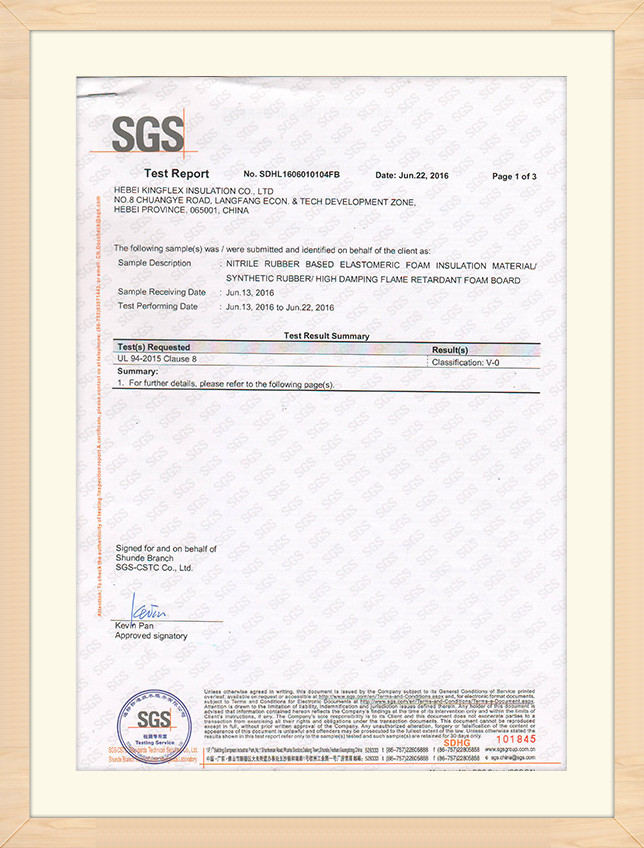
Kingflex products undergo third-party verification to meet global building codes, safety regulations, and environmental health standards.
EN 14304 Harmonized Standards
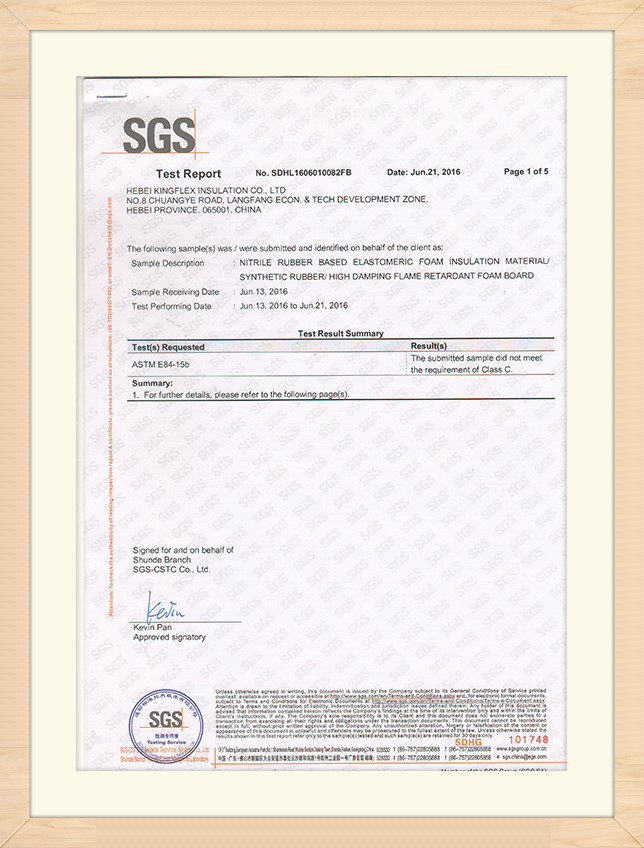
Part 6 & Part 7 Class 0/1
Quality & Eco Management
REACH / RoHS Non-toxic Certification
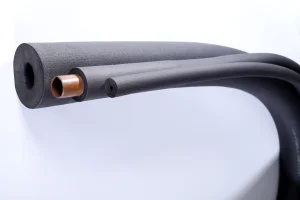
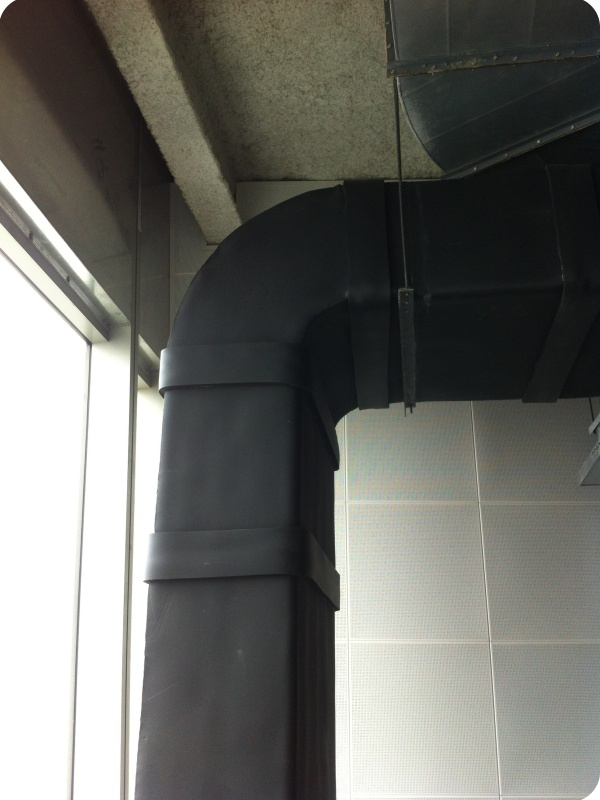
In major shopping complexes, hospital systems, and high-rise office towers, our rubber foam sheets are wrapped around air conditioning duct networks and chilled water piping. The high resistance to moisture vapor prevents condensation drippage, protecting internal plaster structures and ceiling tiles from water damage.
Specialized ultra-low temperature elastomeric compounds prevent thermal bridging in cryogenic piping lines (down to -40°C or below). Keeping external moisture away from chilled steel surfaces prevents ice build-up, which would otherwise lead to mechanical stress and pipe degradation.
Fiber-free construction is mandatory in semiconductor fabrication units and pharmaceutical facilities. Unlike traditional mineral wool, Kingflex elastomeric materials do not release fibers or micro-dust, preserving cleanroom classifications (ISO Class 5 and cleaner).




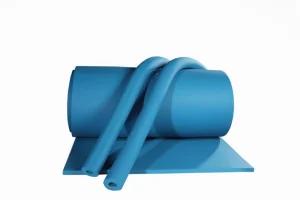
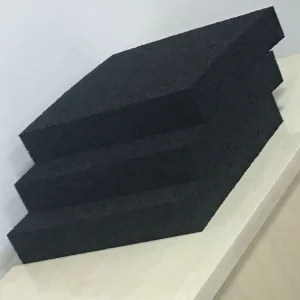
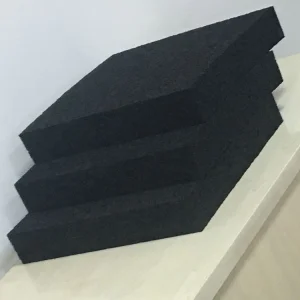
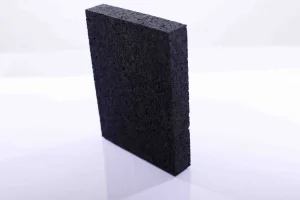
Material composition: Premium NBR/PVC polymer blend
| Thickness | 6mm to 50mm |
| Core Density | 40 to 55 kg/m³ |
| Service Range | -40℃ to 105℃ |
| Physical Advantages | Even cellular structure, high vapor resistance, flame retardant. |
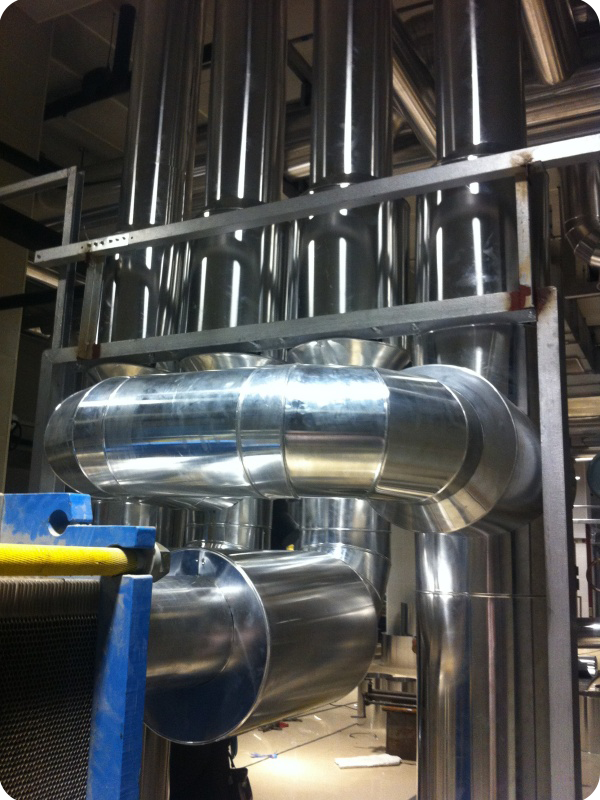
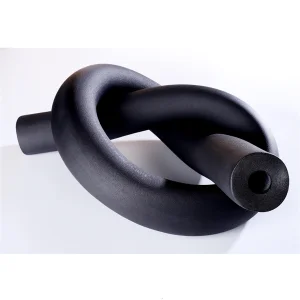
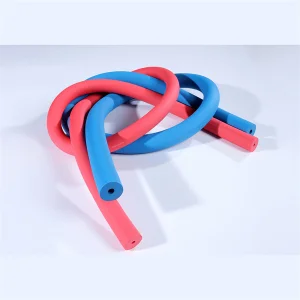
Material composition: High-stretch elastomeric compound
| Wall Thickness | 9mm to 40mm |
| Inner Diameter (ID) | 6mm to 114mm |
| Service Range | -40℃ to 105℃ |
| Physical Advantages | Flexible installation, slip-on geometry, prevents pipe freezing & corrosion. |
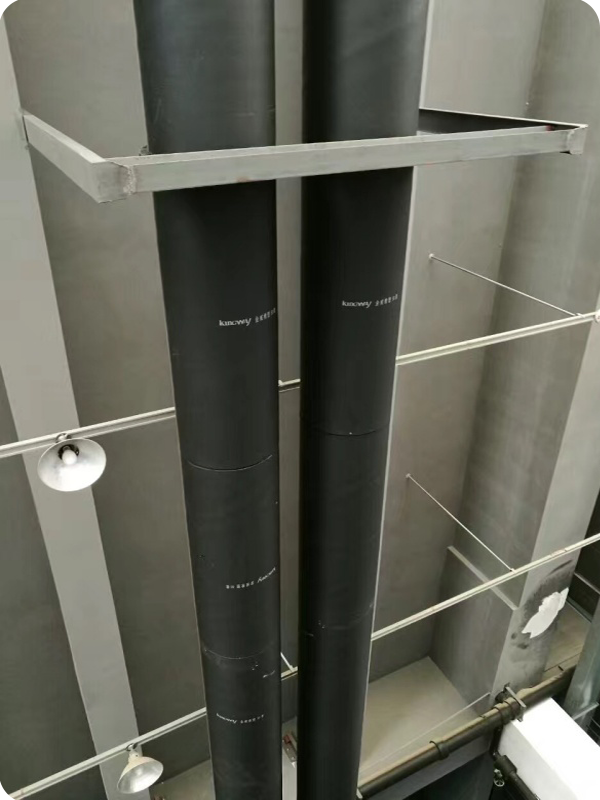
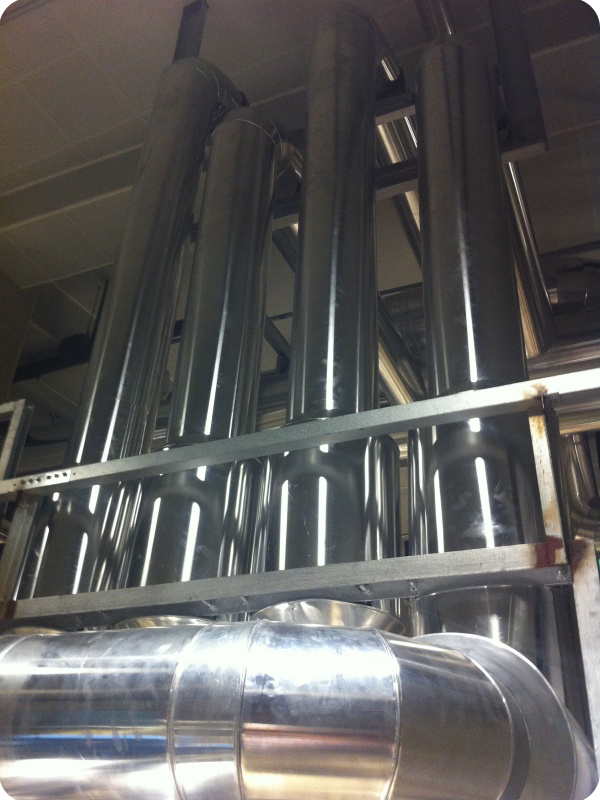
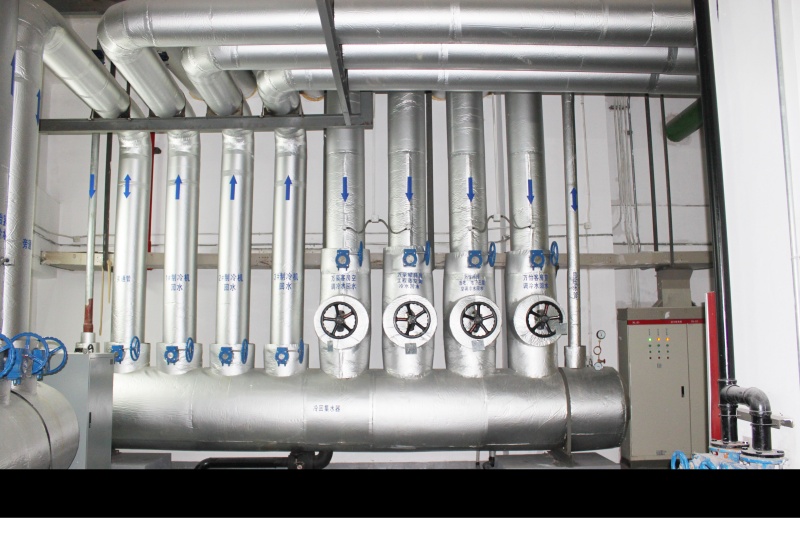
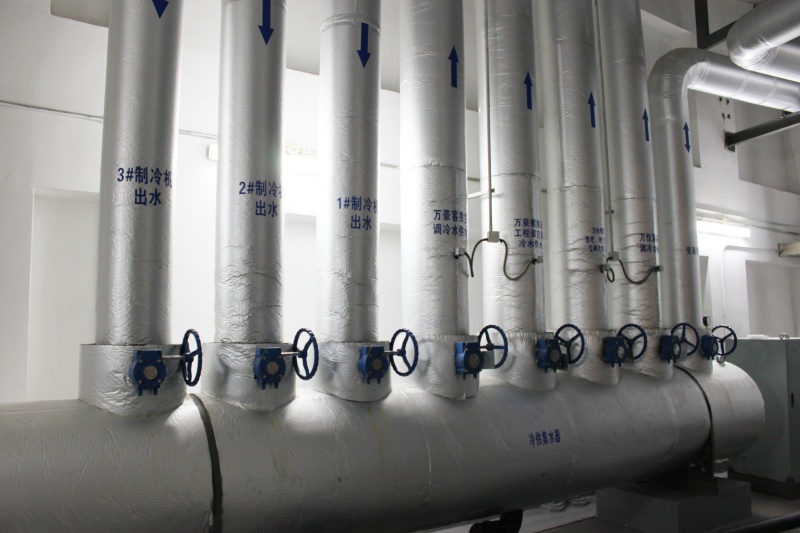

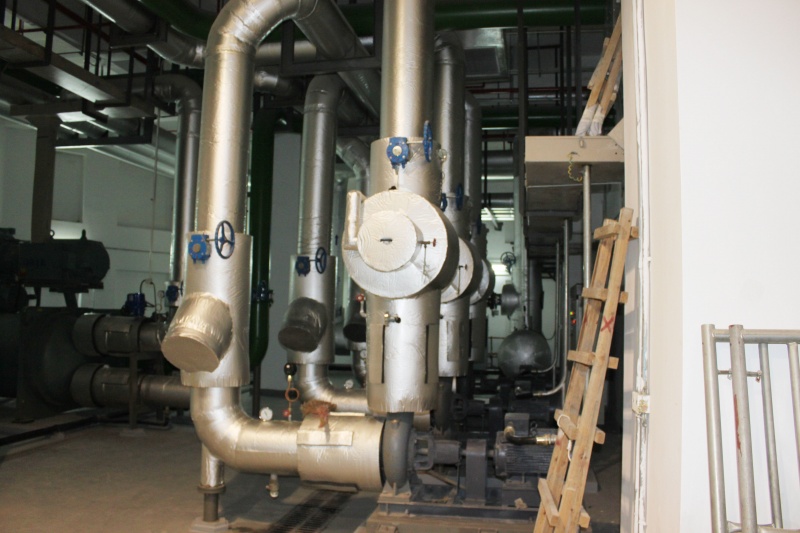
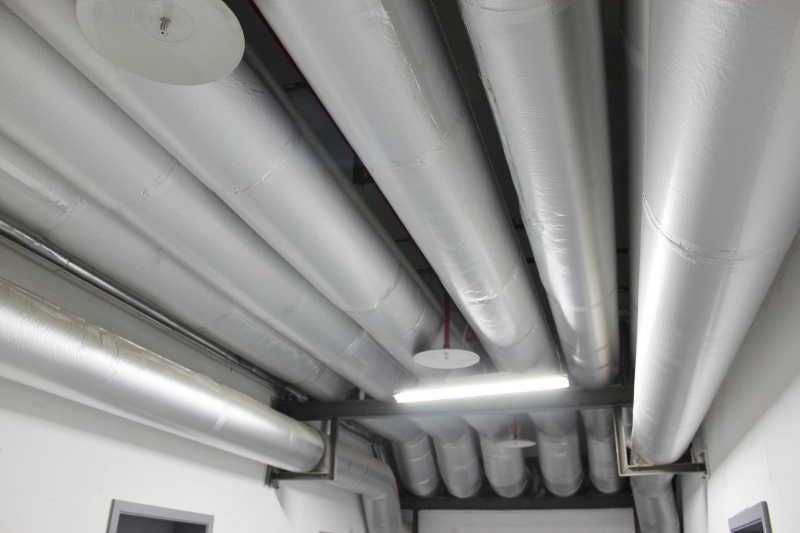
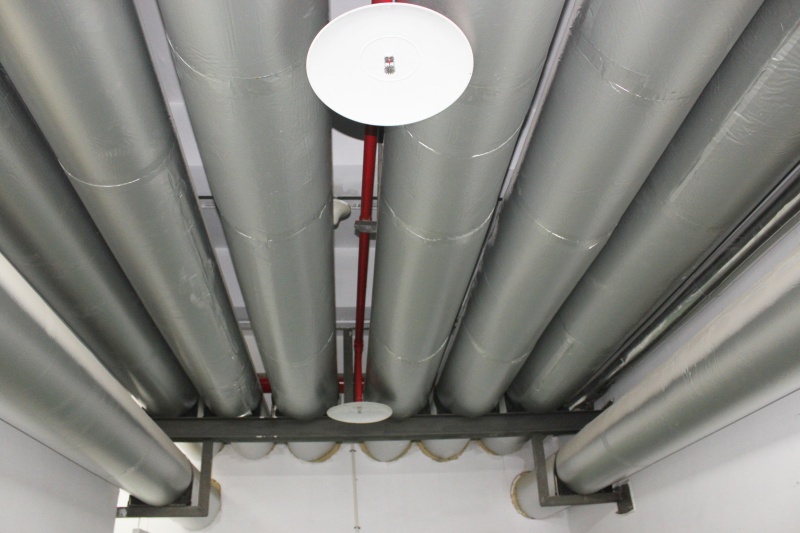
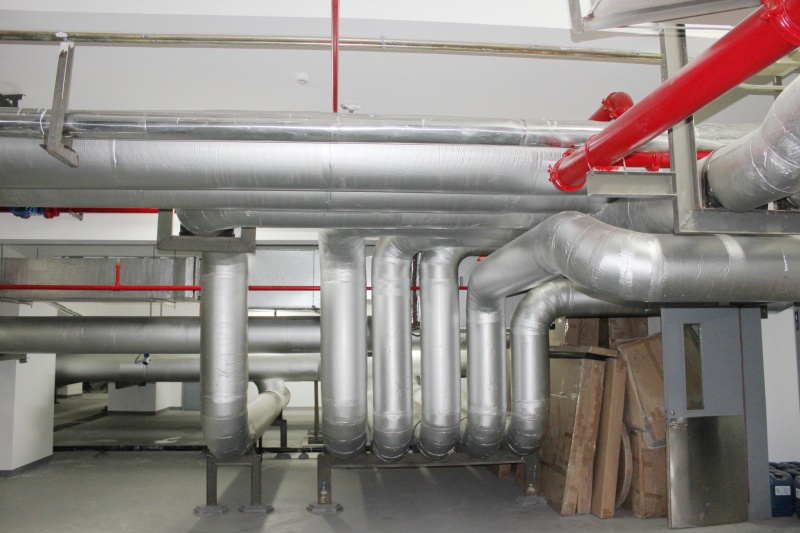
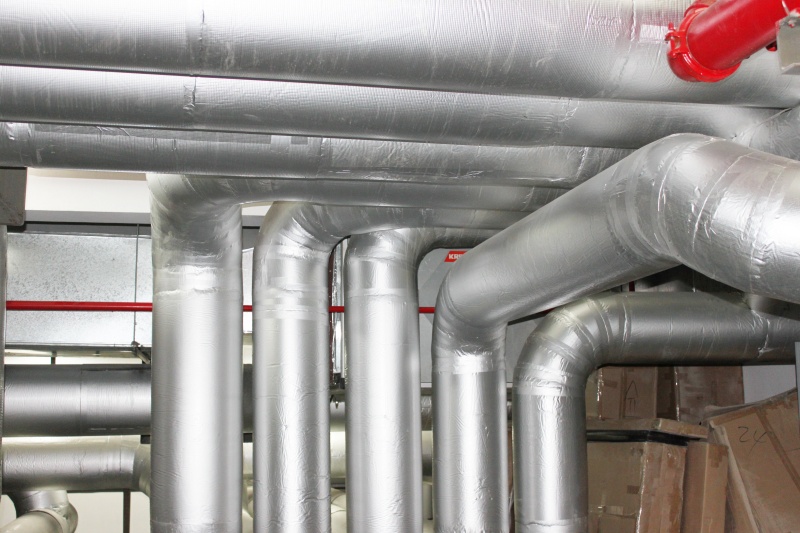
Elastomeric rubber foam insulation is principally designed for condensation control and thermal barrier retention in commercial and industrial HVAC duct systems, chilled water lines, geothermal pipe circuits, high-purity processing pipelines, and industrial acoustic dampening frameworks.
Yes. Our products are engineered with organic halogen-free and standard fire retardants, achieving Class 0 and Class 1 ratings under BS 476 Part 6 & 7, as well as V-0 and V-1 self-extinguishing classifications under UL94. In the event of a fire, the carbonaceous char layer slows flame spread and minimizes toxic smoke development.
Rubber foam insulation has a closed-cell elastomer composition, giving it an inherent high moisture resistance (μ ≥ 10,000). It is highly flexible and suited for low-to-medium temperature applications (-40°C to 105°C) like HVAC and plumbing. Rock wool is a fibrous material suited for high-temperature applications (up to 650°C or more). However, rock wool requires an external vapor barrier jacket to protect against moisture absorption, which can lead to corrosion under insulation.
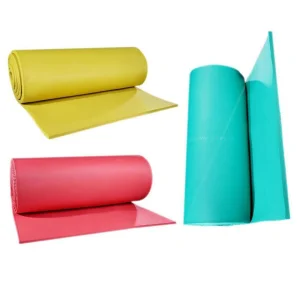
Yes. We support custom production runs to meet specific project guidelines. We provide customized sheet roll thicknesses ranging from 6mm up to 50mm, customizable tube diameters, and optional laminations (such as reinforced aluminum foil, self-adhesive backings, and UV-resistant protective outer layers).
Kingflex products are verified by third-party testing institutions. We maintain compliance certifications with CE, BS 476, REACH, RoHS, UL94, and ASTM. This ensures our materials meet safety, health, and environmental codes across Europe, the Americas, and the Asia-Pacific region.
Yes. Every shipping unit and product batch has a unique traceability barcode linked directly to our ERP database. This allows us to track raw material inputs, manufacturing conditions on the line, and quality inspection metrics.
We manufacture continuous sheet rolls in thicknesses ranging from 6mm up to 50mm. For thicknesses greater than 50mm, our engineering department recommends multi-layer application methods with staggered joints to prevent thermal bridging.
When installed according to engineering guidelines and shielded from direct weathering, Kingflex NBR/PVC elastomeric materials have an expected service life of 10 to 15 years. Using protective metal jackets or UV-resistant elastomeric coatings in outdoor environments will extend this lifespan.