 Kingflex
Kingflex
Kingflex
Explore our primary array of high-grade NBR/PVC elastomeric thermal systems engineered for optimal energy retention, cold system control, and steam distribution protection.
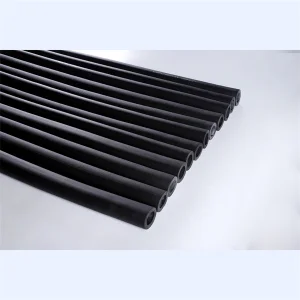
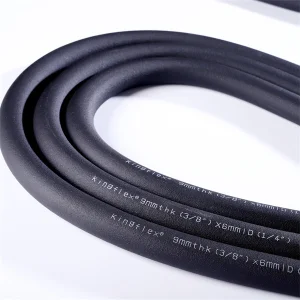
In high-temperature industrial piping networks, steam lines represent the main circulatory system of energy. Calculating the optimal thickness of steam line insulation requires solving complex steady-state and transient heat transfer equations. The primary governing equation is based on Fourier's Law of Heat Conduction coupled with boundary convective and radiative heat transfer terms. According to standards such as ASTM C680 (Standard Practice for Estimate of the Heat Gain or Loss and the Surface Temperatures of Insulated Pipe and Equipment Systems), calculations must account for parameters such as operating temperature (often from 100°C to 105°C and higher), ambient air temperature, wind velocity, outer jacket surface emissivity, and the thermal conductivity (k-value) of the insulation material.
An incorrect calculation leads to two distinct failure modes: under-insulation results in massive convective heat losses, increased condensate buildup, and potential water hammer safety hazards; whereas over-insulation increases capital costs without yielding corresponding thermodynamic advantages. Kingflex Insulation Co., Ltd. resolves this dilemma by offering precise calculation methodologies based on actual operating parameters, determining the optimal economic insulation thickness (EIT) where the combined cost of heat loss and insulation depreciation is minimized.
The global energy landscape is transitioning toward carbon neutrality, causing industrial facilities to re-examine their heat loss profiles. Procurement teams in North America, the EU, and Southeast Asia are moving away from traditional fibrous materials toward elastomeric closed-cell systems due to moisture-induced degradation (CUI - Corrosion Under Insulation) concerns.
Our latest research highlights that incorporating flexible NBR/PVC closed-cell foaming structures drastically reduces convective air loops within the insulation layer. This structural stability maintains consistent thermal conductivity across the pipeline's operational life. Global procurement specifications now demand verifiable Environmental Product Declarations (EPDs), UL94 fire ratings, and compliance with the Restriction of Hazardous Substances (RoHS) and REACH frameworks to ensure safe deployment in sensitive environments like hospitals, microelectronics cleanrooms, and food processing facilities.
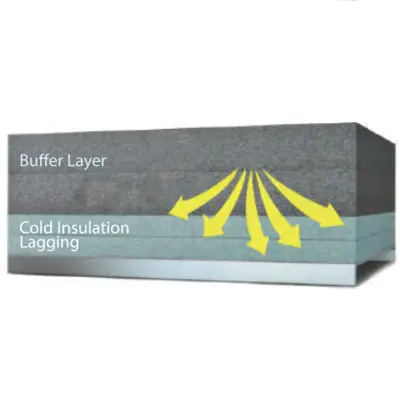
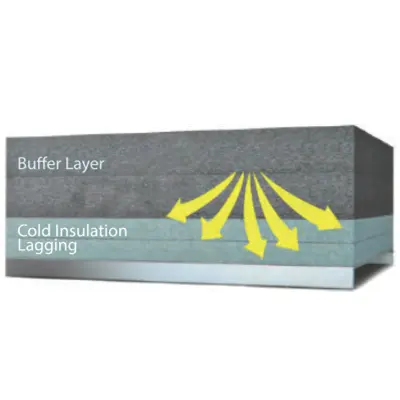
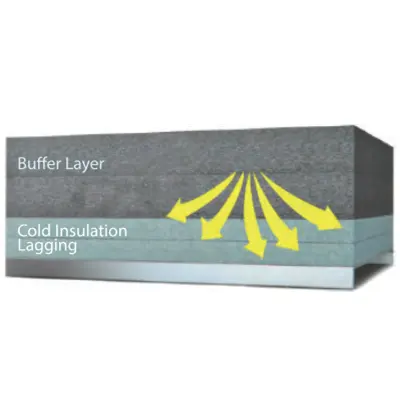
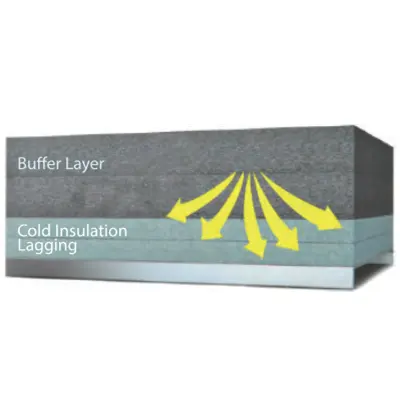
Closed-cell elastomeric structures repel moisture absorption, mitigating Corrosion Under Insulation (CUI) to extend the lifespan of carbon and stainless steel steam lines.
High thermal resistance per millimeter allows thinner profiles, crucial for densely packed overhead pipe racks and narrow utility shafts.
Certified compatibility under BS 476, CE, REACH, RoHS, UL94, and ASTM guarantees seamless validation by regional safety authorities.
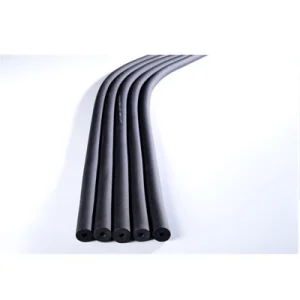
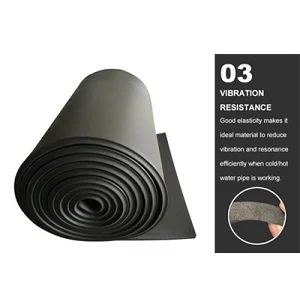
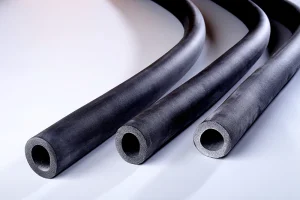
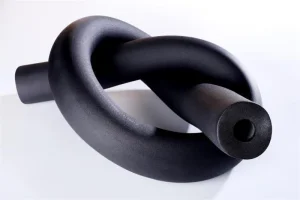
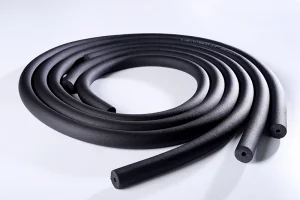
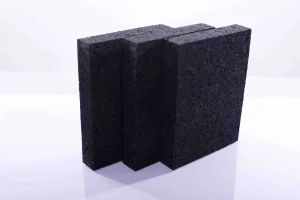
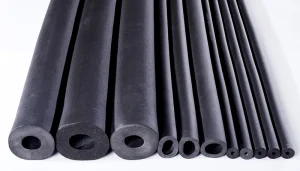
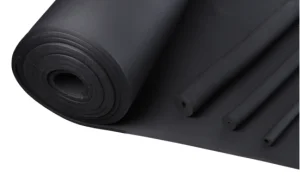
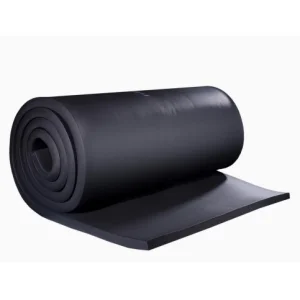
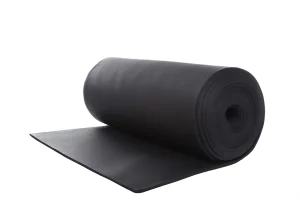
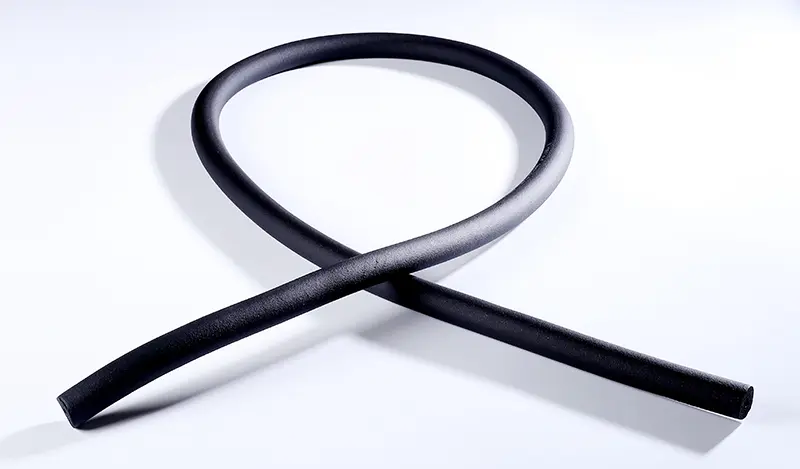
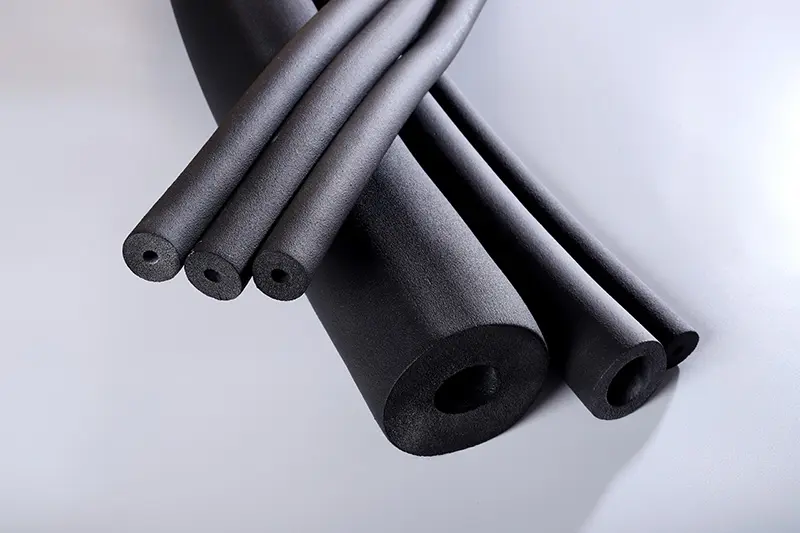
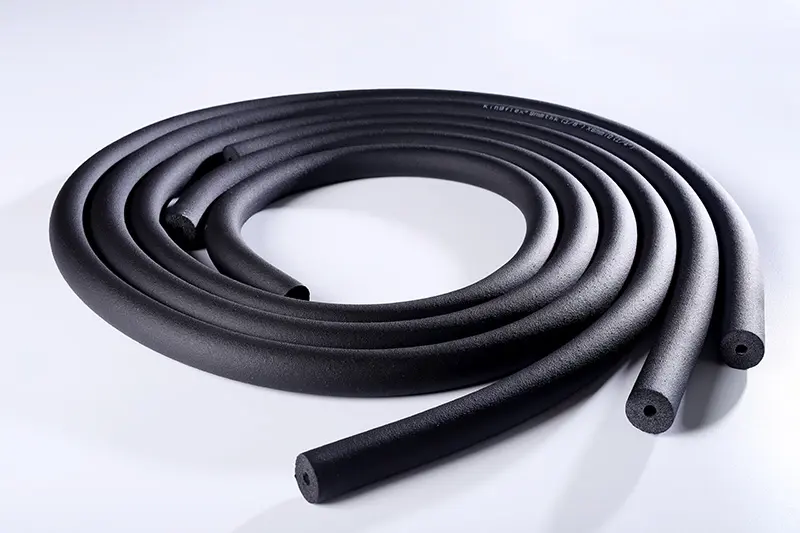
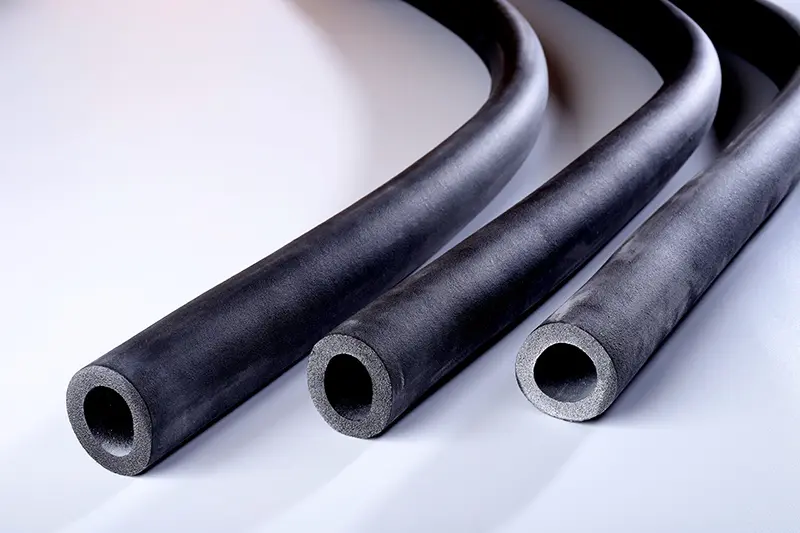
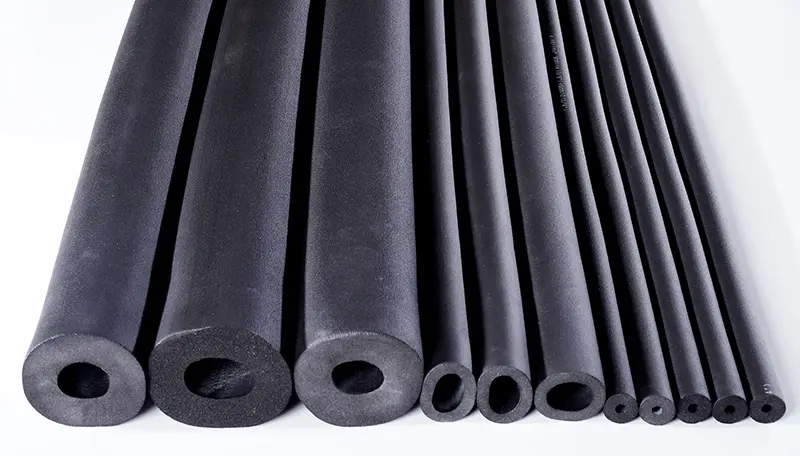
Selecting the correct material grade and geometry is critical. Kingflex provides high-density NBR/PVC formulations tailored for both sheet rolls and pre-formed piping tubes.
| Parameters | Engineering Values |
|---|---|
| Material Composition | NBR/PVC Base Elastomeric Foam |
| Thickness Range | 6mm to 50mm |
| Density Range | 40kg/m³ - 55kg/m³ |
| Service Temp Limit | -40℃ to 105℃ |
| Closed Cell Rate | > 98% uniformly distributed |
| Compression Resilience | > 80% recovery rate |
| Parameters | Engineering Values |
|---|---|
| Material Composition | NBR/PVC Base Elastomeric Foam |
| Thickness Range | 9mm to 40mm |
| Inner Diameter (ID) | 6mm to 114mm |
| Density Range | 40kg/m³ - 55kg/m³ |
| Service Temp Limit | -40℃ to 105℃ |
| Fire Classification | Flame retardant, self-extinguishing |
Kingflex Insulation Co., Ltd. is a professional manufacturing and trading combo for thermal insulation products. Our research, development, and production departments are located in Dacheng, China, a widely recognized capital for green-building materials. As an energy-saving, environmentally friendly enterprise, we concentrate on the research, development, production, and sales of high-performance insulation.
In operation, Kingflex takes energy saving and consumption reduction as its core concept. We provide comprehensive insulation solutions through technical consultations, research, manufacturing, installation guidance, and dedicated post-sale services, leading the development of the global building materials industry.
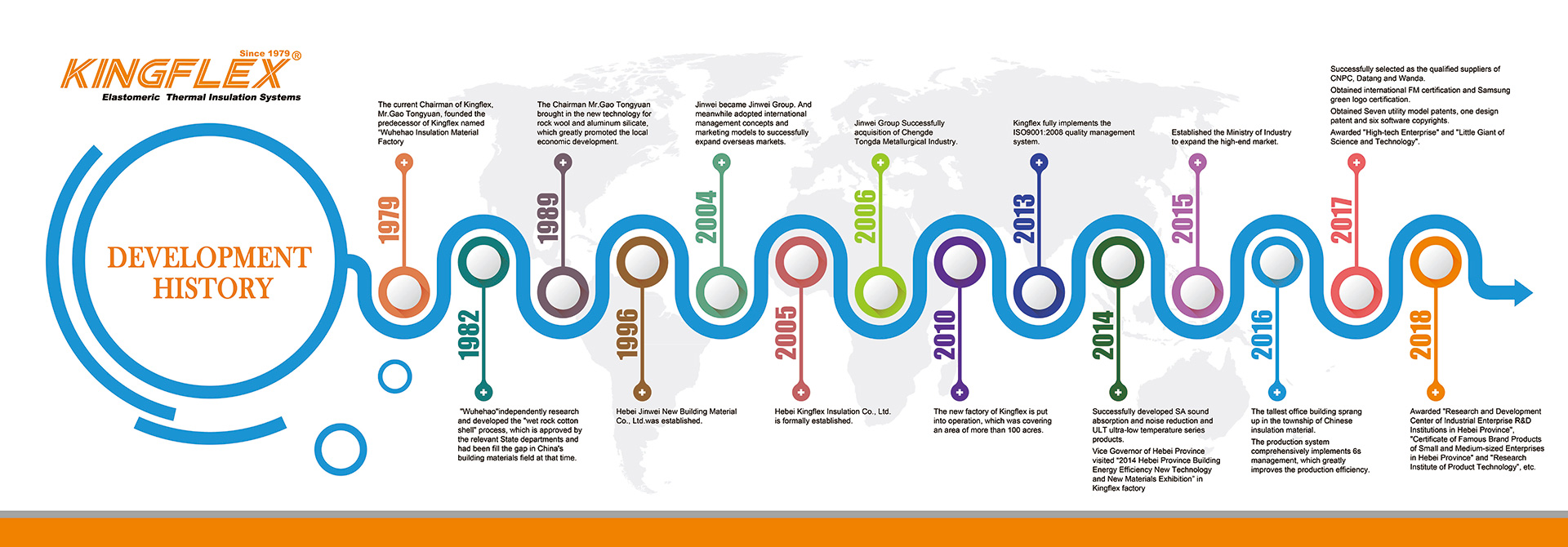
Established by the Jinwei Group, which possesses a legacy spanning over 40 years since its founding in 1979, Kingflex stands as the first manufacturer of thermal insulation materials north of the Yangtze River.
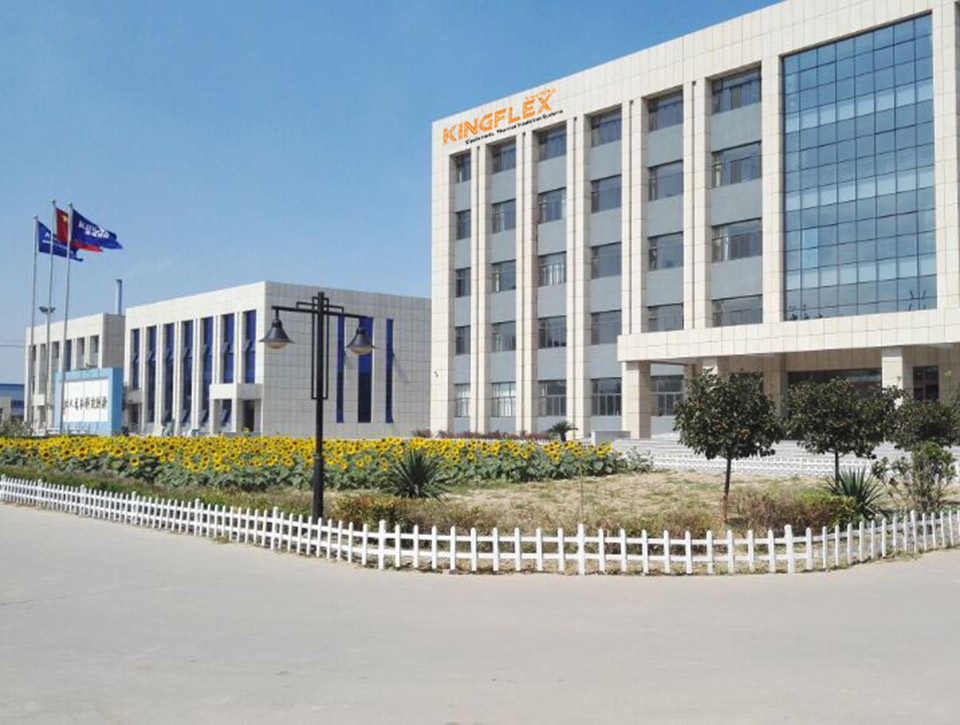
Our manufacturing capacity is backed by 5 large automatic assembly lines, delivering an annual production capacity exceeding 600,000 cubic meters. This massive capacity has earned Kingflex designation as a key production enterprise by the Ministry of Energy, the Ministry of Electric Power, and the Ministry of Chemical Industry.
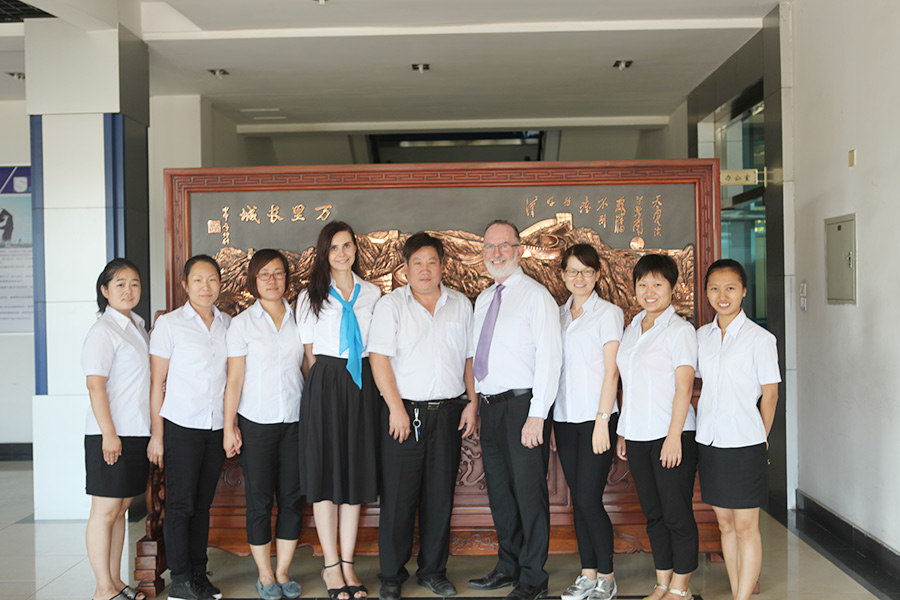
Our workforce is composed of dedicated experts, including 8 professional engineers in our R&D Department, 6 international sales consultants, and 230 skilled production operators. This cohesive unit ensures that Kingflex consistently delivers first-class service and reliable thermal solutions to partners in over 66 countries.

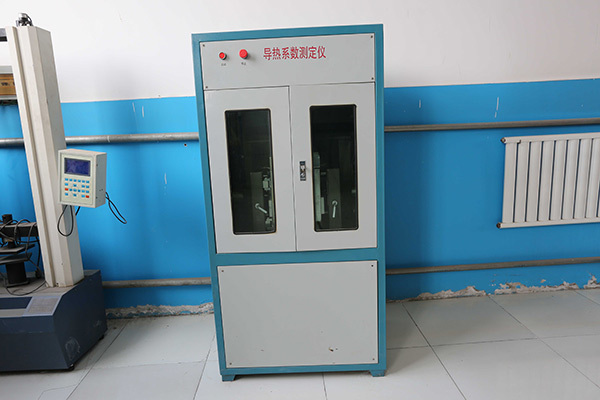
Discover the laboratory processes and automated machinery backing our high-performance closed-cell matrices.

Rigorous cell density validation to ensure uniform thermal conductivity across production batches.
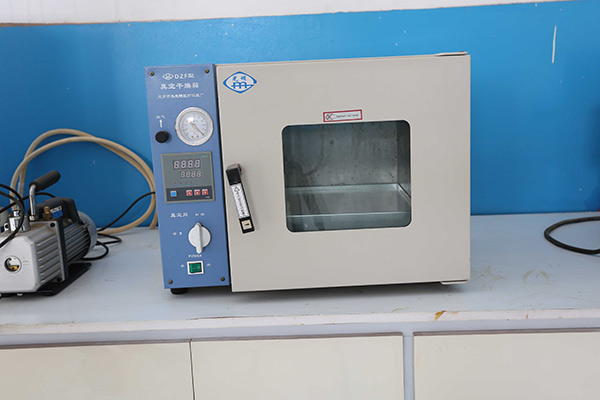
Precise polymer blend mixing to verify chemical composition consistency and high temperature tolerance.
Comprehensive fire safety characterization to comply with international flame spread standards.
Compliance is not optional in commercial building regulations. Kingflex products undergo verification testing at international laboratories. We hold approvals for BS 476, CE, REACH, RoHS, UL94, and ASTM.
These certifications guarantee that our elastomeric foam contains no trace CFCs, HFCs, or volatile organic compounds (VOCs). Additionally, it fulfills fire propagation limits, ensuring minimal smoke density and slow flame propagation during critical fire events.
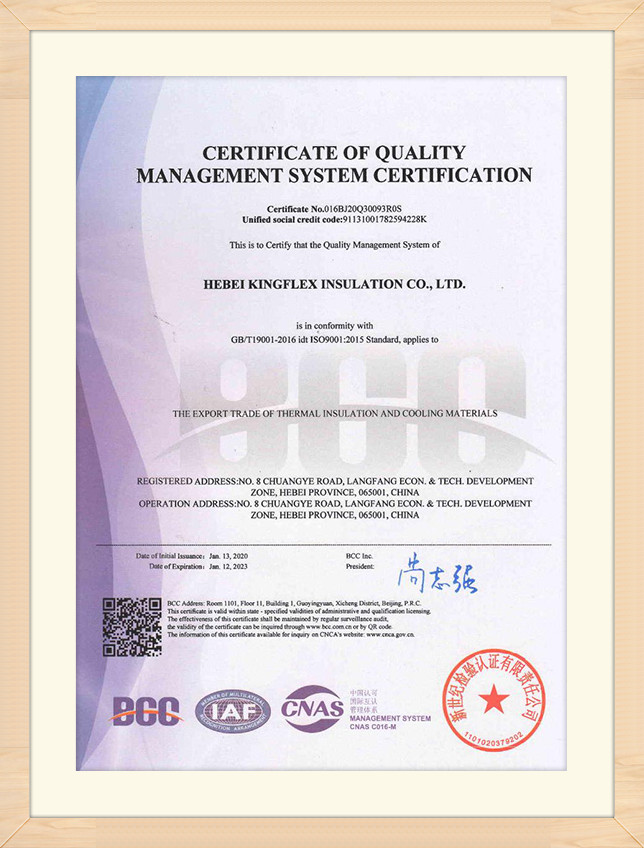
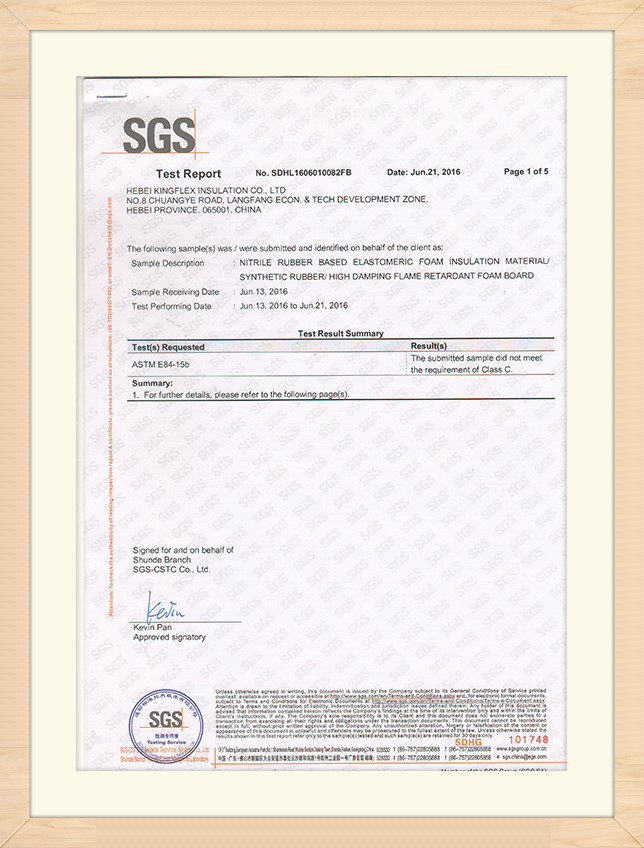
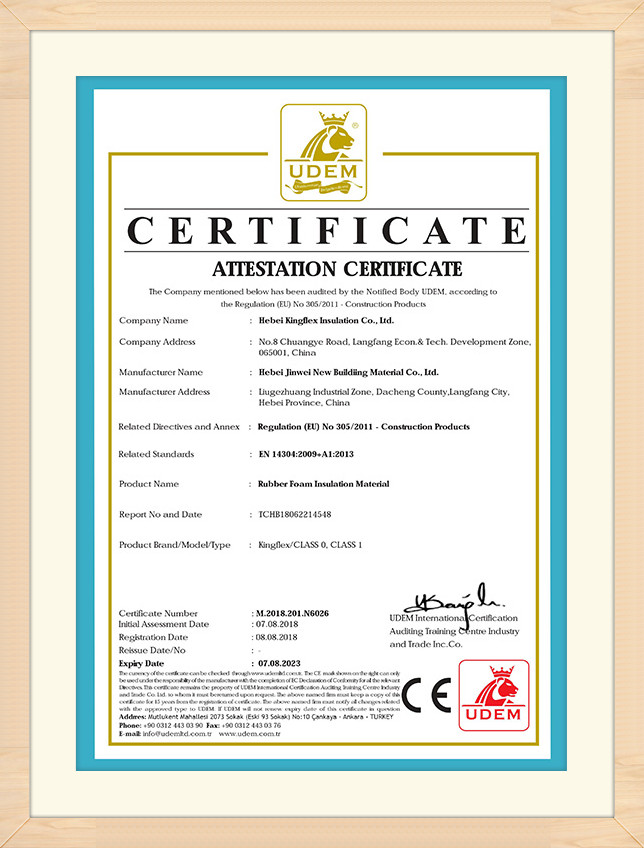
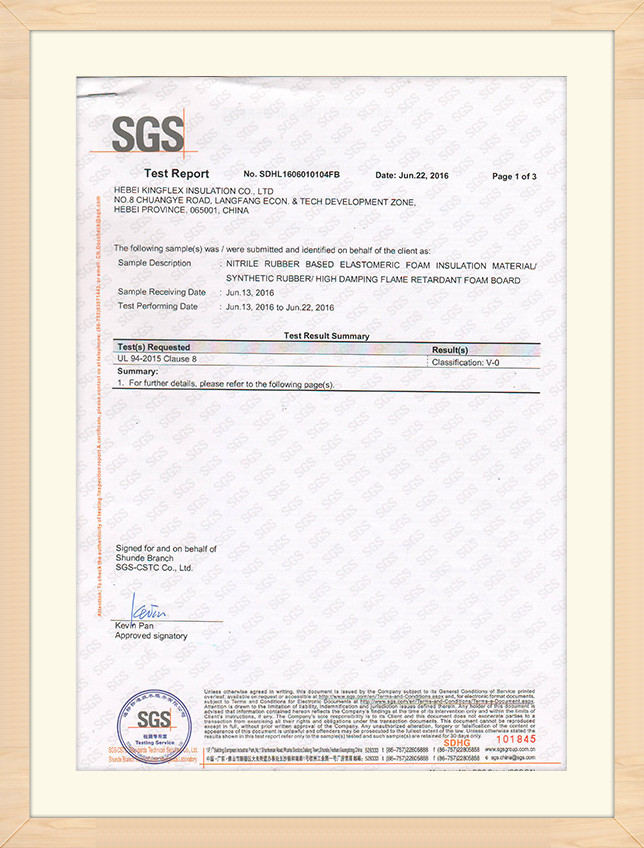
Each manufacturing batch is fully traceable from raw polymer intake to curing, extrusion, expansion, and finishing. This complete quality control loop is why top distributors worldwide rely on Kingflex for critical infrastructure projects.
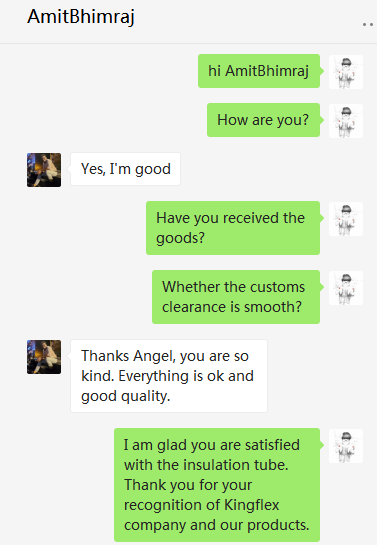
Below are verified client chat communications reflecting our reliable delivery schedules, high product quality, and collaborative technical support.




From central air-conditioning distribution lines to massive petrochemical piping matrices, Kingflex NBR/PVC elastomeric thermal systems perform under tough ambient conditions.
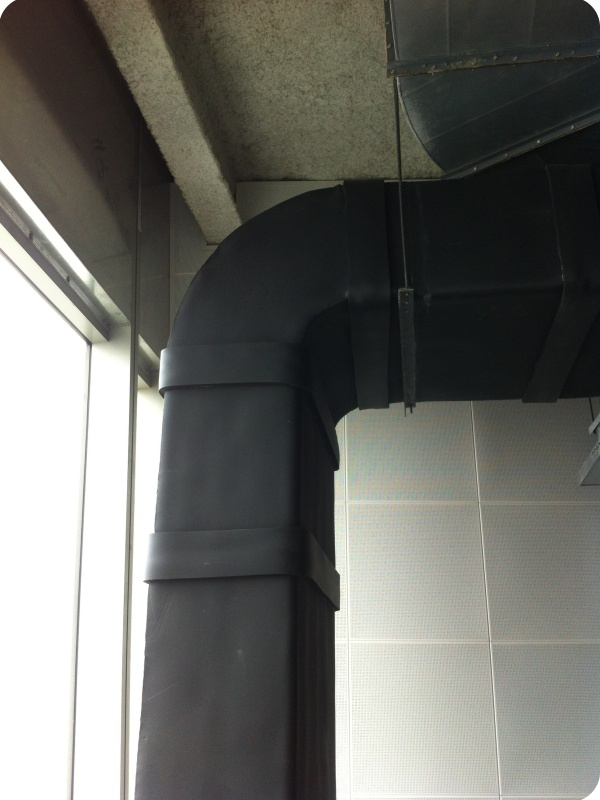
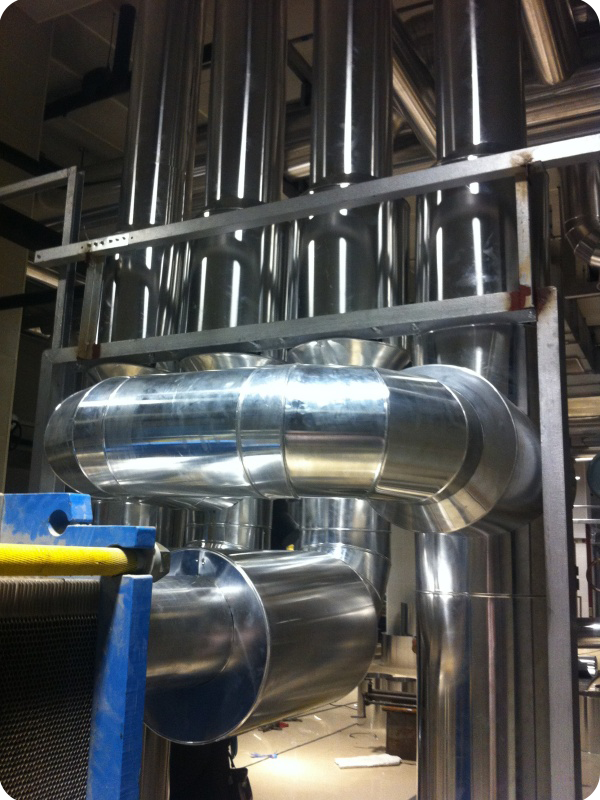
Primary Applications:
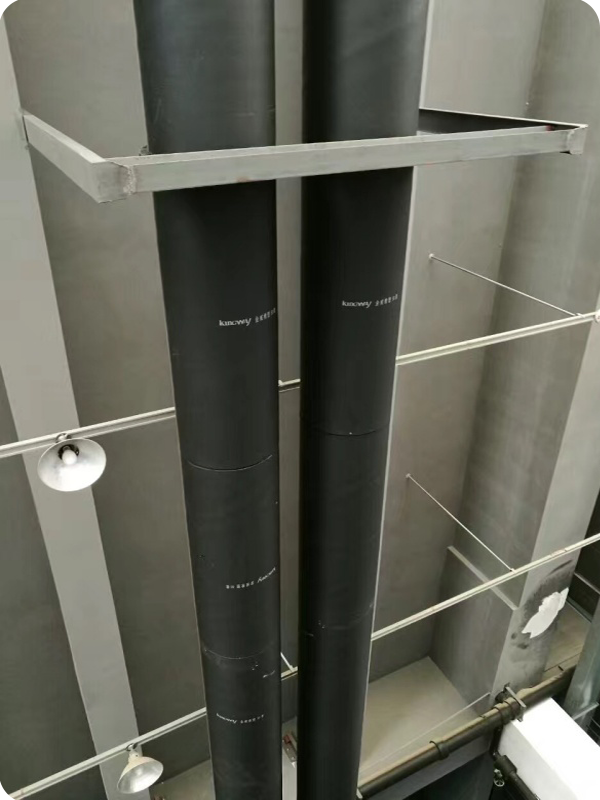
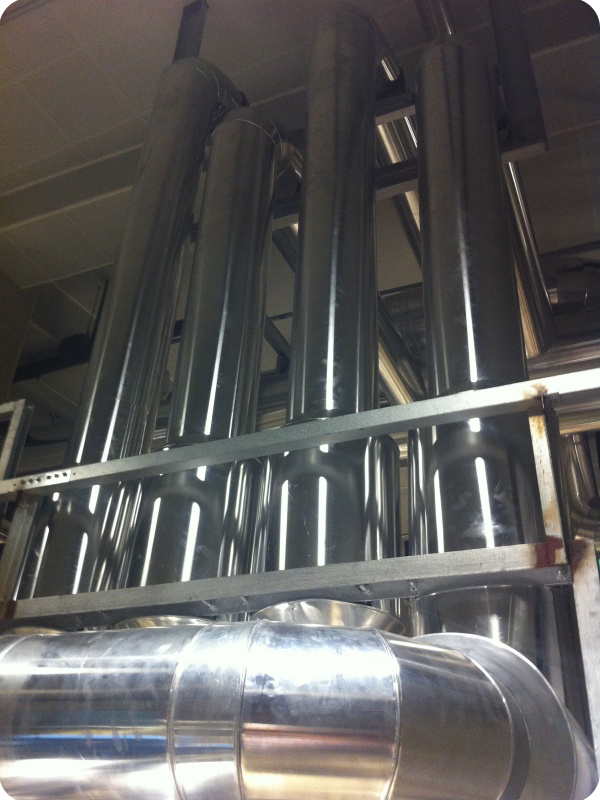
Primary Applications:
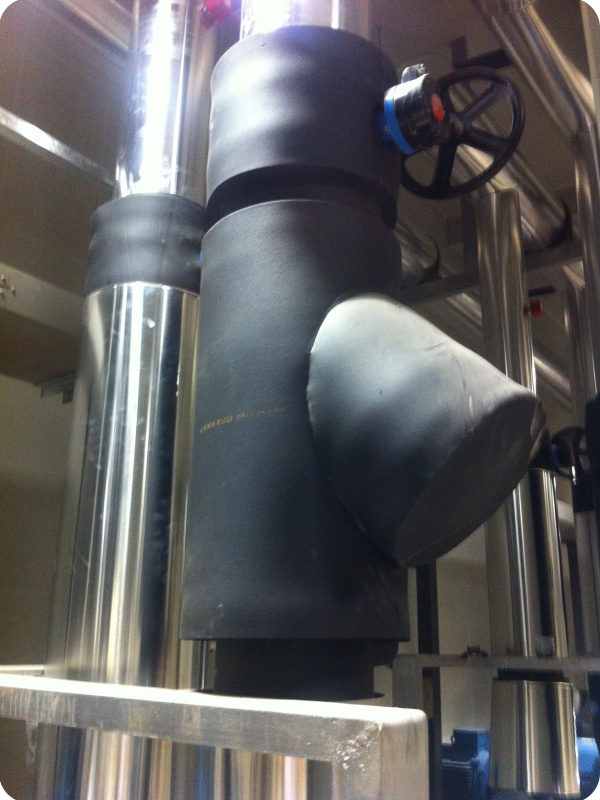
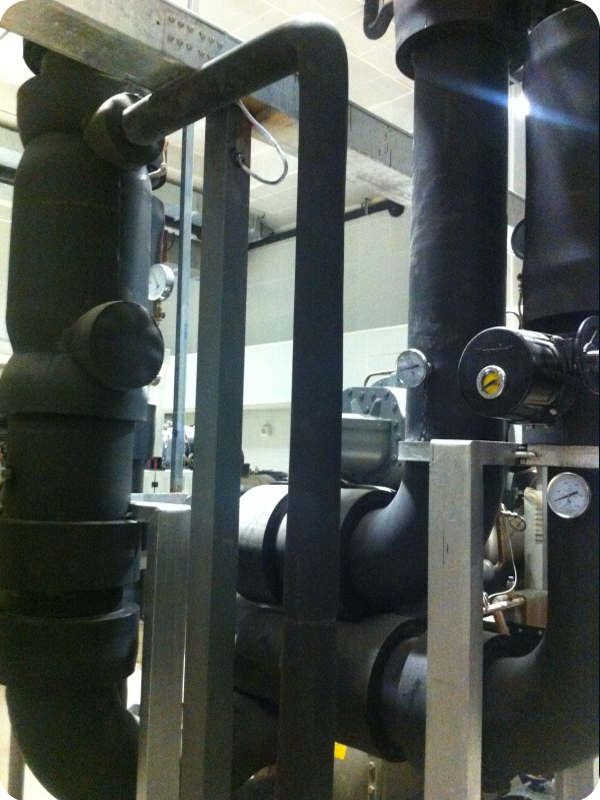
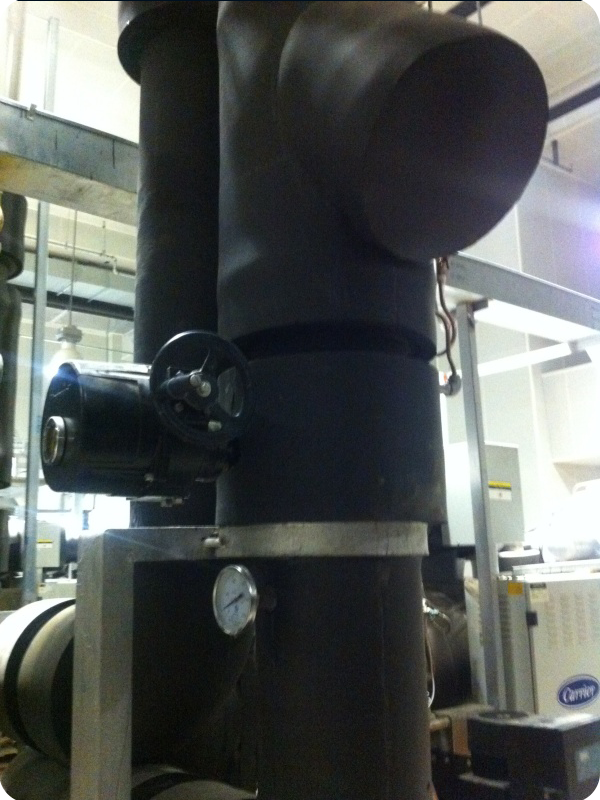
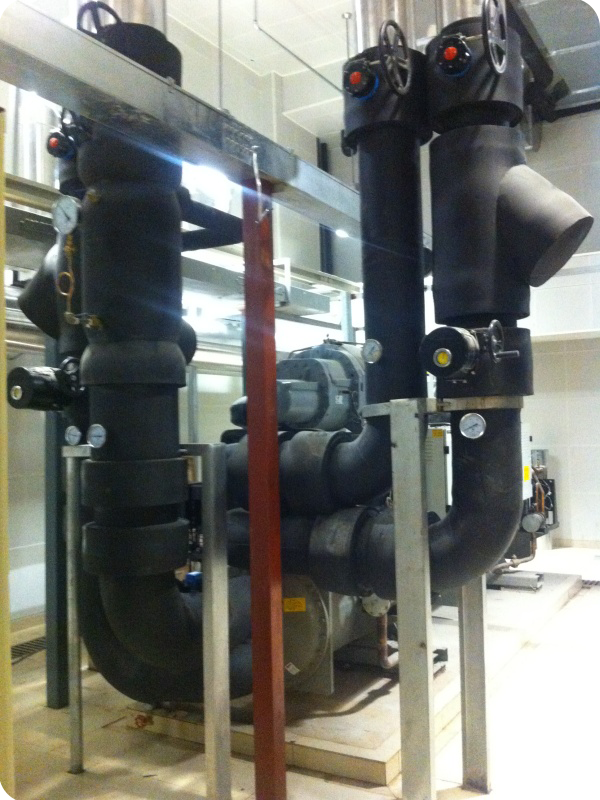
Take a visual tour inside the automated factory floor and quality assurance labs of Kingflex Insulation.
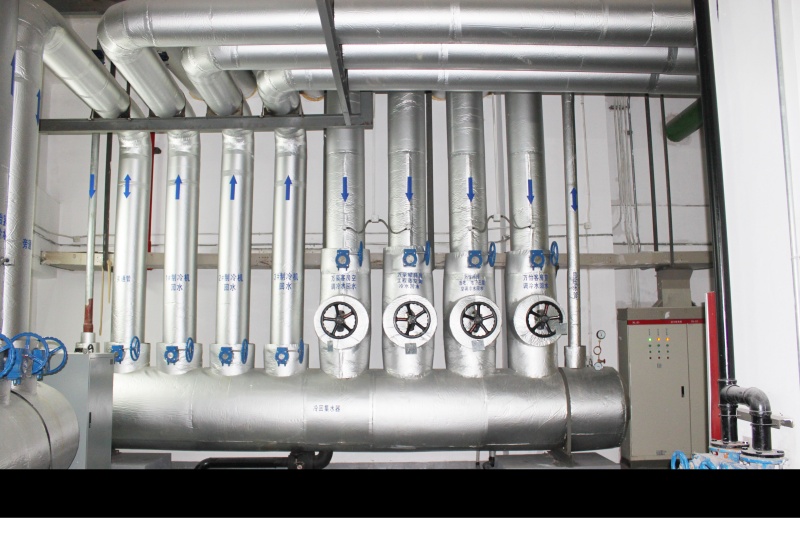
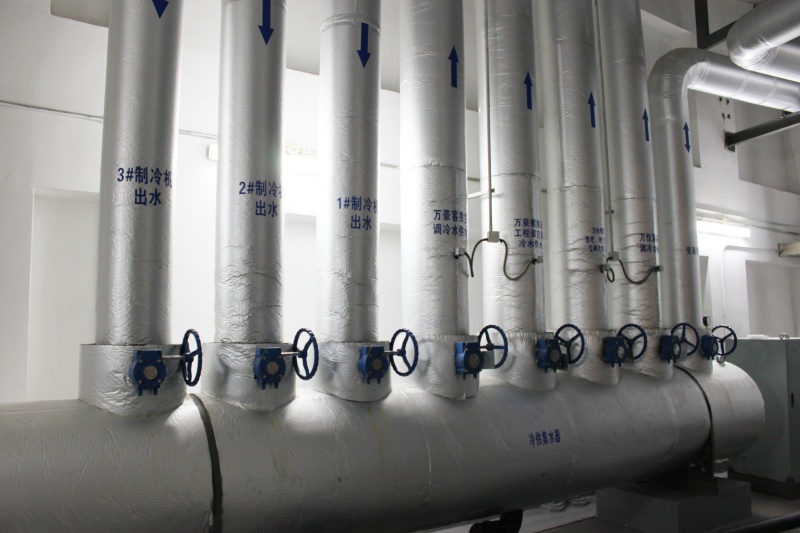

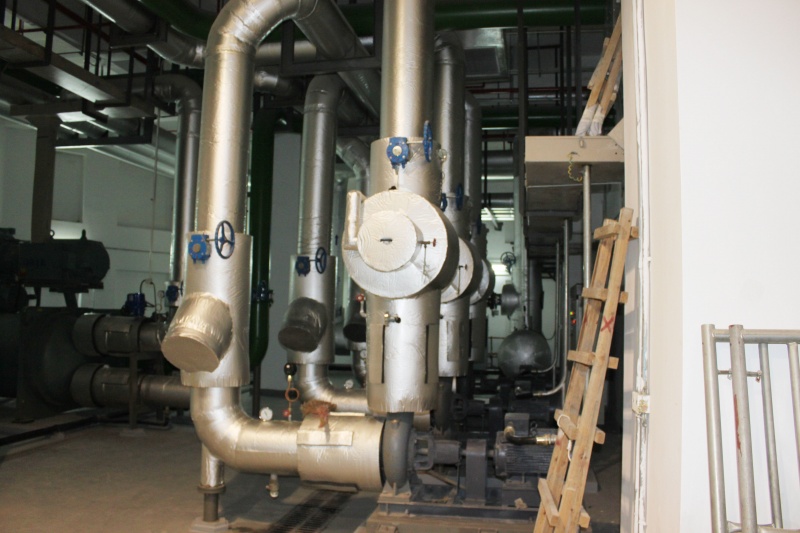
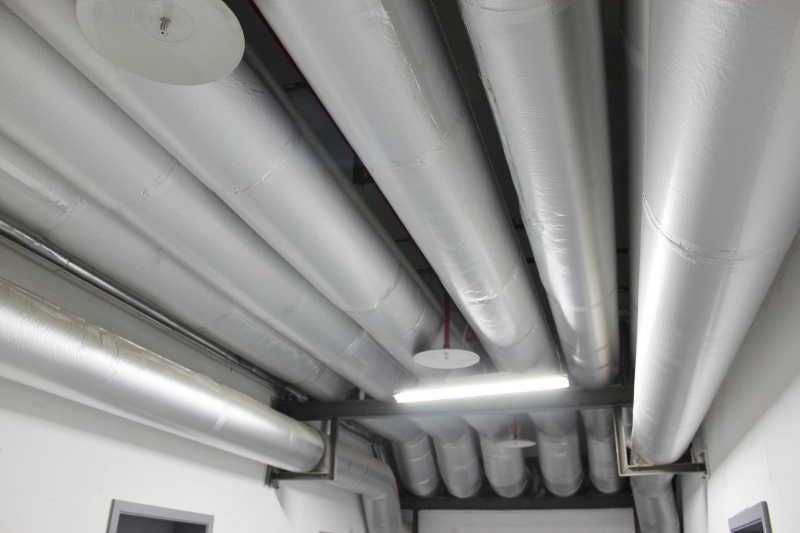
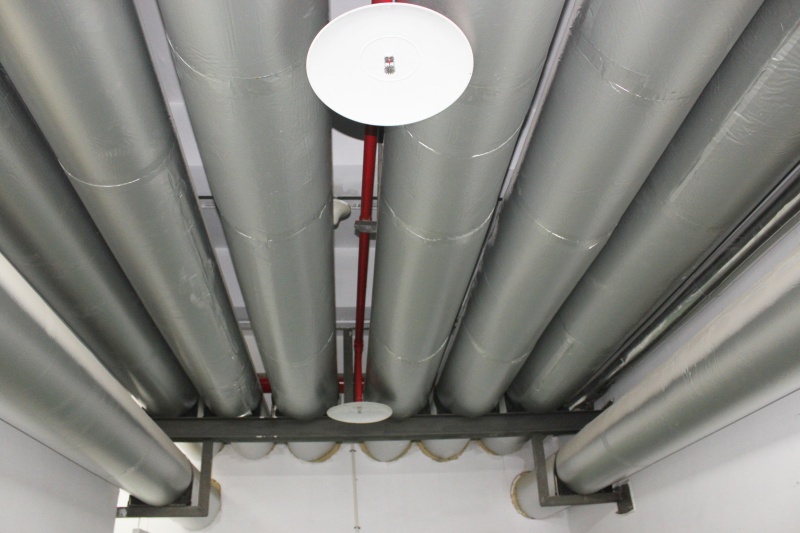
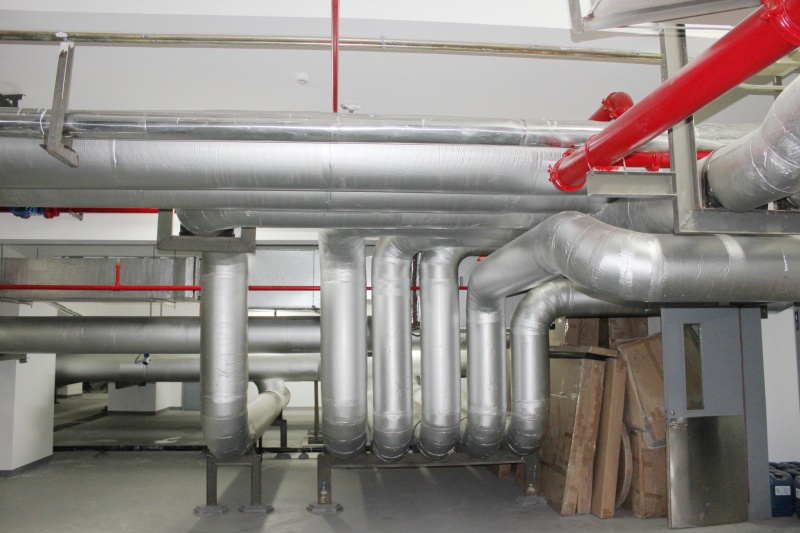
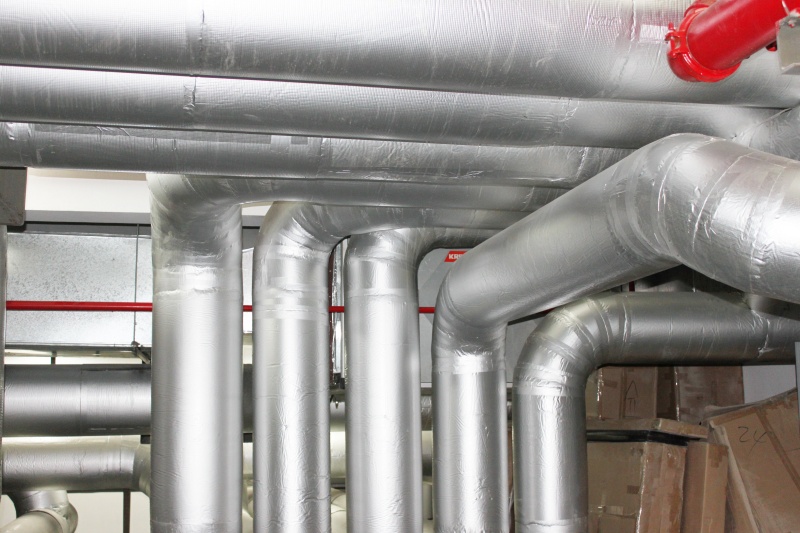
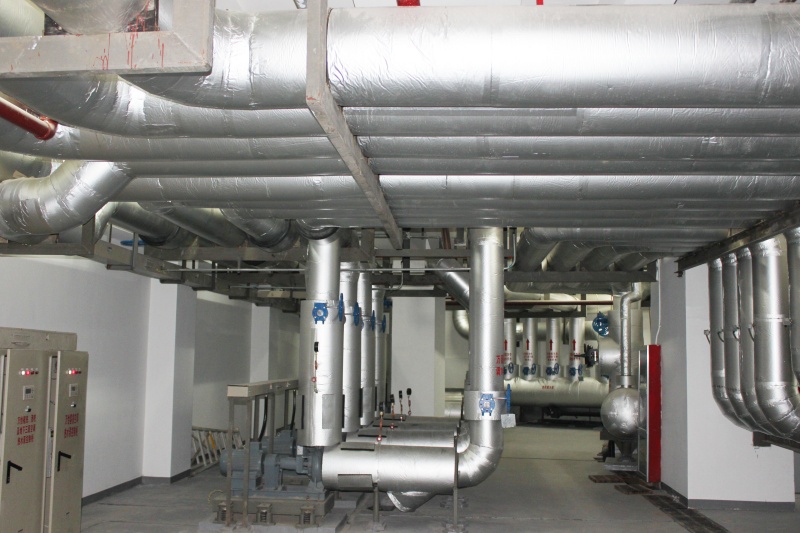
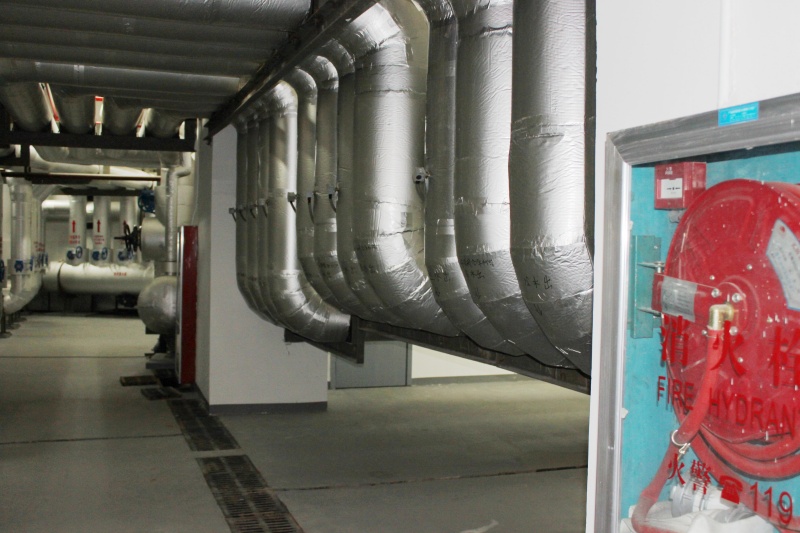
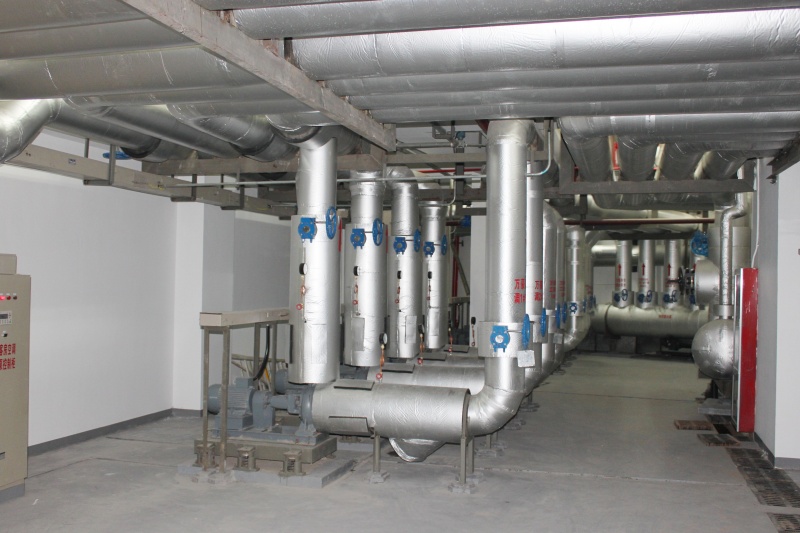
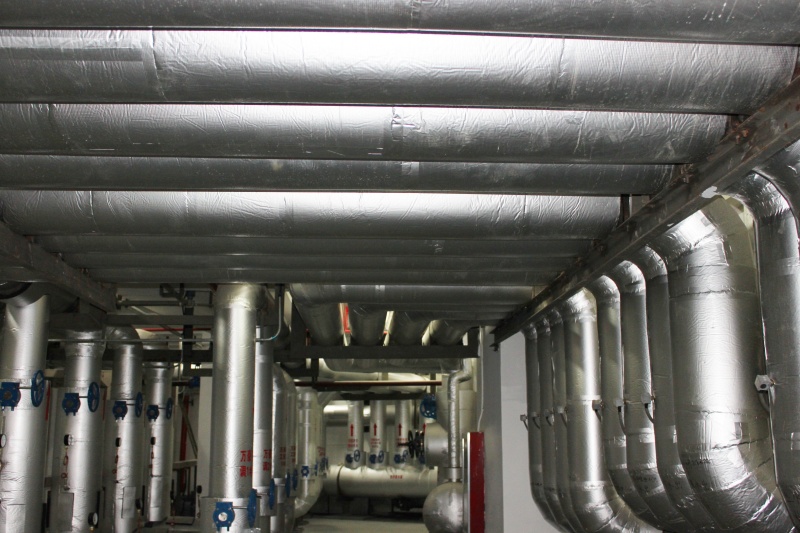
When sourcing elastomeric materials for large industrial pipeline projects, cost per cubic meter is only part of the equation. Critical value indicators include:
Our long-term R&D program targets several key performance milestones:
Targeting a thermal conductivity rating of λ ≤ 0.030 W/(m·K) at 0°C using advanced micro-cell gas containment technology.
Replacing fossil-derived NBR resins with plant-derived bio-polymers to drastically lower our manufacturing carbon footprint.
Developing insulation blankets with integrated flexible moisture sensors to detect pipeline corrosion hazards in real time.
Get authoritative answers on calculation formulas, fire ratings, environmental specifications, and product longevity.
Discover our specialized product formulations, including soundproofing boards and low-temperature elastomeric materials.
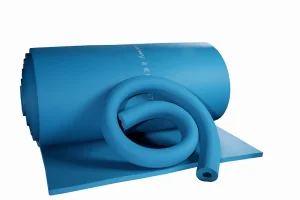
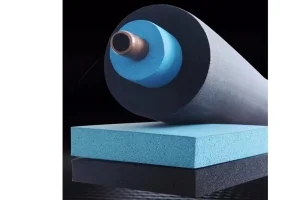
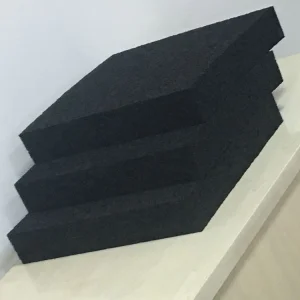
Standard and custom product configurations engineered to meet global specifications.