 Kingflex
Kingflex
Kingflex
Engineered rubber foam formulations offering outstanding moisture resistance, superior K-value, and reliable fire retardancy.
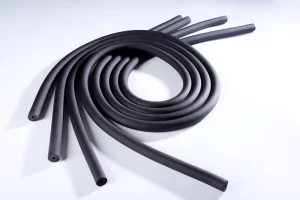
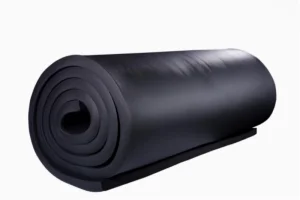
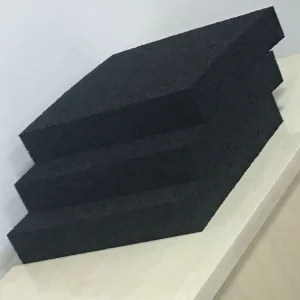
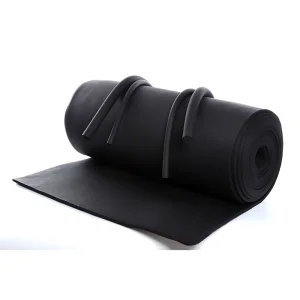
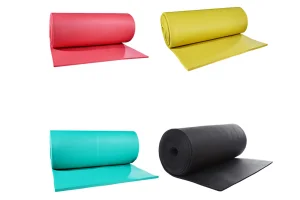
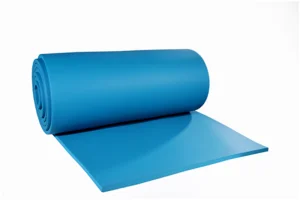
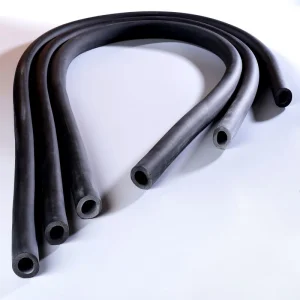
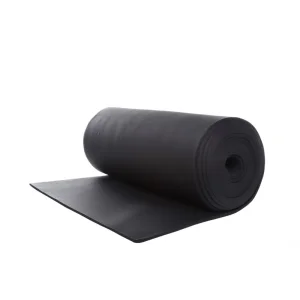
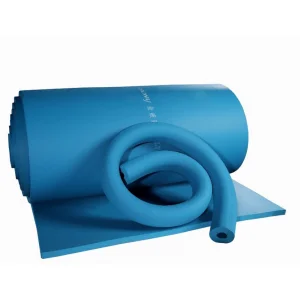
In modern engineering, the management of thermal transmission, acoustic energy, and moisture intrusion is critical. Ensolite foam and equivalent closed-cell elastomeric rubber foams (NBR/PVC blends) have emerged as the industrial standard. These materials feature a highly dense, micro-cellular structure with closed-cell rates exceeding 98%. Unlike open-cell foam or traditional fibrous materials, closed-cell elastomeric foam acts as its own built-in vapor barrier, providing long-term thermal performance even in high-humidity or cryogenic environments.
As leading global suppliers, we recognize that procurement and design engineers look beyond basic density parameters. Key considerations include the K-value (thermal conductivity), resistance to flame propagation, and compliance with stringent environmental standards such as RoHS, REACH, and UL 94. Our materials are engineered to maintain flexibility at low temperatures and structural integrity under constant mechanical loads.
Selecting the right insulation material requires an understanding of core physical behaviors. Below is a comparative overview of NBR/PVC elastomeric rubber foam compared to traditional fibrous insulation (such as rock wool):
| Characteristic | NBR/PVC Elastomeric Rubber Foam | Rock Wool / Mineral Fiber |
|---|---|---|
| Cell Structure | Closed-cell (>98%) | Open, fibrous web |
| Moisture Resistance | High inherent resistance (Built-in vapor barrier) | Hygroscopic (Requires external vapor barrier) |
| Thermal Conductivity (K-value) | Extremely stable (approx. 0.035 W/m·K at 20°C) | High when dry, degrades rapidly if wet |
| Operating Temperature | -40°C to 105°C (Cryogenic variants down to -200°C) | Up to 650°C (Suitable for high heat) |
| Flexibility & Installation | Highly flexible, zero dusting, clean cutting | Rigid/semi-rigid, produces dust, requires safety gear |
Kingflex Insulation Co., Ltd. is a professional manufacturing and trading combo for thermal insulation products. Our research, development, and production departments are located in Dacheng, China—a hub for green building materials. As an energy-saving, environmentally friendly enterprise, we concentrate on the research, development, production, and sales of high-performance closed-cell insulation.
In our operations, Kingflex focuses on energy saving and consumption reduction. We provide insulation solutions through consulting, research and development, production, installation guidance, and after-sales service, helping to lead the global building materials industry.
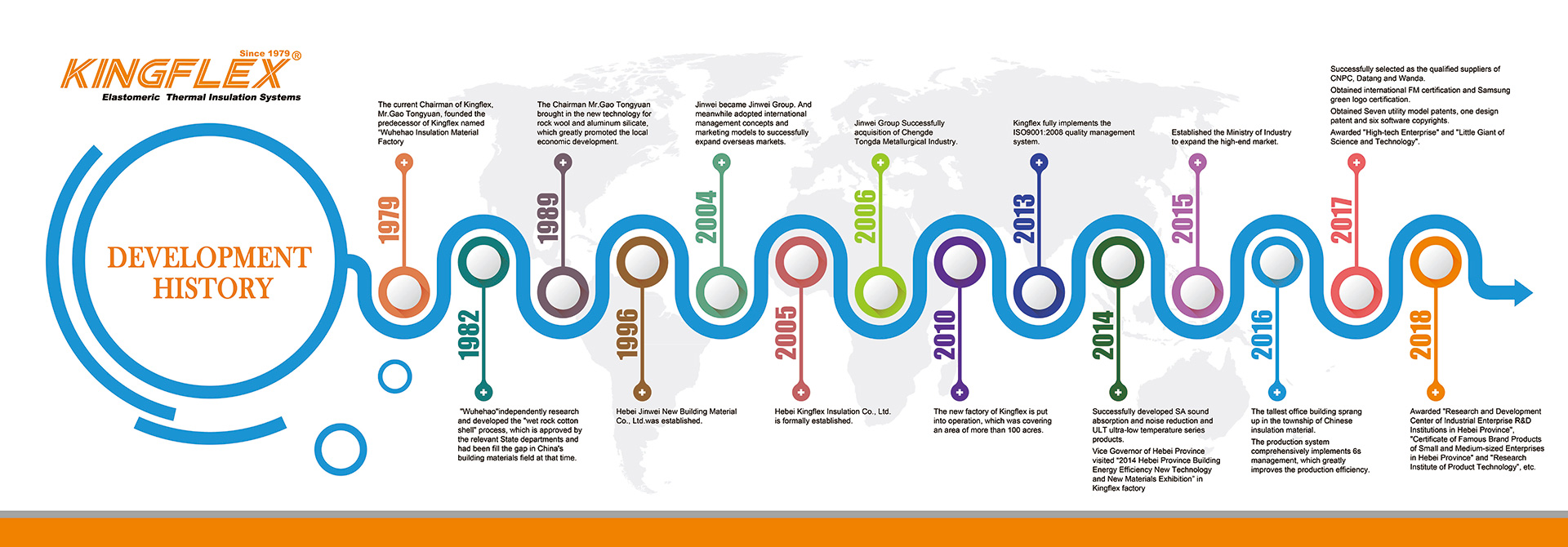
Kingflex was established by the Jinwei Group, which has a history of more than 40 years. Established in 1979, the group was the first manufacturer of thermal insulation materials north of the Yangtze River.
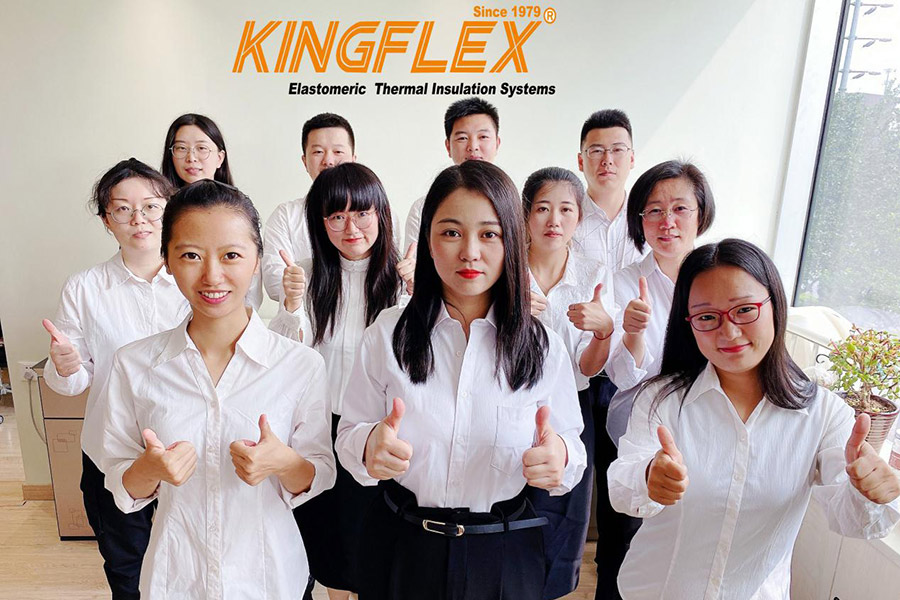
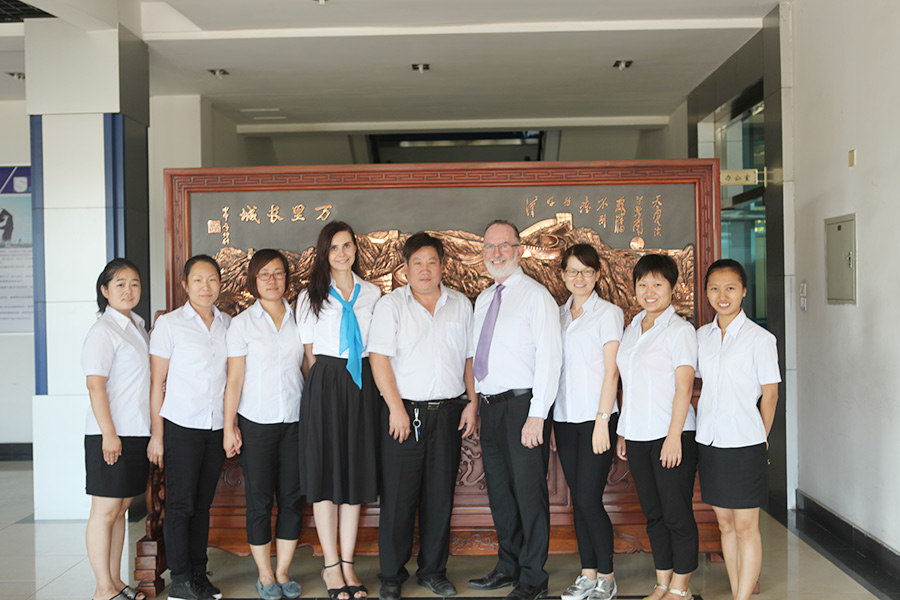
Our employees are the core of what makes Kingflex a rewarding place to work. The Kingflex team is a close-knit group focused on providing consistent service to our clients. Our staff includes 8 professional engineers in our R&D department, 6 international sales specialists, and 230 production workers.
At present, Kingflex operates 5 large automatic assembly lines, with an annual production capacity of more than 600,000 cubic meters. We are a designated production enterprise for several energy and chemical industries.
Kingflex thermal insulation products are widely used in construction, petroleum, chemical, defense, aerospace, and other industries. Our products have been exported to more than 66 countries over the past 16 years.
Our products undergo laboratory testing to ensure compliance with international flame retardancy, low toxicity, and thermal transmission standards.

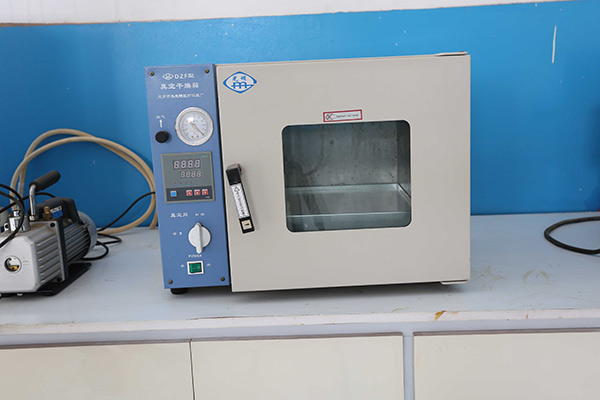
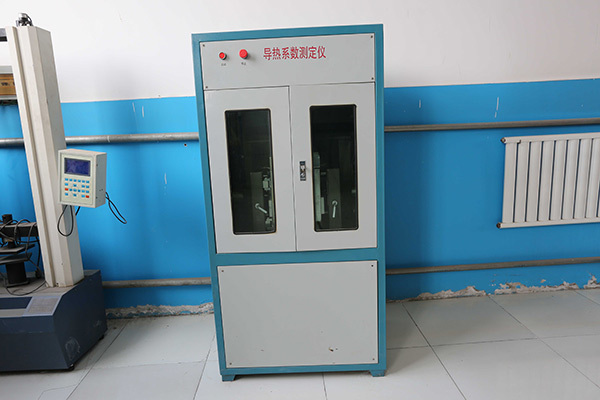

Kingflex materials meet strict global requirements, including EN, BS, ASTM, and UL standards.
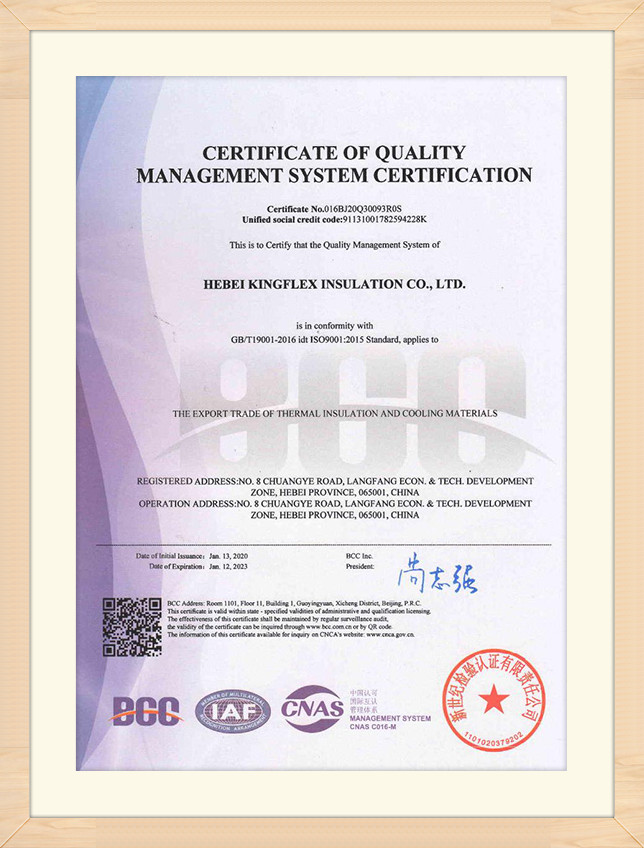
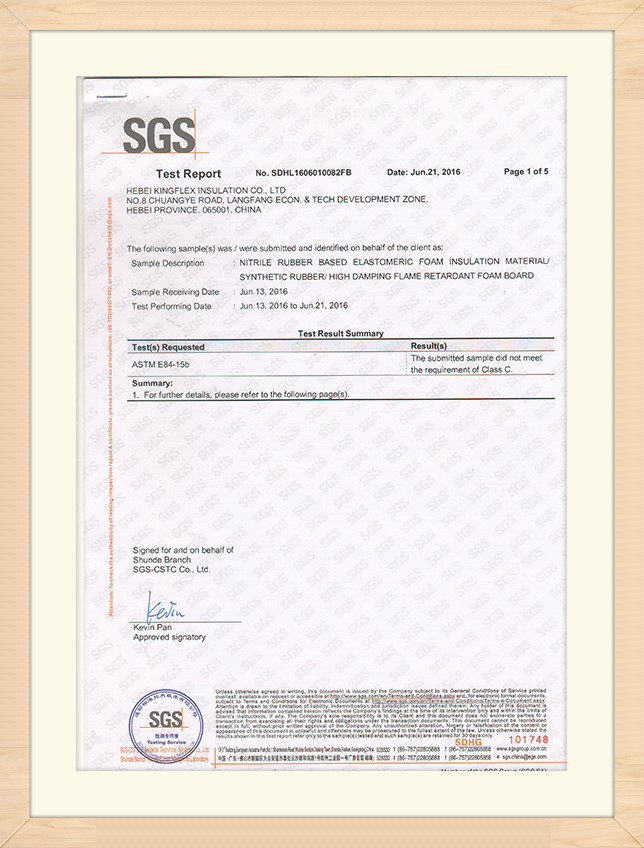
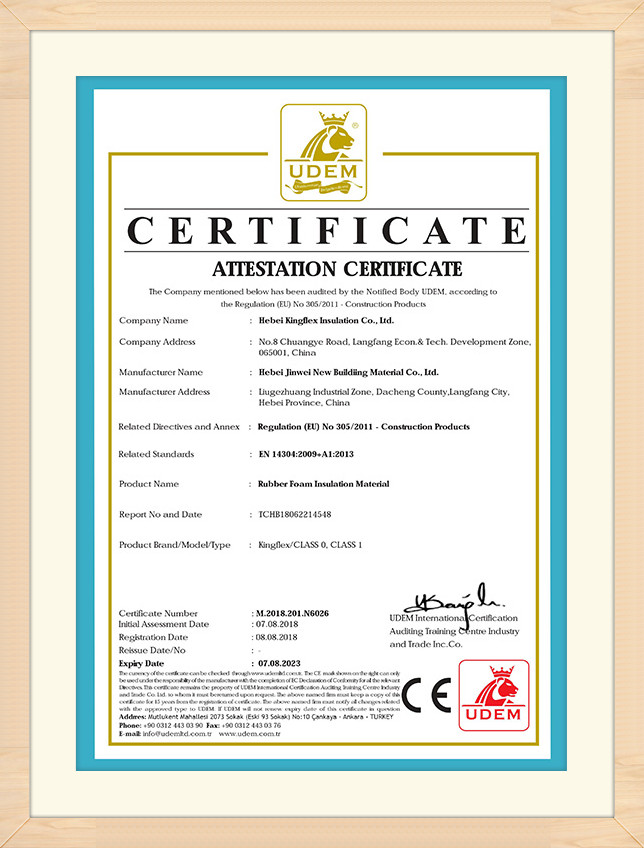
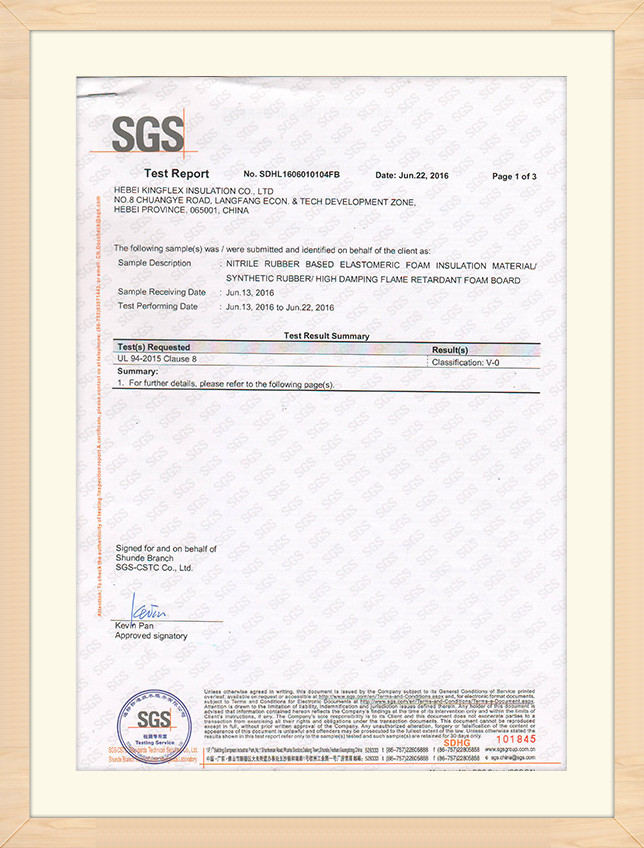
Certifications held include: BS 476, CE, REACH, RoHS, UL94, ASTM, and ISO 9001/14001. All materials have batch traceability.
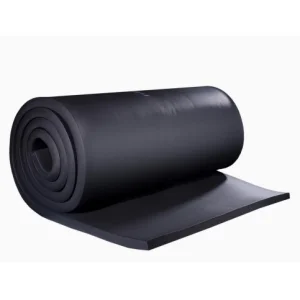
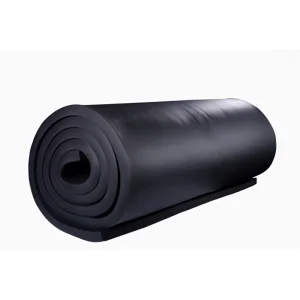
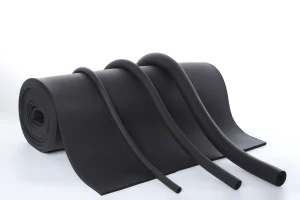
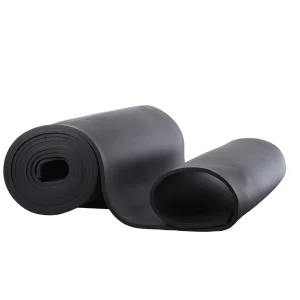
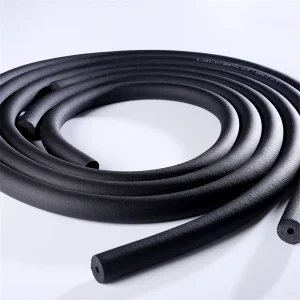
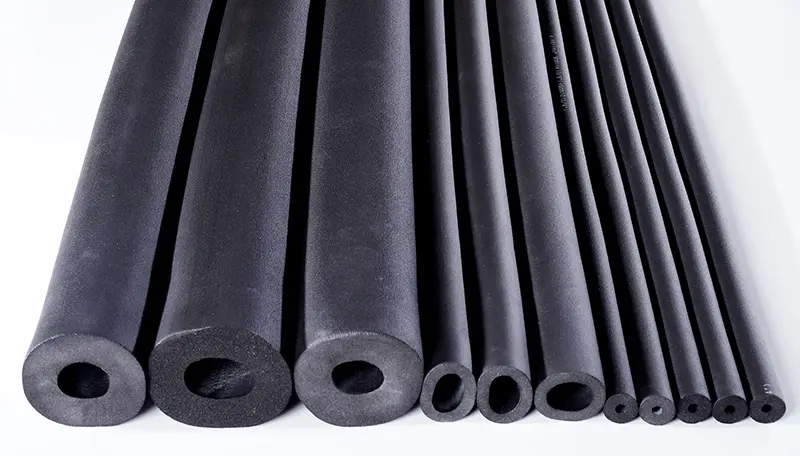
Technical dimensions and parameters for Kingflex Black Rubber Foam Insulation rolls and pre-formed pipes.
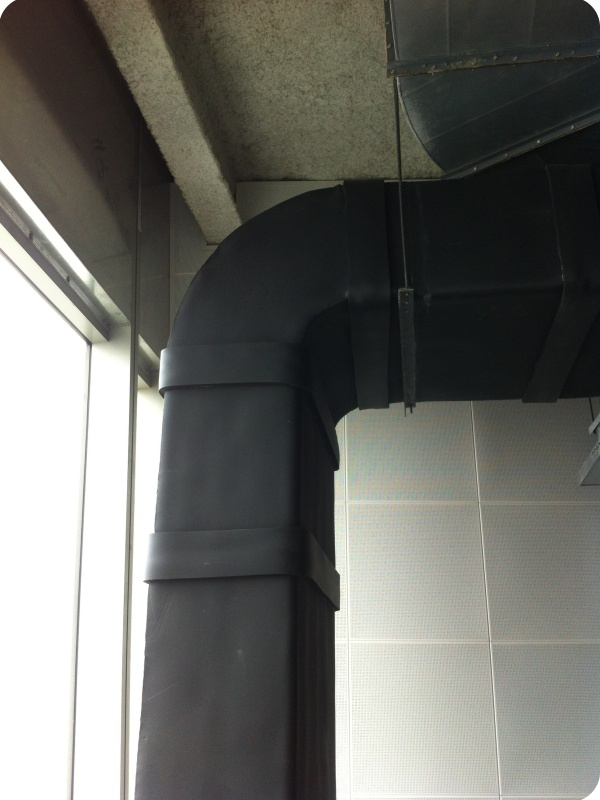
Nitrile-based closed-cell foams are utilized across various industrial sectors:
For ultra-low temperature piping down to -200°C, custom elastomeric formulations prevent condensation, frost heave, and extreme thermal gain in LNG plants and cryogenic installations.
In commercial malls, schools, and hospitals, fiber-free rubber sheets are chosen to prevent loose particulate matter from entering the indoor air stream.
The viscoelastic properties of PVC/NBR and Ensolite-style foams help isolate structures, deaden sound, and absorb mechanical vibrations in industrial machinery cabinets and vehicle chassis.
The thermal insulation market is evolving toward sustainability and safety. Key developments include:
Explore our selections of rubber foam and specialized mineral insulation products.
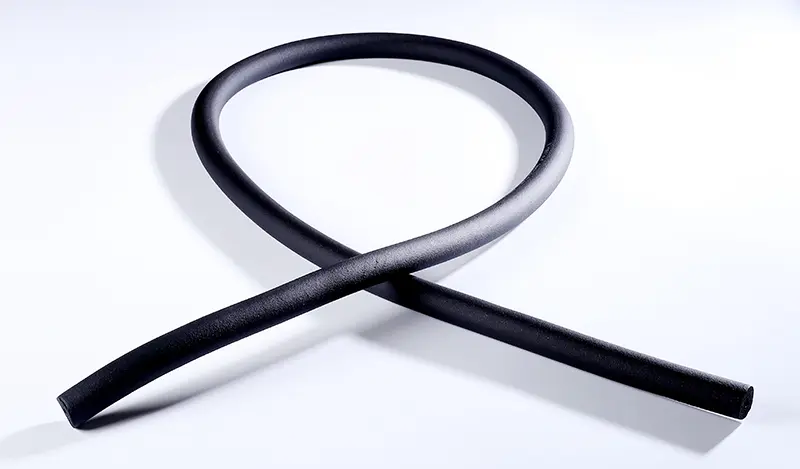
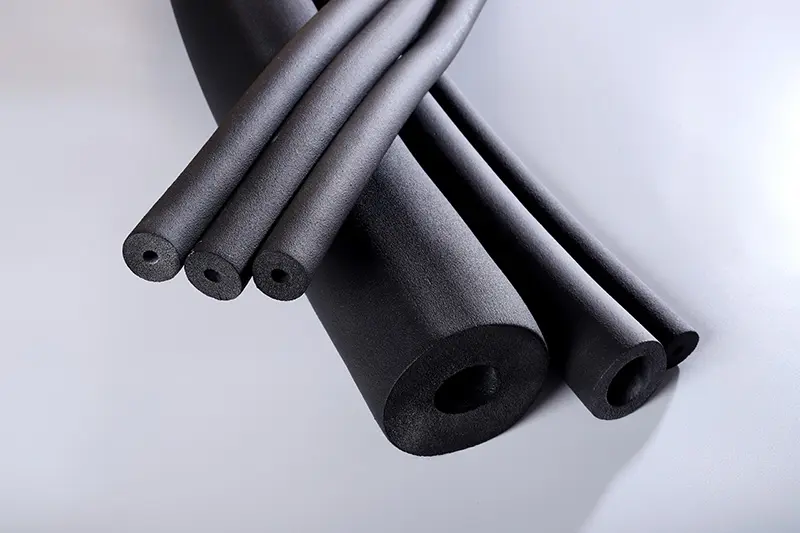

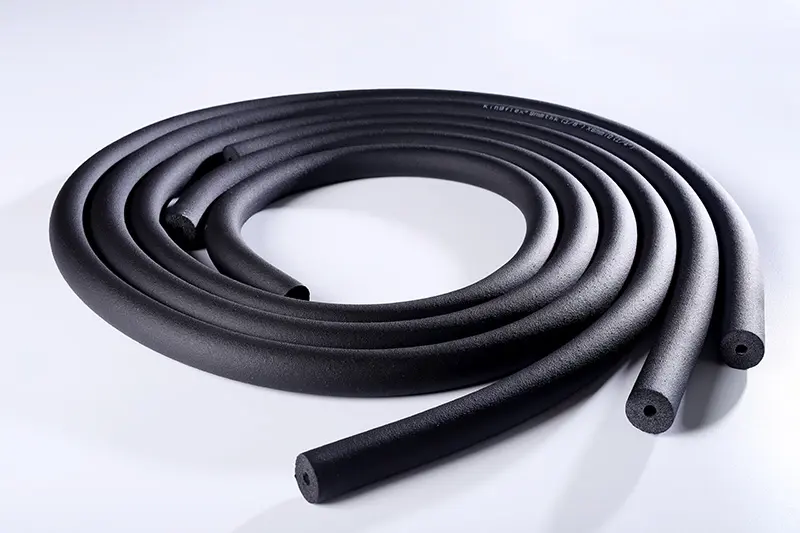
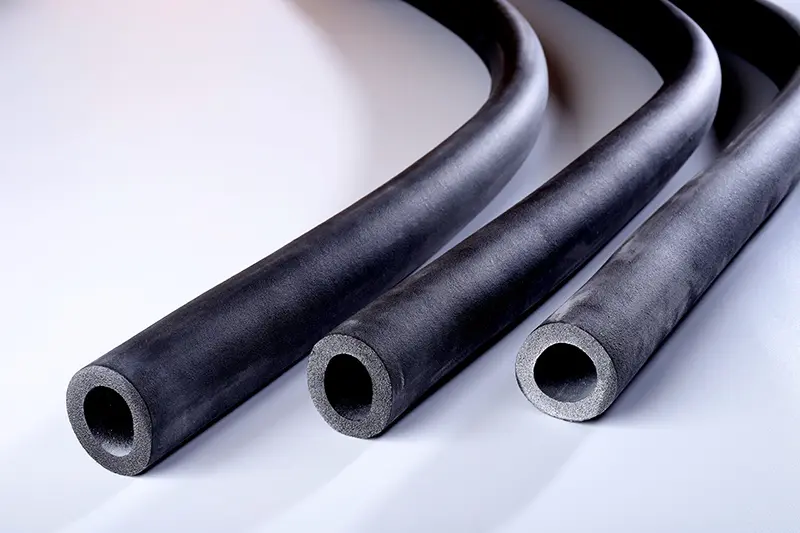
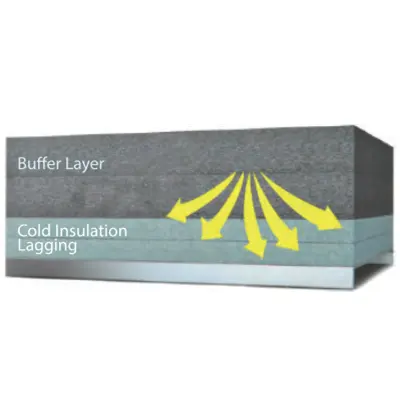
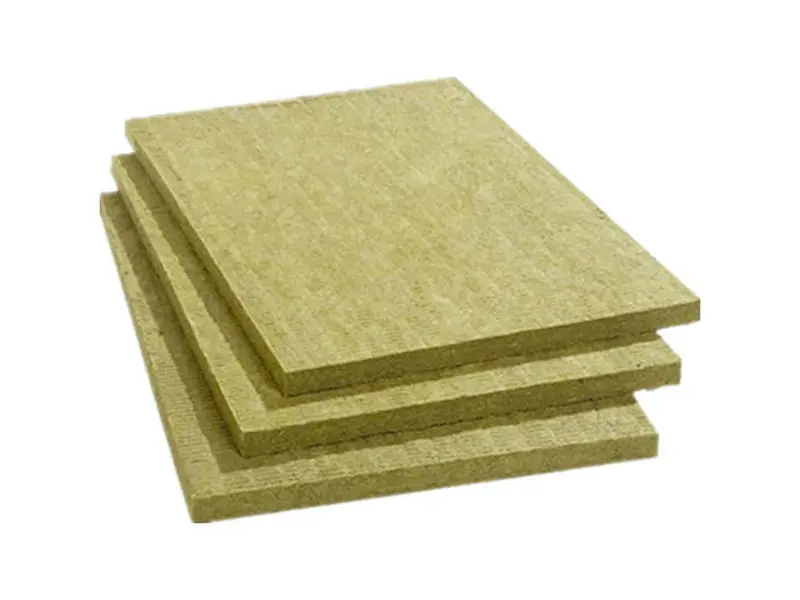
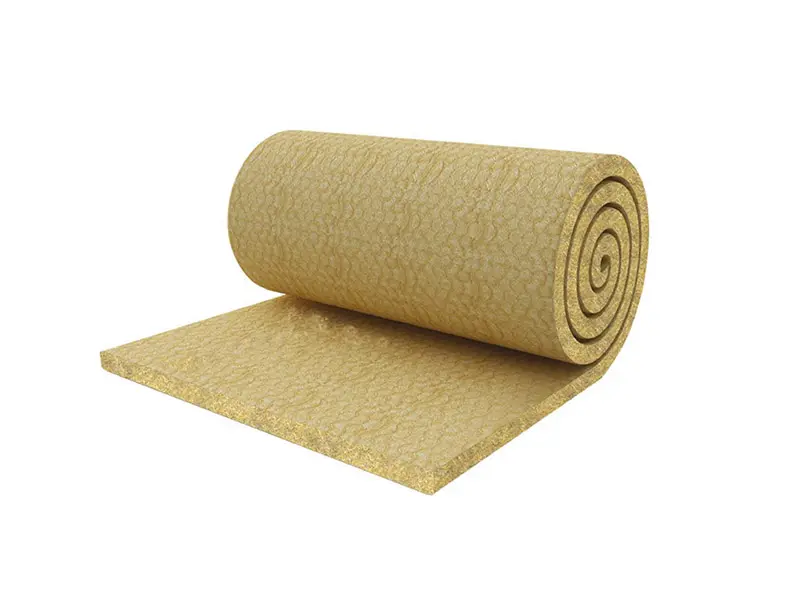
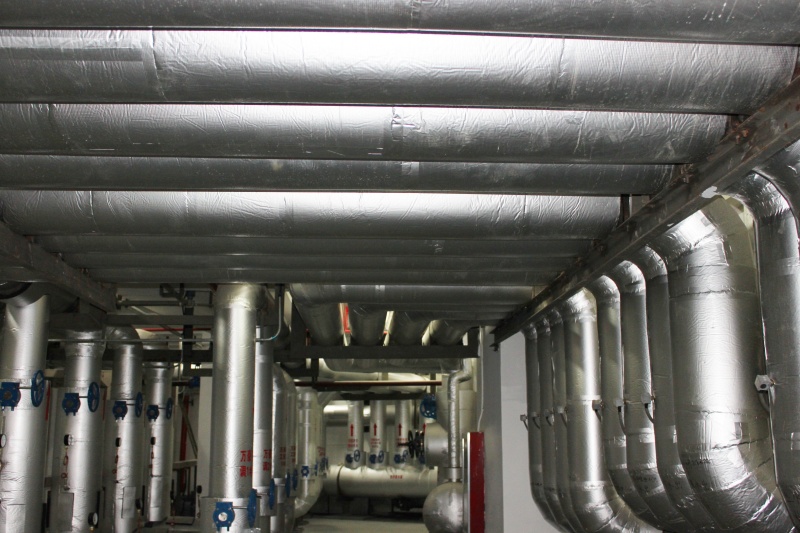
Our products are installed in commercial construction, oil & gas refining, and public transit systems worldwide.
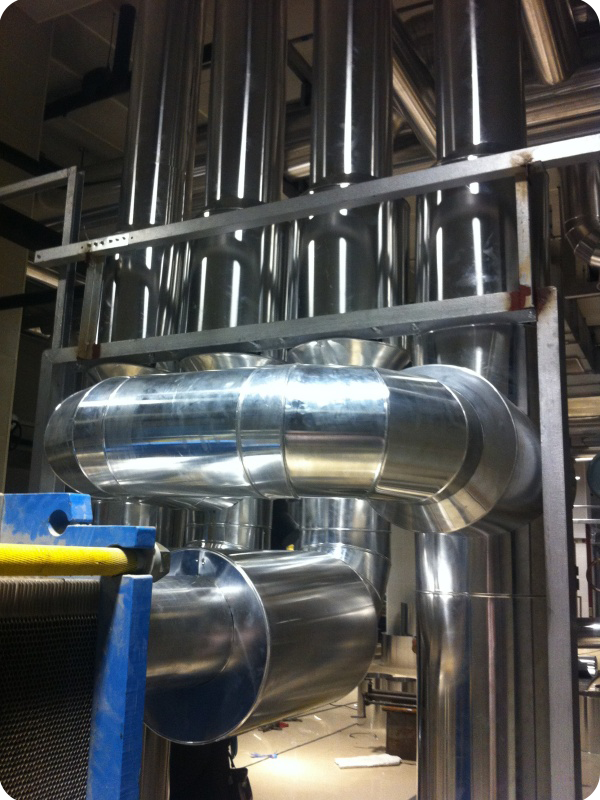
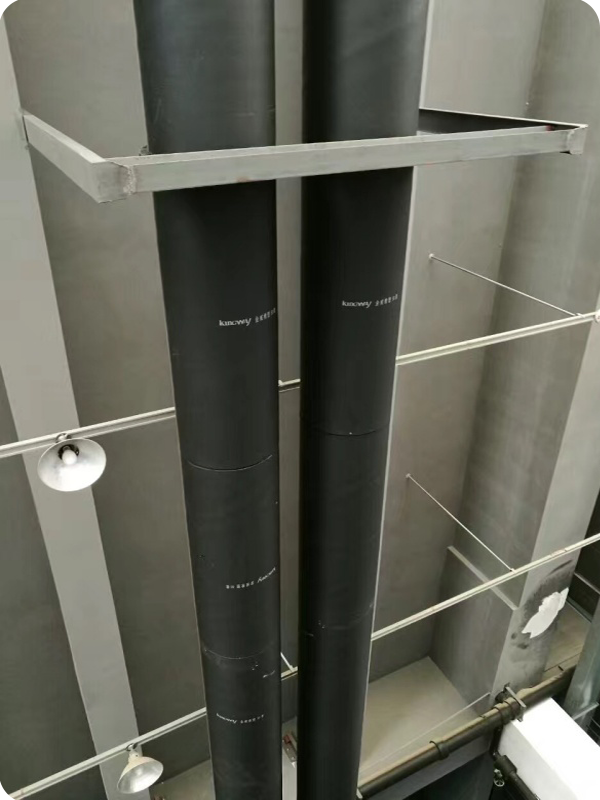
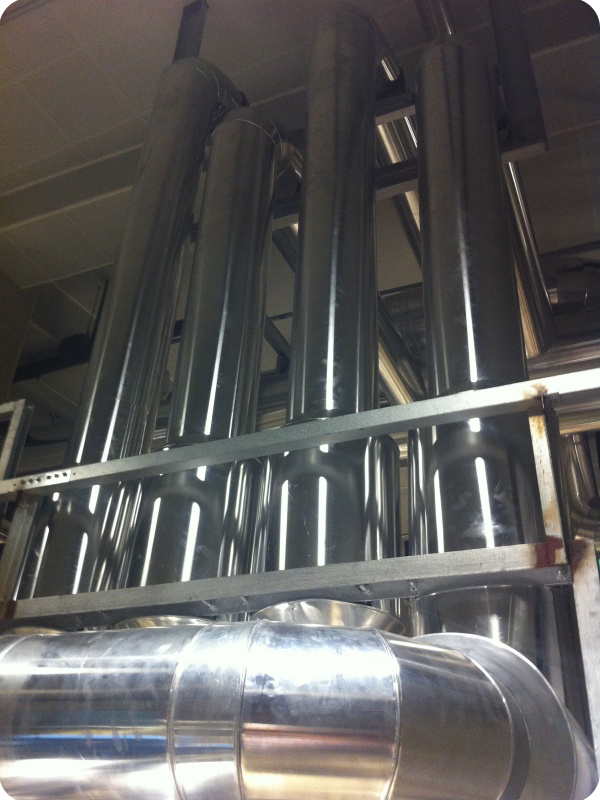
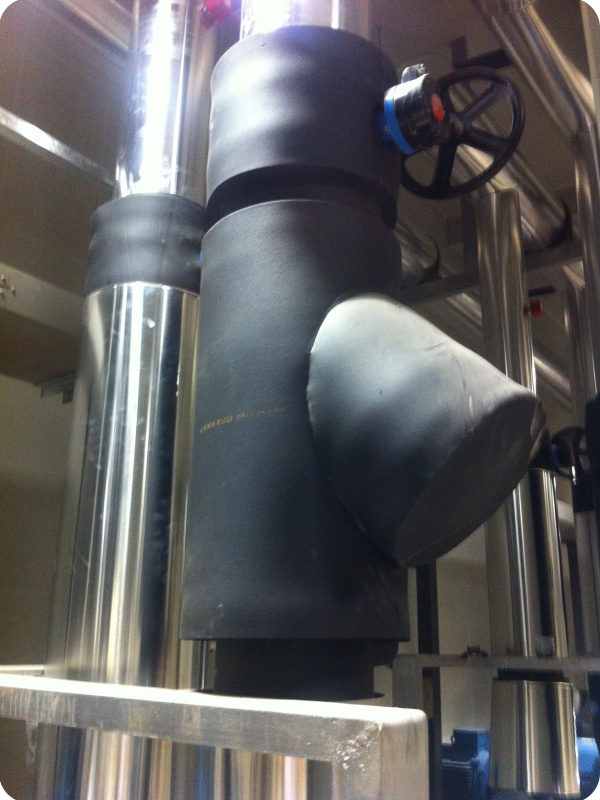
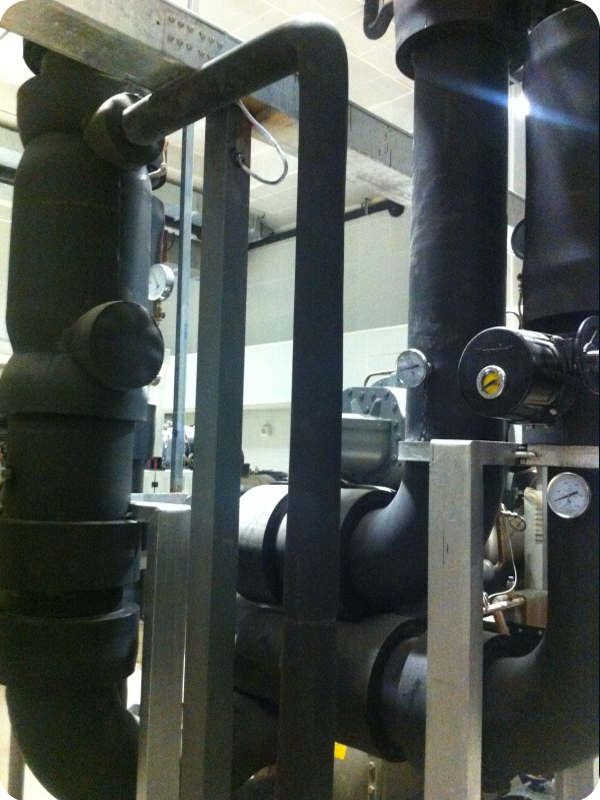
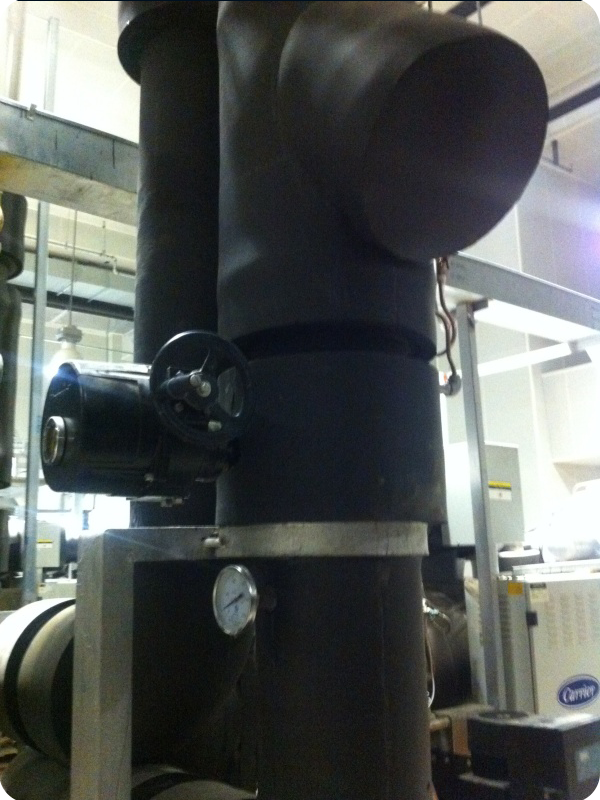
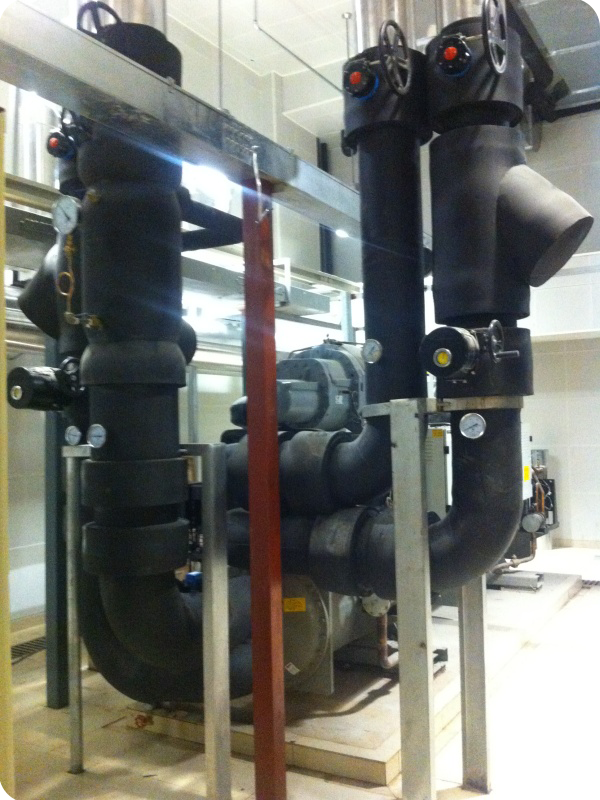
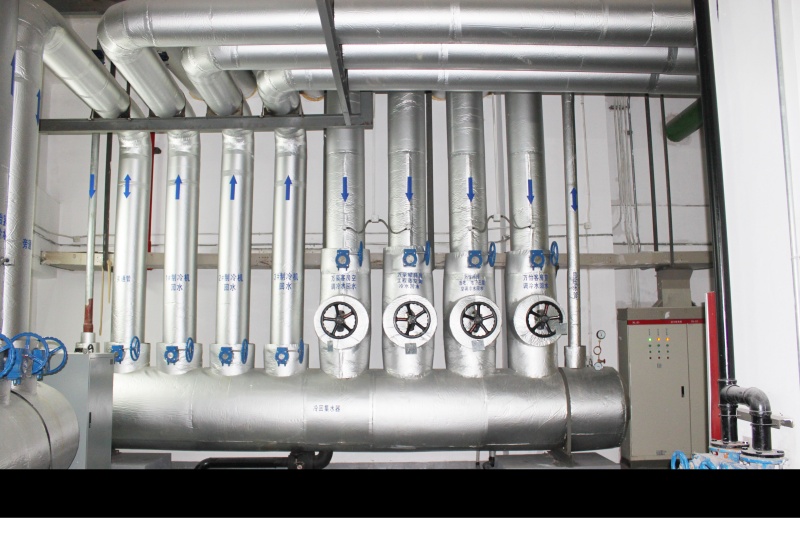
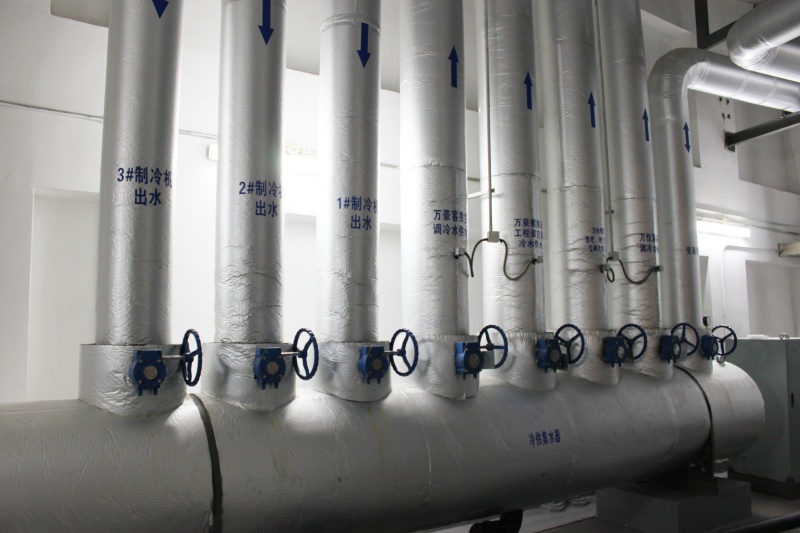

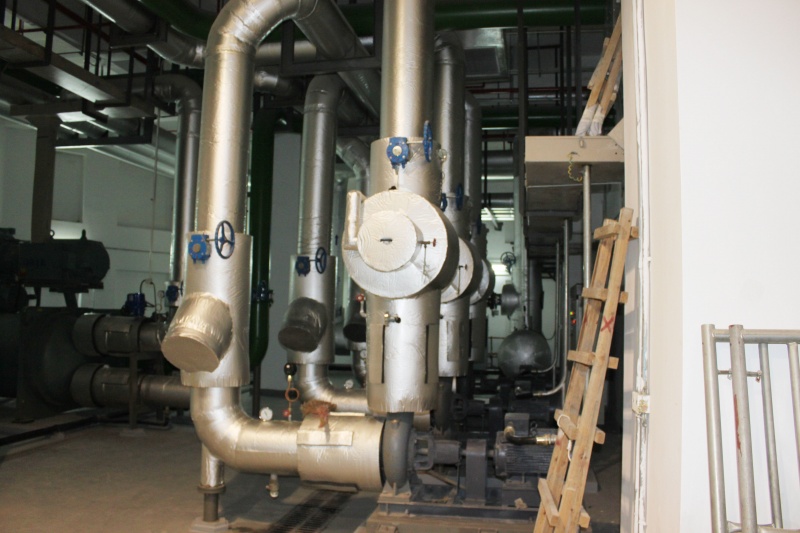
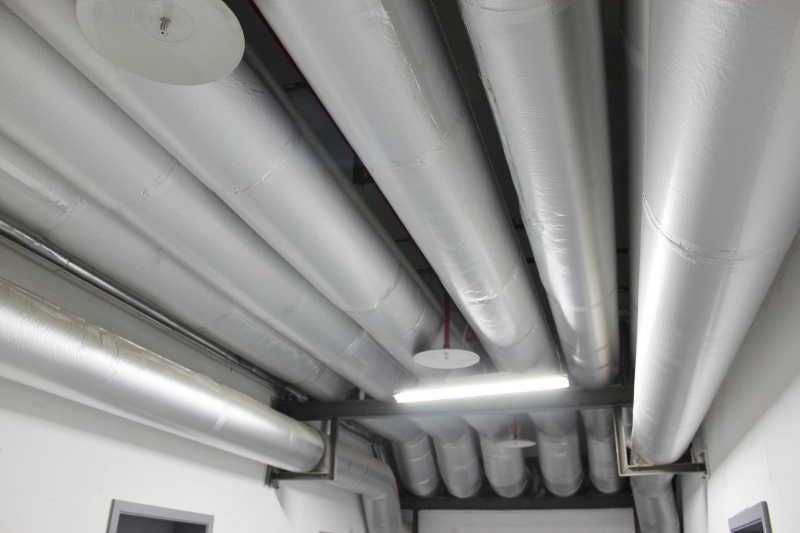
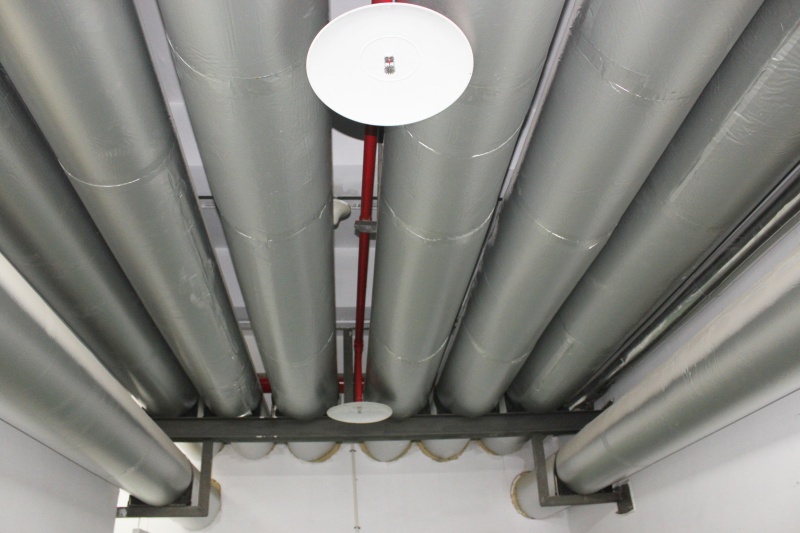
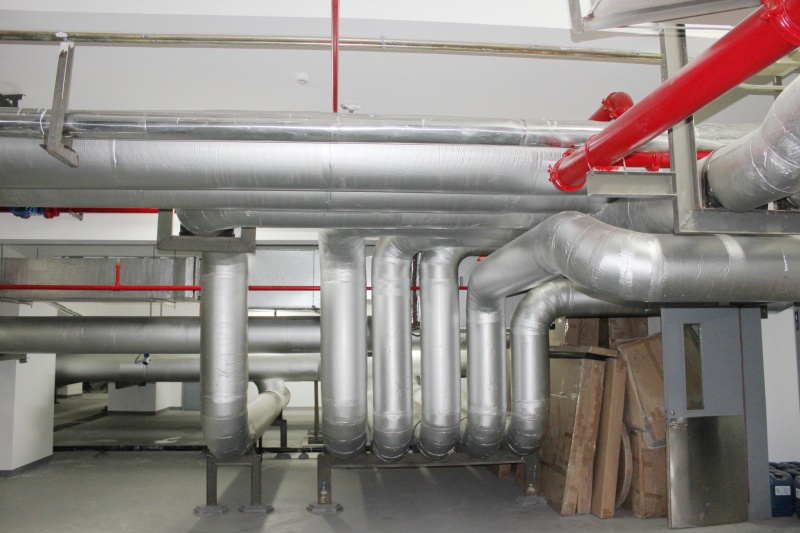
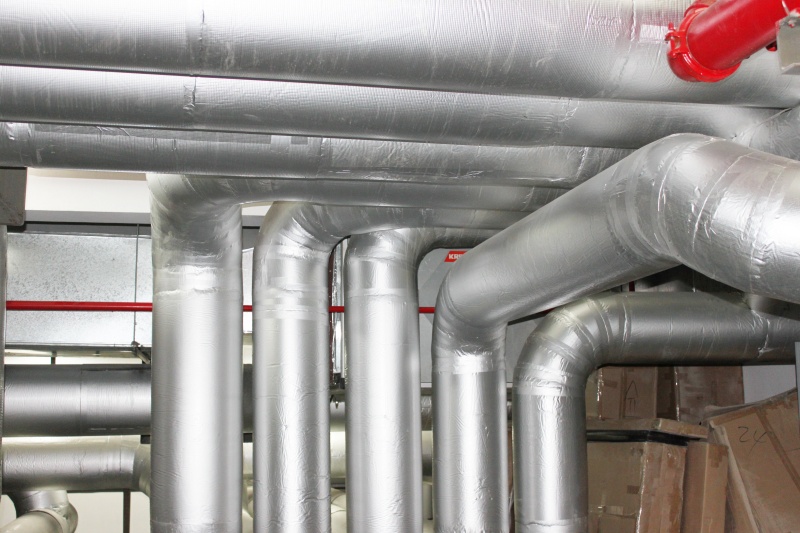
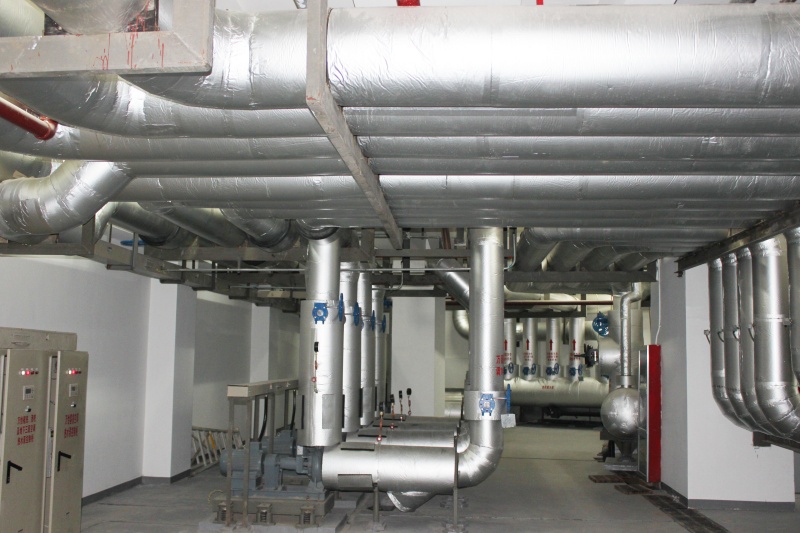
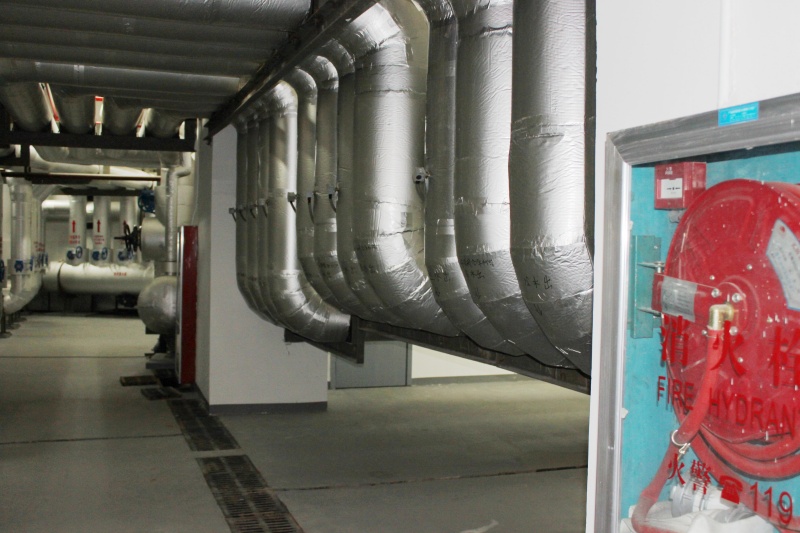
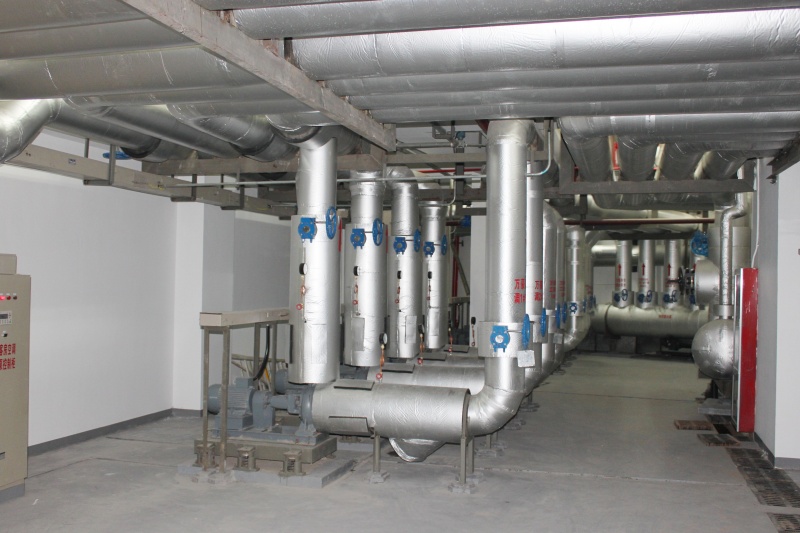
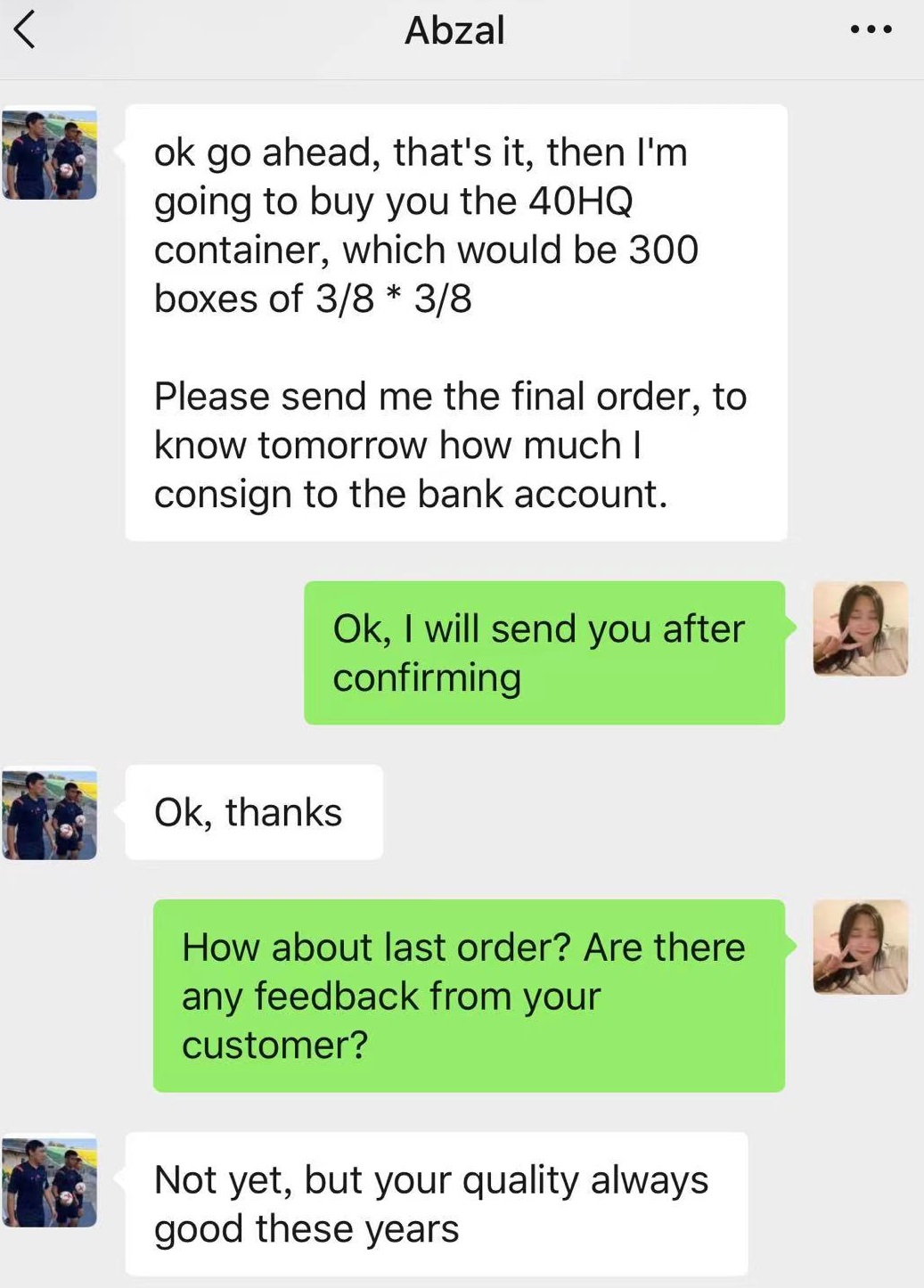
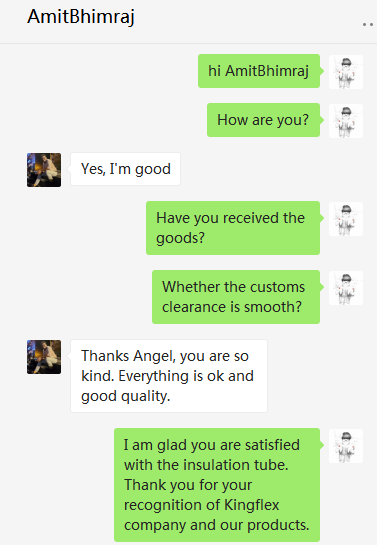
We work closely with customers to support their project needs, from specification match checks to logistics tracking.



Answers to common technical questions about elastomeric rubber foam insulation.
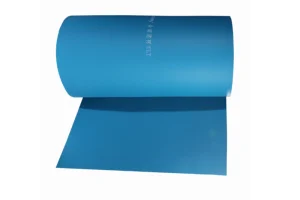
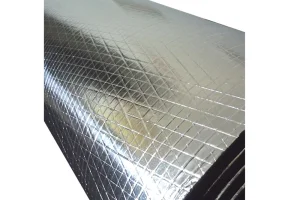
Select from our range of cryogenic and aluminum-clad insulation materials.