 Kingflex
Kingflex
Kingflex
Direct from the factory: Premium high-performance elastomeric, rock wool, and soundproof insulation solutions.
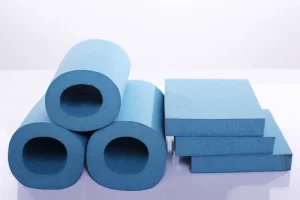
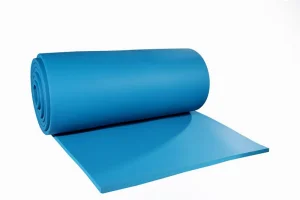
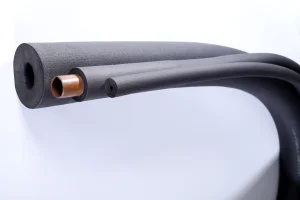
How strict energy efficiency mandates, net-zero initiatives, and modern HVAC systems drive demand for advanced elastomeric pipe solutions.
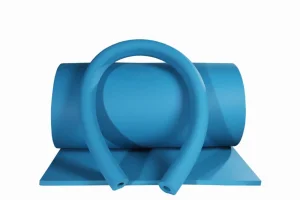
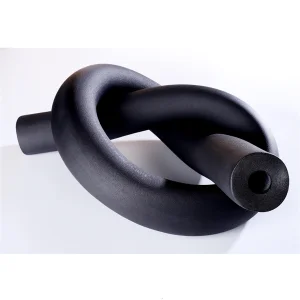
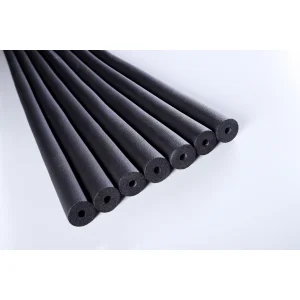
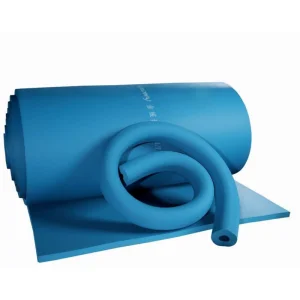
The global thermal insulation landscape is undergoing a critical paradigm shift. Standard fiberglass and open-cell lagging materials are rapidly being phased out in industrial chilled water and HVAC systems due to issues related to water vapor transmission and corrosion under insulation (CUI). Leading engineering specifications now mandate closed-cell elastomeric rubber foam like Kingflex Rubber & Plastic.
Modern commercial buildings demand insulation materials that not only prevent energy loss but also mitigate moisture ingress. A closed-cell structure operates as a built-in water vapor barrier. The physical property of having over 98% closed cells ensures that even if the outer surface is cut or punctured, the moisture cannot easily migrate horizontally. This prevents localized condensation, maintaining high thermal efficiency and protecting pipeline integrity for decades.
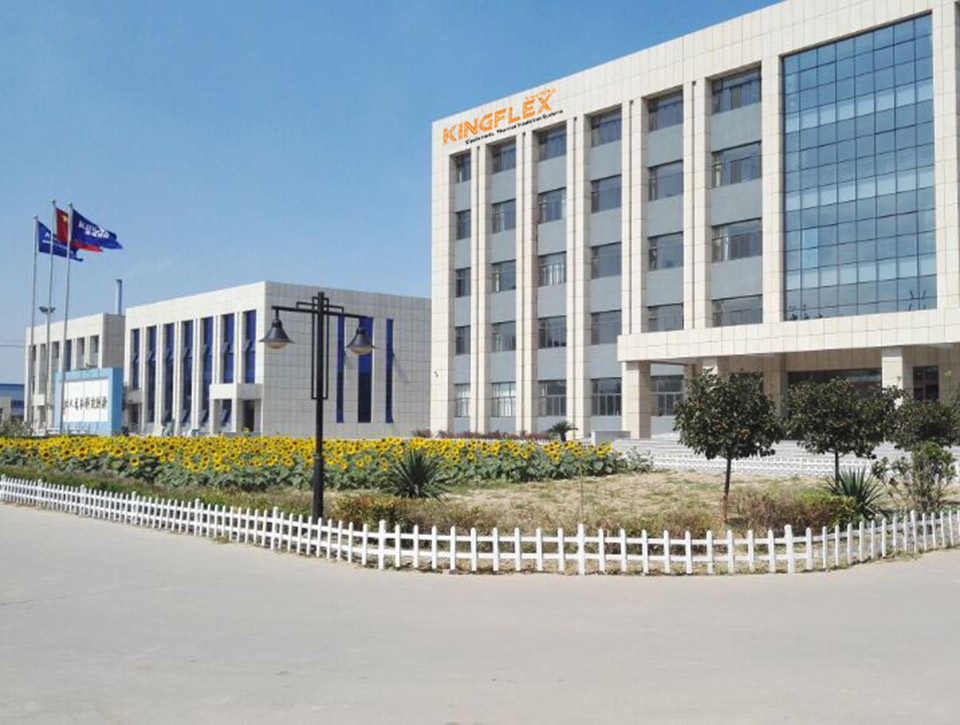
Global architectural codes, such as ASHRAE 90.1, EU EPBD, and China's green building standards, have significantly tightened the maximum allowed thermal conductivity (k-value or λ-value) for process piping. Our elastomeric pipe insulation features a low thermal conductivity value of λ ≤ 0.034 W/(m·k) at 0°C, which dramatically curtails heat transfer.
Simultaneously, environmental regulations like REACH, RoHS, and low VOC thresholds have driven manufacturers to reformulate chemical compounds. Sourcing from a certified manufacturer ensures that the materials do not contain halogenated flame retardants, formaldehydes, or heavy metals, making them ideal for institutional projects such as hospitals, schools, and pharmaceutical laboratories.
Navigating volatile shipping costs, localized fire standards, and quality verification for large scale infrastructure deployments.
Large-scale cooling towers, VRV/VRF systems, and chilled water loops in airports, commercial offices, and multi-tenant skyscrapers require massive volumes of pipe insulation tubes. Key concerns for procurement managers include bulk-rate stability, lead time, and compliance with British Standards (BS 476 Part 7 Class 1 / Class 0) or UL 94 fire ratings.
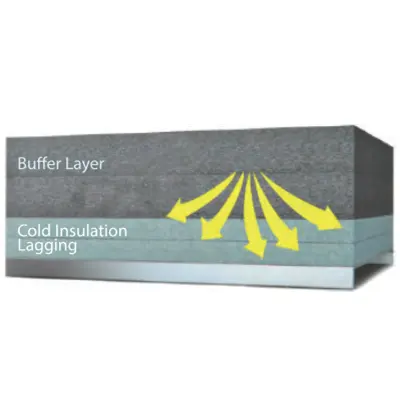
Industrial process pipelines operating at cryogenic levels (down to -200°C) face aggressive ambient challenges. Normal elastomeric materials degrade and become brittle. Specialty lines like the Dolefin Cryogenic Insulation System provide multi-layered flexible protection that manages extreme contraction, preventing moisture migration and sub-zero structural failure.
Ammonia and CO2-based cooling lines in modern logistics hubs require extra-thick insulation sheet rolls and tubes. Procurement managers look for a high moisture resistance factor (μ-value ≥ 10,000) to ensure that ice formation does not compromise the pipe support blocks, preventing costly line maintenance and cold loss.
Purchasing managers for multi-national EPC contractors look beyond unit costs. Total Cost of Ownership (TCO) incorporates product durability, packaging compression rates (which reduce shipping space and logistics costs), and regulatory documentation. With international customs requiring strict compliance certificates (CE, ASTM, REACH), partnering with a transparent manufacturer that provides absolute traceability is paramount.
Inside Kingflex Insulation Co., Ltd. - An industry-leading manufacturing powerhouse backed by over 40 years of continuous growth.
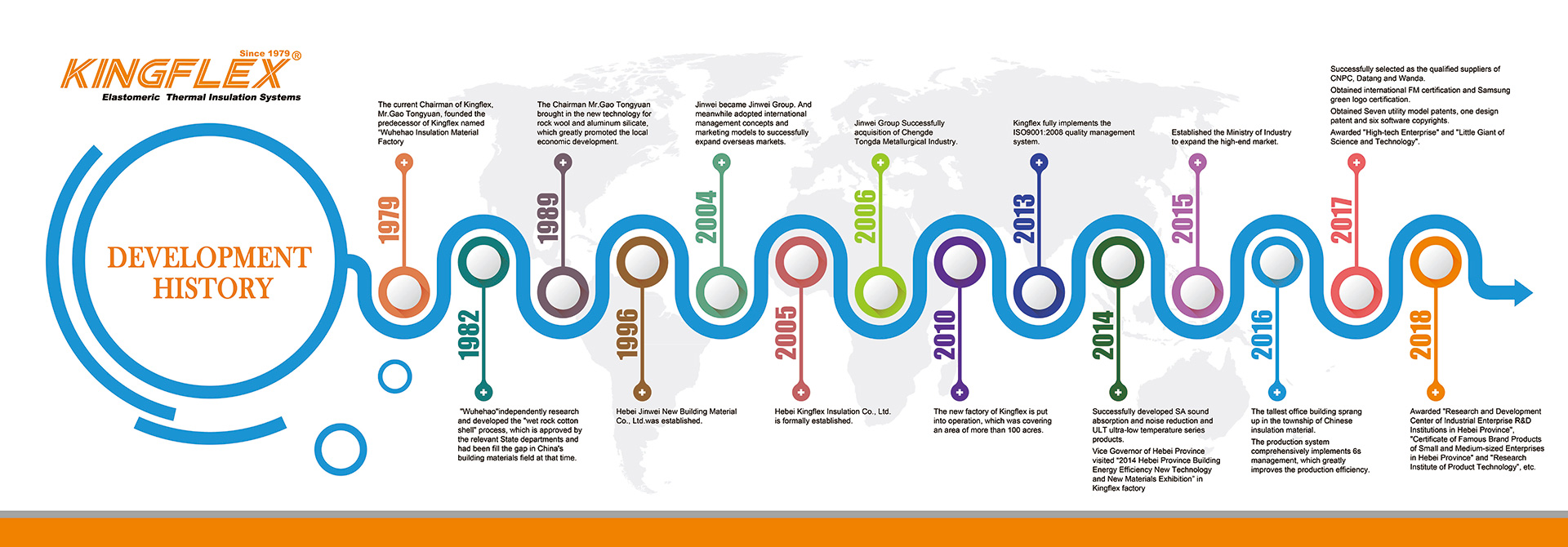
Established by the renowned Jinwei Group (established in 1979), Kingflex carries over four decades of thermal insulation engineering heritage. Jinwei was the first thermal insulation manufacturer north of the Yangtze River, paving the way for scale, research, and structural excellence. Today, Kingflex's advanced production facility operates from Dacheng, China—the globally recognized capital of green building materials.
By shifting to an advanced Factory 4.0 automated assembly model, Kingflex operates 5 large-scale automatic assembly lines. This layout guarantees an annual production capacity exceeding 600,000 cubic meters, positioning the company as the designated manufacturing partner for the Ministry of Energy, the Ministry of Electric Power, and the Ministry of Chemical Industry.
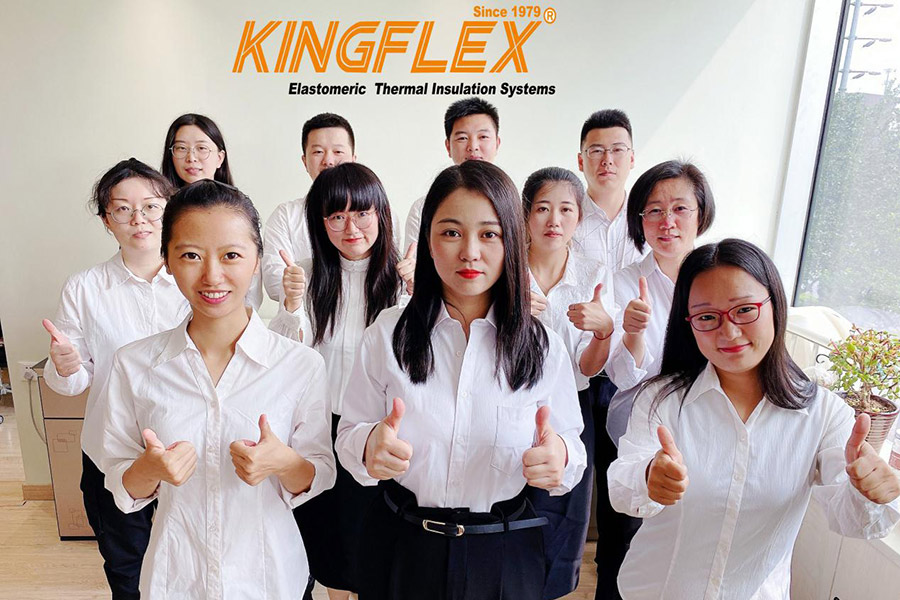
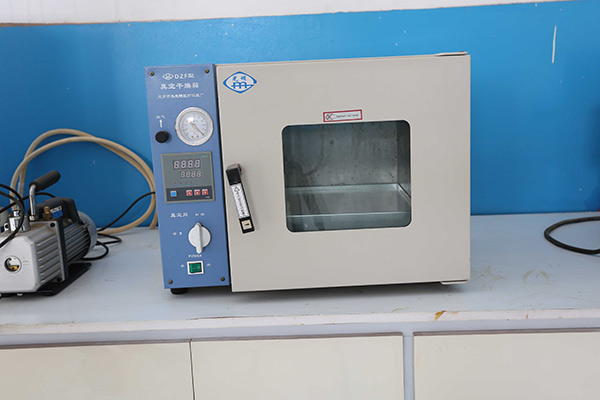
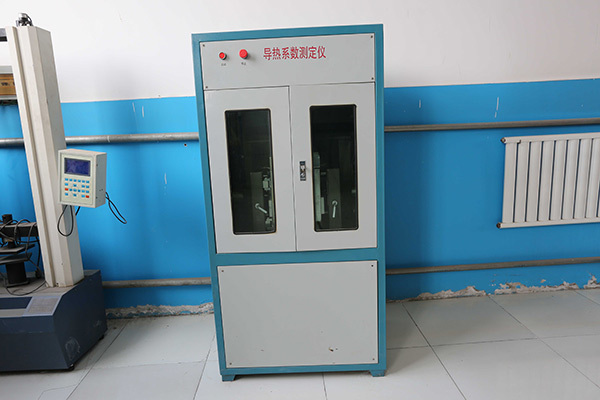
Kingflex integrates the supply chain by sourcing raw nitrile rubber (NBR) and polyvinyl chloride (PVC) directly from global chemical producers. Our central R&D department, staffed by 8 expert engineers, conducts real-time testing of the compound matrix. Samples are constantly monitored for density, cell size distribution, thermal conductivity, and fire rating limits.

A data-backed comparison to help procurement engineers choose the right spec for their pipeline systems.
| Performance Property | Kingflex Closed-Cell Elastomeric Foam | Traditional Rock Wool Insulation |
|---|---|---|
| Primary Material Structure | NBR/PVC Elastomeric Nitrile Rubber Blend | Fibrous Inorganic Rock Slag and Basalt |
| Thermal Conductivity (λ at 0°C) | ≤ 0.034 W/(m·K) | ≤ 0.040 W/(m·K) |
| Moisture Ingress Resistance (μ) | ≥ 10,000 (Built-in Vapor Barrier) | Negligible (Requires external aluminum barrier cladding) |
| Service Temperature Limit | -40°C to +105°C (Up to -200°C with Cryogenic spec) | Ambient up to +650°C |
| Corrosion Under Insulation (CUI) | Exceedingly Low (Non-wicking cell structure) | High Risk (Wicks moisture and holds water against pipe) |
| Acoustic Damping Coefficient | Excellent for structural vibrations & airflow sound | Excellent for high-frequency airborne noise |
| Installation Flexibility | High flexibility, easily slides onto complex bends | Rigid pre-molded shells, requires cutting & metal straps |
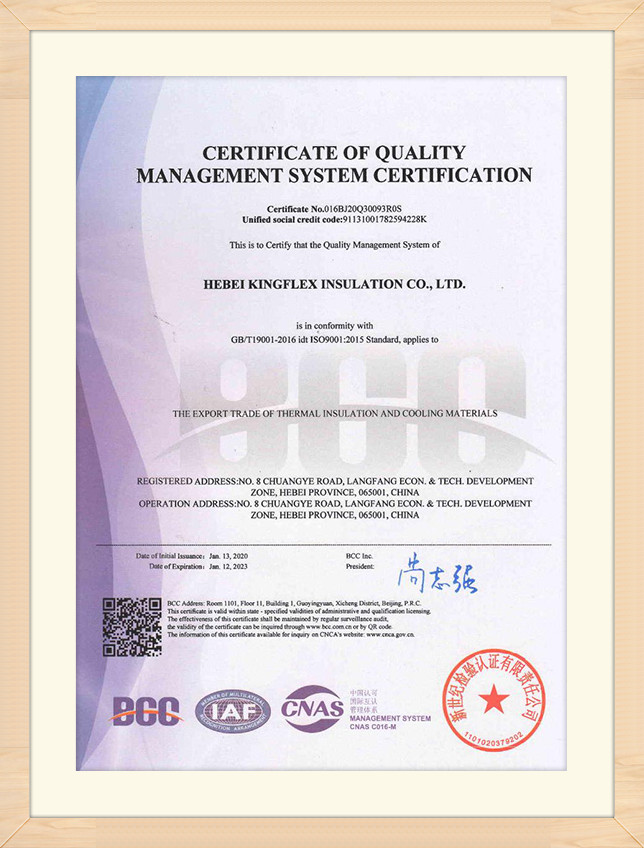
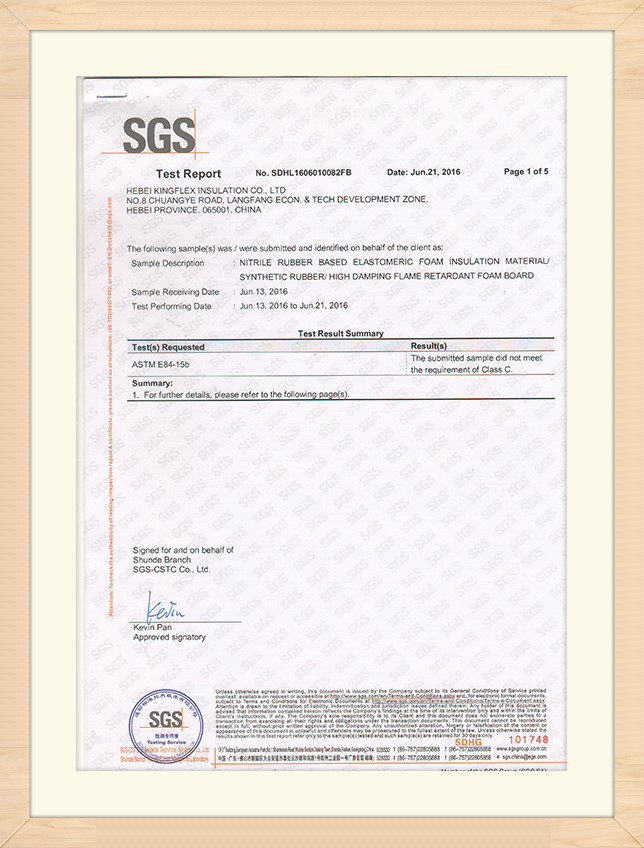
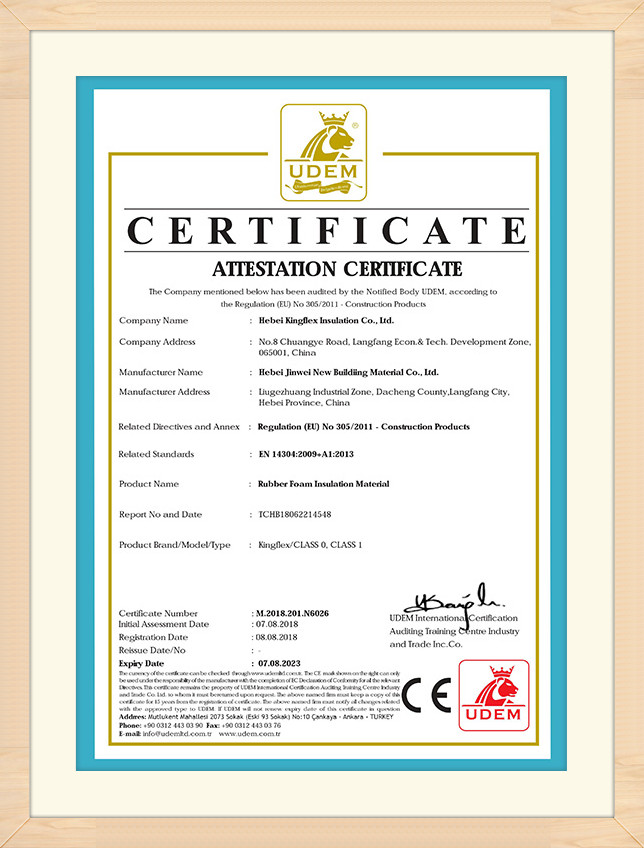
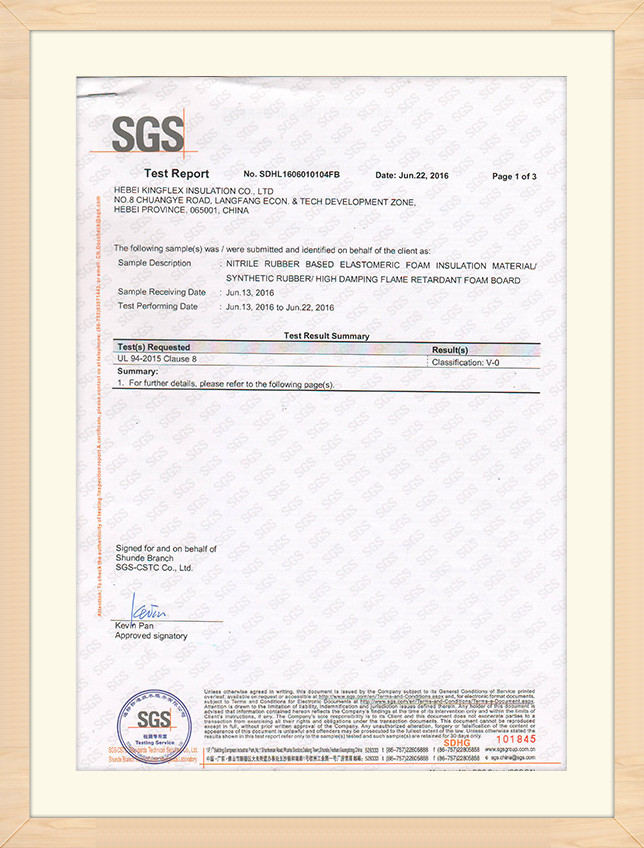
All Kingflex thermal insulation products undergo periodic verification at global testing institutes. We hold certifications ensuring compliance with BS 476, CE, REACH, ROHS, UL94, and ASTM. This guarantees that your shipments will bypass delays, import restrictions, or building inspection failures, ensuring total peace of mind for site compliance officers.
How our engineers match exact physical parameters with complex site demands around the world.
The Challenge: High ambient temperatures combined with extreme relative humidity lead to instant surface condensation, dripping onto ceiling tiles, and subsequent mold growth.
The Solution: Kingflex Closed-Cell Rubber Foam Pipe Insulation (9mm to 40mm thick). The high moisture resistance index (μ ≥ 10,000) prevents air infiltration and keeps the surface temperature above the dew point, ensuring reliable operation without additional vapor barrier jackets.
The Challenge: Process pipeline temperatures frequently surge above 150°C. Standard elastomeric materials degrades rapidly if exposed to such extreme heat.
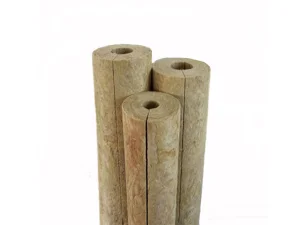
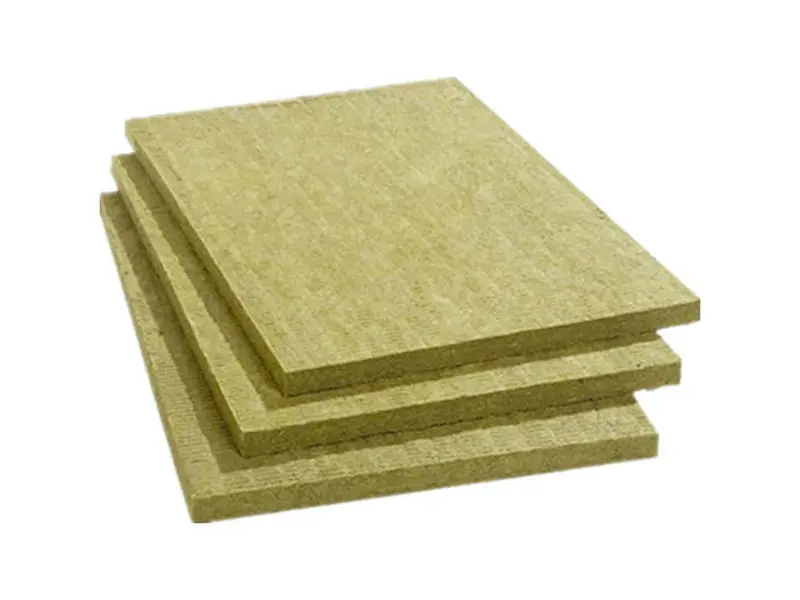
The Solution: Kingflex Pre-formed Rock Wool Thermal Insulation Pipe. Capable of resisting temperatures up to 650°C, it prevents energy loss, controls thermal radiation, and ensures operator safety in power plants and chemical processing towers.
A reference for global logistics, shipping container calculations, and sizing criteria.
Because raw material costs (nitrile polymer, foam additives) fluctuate, Kingflex updates its Pricelist monthly. To secure a high-accuracy quote, please provide: 1) Inner diameter and wall thickness, 2) Fire classification code needed for your territory (e.g., Class 0 or Class 1), 3) Total volume in cubic meters or linear meters, and 4) Port of destination for customized FOB/CIF pricing.
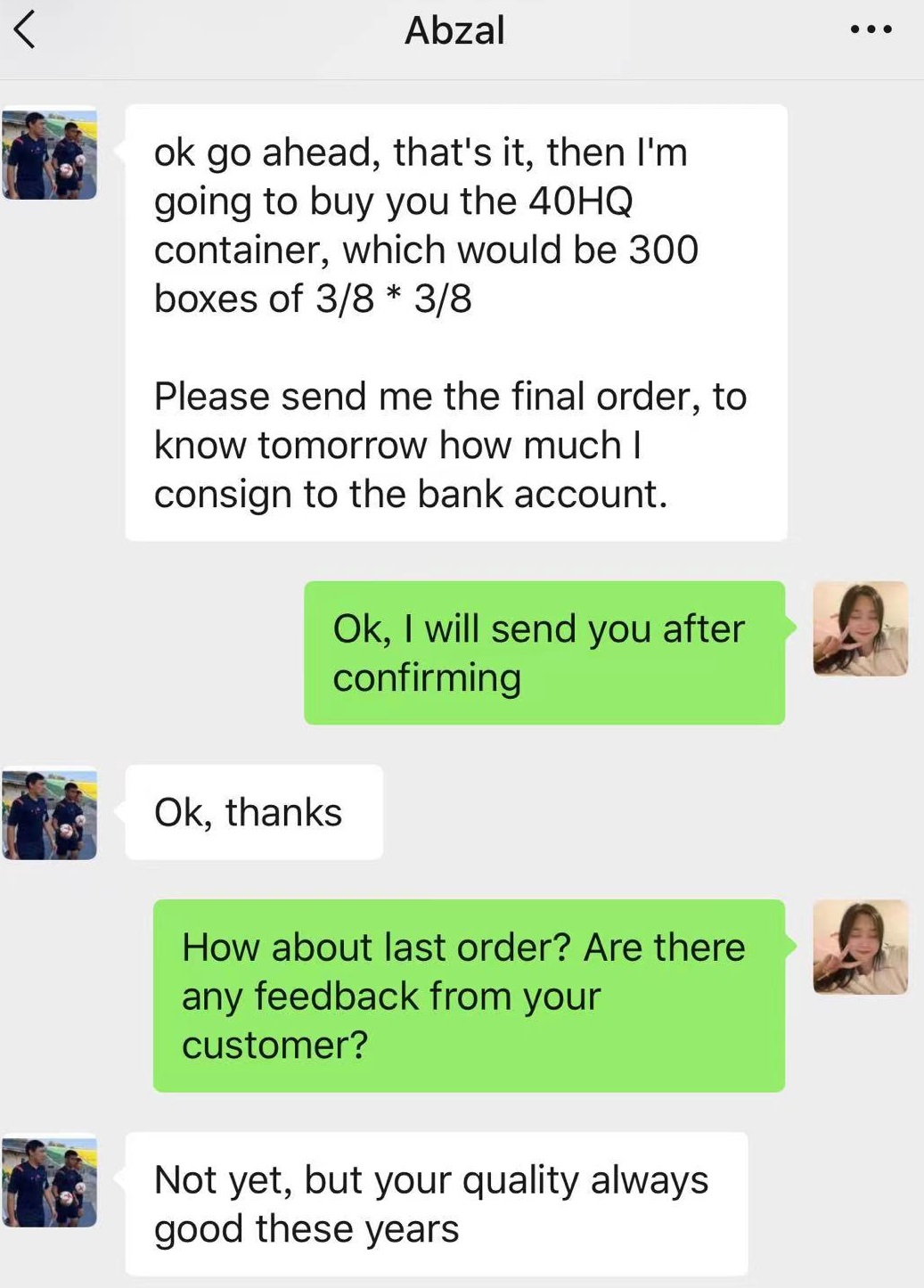
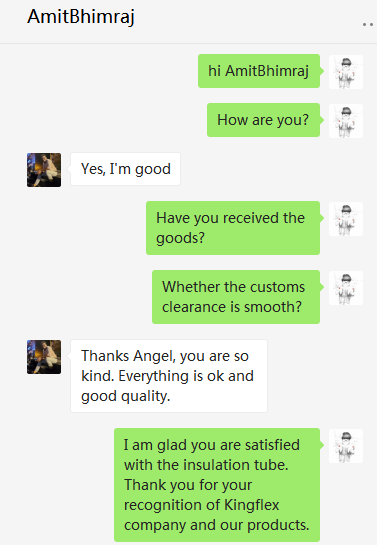
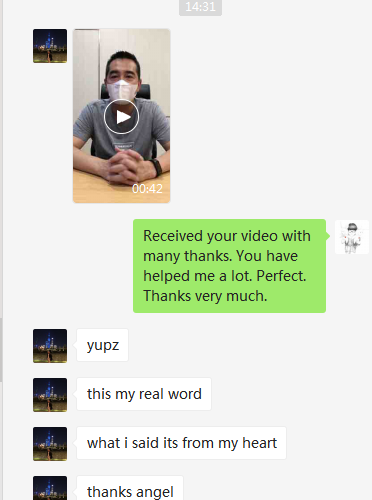
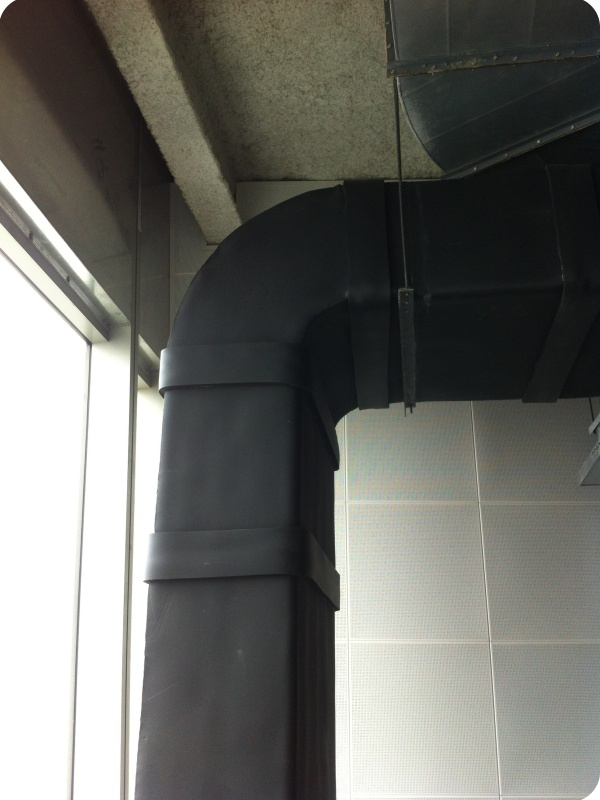
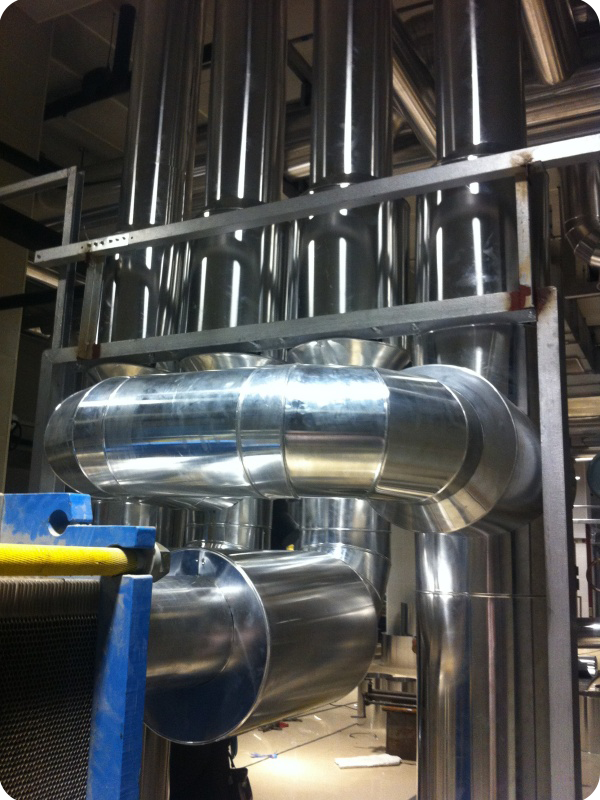
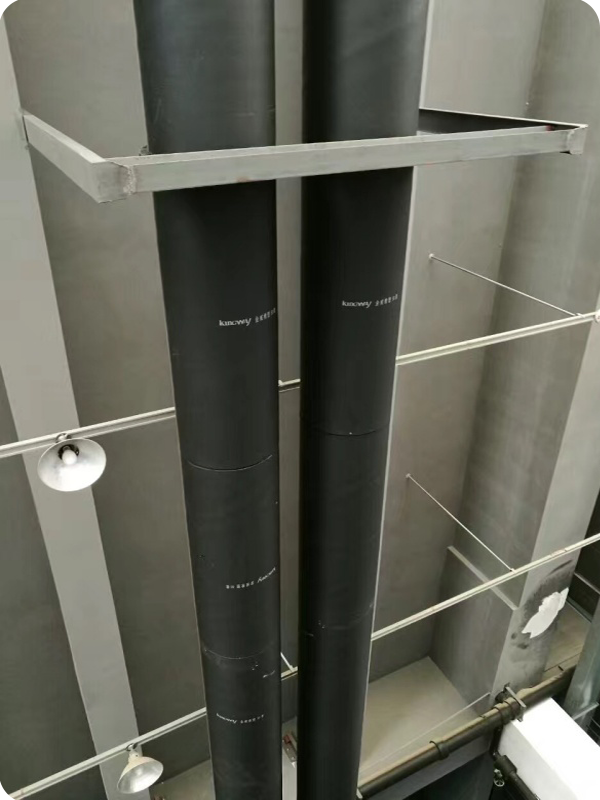
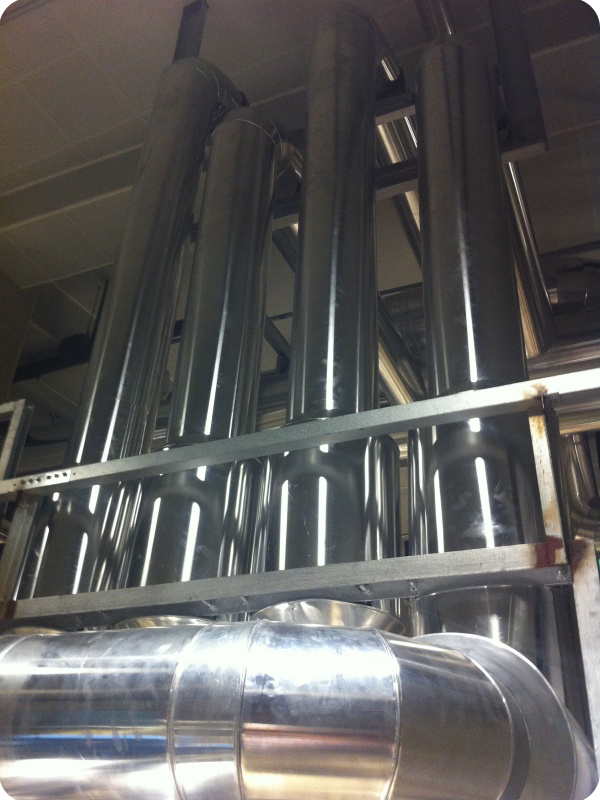
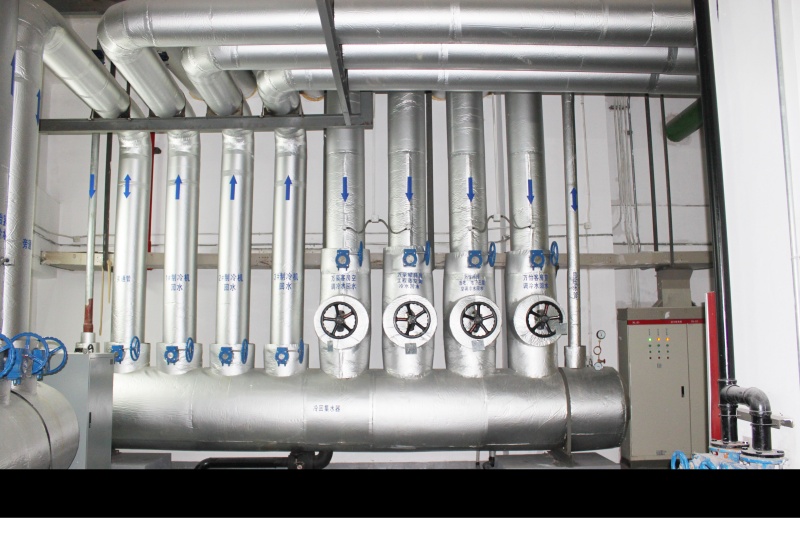
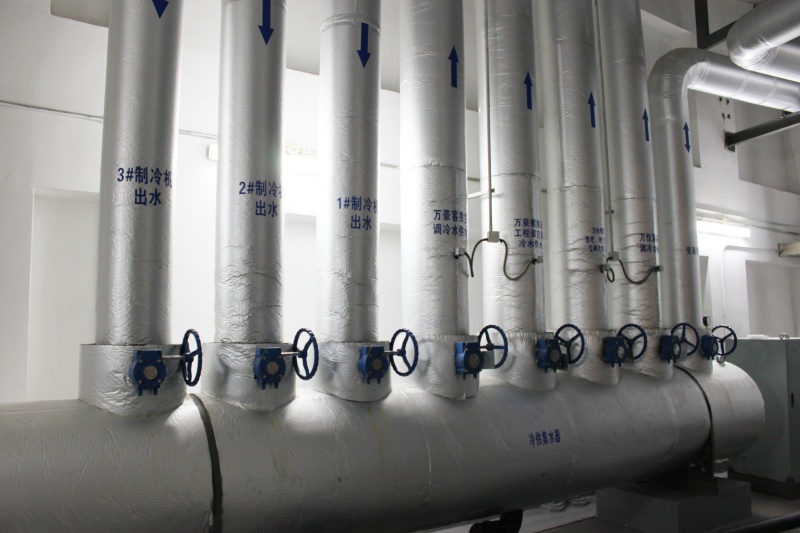
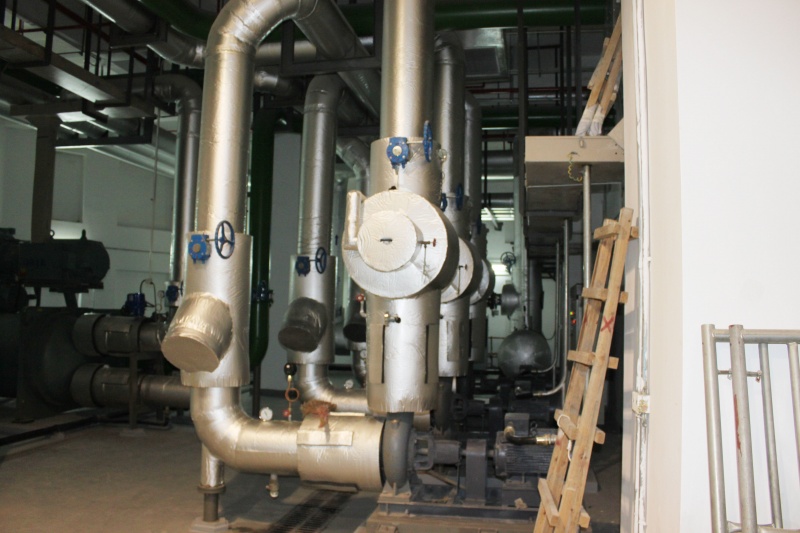
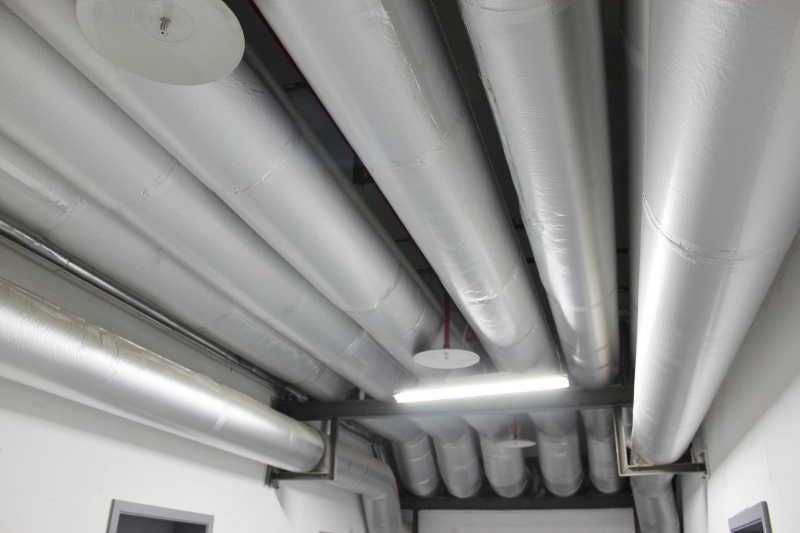
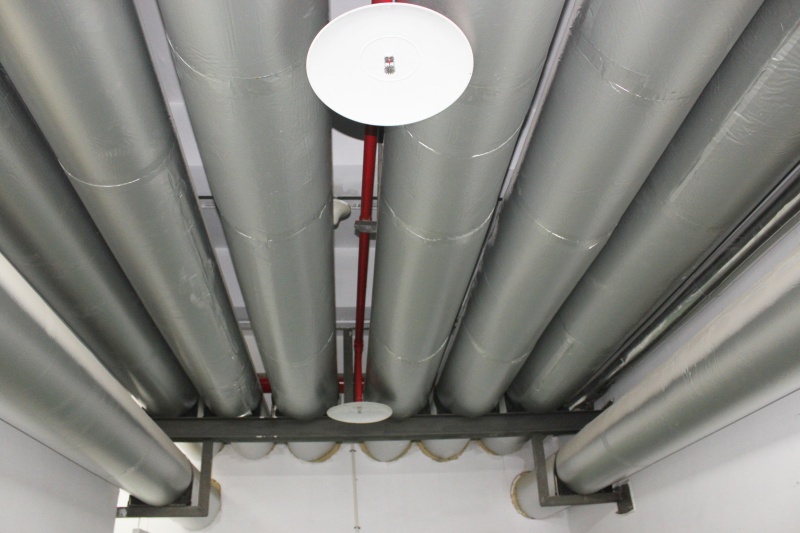
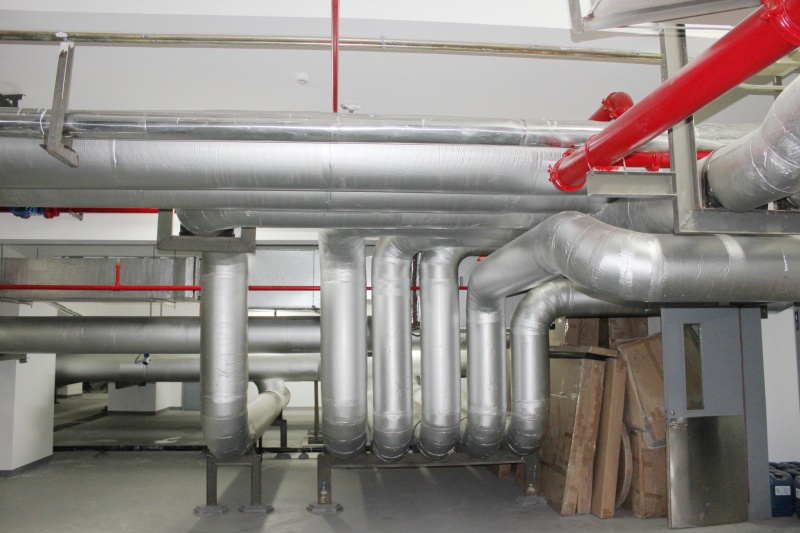
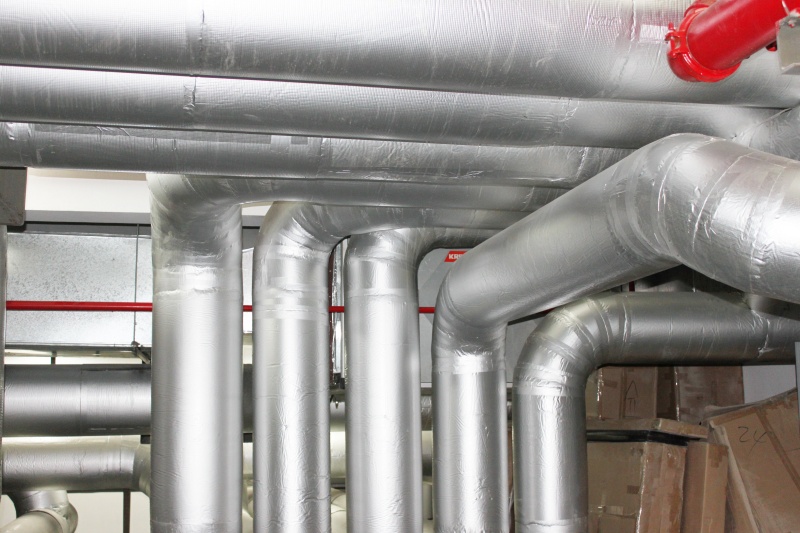
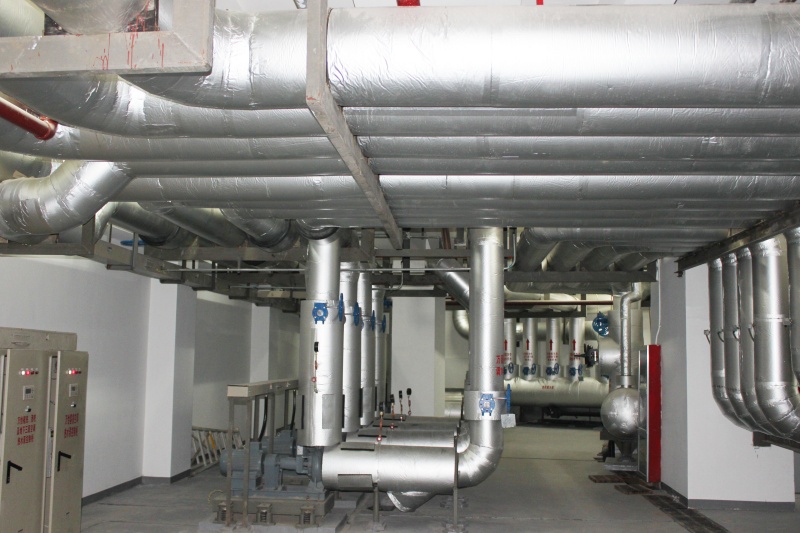
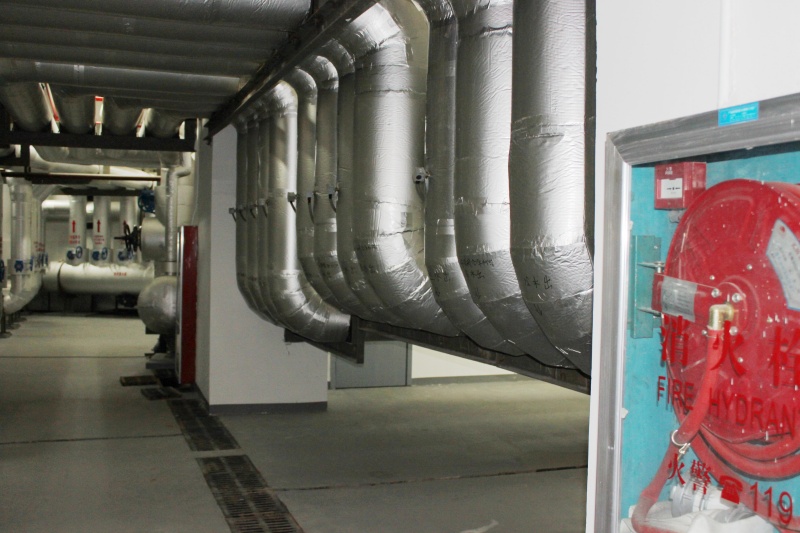
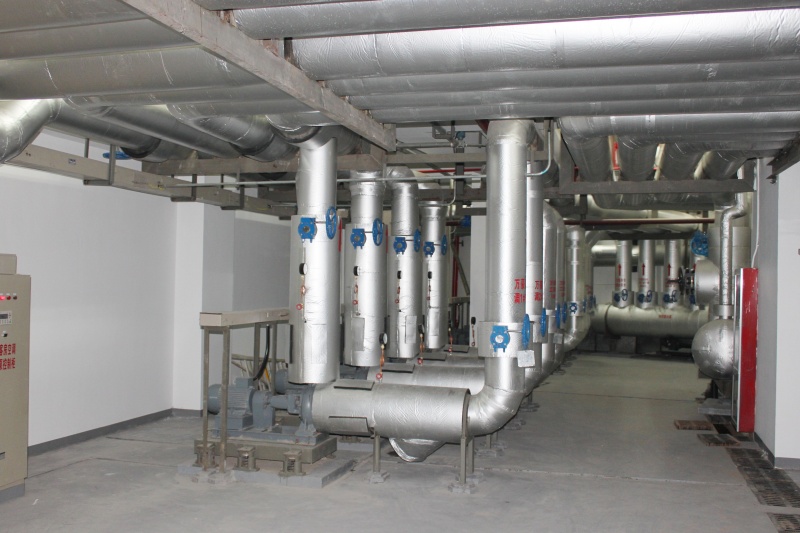
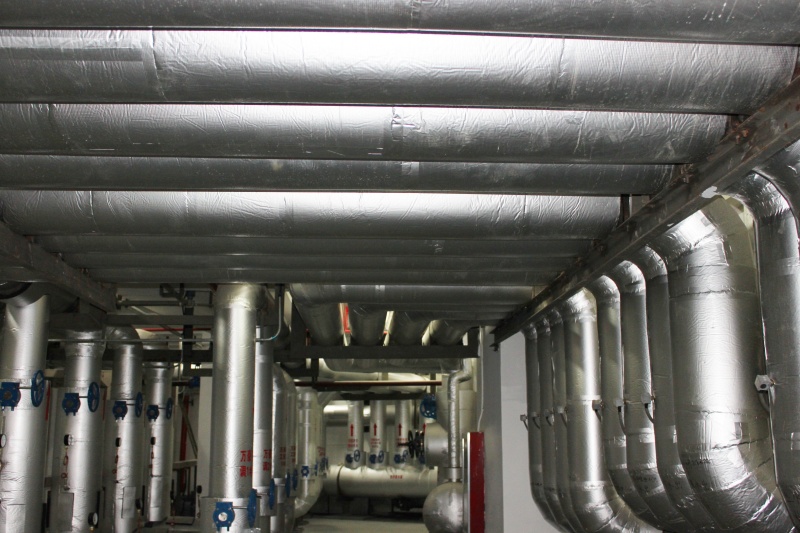
Transparency in action. Real chat screenshots with global buyers and actual photos from key logistics pipelines.



Detailed technical and operational answers to common questions asked by HVAC engineers, estimators, and global sourcing agents.
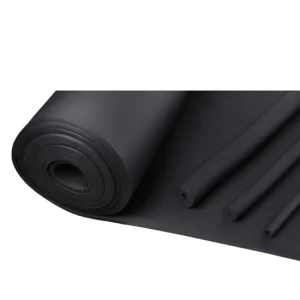
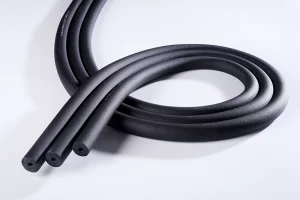
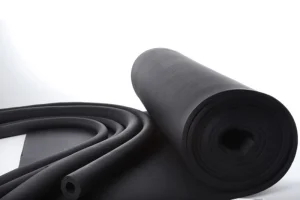
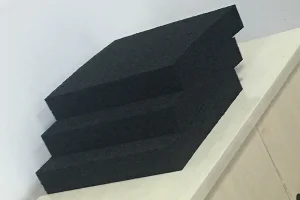
Browse our extensive catalog of rubber foam tubes, boards, blankets, and specialized cryogenic line wraps.
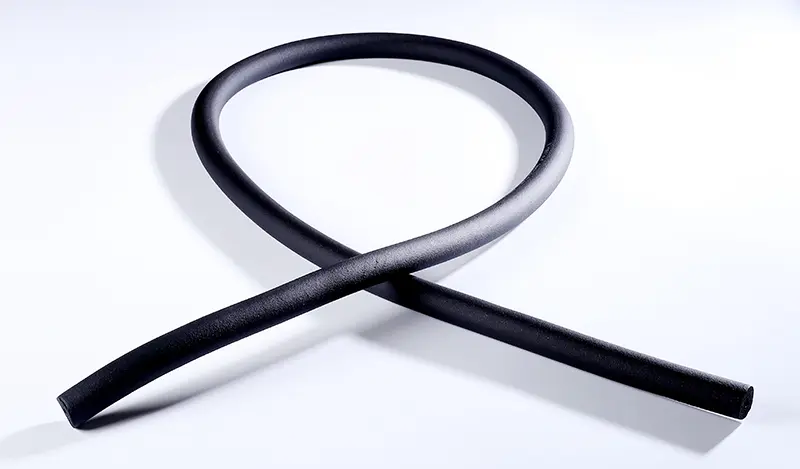
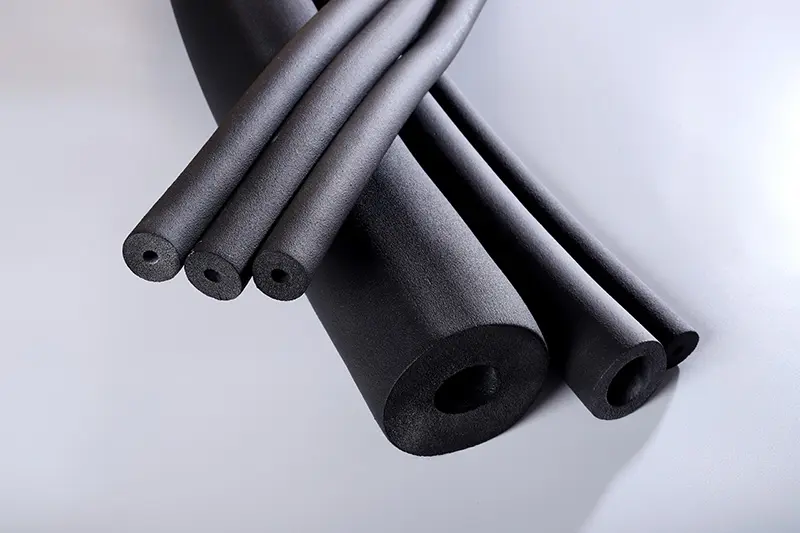

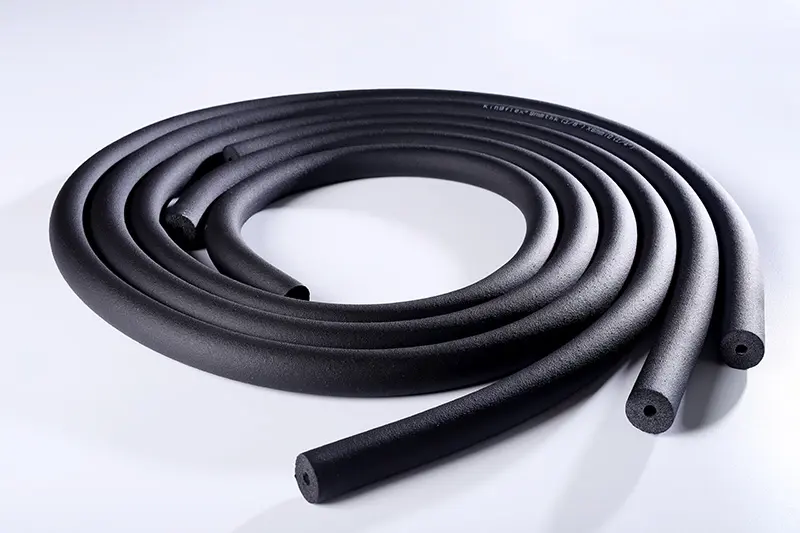
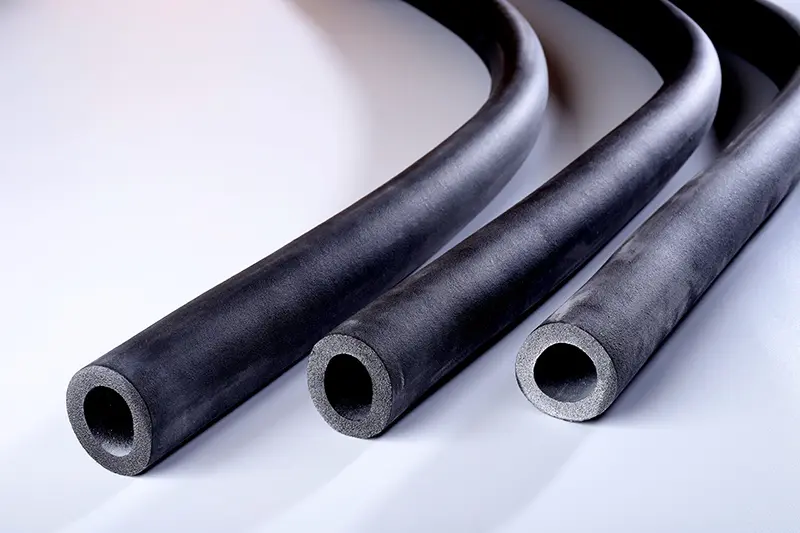
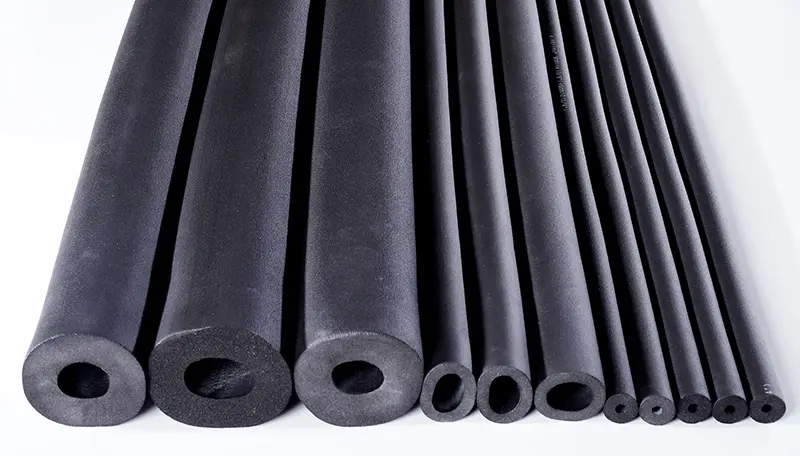
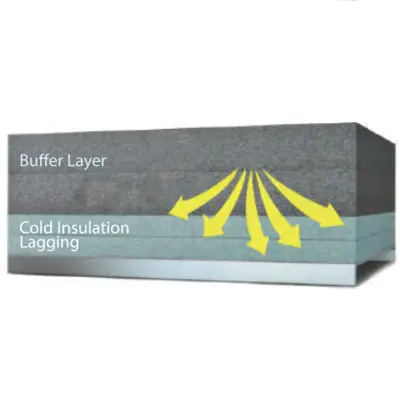
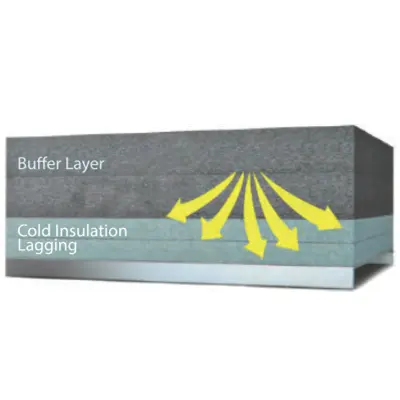
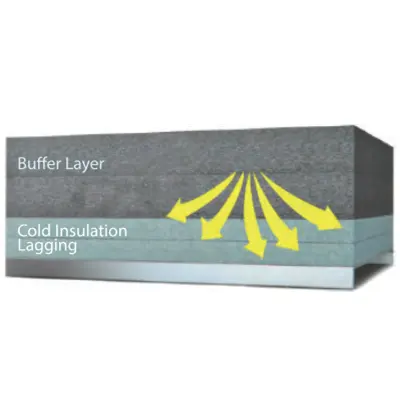




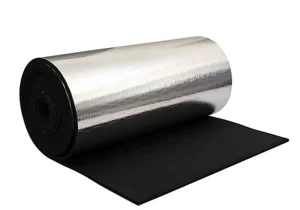
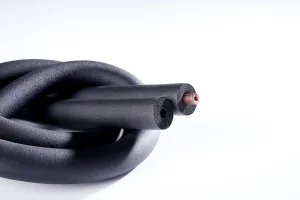
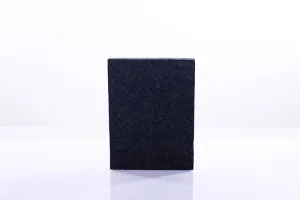
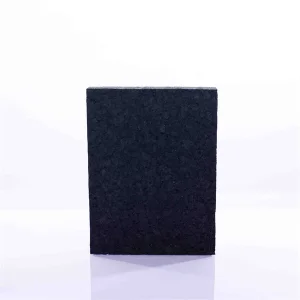
Premium flexible cryogenic sheets, nitrile tubes, aluminum clad rolls, and sound-absorbing open-cell materials.