 Kingflex
Kingflex
Kingflex
Our insulation systems are structurally designed to align directly with the criteria of the German Green Building Association (DGNB - Deutsche Gesellschaft für Nachhaltiges Bauen), ensuring compliance with European ecological, economic, and socio-cultural criteria.
Featuring a closed-cell structural ratio exceeding 98%, our products limit moisture ingress, maintaining low thermal conductivity values ($\lambda \le 0.034$ W/(m·K) at 0°C) over multi-decade cycles.
Free of halogenated compounds, formaldehyde, and heavy metals. Certified by RoHS and REACH to support indoor environmental quality (IEQ) requirements.
Modern commercial architecture demands building materials that actively contribute to the reduction of operational carbon footprints. Thermal insulation is no longer merely a passive thermal barrier; it has evolved into a key element of dynamic building systems.
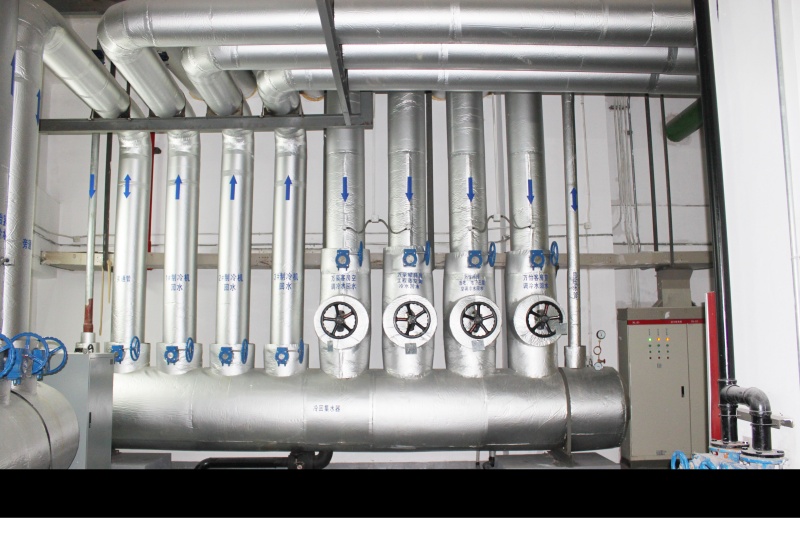
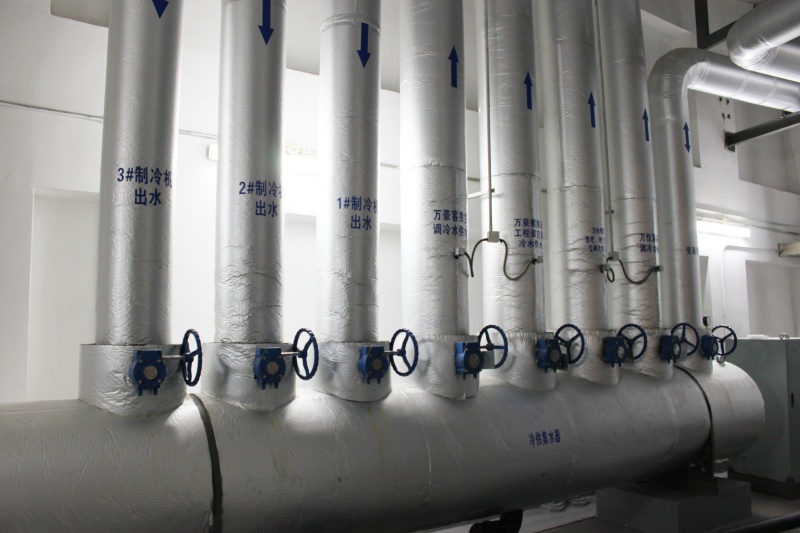
By preventing condensation on chilled water pipes and managing heat transfer rates in high-velocity HVAC ducts, Kingflex elastomeric systems protect structures from mold development, preserve building integrity, and lower energy usage.
Through our long-term supply relationships, we provide consulting, custom dimensioning, and testing verification documentation designed to satisfy the rigorous audit standards of the German Green Building Association (DGNB) and other international frameworks like LEED and BREEAM.
European design specifications call for strict validation parameters. Our specialized closed-cell rubber materials are tested under DIN EN standards, assuring project managers of compliance with European fire performance classifications, thermal performance levels, and health criteria.
| Regulatory Reference / Body | Standard & Parameter | Kingflex Compliance Metric | DGNB Application Relevance |
|---|---|---|---|
| DIN EN 13501-1 | Fire Classification of Construction Products | Class B-s3, d0 / Class O (BS 476 Part 6 & 7) | Flame retardant, low smoke toxicity and zero flaming droplets in vertical shafts. |
| DIN EN ISO 13787 | Thermal Conductivity vs Temperature | $\lambda \le 0.034$ W/(m·K) at 0°C | Optimizes energy performance ratings within Lifecycle Assessment (LCA) models. |
| DIN EN 12086 | Water Vapor Diffusion Resistance | $\mu \ge 10,000$ (Closed-cell membrane barrier) | Eliminates external vapor barriers, preventing thermal degradation from moisture. |
| REACH & RoHS | Chemical Substance Limits (SVHC) | 0% SVHC content, halogen-free, asbestos-free | Aligns with ecological safety requirements, supporting credits for low-emission interiors. |
The DGNB framework places significant weight on the Life Cycle Assessment (LCA) of building elements. Our manufacturing facilities utilize a thermal curing system that lowers overall embodied energy. Because our NBR/PVC elastomeric formulations offer a service life of 10 to 15 years without substantial structural degradation, they help reduce the frequency of material replacements, lowering the building's lifecycle carbon footprint.
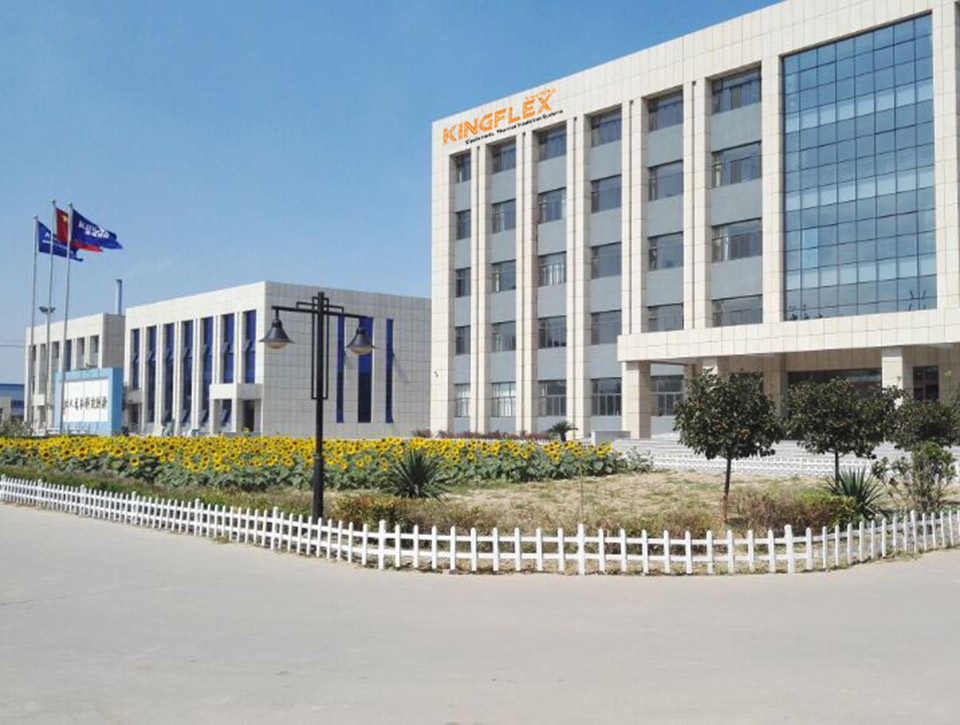
Kingflex Insulation Co., Ltd. is a leading manufacturer and trader specializing in high-performance thermal insulation systems. Located in the Dacheng green-building materials manufacturing zone in Hebei, China, our facilities occupy a key position in the regional supply chain network.
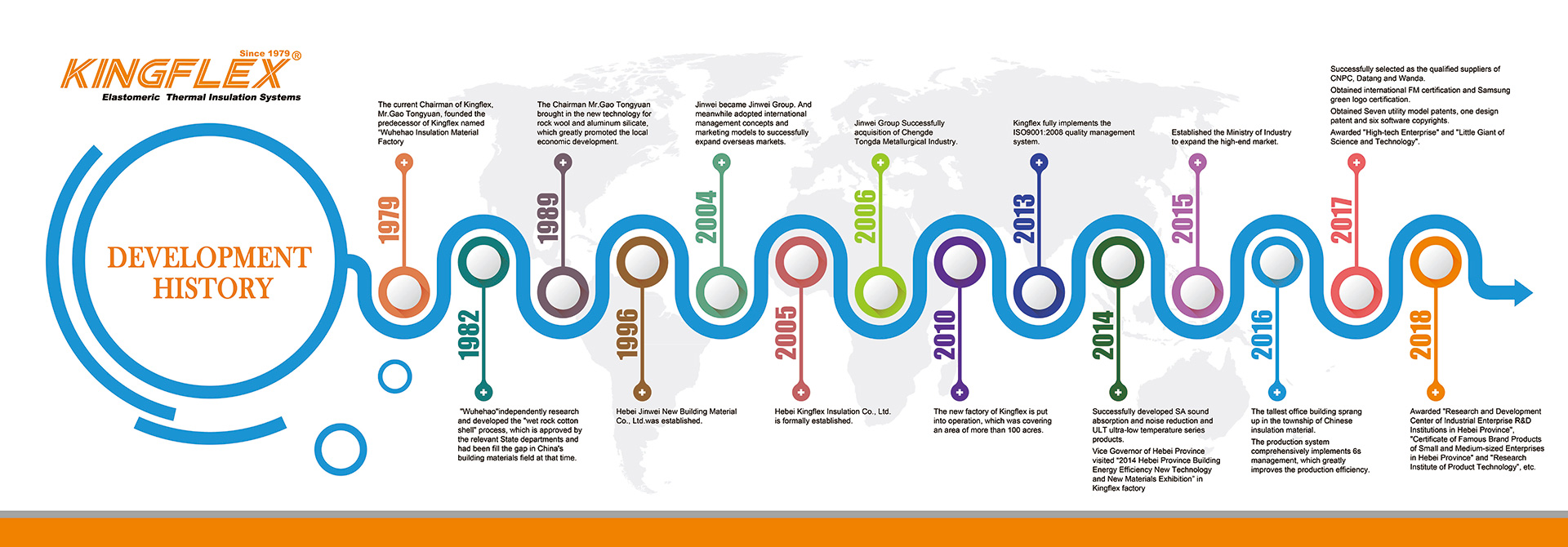
Backed by the Jinwei Group, which has a manufacturing history dating back to 1979 as a pioneer of thermal insulation northern region, Kingflex blends decades of production experience with advanced technology.
Our operations focus on energy conservation, integrated supply chain practices, and strict quality control protocols, offering international buyers reliability from production to delivery.
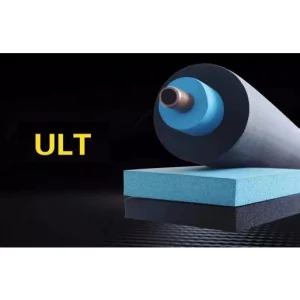
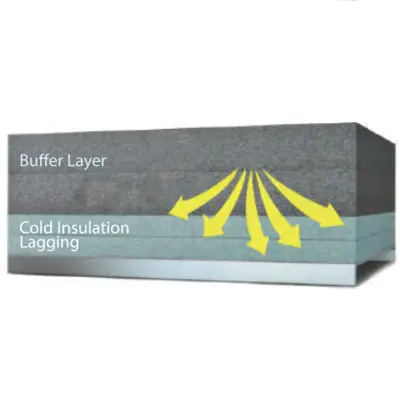
Ultra-low temperature systems (from -200°C to -40°C) require highly specialized insulation to prevent liquid migration and thermal stress fractures. Our Dolefin flexible cryogenic insulation is formulated for large-scale LNG storage tanks, terminals, and transport piping systems, providing mechanical resilience and constant thermal barrier properties.
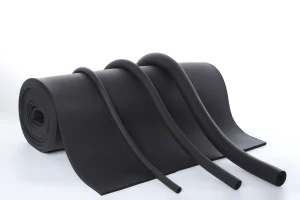
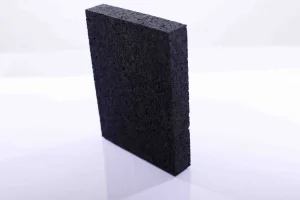
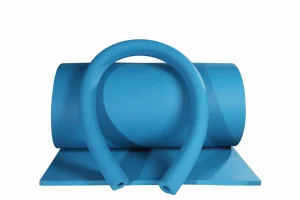
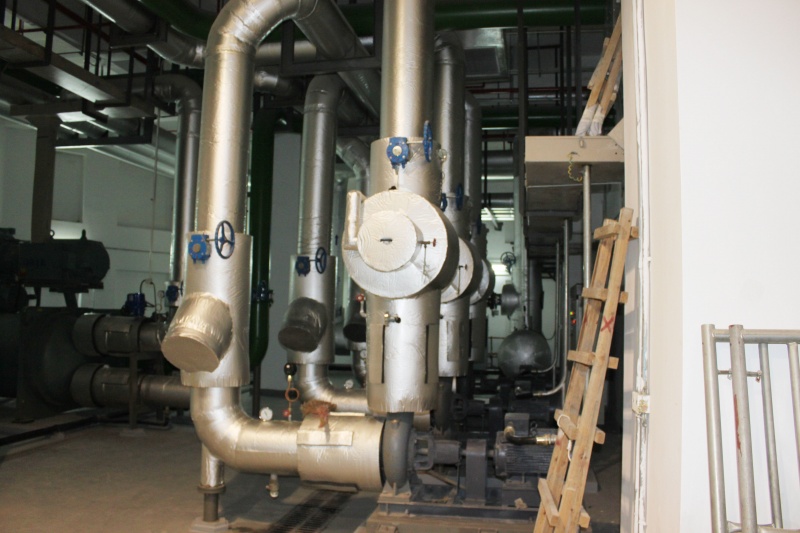
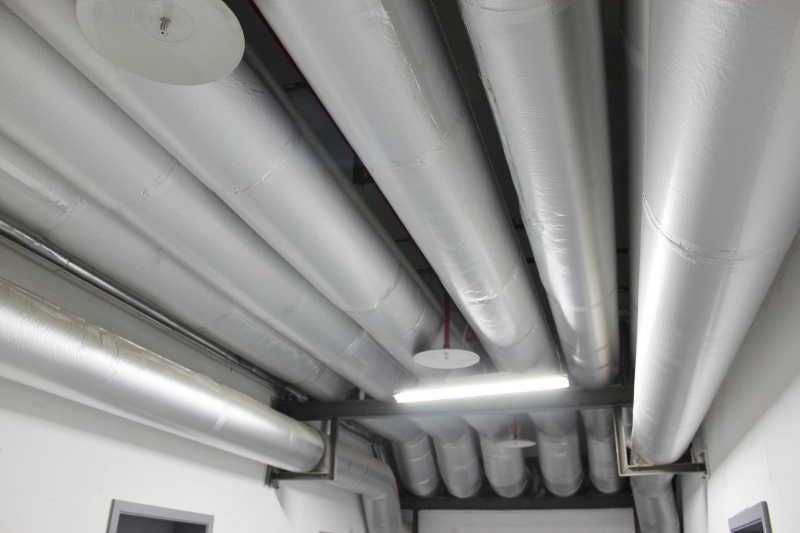
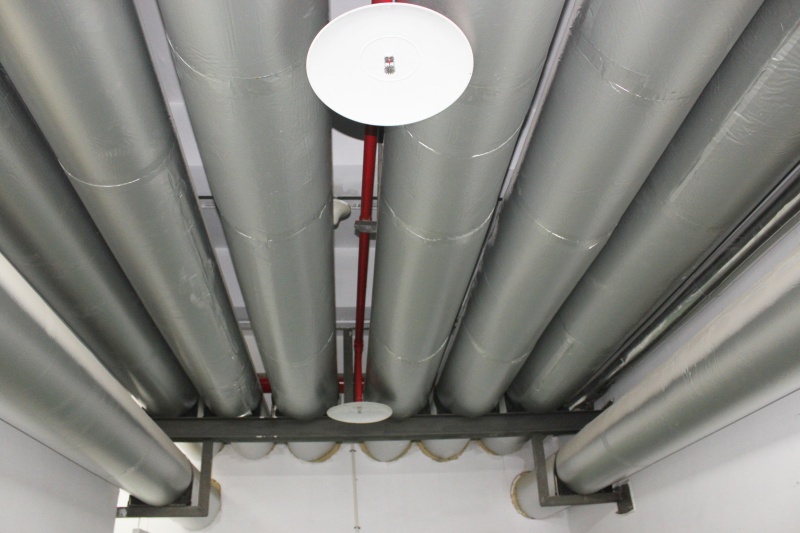
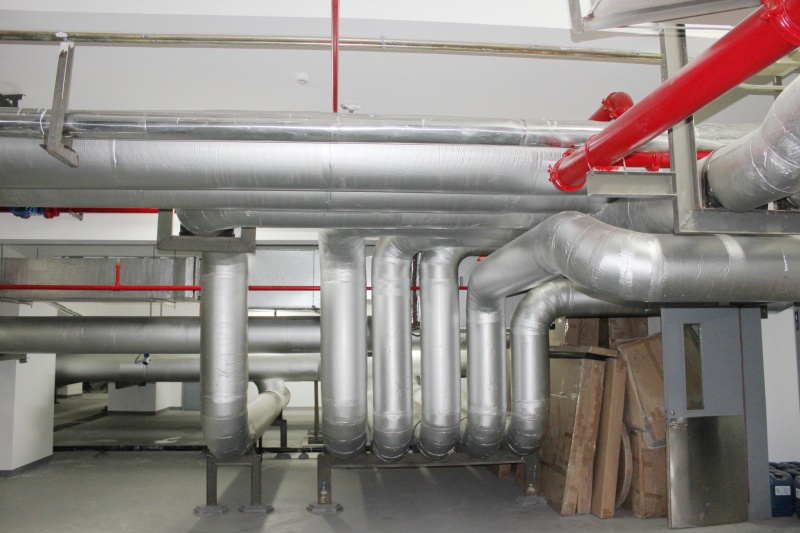
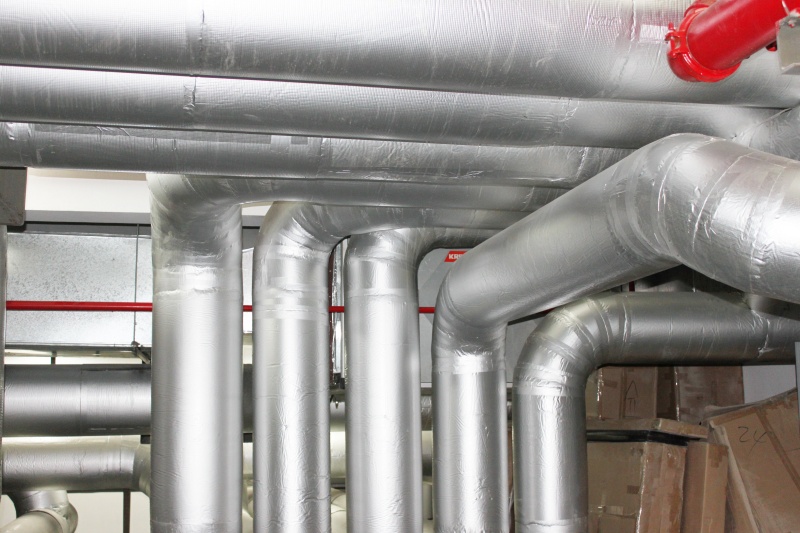
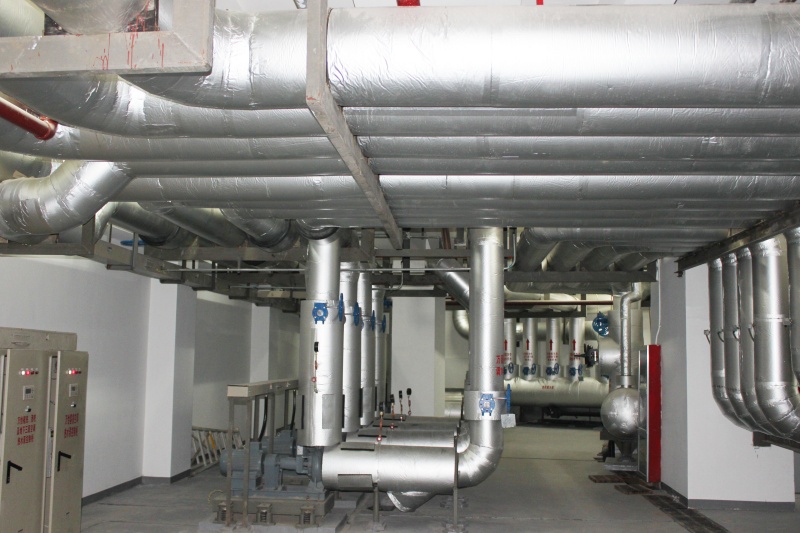
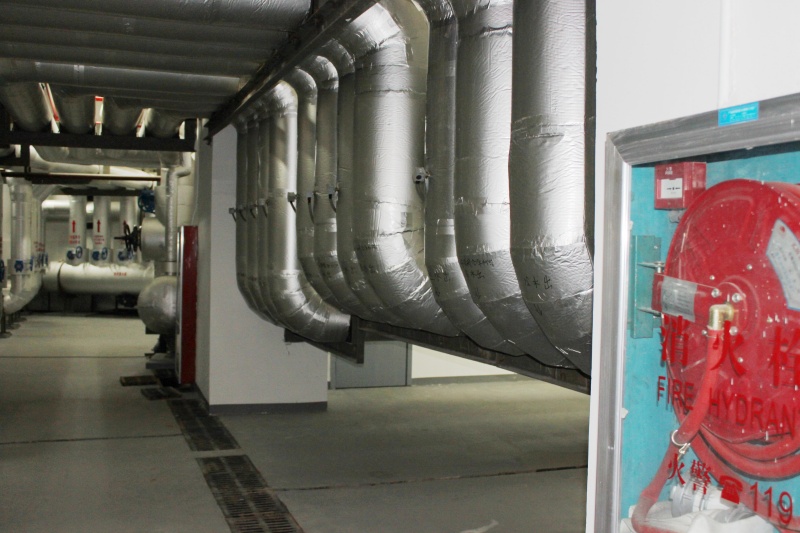
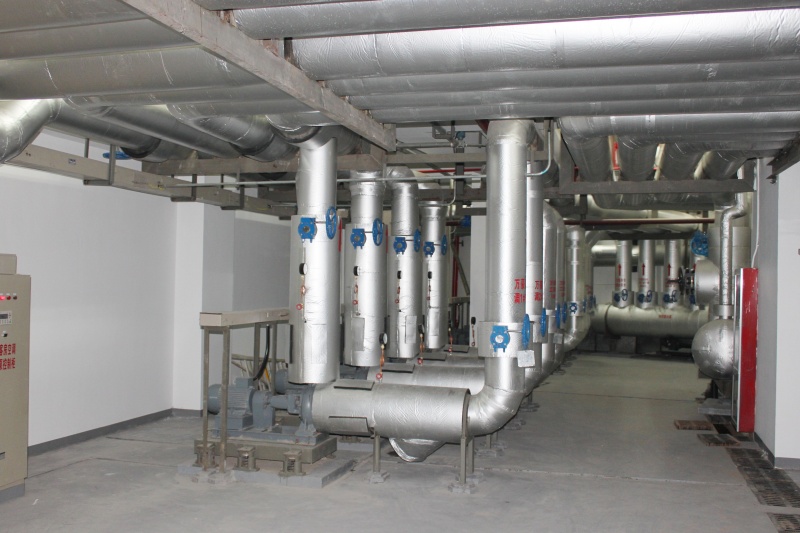
Condensation control is essential in modern HVAC designs. Kingflex NBR/PVC elastomeric foam sheets and tubes provide reliable thermal resistance, preventing energy loss in central air conditioning chilled/hot water networks and commercial ventilation ducts, while also helping to manage acoustic transmission.
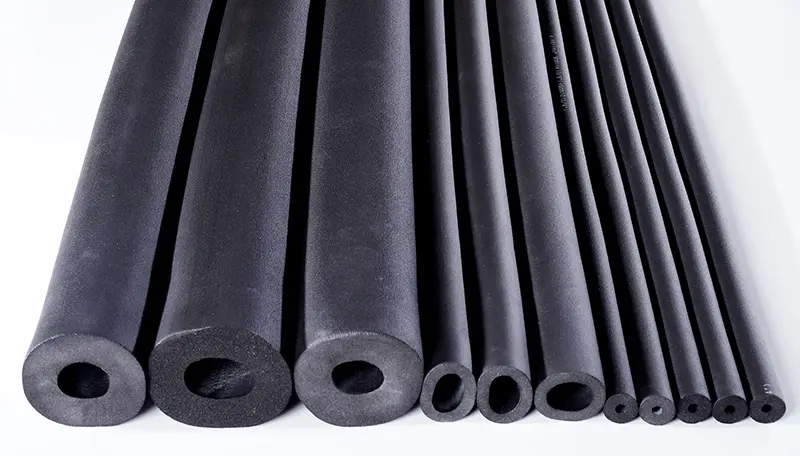
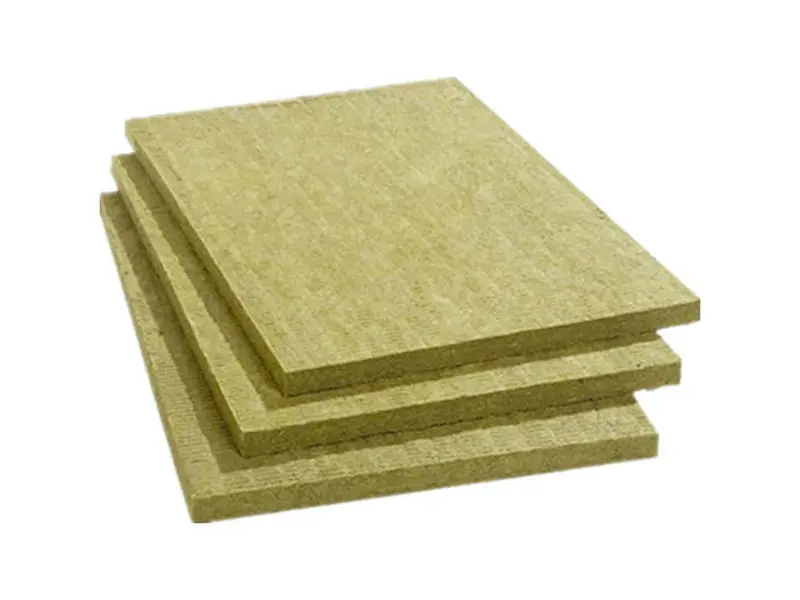
Our heavy-duty rubber foam tubes and rock wool blankets are designed for harsh chemical processing environments, hot water circuits, and thermal storage vessels. They offer high corrosion resistance, flame retardance, and long service life under fluctuating temperatures (-40°C to 105°C for rubber; up to 650°C for rock wool).

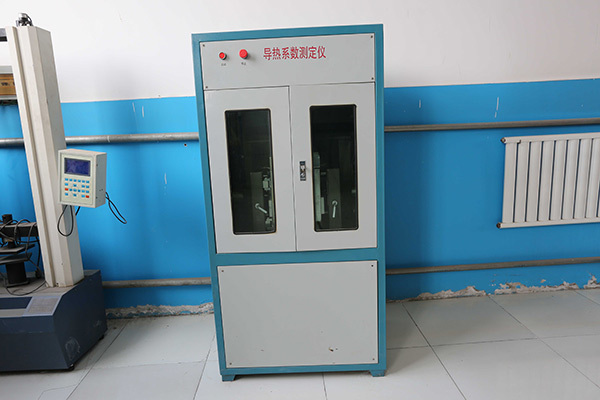
Our technical capabilities are supported by a dedicated research and development team, focusing on material performance and structural design. We understand that green building materials must deliver verified, predictable thermodynamic performance.
The Kingflex R&D department employs 8 specialized materials engineers who work to refine NBR/PVC foaming processes, increase closed-cell ratios, and improve flame retardancy profiles.
Additionally, our 6 international sales consultants help clients select the right configurations, navigate customs and certifications, and coordinates delivery schedules for complex global logistics.
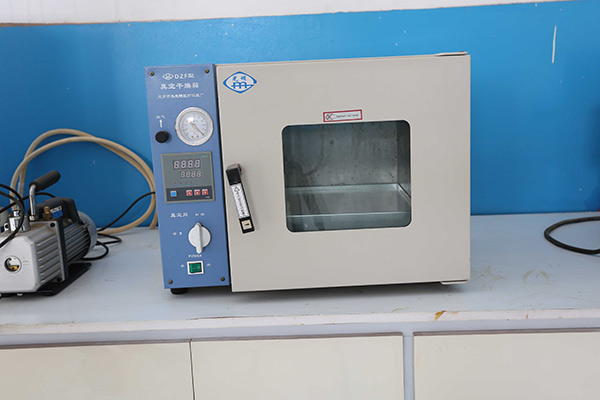
All production batches undergo verification testing for density profile, thermal conductivity, water vapor transmission rate, and smoke density in our laboratory before dispatch.
To support global supply chains and meet regulatory standards in Europe, the Americas, and APAC, Kingflex maintains certifications from recognized testing agencies. These certifications confirm that our products meet established safety, environmental, and thermal criteria.
Each delivery includes comprehensive batch documentation, providing material traceability from chemical blending to the final product. This documentation supports DGNB auditors and LEED assessors in certifying building projects.
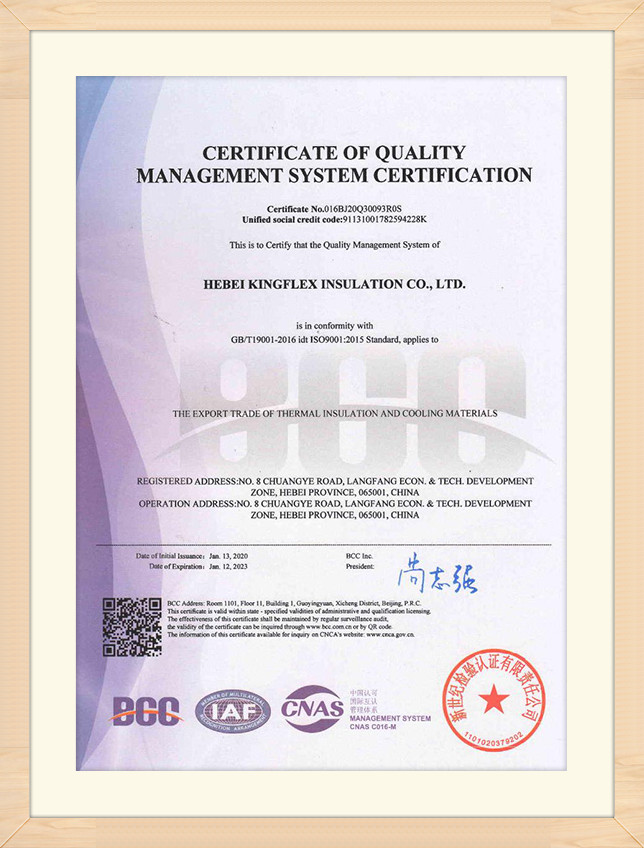
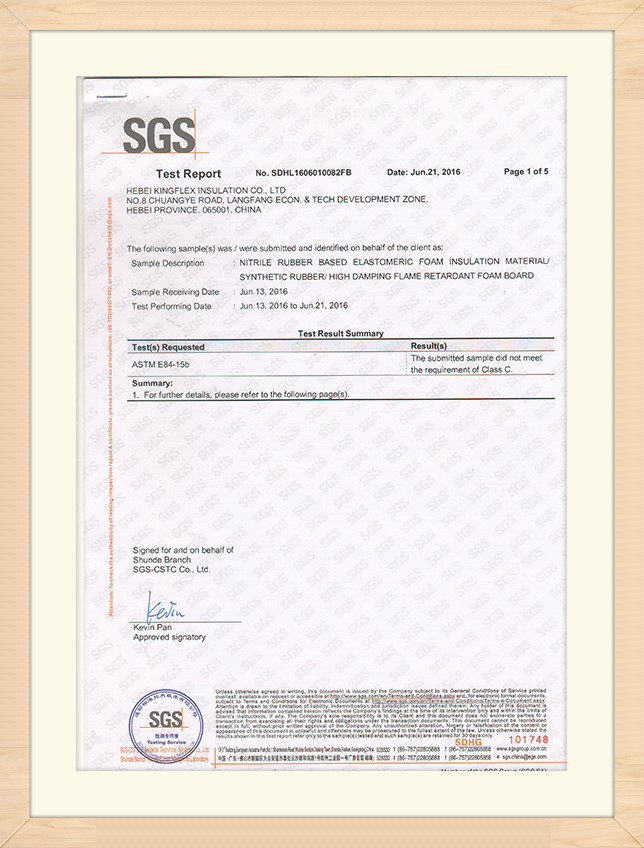
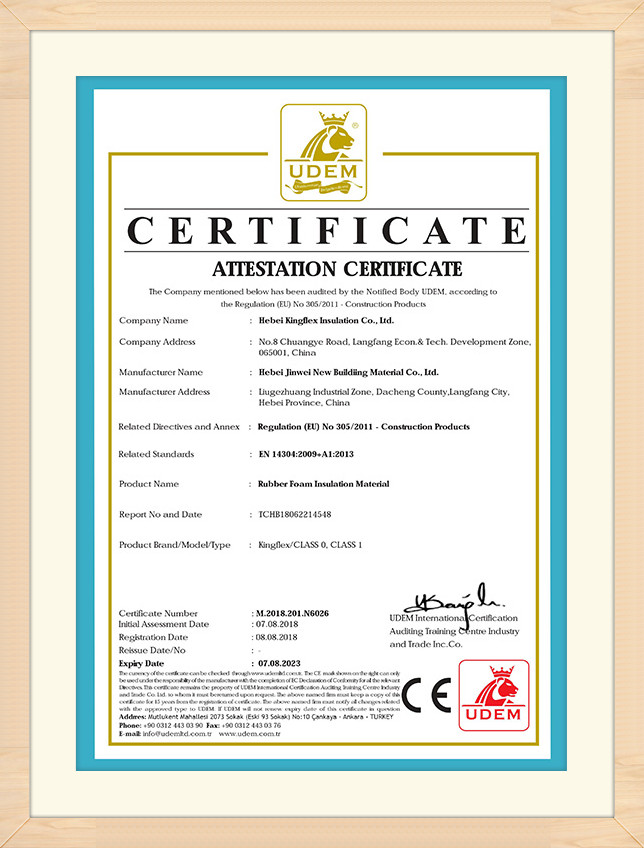
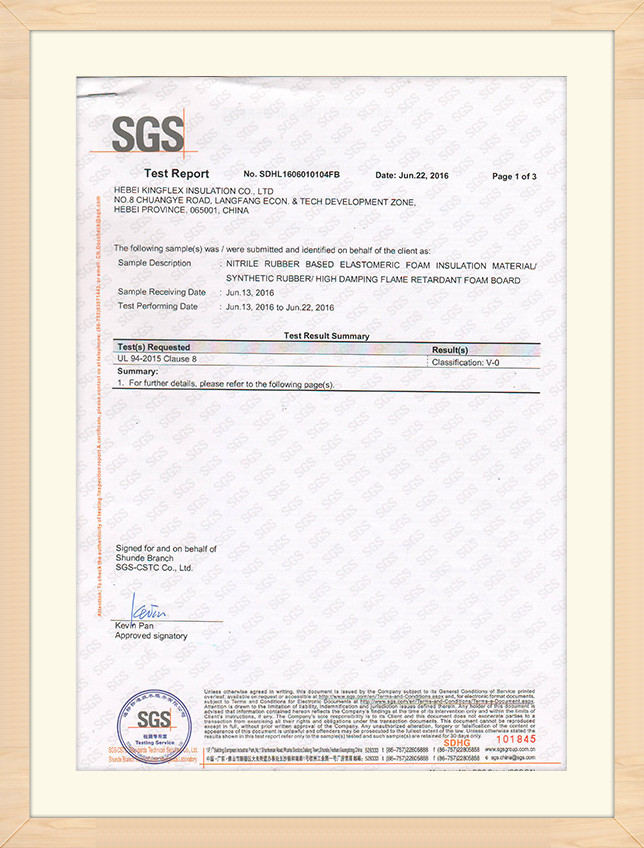
From commercial high-rises to industrial cryogenic facilities, Kingflex materials are used to improve energy efficiency, control condensation, and manage structural noise.
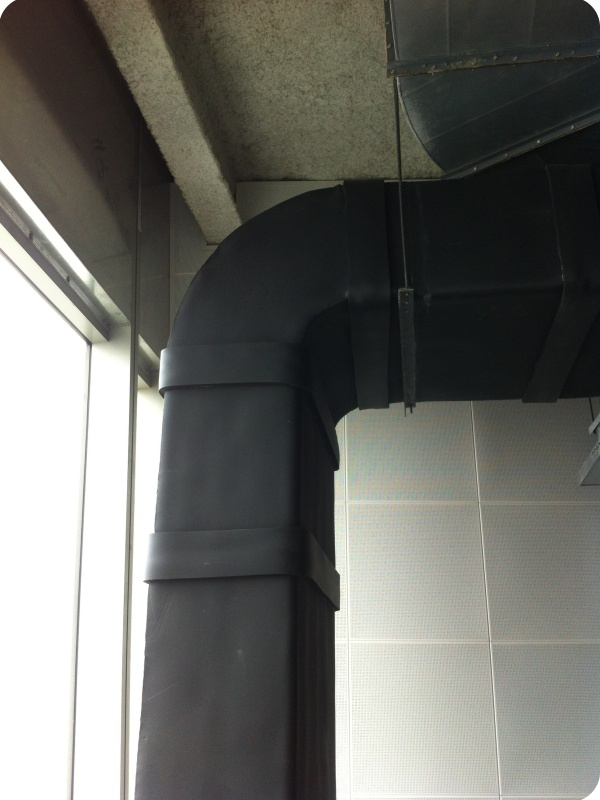
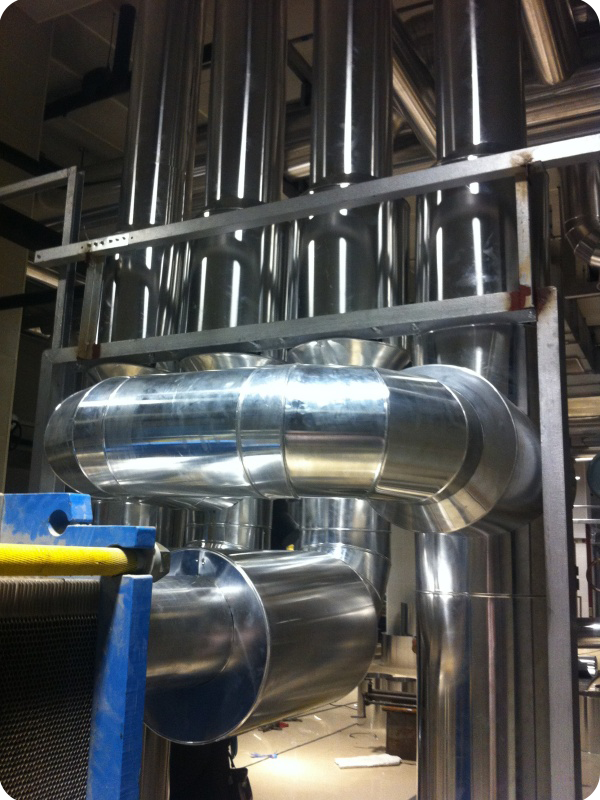
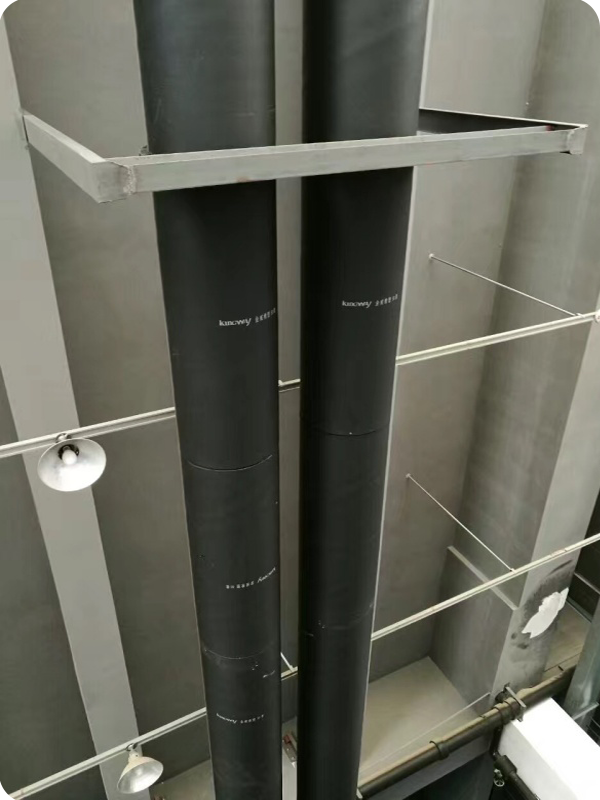
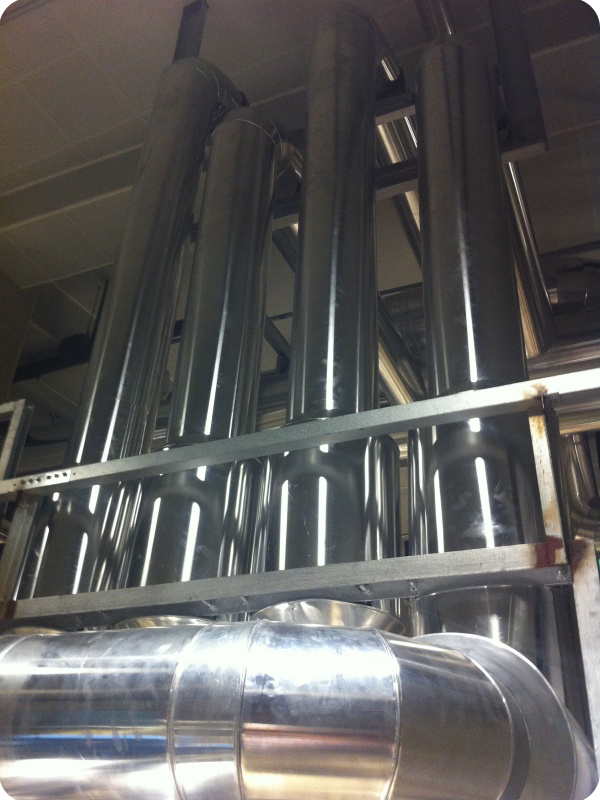
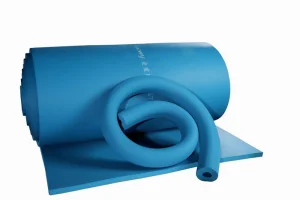
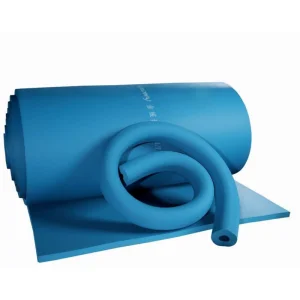
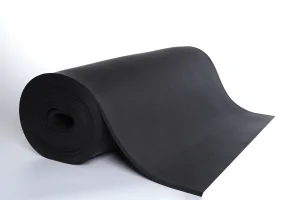
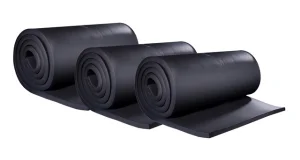
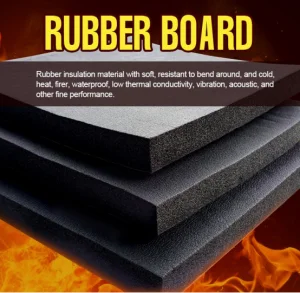
Technical Profile: Engineered for larger surface areas, air ducts, storage tanks, and large-diameter pipes. The homogeneous cell structure provides stable thermal performance, while the material's flexibility makes it easy to install around complex contours.
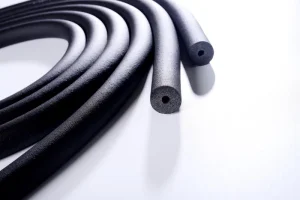
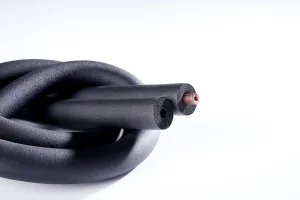
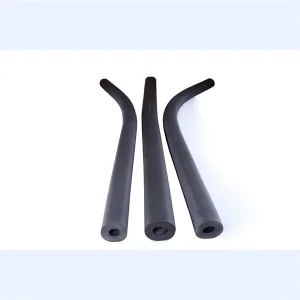
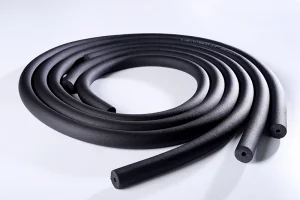
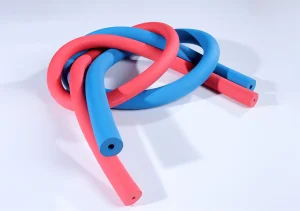
Technical Profile: Extruded elastomeric piping designed for quick installation on copper tubes, iron pipes, and PPR lines. The inner skin is formulated to slide easily onto pipes, helping to reduce installation times on large construction projects.
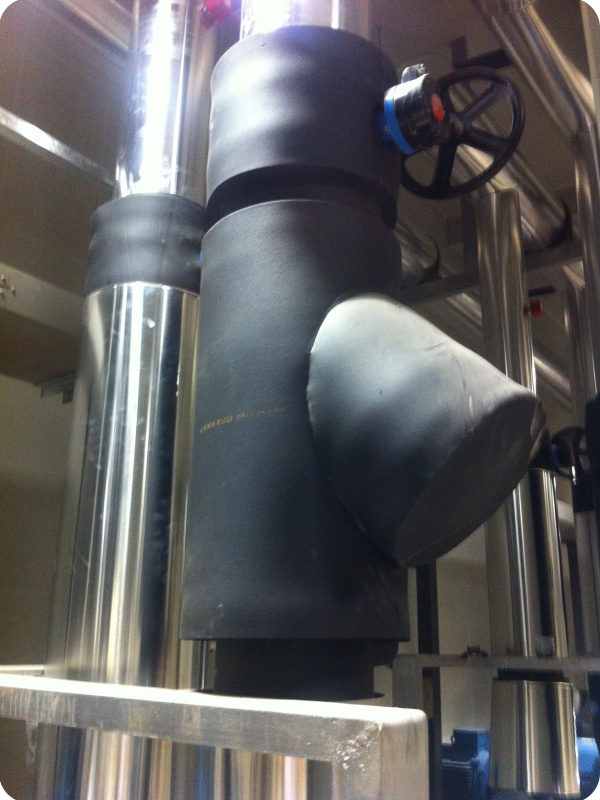
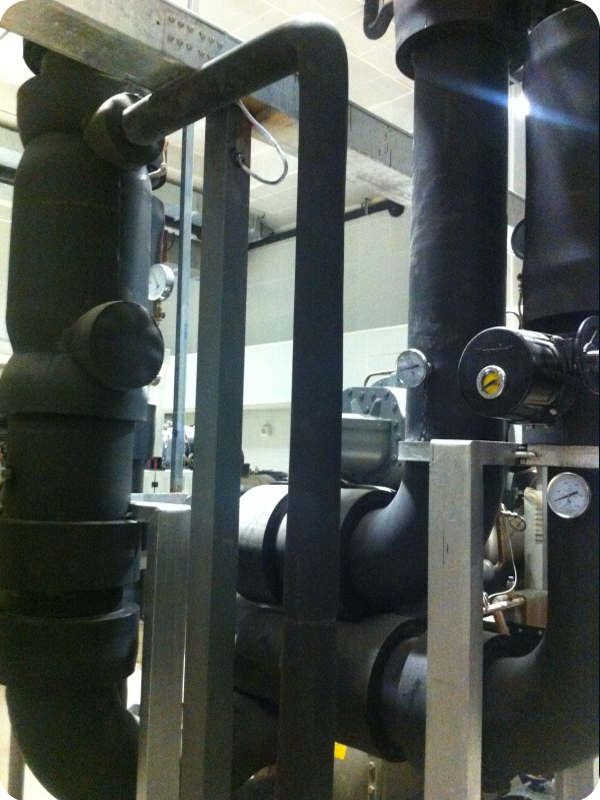
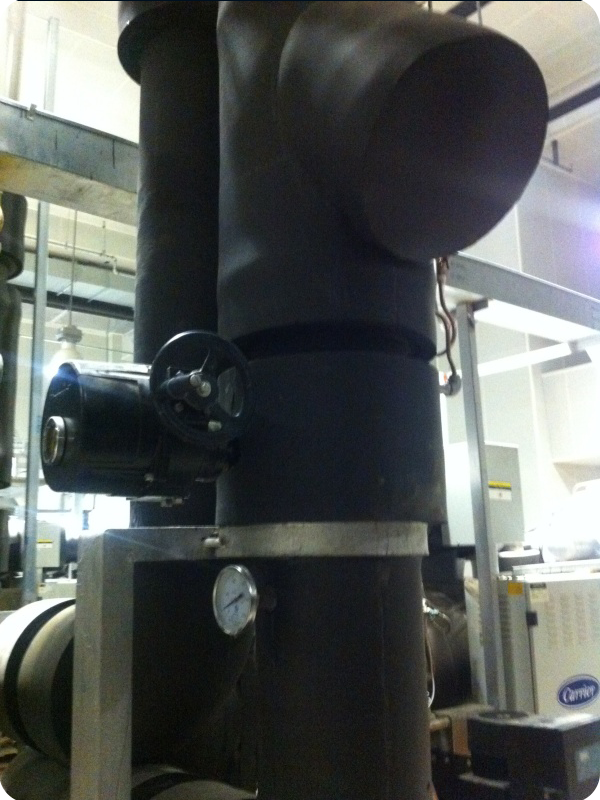
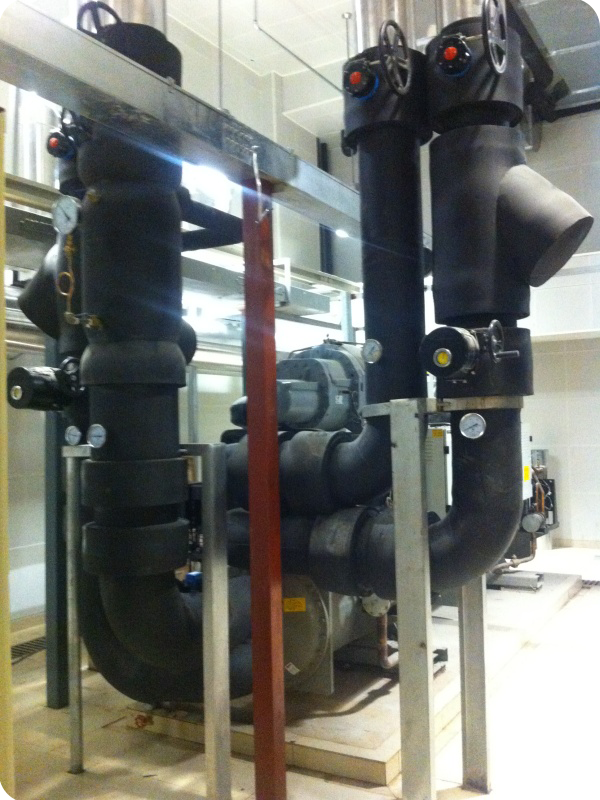
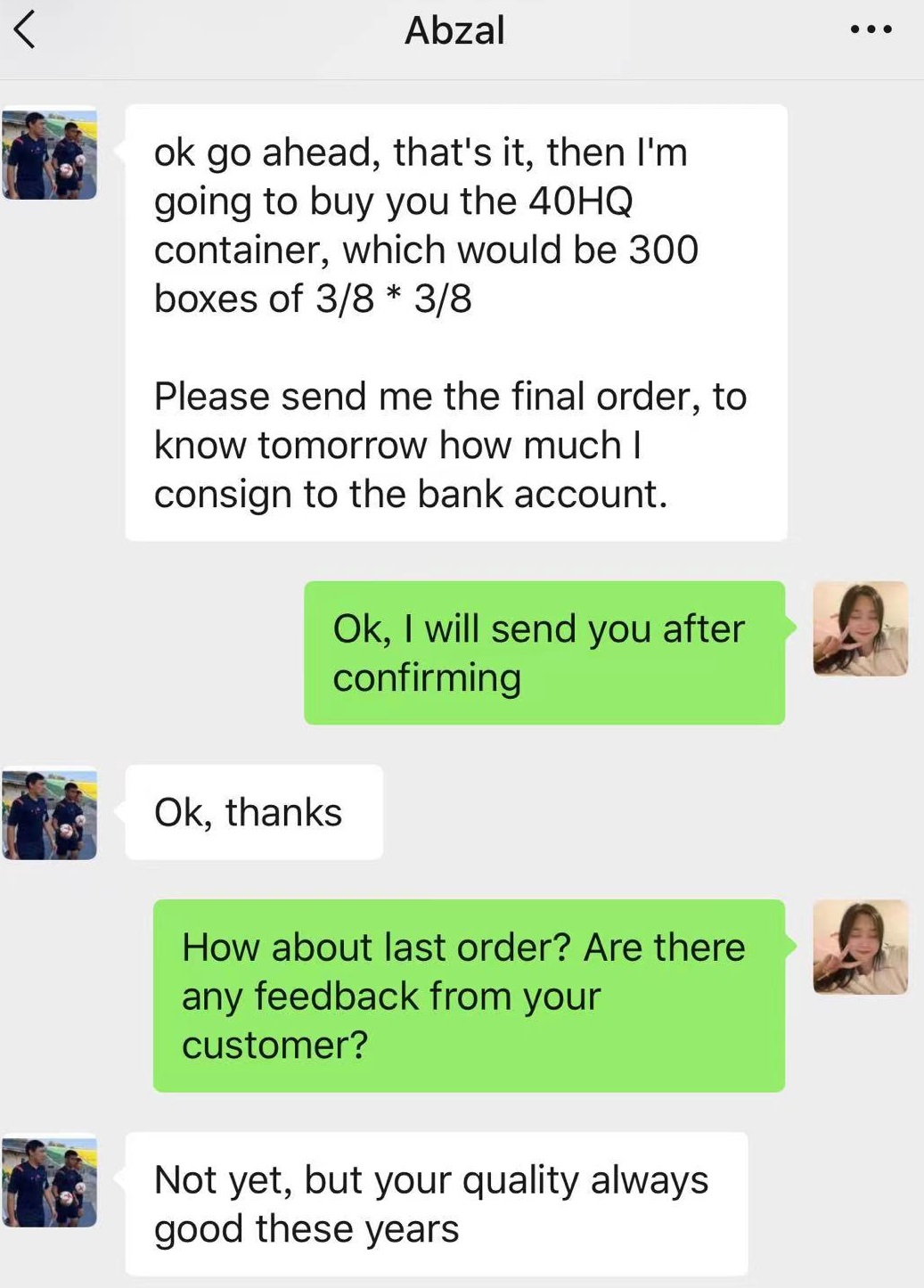
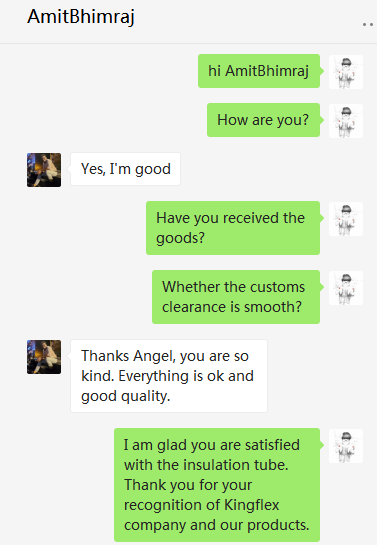
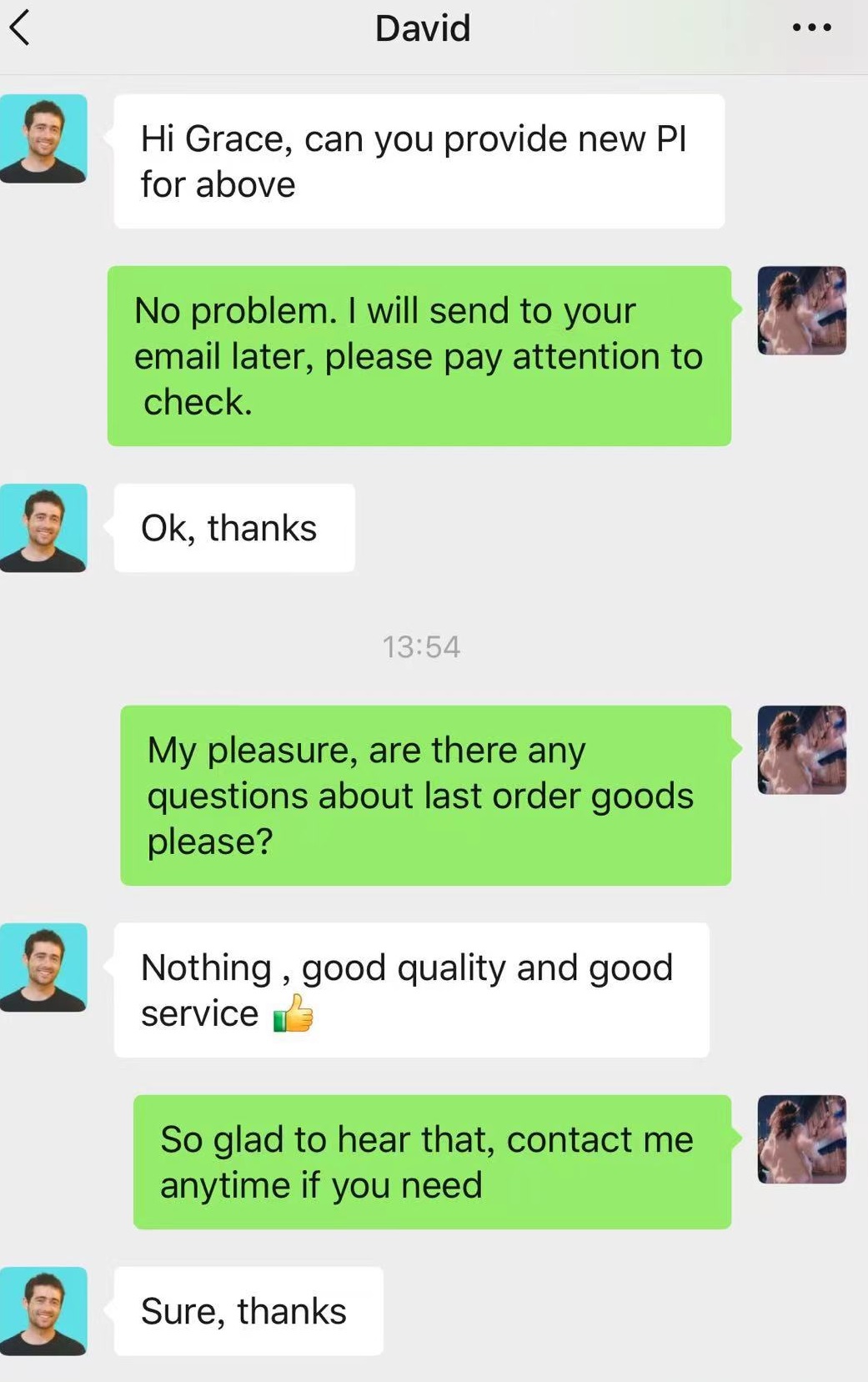
We maintain transparent communication channels with our global distributors, consulting engineers, and contracting partners. This ongoing exchange helps us confirm that product performance meets real-world project specifications.



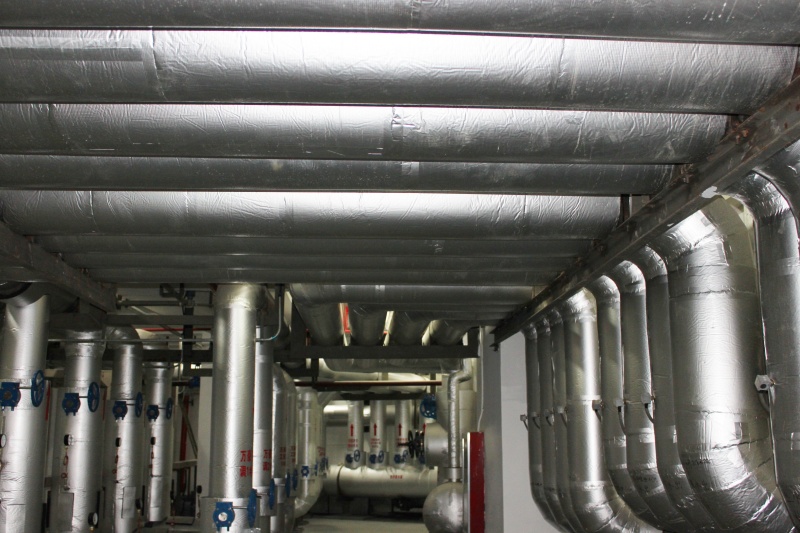
What is elastomeric rubber foam insulation used for?
It is mainly used for HVAC ducts, air conditioning pipes, building thermal insulation, industrial pipeline cold insulation, and sound insulation to prevent condensation and reduce thermal transmission.
Is Kingflex rubber foam insulation fire resistant?
Yes, our rubber foam insulation is fire retardant, meeting fire safety standards such as BS 476 Class 0, DIN EN 13501-1 Class B-s3-d0, and UL94, making it suitable for commercial and industrial applications.
What is the difference between rubber foam and rock wool insulation?
Rubber foam is a flexible, closed-cell, moisture-proof material optimized for HVAC, chilled water systems, and cryogenic applications. Rock wool is a fibrous material with high temperature resistance, suitable for industrial steam piping and high-temperature fire stops.
Do you provide customized insulation products?
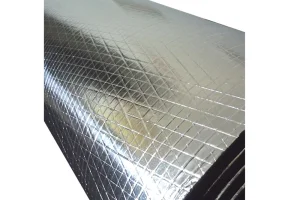
Yes, we offer OEM services, supporting custom thicknesses, interior diameters, densities, and specialized outer coatings such as aluminum foil or protective cladding.
What certifications do your products have?
Our products are certified under BS 476, CE, REACH, RoHS, UL94, ASTM, and ISO 9001/14001, verifying performance against international safety and environmental standards.
Does Kingflex products have traceability?
Yes, we implement a quality tracking system where each batch of material is traced from raw material processing through final production to support project quality control.
What thickness of Rubber foam insulation sheet roll can you produce?
We produce continuous sheets and rolls in thicknesses ranging from 6mm to 50mm to suit different thermal requirements.
What is the service life of rubber plastic pipe and board?
Under standard operating conditions within defined temperature limits, the expected service life is approximately 10 to 15 years, depending on environmental factors.
How does Kingflex support DGNB assessment criteria?
Our insulation products contain zero VOCs and no halogenated compounds, which helps meet the Indoor Environmental Quality (IEQ) requirements for low-emission materials. The material's thermal durability also supports lifecycle cost criteria in the DGNB evaluation.
How does the water vapor diffusion resistance factor ($\mu$) prevent corrosion under insulation (CUI)?
With a high diffusion resistance factor ($\mu \ge 10,000$), our closed-cell structure blocks ambient moisture from reaching the pipe surface. This minimizes the risk of water accumulation, which is a primary cause of Corrosion Under Insulation (CUI) on carbon steel piping.
Can your products withstand cryogenic thermal cycling?
Yes, our Dolefin flexible cryogenic insulation is designed to maintain mechanical flexibility and dimensional stability at temperatures down to -200°C, managing thermal contraction during system cycling.