 Kingflex
Kingflex
Kingflex
Explore our certified solutions engineered for thermal containment, cryogenic stabilization, and structural efficiency.
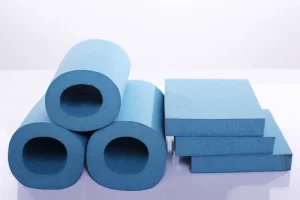
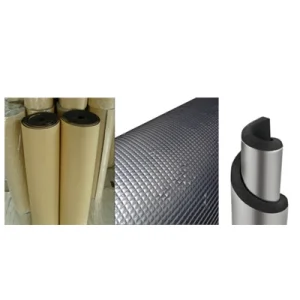
A comprehensive analysis of Glass Wool Insulation Blankets, Rock Wool structures, and Elastomeric Rubber Foam for global engineering and procurement directors.
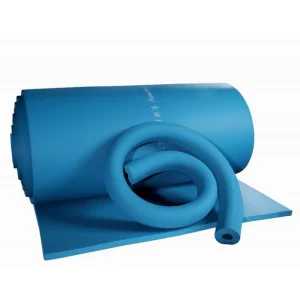
In modern industrial design, architectural HVAC engineering, and high-performance cryogenic infrastructures, selecting an optimal insulation medium directly impacts thermal efficiency, structural safety, operational lifespan, and regulatory compliance. This whitepaper systematically evaluates the performance indexes, cost dynamics, and deployment scenarios of Glass Wool Insulation Blankets alongside elastomeric rubber foam matrices. Our objective is to equip global supply chain officers and thermal design engineers with empirical data to facilitate informed procurement decisions.
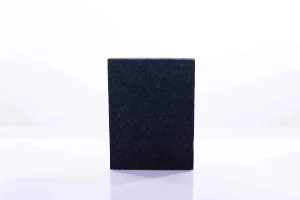
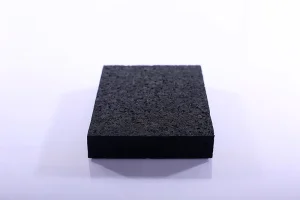
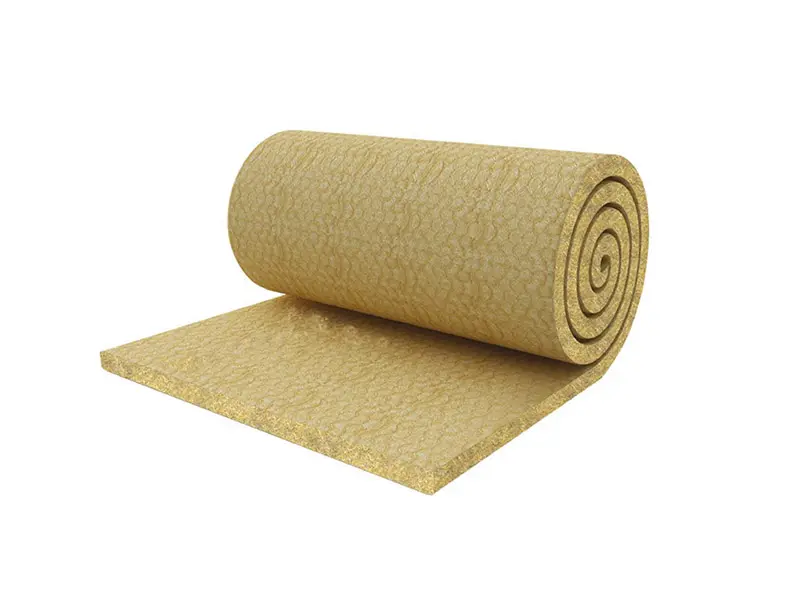
Glass wool insulation is composed of highly flexible, inorganic glass fibers bonded together with a thermosetting resin. The resultant structure forms millions of microscopic air pockets that restrict convective thermal transmission. The low bulk density of glass wool, coupled with its excellent tensile strength, makes it a premier material for wrapping large-scale industrial ducts, roofing profiles, and structural walls. Its natural non-combustibility profile aligns with stringent global fire codes (such as BS 476 and ASTM compliance), providing a robust safety envelope for high-occupancy structures and manufacturing lines.
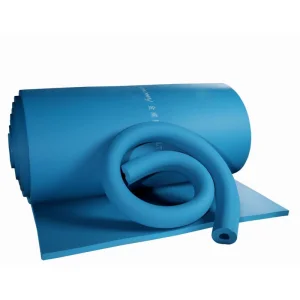
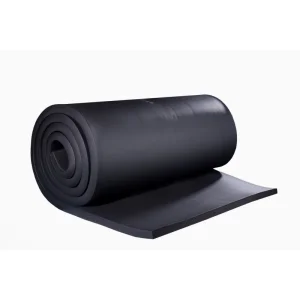
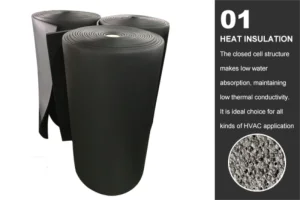
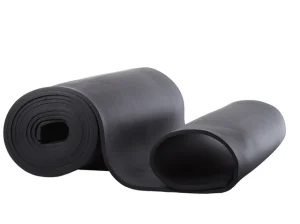
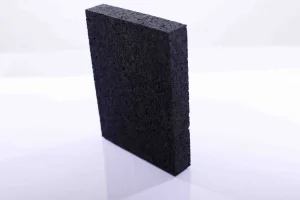
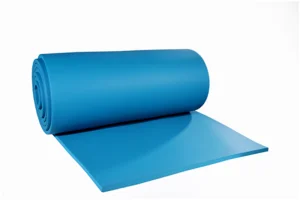
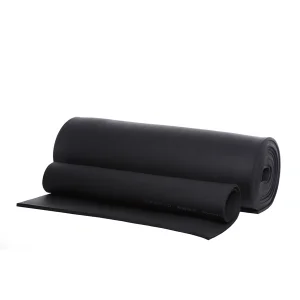
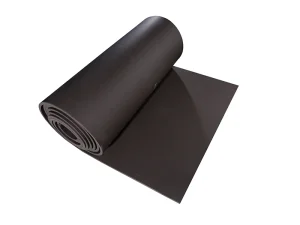
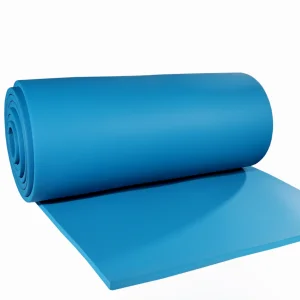
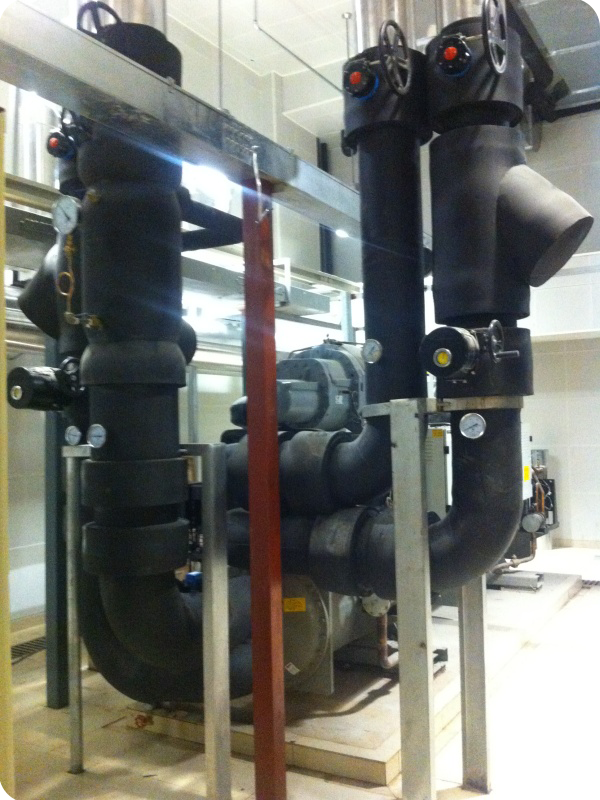
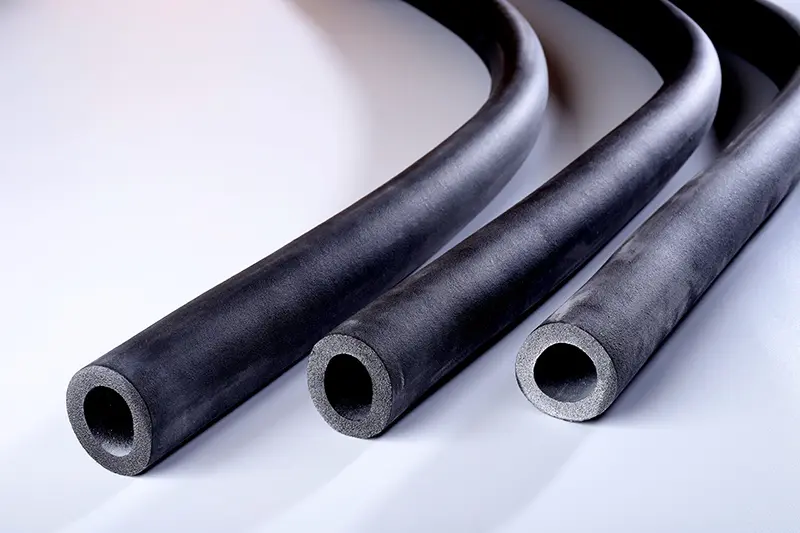
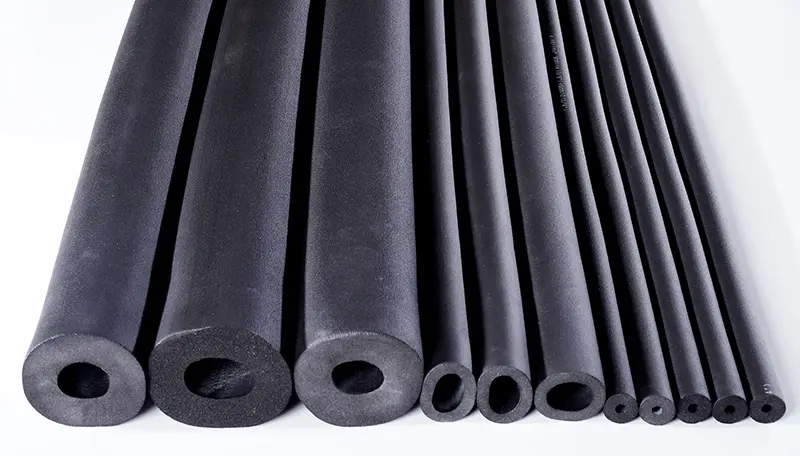
While elastomeric rubber foam functions as a closed-cell vapor barrier ideally suited for condensation control in HVAC chilled water pipelines, glass wool blankets serve as the prime solution for high-temperature envelopes, commercial acoustics, and structural fire protection. A balanced integration of both technologies guarantees optimal thermodynamic security across diverse industrial plants.
A Premier Global Brand Born from 40+ Years of Manufacturing Leadership
Kingflex Insulation Co., Ltd. represents a highly integrated manufacturing and trading conglomerate dedicated to advanced thermal insulation sciences. Our dedicated research, development, and primary production hubs are located in Dacheng, China—historically recognized as the capital of green-building materials. As an energy-saving, environmentally conscious enterprise, Kingflex combines deep engineering consultation, state-of-the-art manufacturing, installation guidance, and dedicated post-sale technical support to lead the global building materials industry.
Our pedigree traces back to the prestigious Jinwei Group, established in 1979. With over 40 years of continuous manufacturing history, Jinwei Group pioneered thermal insulation materials production north of the Yangtze River. Today, Kingflex leverages this foundational expertise to supply integrated thermal, cold, and acoustic insulation solutions to partners in over 66 countries.
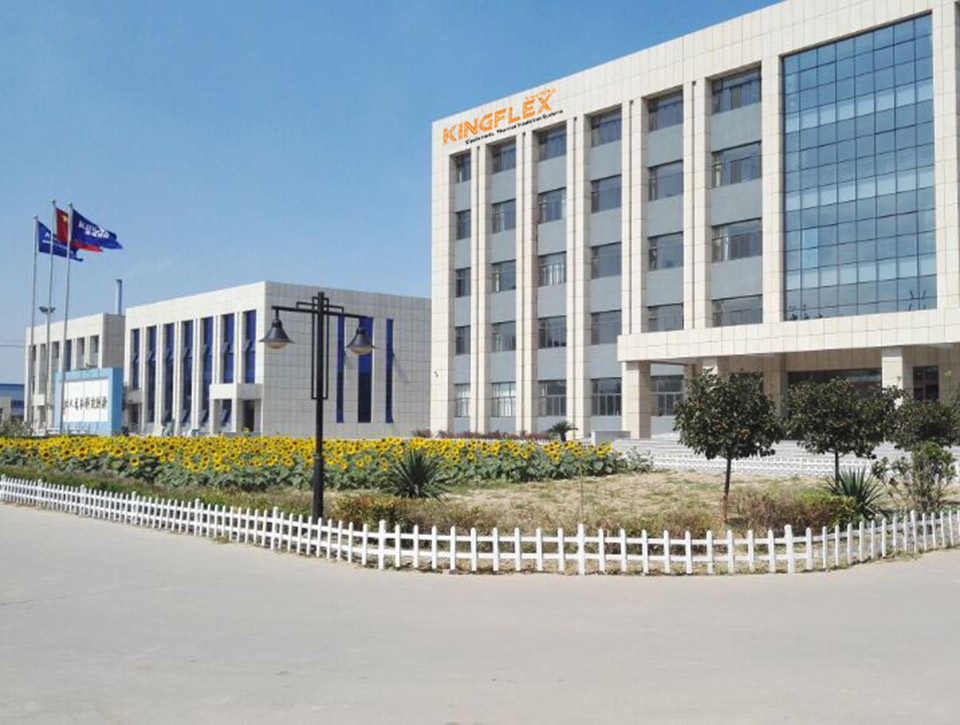
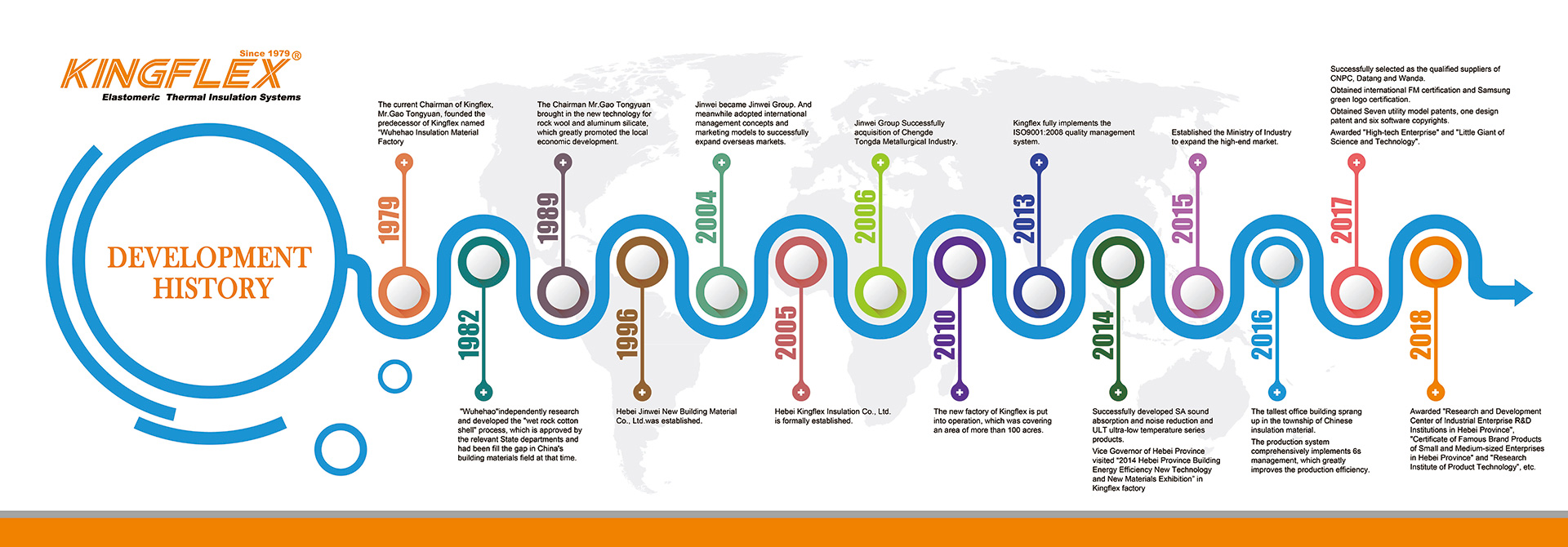
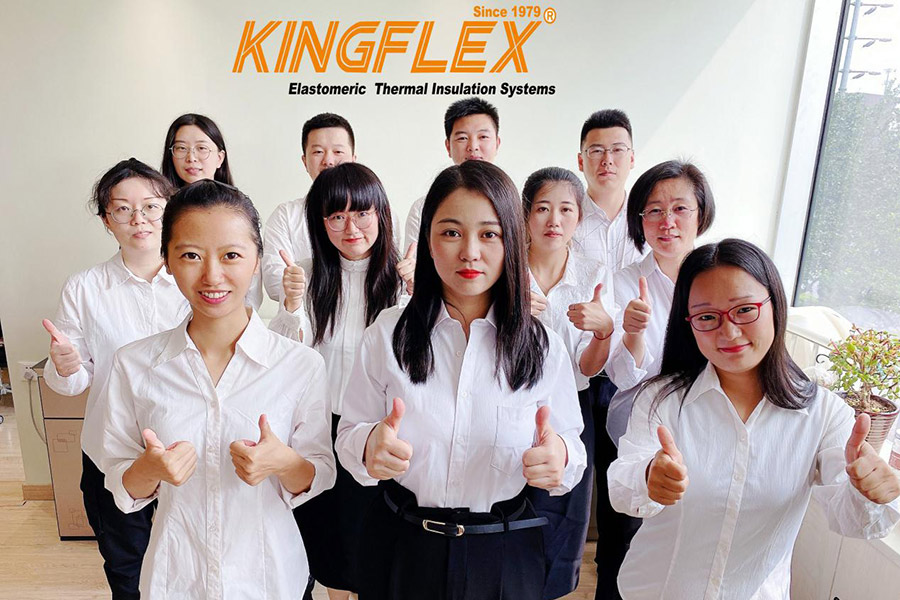

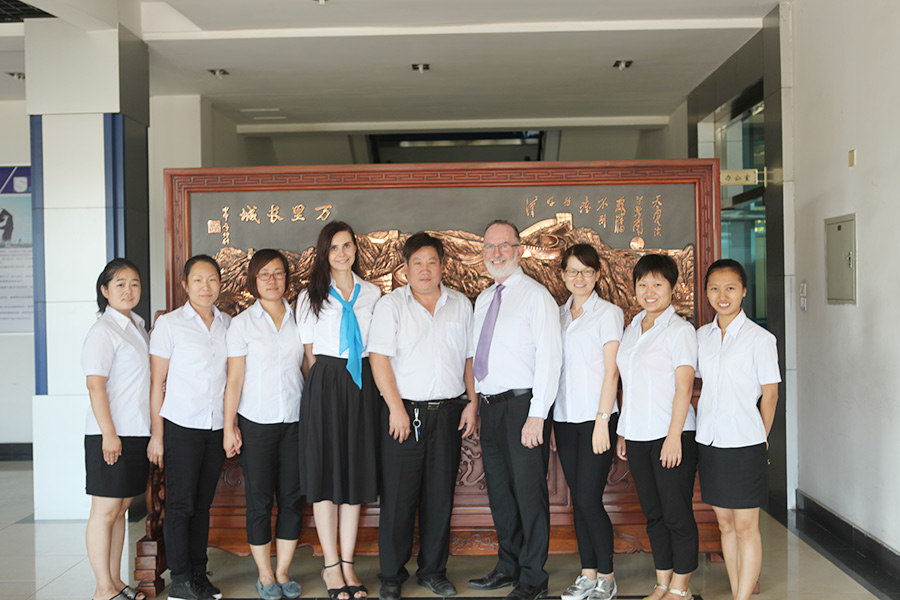
How our centralized manufacturing and logistical hubs drive downstream commercial values.
Purchasing wholesale insulation materials on a global scale requires a deep understanding of manufacturing capabilities and supply chain security. As a designated producer authorized by the Ministry of Energy, the Ministry of Electric Power, and the Ministry of Chemical Industry in China, Kingflex provides systemic assurances that mitigate supply chain volatility:
Operating five large-scale automated lines allows Kingflex to fulfill high-volume orders with short lead times. A continuous manufacturing flow ensures consistent density, thickness, and fiber alignment, minimizing physical variations across production batches.
Dacheng's industrial ecosystem provides optimized access to raw silicate materials and chemical agents. This geographic density, coupled with streamlined overland routes to major Chinese shipping ports (including Tianjin and Qingdao), reduces domestic logistical costs.
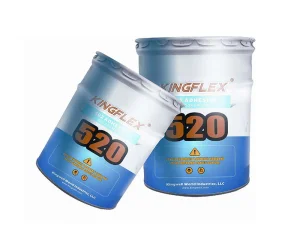
We control the complete lifecycle from baseline chemical formulation (e.g., NBR/PVC elastomeric blending, fiber drawing) to final surface laminations (such as aluminum foil barriers, self-adhesive linings). This ensures total quality control and stable cost structures.

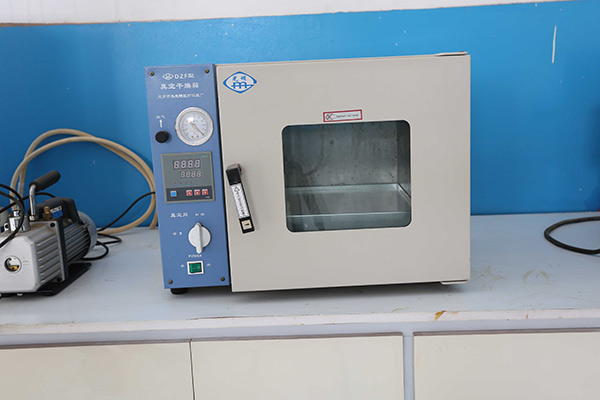
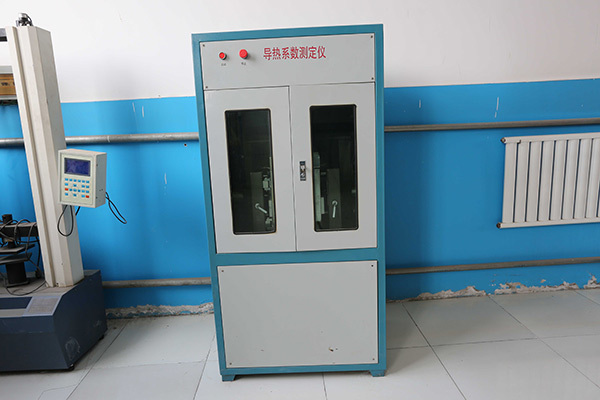
A rigorous engineering evaluation of material properties, thermal performance, and operational boundaries.
For complex architectural and industrial layouts, matching the physical properties of insulation to environmental conditions is crucial. Below is the technical performance comparison between Kingflex Standard Elastomeric Rubber Foam (NBR/PVC) and Rock/Glass Wool blankets:
| Physical Property | Elastomeric Rubber Foam (NBR/PVC) | Glass Wool Insulation Blanket | Rock Wool Board / Blanket |
|---|---|---|---|
| Cellular Structure | Closed-cell (>98% rate) | Open fibrous matrix | Dense mineral fiber matrix |
| Thermal Conductivity (λ) | ≤ 0.034 W/m·K at 0°C | ≤ 0.038 W/m·K at 25°C | ≤ 0.040 W/m·K at 25°C |
| Operational Temp. Range | -40°C to 105°C | -190°C to 400°C (Specialized types) | Up to 650°C - 1000°C |
| Moisture Resistance (μ) | ≥ 10,000 (Vapor barrier built-in) | Requires external cladding / foil facing | Requires water-repellent additives |
| Fire Performance Class | Class 0 / Class 1 (BS 476 Pt 6/7), UL94 V-0 | Non-combustible (Class A / Class 0) | Incombustible Class A1 |
| Sound Absorption (NRC) | Moderate (Excellent vibration damping) | High sound absorption (NRC > 0.80) | High sound attenuation (NRC > 0.85) |
Verifiable parameters meeting the regulatory expectations of EU, US, and APAC inspection bodies.
To operate within critical industrial fields, material compliance must be verified through third-party diagnostics. Kingflex thermal insulation products are systematically engineered to satisfy global building codes, safety metrics, and ecological directives. Every production batch is fully traceable from raw chemical component ingestion to final site delivery.
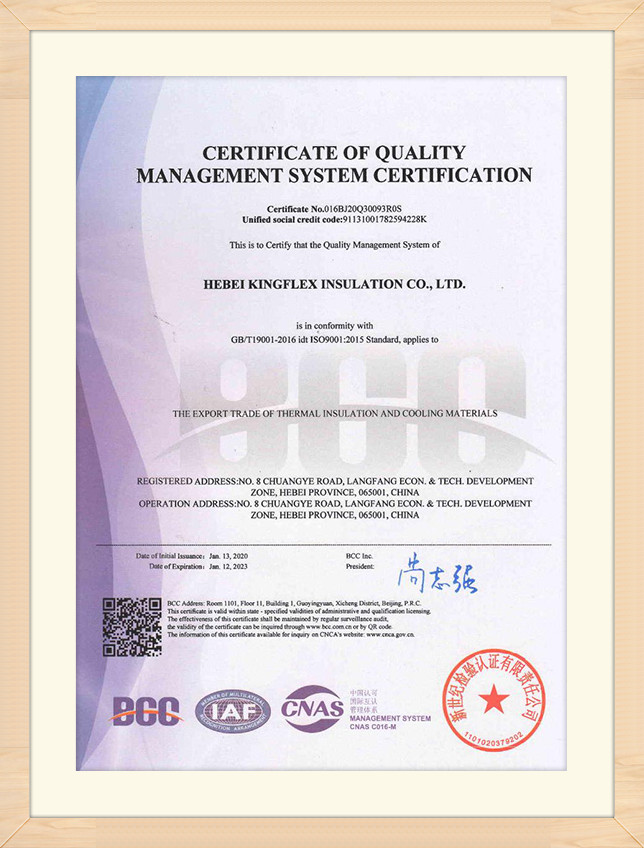
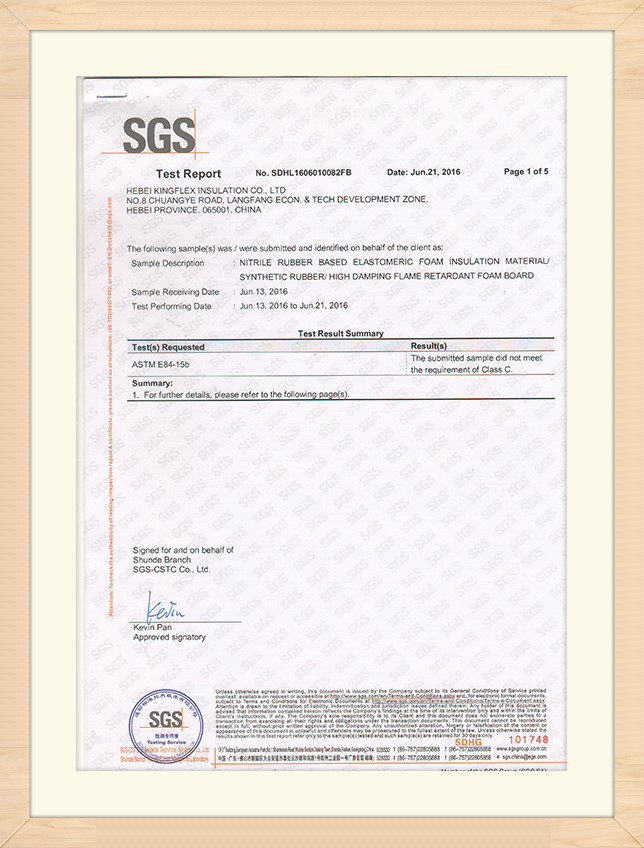
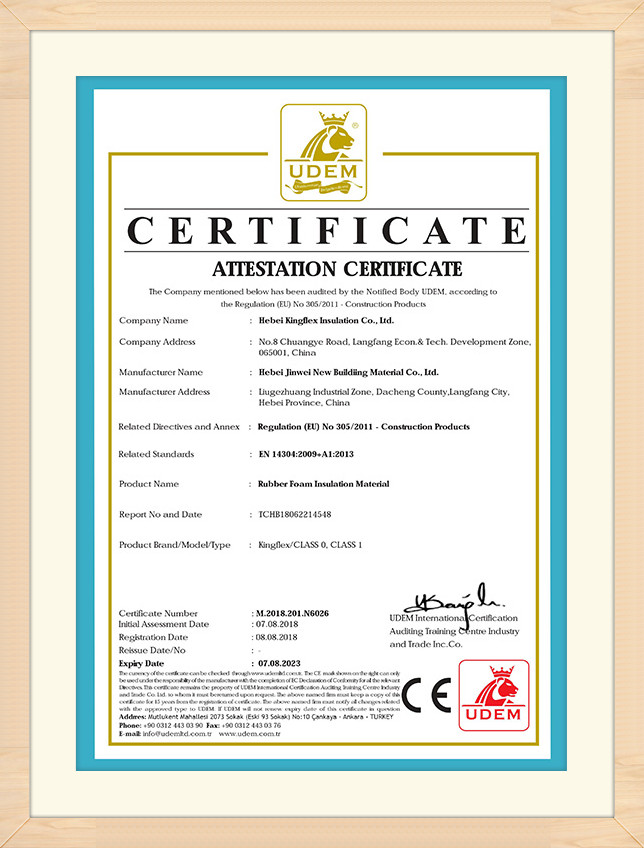
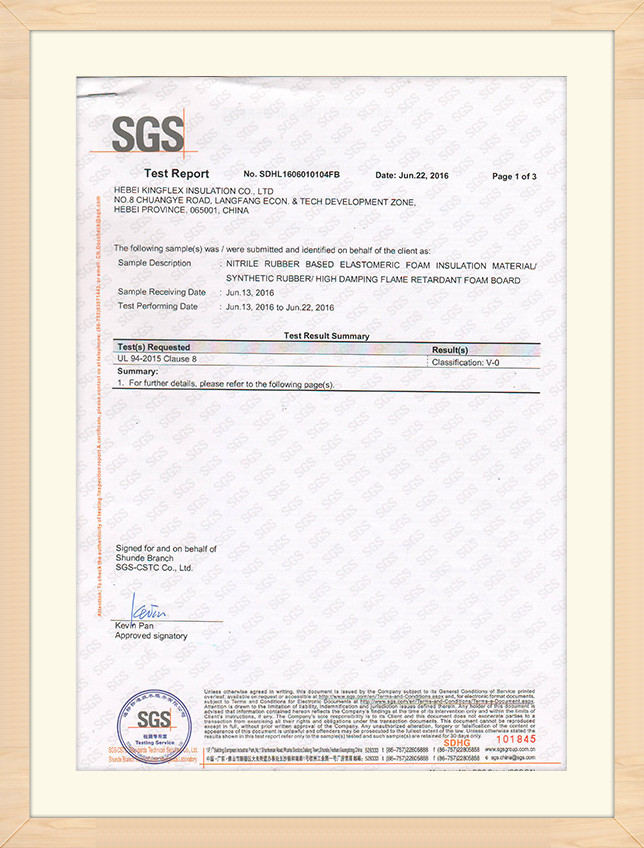
Our materials carry certifications from accredited international institutions:
Providing thermodynamic barriers, condensation control, and noise mitigation for complex projects.
Industrial insulation cannot rely on a single, one-size-fits-all approach. Kingflex coordinates with engineering teams globally to provide customized applications tailored to environmental challenges:
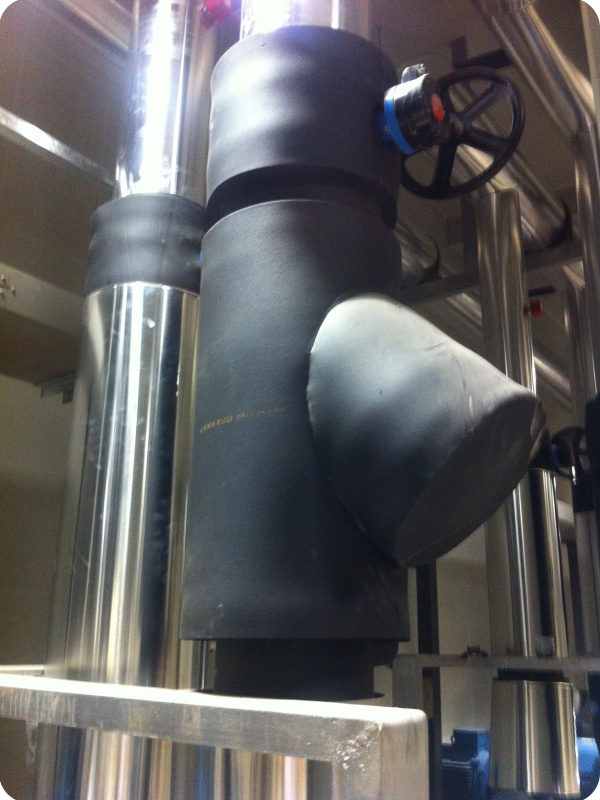
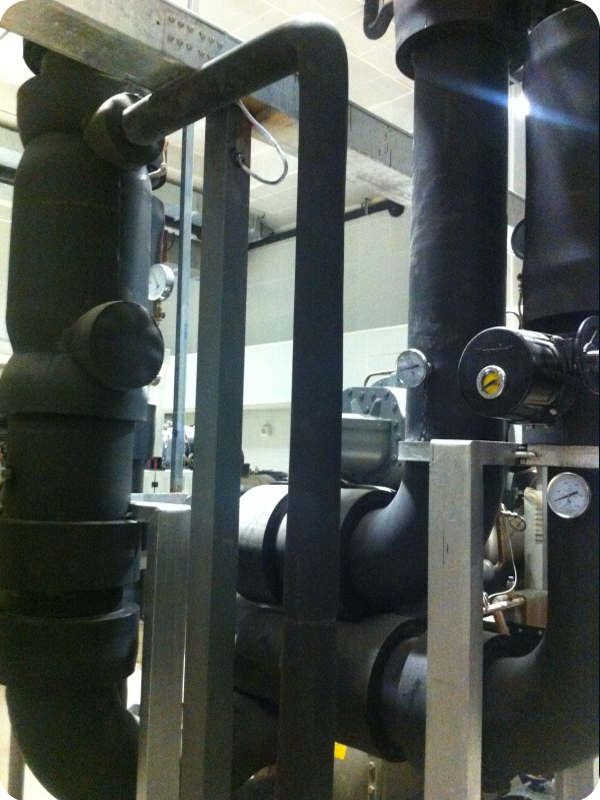
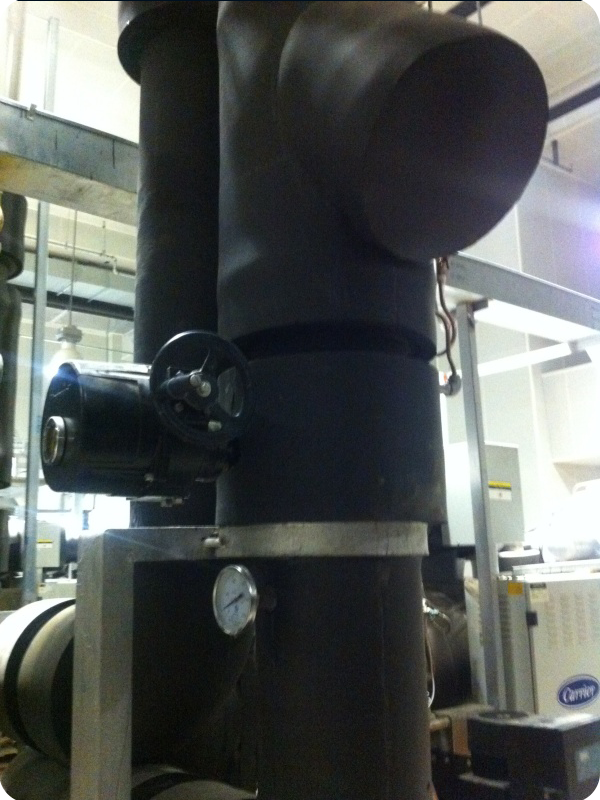
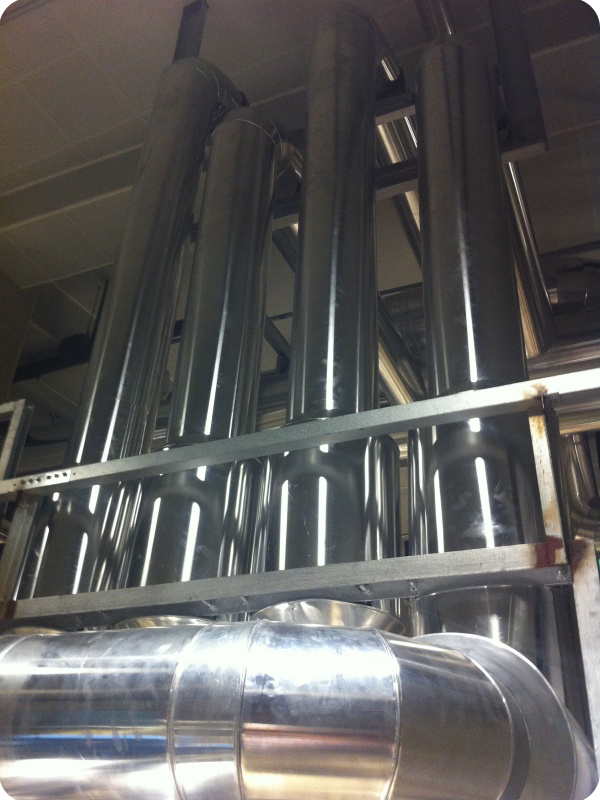
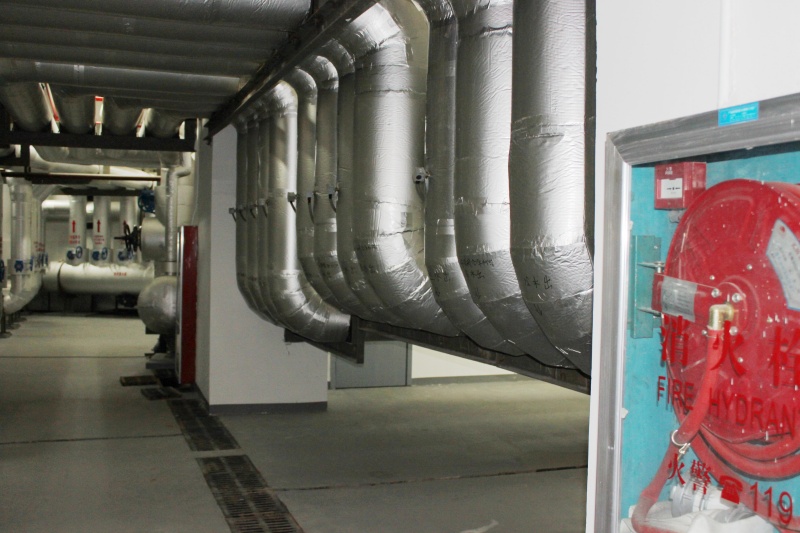
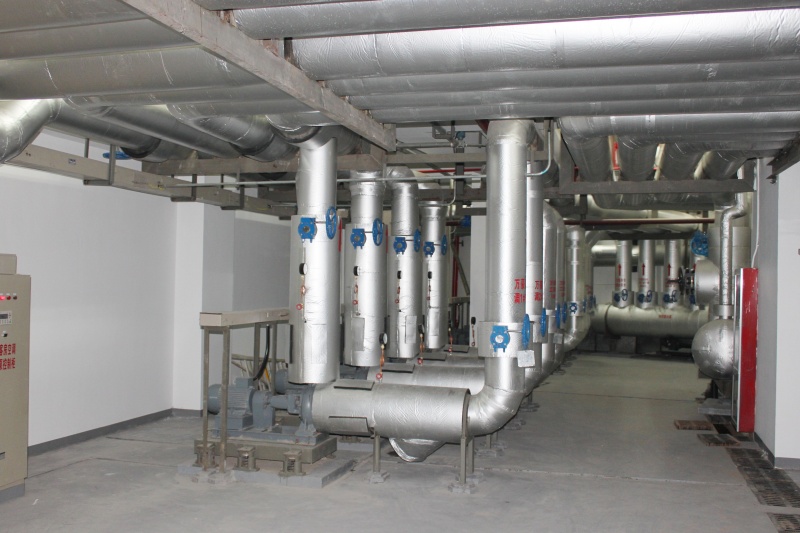
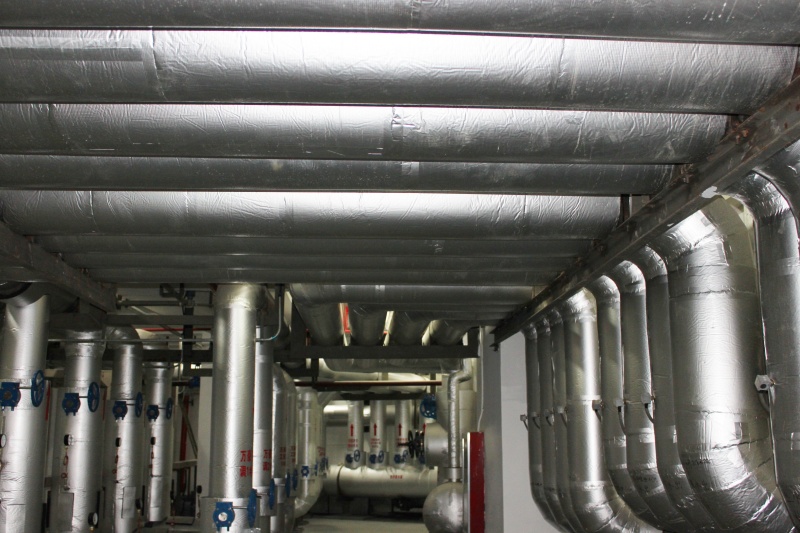
In high-humidity commercial buildings, mechanical systems run cold, making them prone to condensation and subsequent structural water damage. Applying elastomeric rubber foam sheets prevents vapor transmission, while glass wool blankets insulate overhead air-handling ducts from heat gain.
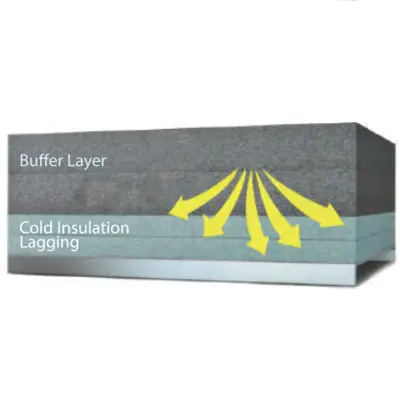
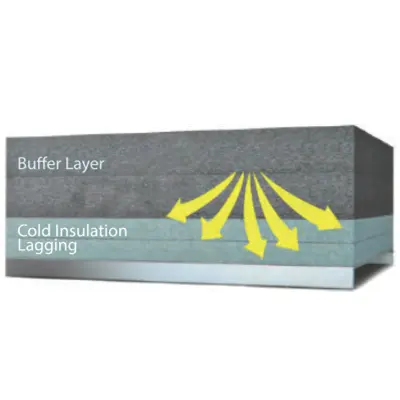
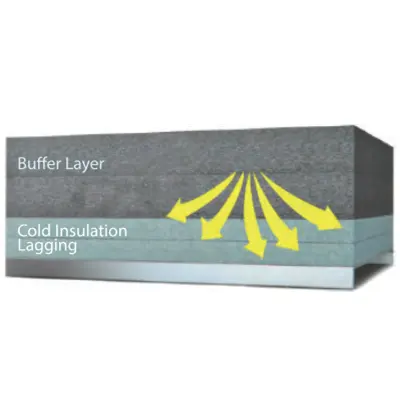
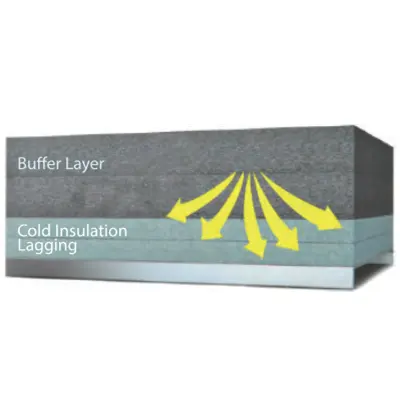
For sub-zero chemical environments, standard insulation will crack under thermal stress. Kingflex cryogenic systems deploy multi-layered elastic insulation lines, preserving cold containment and preventing thermal entry into ultra-low temperature flows.
In structures like generator enclosures, hospital plant rooms, and airport mechanical rooms, open-fiber structures like glass and rock wool absorb airborne noise. This minimizes industrial noise pollution and keeps local operations compliant with municipal noise limits.
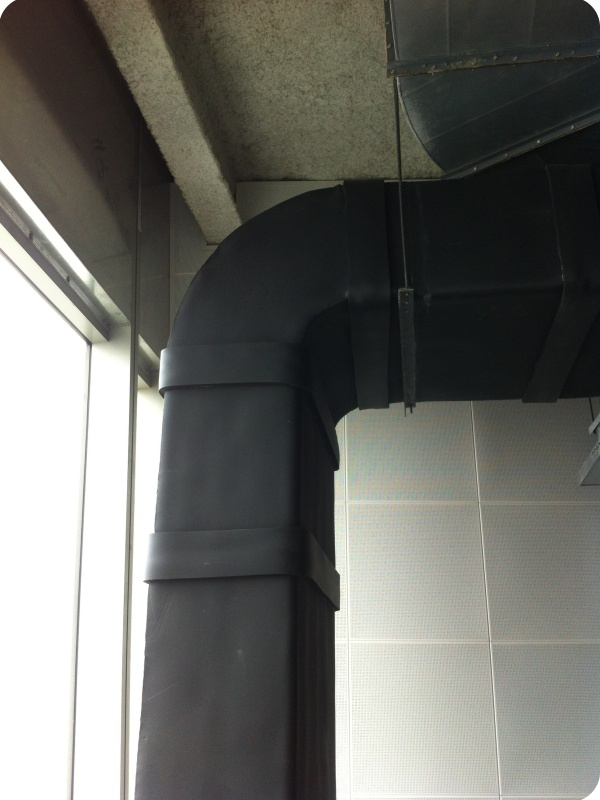
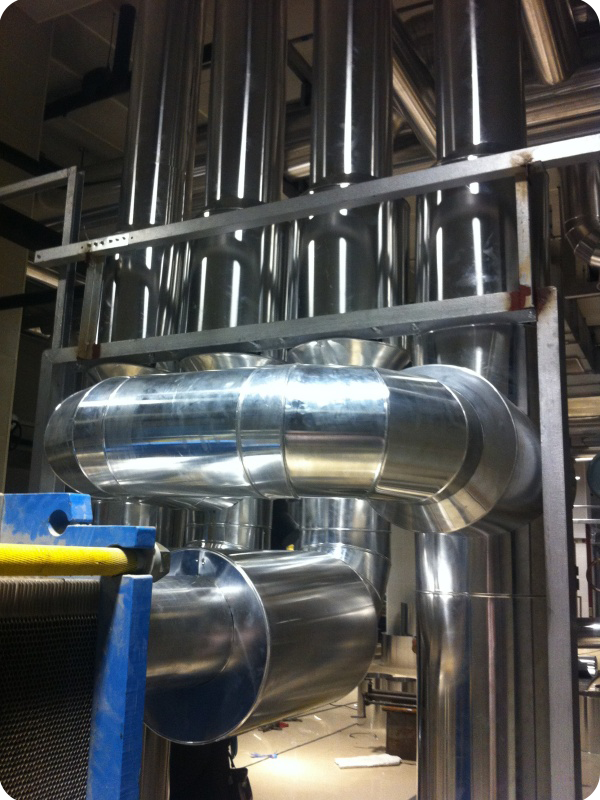
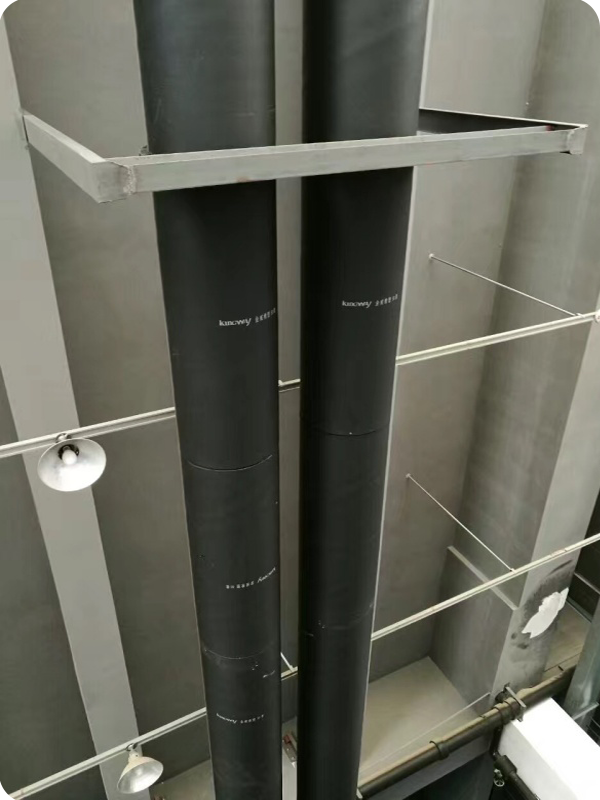
Transparency, trust, and validation through raw client interactions and field reports.
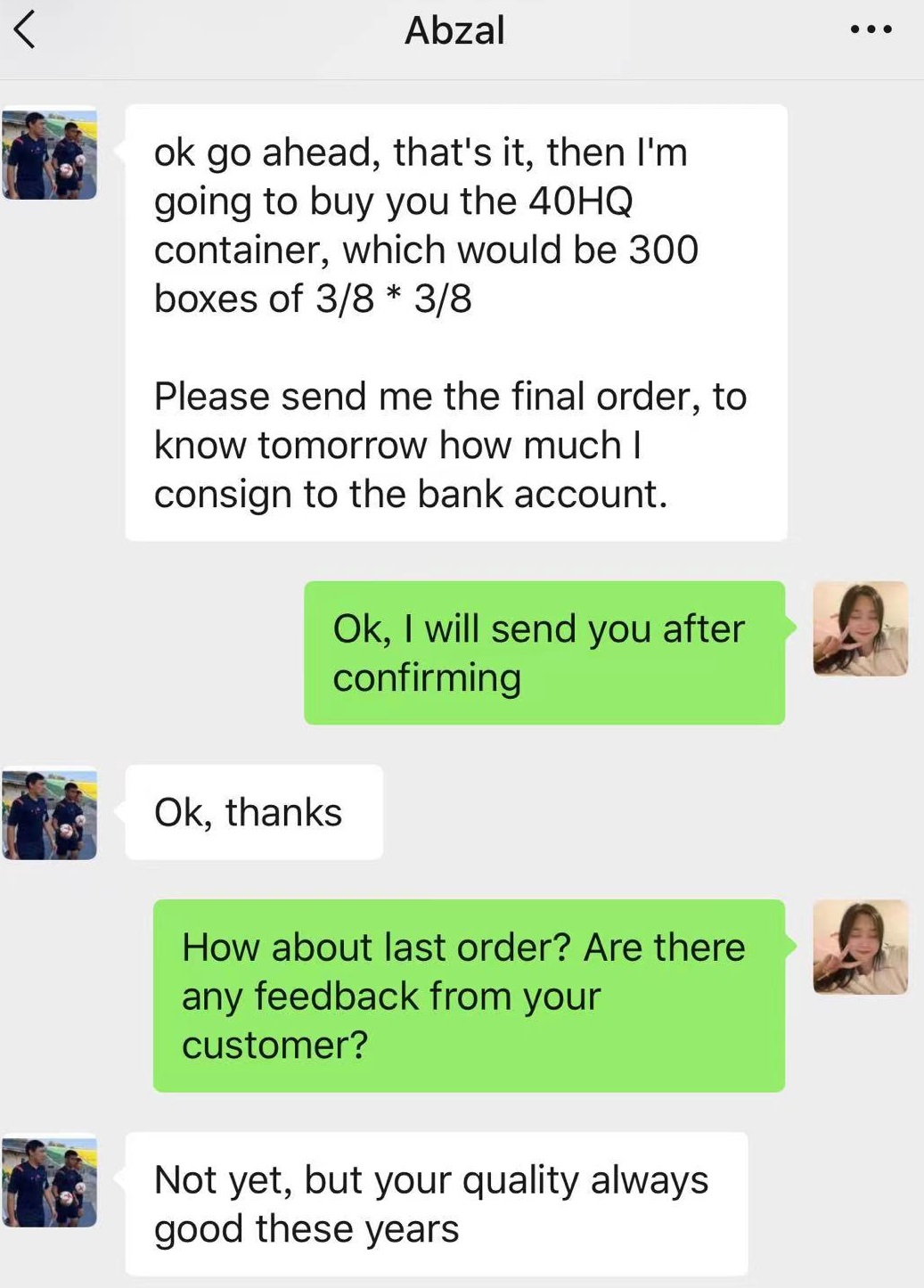
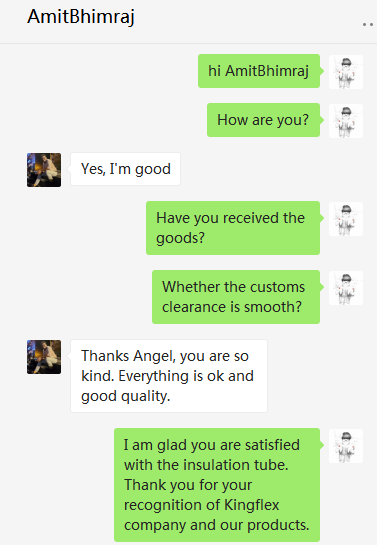
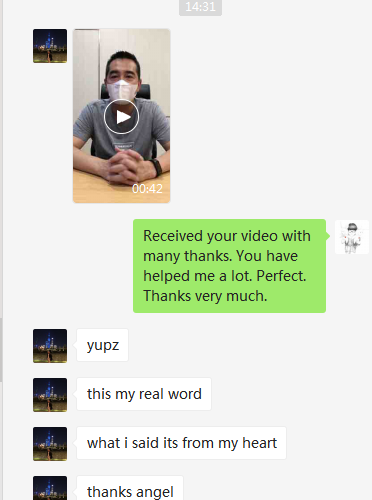
True E-E-A-T (Experience, Expertise, Authoritativeness, and Trustworthiness) is demonstrated through open client relationships and verified procurement logs. Below are verified records of customer requests, material logistics updates, and post-installation reviews, showcasing our commitment to transparent service delivery:


A reference for global procurement managers to understand price parameters and cost structures.
When sourcing glass wool insulation blankets or elastomeric rubber foam sheets at volume, global unit costs are determined by several custom variables. To obtain an exact quotation, projects must submit technical data based on these parameters:
Please reach out to our global technical support division for a comprehensive project cost breakdown. We provide detailed pricing matching your exact design specifications, material schedules, and target port logistics.
Direct technical answers to questions from installers, estimators, and project engineers.
A1: It is mainly used for HVAC ducts, air conditioning pipes, building thermal insulation, industrial pipeline cold insulation and sound insulation.
A2: Yes, our rubber foam insulation is fire retardant, which meets the safety standards of building and industrial projects.
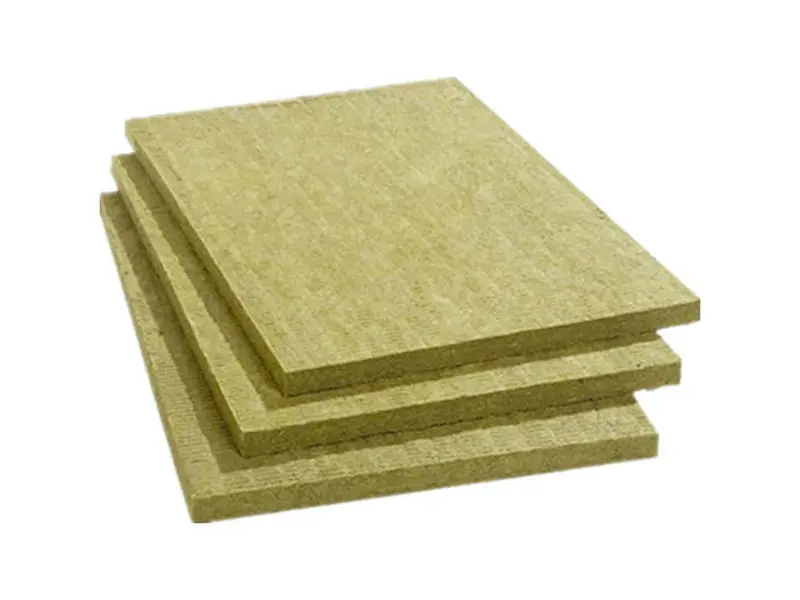
A3: Rubber foam is flexible, closed-cell, and moisture-proof, making it suitable for HVAC and building pipes. Rock wool is high-temperature resistant and fireproof, designed for industrial high-temperature processes and power generation piping.
A4: Yes, we support OEM/ODM services, allowing adjustments to dimensions, densities, facings, and self-adhesive claddings to match project requirements.
A5: Our products have passed BS 476, CE, REACH, RoHS, UL94, ASTM, and other international certifications, ensuring compliance with global regulatory standards.
A6: Yes. Every batch is cataloged with quality inspection tags, from raw material formulation through processing, ensuring traceability across the supply chain.
A7: We can manufacture sheet rolls in thicknesses ranging from 6mm up to 50mm to meet various thermal performance requirements.
A8: When installed according to manufacturer guidelines, the typical service life ranges between 10 and 15 years, depending on environmental exposure.
A9: Fiber-based insulators like glass wool exhibit an increase in thermal conductivity as the mean temperature rises, due to convective and radiative heat transfer within the fiber matrix. Refer to our technical datasheets for exact calculations at operating temperatures above 100°C.
A look inside our manufacturing processes, showcasing raw material processing and product verification.
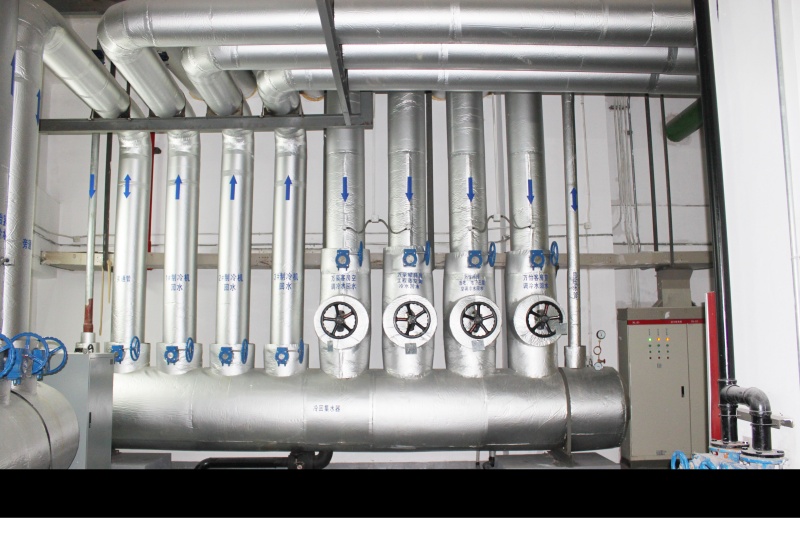
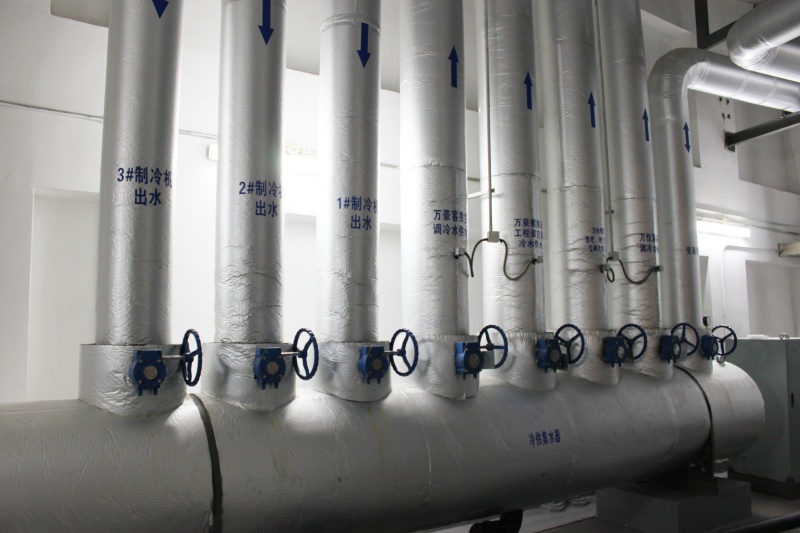

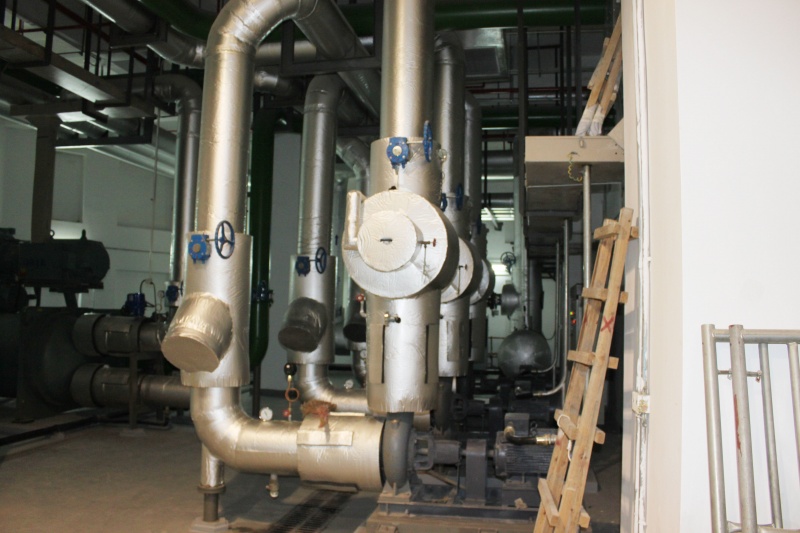
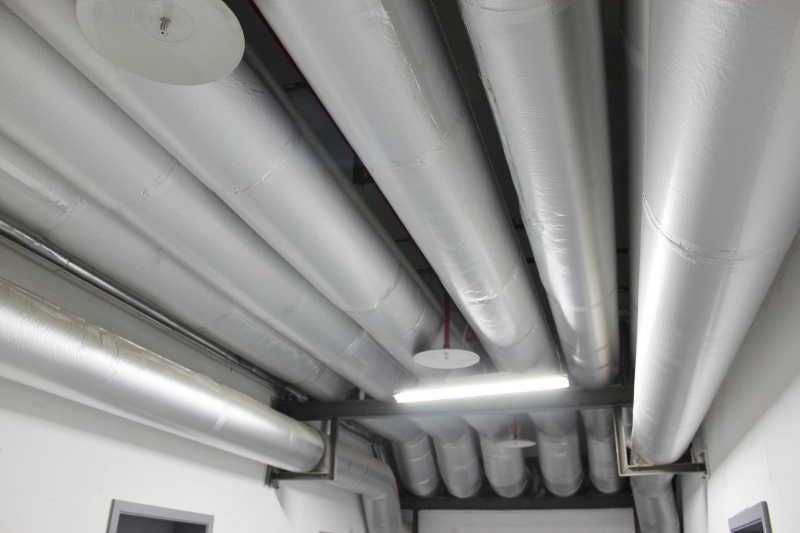
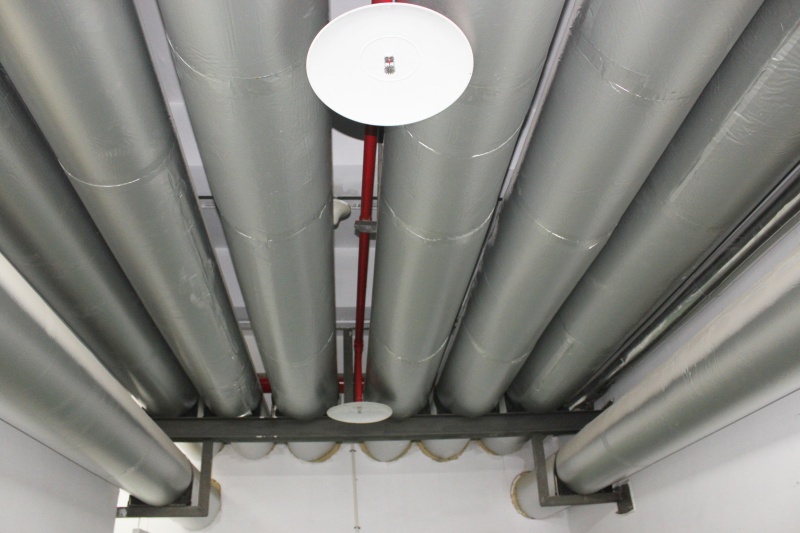
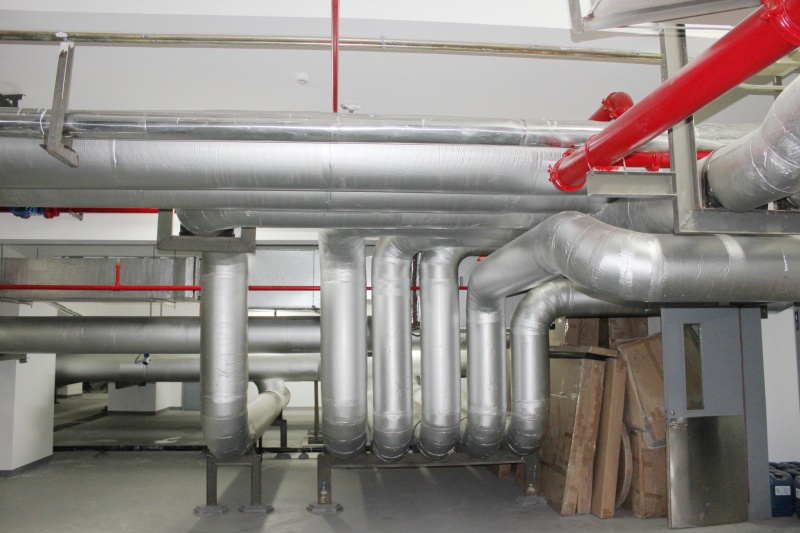
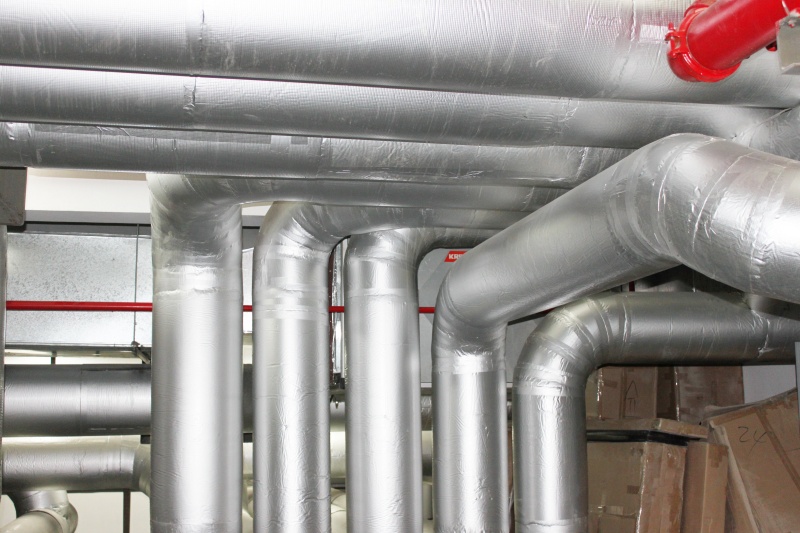
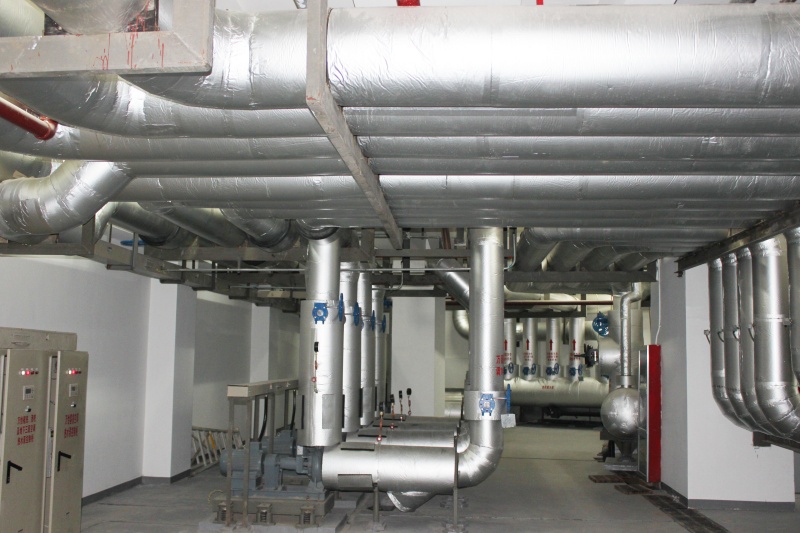
Select specialized elastomer and fiber systems designed for specific thermal environments.