 Kingflex
Kingflex
Kingflex
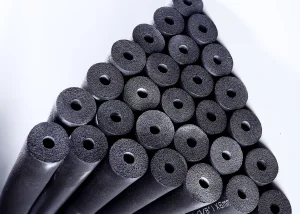
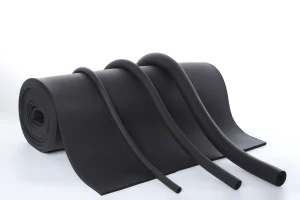
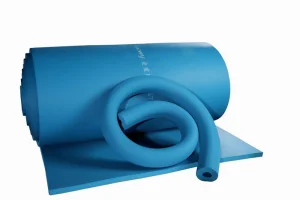
Engineered rubber-plastic foam tubes and sheets optimizing mechanical strength and thermal efficiency
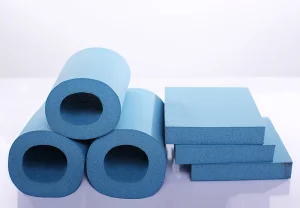
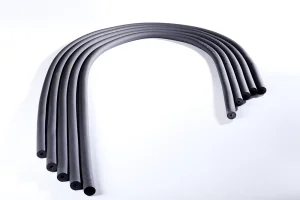
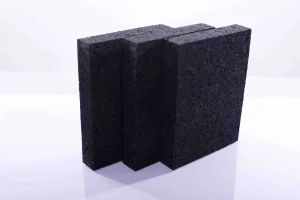
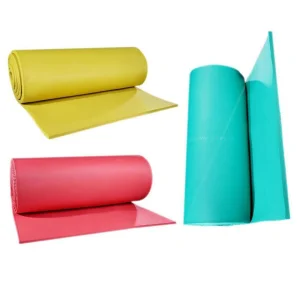
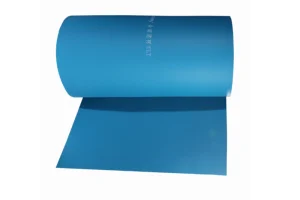
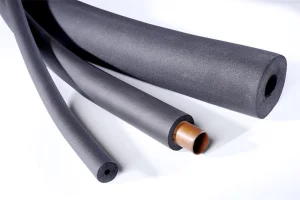
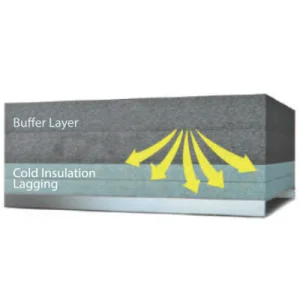

Mitigating thermal bridging and maintaining mechanical load integrity at pipe support hangers
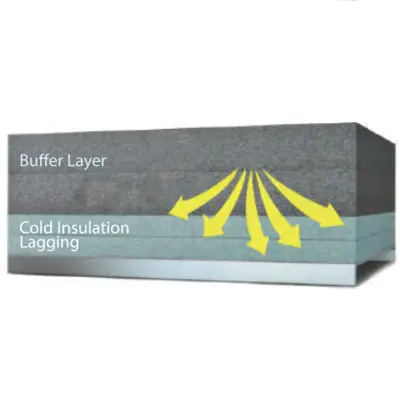
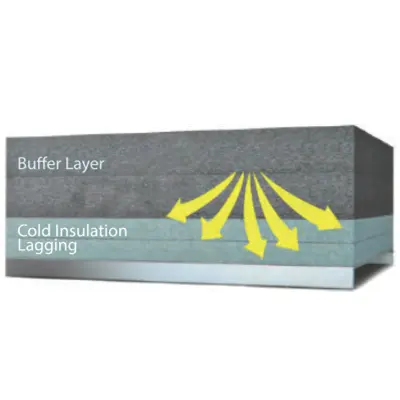
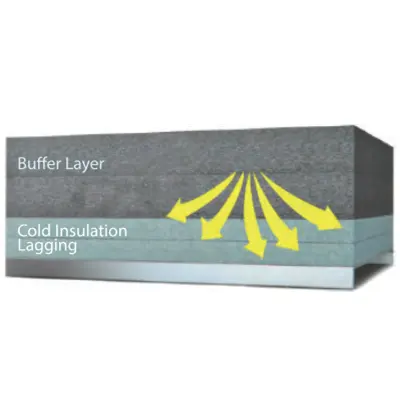
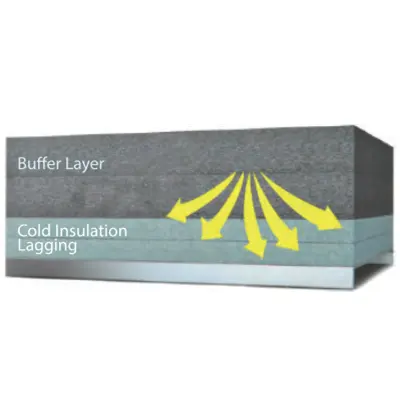
In modern industrial piping and commercial HVAC networks, pipelines must be physically supported at specific intervals along their runs. The points of support—where pipe hangers, clamps, and saddles hold the weight of the water, steam, or low-temperature liquid—represent critical locations for mechanical stress and heat transfer. If standard, low-density insulation is applied at these support spots, the weight of the pipe compresses the insulation. This compression compromises the physical structure and destroys the thermal barrier, causing thermal bridging.
For refrigeration, chilled water, and cryogenic processing systems, thermal bridging leads to immediate localized condensation. This moisture accumulation triggers pipe corrosion under insulation (CUI), structural wood or plaster damage, mold growth, and substantial energy loss. High-density, load-bearing pipe insulation blocks are designed specifically to support the structural weight of the pipeline while retaining their physical form, preserving thermal conductivity (low λ-value), and keeping a fully sealed vapor barrier intact.
Compression Resistance: High-density elastomeric materials have high compression resilience (over 80%). They absorb pipe movements from thermal expansion and contraction without crushing.
Vapor Barrier Continuity: Because the material resists structural collapse, there is no creasing or tearing of the protective foil or elastomeric surface, preventing ambient moisture intrusion.
A Professional Manufacturing & Trading Combo for Premium Thermal Insulation Systems
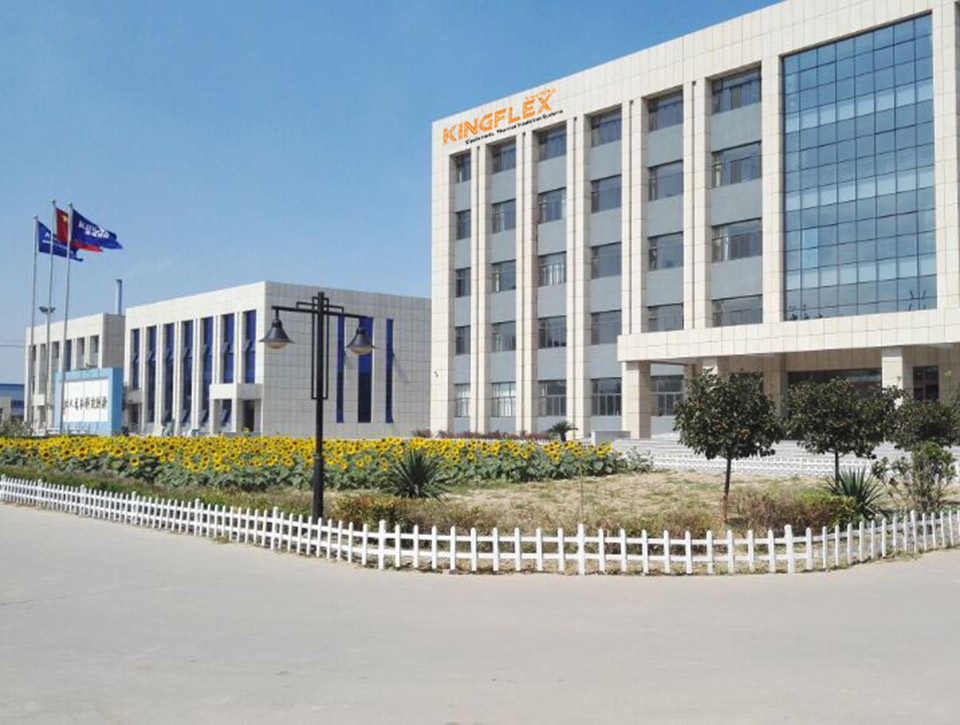
Kingflex Insulation Co., Ltd. stands as a premier energy-saving and environmentally friendly enterprise. Our operational model centers on research and development, high-volume production, global marketing, and detailed after-sales service. We approach thermal and cold insulation through the lens of energy conservation and consumption reduction.
Our specialized production base is located in Dacheng, China, the green-building materials capital. By integrating consultation, advanced manufacturing, and on-site application guidance, Kingflex provides comprehensive system solutions for major commercial, petrochemical, and architectural projects around the globe.
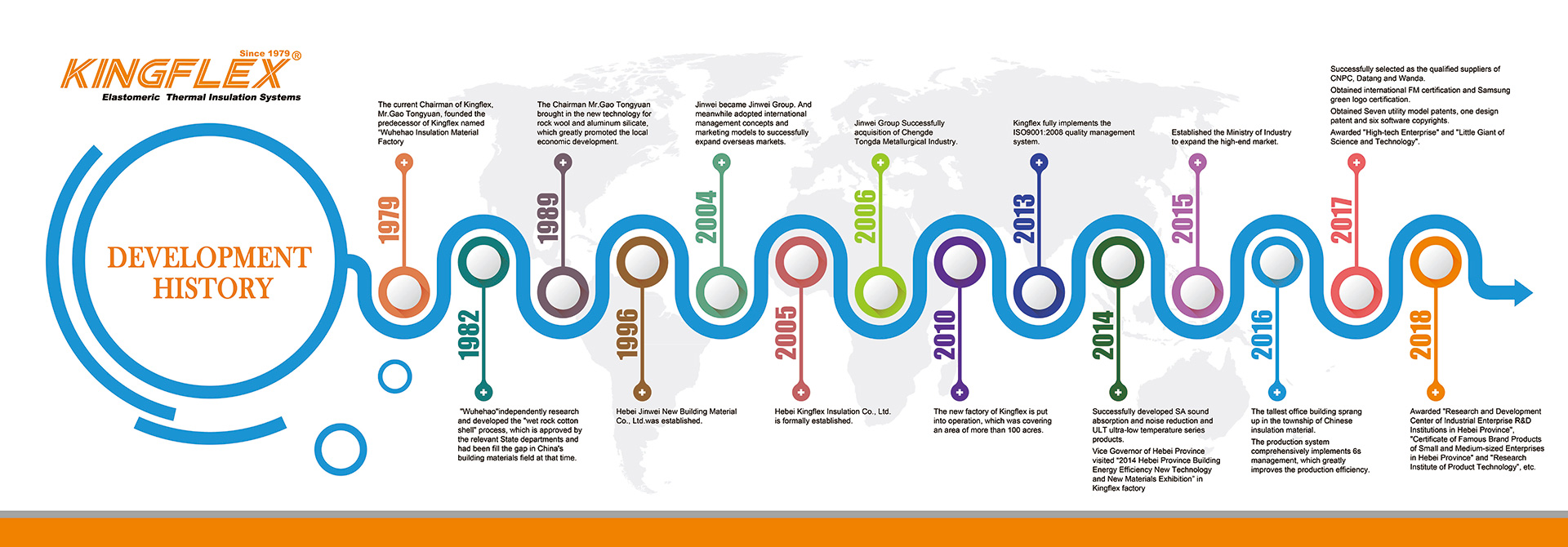
Kingflex was established by the Jinwei Group, which holds more than 40 years of industry history. Established in 1979, the group was the first major manufacturer of thermal insulation materials north of the Yangtze River, paving the way for China's modern eco-friendly thermal barrier industry.
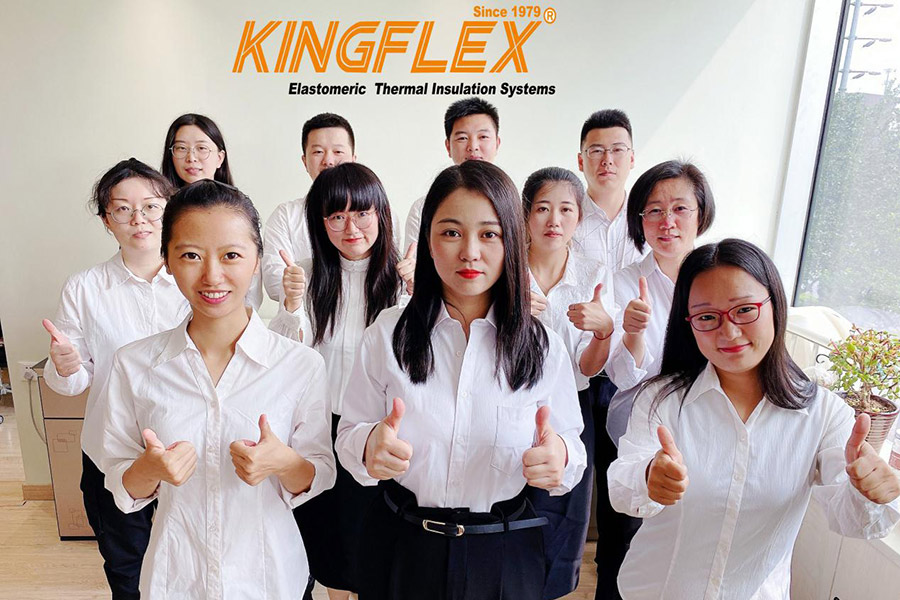
Collaborative expertise pushing the boundaries of material science
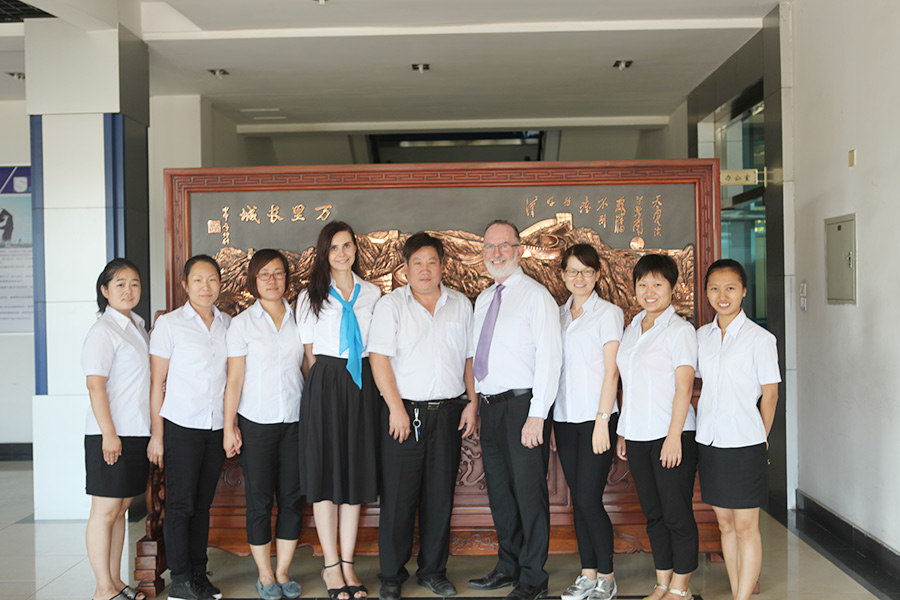
A manufacturer's capabilities depend entirely on the skill and vision of its engineers and support staff. The Kingflex team operates with a unified goal: providing first-class, reliable thermal solutions to protect our customers' piping investments.
Our staff includes 8 professional engineers in the R&D department focusing on molecular foam engineering, fire-retardant chemistry, and load-bearing testing. Our 6 dedicated international sales managers ensure seamless custom orders and shipping logistics, while 230 trained production professionals maintain high product quality on the factory floor.
Standard dimensions, materials engineering properties, and load-bearing limits
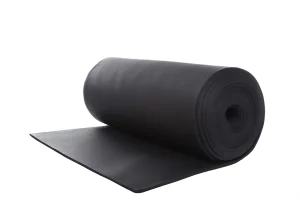
Material Base: High-performance Nitrile Butadiene Rubber / Polyvinyl Chloride (NBR/PVC) synthetic polymer matrix.
Thickness Availability: 6mm to 50mm.
Standard Density: 40 to 55 kg/m³ (Higher options available for load-bearing block structures).
Service Temperature Range: -40℃ to 105℃.
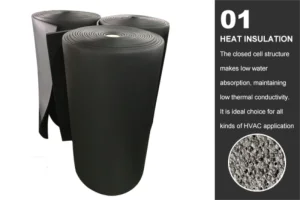
Key Performance Metrics: Uniform closed-cell matrix (cell closure >98%), low moisture absorption, high resistance to water vapor transmission, and compression resilience exceeding 80%.
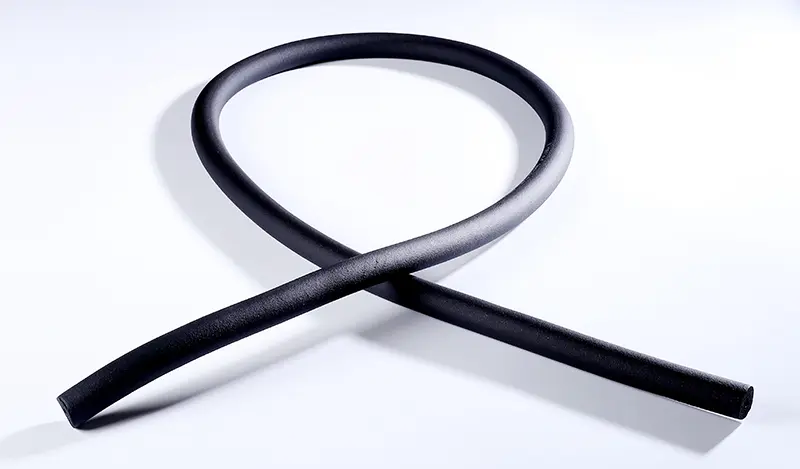
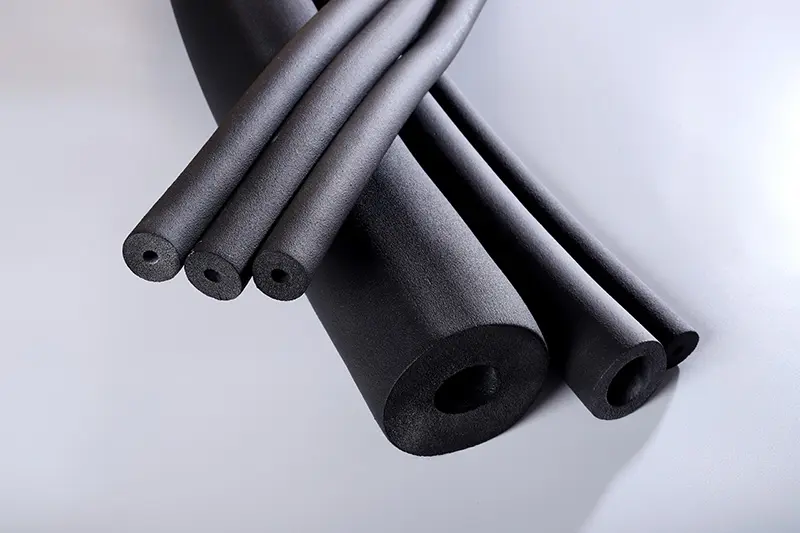
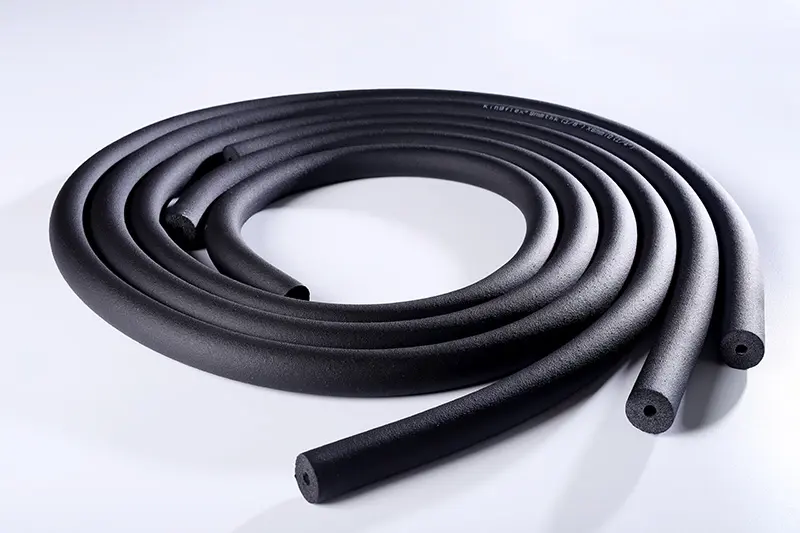
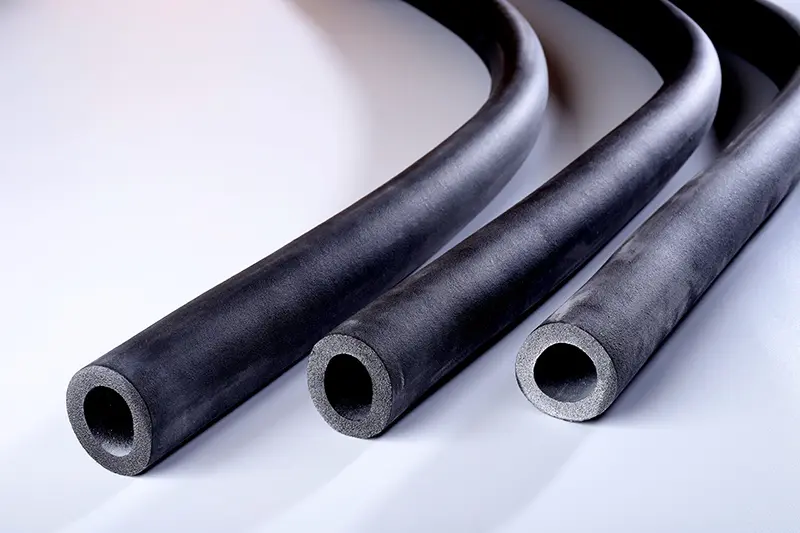
Material: Closed-cell NBR/PVC elastomer.
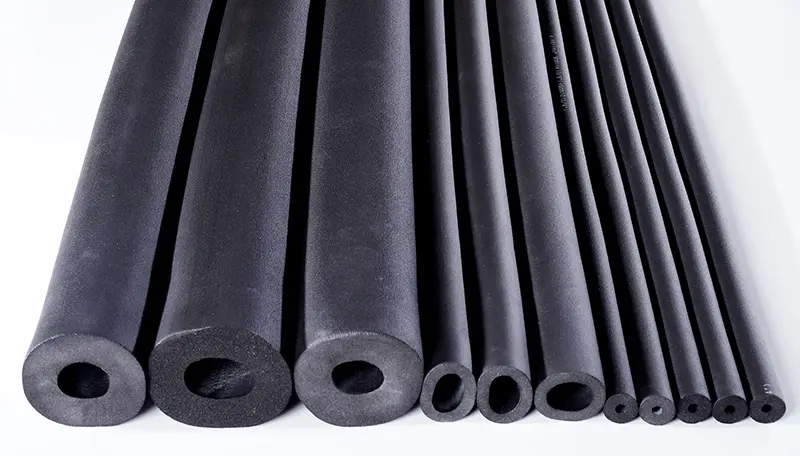
Thickness: 9mm to 40mm.
Internal Diameter (ID): 6mm to 114mm (Accommodates standard copper and steel pipes).
Density Range: 40 to 55 kg/m³.
Thermal Protection: Designed to minimize cold loss, maintain fluid temperatures, and prevent structural pipes from freezing, sweating, or cracking under external mechanical pressures.
Traditional elastomer materials collapse under continuous pipe weight, leading to thermal leaks and condensation. Kingflex solves this challenge by optimizing the cross-linking structure of the NBR/PVC matrix. This creates a balanced density of 40-55 kg/m³, providing load-bearing support without compromising insulation performance. When paired with high-density support inserts, this system maintains a continuous thermal and vapor barrier across the entire pipeline.
Automatic production lines meeting high global demand
At present, Kingflex operates 5 large automatic assembly lines, generating an annual production capacity exceeding 600,000 cubic meters. This immense capacity has established Kingflex as a designated supplier for chemical and municipal piping projects managed by regional energy, electricity, and chemical ministries.
Our specialized R&D labs continuously test batch runs for density, fire resistance, cell structural integrity, and thermal conductivity. This testing ensures that our products maintain low thermal conductivity and high moisture resistance over decades of service.

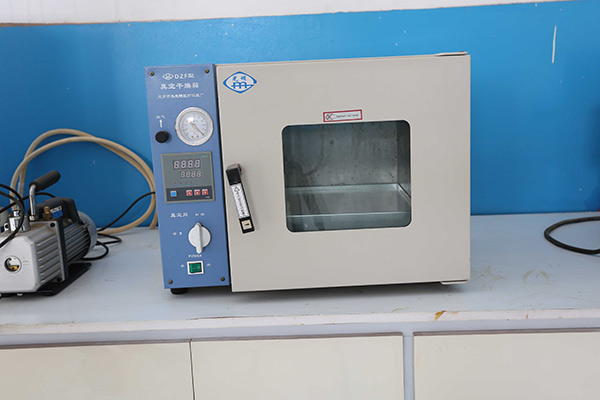
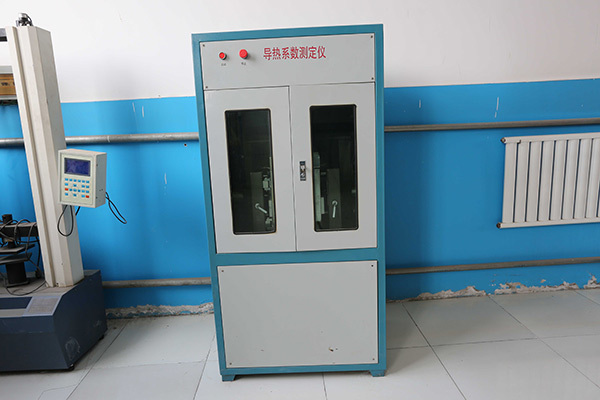
Ensuring compliance with worldwide building codes and industrial fire safety standards
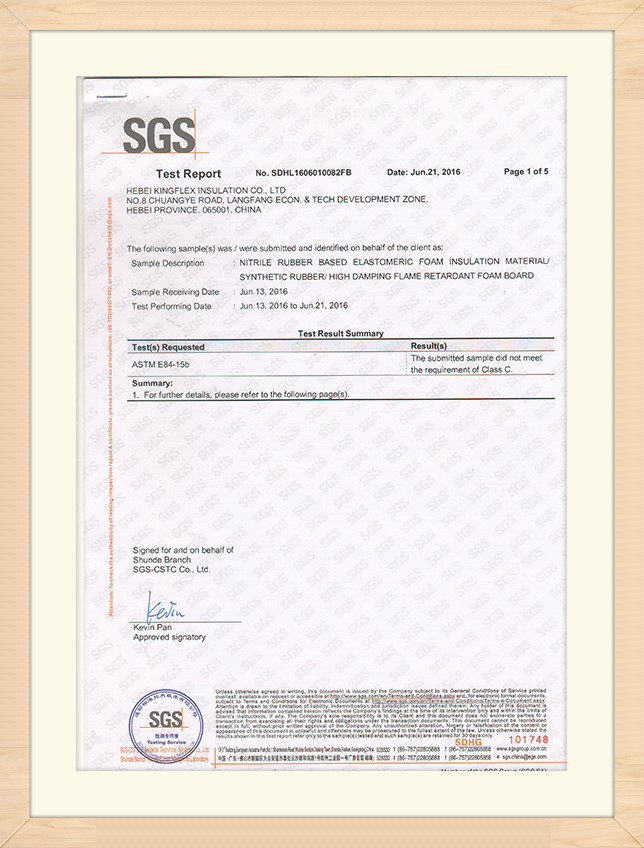
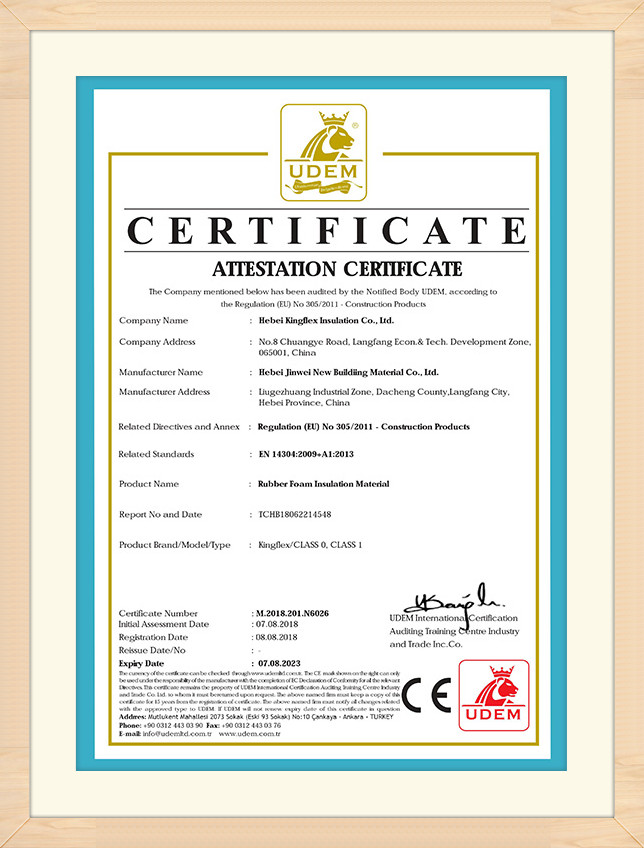
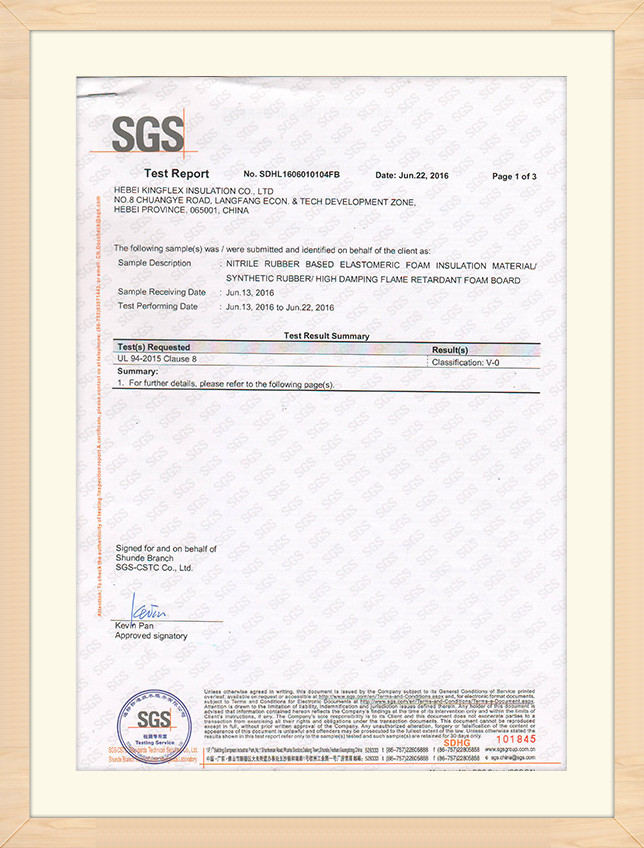
To serve as an approved supplier for critical infrastructure projects, materials must pass strict international testing programs. Kingflex products have earned certifications including BS 476 (Class 0 and Class 1), CE, REACH, RoHS, UL94 (V-0 fire rating), and ASTM standards.
These certifications guarantee that our elastomeric foam contains no hazardous compounds, displays minimal flame spread, generates low smoke toxicity during fires, and delivers stable thermal and mechanical performance across a wide temperature range.
We maintain full trace records from raw material purchase to production run, foaming oven parameters, packing, and dispatch. This enables us to provide complete chemical analysis certificates for large global infrastructure projects.
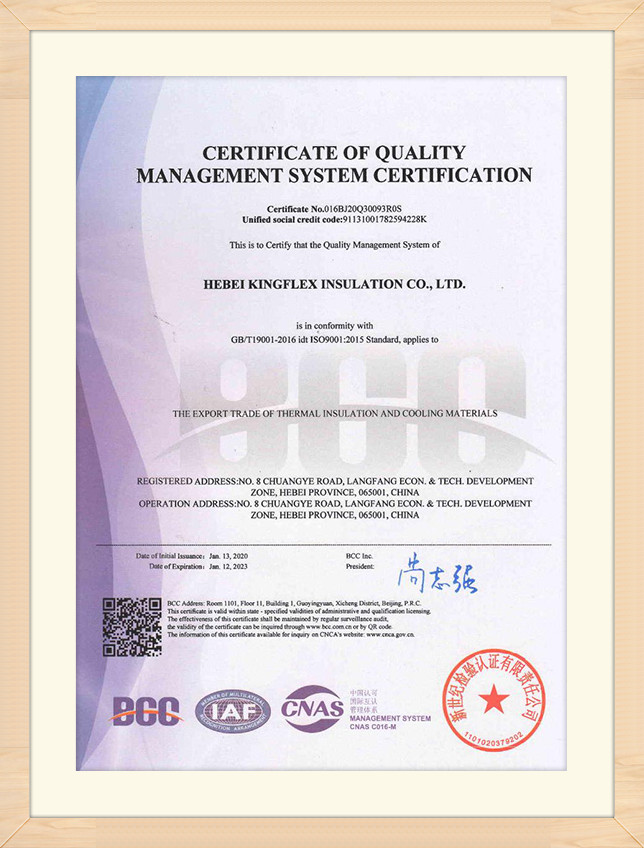
Strategic logistics, scale economies, and raw material access in Dacheng
Based in Dacheng, China—the recognized capital of green building insulation materials—we benefit from an integrated chemical supply chain. This proximity minimizes raw material transport costs and enables fast formulation adjustments.
Operating 5 large-scale automated lines allows us to produce high volumes continuously. These efficiencies lower overall manufacturing costs, permitting us to provide highly competitive direct-factory pricing to distributors and EPC contractors.
With 16 years of export history shipping to 66+ countries, we maintain strong logistics partnerships. These relationships ensure efficient custom clearances, flexible container packing, and reliable delivery to major global ports.
Complete elastomeric insulation solutions, low-temp pipe coverings, and rock wool insulation products

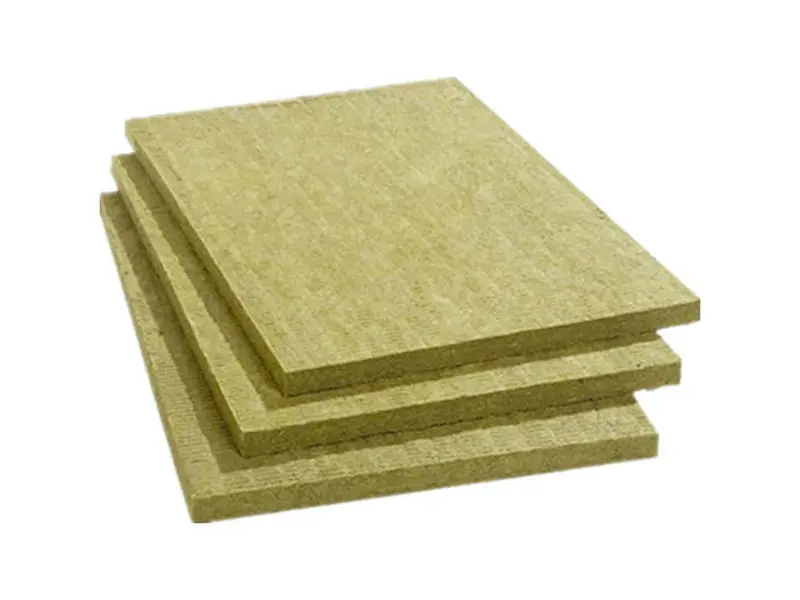
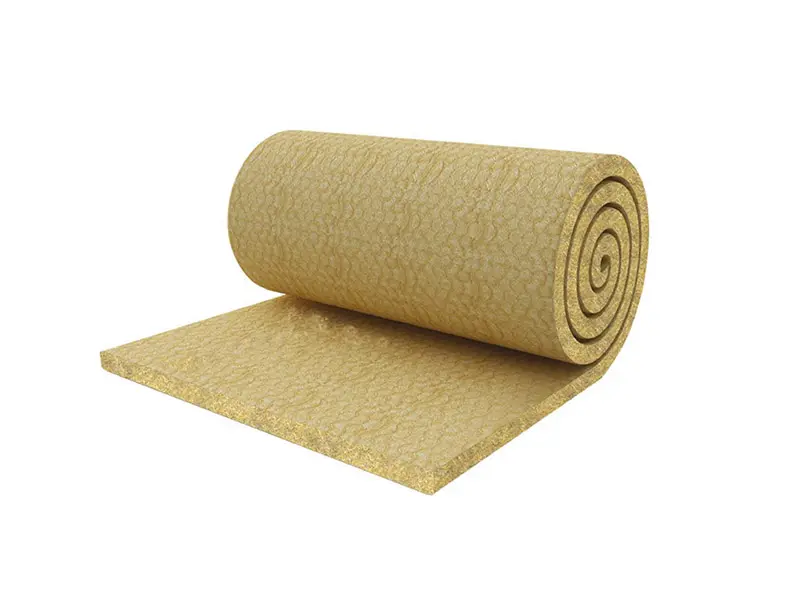
Where load-bearing capabilities and thermal insulation performance intersect
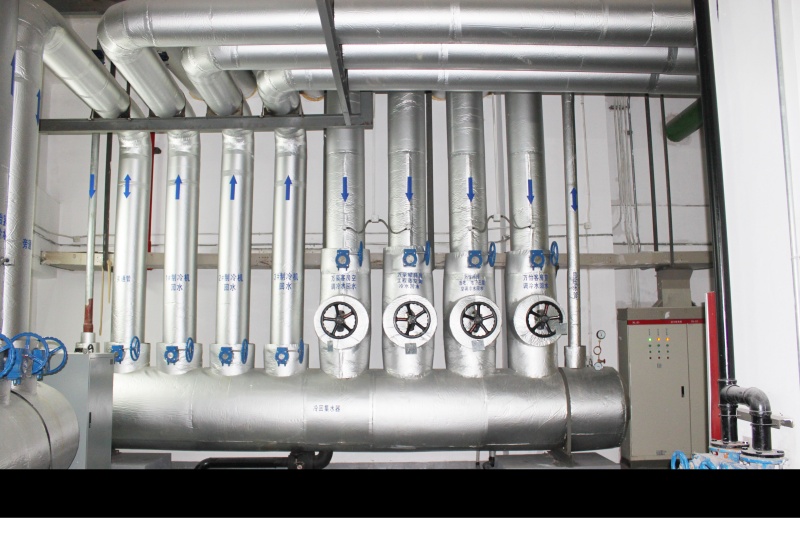
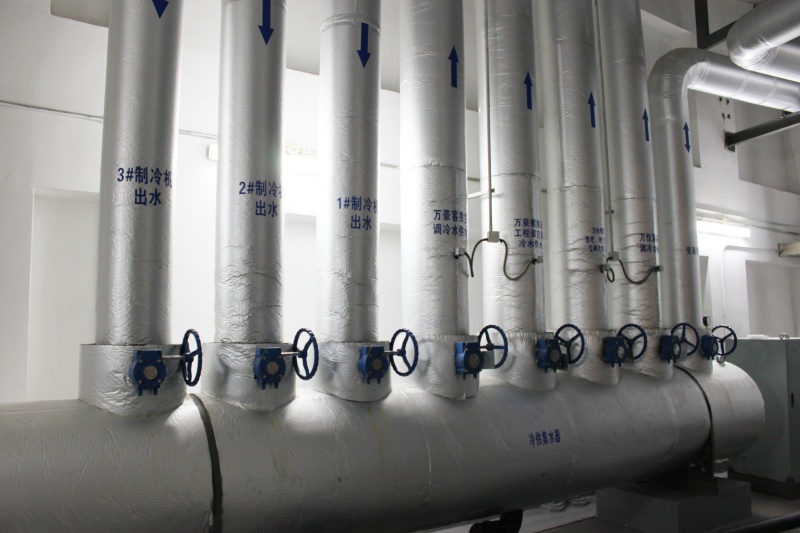
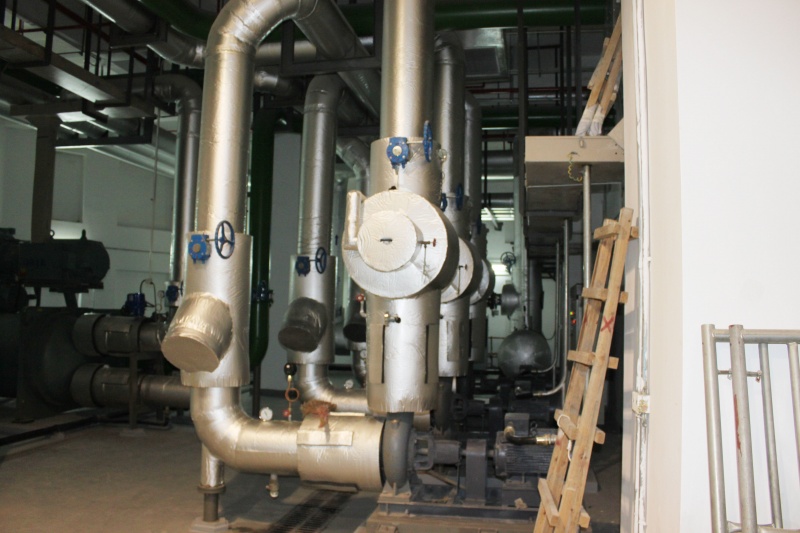
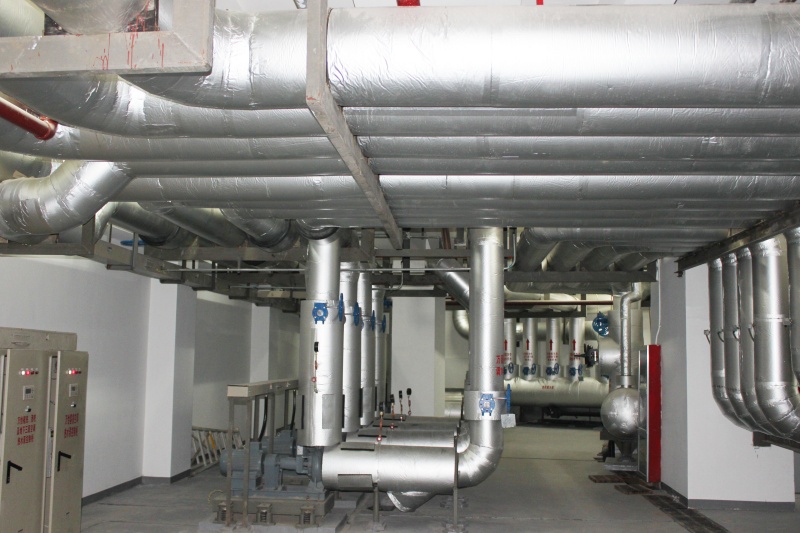
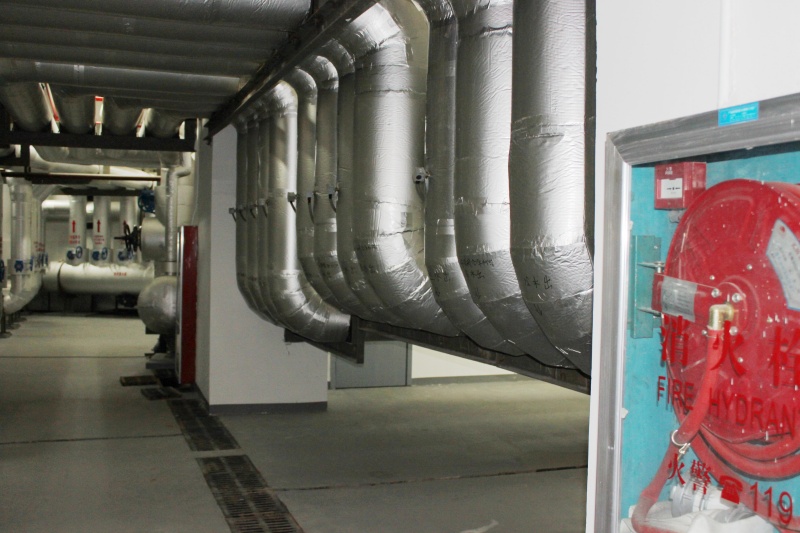
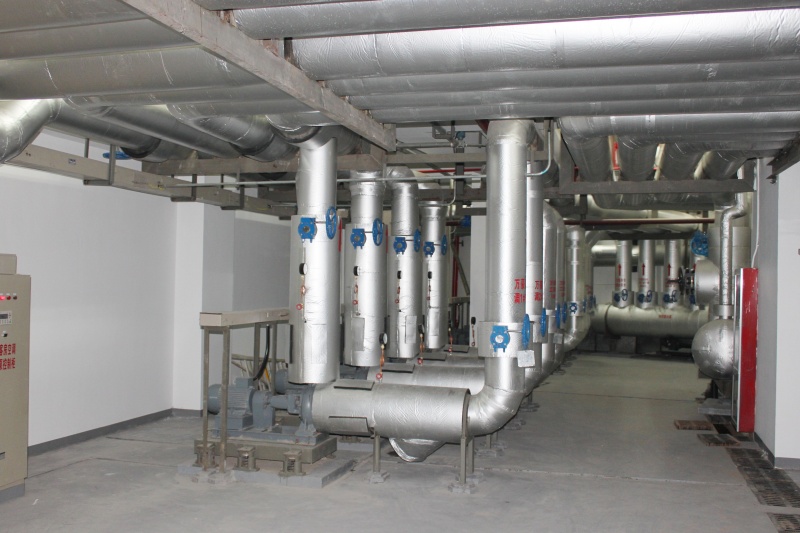
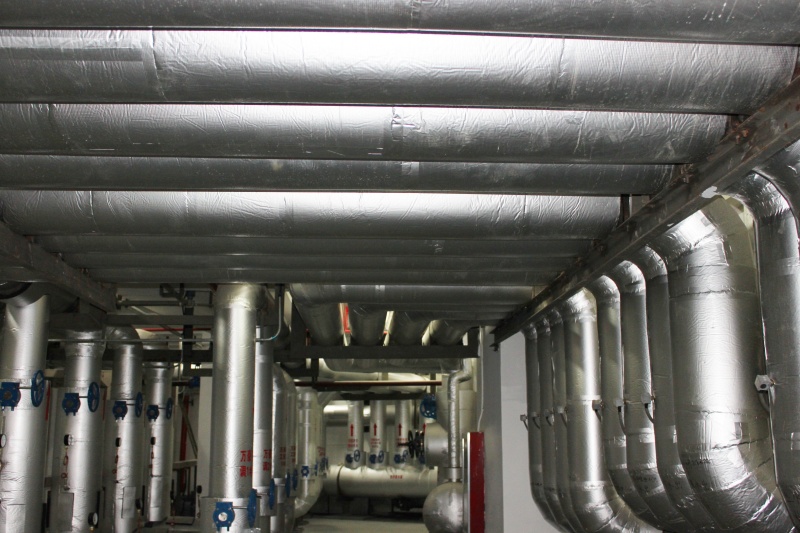
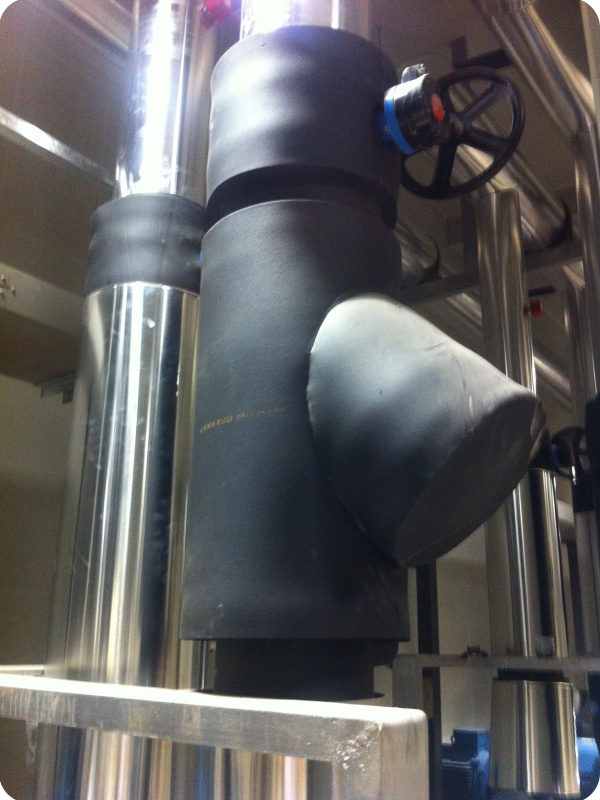
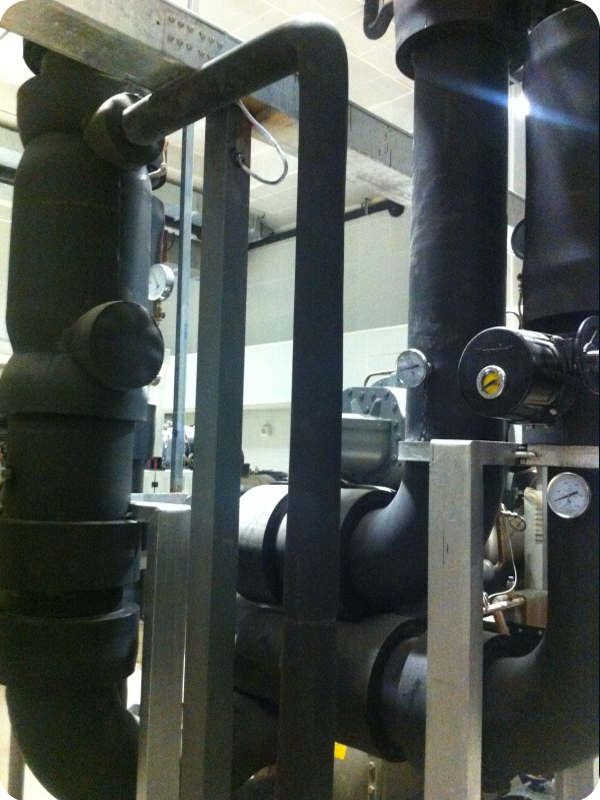
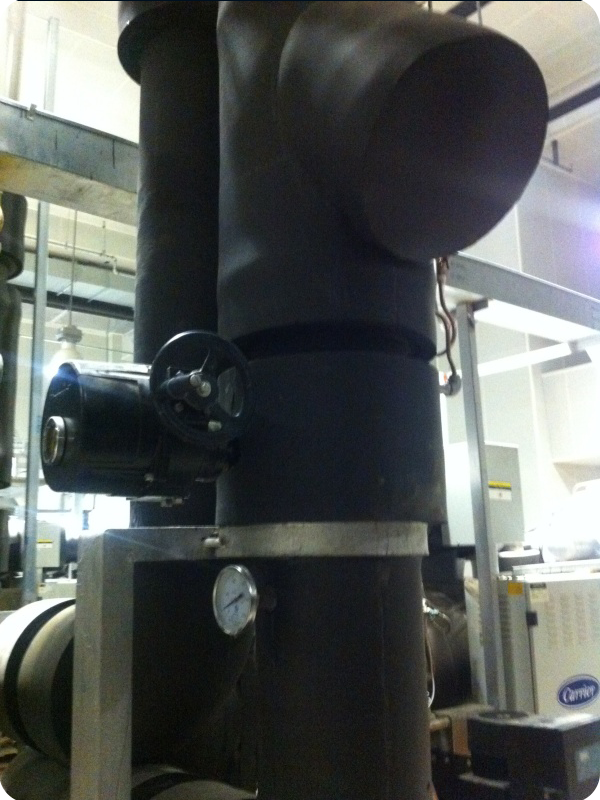
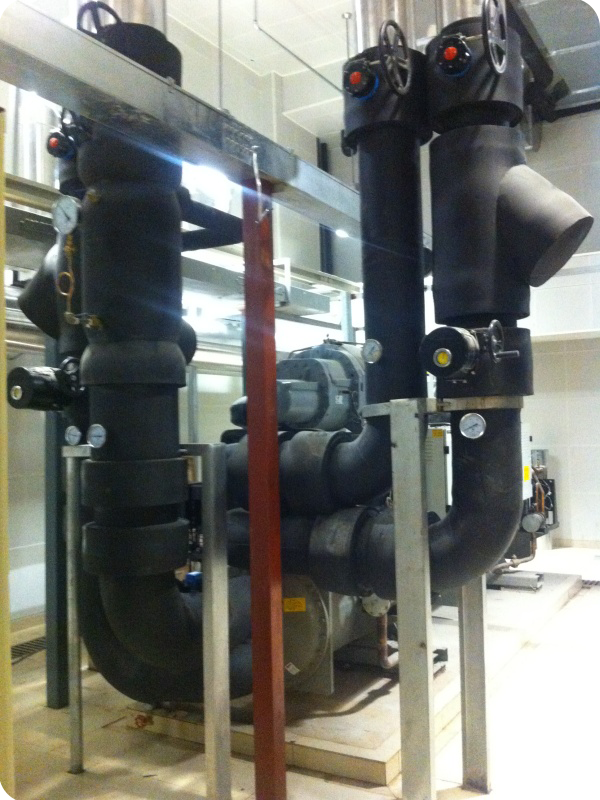
For central air conditioning networks in hotels, commercial malls, and hospitals, pipe supports often suffer from cold air leaks and moisture condensation. Our closed-cell rubber foam prevents surface sweating and maintains thermal integrity at hanger clamps, protecting architectural ceilings and reducing refrigeration load.
Operating down to -200 °C, large-scale cryogenic LNG tanks and pipelines require durable insulation materials. Standard materials shrink and crack under these extreme temperatures. Kingflex cryogenic systems combine mechanical flexibility with high thermal efficiency to prevent heat ingress.
Petrochemical plants and chemical facilities rely on steam pipes, process conduits, and process vessels. Our elastomeric pipe wraps resist chemicals, prevent thermal transfer, and protect metal pipelines from weather and moisture-induced corrosion (CUI).
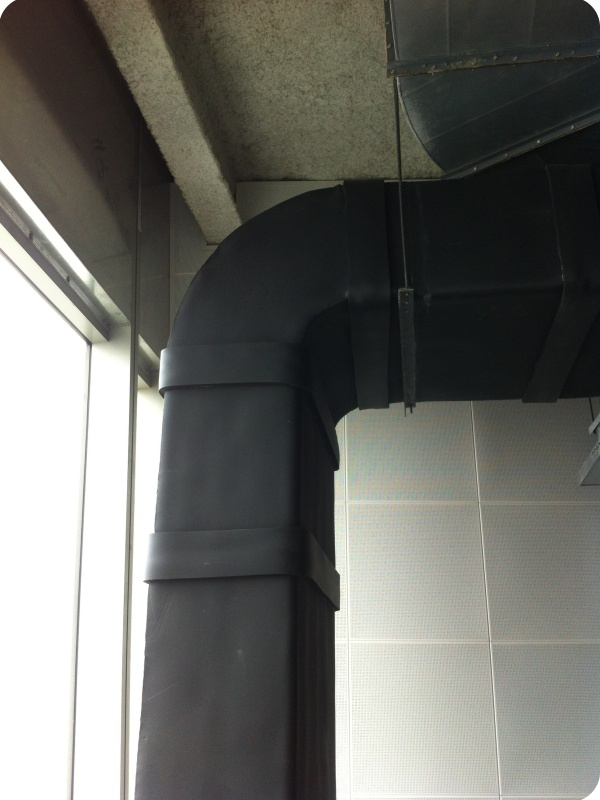
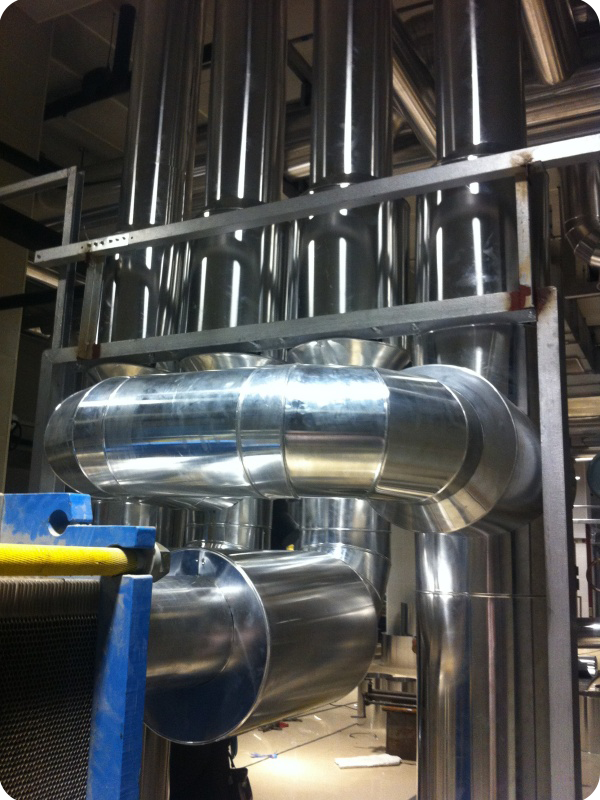
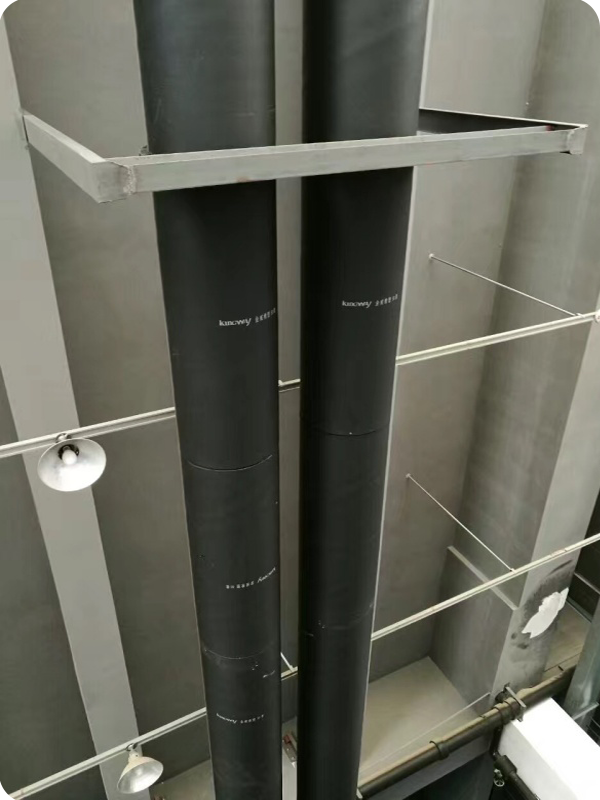
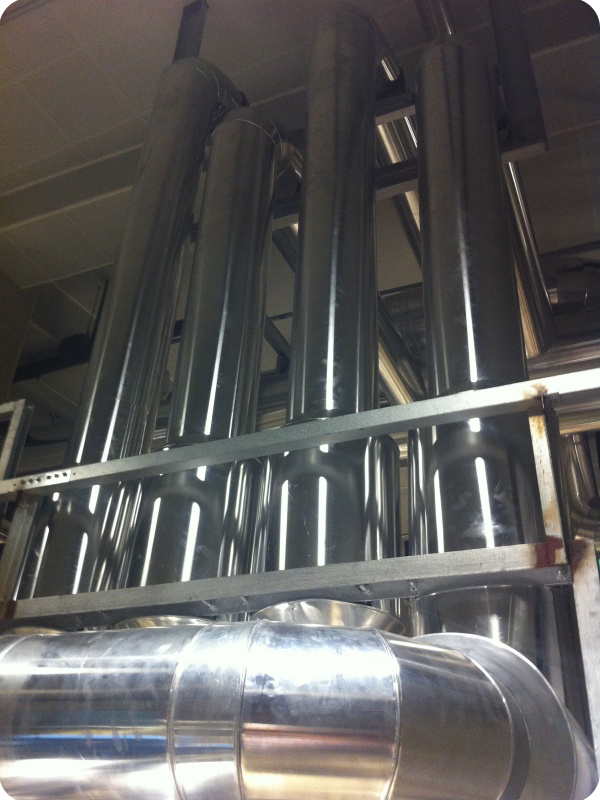
Real-world coordination, technical verification, and custom specifications
We work closely with engineering consultants and procurement departments to ensure our materials meet local thermal and building safety codes. This interactive consultation begins during technical review and continues through post-installation checks.
Our engineers provide complete material data packages, including compressive stress limits, flame spread index calculations, and water absorption test reports. These records verify our compliance with global safety standards.

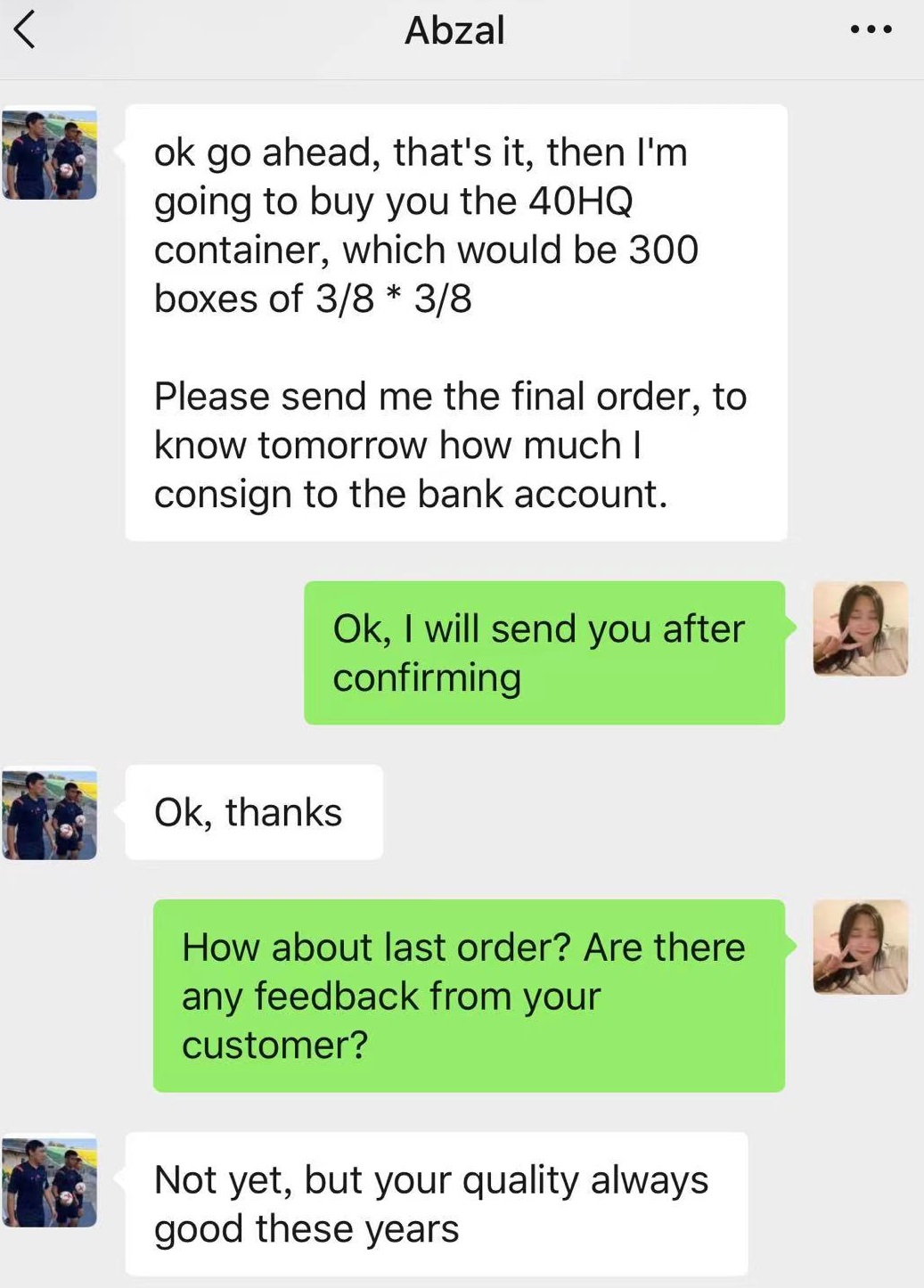

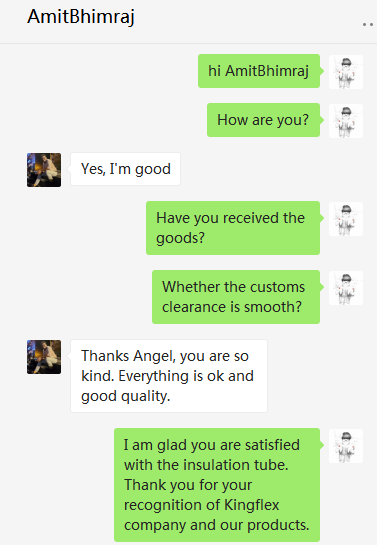
A tour of our factories, warehouse operations, and quality control lines

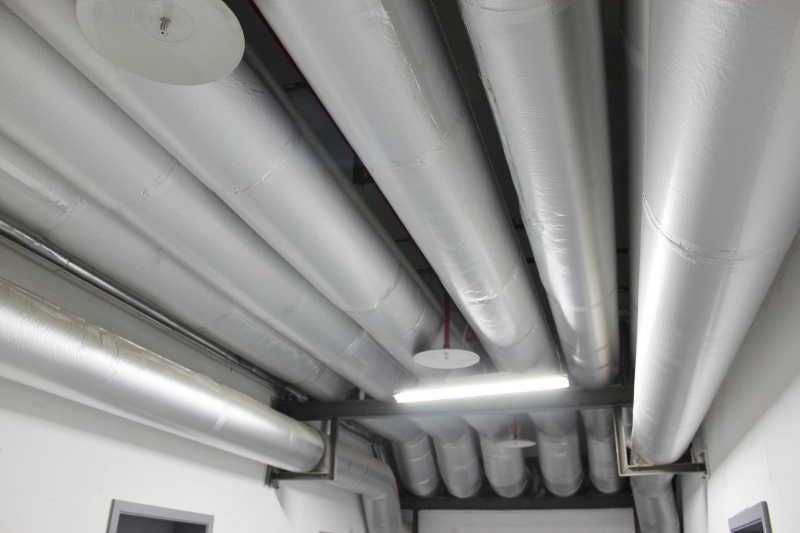
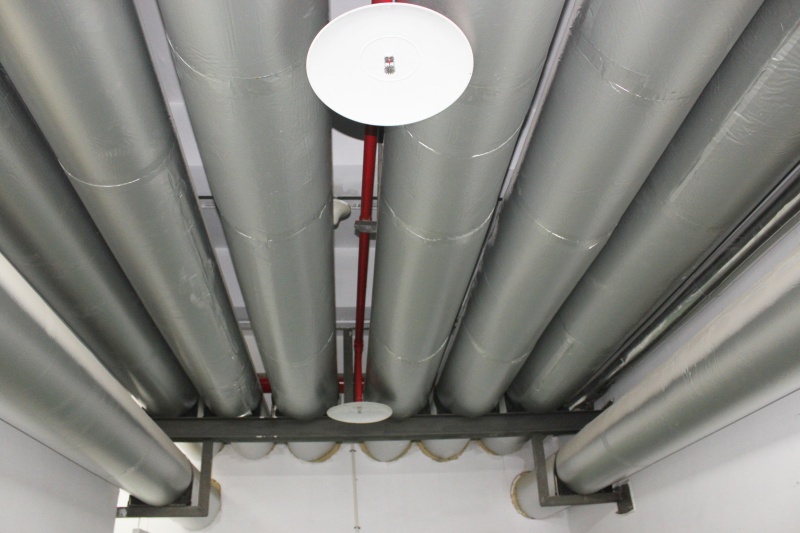
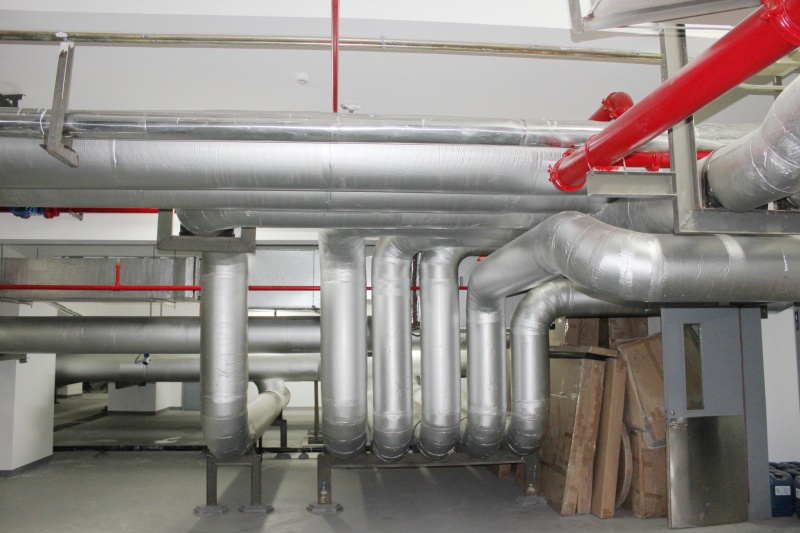
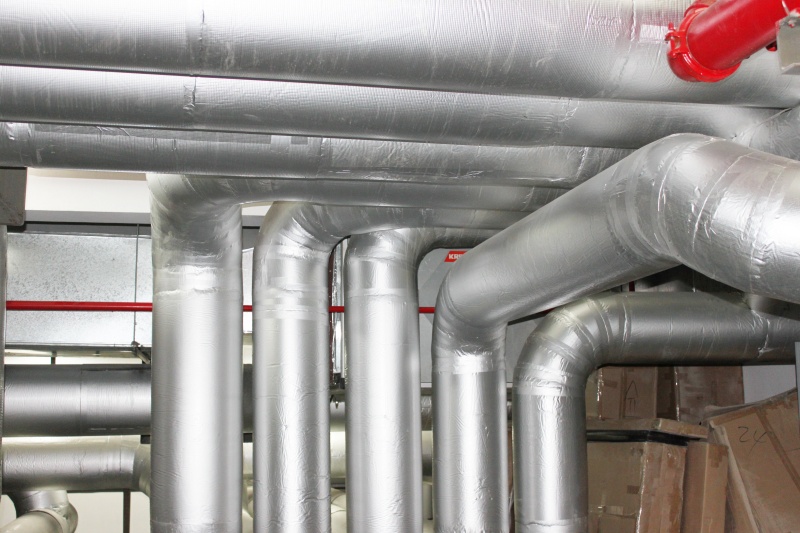
Insights into building codes, material specifications, and future trends in elastomeric piping
Procurement teams at international EPC firms require materials that meet local safety regulations. Project builders prioritize fire ratings, smoke indices, and mechanical stability. Kingflex manufactures its elastomeric insulation products to comply with international fire and smoke safety standards, including UL94 V-0 and BS 476 Class 0. This compliance ensures high safety levels for large commercial buildings and industrial plants.
Piping system design is shifting away from low-cost, low-density foam wraps that degrade over time. Modern infrastructure projects use high-performance, high-density elastomeric systems at load-bearing points. By pairing these high-density inserts with standard elastomeric insulation, piping designers create a continuous vapor seal and uniform thermal barrier, which prevents condensation and reduces long-term heat loss.
Expert technical answers regarding elastomeric materials, testing standards, and field applications
Engaging with international engineering teams and building lasting partnerships

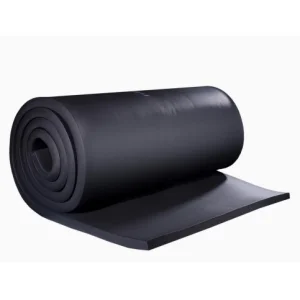
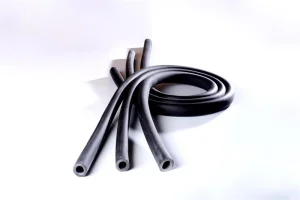
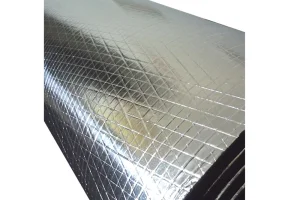
Premium NBR/PVC sheets, aluminum foil-covered boards, and industrial piping wraps
A look at our testing labs, inventory controls, and packaging processes