 Kingflex
Kingflex
Kingflex
Engineered rubber foam and synthetic elastomeric materials conforming to ASTM, BS 476, and UL94 fire safety protocols.
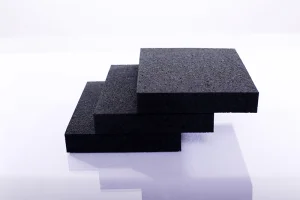
An in-depth analysis of closed-cell structures, fire propagation dynamics, and thermal efficiency parameters.
In modern industrial design and HVAC system architecture, selecting the appropriate thermal barrier is not merely a matter of conserving energy; it is a critical mandate for fire protection, moisture resistance, and structural longevity. Kingflex Insulation Co., Ltd. stands at the forefront of this material science evolution. As a premier Wholesale Non Flammable Insulation Manufacturer, we specialize in high-grade Nitrile Butadiene Rubber (NBR) and Polyvinyl Chloride (PVC) composite technologies that achieve the balance between flexible elastomer mechanics and exceptional fire-retardant properties.
Thermal insulation works by mitigating heat transfer via conduction, convection, and radiation. The key to our closed-cell elastomeric rubber foam lies in its micro-structural configuration. By trapping billions of microscopic nitrogen pockets inside a dense, cross-linked rubber matrix, the material demonstrates an exceptionally low thermal conductivity ($\lambda \le 0.035 \text{ W/(m}\cdot\text{K)}$ at $0^\circ\text{C}$). More importantly, this uniform cell layout creates a continuous water vapor barrier, yielding a moisture resistance factor ($\mu$) exceeding 10,000, preventing condensation in chilled systems.
Traditional elastomers present high flammability risks unless engineered at the macromolecular level. Our R&D department incorporates inorganic metal hydroxides and nitrogen-phosphorus flame retardants directly into the raw elastomer compound before vulcanization. When exposed to heat, these compounds undergo endothermic decomposition, releasing bound water molecules that dilute oxygen concentration at the combustion front. Simultaneously, they form a solid carbonaceous char barrier that cuts off oxygen flow to the inner layers, preventing structural collapse and toxic smoke propagation.
Every batch of Kingflex elastomeric insulation undergoes rigorous calibration. Below are the verified technical parameters for our standard sheet rolls and tube models, designed to support structural calculations for HVAC systems, cold storage facilities, and heavy industrial processing lines.
| Physical Property | Standard Reference | NBR/PVC Elastomeric Foam Value | Rock Wool Core Value |
|---|---|---|---|
| Thermal Conductivity ($\lambda$) | ASTM C518 / ISO 8301 | ≤ 0.034 W/(m·K) at -20°C | ≤ 0.038 W/(m·K) at 25°C |
| Fire Propagation Index | BS 476 Part 6 / UL 94 | Class 0 (I ≤ 12, i1 ≤ 6) / V-0 | Non-Combustible Class A1 |
| Water Vapor Permeability | ASTM E96 (Permeance) | ≥ 10,000 (μ-value) | 1.0 (Highly Permeable without barrier) |
| Density | ASTM D1622 | 40 - 55 kg/m³ | 60 - 150 kg/m³ |
| Service Temperature Range | DIN 52613 | -40°C to +105°C | -260°C to +650°C |
Tailored physical protection and thermal dynamics for major infrastructure, heavy chemistry, and high-occupancy architecture.
For high-rise commercial structures, hospitals, and electronics cleanrooms, indoor air quality (IAQ) is critical. Kingflex fiber-free elastomeric sheets prevent particulate shedding while eliminating condensation on cooling ducts, preventing mold development.
Industrial refineries demand insulation systems that survive harsh external weathering while resisting fire. Our high-density rock wool boards and composite pipe claddings handle continuous operating temperatures up to 650°C, providing structural fire barriers.
Liquefied Natural Gas (LNG) processing requires specialized insulation to prevent boil-off gas (BOG) losses. Kingflex cryogenic elastomeric foam maintains elasticity and structural integrity down to -200°C, mitigating thermal shock on critical process valves.
Mechanical machinery, high-volume HVAC duct systems, and gym foundations produce sound and structural vibrations. Our open-cell acoustic insulation panels and shockproof rubber pads absorb vibration energy, lowering acoustic resonance in architectural structures.
How polymer synthesis and hybrid aerogels are defining the future of industrial insulation.
The global demand for high-efficiency insulation is shifting toward ecological compatibility and fire-resistant materials. The R&D division at Kingflex is currently pursuing a multi-tier technical roadmap designed to transition from traditional NBR/PVC matrices to halogen-free, low-smoke compounds that meet strict building standards.
By integrating nanostructured silica aerogels into the elastomeric structure, our research team is developing hybrid sheets that offer even lower thermal conductivity ($\lambda \le 0.022 \text{ W/(m}\cdot\text{K)}$) while maintaining flexibility. This allows for thinner insulation profiles, reducing installation footprint in confined marine and aerospace applications.

Operating from Dacheng, China—the capital of green building materials—our production base utilizes advanced manufacturing technologies. Our plant features 5 large automatic assembly lines, generating an annual output exceeding 600,000 cubic meters.
Our automated raw material batching systems guarantee consistent blending ratios for NBR, PVC, and fire retardants. Continuous online monitoring controls extrusion density, cell structure, and wall thickness. This system reduces waste by 18% compared to manual processes and ensures consistent thermal and fire safety performance across production runs.
Automated bulk silos store polymers and additives under constant temperature and humidity, ensuring material stability.
Laser-guided sensors adjust tube diameters and wall thicknesses in real-time, matching global pipeline standards.
Computer-monitored ovens optimize temperature curves, ensuring a uniform closed-cell structure.
Our dedicated engineering department and advanced physical testing labs ensure batch-to-batch consistency and international compliance.
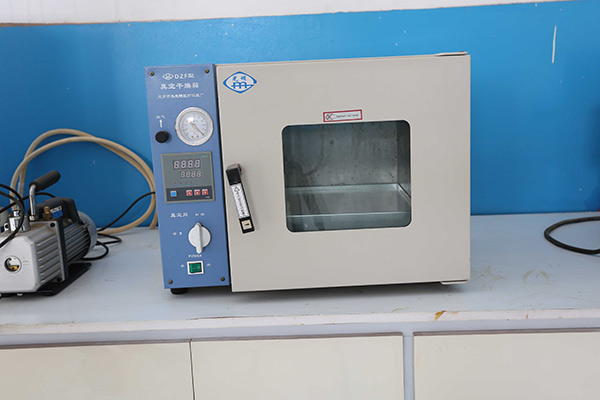
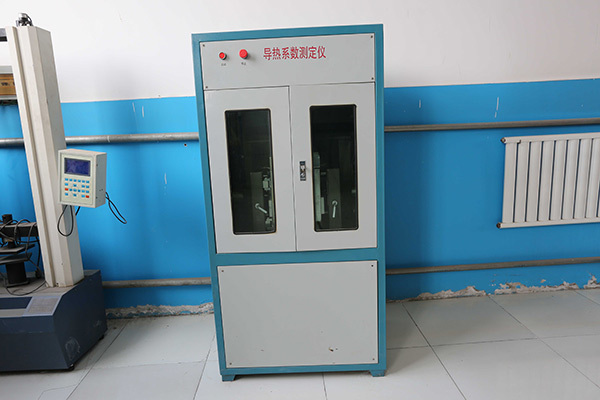
Led by 8 professional R&D engineers, Kingflex operates an in-house laboratory equipped to measure thermal conductivity, water vapor transmission, and aging properties. We test raw materials before production and run quality checks on finished insulation sheets and pipes.
Our products undergo standard testing for smoke density, heat release rate, and oxygen index (LOI). By maintaining a LOI value above 32%, our elastomeric foam is certified as self-extinguishing. This reduces risk in high-density areas, such as hotels, commercial offices, malls, and healthcare facilities.
Providing certified, code-compliant products and technical documentation for municipal and industrial tenders worldwide.
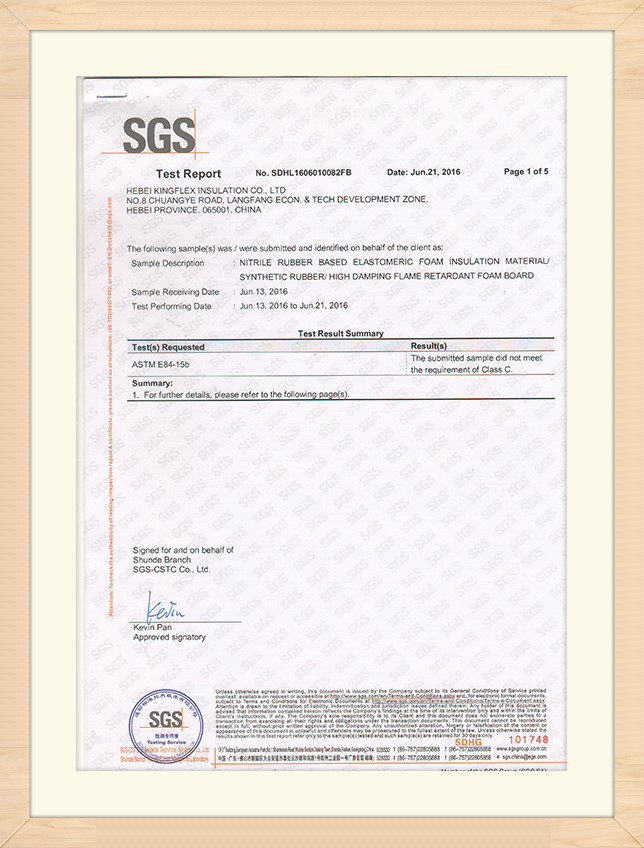
 BS 476 Class 0
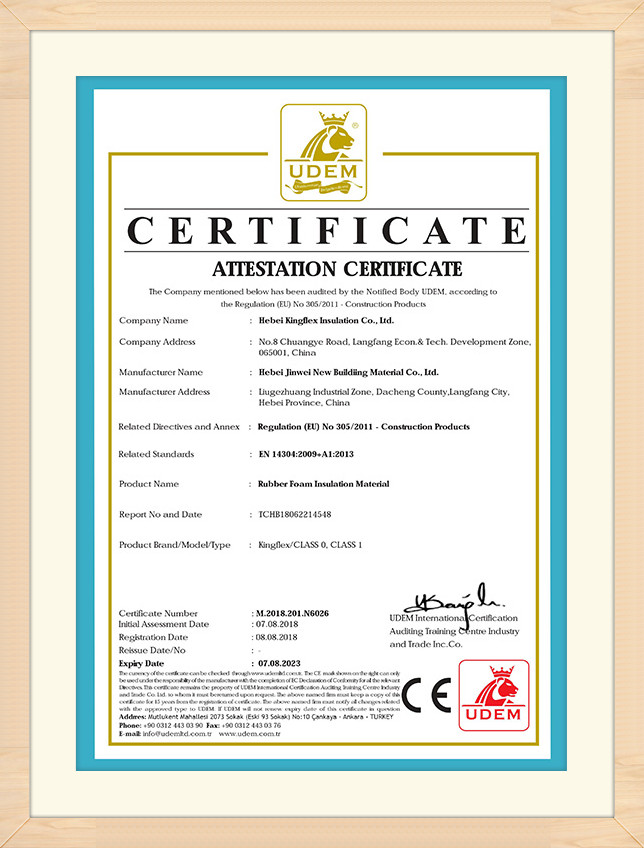
 CE Compliant
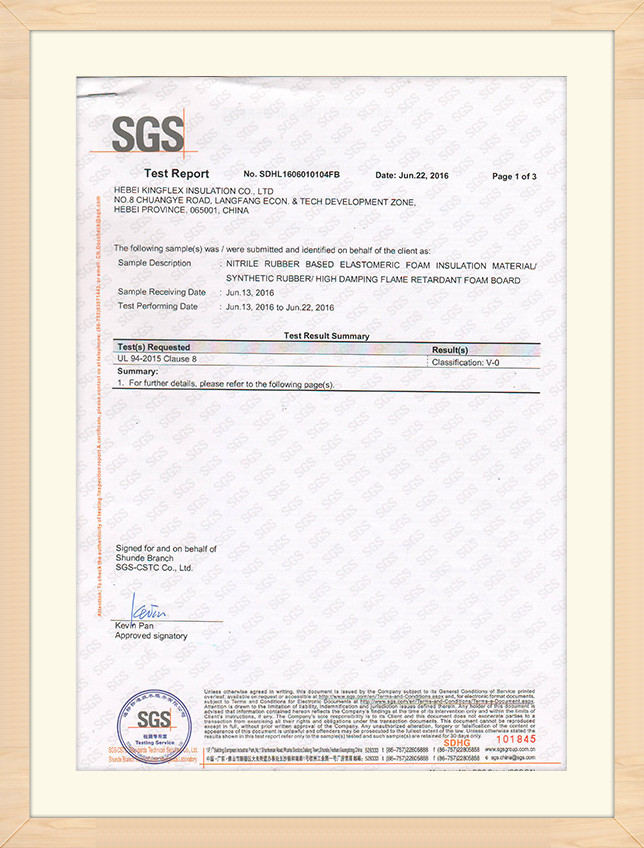
 UL94 V-0 Rated
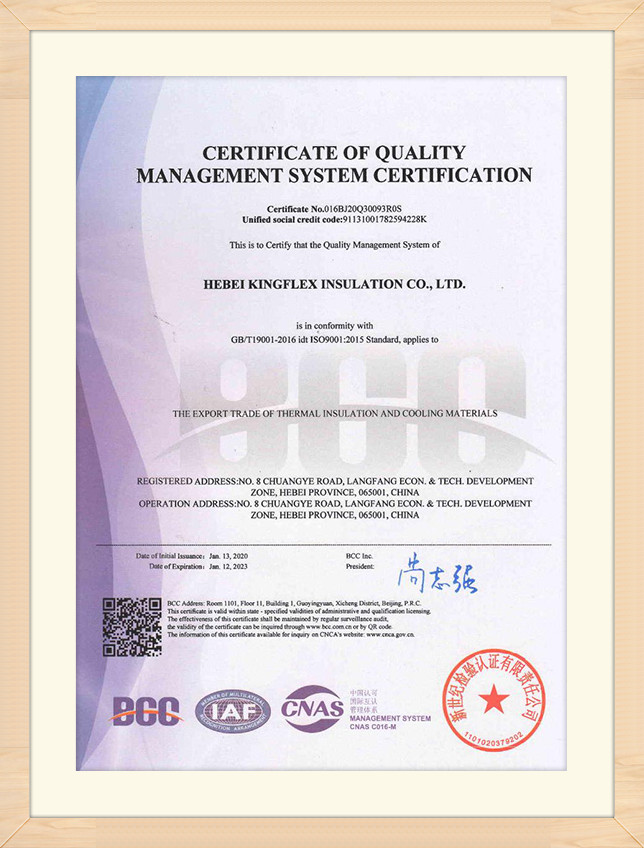
 ISO 9001 System
Industrial specifications vary by region. In the UK and Middle East, BS 476 Parts 6 and 7 are required. North American projects follow ASTM C534 and ASTM E84 (25/50 flame and smoke index). European markets look for CE marking and REACH/RoHS compliance.
Kingflex offers localized product support, providing third-party test certificates, submittal sheets, and engineering data for construction approval. We also provide customized dimensions and packaging to simplify transportation and warehouse storage.
Acoustic and specialized high-temperature rock wool models designed to complement elastomeric thermal systems.
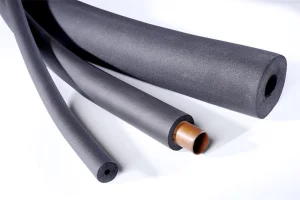
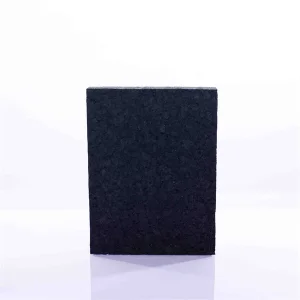
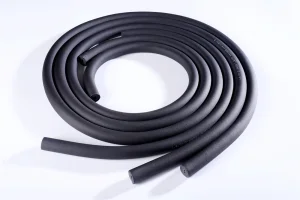
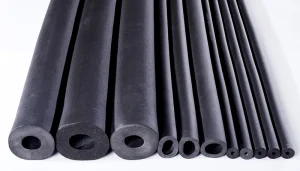
Specific material selections designed for targeted thermal resistance and environmental safety parameters.
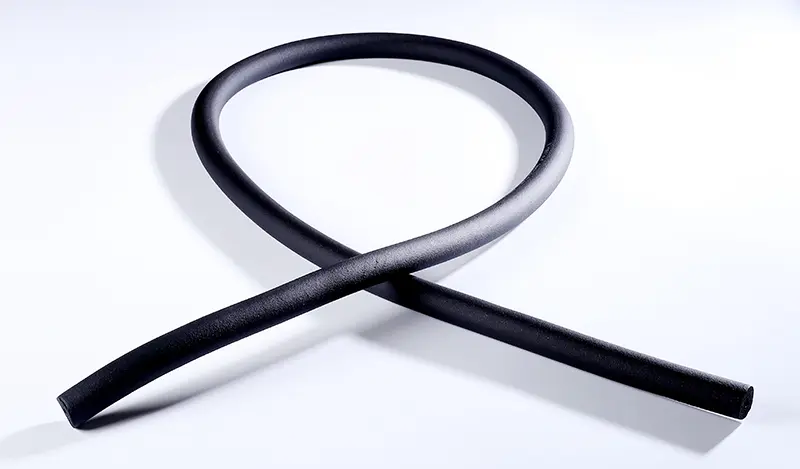
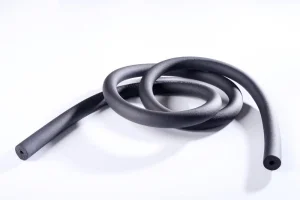
Standard NBR/PVC alloy pipe sleeve. Optimized for domestic plumbing and general building HVAC piping.
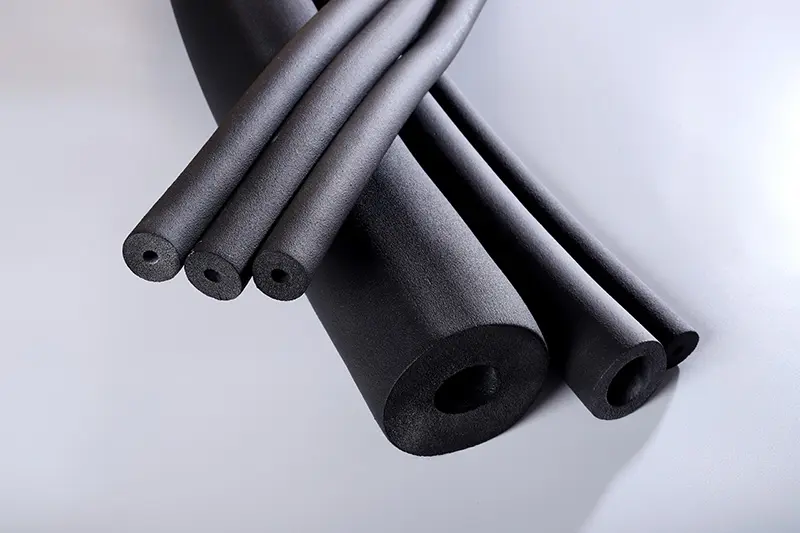
Specially formulated outer skin to resist corrosion under insulation (CUI) on copper and steel pipes.

Highly flexible formulation with an elongation break point >150%, ideal for complex plumbing geometry.
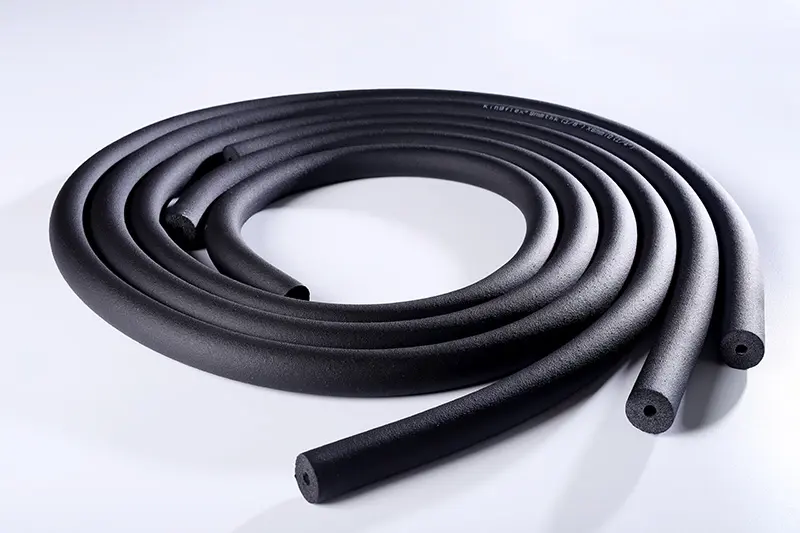
Industrial black finish with integrated carbon black shielding. Ideal for exposed overhead structures.
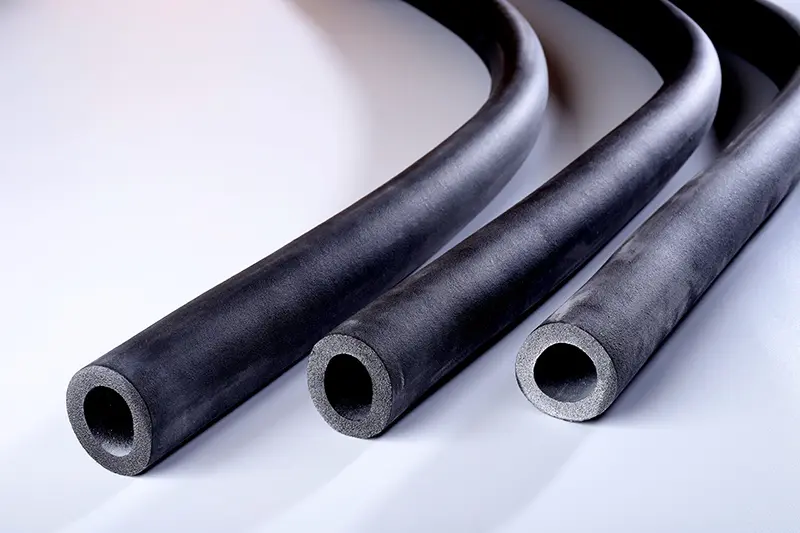
Dual foaming structure providing a density profile that balances strength and insulation performance.
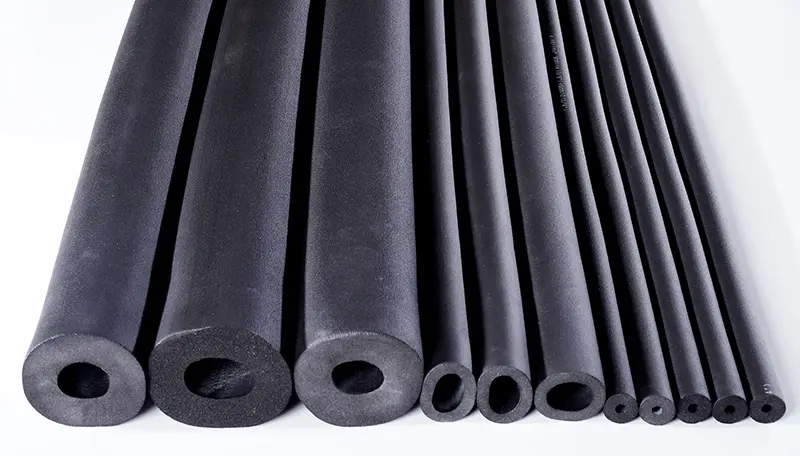
Optimized for split A/C lines and central chiller units, keeping energy losses minimal.
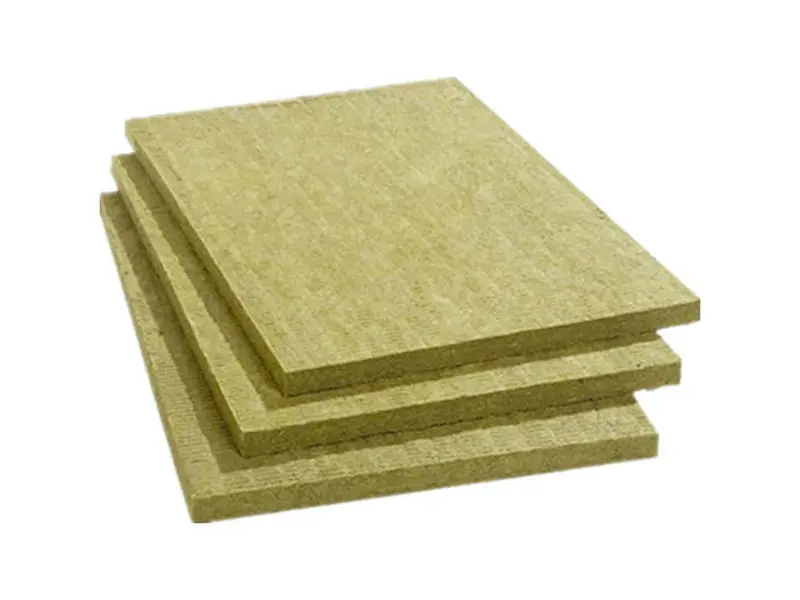
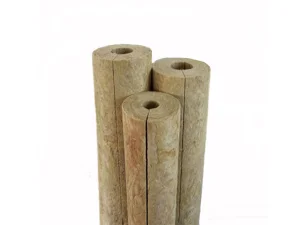
Rigid mineral fiber backing designed for partitioning walls, plant machinery, and fire stop systems.
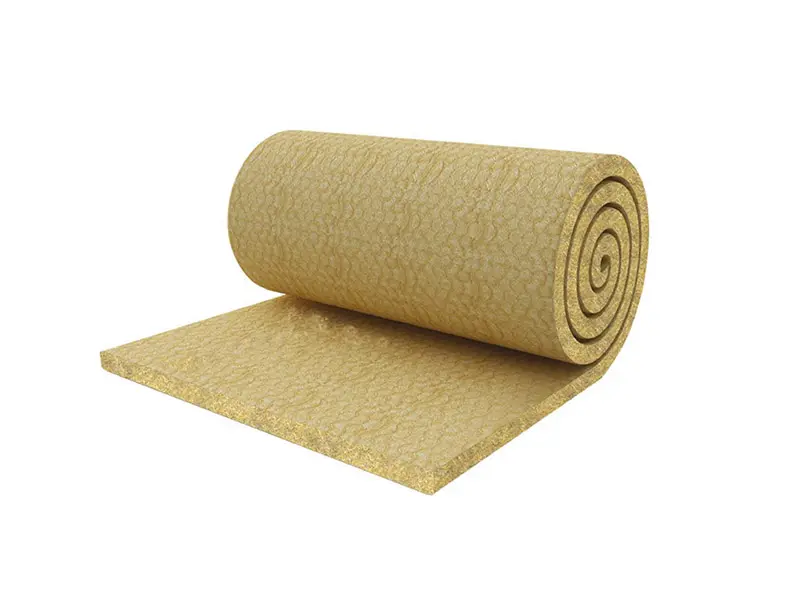
Flexible mesh-faced rock wool rolls. Ideal for wrapping large cylindrical storage tanks and flue gas ducts.
A heritage spanning more than 40 years of pioneering thermal insulation research and manufacturing.
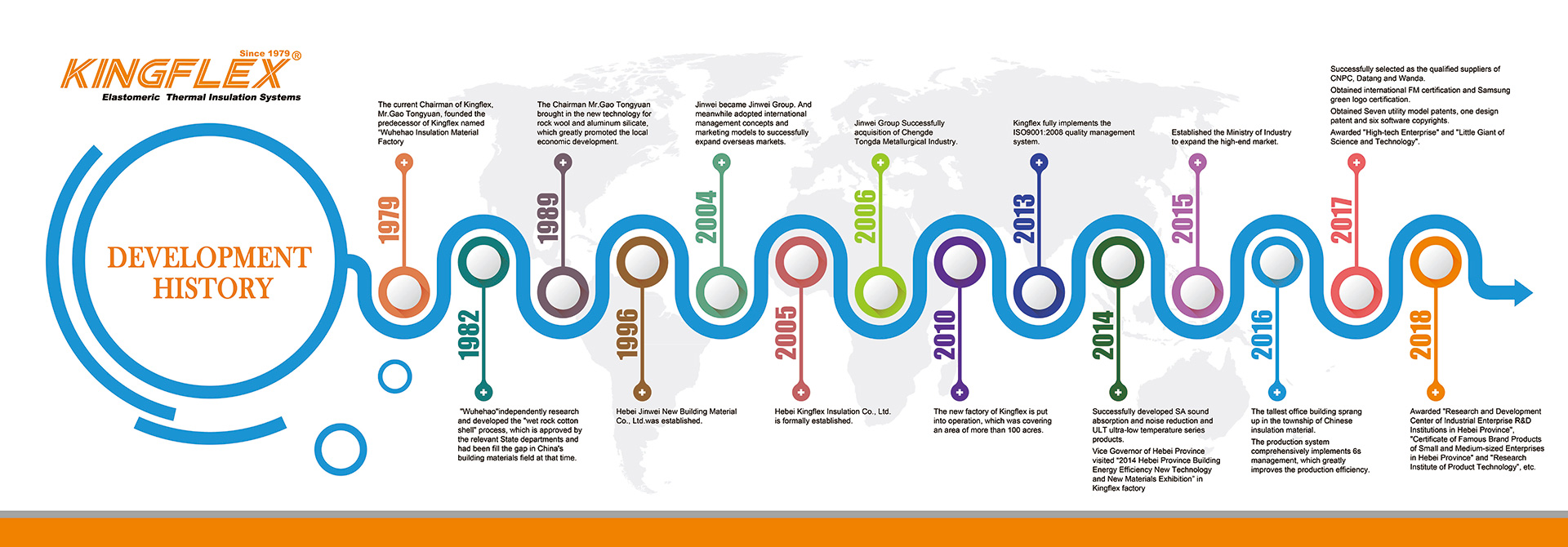
Kingflex was established by the Jinwei Group (also known as Kingway Group), which has a history of more than 40 years. Established in 1979, it was the first thermal insulation material manufacturer north of the Yangtze River. Decades of research have shaped our evolution, transitioning from basic mineral wool processing to advanced closed-cell elastomeric polymer engineering.
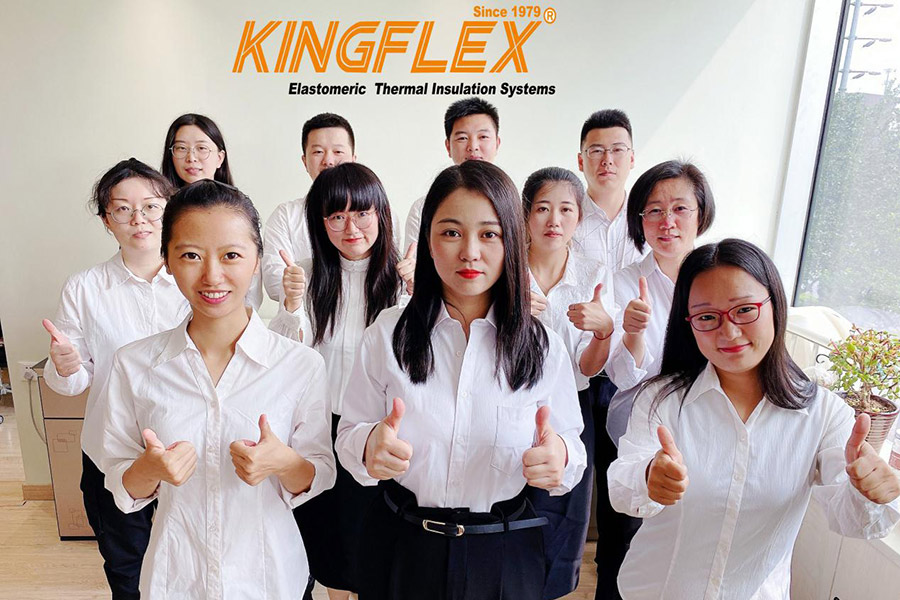
8 Professional Engineers developing custom rubber foam formulations.

6 Professional Export Specialists serving 66+ countries.

230 Skilled Workers managing 5 automated assembly lines.
Meeting supply chain compliance and strict product tracing requirements for international distributors and contractors.
B2B procurement managers require transparent traceability from raw material batch to installation site. Kingflex provides end-to-end trace documentation, including polymer source tracking, compound testing logs, and batch number tracking printed on each insulation roll and tube.
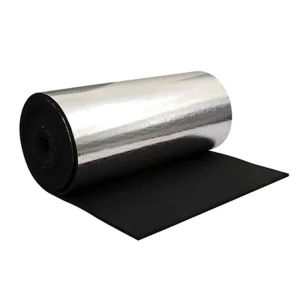
Distributors and engineering firms can order customized dimensions (thicknesses from 6mm to 50mm, inner diameters up to 114mm) with custom packaging to match local requirements. We also offer OEM brand stamping on backings and foils to support retail distribution networks.
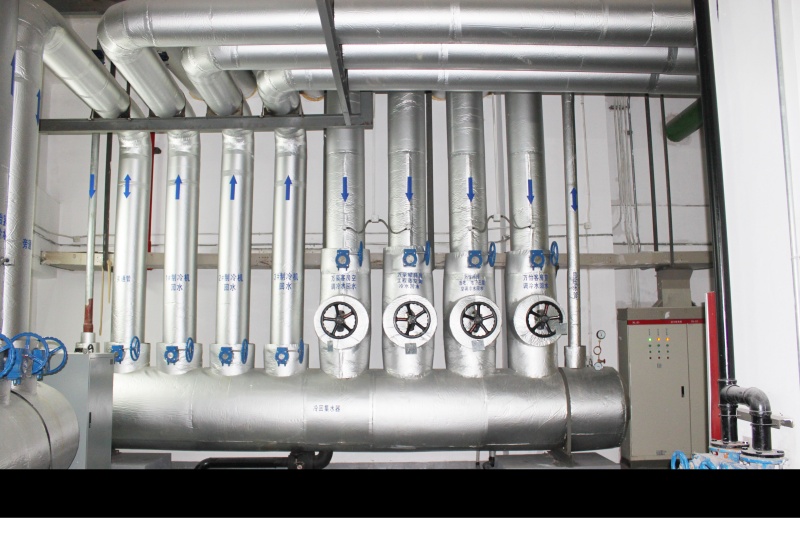
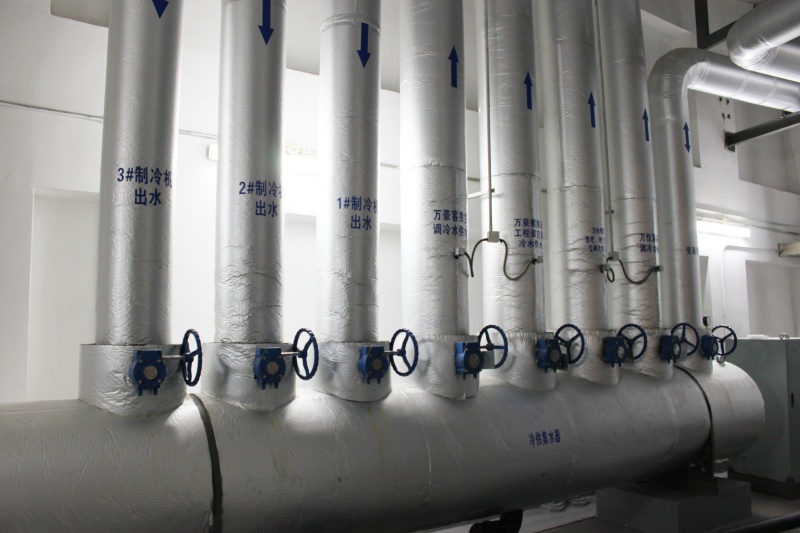

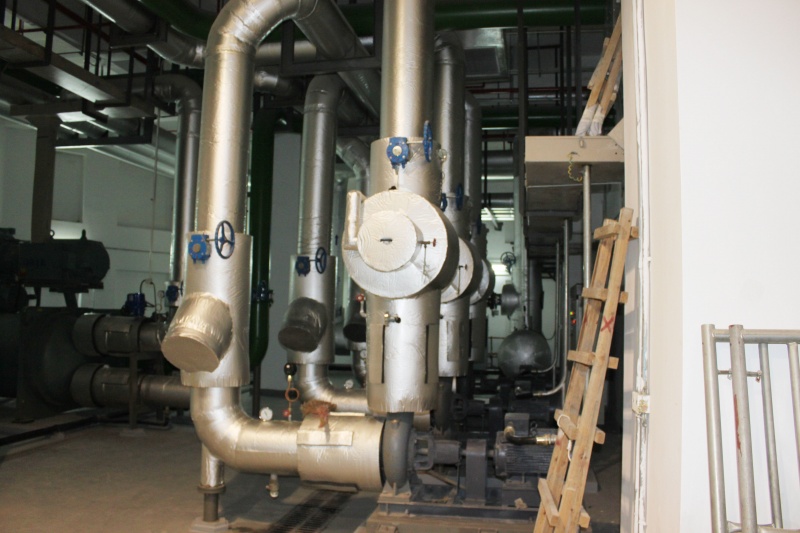
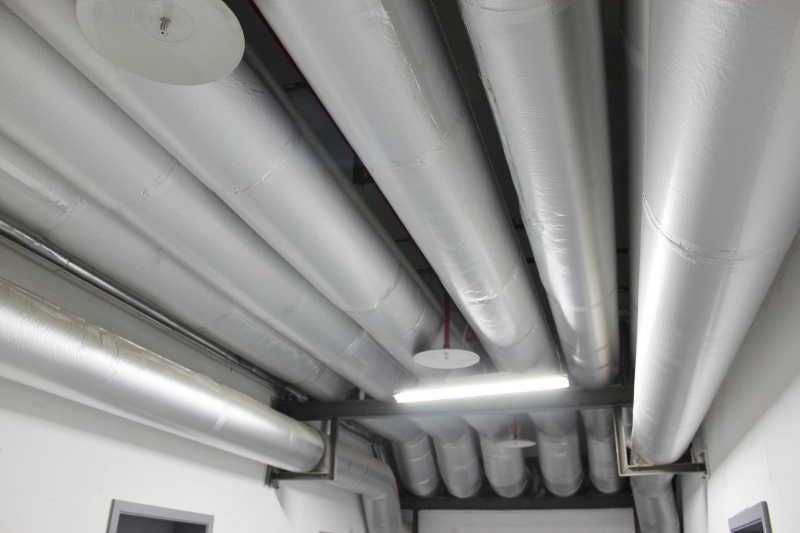
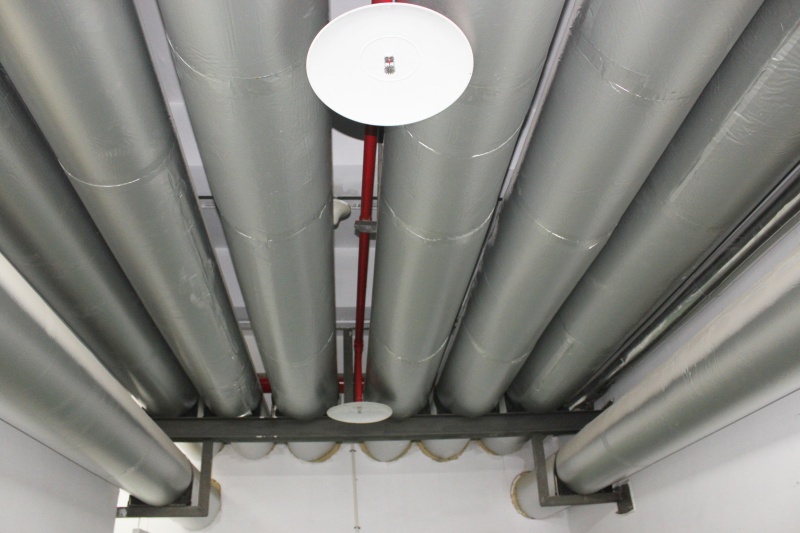
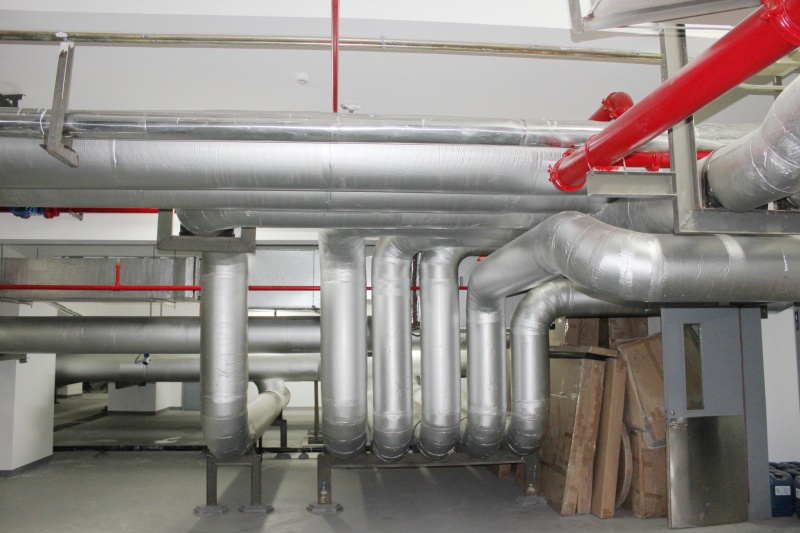
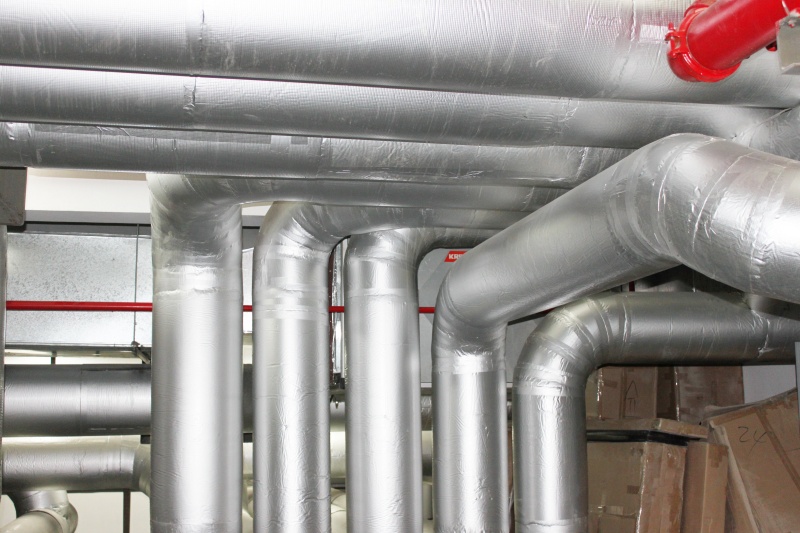
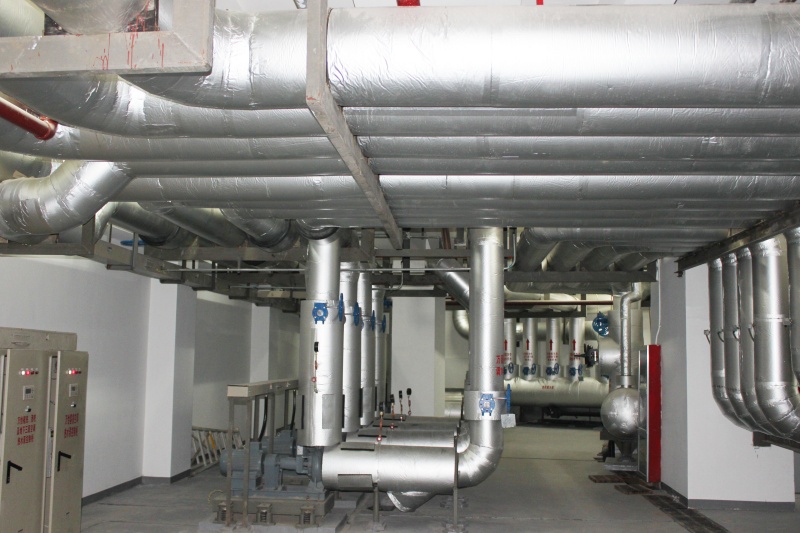
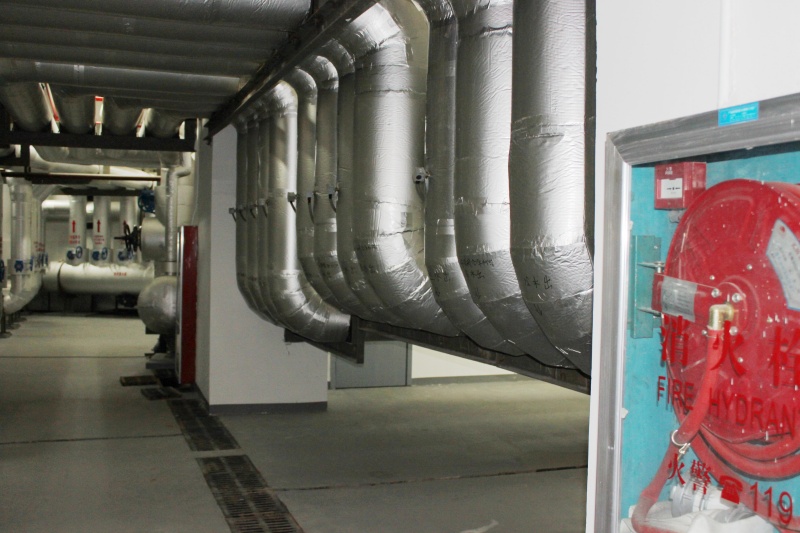
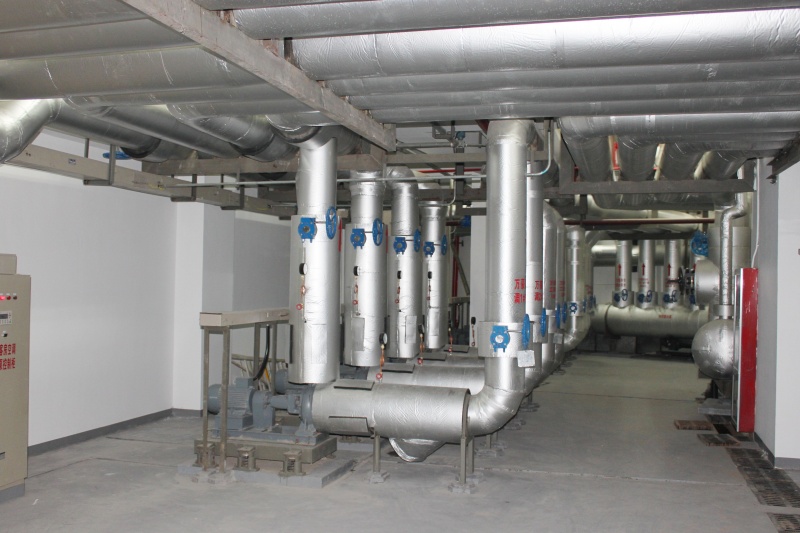
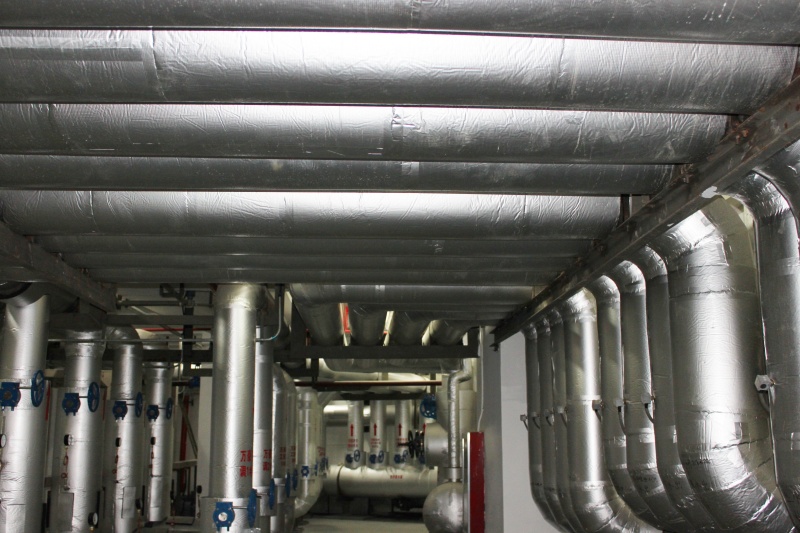


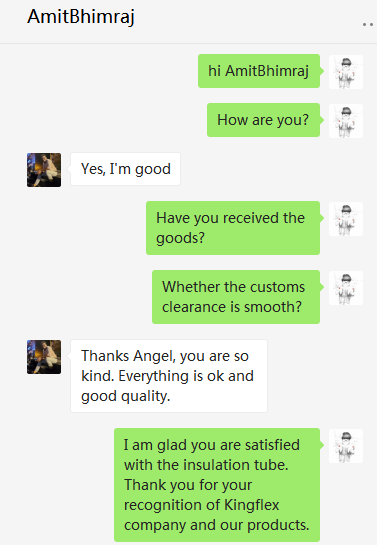


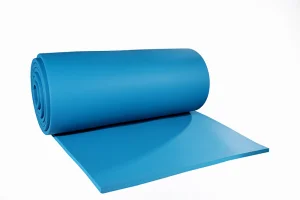
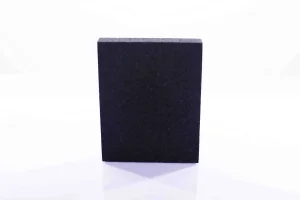
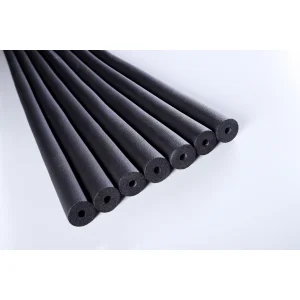
Specific size and installation details for Black Rubber Foam Insulation Sheets and Pipes.
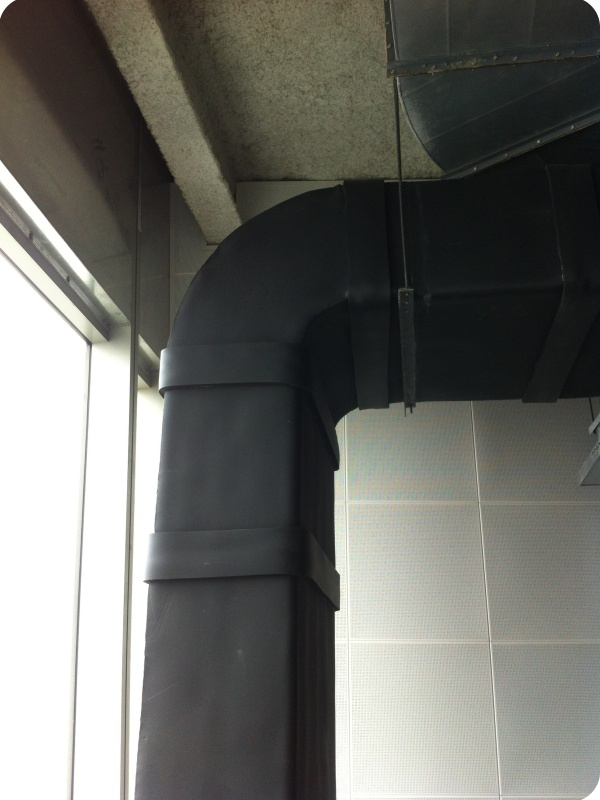
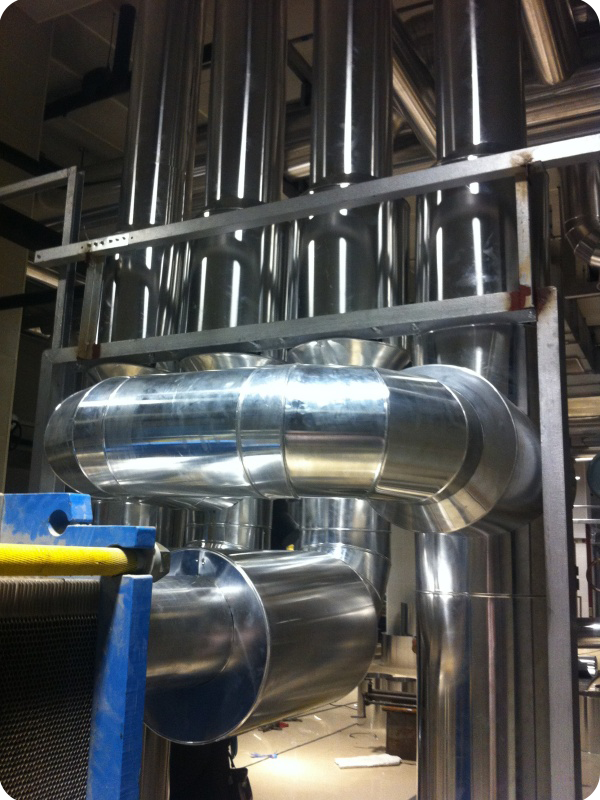
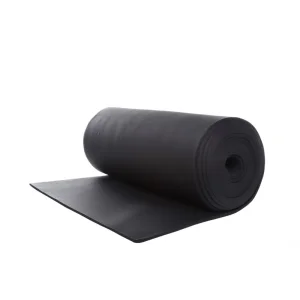
Standard Dimensions: Material NBR/PVC | Thickness: 6mm - 50mm | Density: 40-55 kg/m³ | Temperature Range: -40℃ to 105℃
Key Advantages: Even foam density with a closed-cell rate >98%, high moisture resistance, compression resilience >80%, and self-extinguishing fire-retardant properties.
Primary Applications: Central air conditioning ducts, architectural roofs, walls, rail transit carriages, cold storage rooms, and chemical process piping.
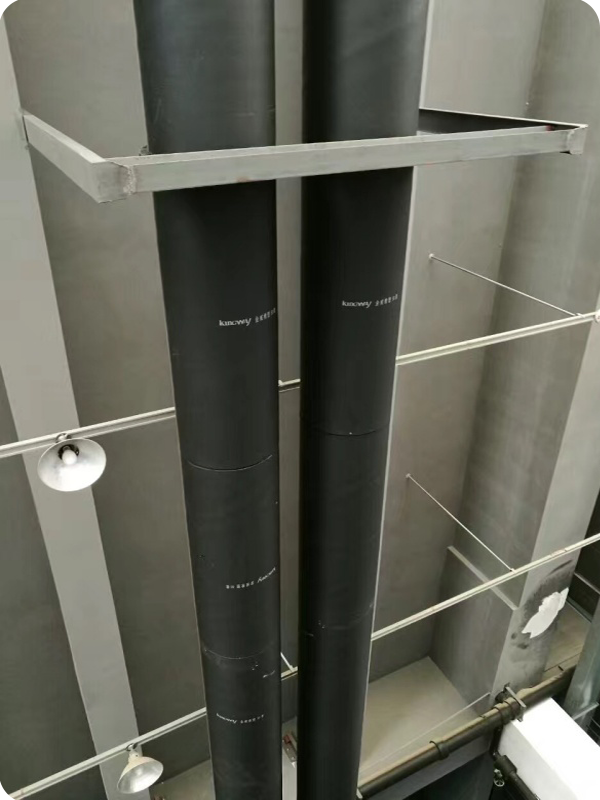
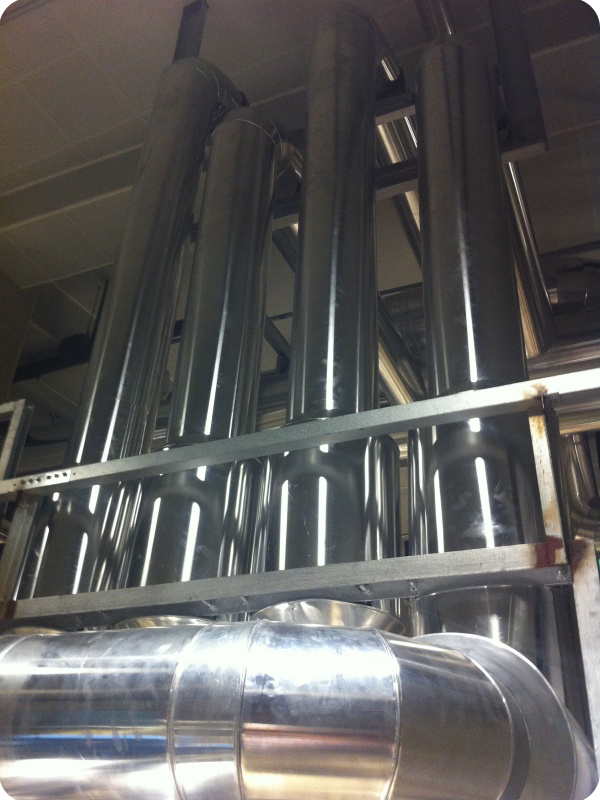
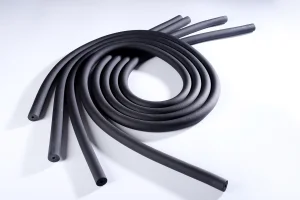
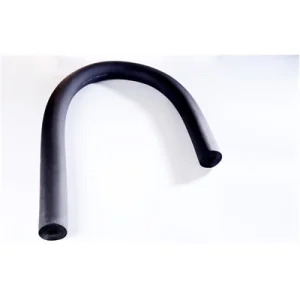
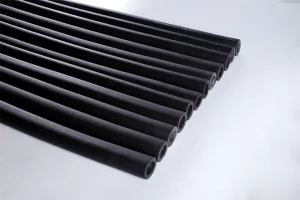
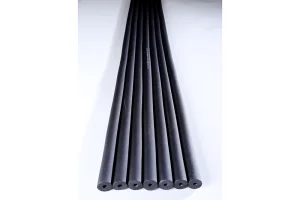
Standard Dimensions: Material NBR/PVC | Thickness: 9mm - 40mm | ID: 6mm - 114mm | Density: 40-55 kg/m³ | Temperature Range: -40℃ to 105℃
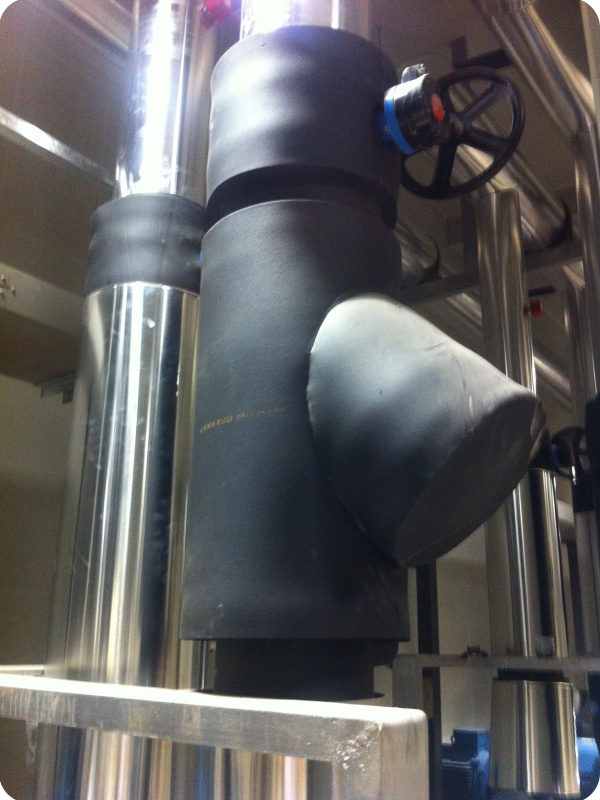
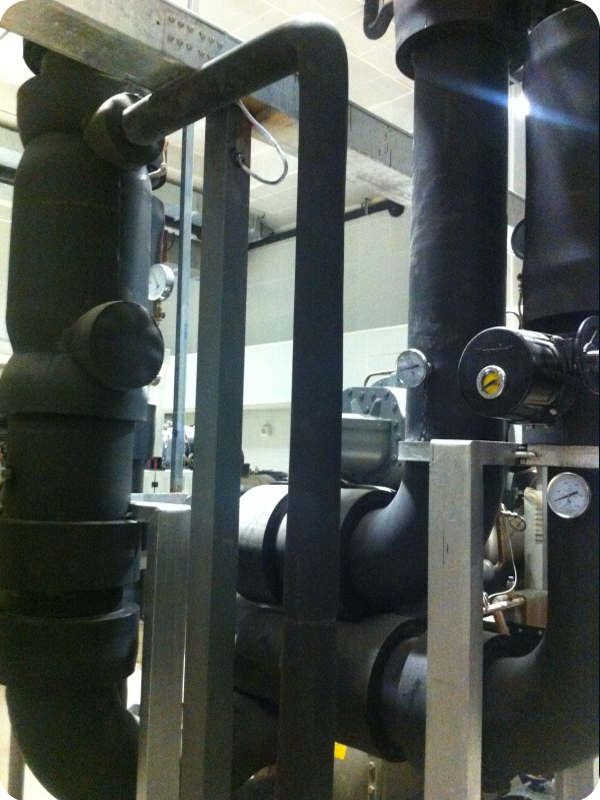
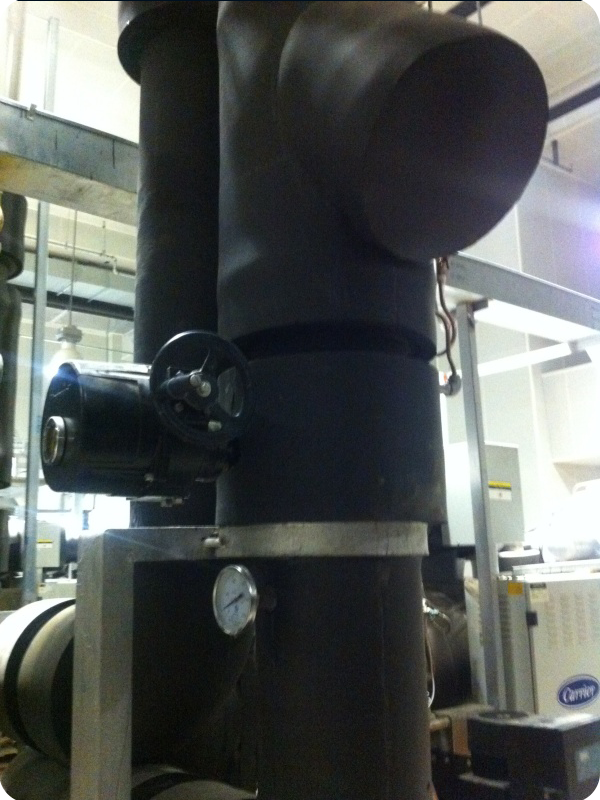
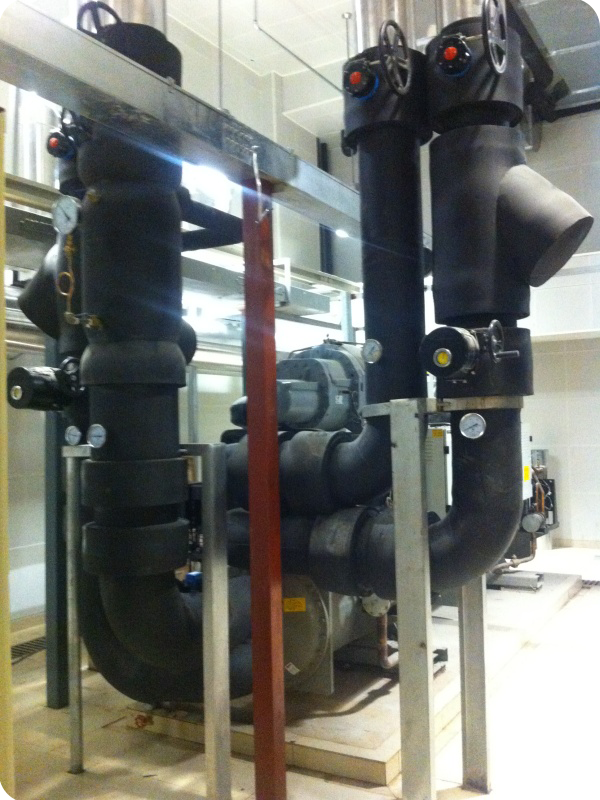
Key Advantages: Closed-cell structures limit energy losses. Extruded with a uniform inner wall to slip onto copper and iron piping, reducing pipe freezing and cracking risks.
Primary Applications: HVAC condensate lines, hot and cold water plumbing, solar piping, commercial ventilation lines, and chemical/petrochemical pipes.
Expert answers to common engineering, procurement, and fire code compliance questions.