 Kingflex
Kingflex
Kingflex
Standard-compliant rubber foam pipes, sheets, and low-temperature solutions for immediate global distribution.
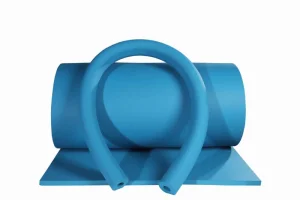
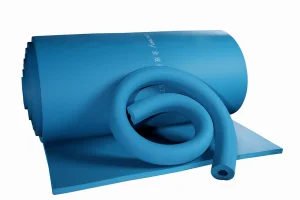
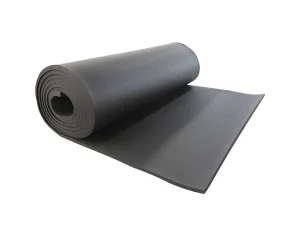
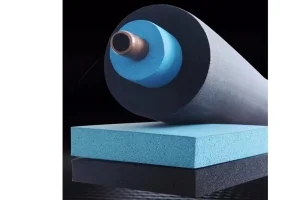
Industrial noise control and building thermal-acoustic insulation require high-density, multi-functional material architectures. Standard glass wool or rock wool materials often fall short in high-humidity or restricted-space environments, raising concerns over fiber shedding and mold growth. This has led modern design engineers to specify elastomeric rubber foam as the primary material for HVAC ducts, pipeline systems, and industrial enclosures.
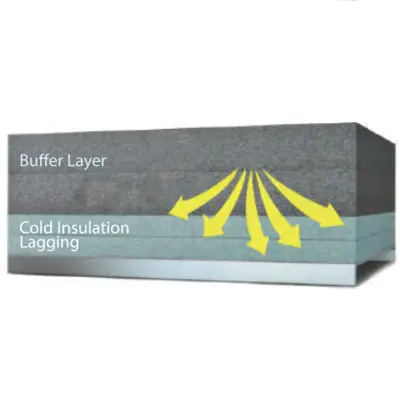
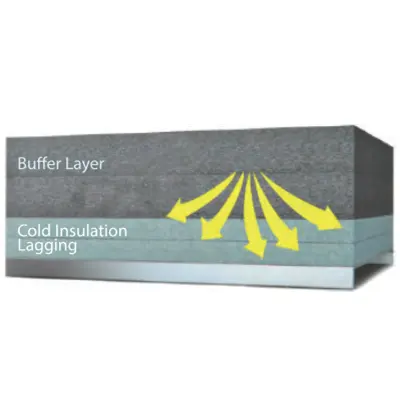
By combining high-grade Nitrile Butadiene Rubber (NBR) with Polyvinyl Chloride (PVC), we create a high-density, viscoelastic polymer matrix. The material performs through two key mechanisms:
Engineering parameters of Kingflex NBR/PVC elastomeric foam products.
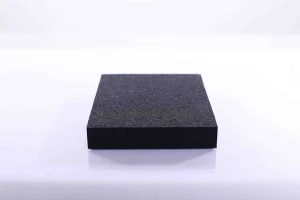
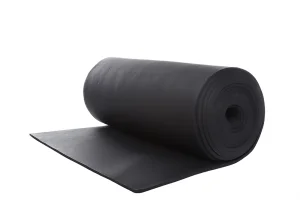
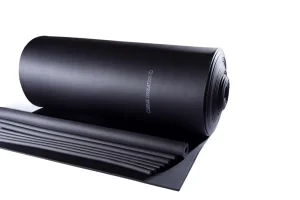
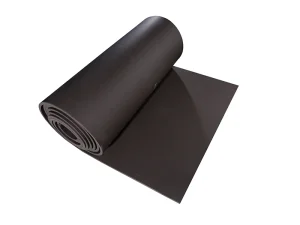
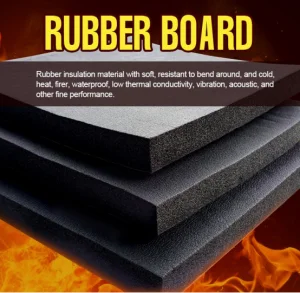
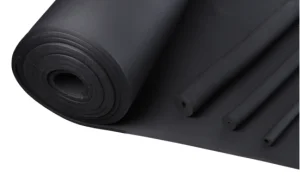
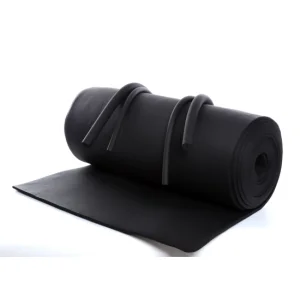
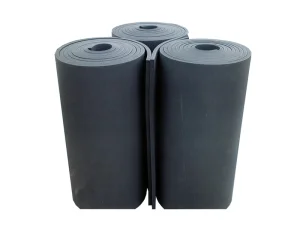
Designed for large-diameter ducts, mechanical housings, and architectural partition dampening. High flexibility makes wrap-around installations seamless, reducing joints and acoustic leakage paths.
| Parameter | Standard Value / Rating |
|---|---|
| Material Base | NBR/PVC Elastomeric Foam |
| Available Thicknesses | 6mm, 9mm, 13mm, 19mm, 25mm, 32mm, 40mm, 50mm |
| Apparent Density | 40 - 55 kg/m³ |
| Thermal Conductivity (λ) | ≤ 0.035 W/(m·K) at 0°C |
| Service Temperature Range | -40°C to +105°C (Cryogenic grades down to -200°C) |
| Moisture Resistance Factor (μ) | ≥ 7,000 (Built-in vapor barrier) |
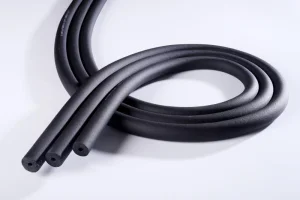
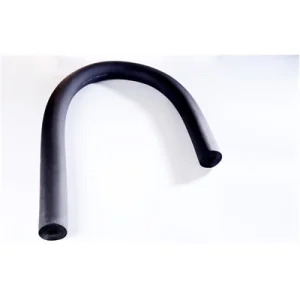
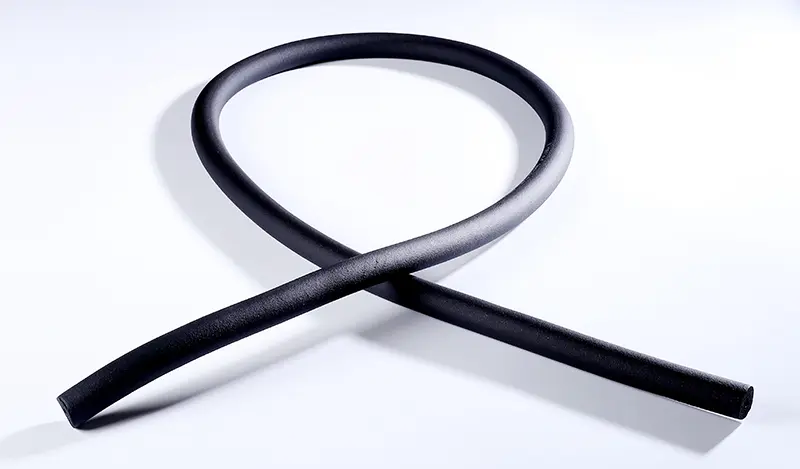
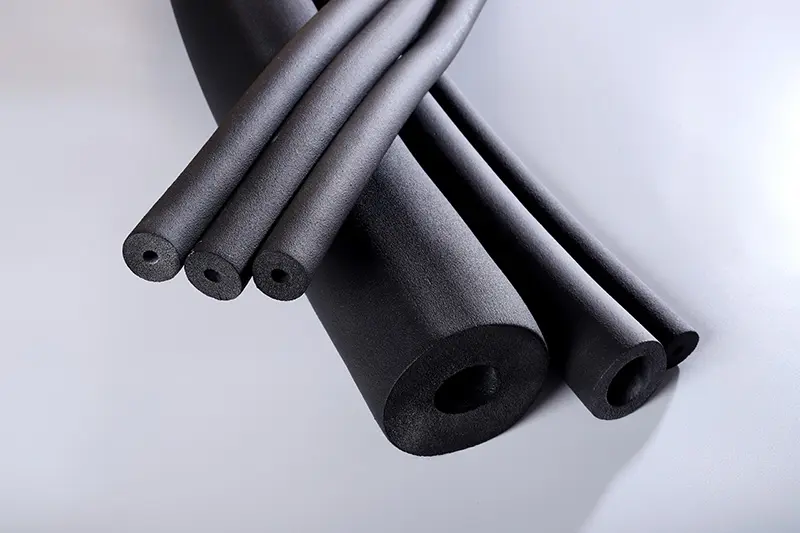
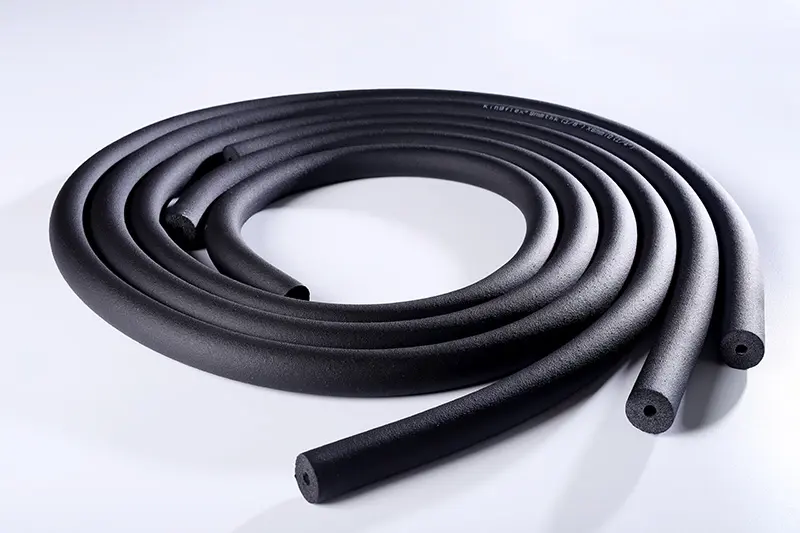
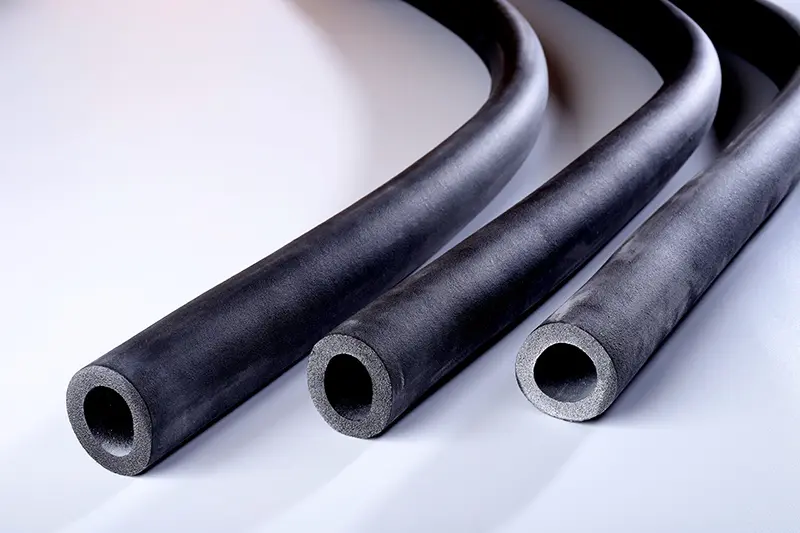
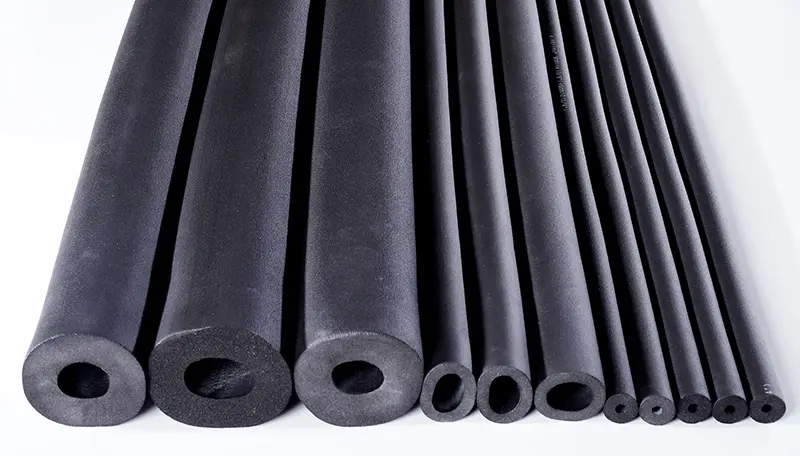
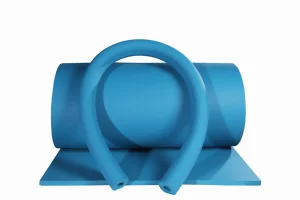
Extruded tubes designed for seamless integration on hot/cold water pipelines, mechanical chillers, and HVAC liquid transport lines to prevent condensation and pipe sweating.
| Parameter | Standard Value / Rating |
|---|---|
| Material Base | NBR/PVC Elastomeric Foam |
| Inner Diameter (ID) Range | 6mm to 114mm |
| Wall Thicknesses | 9mm, 13mm, 19mm, 25mm, 32mm, 40mm |
| Compression Resilience | ≥ 80% recovery after stress relief |
| Fire Classification | Class 0 / Class 1 (BS 476), V-0 / V-1 (UL94) |
| Environmental Profile | Halogen-Free options available, low VOC emission |
Innovation vectors driving high-performance acoustic and thermal systems over the next decade.
Next-generation polymer blending incorporates nanotechnology to reduce cell size from macro-bubbles to sub-micron cavities. This structural refinement drops the thermal conductivity coefficient (λ value) while increasing acoustic wave scattering paths, improving sound attenuation by up to 25% for high-frequency HVAC noise.
Global regulatory pressure (REACH, RoHS, and local building mandates) is phasing out standard flame retardants like polybrominated diphenyl ethers (PBDEs). Our research roadmap prioritizes halogen-free formulation variants. By incorporating eco-friendly phosphorus-nitrogen synergies, we achieve UL94 V-0 flame ratings with zero toxic gas output during fire events.
Future insulation boards will feature micro-encapsulated Phase Change Materials embedded inside the NBR/PVC polymer walls. These structures buffer thermal load spikes in commercial buildings and HVAC systems by storing and releasing latent heat during peak demand, cutting mechanical energy usage by up to 15%.
How our B2B insulation systems protect complex engineering projects globally.
In central air-conditioning systems, noise from high-velocity air movement, fan vibration, and pressure drops travels through sheet metal ducts. Without treatment, this noise disrupts occupied spaces.
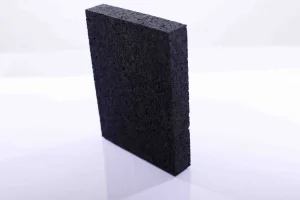
Installing 19mm to 40mm thick Kingflex elastomeric insulation sheets inside or outside the ducts offers twin benefits: it absorbs velocity-induced air noise and prevents condensation caused by temperature differentials between the duct interior and the ambient environment.
Cryogenic storage, liquid natural gas (LNG) pipe networks, and industrial refrigeration operate at extreme temperature ranges (down to -200°C). Conventional glass wool or standard foam loses flexibility, cracking under thermal shock and letting moisture in.
Kingflex specialized ultra-low temperature cryogenic rubber foam is formulated with high-density elastomer chemistry. This ensures it stays flexible at low temperatures, maintains a low heat transfer rate, and prevents corrosion under insulation (CUI).
Chemical plants, refineries, and power generation systems run process lines with high internal pressures and constant flow variations, which generate structural pipe hum and vibration.
Kingflex elastomeric pipe tubes absorb mechanical sound while providing thermal containment for steam and process fluid pipes. This reduces system energy losses and protects workers from burns on hot pipe surfaces.
Hospitals, airport terminals, shopping centers, and high-rise hotels require fire-safe, non-toxic, and mold-resistant indoor environments.
Unlike mineral fiber insulation, elastomeric foam is fiber-free, meaning it doesn't release loose micro-fibers into the air stream. Its smooth surface prevents dust buildup, and it meets strict indoor air quality (IAQ) guidelines and global fire protection standards (like BS 476 Class 0 and ASTM E84).
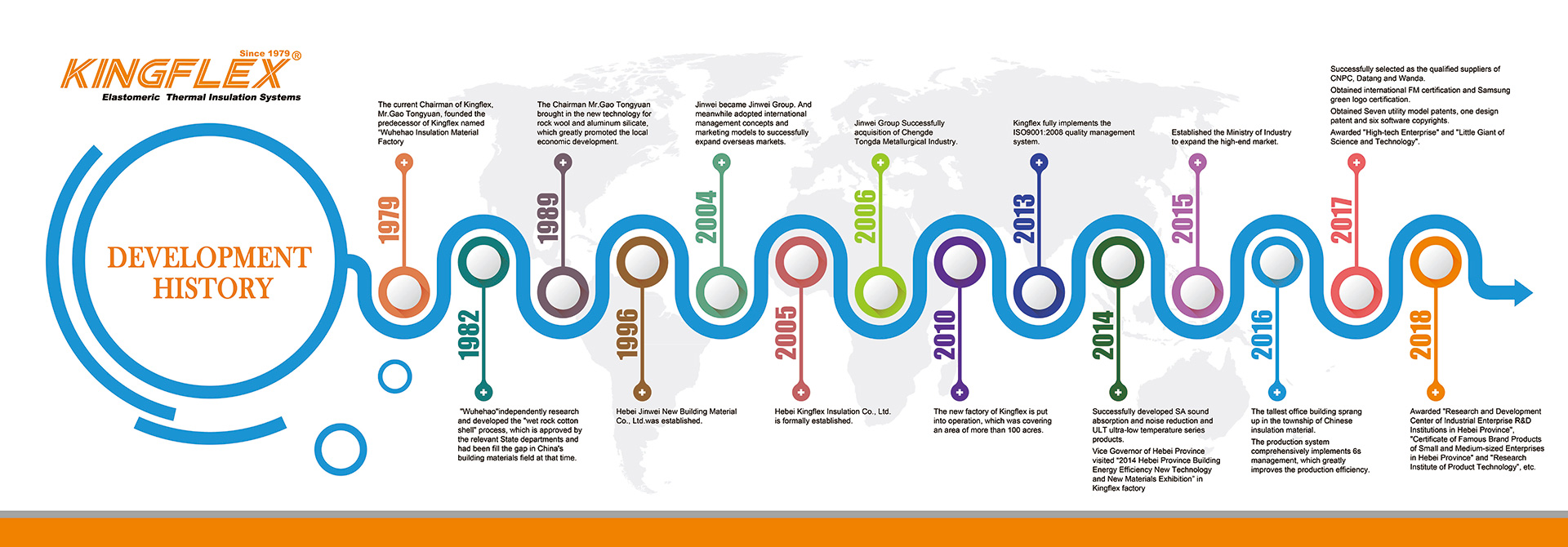
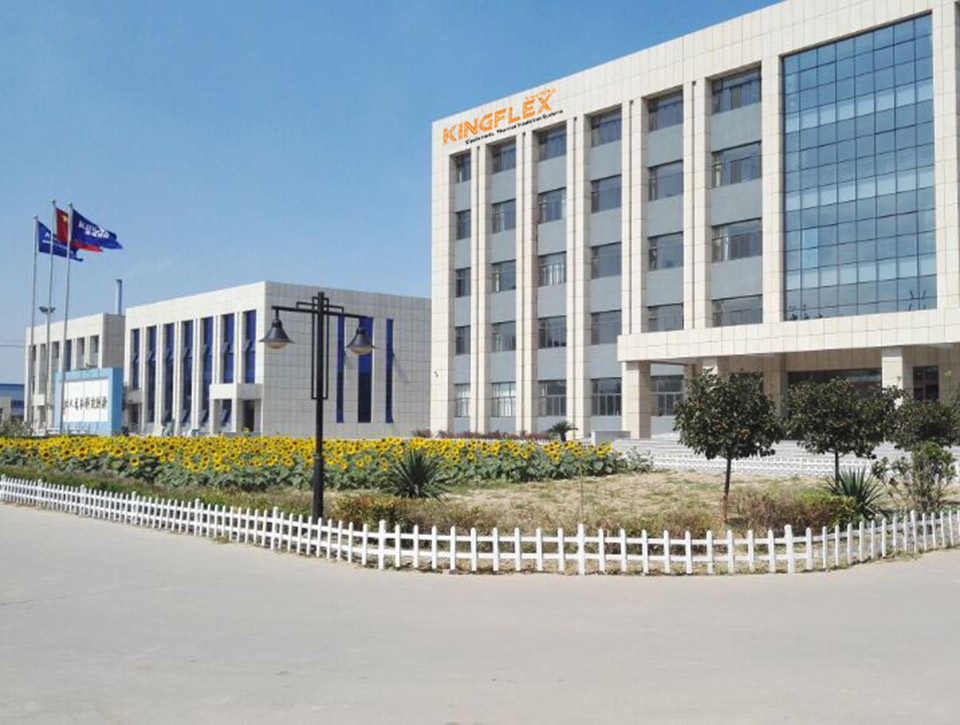
Located in Dacheng, China—a hub for green building materials production—Kingflex operates an energy-efficient manufacturing campus. Backed by the Jinwei Group, which was established in 1979 and boasts a 40-year legacy in material science, our production capability is designed for B2B global sourcing needs.
Our manufacturing lines feature closed-loop temperature profiles and real-time gas expansion controls. This guarantees that every cubic meter of rubber foam achieves over 98% closed-cell structure consistency. This high precision translates to predictable performance in the field, with consistent thermal resistance and robust structure-borne acoustic decoupling.
Ensuring supply chain efficiency and product compatibility for international distributors and contractors.
Elastomeric foam is high-volume but lightweight, making freight efficiency critical to total unit cost. We offer custom compression packaging options and optimized container consolidation. This maximizes the cubic capacity of 40ft High Cube containers, helping to keep international shipping costs per cubic meter as low as possible.
To meet specific project mechanical requirements, we provide OEM laminations. Options include reinforced aluminum foil (to protect against UV degradation in outdoor setups), self-adhesive backing (for fast onsite installation), and tough fiberglass fabric coatings (to resist mechanical damage in high-traffic areas).
High-value engineering infrastructure projects require clear documentation. Every manufacturing run at Kingflex is assigned a tracking code. This code traces the raw material batch, production date, and lab quality test records, giving project owners and engineers full peace of mind.
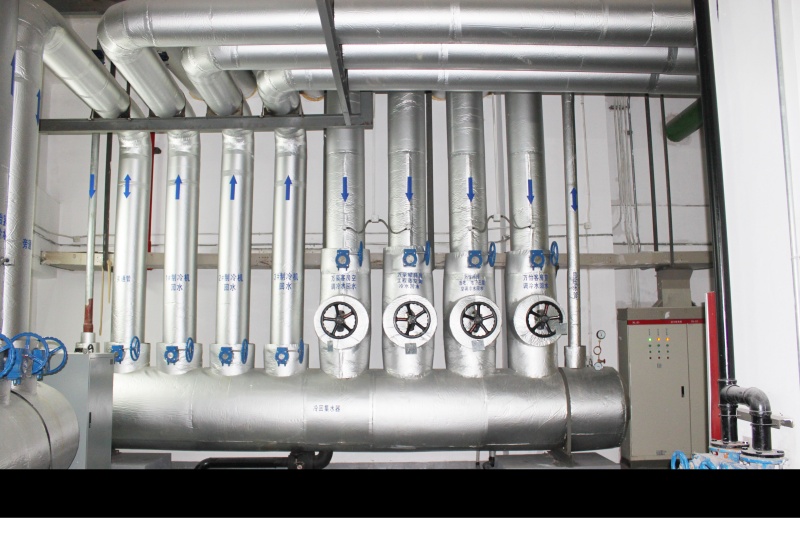
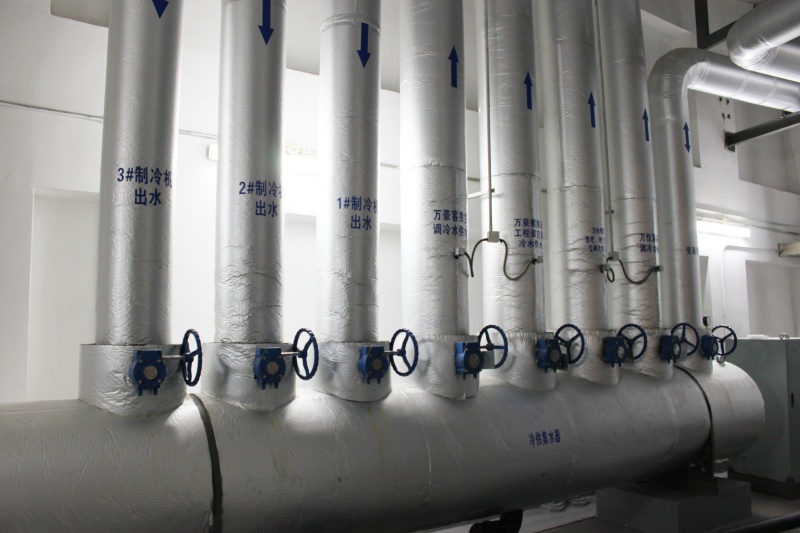
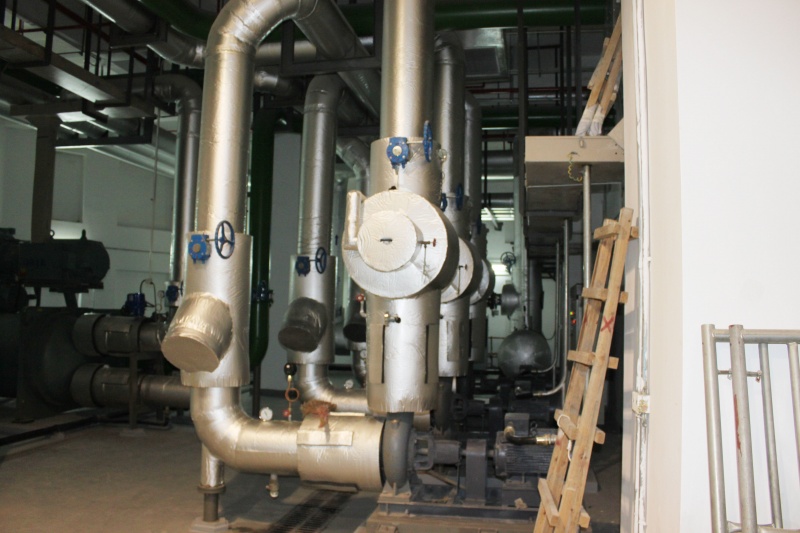
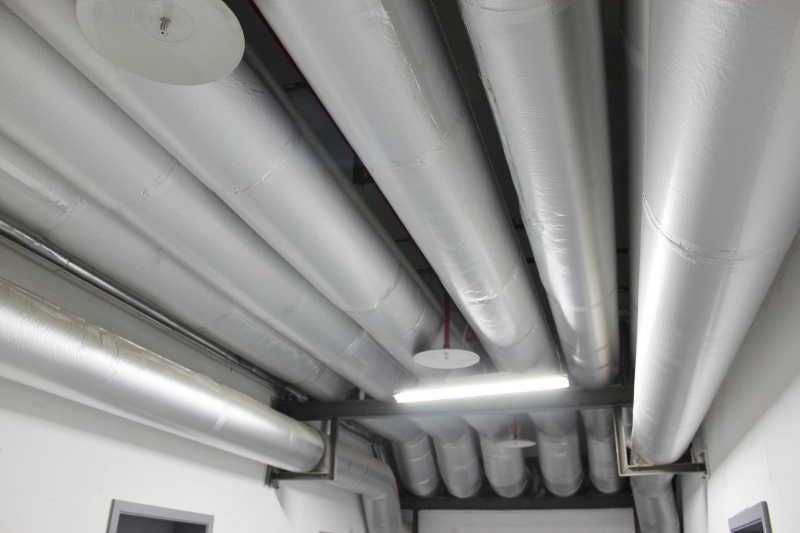
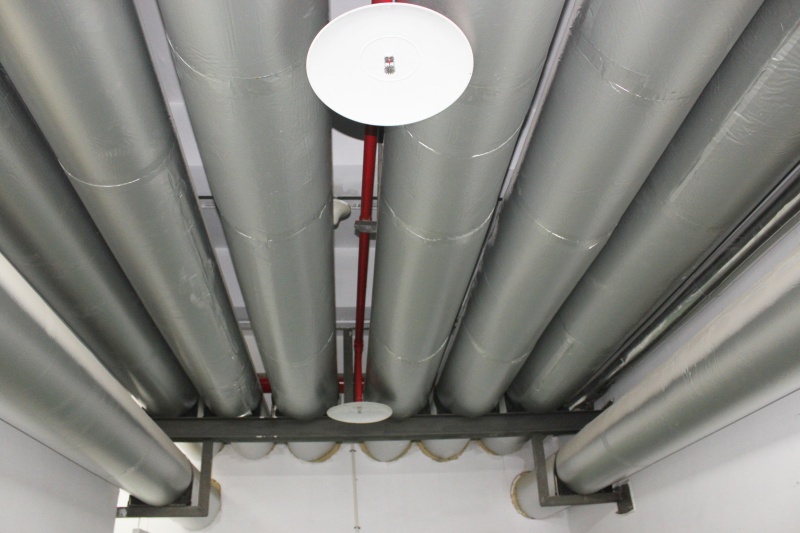
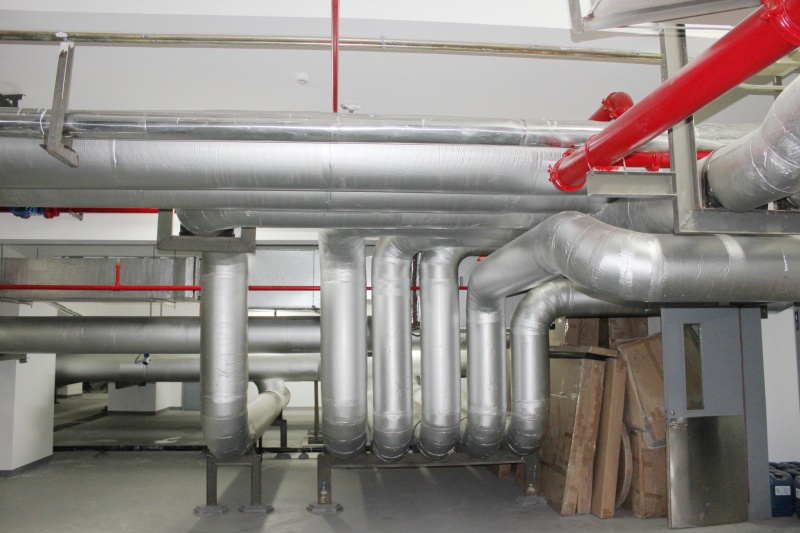
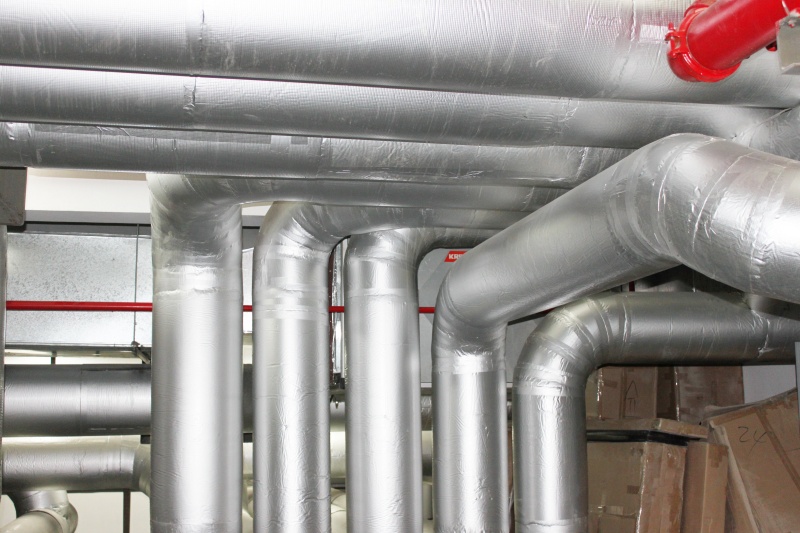
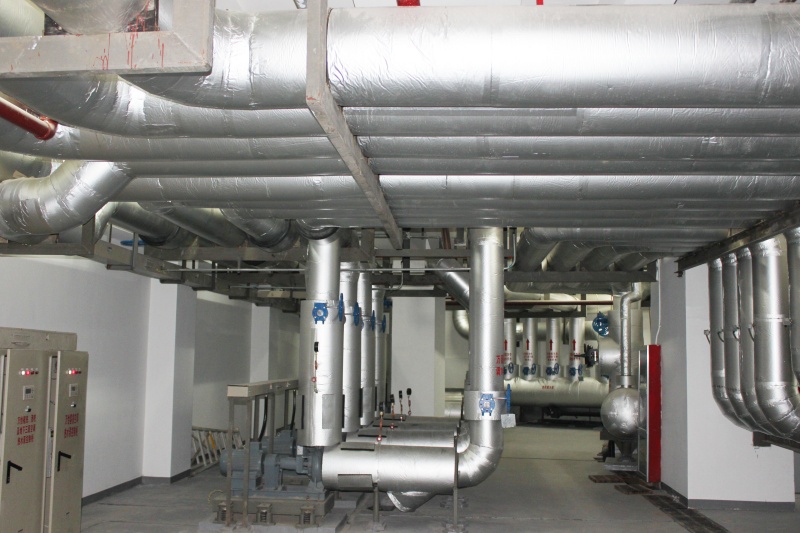
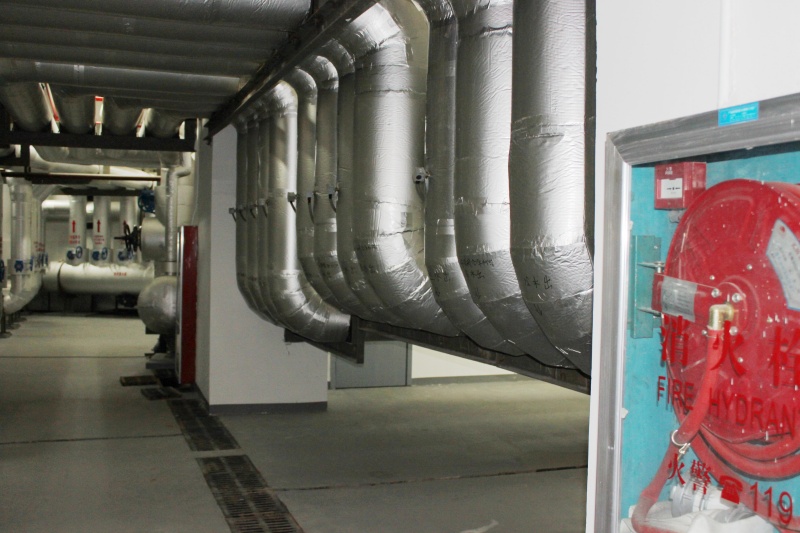
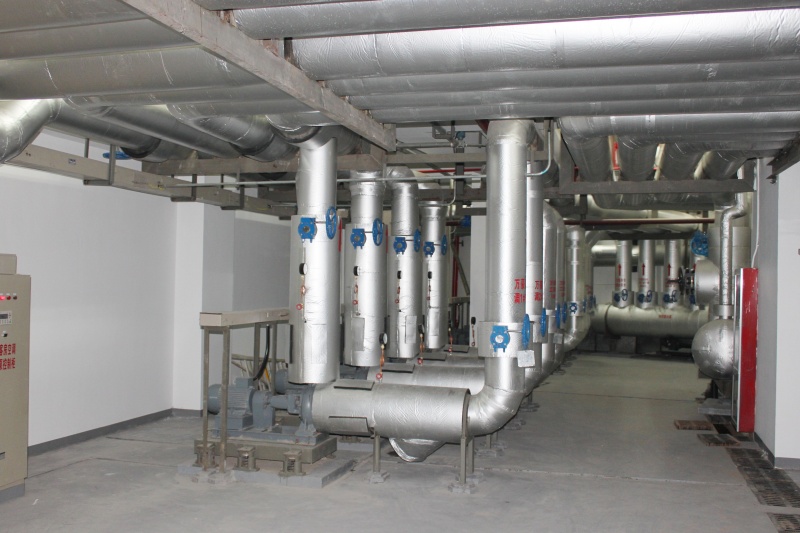
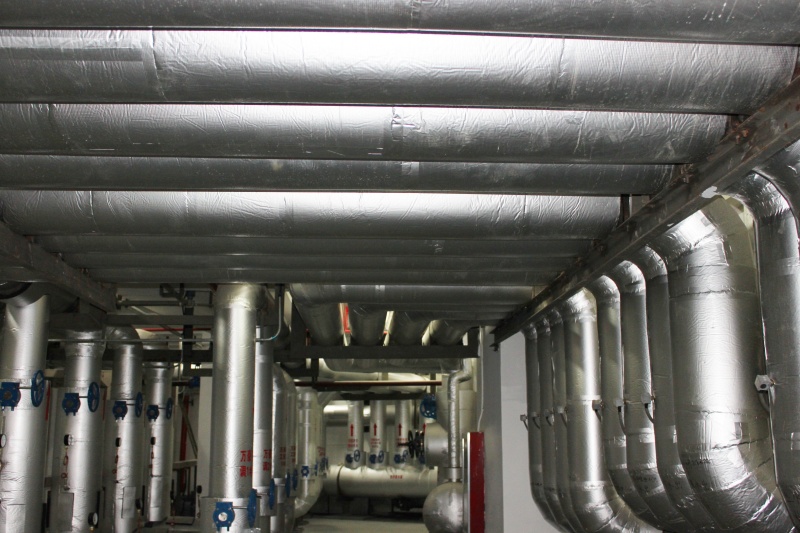
Real installation scenes showing Kingflex performance in key industrial, commercial, and HVAC systems.
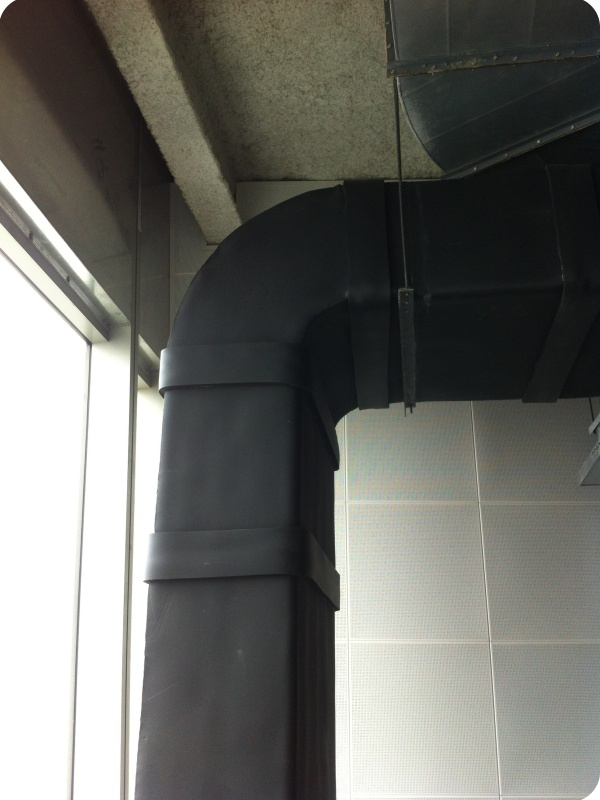
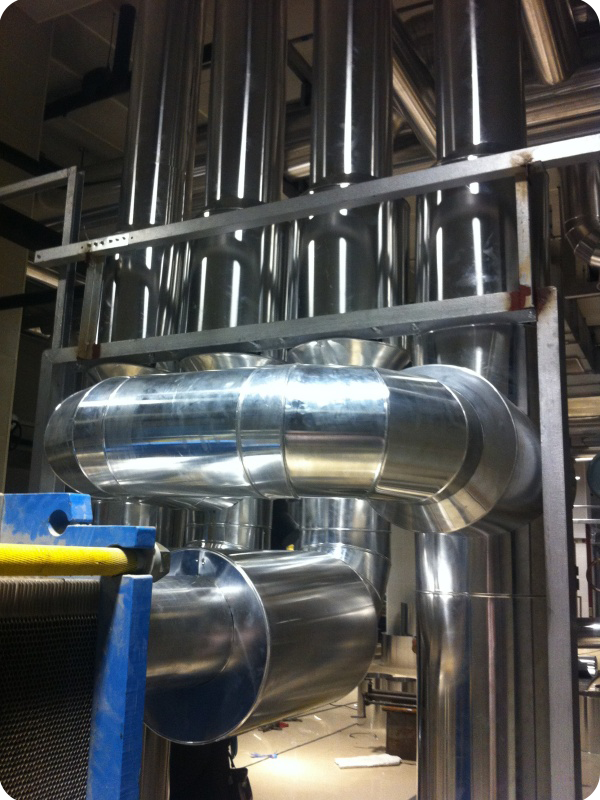
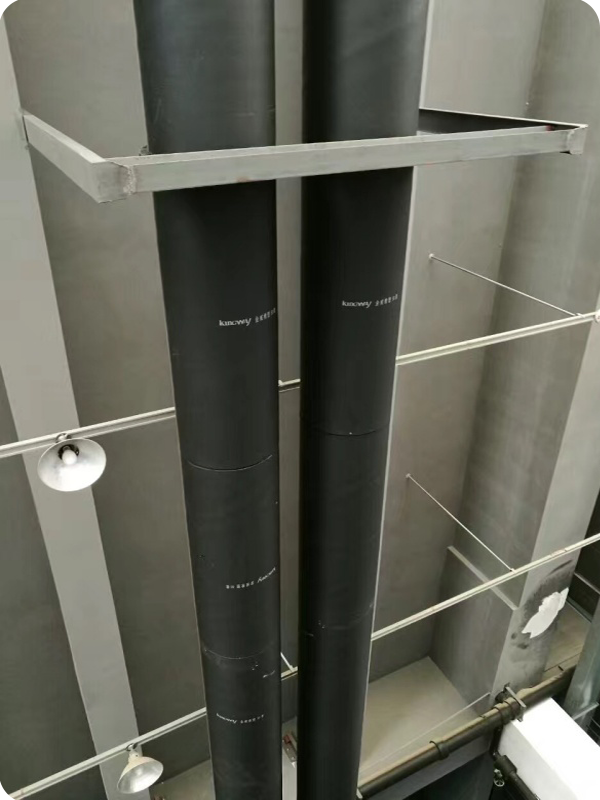
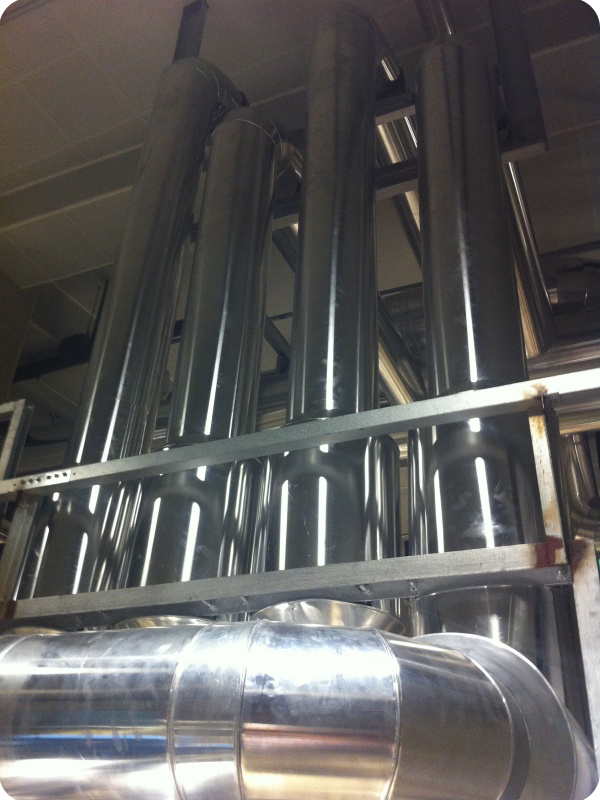
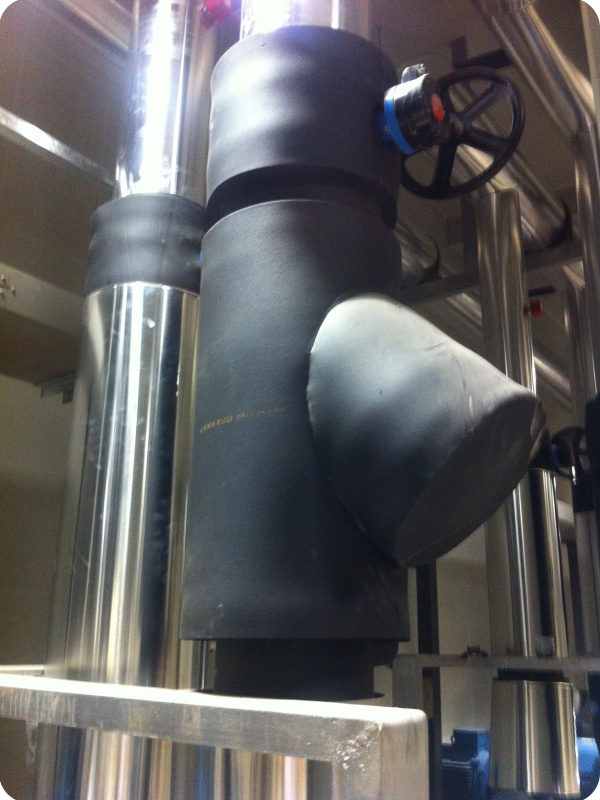
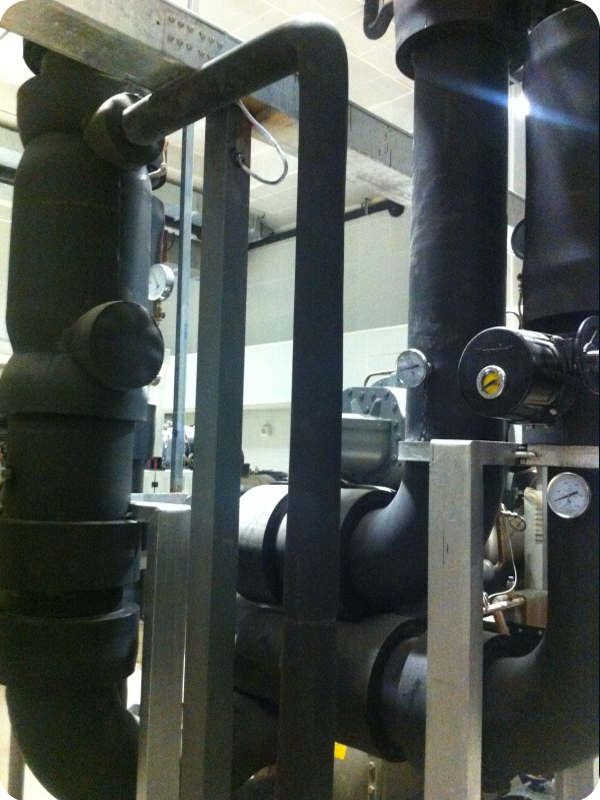
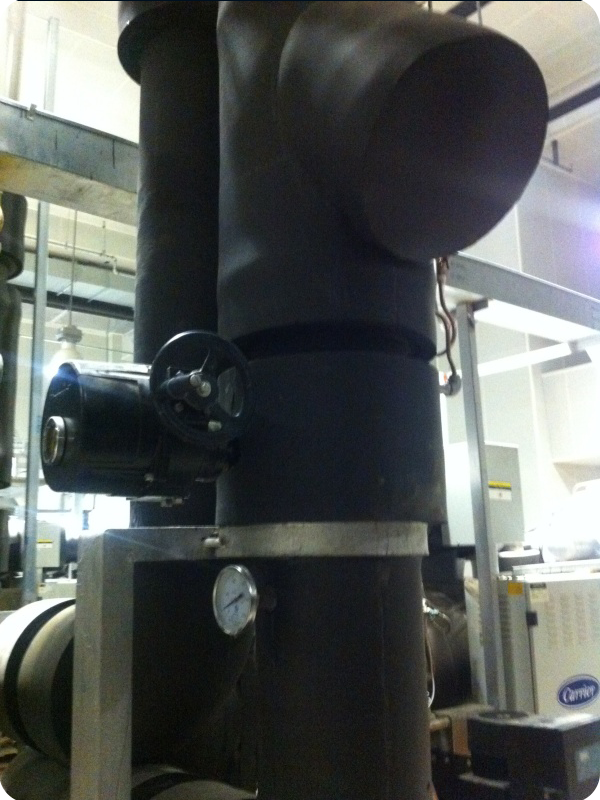
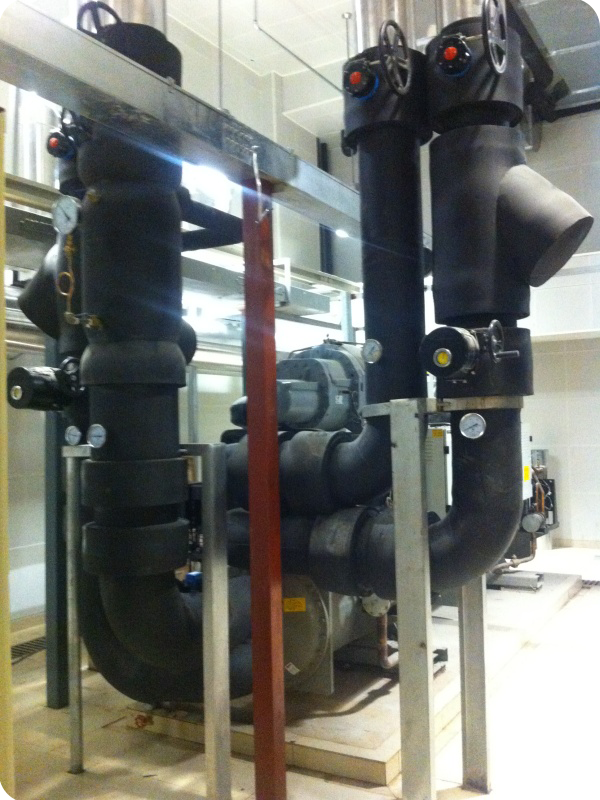
Every batch of Kingflex rubber foam insulation is run through a multi-point quality assurance checklist at our Dacheng testing center. We verify critical properties like flammability limits, density distribution, and thermal transmission behavior before shipping.
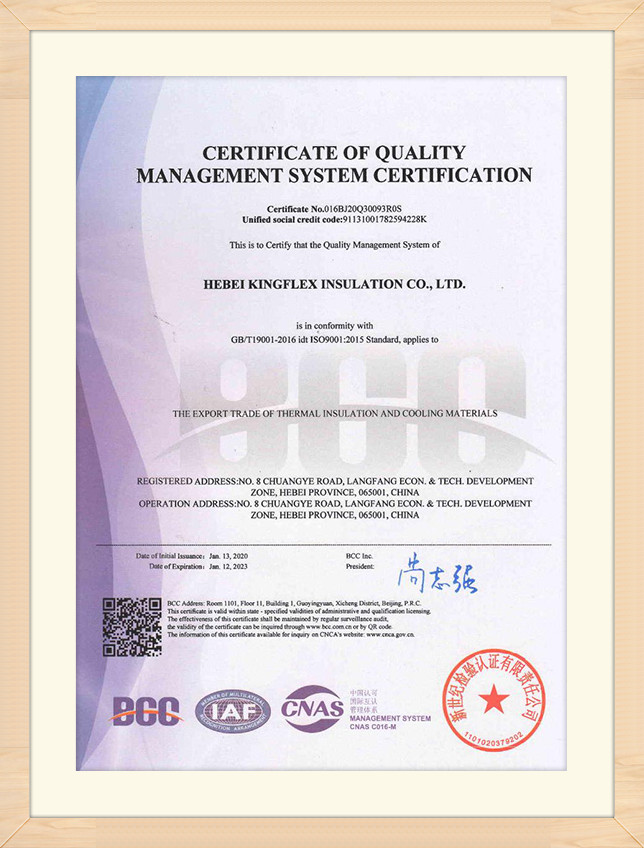
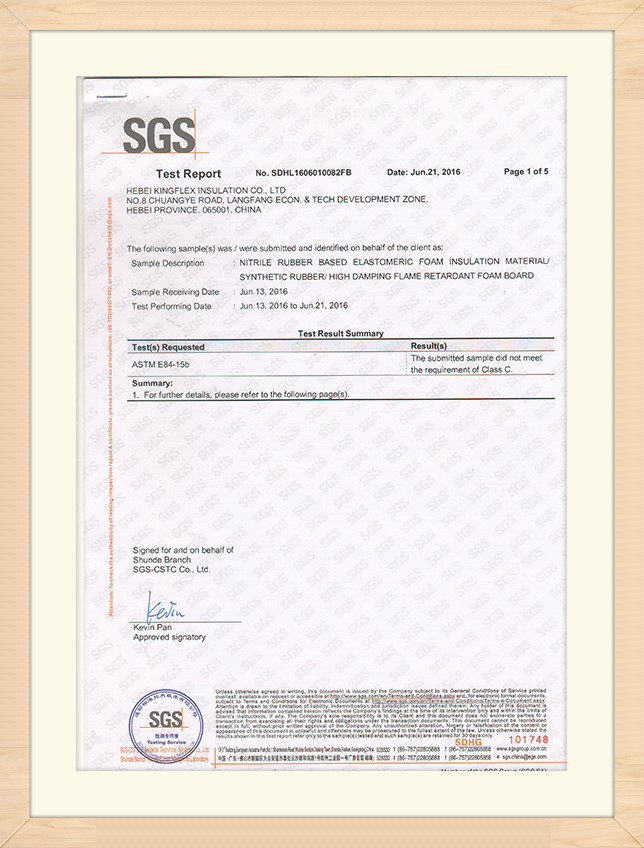
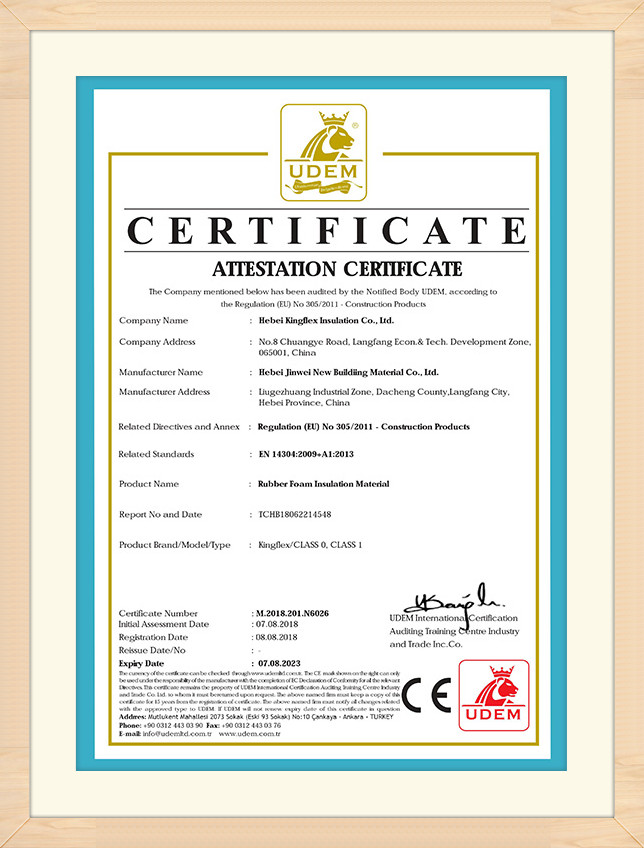
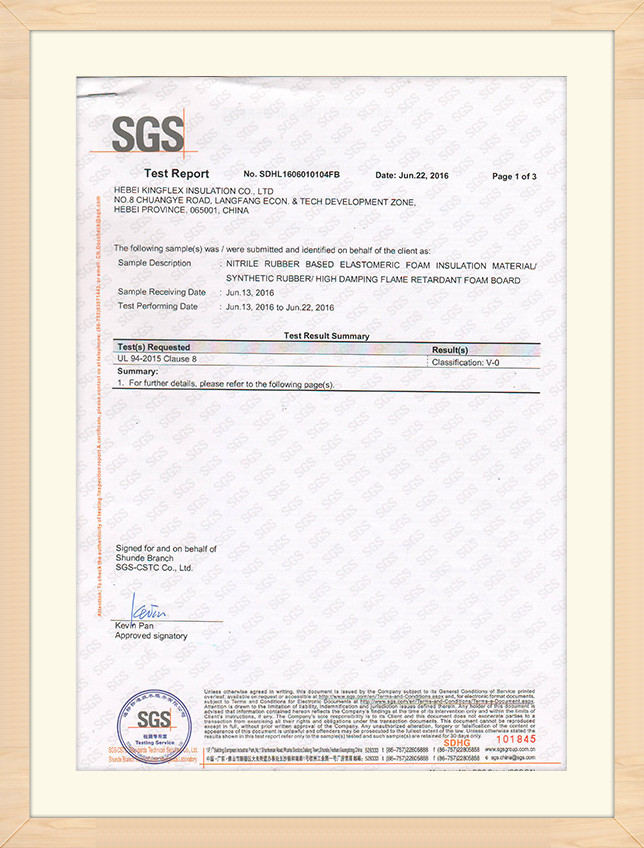
Our materials carry verified test certificates to meet global building code requirements. This ensures fast compliance approvals at the project site and speeds up sign-off times for architectural inspectors.

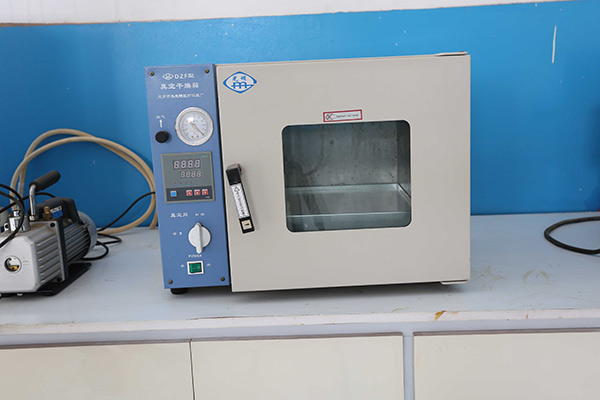
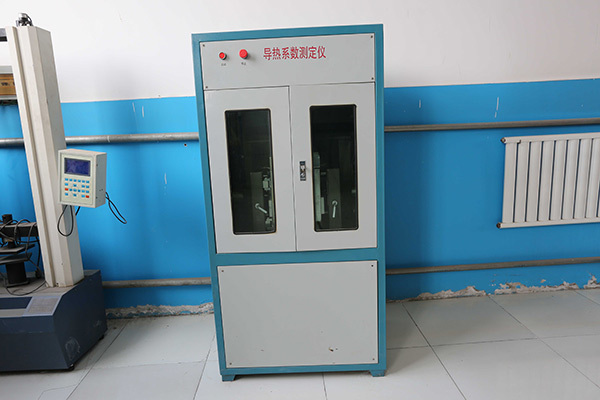
Tested and approved for commercial and industrial use globally.
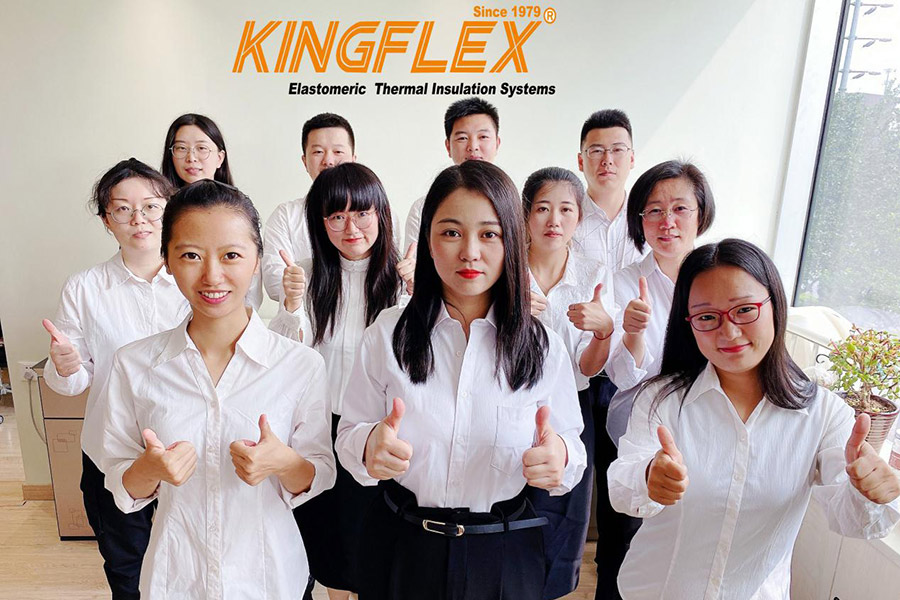
The Kingflex team brings together specialized material scientists, production managers, and experienced logistics experts. Our export specialists guide B2B clients through product selection, custom dimensions, shipping consolidation, and import clearance documentation.
We work closely with project engineers, HVAC system designers, and global procurement officers. Our goal is to ensure that every project site receives high-quality insulation systems on time, matching the required technical specifications.


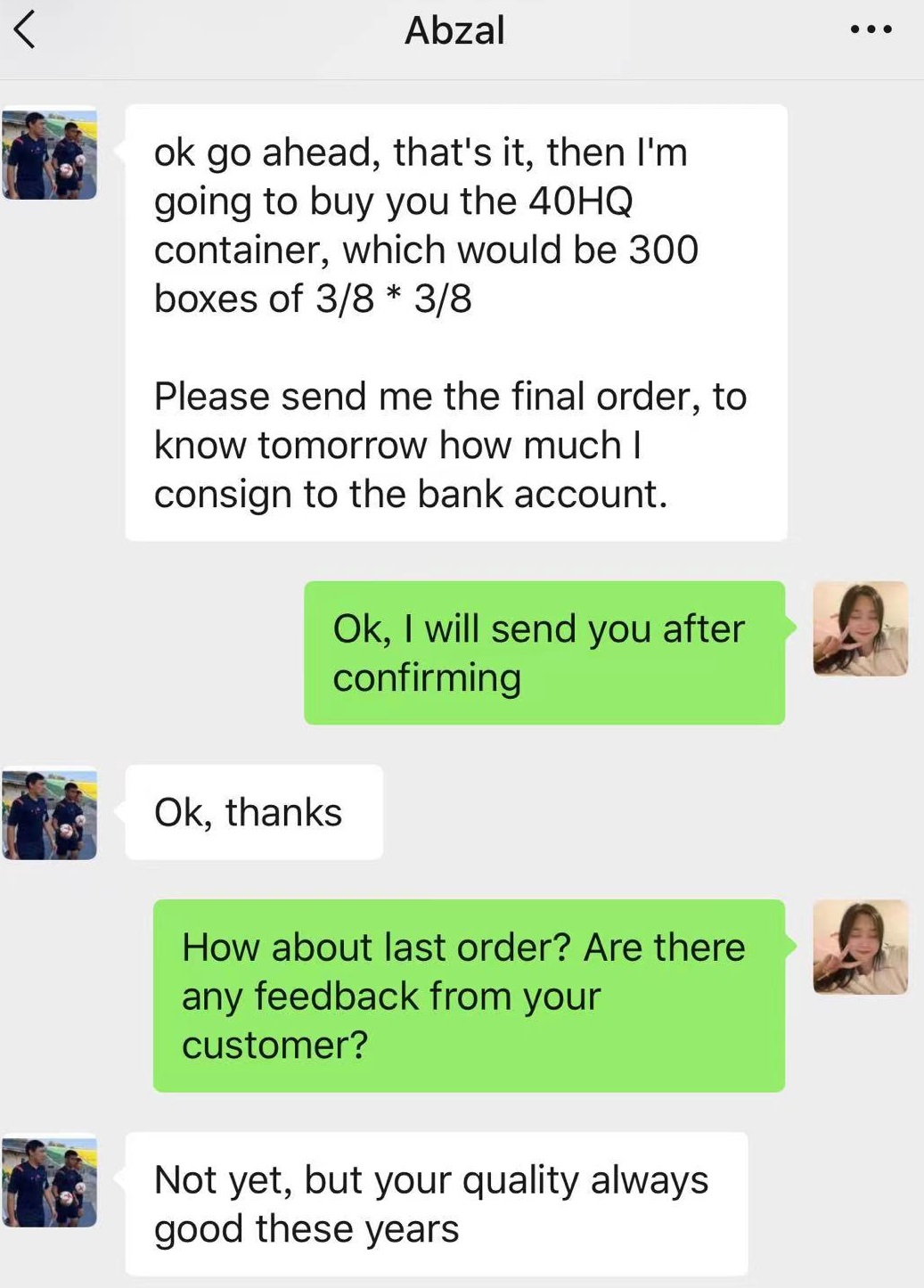
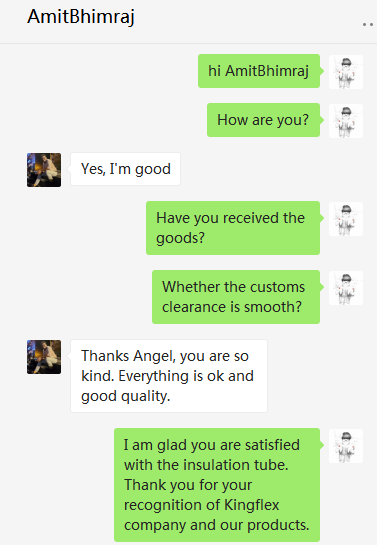
Real communication logs with global buyers showing our response speed and focus on detail.



Standard and heavy-duty product variants designed for diverse architectural and industrial specifications.
Detailed answers to common engineering and procurement questions regarding elastomeric rubber foam insulation.
High-density acoustic panels and ultra-low temperature insulation products.