 Kingflex
Kingflex
Kingflex
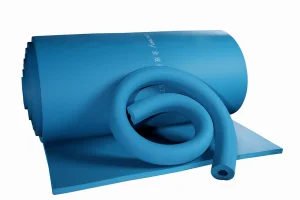
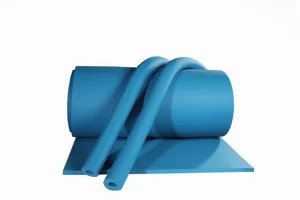
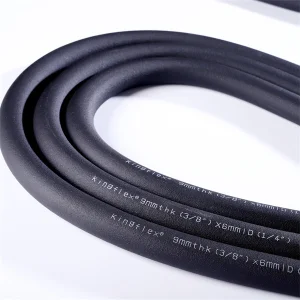
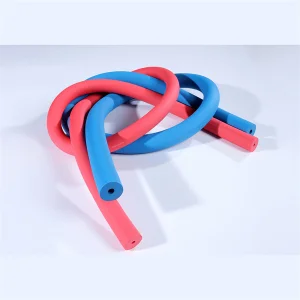
Explore our elite line of elastomeric foam formulations, cryogenic barriers, and high-density acoustic piping systems.
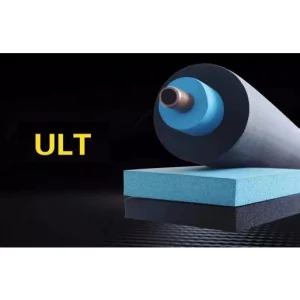
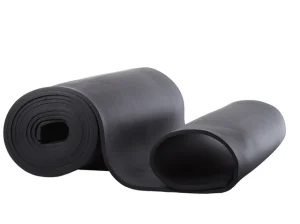
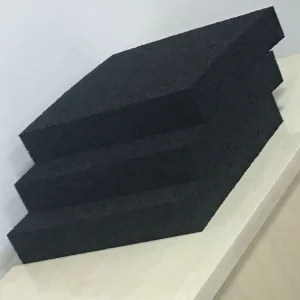
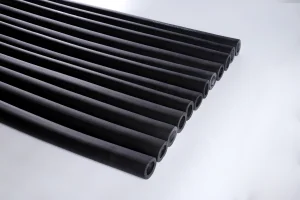
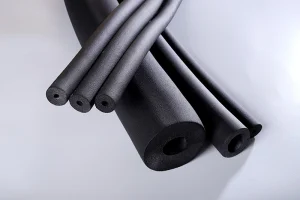
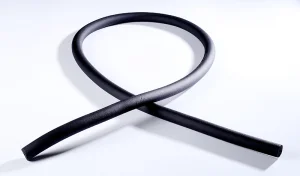
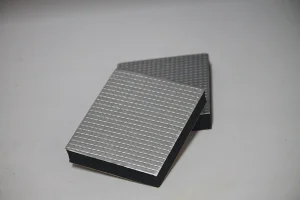
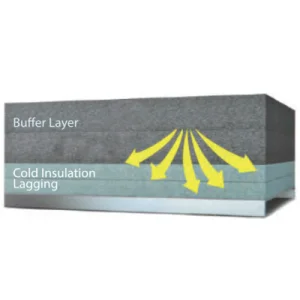
Determining the correct insulation thickness for industrial steam pipelines is a critical step in energy conservation, operational safety, and system longevity. Incorrect calculations can lead to excessive heat loss, surface condensation, structural corrosion under insulation (CUI), or unsafe touch temperatures for facility personnel. Our engineering methodology relies on ASTM C680 (Standard Practice for Estimate of the Heat Gain or Loss and the Surface Temperatures of Insulated Pipe) and ISO 12241.
The rate of heat loss ($q$) through a cylindrical insulation layer is defined by:
q = (2 * π * k * (T_i - T_a)) / ln(r_o / r_i)
Where:
k = Thermal conductivity of the elastomeric rubber foam (W/m·K)
T_i & T_a = Internal steam and ambient air temperatures respectively
r_i & r_o = Inner and outer radii of the insulation layer
For high-pressure steam distribution systems, running temperatures often fluctuate between 100°C and 200°C. Elastomeric NBR/PVC closed-cell foams, such as those manufactured by Kingflex, offer a service temperature range from -40°C up to 105°C. For applications exceeding 105°C, multi-layer composite configurations or designated high-temperature formulations are deployed. Determining the precise thickness prevents thermal degradation of the polymer matrix while optimizing the return on investment (ROI) via energy savings.
CUI is a major hazard in chemical and petrochemical facilities. Water ingress from condensation or ambient moisture will oxidize steel pipe surfaces. By running complex heat transfer equations, our engineering department calculates the exact thickness needed to keep the outer surface temperature of the insulation above the ambient dew point, ensuring that moisture cannot condense on the outer protective jacket or seep into the joints.
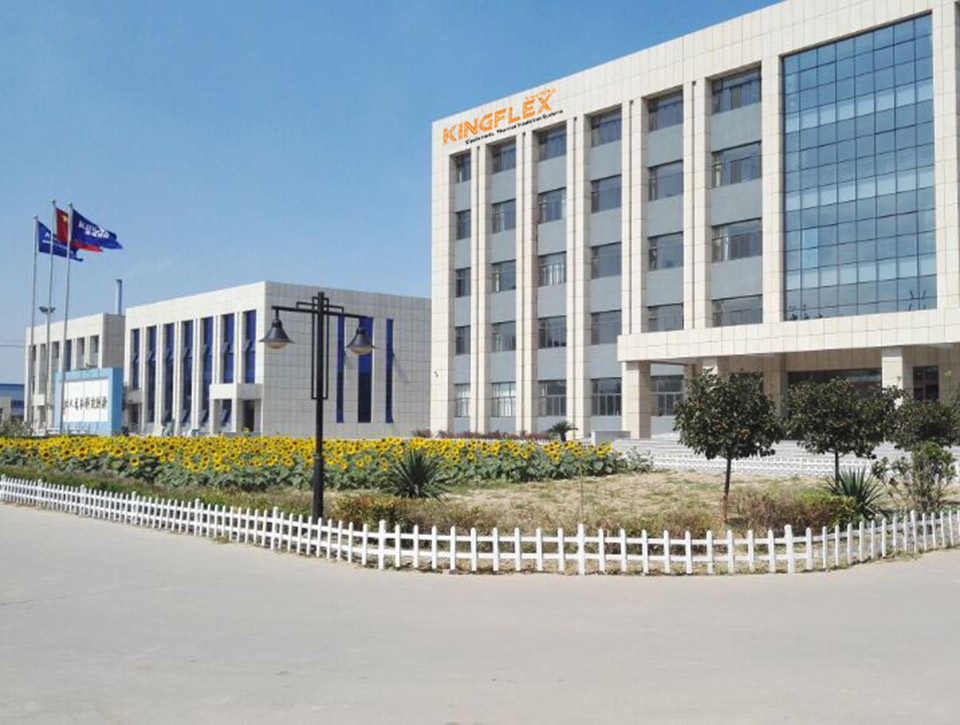
Strategically based in Dacheng, the capital of green-building materials in China, we integrate R&D with mass production.
We operate 5 high-speed, continuous-vulcanization automatic extrusion assembly lines. This guarantees consistent density (40-55 kg/m³) and uniform micro-cellular structure across all batches.
Kingflex products undergo third-party auditing to achieve BS 476, CE, REACH, ROHS, UL94, and ASTM certifications, ensuring compliance with global building codes.
From sub-zero cryogenic systems to commercial steam lines, our dual-purpose NBR/PVC matrix offers high resistance to moisture vapor transmission (Closed-cell rate >98%).

Industrial processes require tailored, multi-layered insulation designs. The challenges in district steam distribution differ heavily from the challenges presented in HVAC cold lines. Here is how Kingflex designs macro solutions across industries:
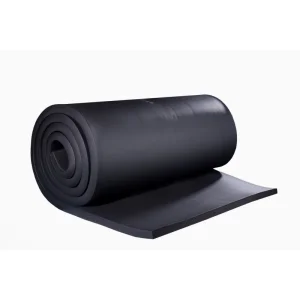
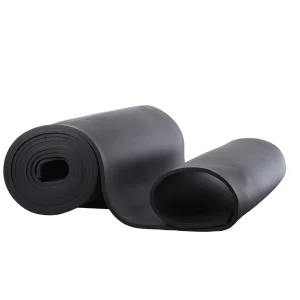
Underground steam pipelines require robust resistance to compressive forces and moisture ingress. While high-temperature inner cores handle temperatures up to 250°C, the secondary outer layers rely on elastomeric closed-cell rubber foam sheets to act as moisture vapor barriers. Kingflex’s closed-cell structure keeps thermal conductivity stable over its 10 to 15-year service life.
For liquefied natural gas (LNG) pipelines and petrochemical cold loops, moisture ingress is the single greatest enemy. Ambient water vapor migrating toward the cold surface will freeze, expand, and destroy the insulation structure. Our NBR/PVC Rubber Foam Insulation for Cryogenic Systems offers high-elasticity at ultra-low temperatures, absorbing thermal stress without cracking.
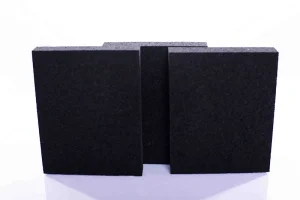
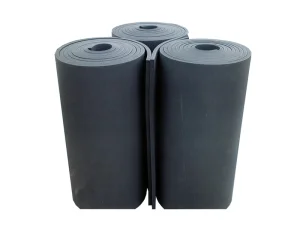
For HVAC air handlers and large-diameter ductwork, sound dampening is just as critical as heat retention. The High Density Acoustic Rubber Foam Insulation Board provides noise absorption while preventing condensation on the duct exterior, keeping indoor air quality (IAQ) high and preventing mold growth.
Kingflex maintains ISO 9001 quality management protocols. Every production run is marked with serial batch codes for traceability from raw raw material sourcing to installation.
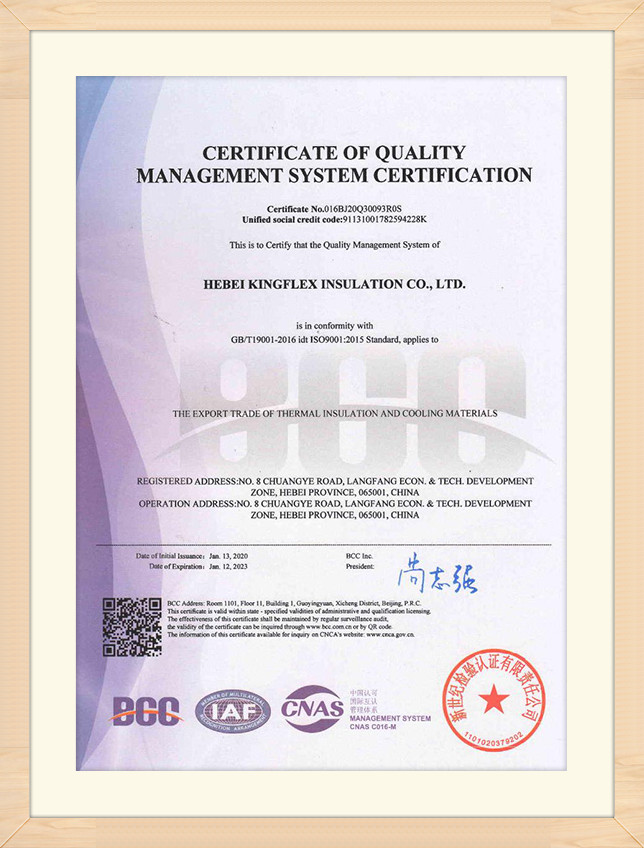
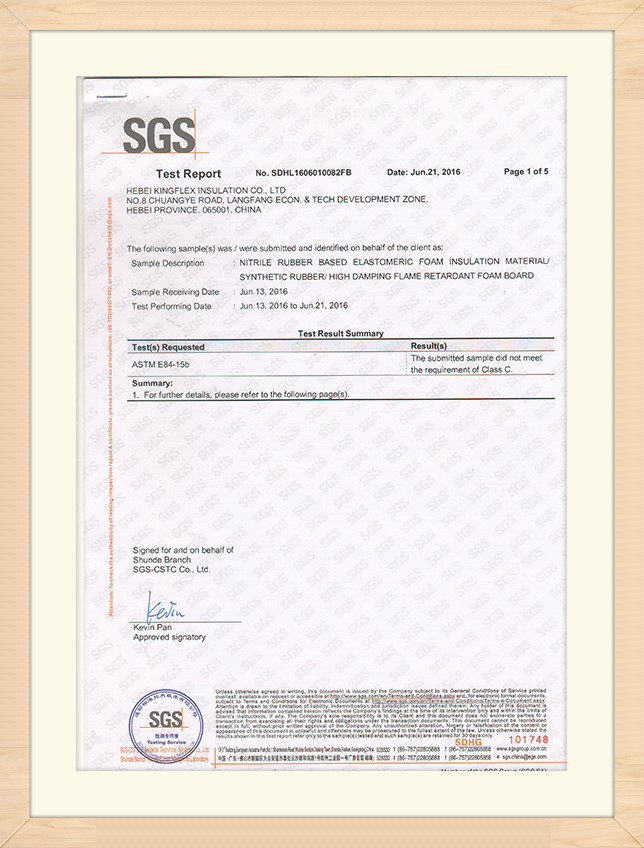
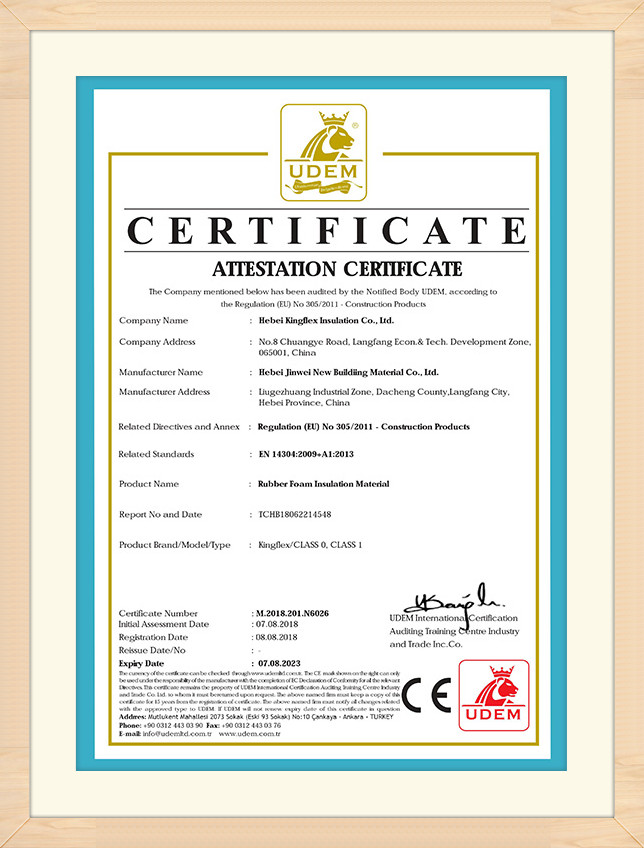
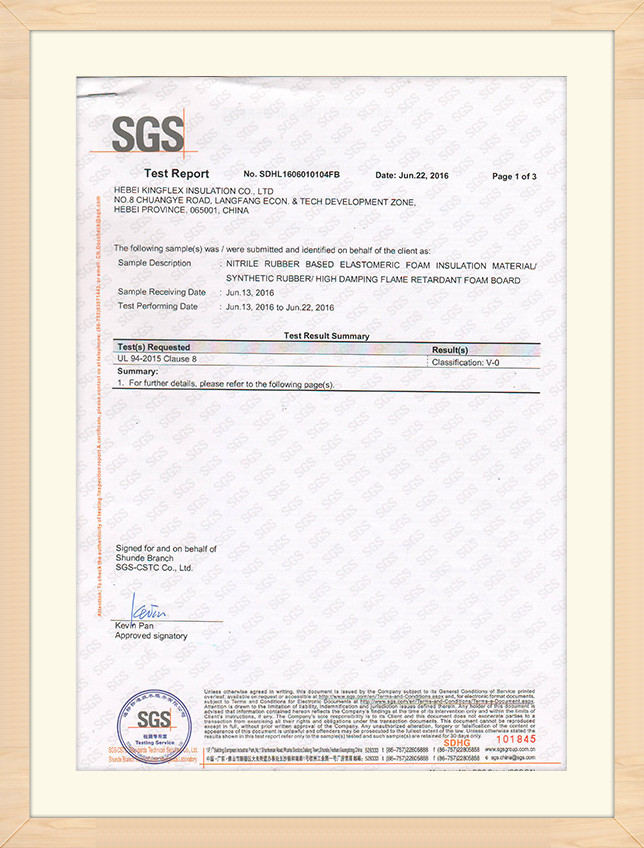
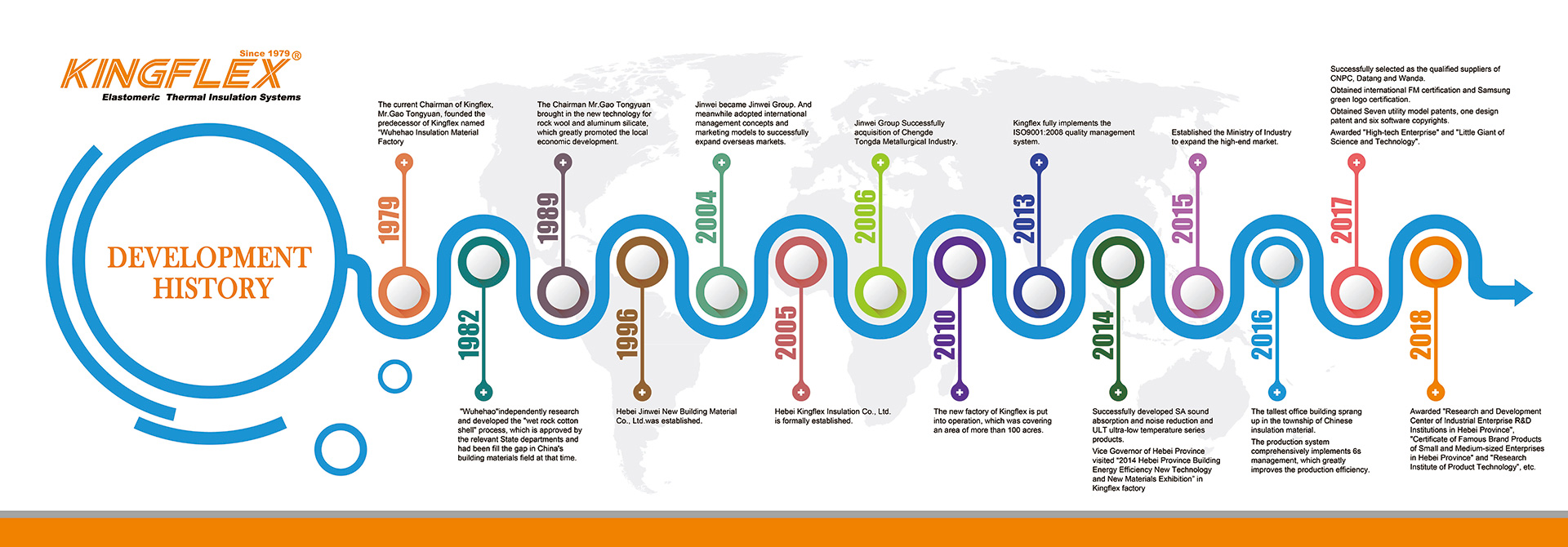
Kingflex was established by the Jinwei Group, boasting a history of over 40 years. Founded in 1979, Jinwei Group was the first manufacturer of thermal insulation materials north of the Yangtze River. For four decades, the group has pioneered chemical foaming research, introducing NBR/PVC polymers to municipal, commercial, and industrial markets across China and globally.
International procurement managers look for reliable capacity, timely logistics, and clean billing/documentation. Kingflex handles customized logistics pipelines to ports in Tianjin, Qingdao, and Shanghai. Our international sales team provides complete product datasheets, compliance declarations, and structural designs for engineering consultations. Whether you require custom-thickness tube extrusions or standard sheet rolls laminated with aluminum foil, our factories offer end-to-end supply stability.

See Kingflex systems installed in commercial, municipal, and petrochemical process networks.
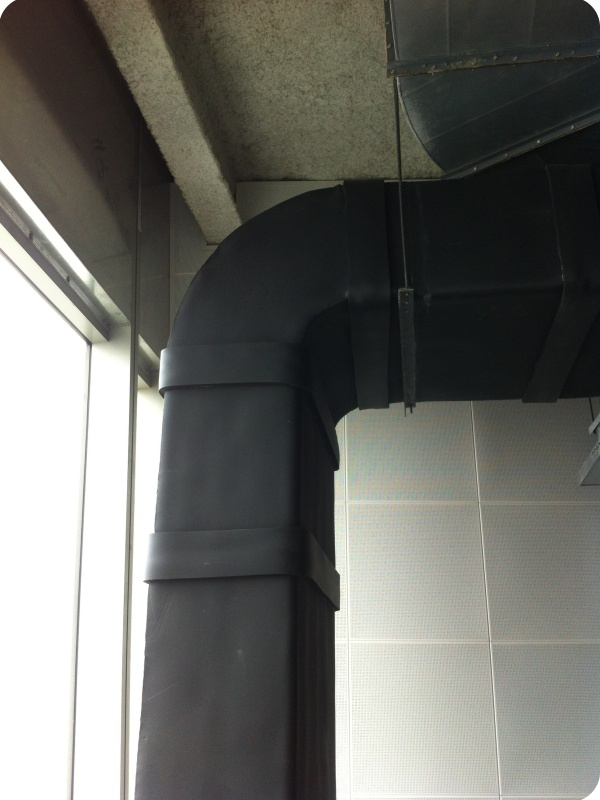
Chilled Water Piping
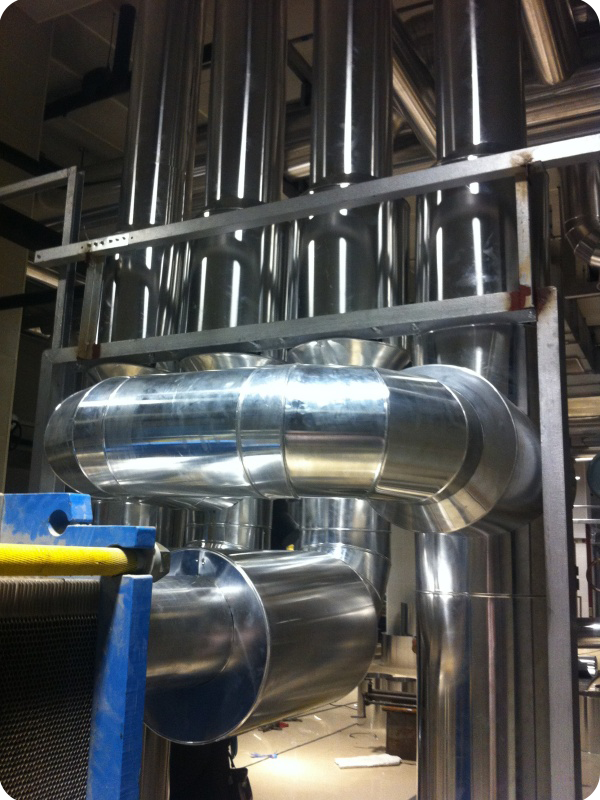
Commercial HVAC Ductwork
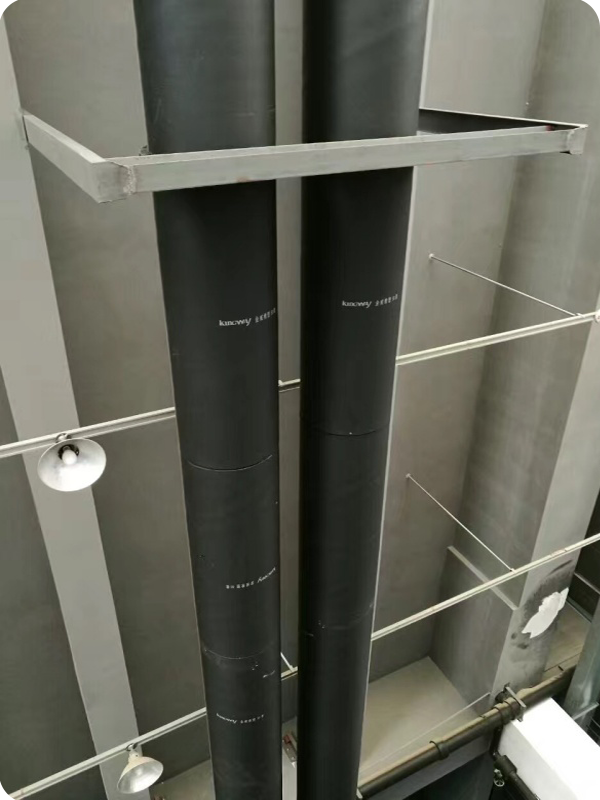
Industrial Condensate Pipes
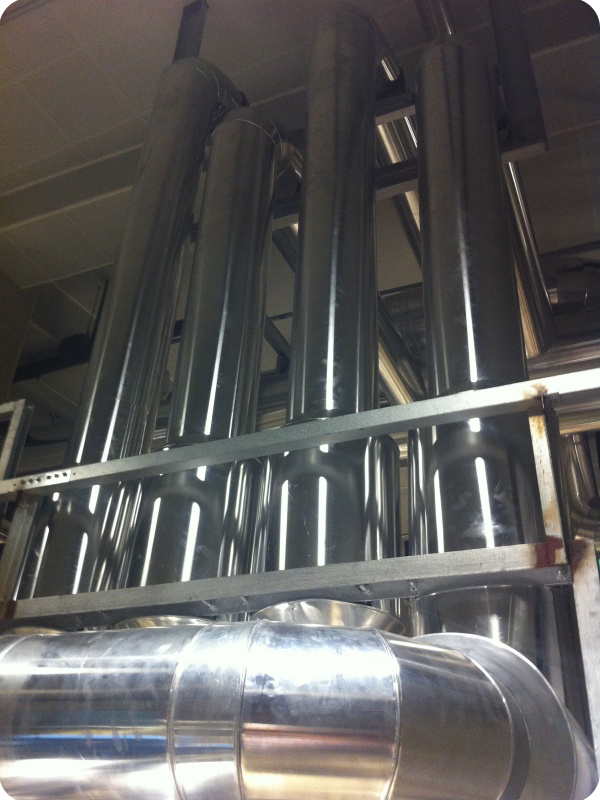
HVAC Mechanical Plant
Information gain research on decarbonization, smart thermal modeling, and hybrid materials.
With global sustainability mandates tightening, energy losses in industrial processes are scrutinized. Precise steam pipe insulation thickness calculations directly reduce thermal emissions, lowering a plant's overall carbon footprint. Closed-cell NBR/PVC elastomeric foams contribute to LEED, BREEAM, and DGNB green building ratings due to their high recycle content potential and halogen-free chemical variants.
Modern design and construction rely heavily on Building Information Modeling (BIM). Engineers use digital twins to simulate heat exchange in mechanical systems under varying ambient conditions. Kingflex provides digital assets and thermal properties compatible with major CAD and BIM engines to streamline thickness calculations directly in the virtual mockup phase.
For high-temperature applications that require thin profiles, composite systems are becoming the standard. Combining a thin, silica aerogel layer (high temp resistance) with a cost-efficient closed-cell elastomeric foam outer wrap (moisture barrier) optimizes performance while keeping costs lower than standard mineral wool or calcium silicate systems.
Technical and logistical insights from the Kingflex engineering and sales departments.
Order factory direct from Dacheng. Customized densities and thicknesses available upon request.