 Kingflex
Kingflex
Kingflex
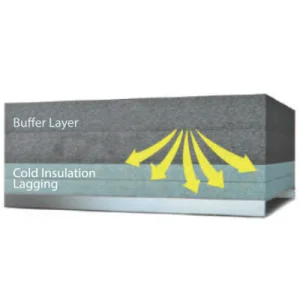
Engineered for extreme sub-zero thermal performance, our premier range of elastomeric foams and specialized cryogenic tubes prevents moisture intrusion, mitigates corrosion under insulation (CUI), and optimizes thermodynamic efficiency.
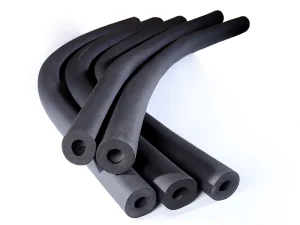
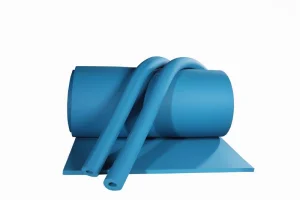
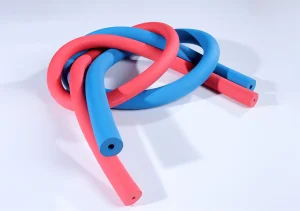
High-density closed-cell composition engineered for industrial cold pipelines and HVAC systems.
View Technical Specifications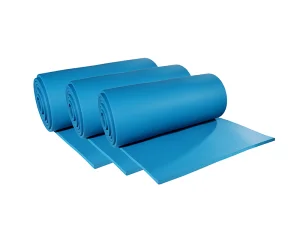
Superior flexibility down to sub-zero temperatures, providing moisture barrier protection.
View Technical Specifications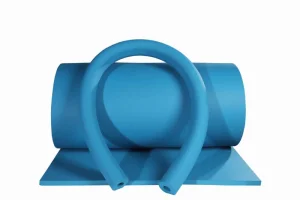
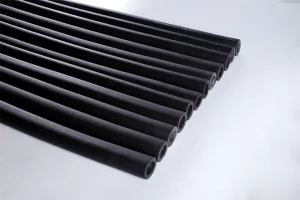
Industrial-grade insulation designed for critical petrochemical and process applications.
View Technical Specifications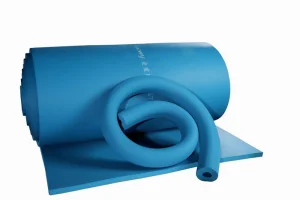
Engineered for heavy-duty LNG storage facilities and gas transport infrastructure.
View Technical SpecificationsMelbourne's industrial hub, stretching from the petrochemical clusters in Altona to the advanced chemical storage systems in the Port of Melbourne and the biotechnology labs in Parkville, is experiencing a transformation. As the State of Victoria moves forward with its clean energy transition roadmap, LNG (Liquefied Natural Gas) distribution and the pilot networks for liquid hydrogen infrastructure are requiring absolute precision in cryogenic thermal insulation systems.
At cryogenic temperatures (ranging from -40°C down to -200°C and below), standard insulation materials fail. Thermal contraction, moisture penetration, and subsequent ice formation can compromise industrial systems, leading to severe thermal loss and catastrophic failure. Our elastomeric cryogenic insulation sheets and tubes are specifically engineered to address these challenges, ensuring structural integrity and process stability across Melbourne's diverse commercial marine and industrial sites.
In Melbourne's volatile coastal climate, high relative humidity levels frequently lead to external condensation on cold pipe systems. A closed-cell structure with a high water vapor resistance factor (μ ≥ 10,000) is necessary to prevent water ingress. Our products comply with AS/NZS 1530.3 standards, providing fire safety parameters for flame spread, heat evolution, and smoke release indexes in commercial constructions.
Global supply chains are changing due to stricter environmental regulations and rising energy costs. Project managers, EPC contractors, and procurement departments in Australia and globally are focusing on solutions that offer:
We provide global markets with robust industrial insulation systems that meet these performance indicators, ensuring projects remain compliant with regional environmental codes.
Combining advanced automated production technology with optimized logistics to deliver dependable industrial-grade cold-chain insulation globally.
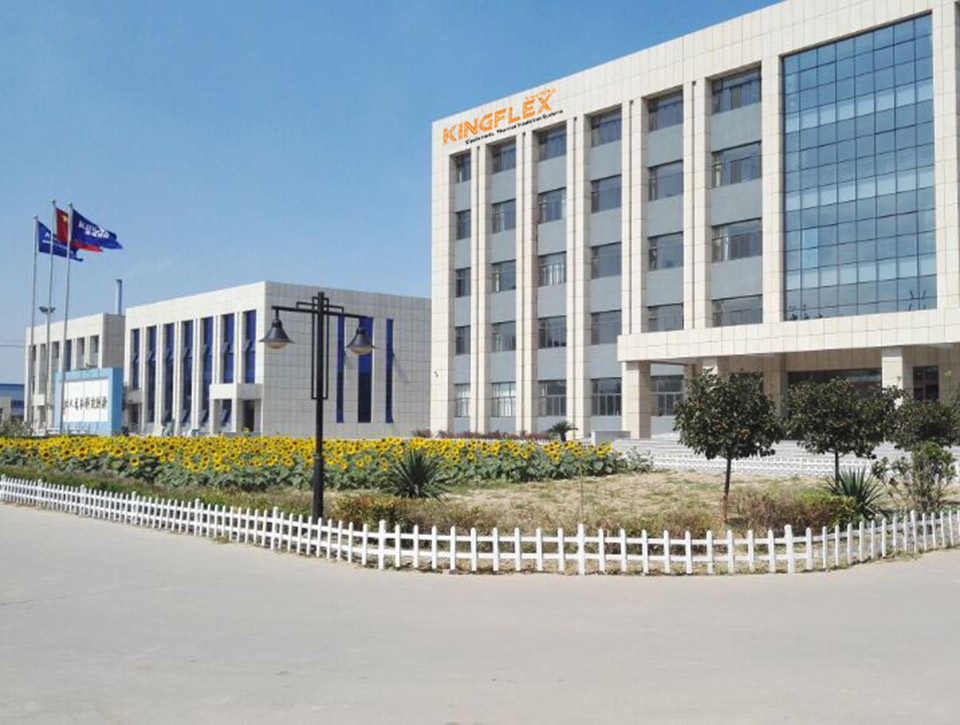
Operating from Dacheng, China—a hub for energy-efficient building materials—Kingflex utilizes Industry 4.0 automated manufacturing systems. This automation controls cell distribution, ensuring that our elastomeric foam achieves a closed-cell rate of over 98%. Consistency in cellular layout provides predictable thermal conductivity and moisture resistance, avoiding the localized failures common in manually processed materials.
Our direct access to major Chinese raw material suppliers and shipping lanes enables us to mitigate global logistics disruptions. For our partners in Melbourne and greater Victoria, we offer direct bulk container shipping options, providing reliable lead times and predictable cost structures for large-scale projects.
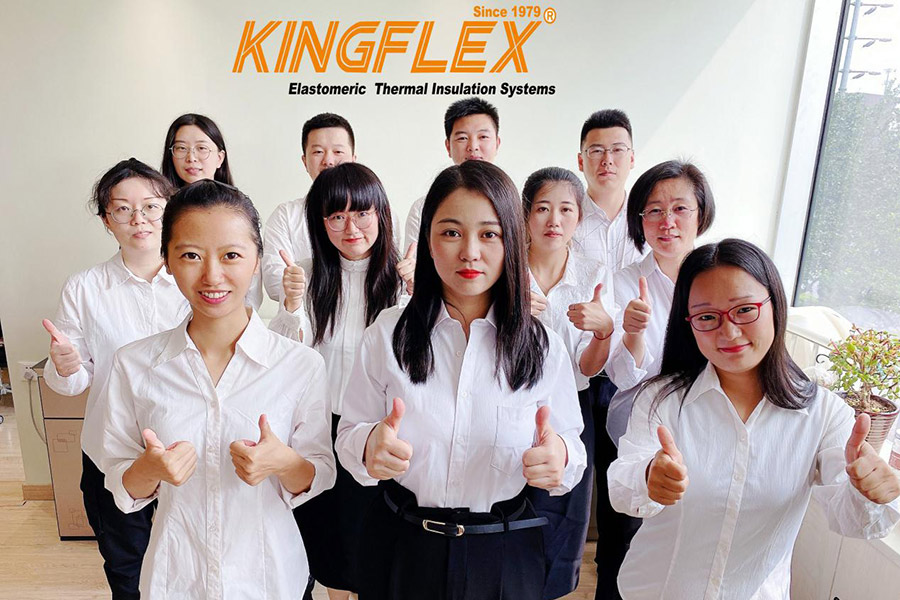
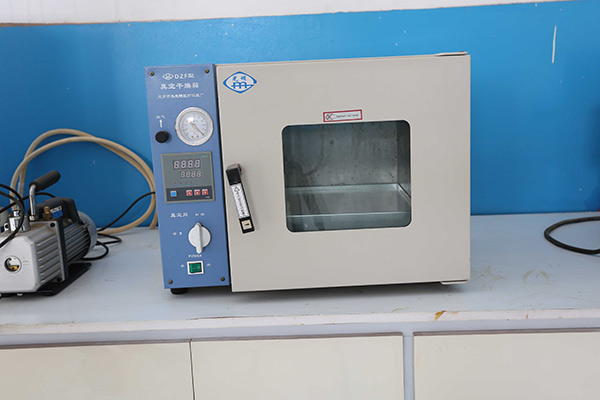
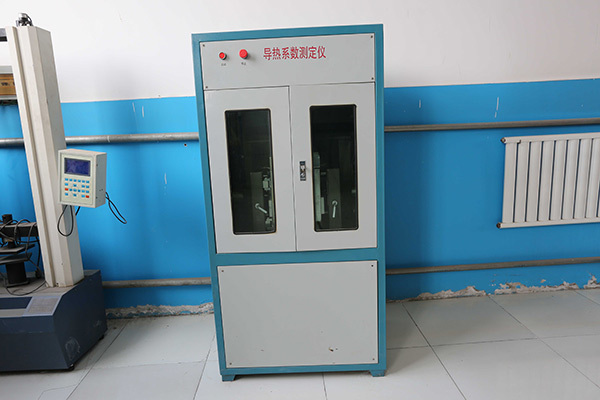
Our engineering department consists of dedicated research professionals who verify that every batch meets international safety and performance criteria.
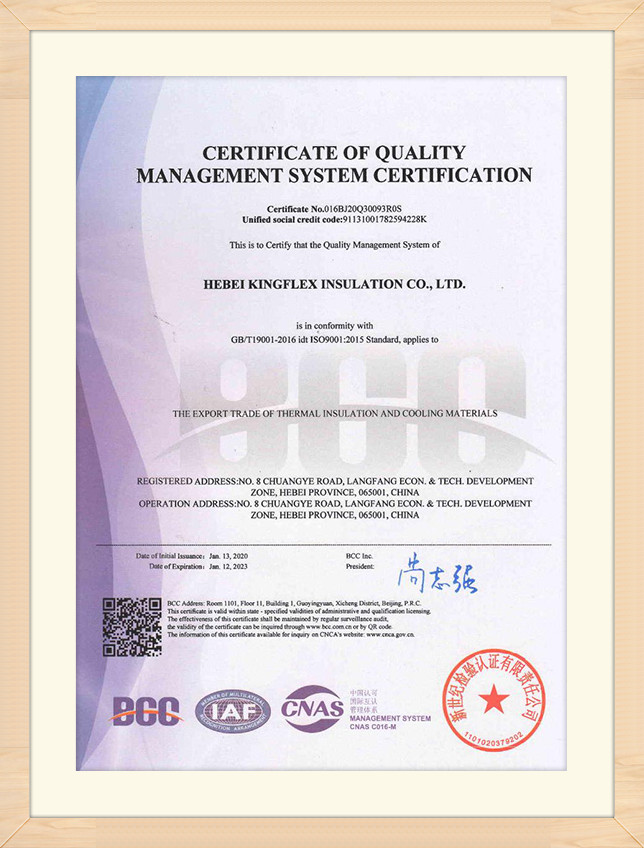
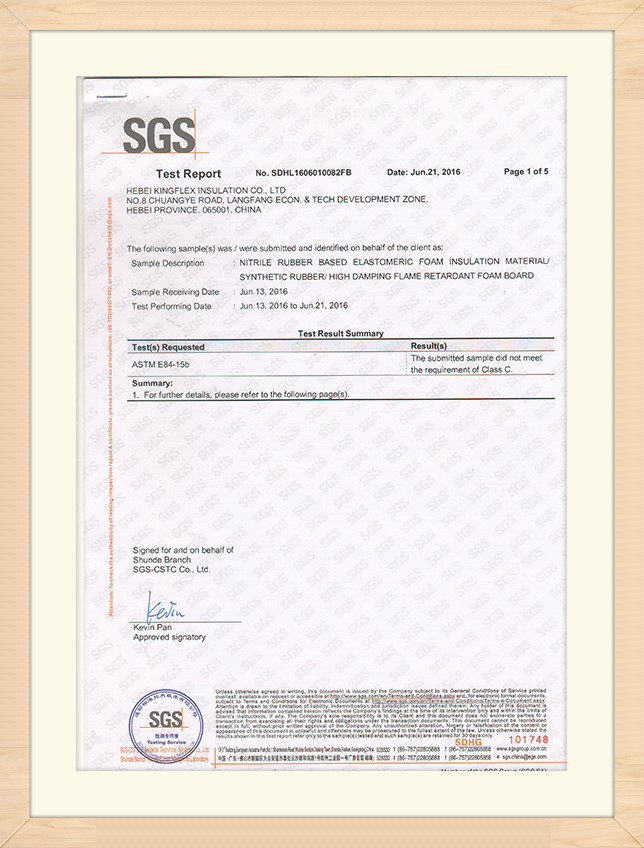
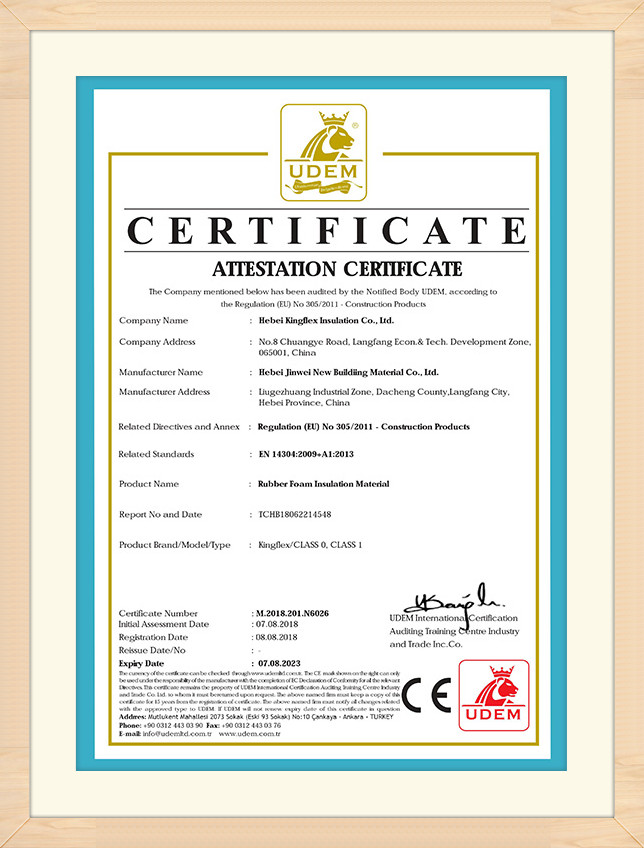
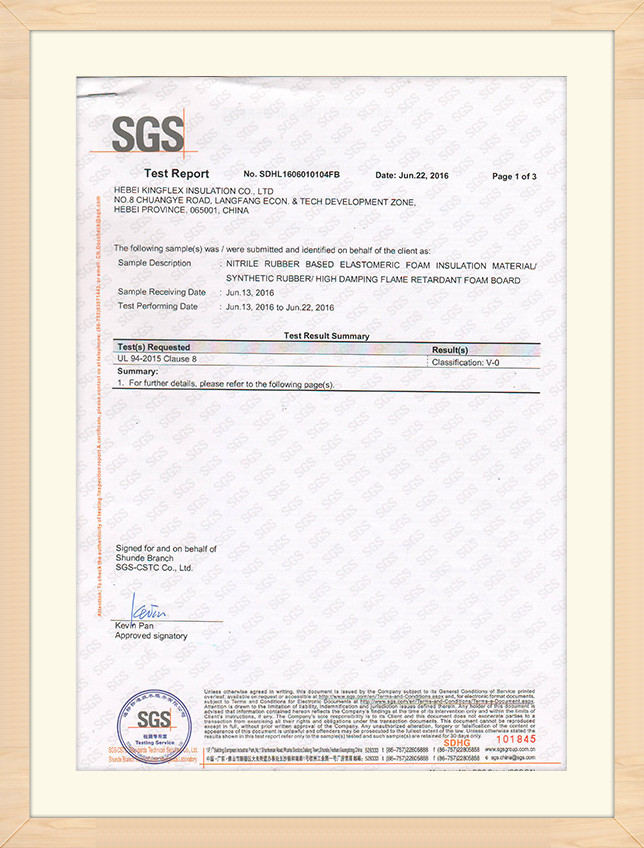
Our thermal and cryogenic solutions undergo testing to verify compliance with global safety standards. Our production holds certifications for:
With traceability numbers printed on every product line, we provide transparency and assurance to inspectors, engineers, and quality assurance personnel at the worksite.
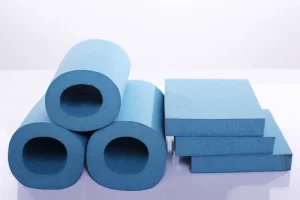
Designed for versatility, our NBR/PVC elastomeric materials provide reliable insulation performance across various cold-chain, industrial, and HVAC applications.
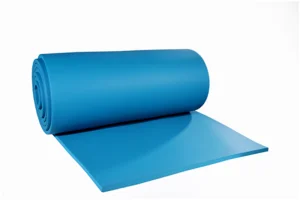
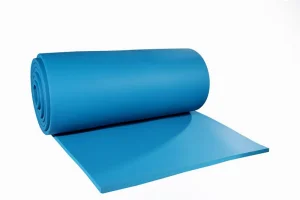
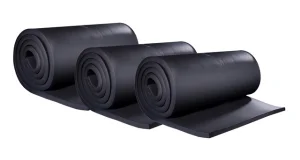
Our rubber foam sheet rolls provide thermal protection and condensation control for ducts, air handling units, and large tanks.
| Parameters | Standard Specifications |
|---|---|
| Material Matrix | Premium NBR/PVC Elastomeric Foam Blend |
| Available Thicknesses | 6mm to 50mm (Custom configurations available) |
| Density Profile | 40 - 55 kg/m³ |
| Operating Range | -40°C to 105°C (Extended down to -200°C for cryogenic grades) |
| Closed-Cell Content | ≥ 98% |
| Moisture Absorption | Extremely low, high resistance factor (μ ≥ 10,000) |
Designed for quick slide-on installation or longitudinal slitting on pipes, ensuring tight seams and minimizing thermal bridges.
| Parameters | Standard Specifications |
|---|---|
| Material Matrix | High-elastic NBR/PVC closed-cell foam |
| Wall Thicknesses | 9mm to 40mm |
| Inner Diameter (ID) | 6mm to 114mm (To fit standard steel/copper pipes) |
| Density Profile | 40 - 55 kg/m³ | Compatible with standard polyurethane & elastomeric adhesives |
Prevents sweating and condensation on chilled water pipes and air conditioning systems in high-rise constructions across Melbourne CBD and suburban centers.
Maintains critical cold-chain temperatures for pharmaceutical hubs in Parkville and logistics centers near Tullamarine airport, reducing compressor duty cycles.
Provides insulation performance down to -200°C for chemical storage, reducing heat gain and managing risk of liquid oxygen condensation.
Explore our full line of thermal insulation sheets, elastomer tubes, and hybrid materials designed for diverse commercial and industrial setups.
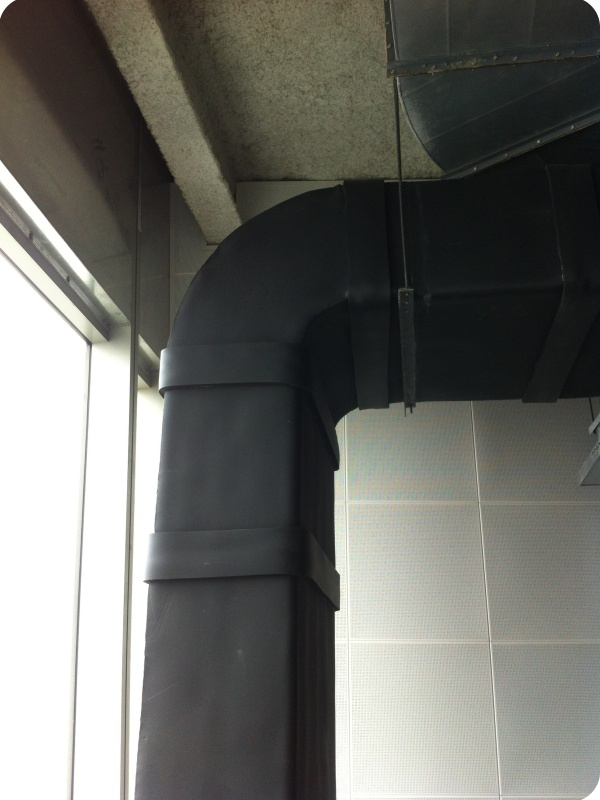
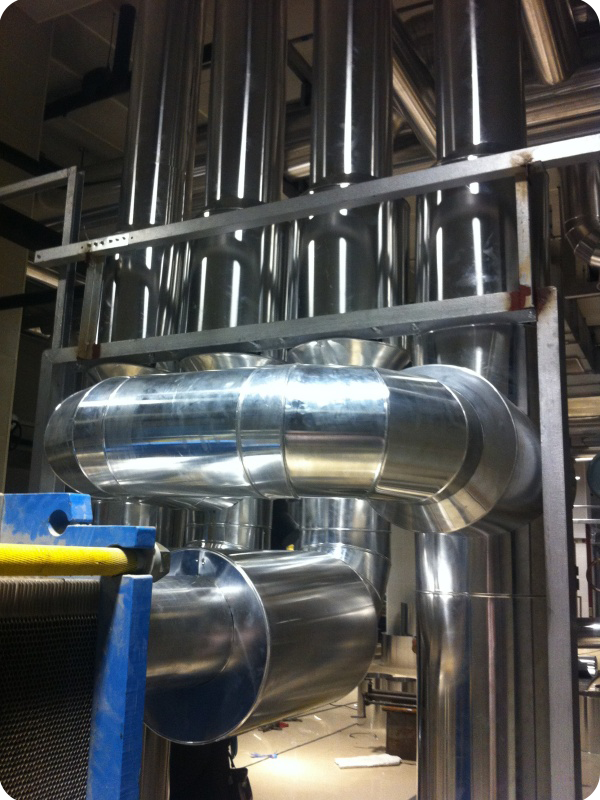
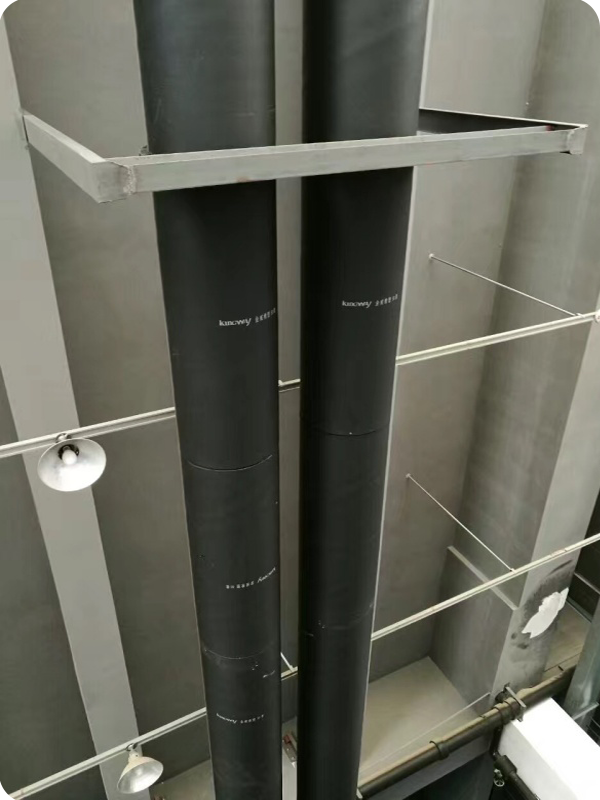
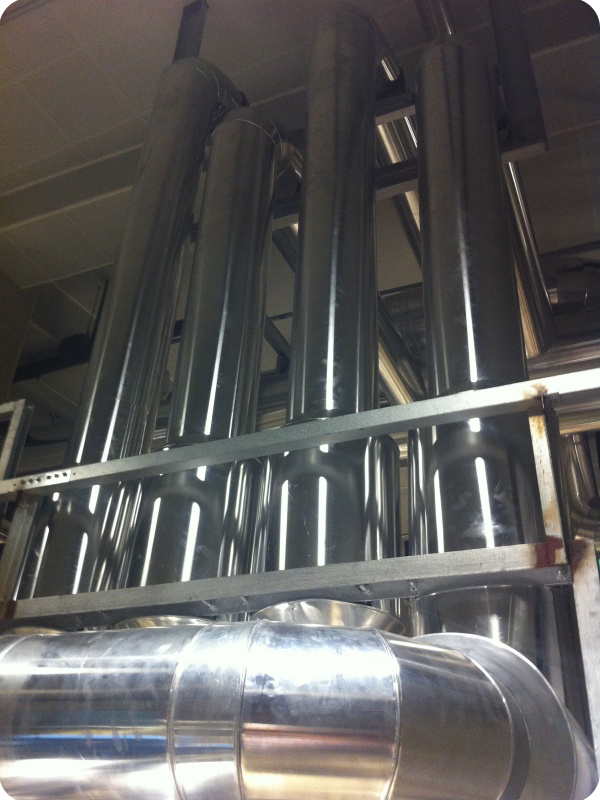
A comparison of common thermal insulation materials for cold applications to assist in material selection.
| Insulation Material | Thermal Conductivity (λ at -50°C) | Vapor Resistance (μ) | Installation Speed & Flexibility | Vibration Absorption | Relative System Cost |
|---|---|---|---|---|---|
| Kingflex Elastomeric NBR/PVC | ≤ 0.029 W/(m·K) | ≥ 10,000 (Built-in Vapor Barrier) | Excellent, highly flexible, no expansion joints needed | High (excellent damping) | Moderate (economical install) |
| Rigid Polyurethane Foam (PUR/PIR) | ~ 0.032 W/(m·K) | Requires external mastic coating | Moderate, rigid sections, needs joints | Low | Moderate |
| Cellular Glass | ~ 0.040 W/(m·K) | Inherent barrier (brittle joints) | Complex, requires specialized joint sealant | Zero (prone to cracking) | High |
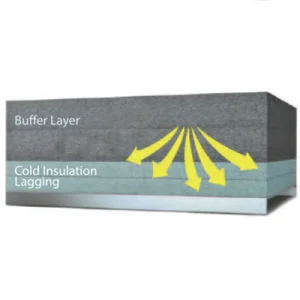
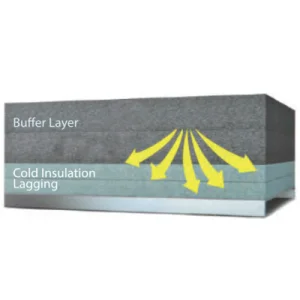
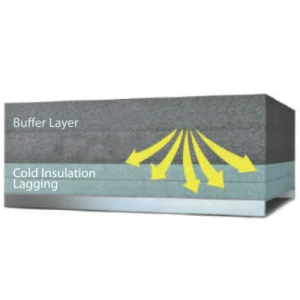
Note on Engineering Design: Rigid materials are prone to cracking under thermal stress from expansion and contraction cycle dynamics in cryogenic systems. The flexible nature of closed-cell NBR/PVC elastomer dampens vibration, absorbs structural shifts, and minimizes thermal bridging.
Answers to technical and application queries for operators and contractors in the Melbourne region.
Whether you are bidding for a commercial HVAC project, upgrading industrial refrigeration systems, or specifying insulation systems for cryogenic setups in Victoria, our team can assist.