 Kingflex
Kingflex
Kingflex
Engineered rubber foam and thermal protection systems manufactured to global standards
Calculating the precise insulation thickness for HVAC ducts is not merely an estimate; it is a critical thermodynamic requirement governed by heat transfer equations. The main drivers for these calculations are energy conservation and surface condensation control. When warm, humid air contacts an uninsulated or poorly insulated duct conveying cold air, moisture condenses on the surface. This leads to structural damage, mold growth, and reduced indoor air quality (IAQ).
The standard condensation prevention formula determines the minimum insulation thickness required to keep the outer surface temperature of the insulation above the ambient air's dew point:
Minimum Thickness (x) is calculated using Fourier's Law of Heat Conduction in cylindrical coordinates (for pipes) or Cartesian coordinates (for flat ducts):
Flat Surface Calculation Formula:
x = λ * ( (Tambient - Tfluid) / (qmax) - 1/fo )
Where: λ (Thermal Conductivity), Tambient (Ambient Temperature), Tfluid (Duct Operating Fluid Temp), fo (Outside Surface Film Coefficient), qmax (Permissible Heat Loss Rate).
To avoid surface condensation, the formula dictates that the insulation's external surface temperature must be higher than the dew point of the surrounding environment under maximum design conditions (typically 90% RH and 35°C ambient temperature in tropical industrial climates).
How the construction and industrial manufacturing sectors are coping with skyrocketing energy tariffs and carbon compliance
Green building programs worldwide (such as LEED v4.1, BREEAM, and DGNB) mandate strict controls over duct heat loss and thermal transmittance. System designs must minimize energy degradation through ducts. High-density, closed-cell NBR/PVC structures with low thermal conductivity (λ ≤ 0.034 W/(m·K)) provide the necessary resistance in thinner profiles compared to traditional glass wool.
In highly humid regions, condensation leads to structural corrosion beneath the insulation layer, known as Corrosion Under Insulation (CUI). CUI is a multi-billion dollar challenge across oil, gas, and chemical storage facilities. Kingflex closed-cell elastomerics boast a water vapor diffusion resistance factor (μ-value ≥ 10,000) which prevents vapor ingress and safeguards structural duct integrity.
HVAC systems generate significant noise from air turbulence and plant vibrations. Advanced solutions combine thermal insulation with open-cell acoustic panel modifications. This hybrid design dampens sound waves inside duct systems without requiring separate sound attenuator boxes, which helps save space and reduces project costs.

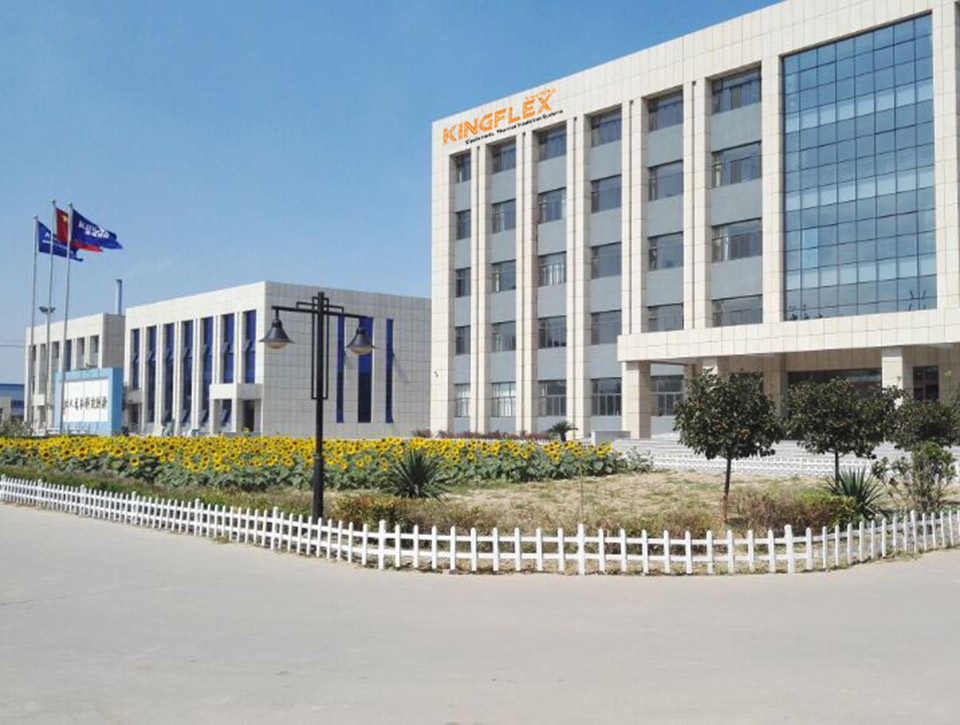
Established by the Jinwei Group (which has a heritage dating back to 1979 as the pioneer of insulation manufacturing north of the Yangtze River), Kingflex Insulation Co., Ltd. is a leading manufacturer and exporter of green thermal insulation products. Headquartered in Dacheng, China—a hub for energy-efficient building materials—Kingflex integrates design consulting, advanced manufacturing, and technical field support.
With an annual capacity exceeding 600,000 cubic meters across 5 fully automated assembly lines, Kingflex is designated as an authorized manufacturing vendor for major Chinese ministries, including the Ministry of Energy, Ministry of Electric Power, and the Ministry of Chemical Industry.
Physical properties and configurations of Kingflex Elastomeric Materials
| Insulation Type | Material Composition | Available Thickness | Density Range | Service Temp. Limit | Closed-Cell Rate | Moisture Resistance |
|---|---|---|---|---|---|---|
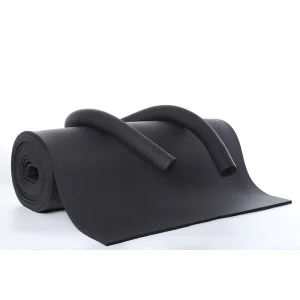
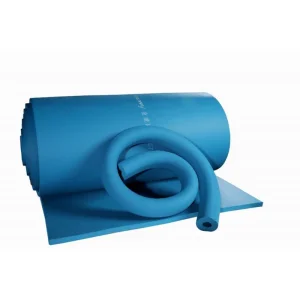
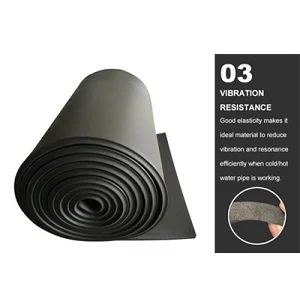
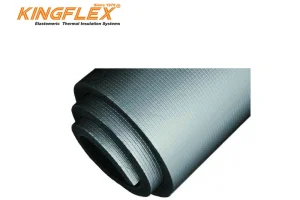
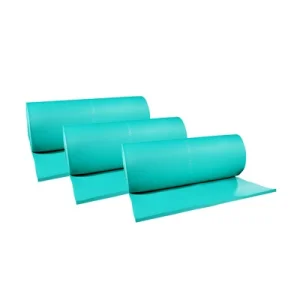
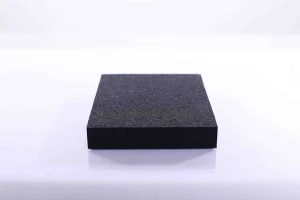
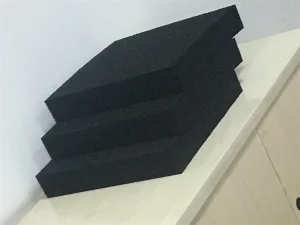
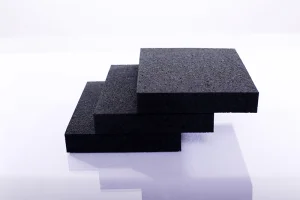
| Elastomeric Sheet Roll | NBR/PVC Elastomeric Foam | 6mm - 50mm | 40 - 55 kg/m³ | -40℃ to +105℃ | ≥ 98% | High Moisture Barrier (μ ≥ 10,000) |
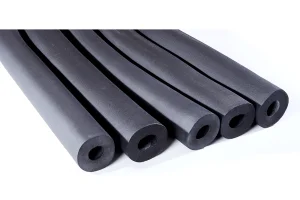
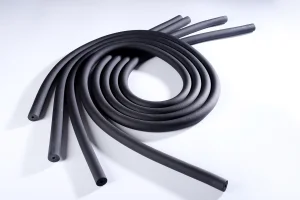
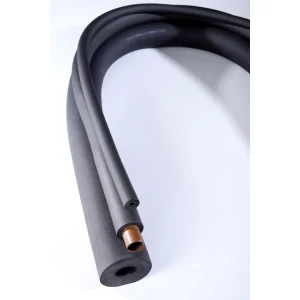
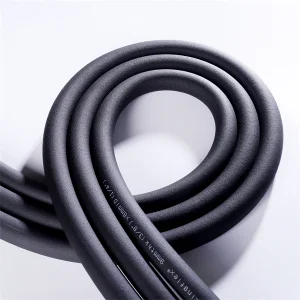
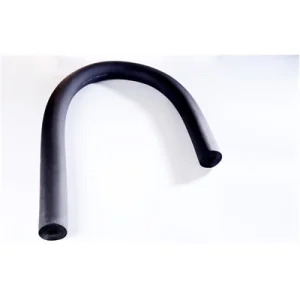
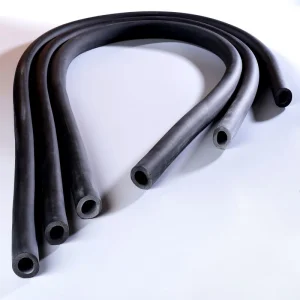
| Elastomeric Tube / Pipe | NBR/PVC Co-Polymer | 9mm - 40mm (ID: 6-114mm) | 40 - 55 kg/m³ | -40℃ to +105℃ | ≥ 98% | High Moisture Barrier (μ ≥ 10,000) |
| Acoustic Modified Panel | Open-cell Nitrile Rubber | 15mm - 50mm | 50 - 65 kg/m³ | -25℃ to +85℃ | Open-cell (Acoustic) | Moderate (Requires external vapor jacketing) |
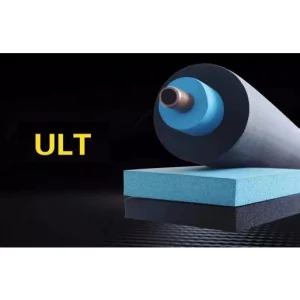
| Cryogenic System Insulation | Multi-layered Elastomeric Matrix | Custom engineered layers | 55 - 75 kg/m³ | -200℃ to +105℃ | ≥ 99% | Extreme Low Vapor Permeability |
The table below provides minimum recommended thicknesses for different ambient relative humidities (RH) at a standard operating chilled water temperature of 5°C (Ambient air temperature of 30°C):
| Relative Humidity (RH) | Flat Surface Duct Thickness | Pipe Diameter ≤ 50mm ID | Pipe Diameter 50 - 150mm ID |
|---|---|---|---|
| 65% RH | 13 mm | 9 mm | 13 mm |
| 75% RH | 19 mm | 13 mm | 19 mm |
| 85% RH | 32 mm | 25 mm | 32 mm |
| 90% RH | 50 mm | 38 mm | 45 mm |
Continuous testing ensures Kingflex products meet global performance and safety standards

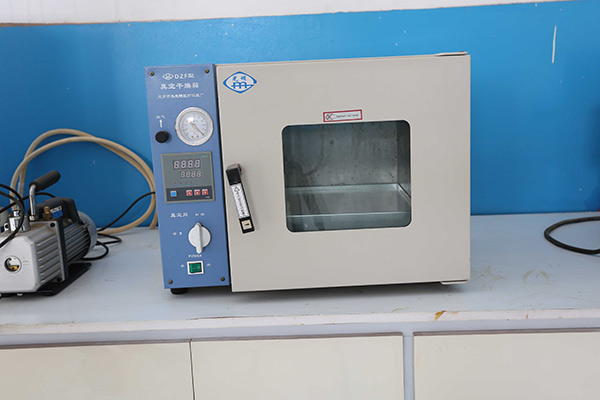
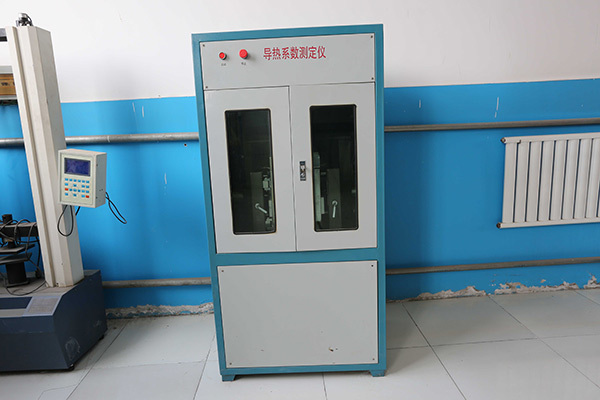

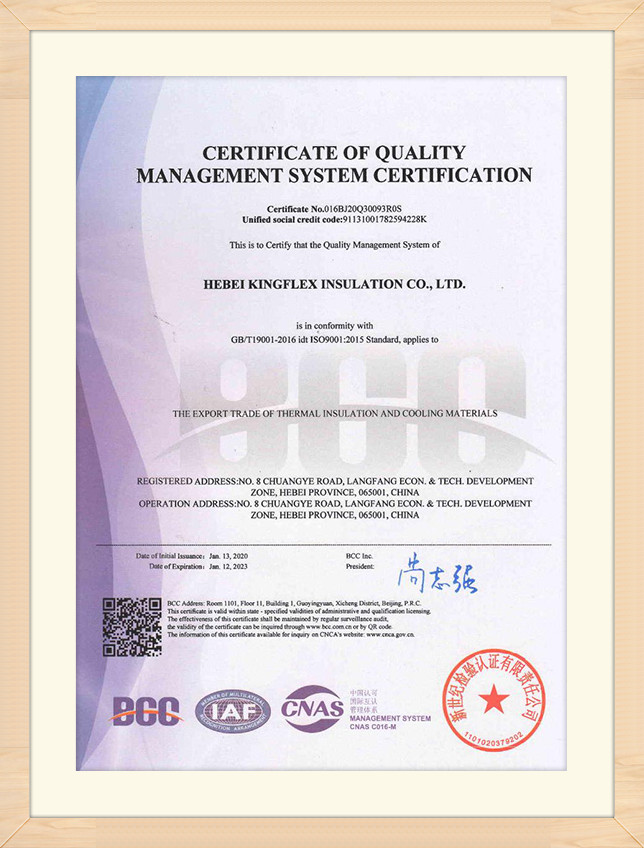
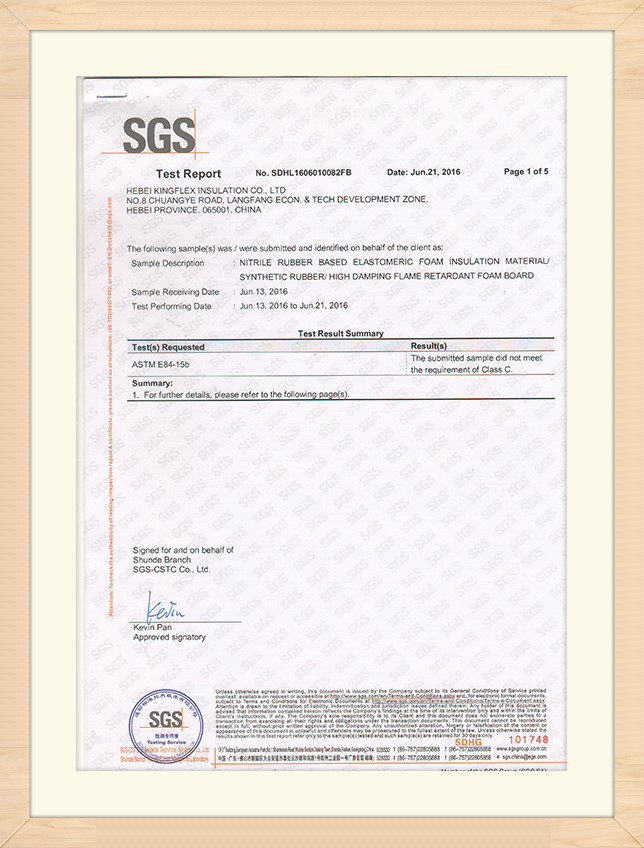
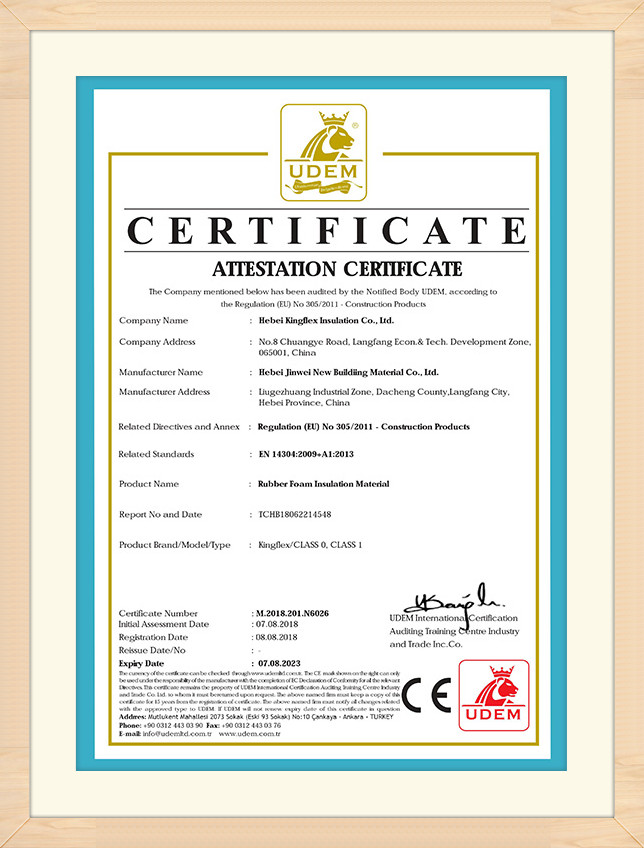
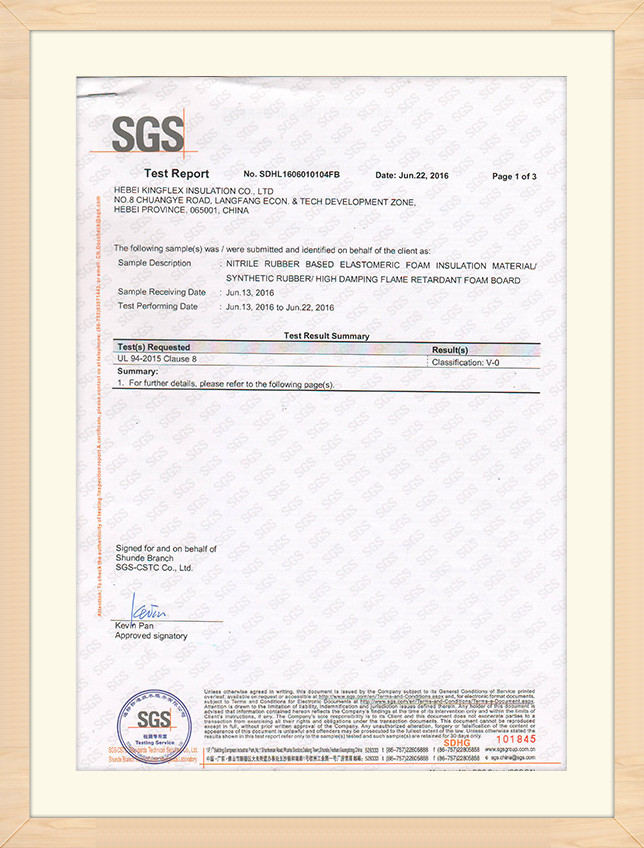
Our materials undergo regular testing in accredited laboratories. Key certificates confirm that Kingflex insulation complies with target market guidelines, including BS 476 (Part 6 & 7), ASTM E84 (flame spread index < 25, smoke developed index < 50), EN 13501-1 (Euroclass B-s3, d0), UL 94 (V-0 rating), RoHS, and REACH regulations.
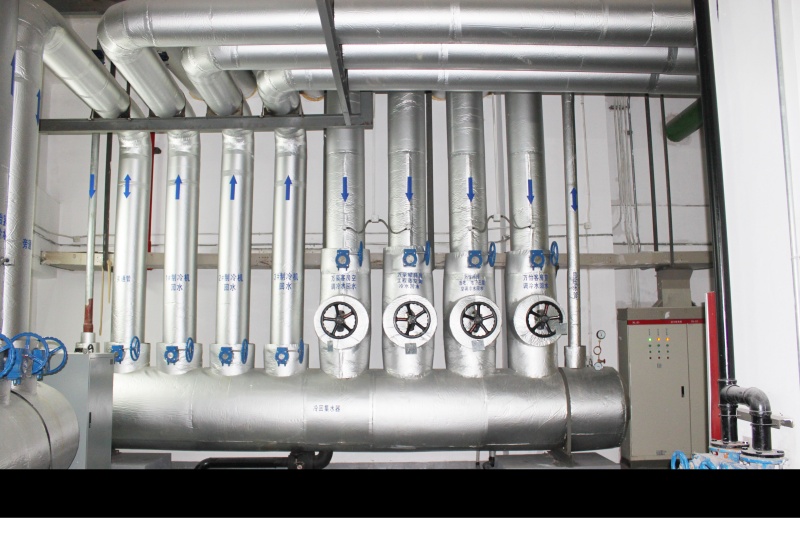
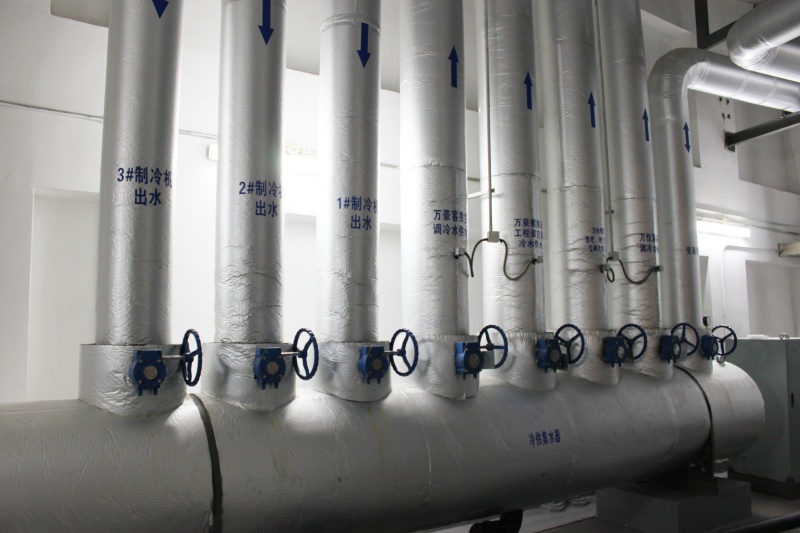
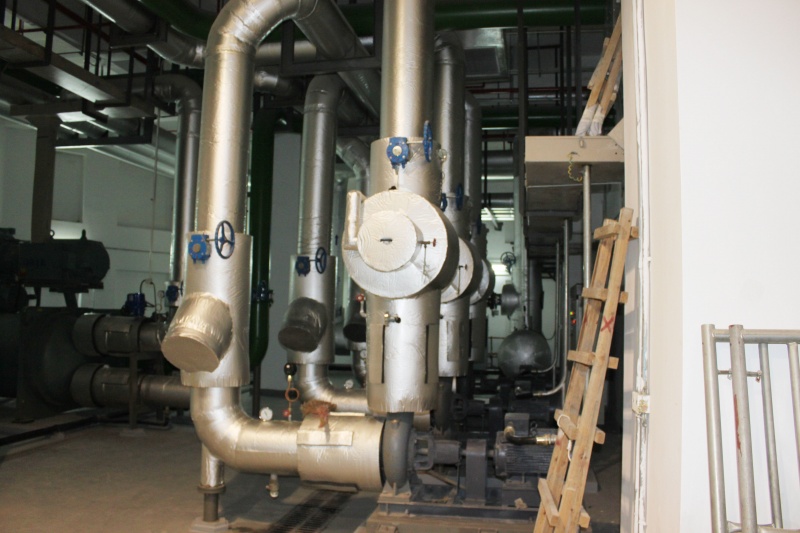
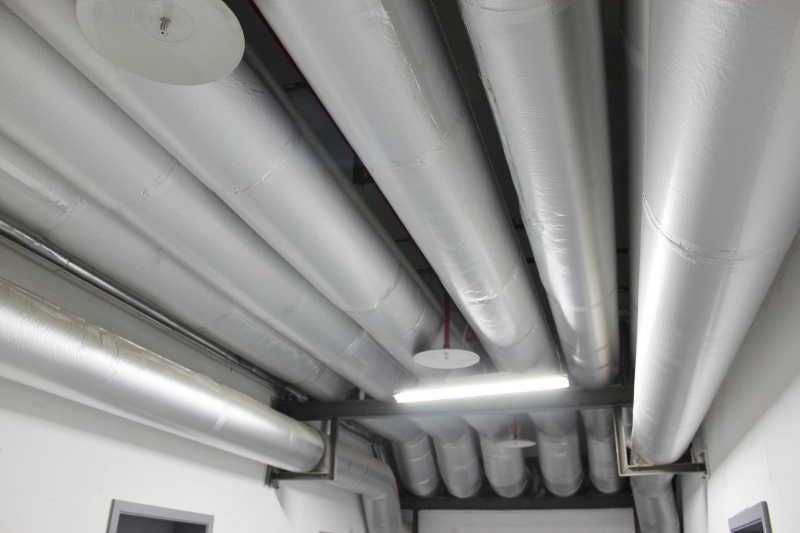
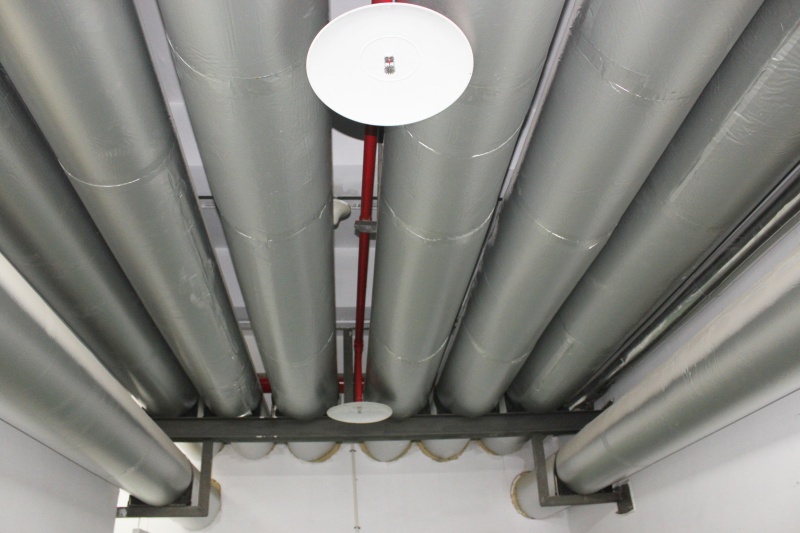
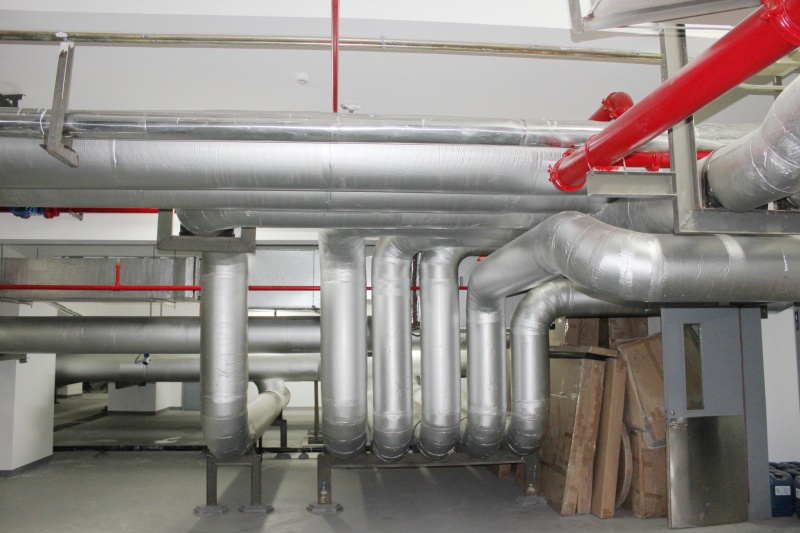
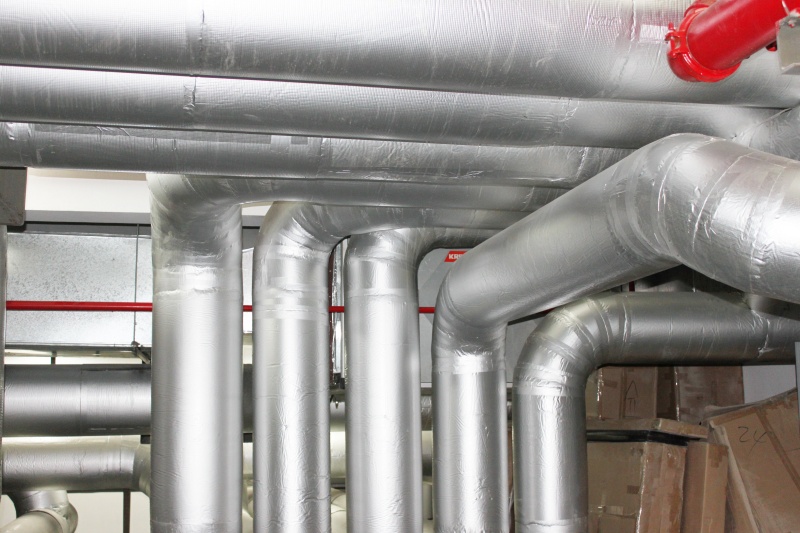
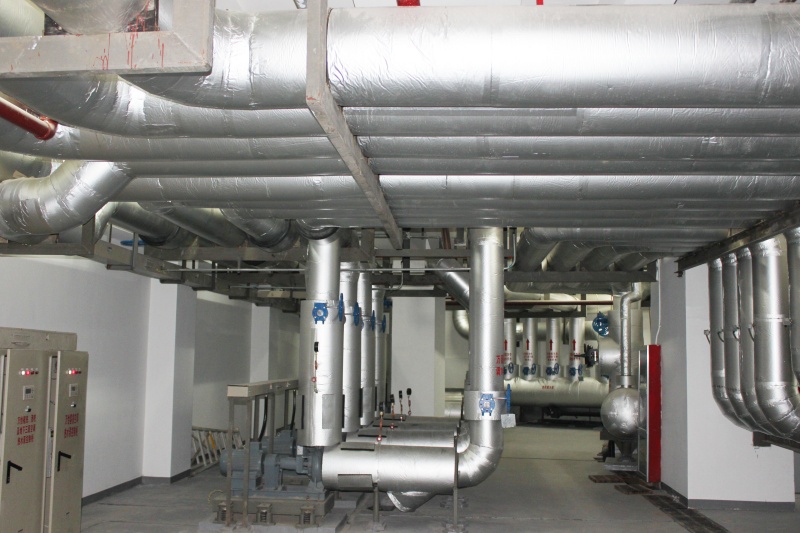
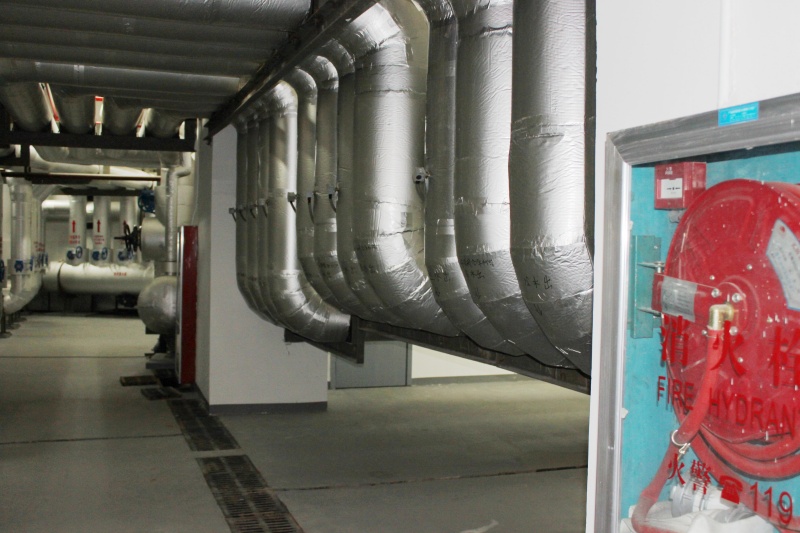
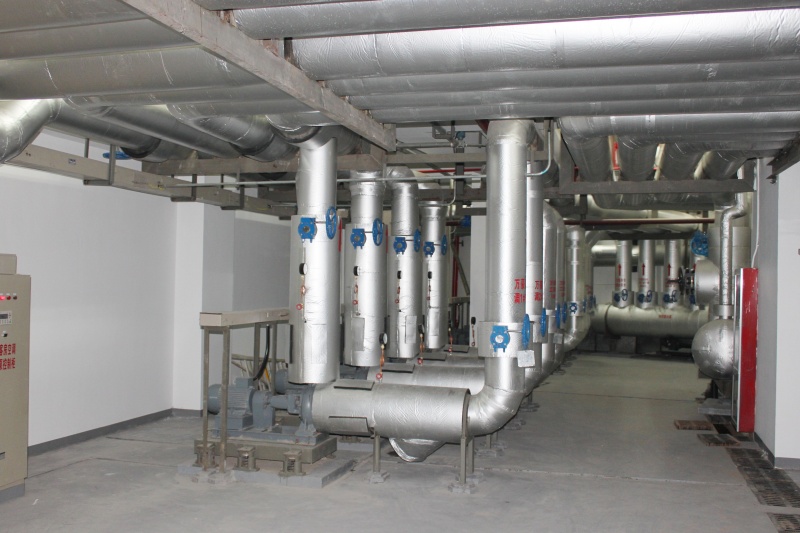
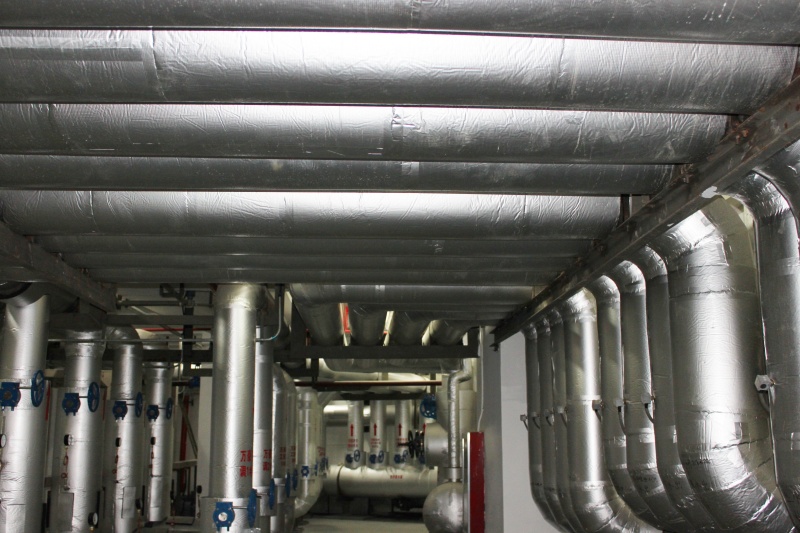
Kingflex insulation solutions in major infrastructure, commercial, and industrial facilities
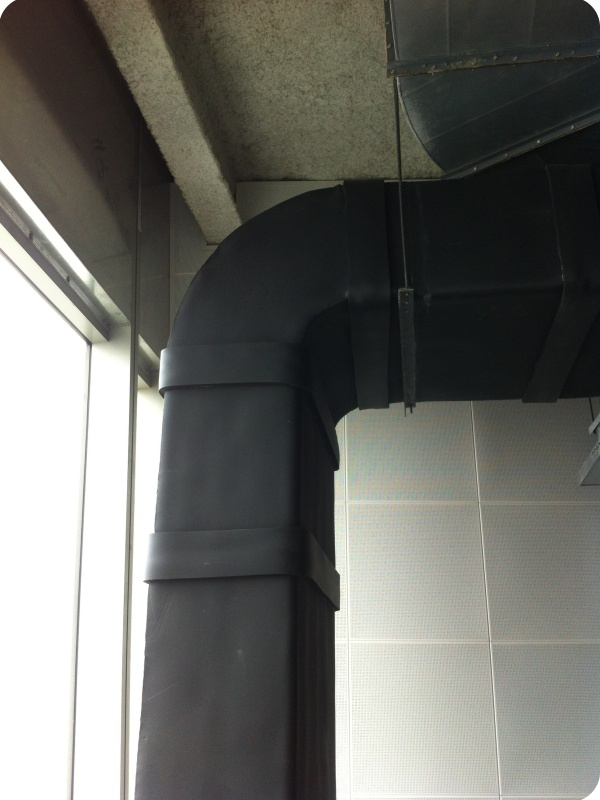
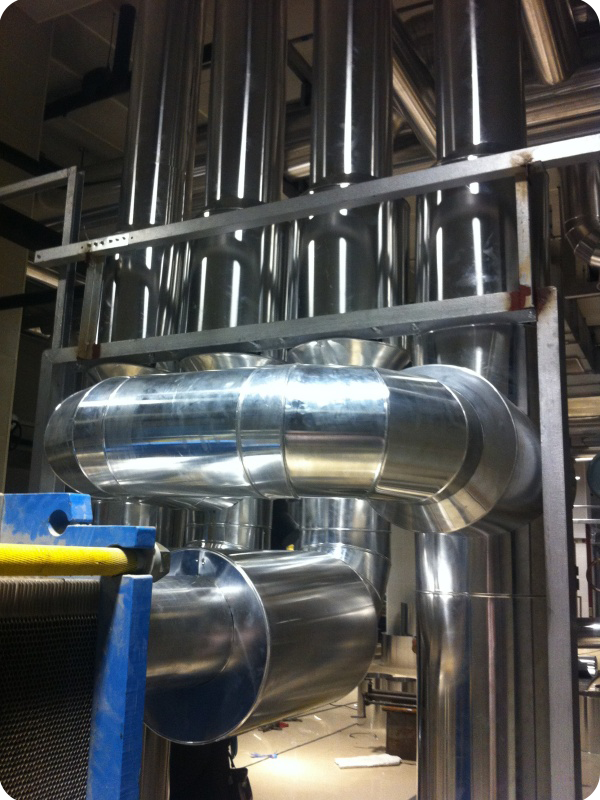
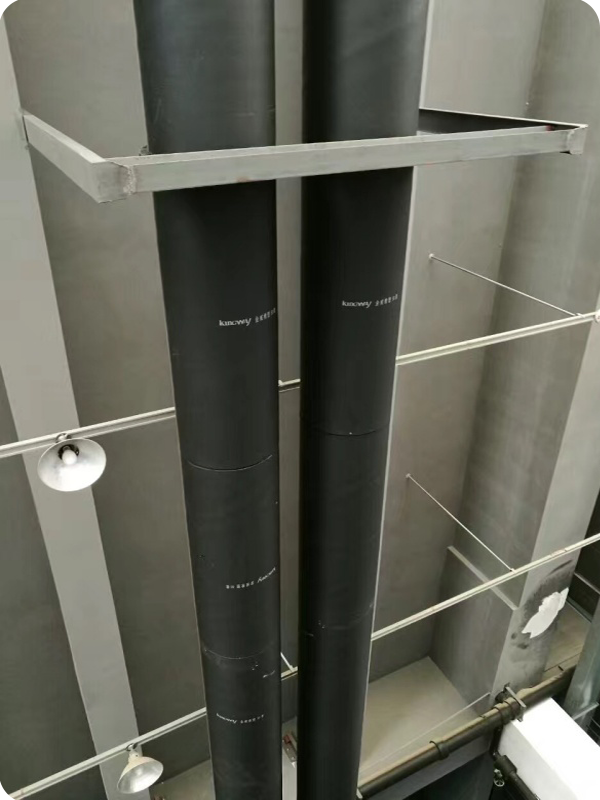
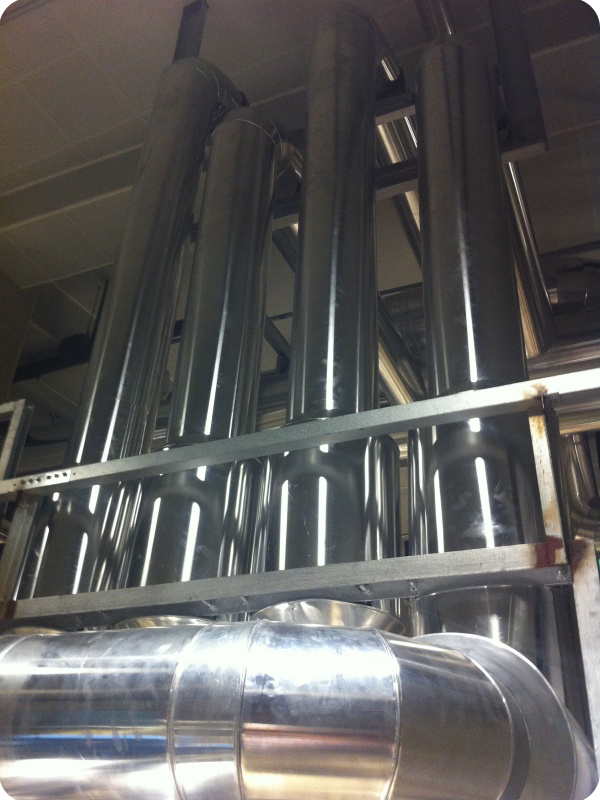
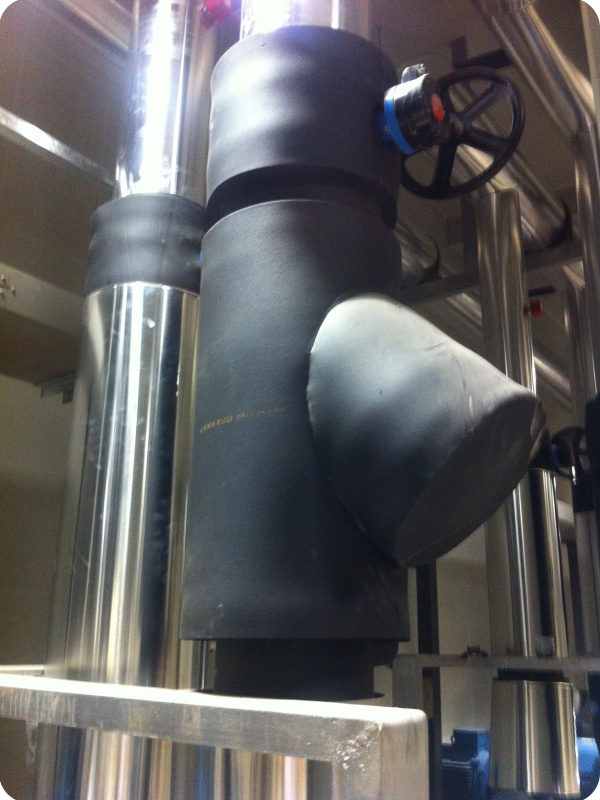
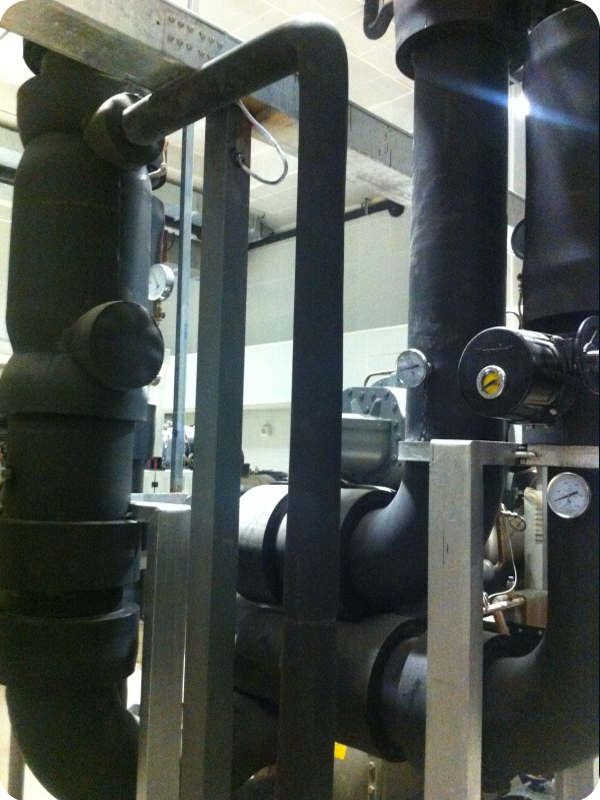
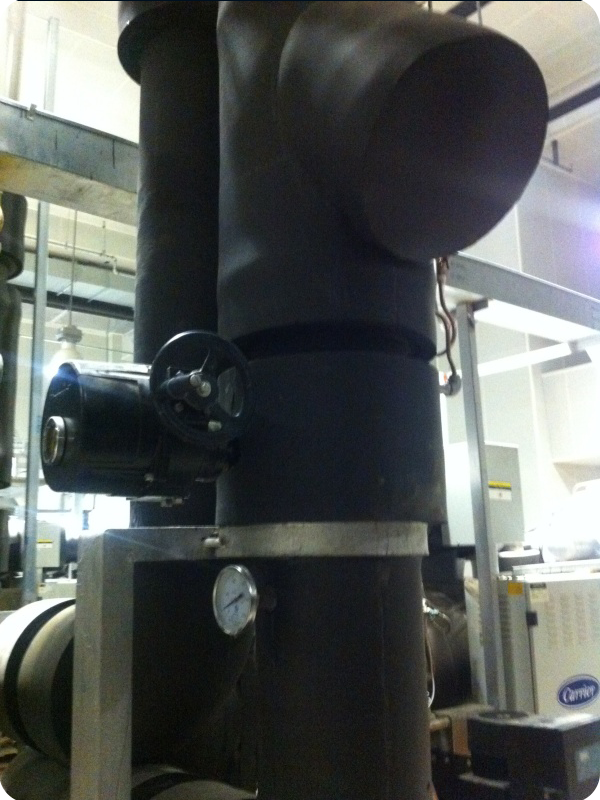
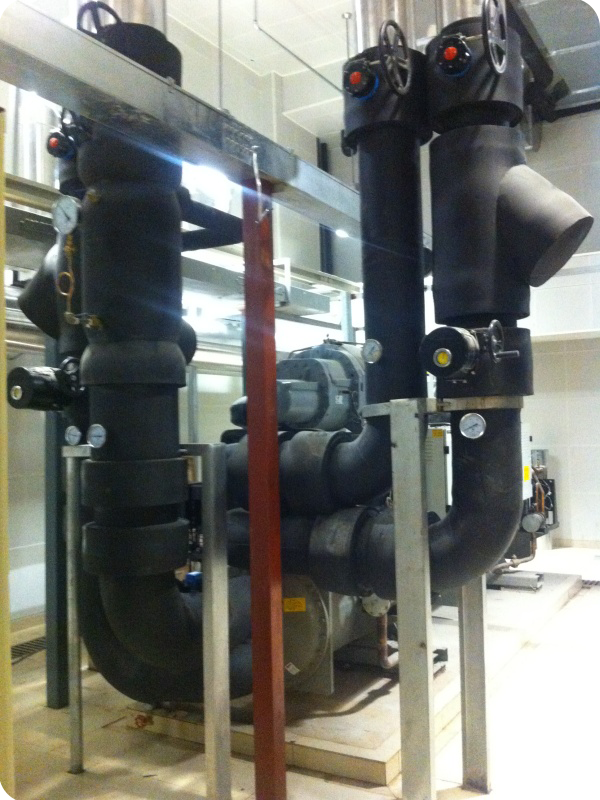
We work closely with HVAC design offices and MEP contractors. The screenshots highlight our direct communications, technical submittals, calculation reviews, and quick order turnarounds.



The transition toward carbon-neutral insulation systems and advanced thermal barriers
Developing bio-sourced elastomeric foams using organic polymers. This reduces dependency on petroleum while maintaining key physical properties: λ ≤ 0.034 W/m·K and Class 0 flame performance.
Integrating silica aerogel particles into the closed-cell rubber matrix. This reduces thermal conductivity down to 0.022 W/m·K, enabling thinner profiles that help save ceiling space in high-density high-rise buildings.
Developing insulation with embedded conductive sensors. These detect moisture ingress along piping and duct surfaces, allowing maintenance teams to identify and address issues before CUI occurs.
A transparent breakdown of cost structures and options for global procurement teams
Wholesale prices for elastomeric foam insulation are influenced by oil prices (which affect rubber monomer and PVC resins) and foam expansion ratios. High-density, flame-retardant Class 0 materials generally carry a 15–20% premium due to the cost of specialized additives.
Below is a standard FOB Tianjin port reference price list for standard container orders. Actual prices may vary depending on customized sizes, specific fire certifications, and raw material cost fluctuations.
| Product Specification | Thickness Range | Est. FOB Price Range (USD/m³) |
|---|---|---|
| Standard NBR/PVC Foam Roll | 6mm - 13mm | $75 - $95 / m³ |
| Standard NBR/PVC Foam Roll | 19mm - 50mm | $70 - $85 / m³ |
| Class 0 Fire-Rated Sheet Roll | 9mm - 32mm | $90 - $115 / m³ |
| Standard Insulation Pipe / Tube | 9mm - 40mm (All IDs) | $0.25 - $2.50 / linear meter |
| Alu Foil Facing Sheet (Reinforced) | 13mm - 32mm | $110 - $140 / m³ |
High-capacity machinery ensuring stable supply and fast delivery for large-scale construction and industrial projects



Insights from our R&D department on design standards, insulation performance, and physical parameters
Explore our targeted acoustic panels, low-temperature systems, and heavy-duty industrial pipe insulation
Our engineering team provides complimentary calculations for heat loss, condensation risk, and acoustic attenuation. Reach out to get a project-specific proposal and factory-direct wholesale quote.
Contact Our Engineers