 Kingflex
Kingflex
Kingflex
Engineered to meet stringent UK Building Regulations, BS 476 flame retardancy, and international thermal standards.
An Industrial Analysis of NBR/PVC Bonding Chemistry and Structural Integration in Modern Built Environments.
In the global commercial HVAC, cryogenic shipping, and high-specification building sectors, the structural integration of thermal insulation relies heavily on high-performance adhesives—commonly referred to in international procurement lists as Flex Glue. These heavy-duty elastomeric adhesives are formulated to bond flexible closed-cell rubber foam insulation (NBR/PVC base) securely to metal pipes, flat sheet metal ducts, and storage vessels. Without a chemically synchronized bonding agent, thermal bridging, interstitial condensation, and moisture intrusion will degrade system efficiency over time, causing structural corrosion (CUI) and energy leaks.
A closed-cell system is only as robust as its joints. The elastomer-bonding glue must match or exceed the vapor-barrier performance ($\mu \geq 10,000$) and flame-spread ratings of the elastomeric rubber foam itself, preventing catastrophic failure under variable thermal expansion loops ranging from -40°C to +105°C.
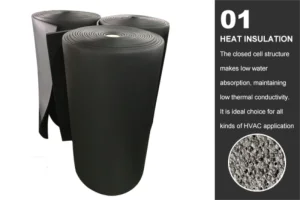
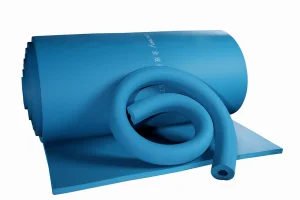
Flexible closed-cell thermal insulation contains high concentrations of Nitrile Butadiene Rubber (NBR) and Polyvinyl Chloride (PVC). This composition delivers excellent flexibility, a low thermal conductivity ($\lambda \leq 0.034$ W/m·K at 0°C), and high moisture-resistance factors. However, NBR/PVC substrates require adhesives engineered with compatible plasticizers and cross-linking polymers. Standard commercial adhesives often fail due to plasticizer migration, which degrades the interface, resulting in premature peeling and thermal leaks. Specially formulated "Flex Glue" resists degradation, curing into a cohesive matrix that mirrors the elastomer's elasticity.
For UK mechanical, electrical, and plumbing (MEP) contractors, securing steady supply lines of high-density acoustic rubber foam, insulation tubes, and corresponding specialized adhesives is critical for project timelines. With strict environmental mandates under UK Building Regulations (such as Approved Document L governing conservation of fuel and power), sourcing directly from large-scale factories in Dacheng, China—the capital of green-building materials—provides a strategic balance of cost efficiency and certified quality.
By bypassing multiple distribution tiers, UK engineering companies can order custom dimensions (thicknesses from 6mm to 50mm) and ensure that structural adhesives and rubber foams are supplied as a tested, integrated system. This direct-to-factory pipeline ensures traceable batch production, certified compliance records (BS 476, CE, REACH, RoHS, UL94, and ASTM), and stable cost estimation for major commercial projects.
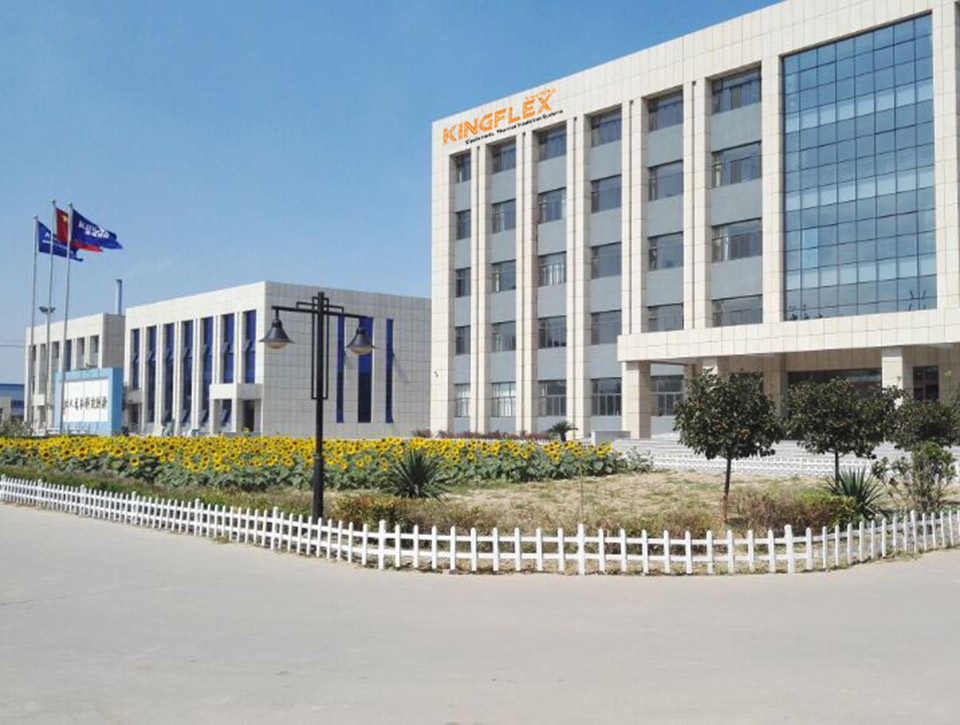
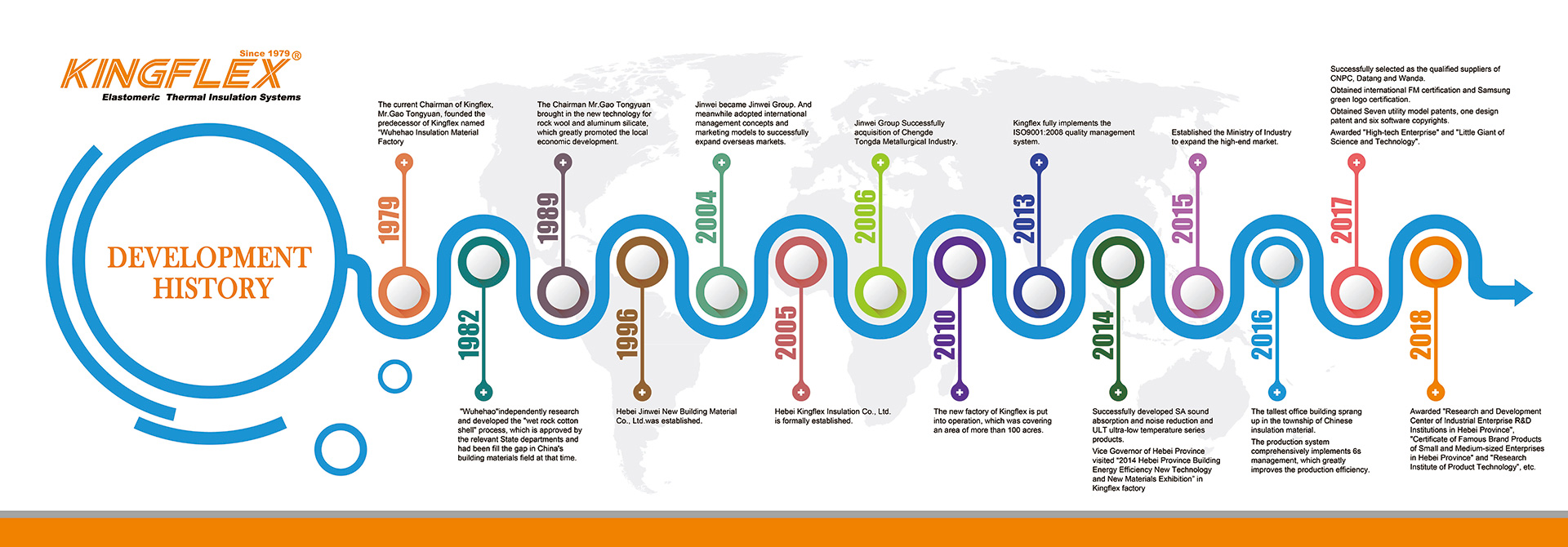
Decades of continuous manufacturing excellence supporting global distribution across sixty-six countries.
How global projects leverage integrated elastomeric rubber foam systems to resolve critical insulation challenges.
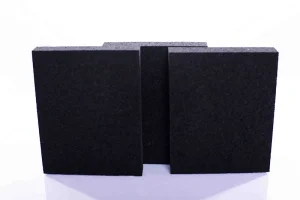
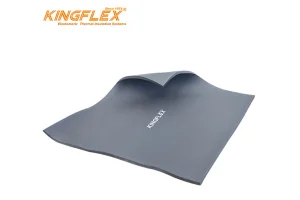
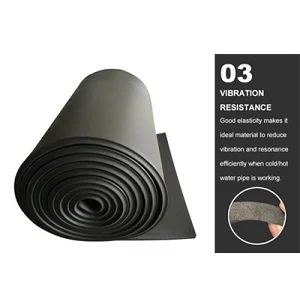
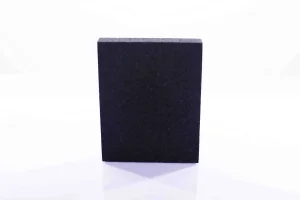
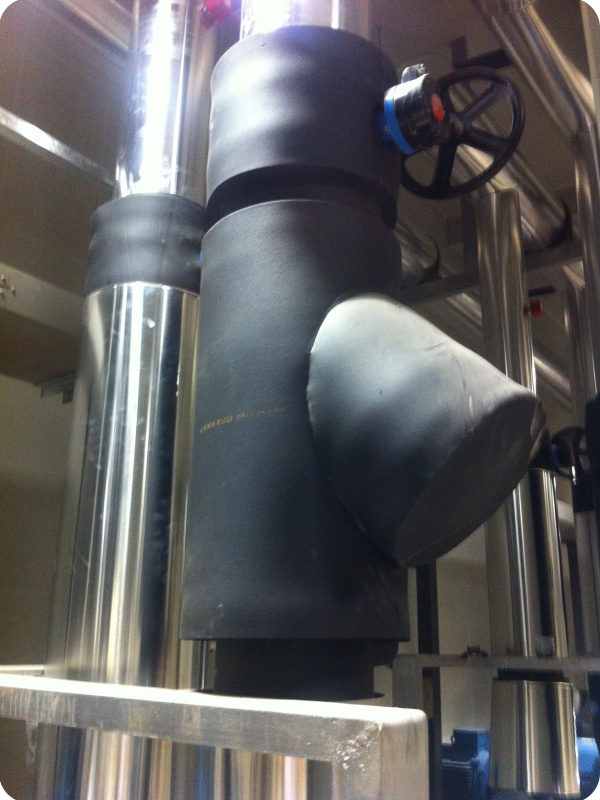
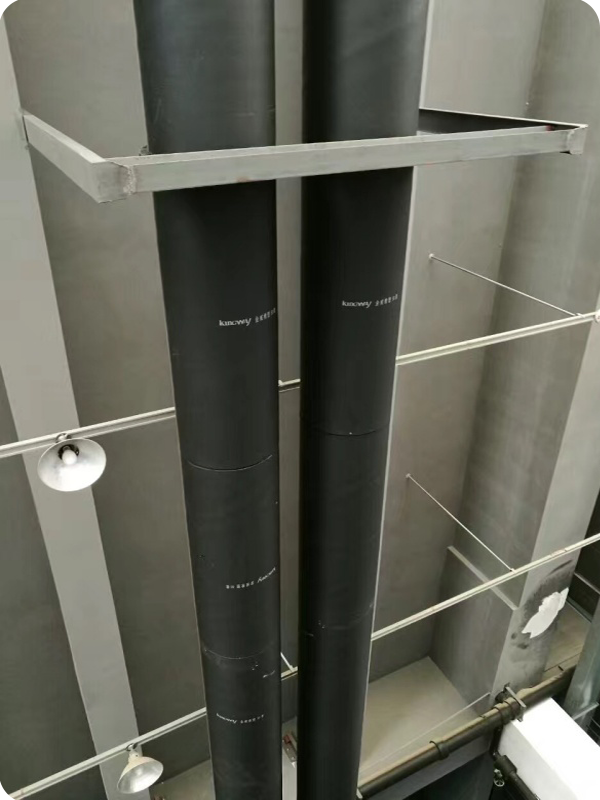
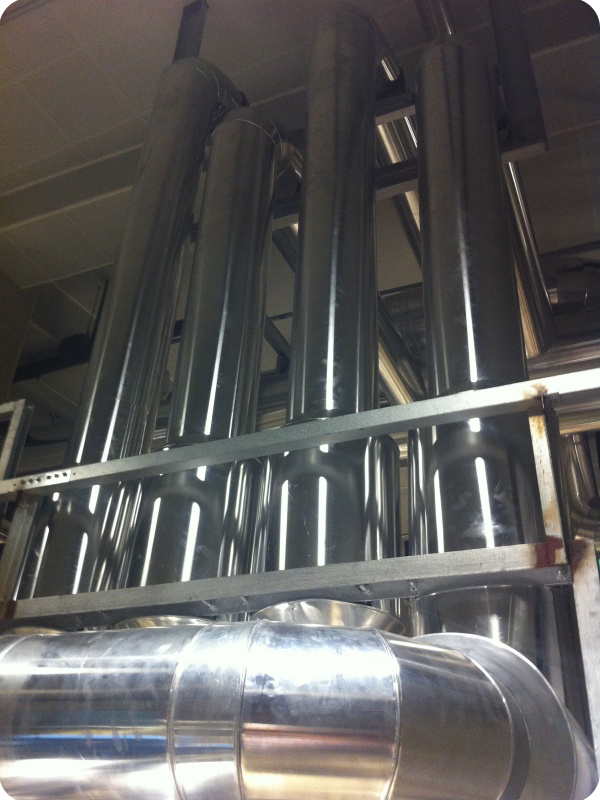
In large-scale commercial installations, mechanical air ducts must maintain precise thermal barriers to prevent energy loss and condensation inside the ceiling void. Using High-Density Acoustic Rubber Foam Insulation Boards combined with elastomeric joint adhesive creates an airtight, sound-dampening barrier. This system reduces structural noise transmission from air handling units (AHUs) while preventing condensation-induced mold growth.
Cryogenic insulation demands high performance under extreme temperature differentials. Our Flexible Rubber Insulation for Cryogenic Systems performs reliably down to -200°C. High-performance adhesive ensures the multiple layers of cryogenic foam remain bonded without micro-cracking, preventing moisture migration toward cold pipe surfaces.
Under modern structural fire safety guidelines (e.g., BS 476 Part 6 & 7 Class 0 rating in the UK), building materials must retard flame propagation and limit smoke density. Kingflex NBR/PVC elastomeric foam features self-extinguishing properties, which help maintain compartmentation barrier integrity during fire events. System adhesives are also designed to carbonize rather than feed flames.
Direct metrics for structural engineers, project specifiers, and procurement officers.
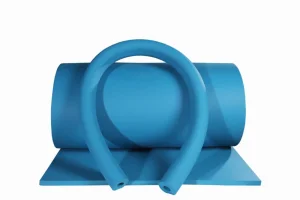
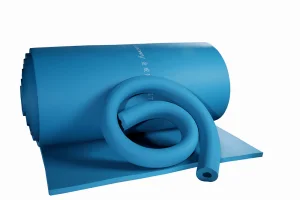
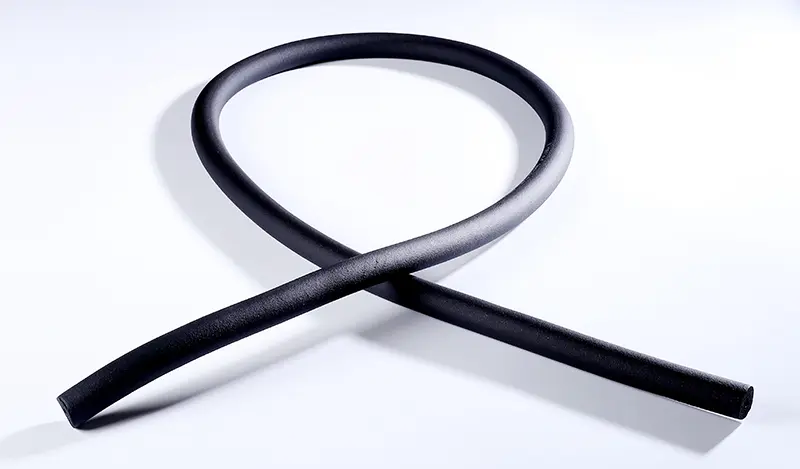
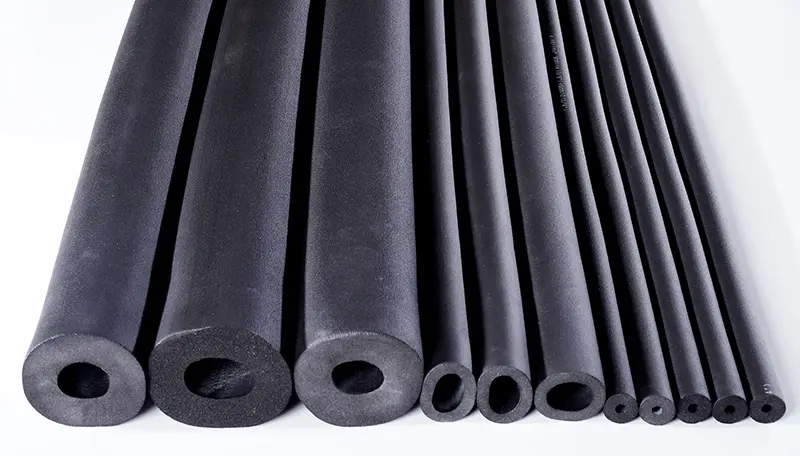
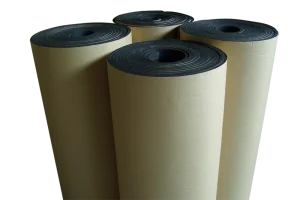
Material: NBR/PVC Blend
Thickness Range: 6mm to 50mm
Density: 40 to 55 kg/m³
Service Temperature Range: -40℃ to 105℃
Advantages: Evens and fully foams with closed-cell rate > 98%, maintains stable thermal conductivity, features compression resilience > 80%, and offers self-extinguishing flame retardancy.
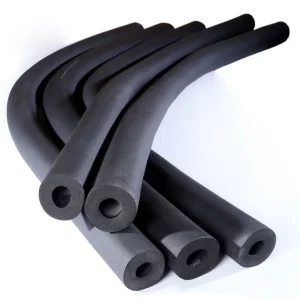
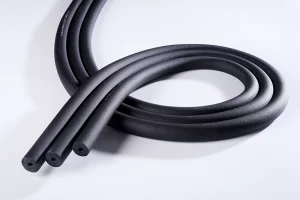
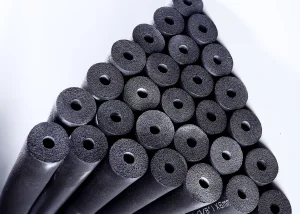
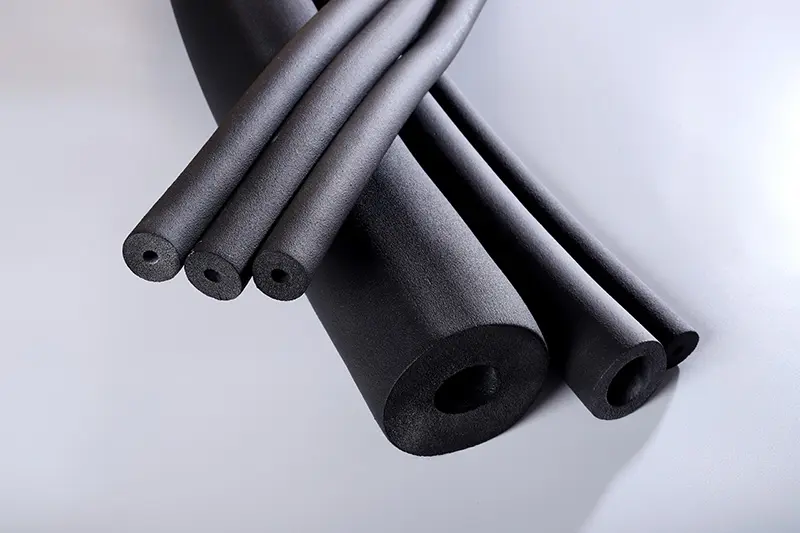
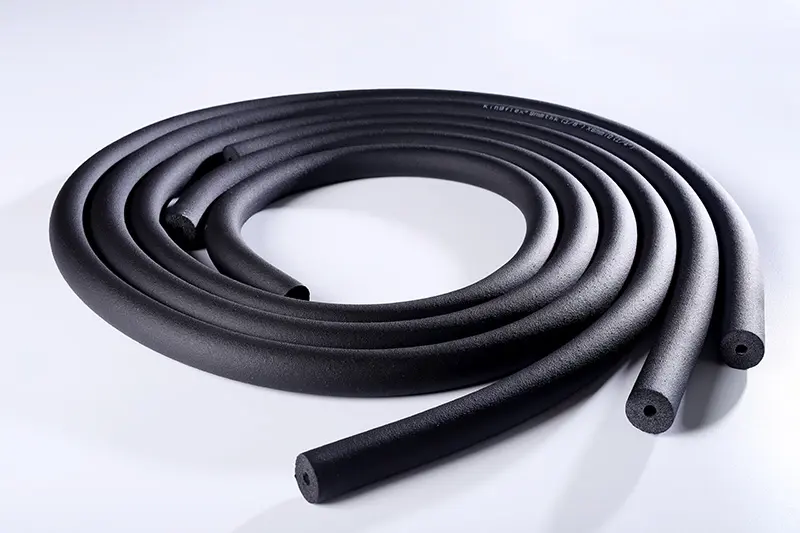
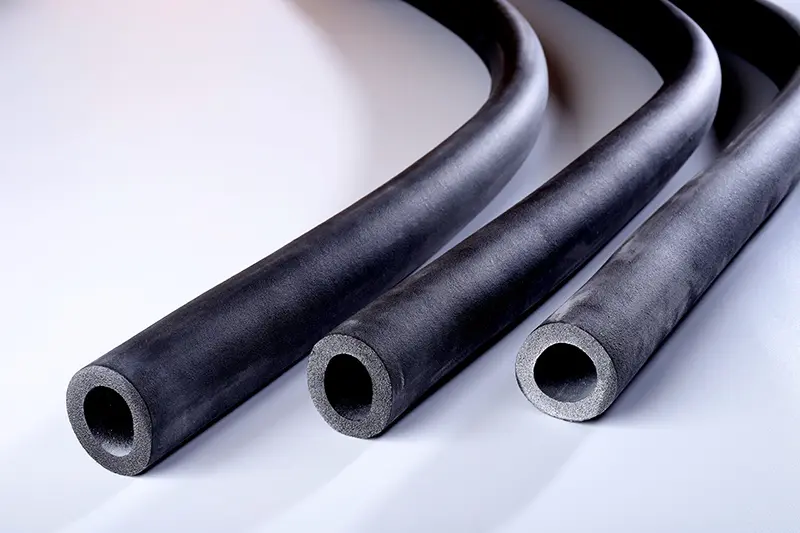
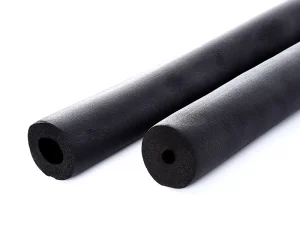
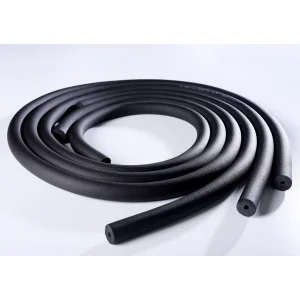
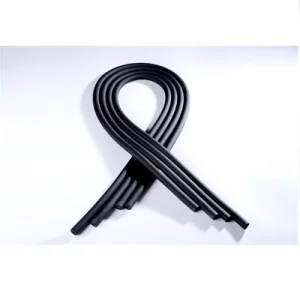
Material: NBR/PVC Blend
Thickness Range: 9mm to 40mm
Inner Diameter (ID): 6mm to 114mm
Density: 40 to 55 kg/m³
Service Temperature Range: -40℃ to 105℃
Advantages: Professional spray-coated interior for easy installation, low thermal conductivity, high moisture resistance, and reduces pipe cracking risks in freezing temperatures.
| Performance Properties | Reference Standards | Measured Values (Kingflex Standard) |
|---|---|---|
| Thermal Conductivity ($\lambda$) | ASTM C518 / ISO 8301 | ≤ 0.034 W/(m·k) at 0°C |
| Moisture Resistance Factor ($\mu$) | EN 12086 | ≥ 10,000 (Closed Cell Rate > 98%) |
| Fire Safety Classification | BS 476 Part 6 & 7 | Class 0 / Class 1 |
| Compression Deflection | ASTM D1056 | Resilience > 80% recovery |
| Temperature Limits | EN 14706 | -40°C to +105°C (Flexible Range) |
| Chemical Compliance | EU Regulations | REACH, RoHS, SVHC Free |
In-house chemical engineering labs ensure consistent performance for all raw materials, elastomeric structures, and adhesives.

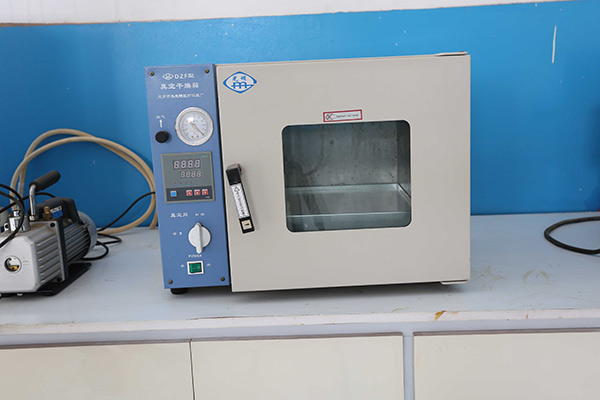
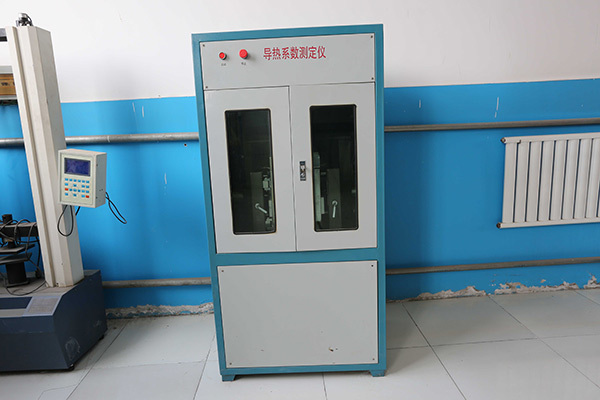
Our dedicated R&D division employs 8 senior chemical engineers focused on optimizing polymer structures and testing batch consistency. Adhesives undergo dynamic mechanical thermal analysis (DMTA) to ensure the bonded joints remain flexible and do not crystallize in extreme cold or break down under hot water pipeline cycles. Every product line has full traceability to track raw material inputs from polymer mixing to shipping container packing.
Trusted globally by design consultants and project managers in sixty-six countries.


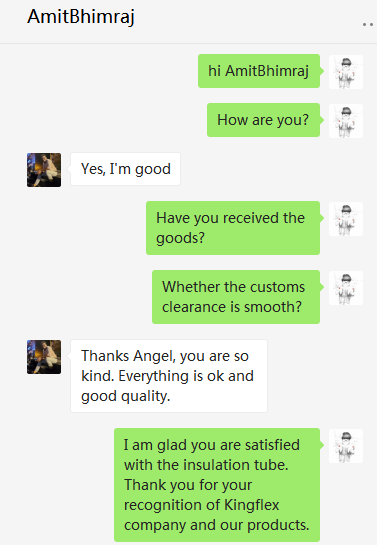


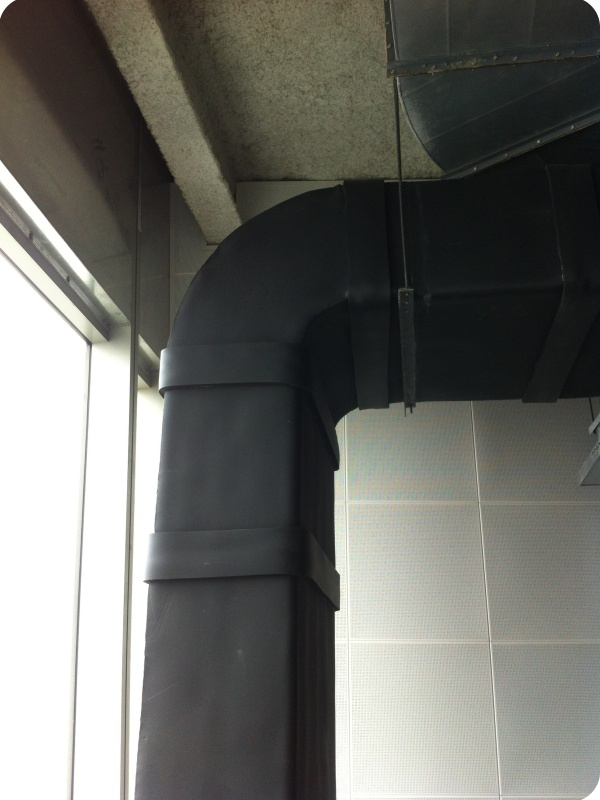
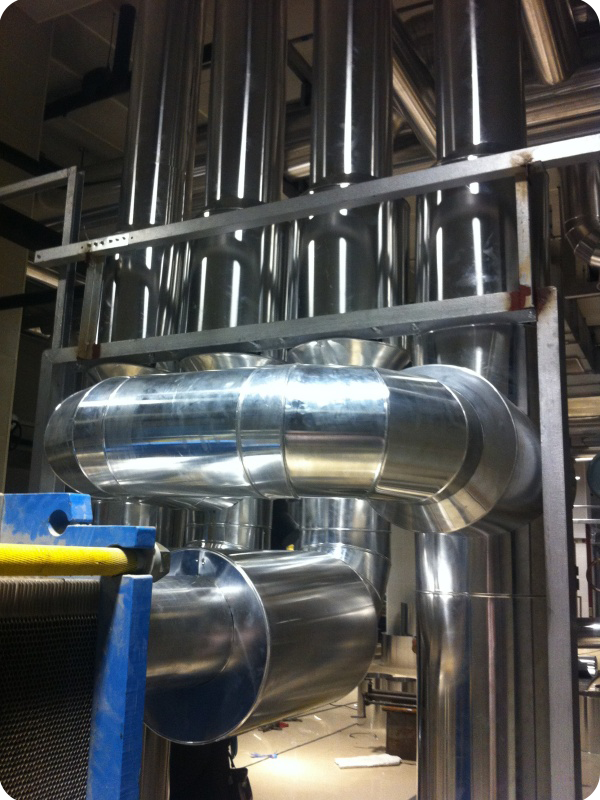
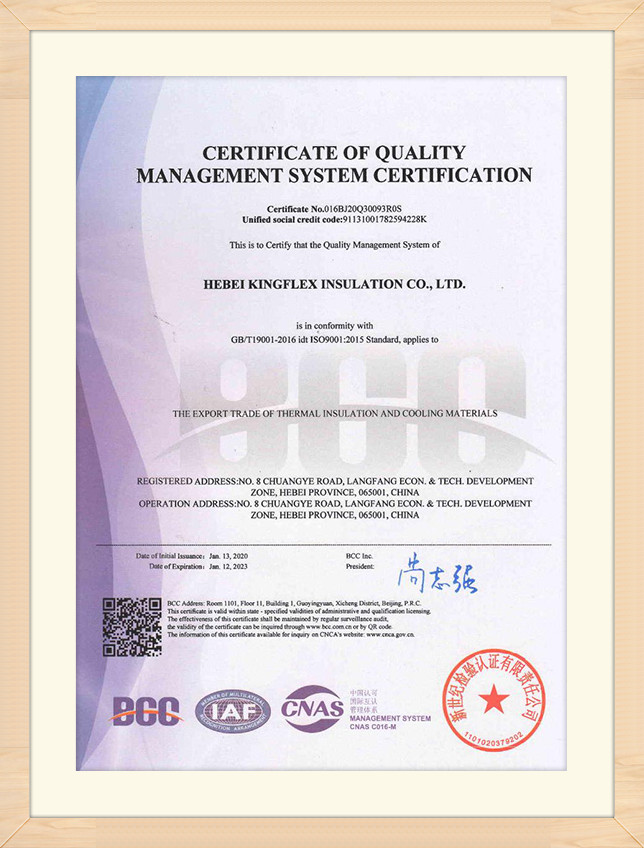
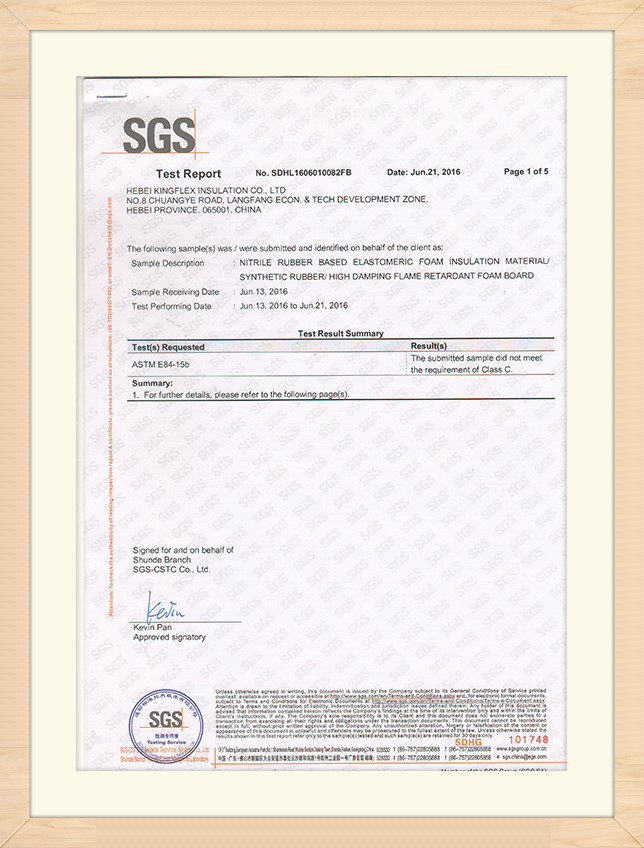
Fully compliant with international testing codes to ensure trouble-free local compliance checks.
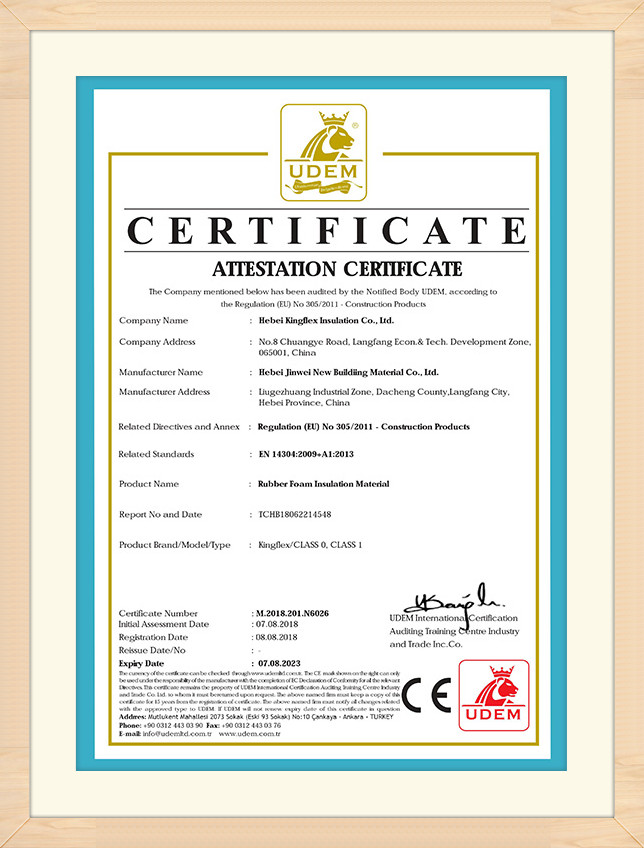
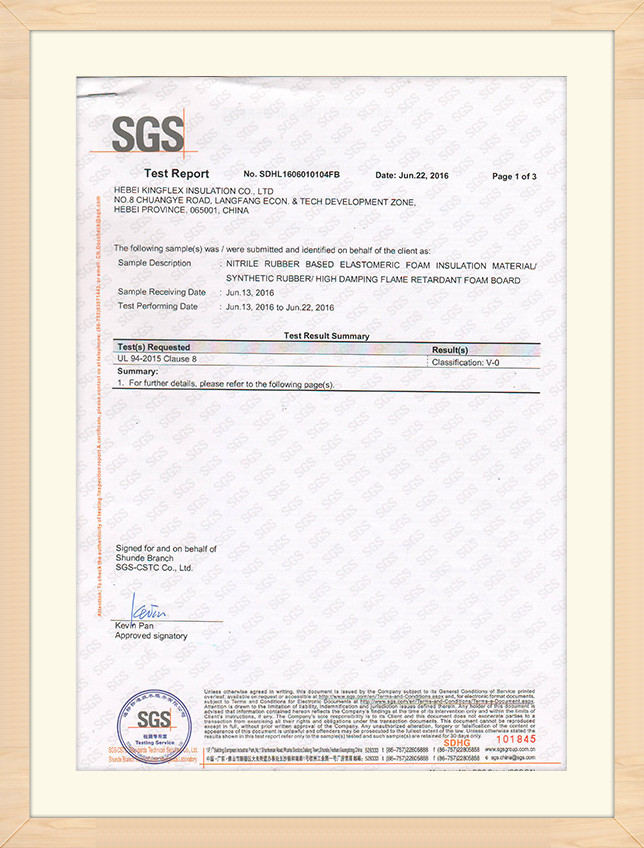
Driving innovations in energy conservation, polymer chemistry, and environmental sustainability.
The global insulation sector faces increasing demands for lower carbon footprints and safer chemical formulations. Kingflex is continually advancing its technology to meet these requirements:
Combining design, manufacturing, and global sales to deliver professional support at every project stage.
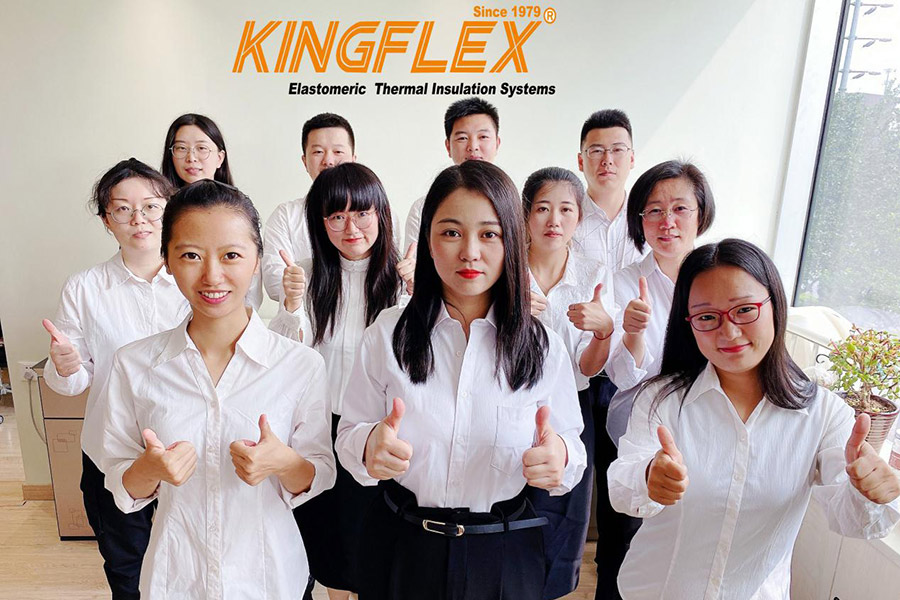
Our employees are central to Kingflex's operations, working to build a supportive and rewarding workplace. The Kingflex team is a closely aligned group dedicated to providing consistent, high-quality service for clients worldwide.
Our staff includes 8 professional engineers in our R&D Department, 6 international sales specialists, and 230 workers across our production lines.


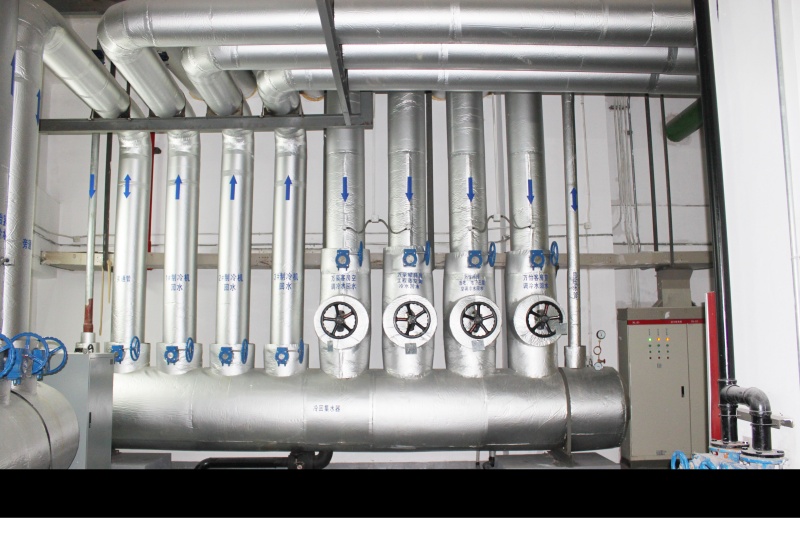
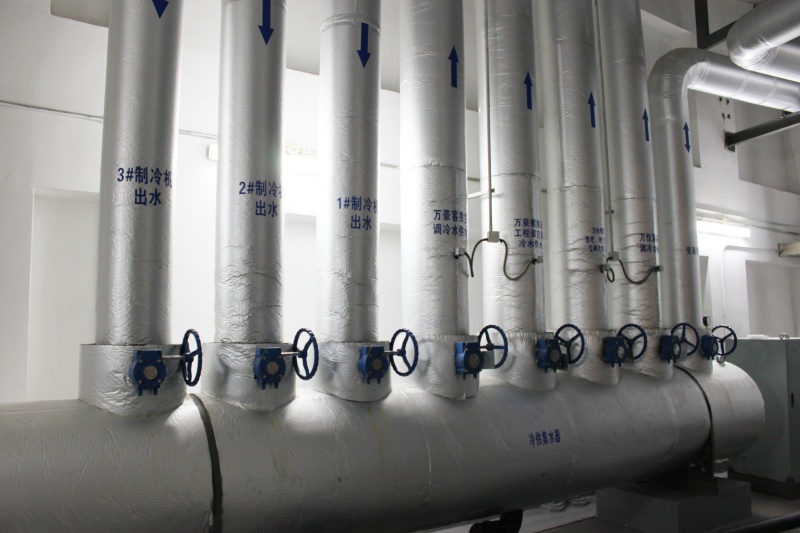

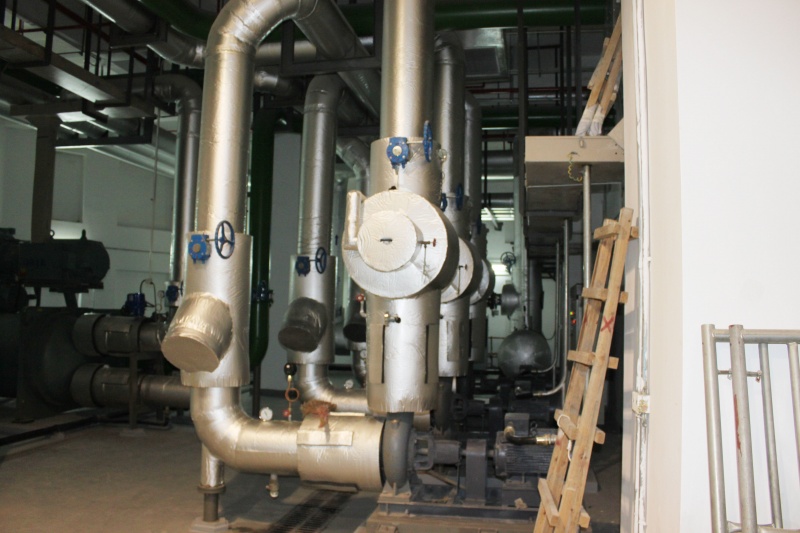
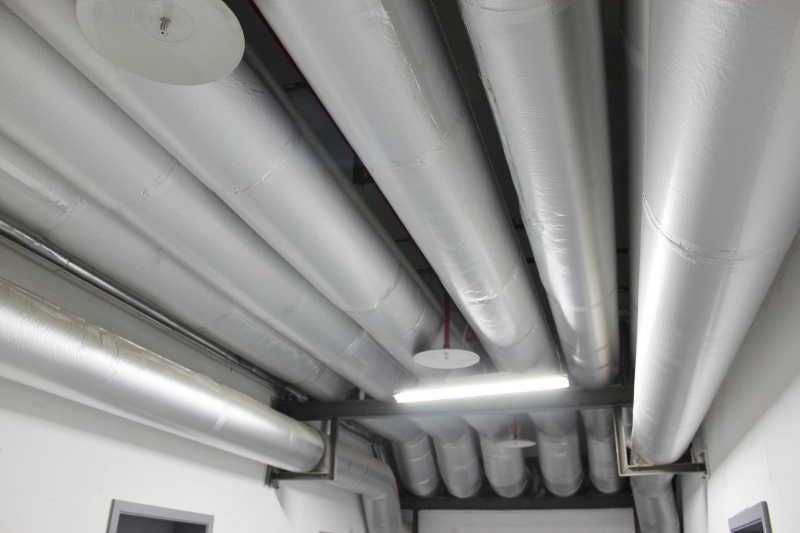
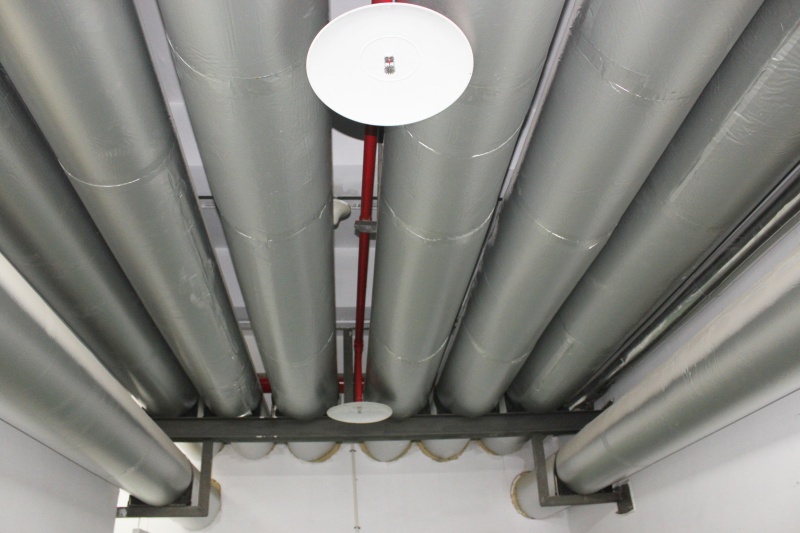
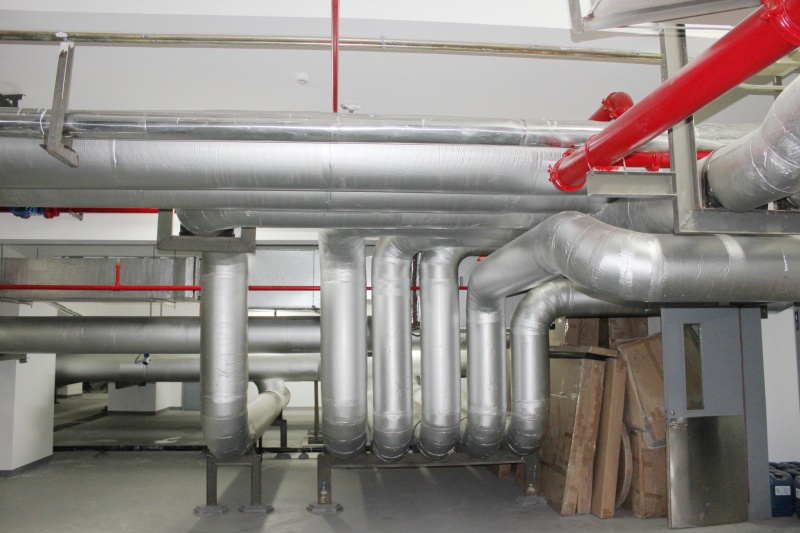
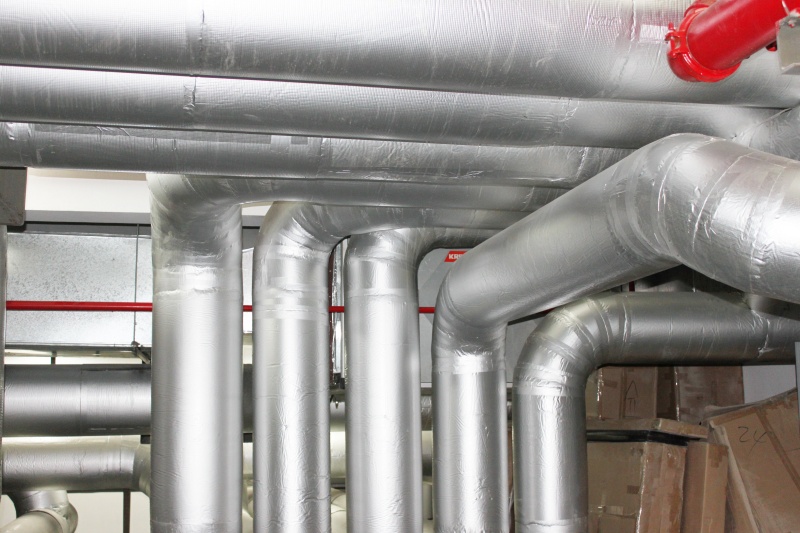
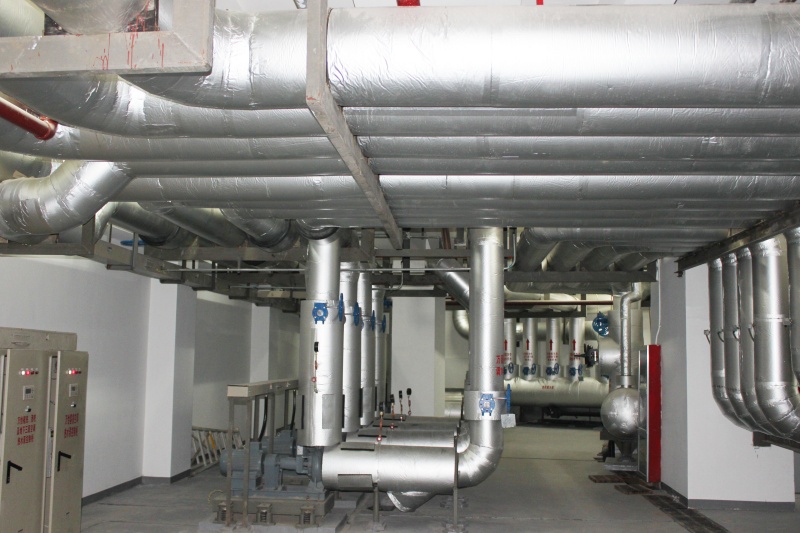
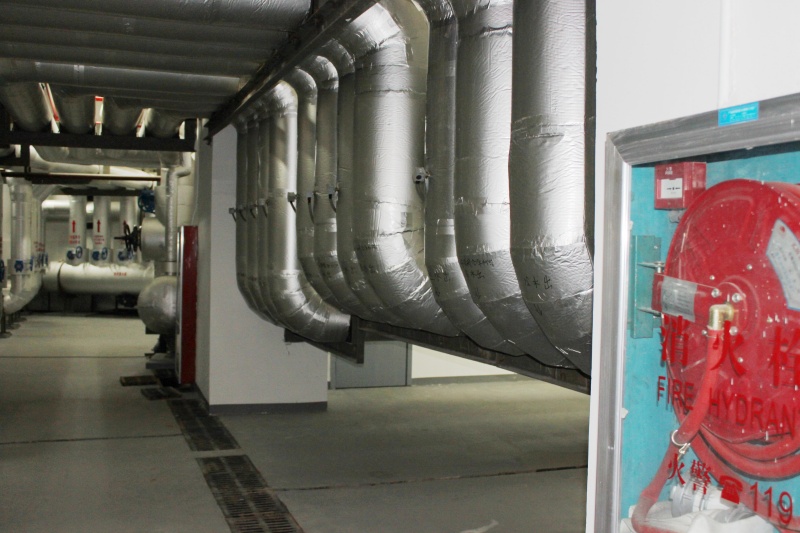
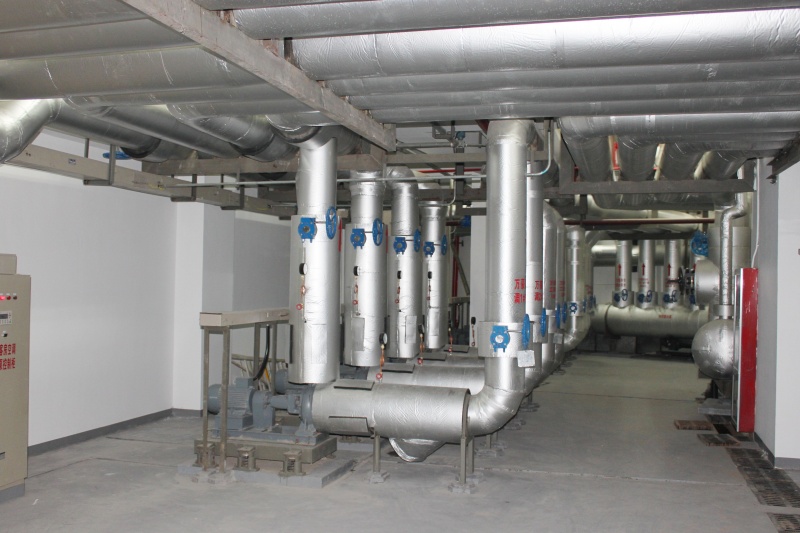
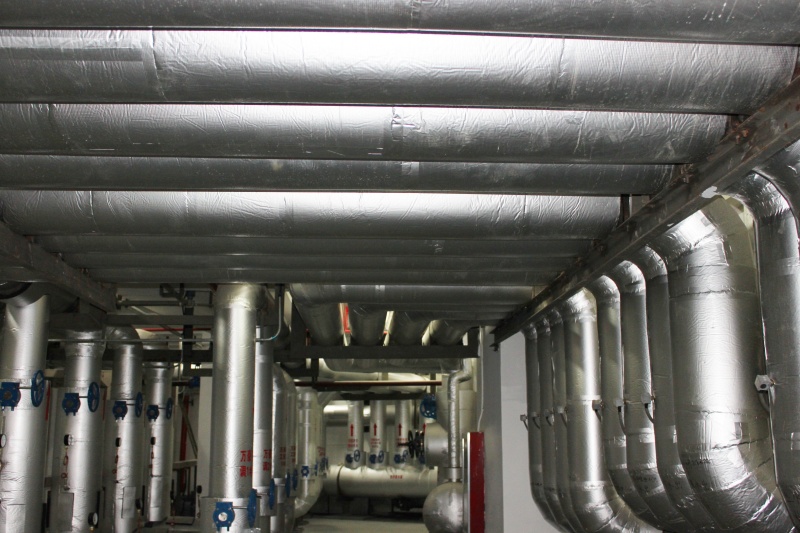
Complete structural systems for warm, cold, and acoustic insulation projects.
Answers to common technical, shipping, and regulatory questions from engineering clients.
Click on any product image or link to request pricing, samples, or detailed design files.