 Kingflex
Kingflex
Kingflex
Explore our premium closed-cell NBR/PVC elastomeric thermal roll options designed for heavy-duty HVAC, acoustic, and low-temperature applications.
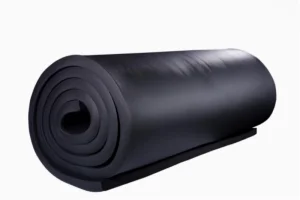
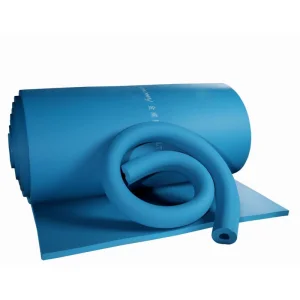
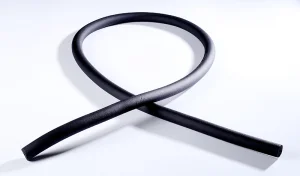
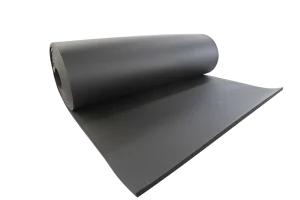
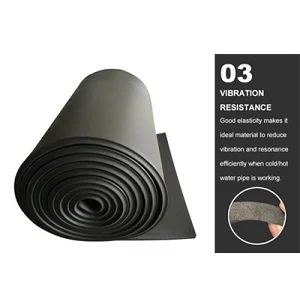
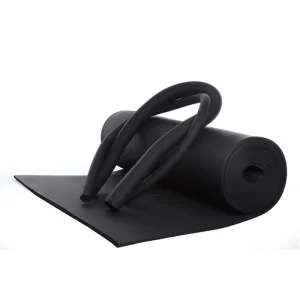
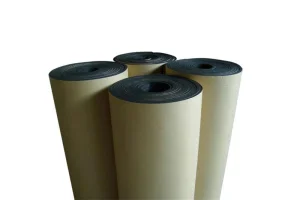
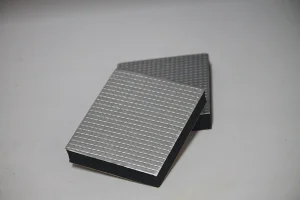
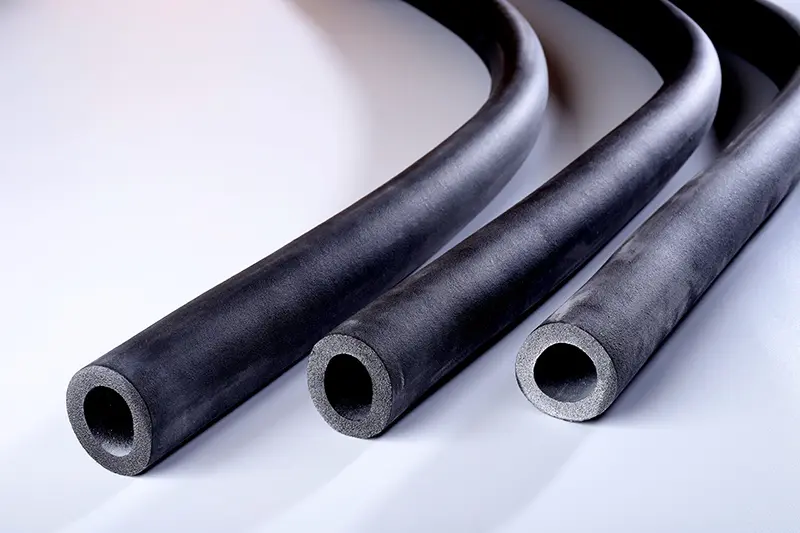
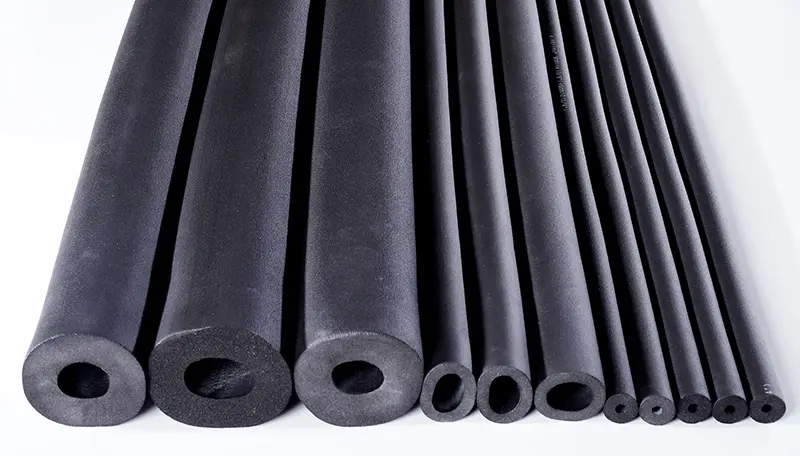
Foam rubber insulation, or technically flexible elastomeric insulation (FEF), is engineered by compounding Nitrile Butadiene Rubber (NBR) with Polyvinyl Chloride (PVC) along with specific foaming agents, flame retardants, and cross-linking chemicals. This compound undergoes a high-temperature continuous vulcanization and expansion process, resulting in a homogeneous, highly structured honeycomb matrix.
The defining characteristic of Kingflex's engineering is a closed-cell rate exceeding 98%. This high density of micro-cells encapsulates nitrogen gas, which significantly minimizes heat transfer by thermal convection. The presence of PVC provides excellent chemical resistance and mechanical resilience, while the elastomer backbone of NBR contributes flexibility and thermal stability down to -40°C.
Thermal Dynamics: The structural density of 40–55 kg/m³ allows the insulation roll to achieve an exceptionally low thermal conductivity coefficient ($\lambda \leq 0.032 \text{ W/(m}\cdot\text{K)}$ at 0°C). Crucially, the closed-cell topology acts as an integrated vapor barrier, boasting a high water vapor diffusion resistance factor ($\mu \geq 10,000$). This eliminates the threat of moisture ingress, which typically compromises open-cell insulation like mineral wool or fiberglass.
Deploying specialized insulation rolls across challenging environmental matrices from deep sub-zero cryogenics to commercial green HVAC architecture.
Ensures optimal thermodynamic performance of commercial heating and chilled-water pipe configurations. Prevents moisture condensation and maximizes system energy retention in high-humidity zones.
Specialized ultra-low temperature formulations design for ethylene terminals and liquified natural gas pipeline loops down to -200°C. Resists micro-cracking and maintains low expansion stresses.
Aligns with LEED, BREEAM, and DGNB standards. Free from halogenated fire retardants, CFCs, HCFCs, and fibers, thus ensuring excellent indoor air quality and minimal ozone depletion potential.
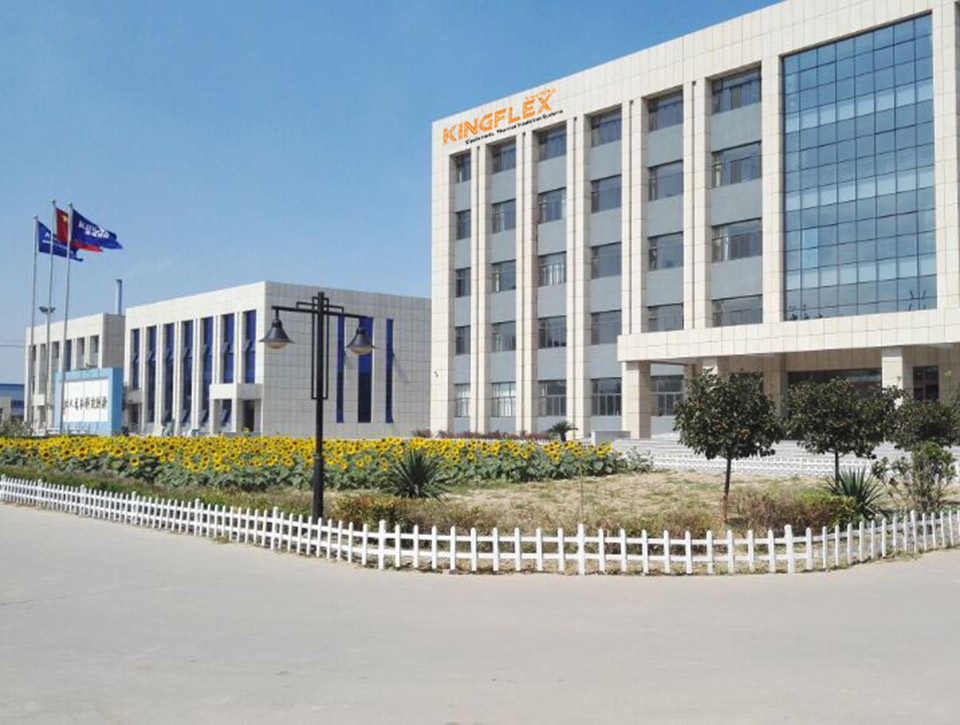
Located at the center of northern China's green-building material hub in Dacheng, the Kingflex facility operates 5 large automatic assembly lines. Through closed-loop computerized feedback loops, our extrusion speeds and internal temperatures are carefully modulated to ensure high density consistency across entire roll runs.
With an annual production volume of over 600,000 cubic meters, Kingflex maintains designation status from the Ministry of Energy, Ministry of Chemical Industry, and Ministry of Electric Power. Operating within a vertically integrated logistics layout allows us to secure raw polymer matrices at stable prices, maintaining long-term cost advantages for global industrial buyers.
Quality-Controlled Traceability: Every batch is printed with a thermal ink tracking code. From input weighing metrics through to temperature vulcanization and density scaling, our manufacturing process provides full product history traceability.
Standard physical properties comparison between Kingflex insulation rolls and tube variants under ASTM and BS protocols.
| Property Parameter | NBR/PVC Insulation Roll Standard | Elastomeric Insulation Tube Standard | Reference Protocol |
|---|---|---|---|
| Thermal Conductivity ($\lambda$) | ≤ 0.032 W/(m·K) at 0°C | ≤ 0.033 W/(m·K) at 0°C | ASTM C518 / ISO 8301 |
| Water Vapor Permeability | ≥ 1.0 × 10¹¹ g/(Pa·m·s) (μ ≥ 10,000) | ≥ 1.0 × 10¹¹ g/(Pa·m·s) (μ ≥ 10,000) | ASTM E96 / EN 12086 |
| Operating Service Range | -40°C to +105°C (Special cryogenic down to -200°C) | -40°C to +105°C | ASTM C411 |
| Apparent Density | 40 - 55 kg/m³ | 40 - 55 kg/m³ | ASTM D1622 |
| Reaction to Fire | Class 1 / Class V-0 | Class 1 / Class V-0 | BS 476 Part 7 / UL 94 |
| Compression Resilience | ≥ 80% | ≥ 80% | GB/T 17794 |
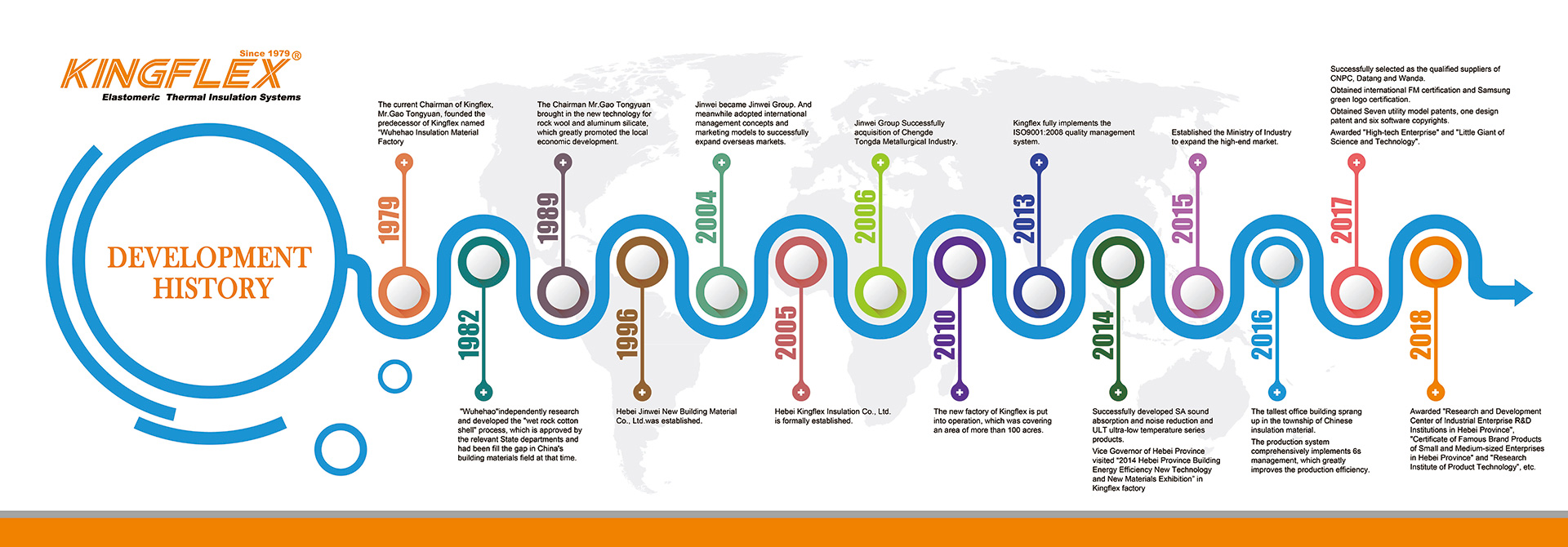
Established under the Jinwei Group—which holds more than 40 years of pioneering thermal history since 1979—Kingflex relies on a dedicated R&D division housing 8 certified engineering specialists. Our international department consists of 6 professional sales account directors alongside 230 factory employees.
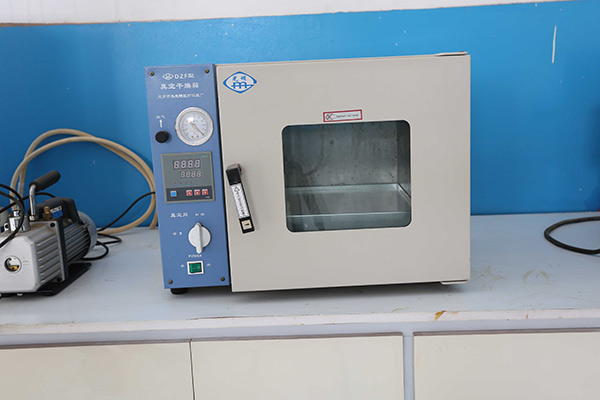
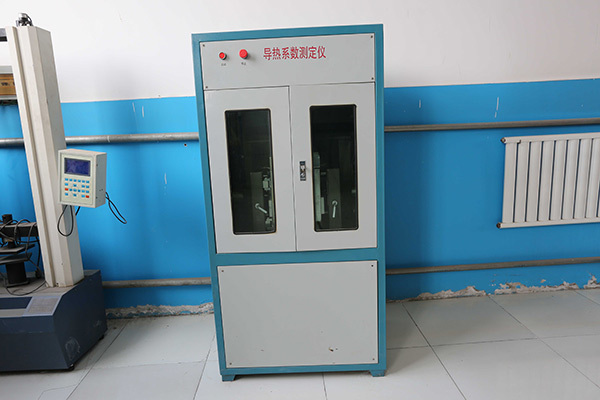
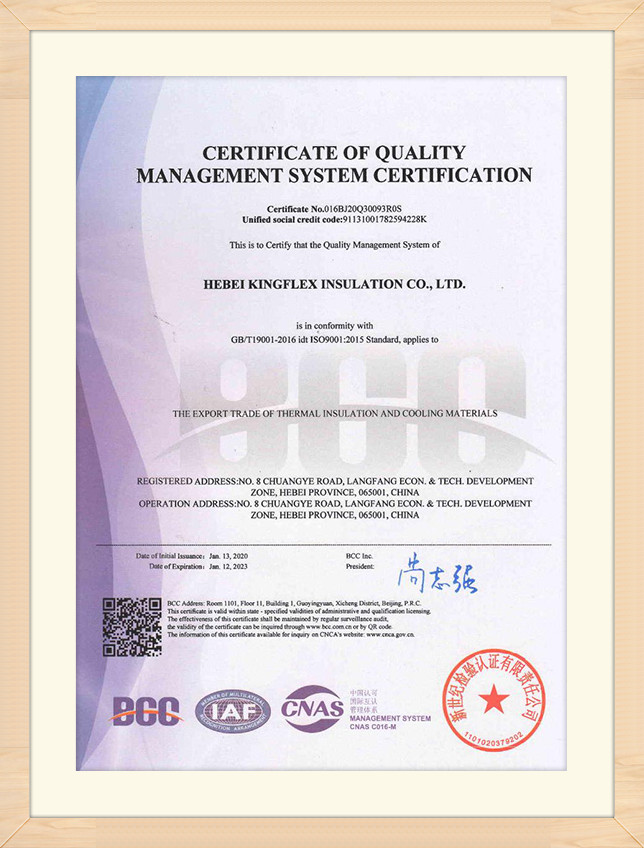
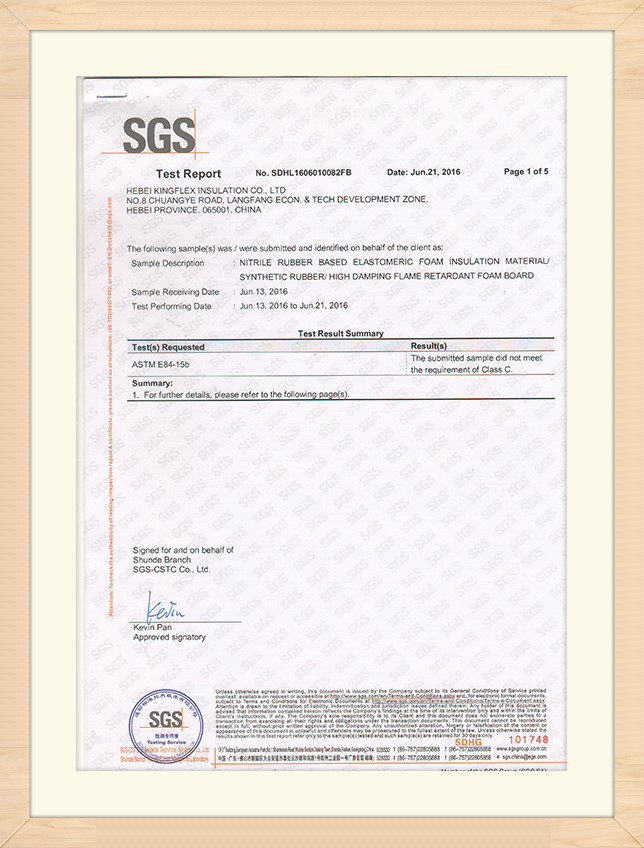
Rather than relying solely on local compliance parameters, Kingflex maintains constant testing loops in alliance with global certification bodies. This ensures that every shipped roll conforms to regional compliance expectations in Europe, North America, and Southeast Asia.

Approved and certified by international quality auditing bureaus for application across highly regulated markets.
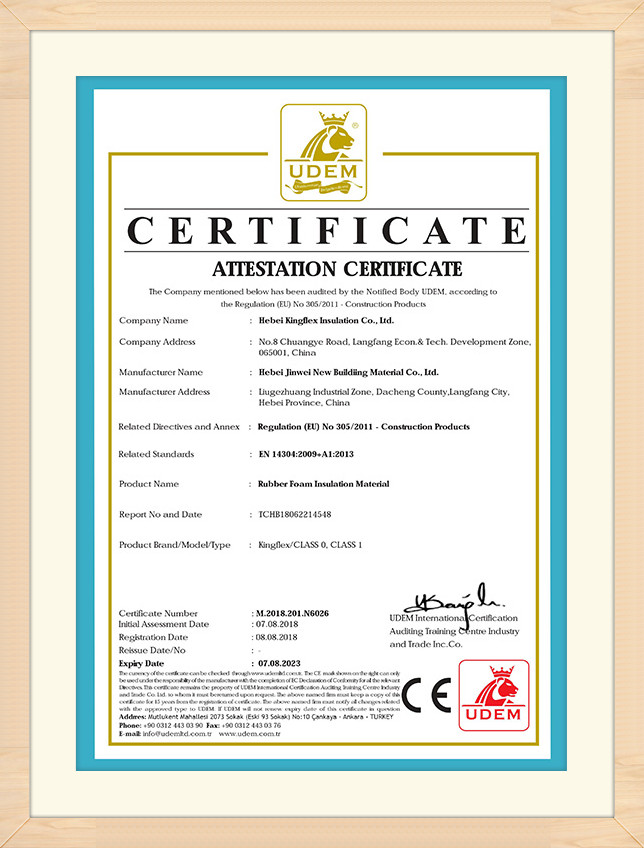
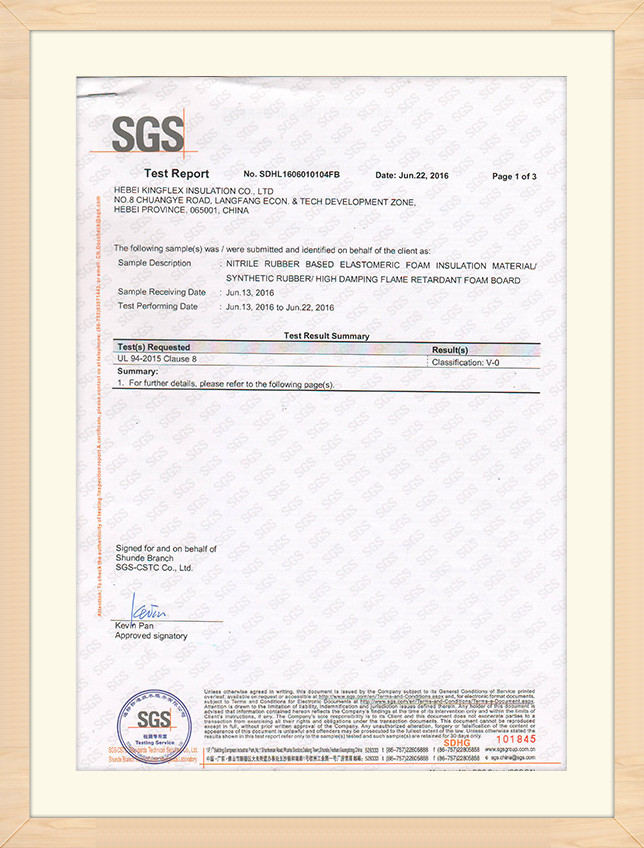

From high-rise commercial structures in Southeast Asia to cryo-pipe networks in Northern Europe, Kingflex insulation has proven its longevity. By applying standard roll formats alongside custom self-adhesive versions, installation engineers report significant reductions in installation time.
A common challenge on the job site is keeping the seams tightly sealed against condensation. Kingflex's custom-engineered self-adhesive layers use a high-temperature structural solvent glue backed with mesh-reinforced film. This maintains a reliable bond under constant expansion and contraction cycles.
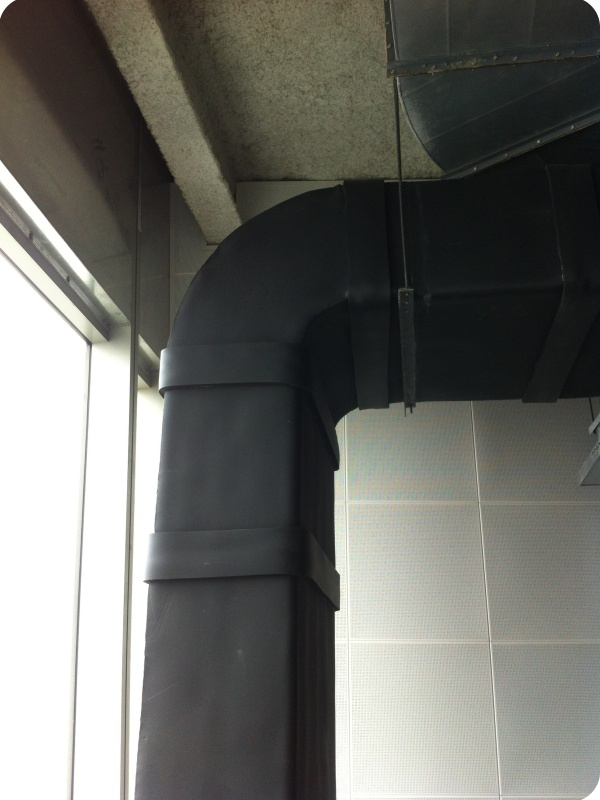
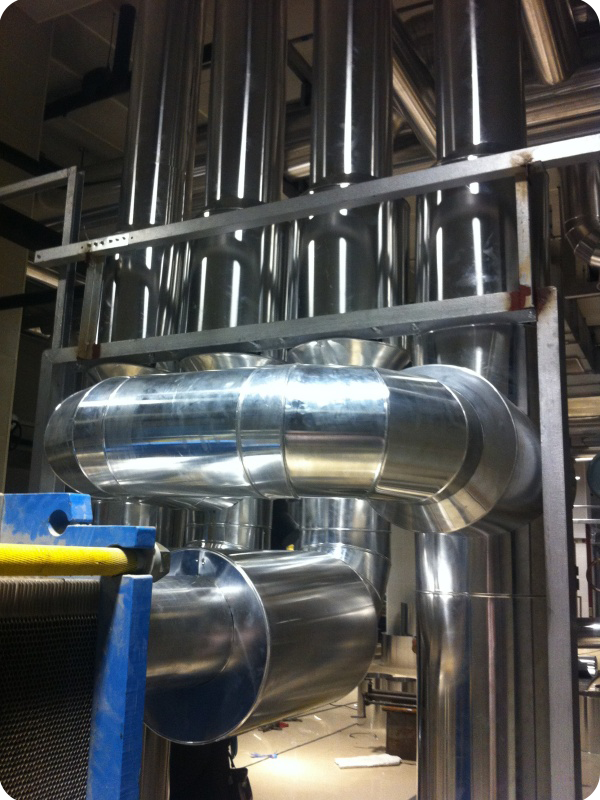
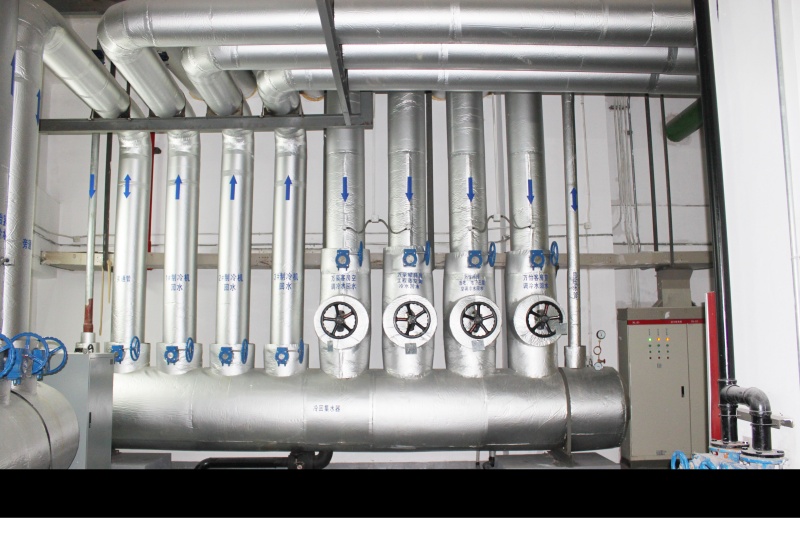
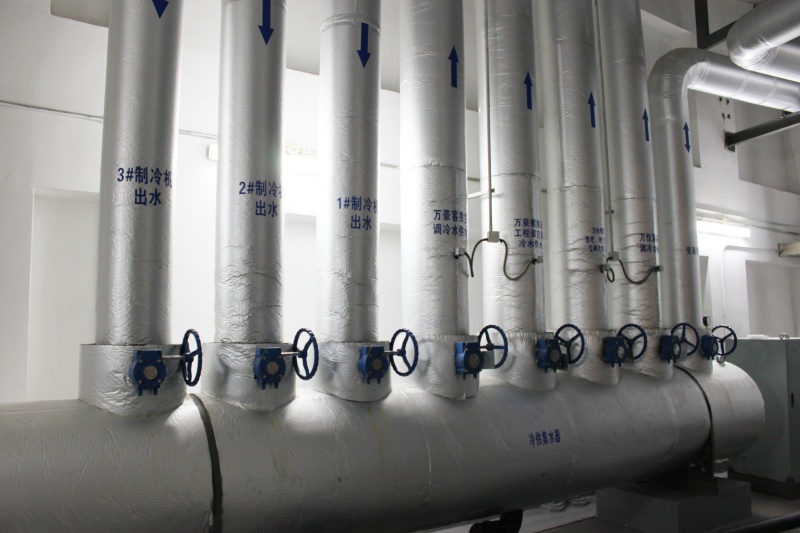
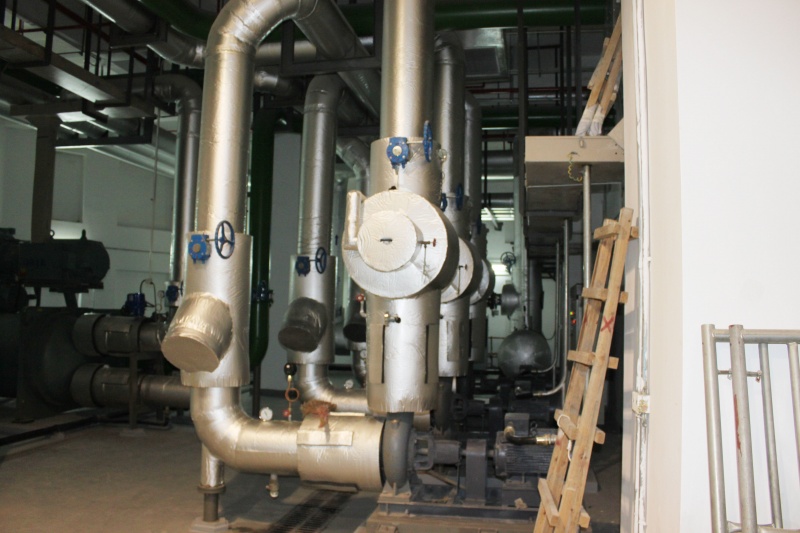
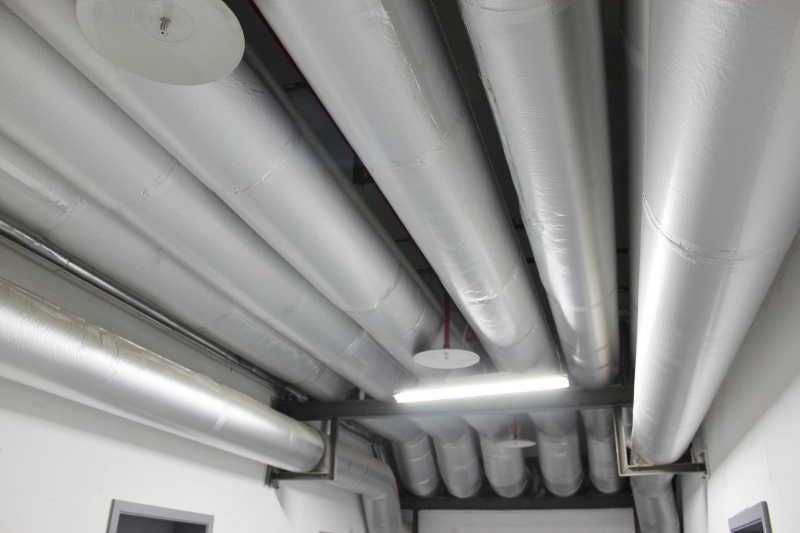
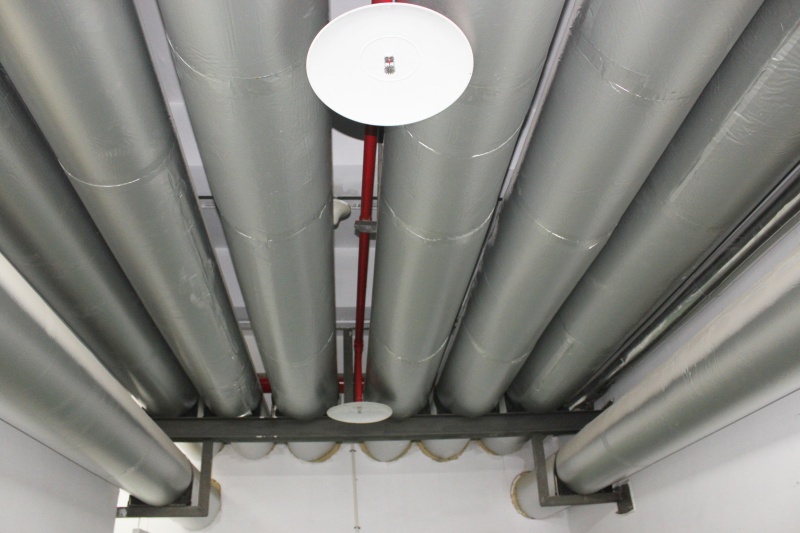
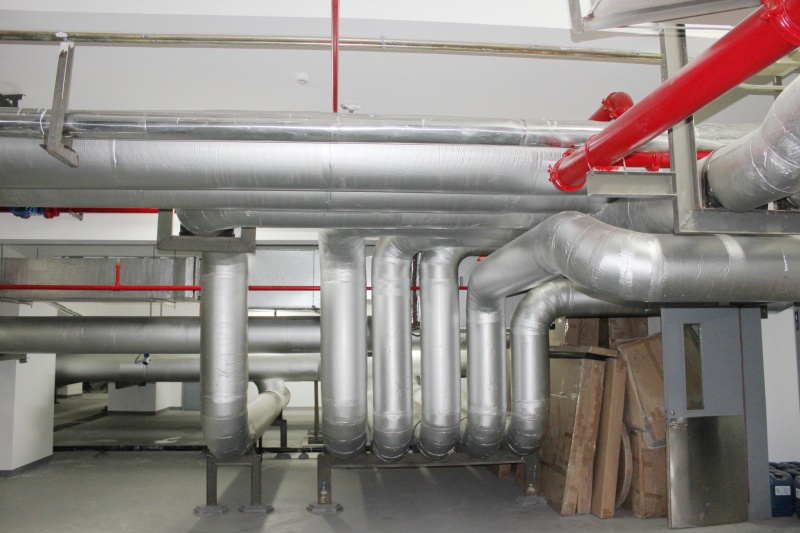
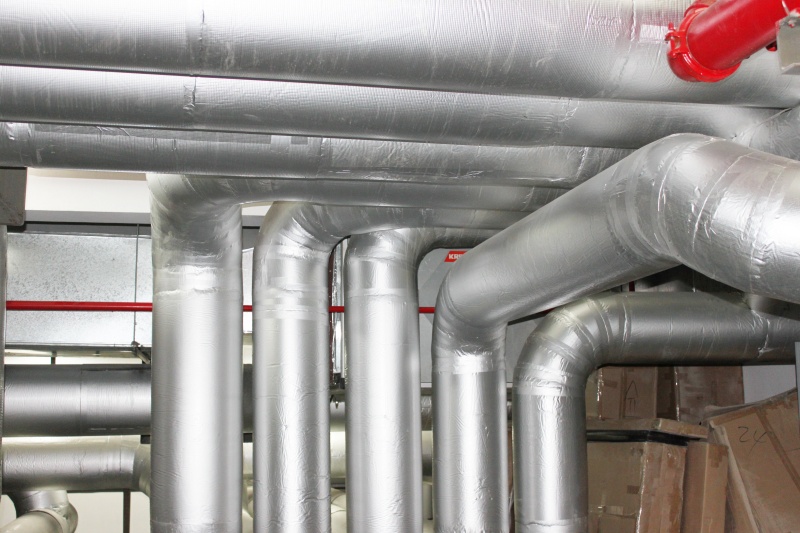
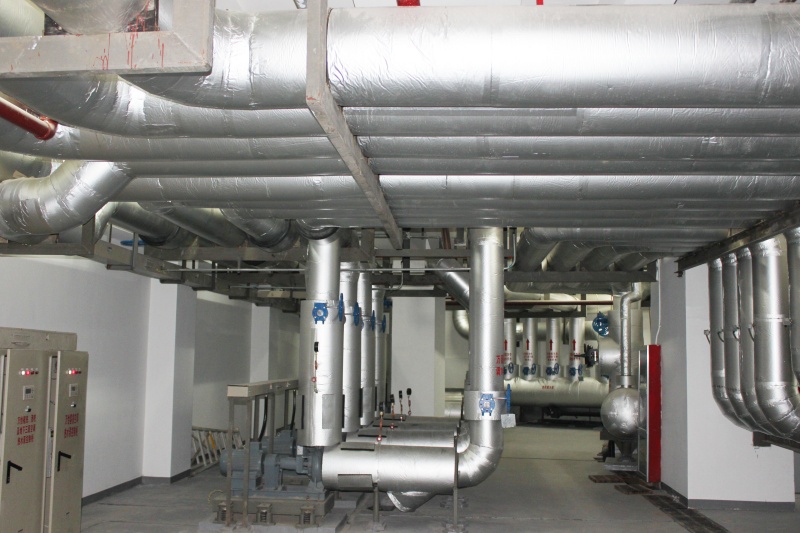
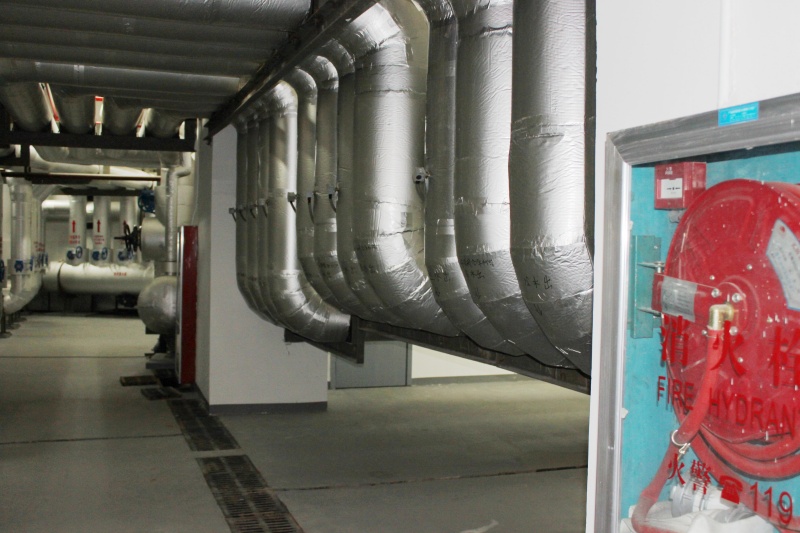
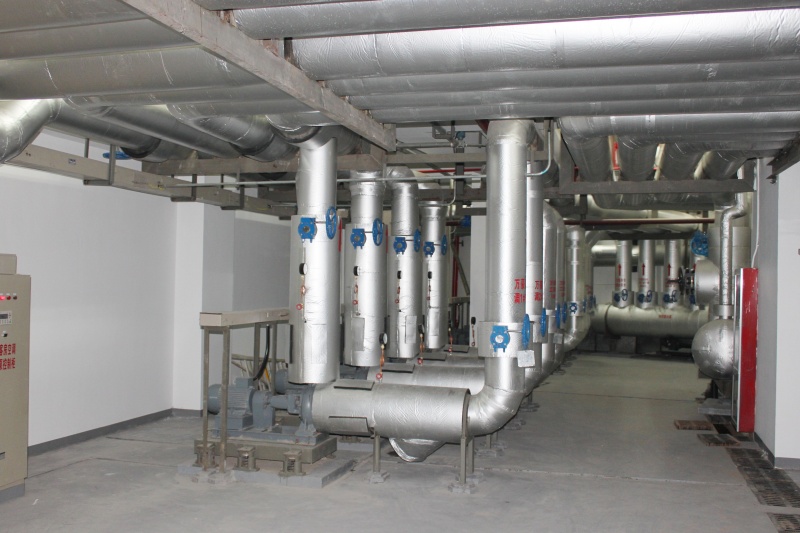
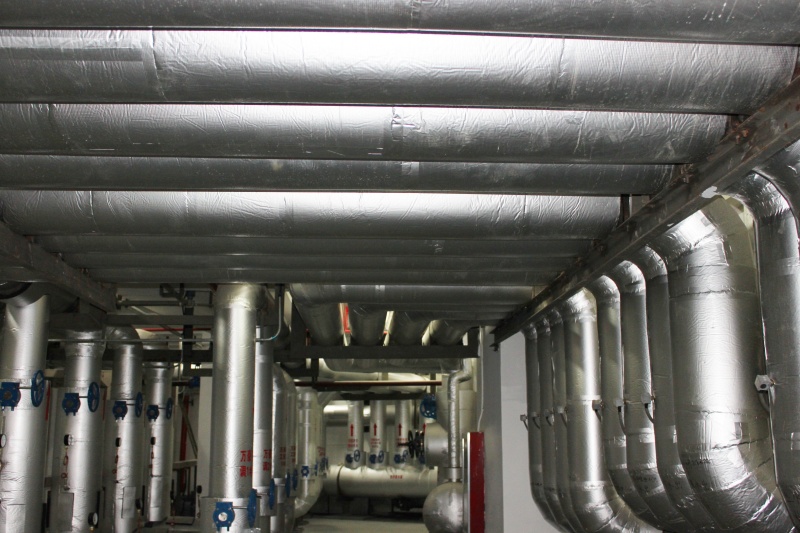
Below are selected field installation snapshots demonstrating proper insulation layouts of rubber foam tubes and rolls on water piping systems and acoustic duct lining.
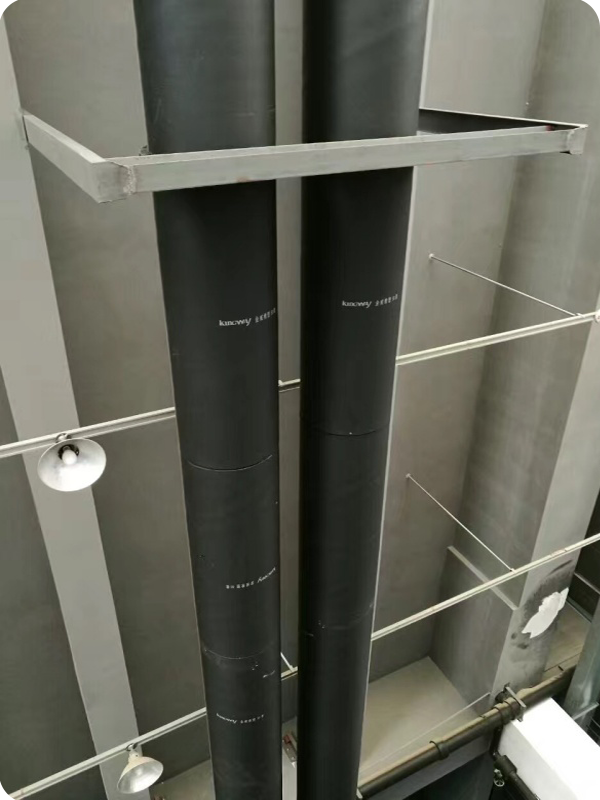
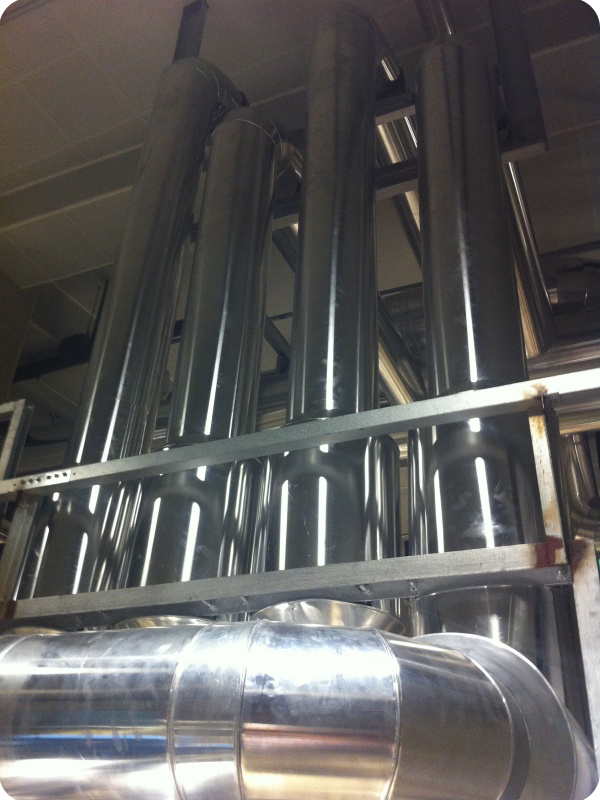
Establishing reliable commercial relationships through transparent specifications, factory documentation, and dedicated logistical support.
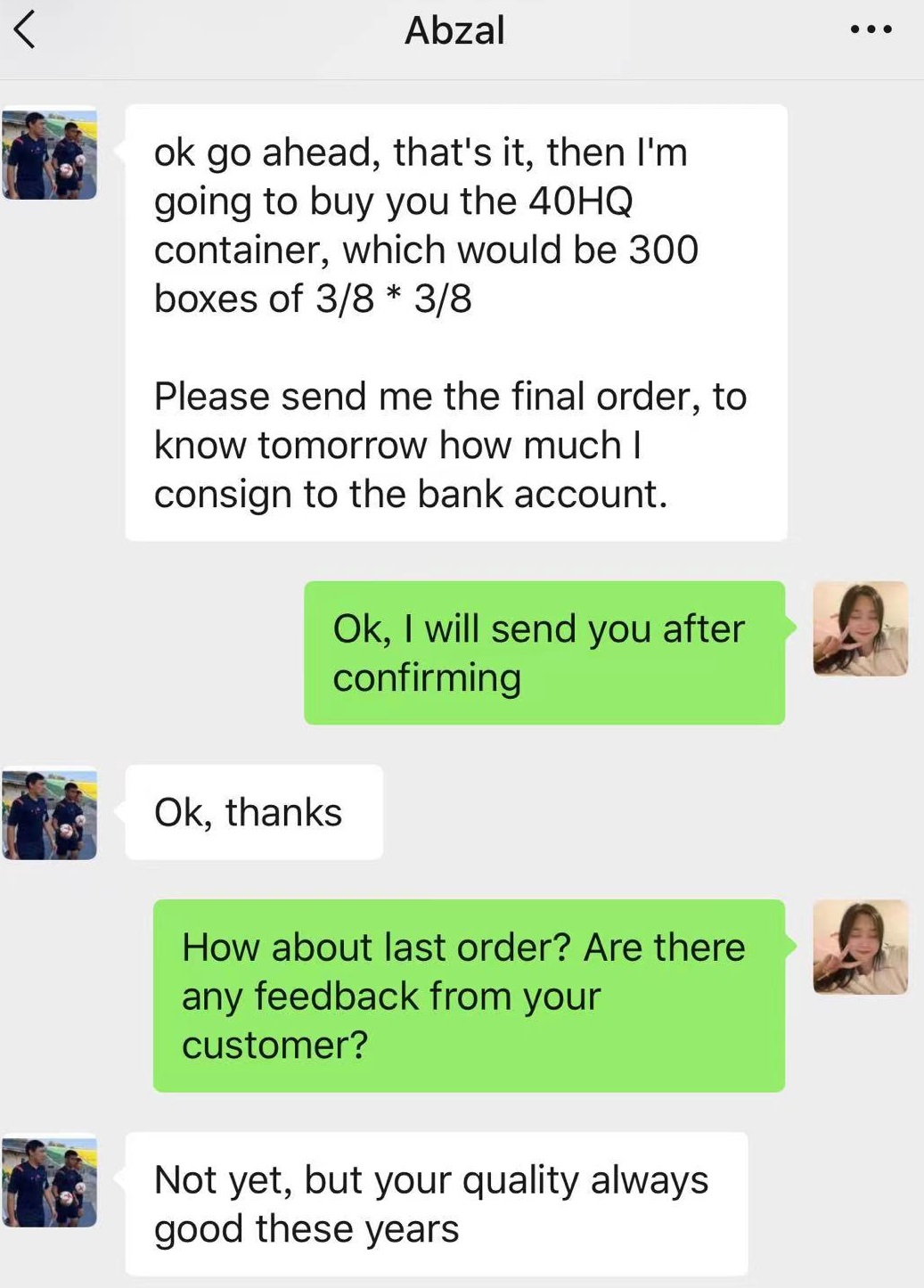
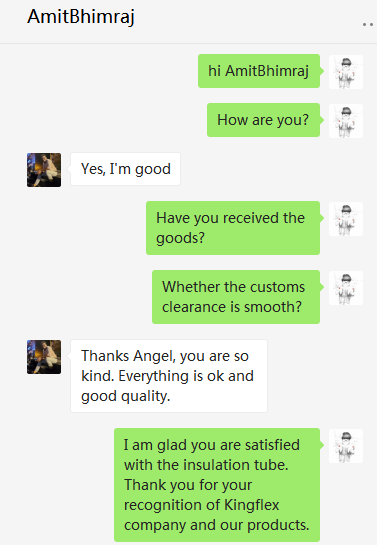
We prioritize open communication, technical accuracy, and rapid dispatch of design approvals. By handling technical specifications via structured submittal sheets, we eliminate procurement friction.
Whether discussing thickness tolerance margins (standardized to ISO/ASTM limits), fire index standards, or maritime container configurations, our international sales division works hand-in-hand with engineering groups to verify compliance before shipment.


Inside our automated facility: dynamic cooling, surface finishing, and continuous slicing of high-density NBR/PVC matrix rolls.

Direct technical answers to questions from mechanical engineers, project specifiers, and procurement departments.
Complete your design specifications with specialized piping, acoustic lining, and ultra-thick insulation sheets.
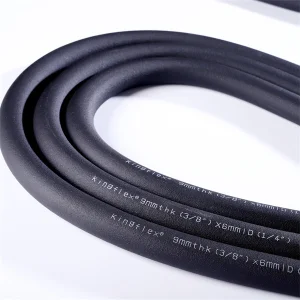
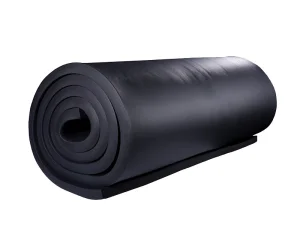
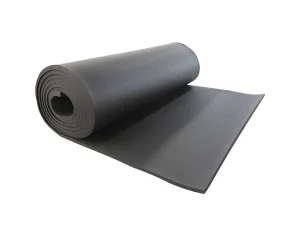
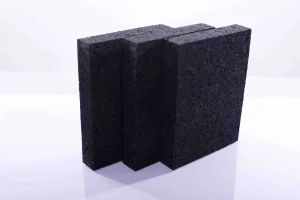
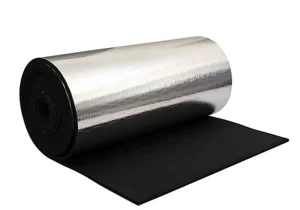
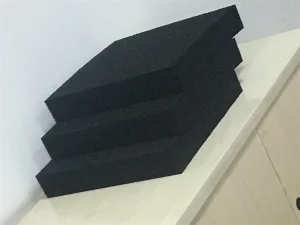
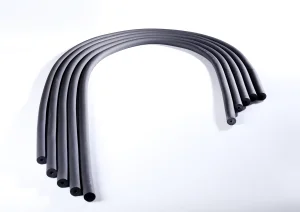
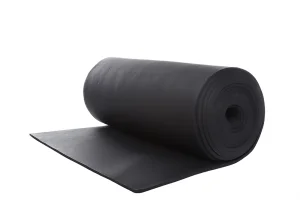
A comprehensive view of related insulation elements and structures manufactured within the Jinwei Group industrial zone.
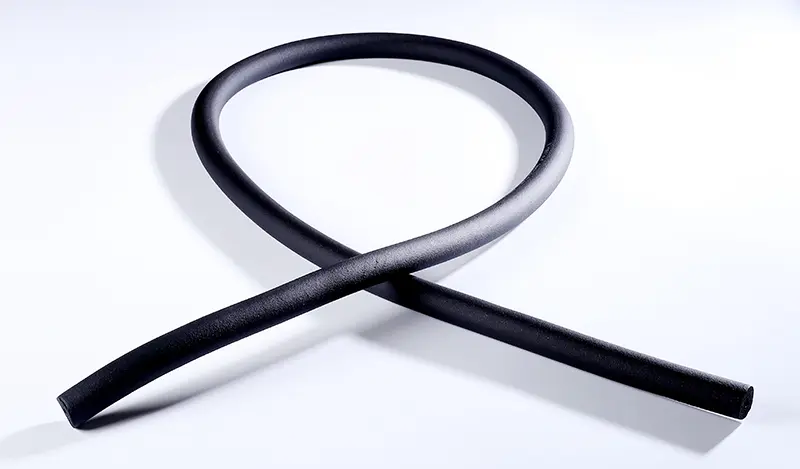
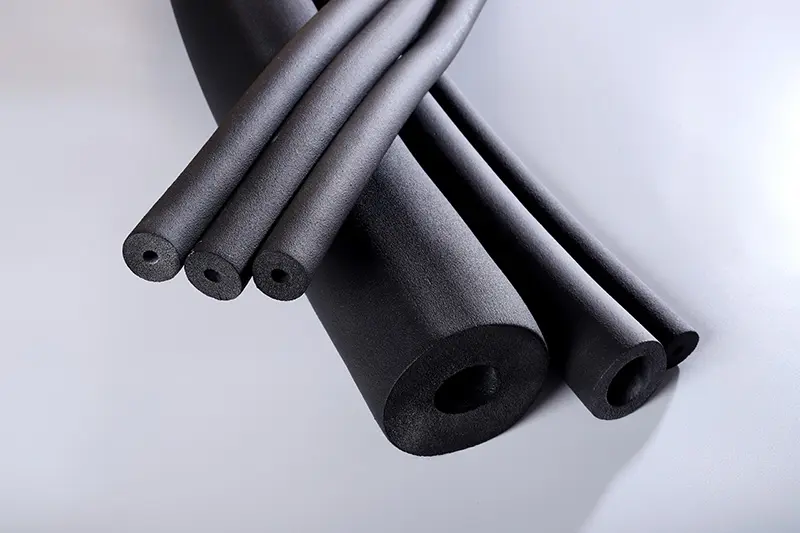

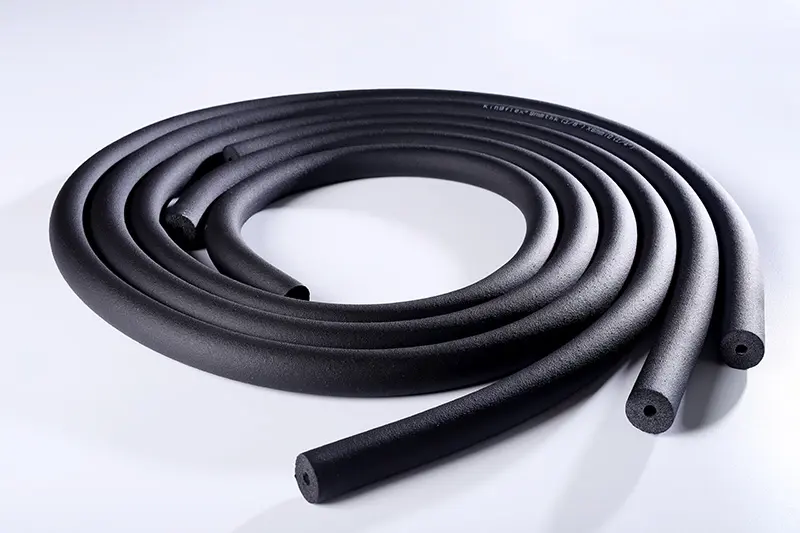
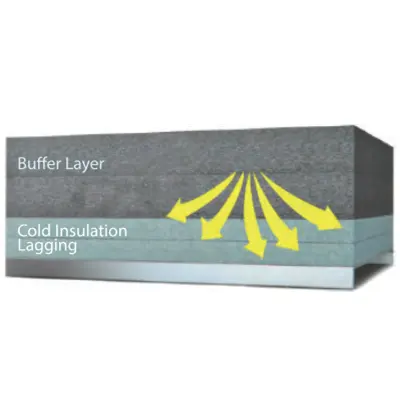
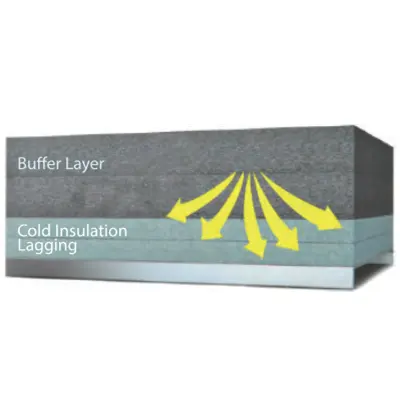
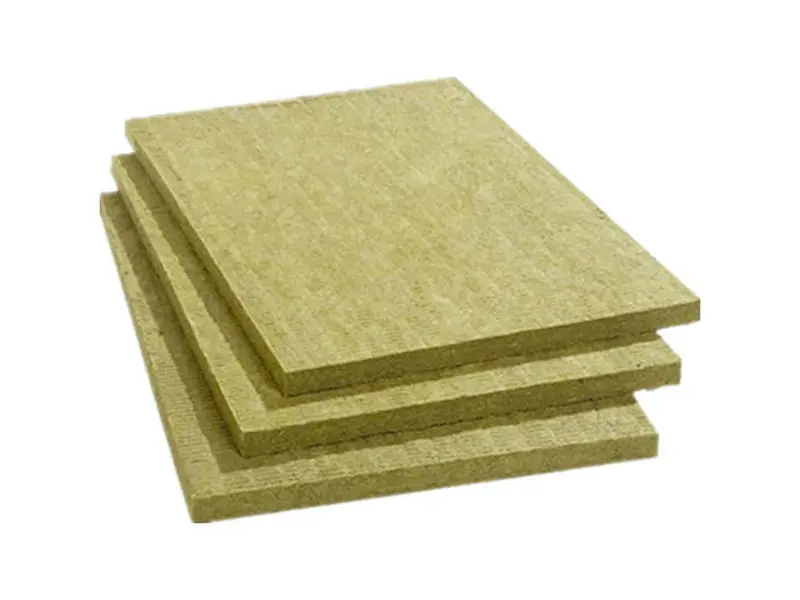
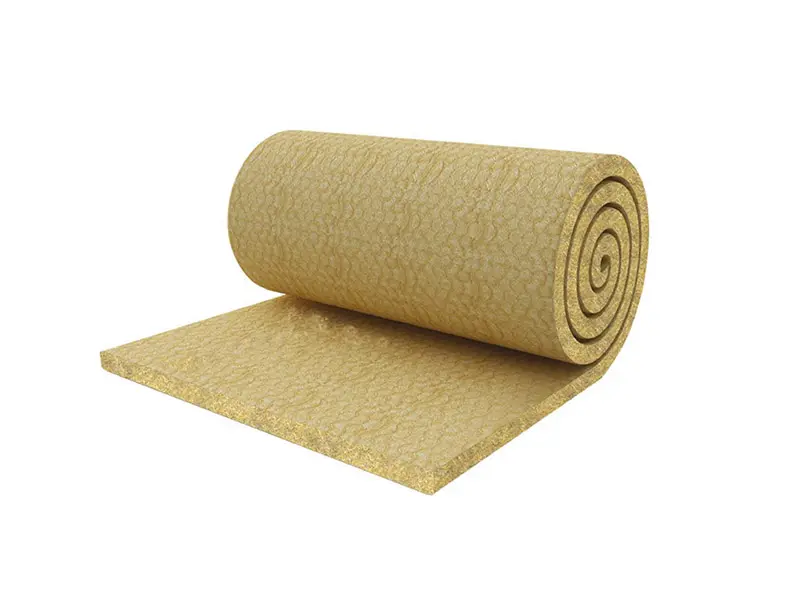
For elastomeric insulation to function reliably over its design life, installation techniques must align with thermodynamic principles. Elastomeric foam rolls should not be stretched during application; stretching reduces wall thickness, increases density, and compromises the thermal conductivity coefficient.
When insulating large-diameter pipes or flat duct surfaces, adhesive must be applied evenly to both the metal substrate and the inner face of the insulation roll. Allowing the adhesive to become tack-free before bonding creates a reliable contact layer that prevents vapor pathways. All transverse and longitudinal joints must be sealed with specialized adhesive to maintain vapor barrier integrity.
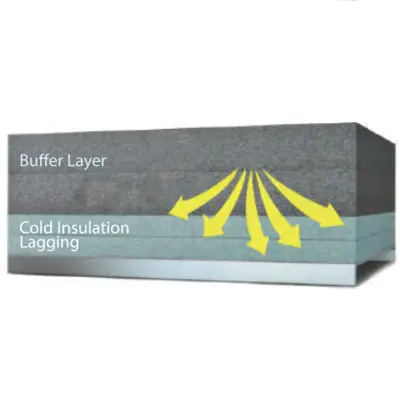
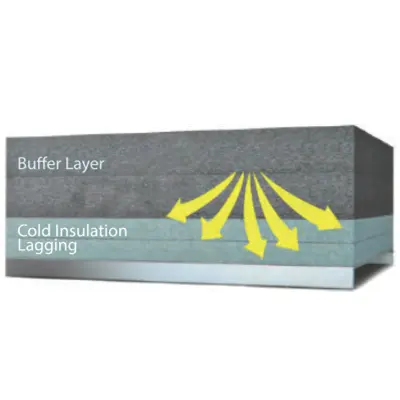
Acoustic Considerations: The micro-cellular structures within our soundproof variant help dampen mechanical vibrations and absorb noise in air-handling units. When applied as an internal duct liner, it reduces fan noise and turbulence while resisting airstream erosion at velocities up to 10,000 feet per minute.
When sourcing foam rubber insulation rolls from China, long-term performance and total cost of ownership should guide procurement decisions. Buying directly from high-capacity manufacturers like Kingflex provides advantages in production volume and consistency, helping mitigate supply chain risks for large-scale projects.
Key Sourcing Considerations:
A closer look at our packaging systems, raw material stock, and loading docks designed to safeguard product physical properties during shipping.



Advancing elastomeric materials through sustainable chemical engineering, biological alternatives, and smart insulation technologies.
To support global carbon neutrality initiatives, Kingflex is researching bio-based NBR platforms. By substituting petroleum-derived monomers with plant-based alternatives, we aim to reduce carbon footprint metrics while maintaining thermal efficiency and fire retardancy standards.
Our current research focuses on micro-cell optimization. By reducing cell size while maintaining cell wall integrity, we are working to lower thermal conductivity to $\lambda \leq 0.030 \text{ W/(m}\cdot\text{K)}$. This will allow for thinner insulation profiles, saving material and shipping volume on space-constrained projects.
We continue to refine our halogen-free formulations to meet strict environmental and toxicity regulations. By utilizing innovative organic phosphorus and nitrogen combinations, we aim to exceed municipal environmental codes without compromising flame-retardant performance.
With the growth of Industrial Internet of Things (IIoT) applications, we are exploring the integration of thin, flexible moisture and temperature sensors within our insulation layers. This technology will allow operators to detect condensation or piping leaks in real time, helping prevent corrosion under insulation (CUI).
Need Technical Submittals, Fire Performance Approvals, or Pricing Information?
Request Technical Pricing & Samples