 Kingflex
Kingflex
Kingflex
Engineered to mitigate boil-off rates and control heat transfer under extreme thermal loads.
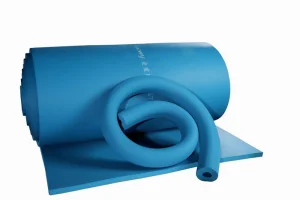
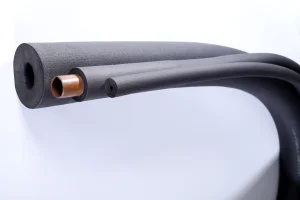
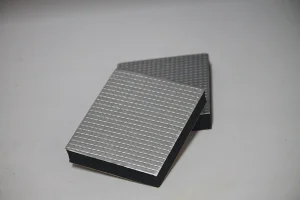
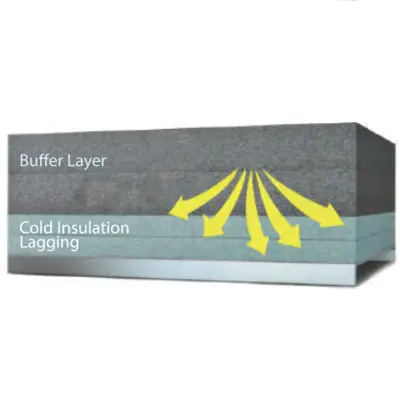
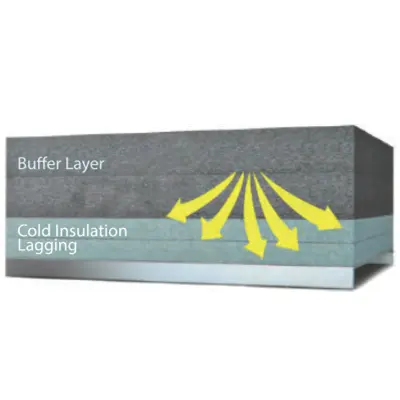
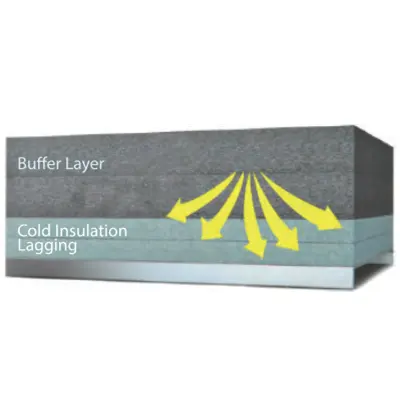
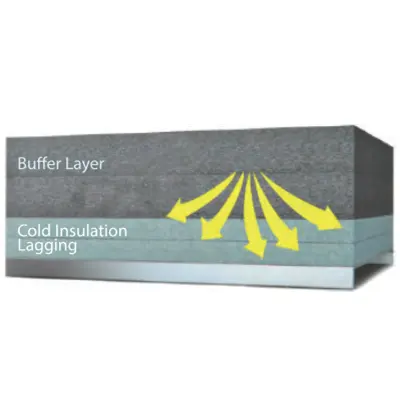
Within cryogenic containment structures, heat flux from the ambient atmosphere is the primary driver of product loss. Our Multi-Layer Insulation (MLI) configurations combine elastomeric rubber foam sheets with reflective vapor barrier layers to minimize thermal conduction, convection, and radiation. This integrated system decreases boil-off rates for volatile cryogens such as Liquid Natural Gas (LNG), ensuring long-term containment integrity.
Corrosion Under Insulation (CUI) is a continuous risk in sub-ambient systems due to condensation accumulation. Closed-cell NBR/PVC structures feature a high water vapor diffusion resistance ($\mu \ge 10,000$), which functions as an integrated vapor barrier. Eliminating interstitial moisture ingress safeguards carbon and stainless steel pipe networks from localized oxidative degradation and mechanical failure.
Cryogenic processing plants operate high-pressure compressor stations and expansion valves that generate significant acoustic noise and mechanical harmonics. The viscoelastic polymer matrix of Kingflex elastomeric foam absorbs low-frequency vibrations and provides acoustic damping. This dual-action performance reduces noise pollution and mechanical fatigue in process piping.
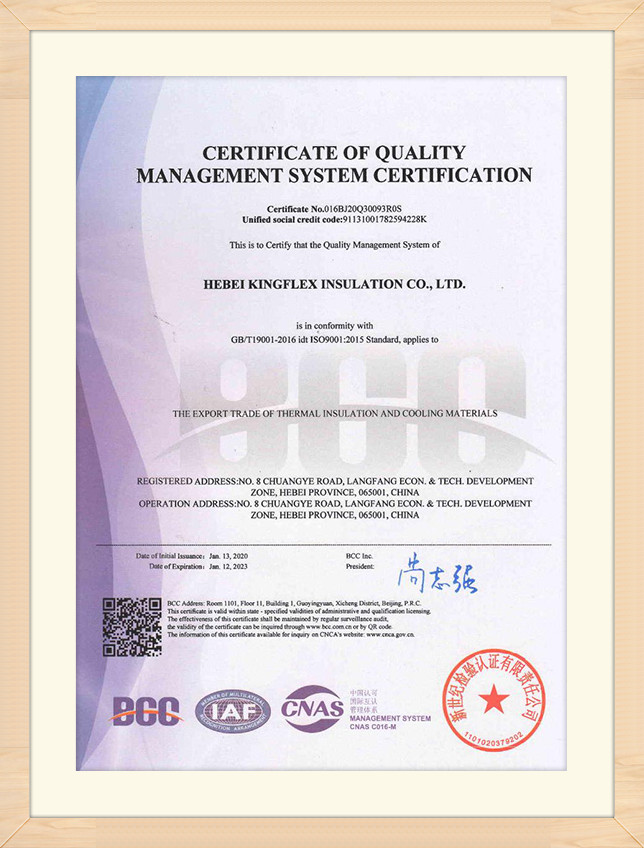
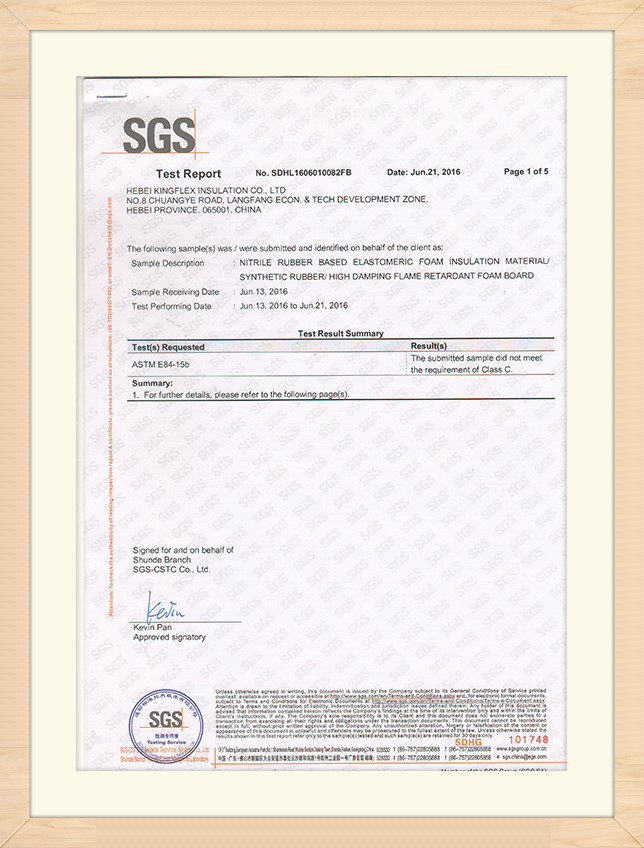
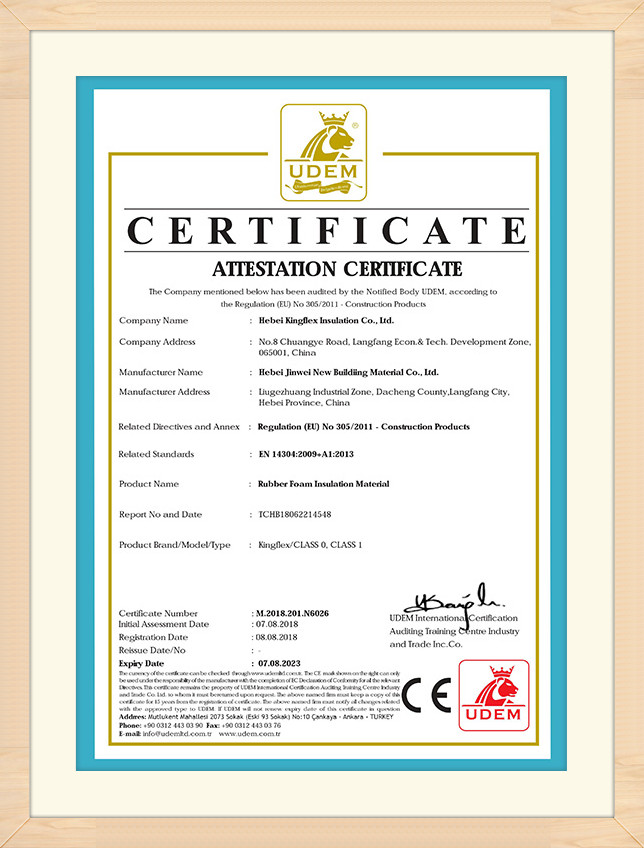
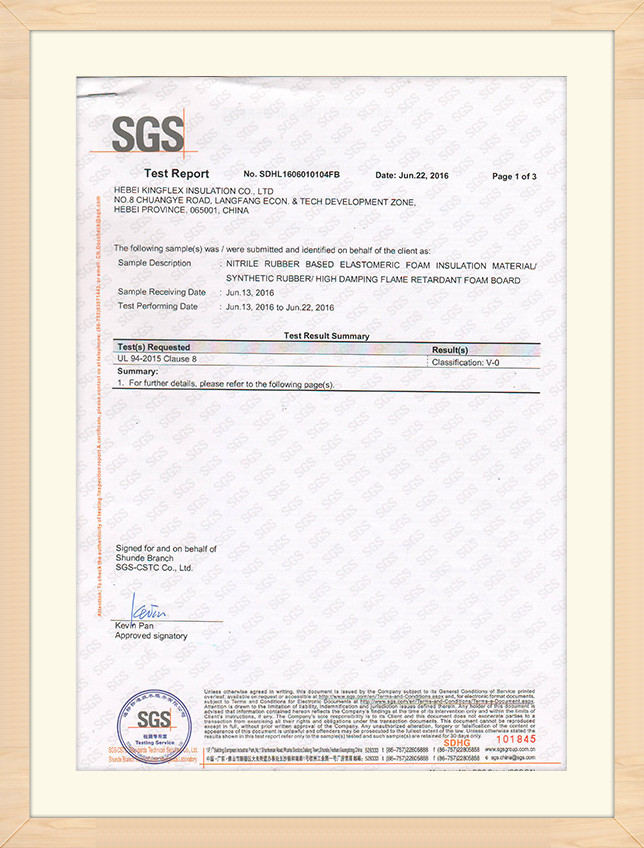
Every production run undergoes strict quality checks under our ISO 9001 and ISO 14001 certified workflows. Product testing profiles are fully traceable from raw NBR/PVC monomer feedstocks to the final extruded tubes and sheets. Our insulation complies with BS 476 (Class 0 and Class 1), CE (EN 14304), REACH, RoHS, UL94, and ASTM standards, which ensures frictionless customs clearances and engineering approvals worldwide.
Shipping lightweight elastomeric insulation by sea requires structural preservation of the foam cell matrix. Kingflex uses vacuum-assisted compression packaging and protective outer poly-shrouds. This technique prevents volumetric loss and physical deformation during long ocean transits, allowing materials to deploy with their specified thickness and thermal efficiency intact.
Kingflex Insulation Co., Ltd. operates as a combined manufacturing and trading enterprise specializing in thermal and cryogenic insulation systems. Our central research, development, and production facility is located in Dacheng, China—a hub for green building materials. Kingflex integrates research, engineering, and distribution to deliver energy-efficient insulation solutions.
Core operations focus on energy conservation, offering consultation, custom product design, production, and installation guidance. Our materials are used globally across construction, petroleum processing, chemical plant engineering, national defense systems, aerospace facilities, and cleanroom environments.
Established by the Jinwei Group, which has over 40 years of history since its founding in 1979, Kingflex continues its legacy. Jinwei Group was the first manufacturer of thermal insulation materials north of the Yangtze River, paving the way for our specialized polymer formulations and automated manufacturing techniques.
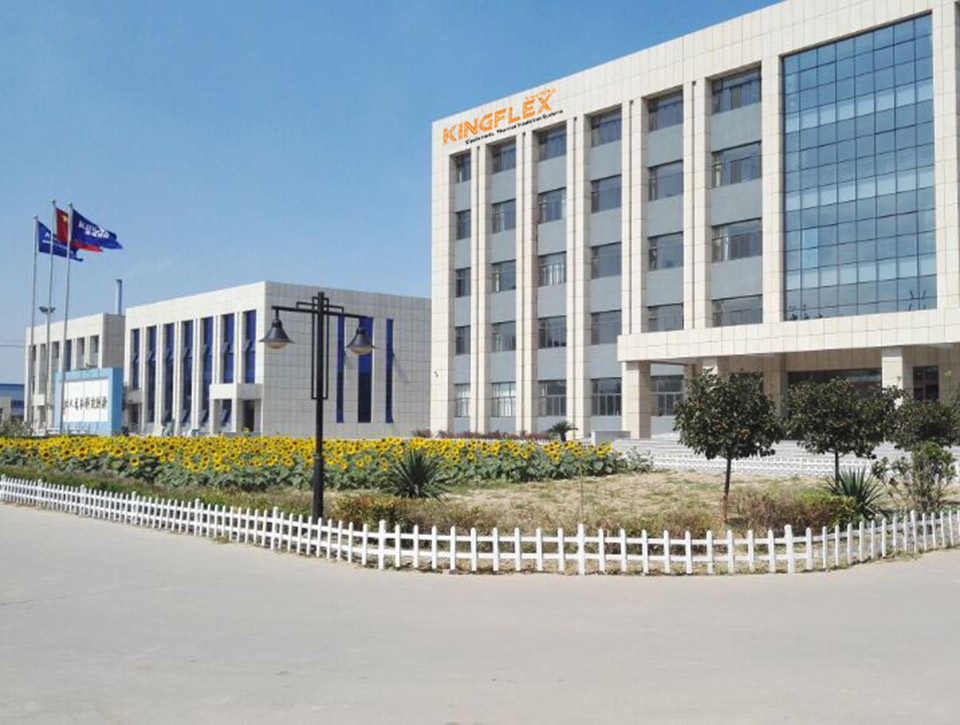
Kingflex operates 5 large-scale automated assembly lines. Our annual production capacity exceeds 600,000 cubic meters of finished insulation. We are a designated production enterprise certified by the Ministry of Energy, the Ministry of Electric Power, and the Ministry of Chemical Industry of China.
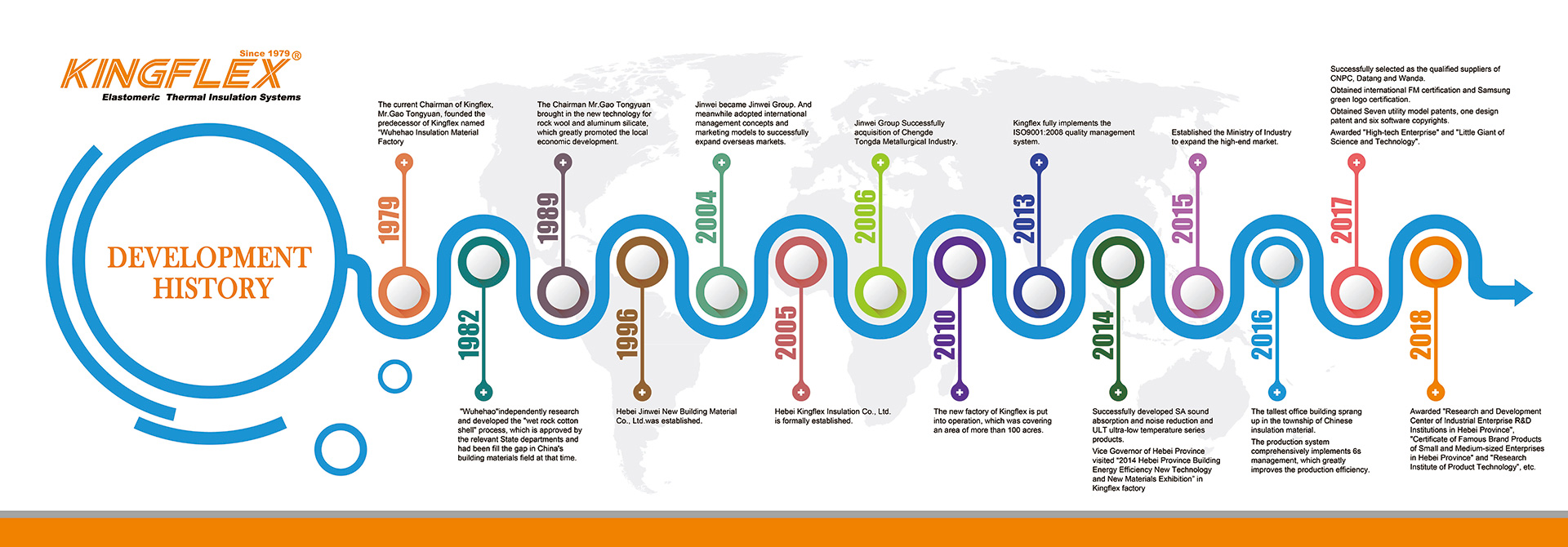
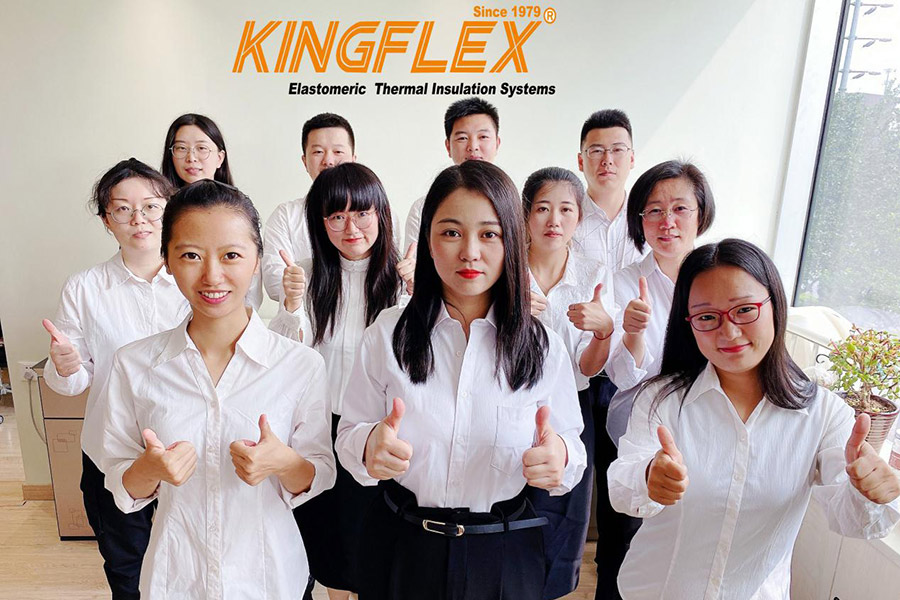
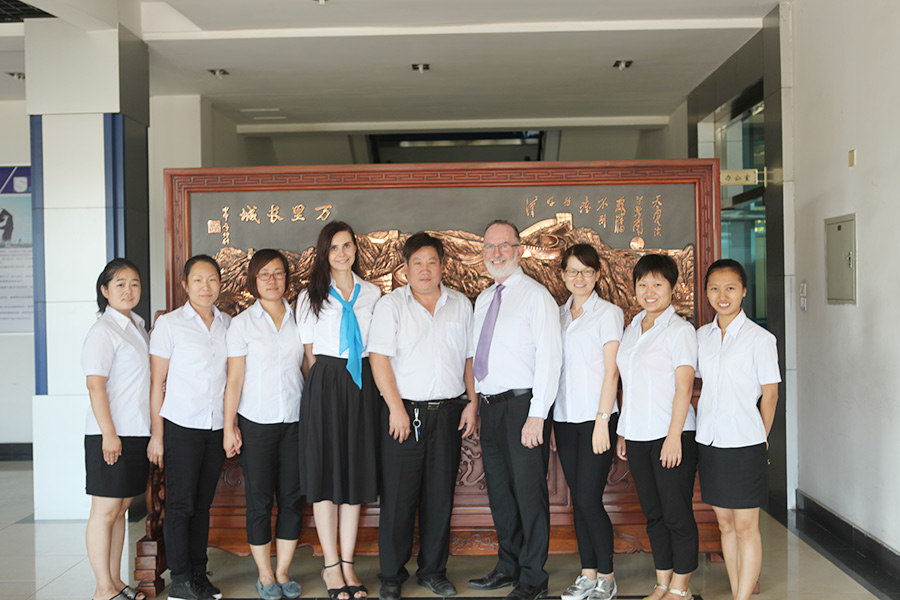
Our operation is run by a dedicated team. Our staff includes 8 professional engineers in our R&D department, 6 international B2B sales consultants, and 230 technicians on our production floor, all working together to support global B2B projects.
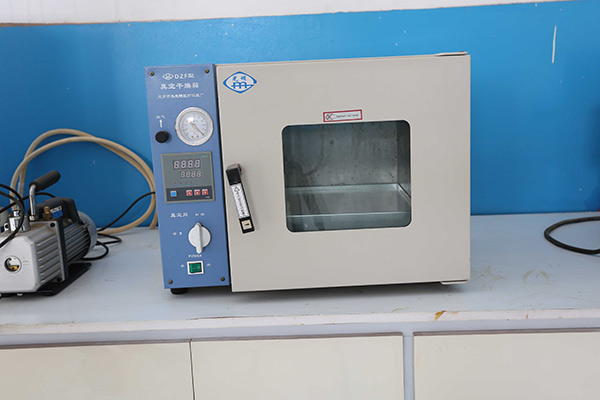
Our R&D facility works to improve thermal conductivity profiles at cryogenic temperatures. We run continuous material testing and analysis to verify polymer aging characteristics, flame spread rates, and mechanical recovery after load compression.

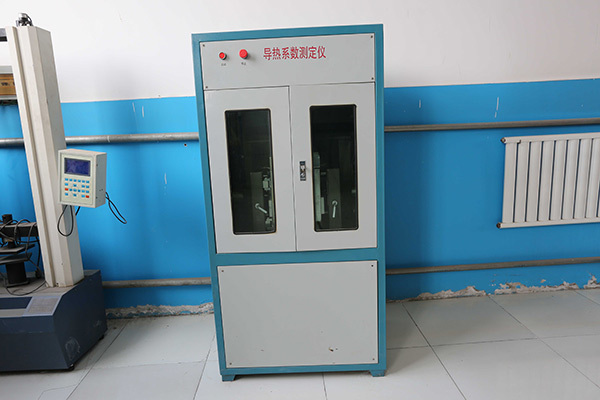
Verified production processes, international quality approvals, and direct communication logs with active industrial clients.
Our materials undergo regular compliance audits at accredited third-party labs to verify fire protection parameters, chemical composition safety, and mechanical performance specs.

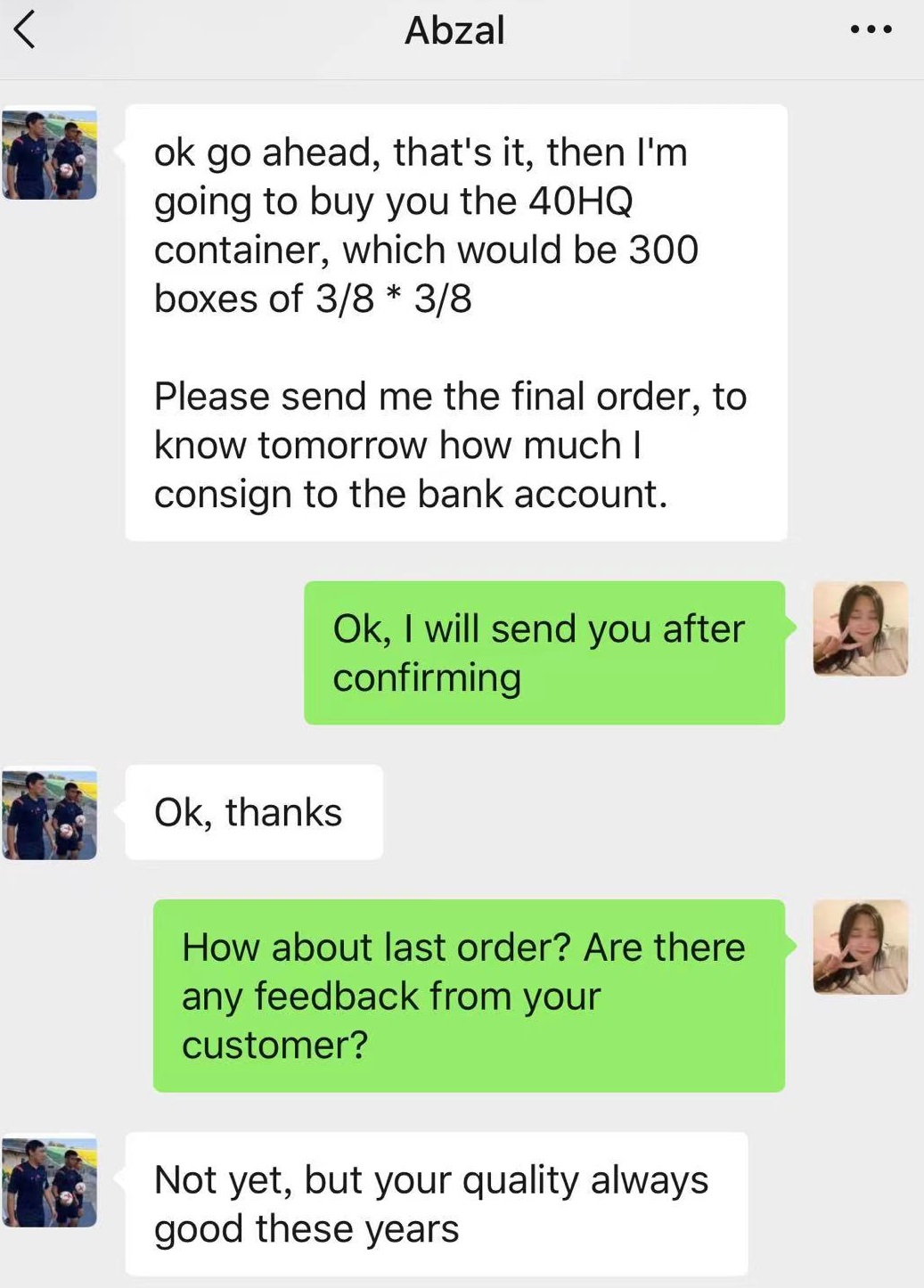
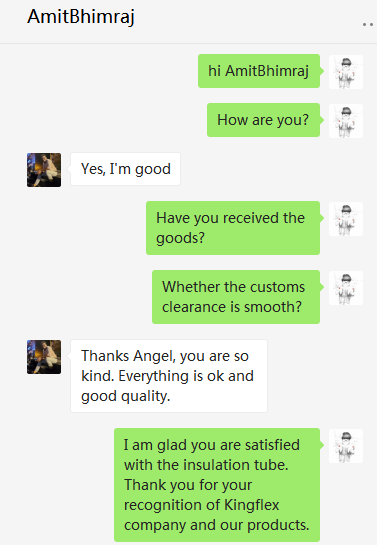
These verified communication logs demonstrate how we assist field engineers, logistics coordinators, and project buyers with specification changes, packaging customizations, and tracking shipments.


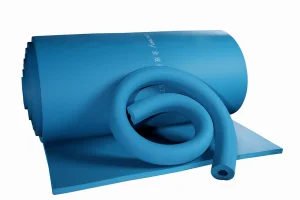
Detailed design specifications for sheets and extruded pipes, engineered for sub-zero temperature ranges.
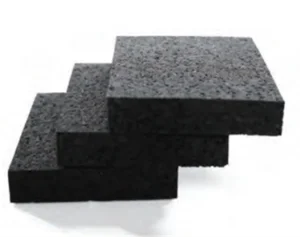
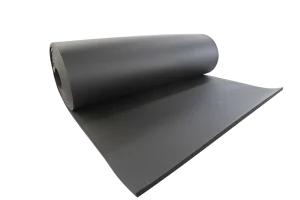
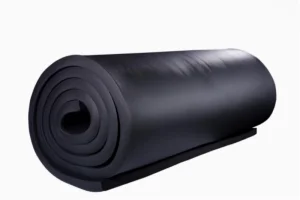
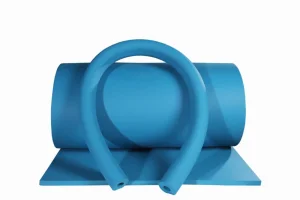
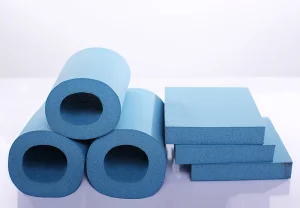
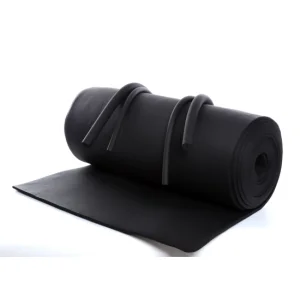
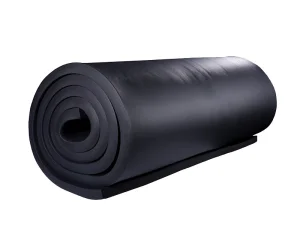
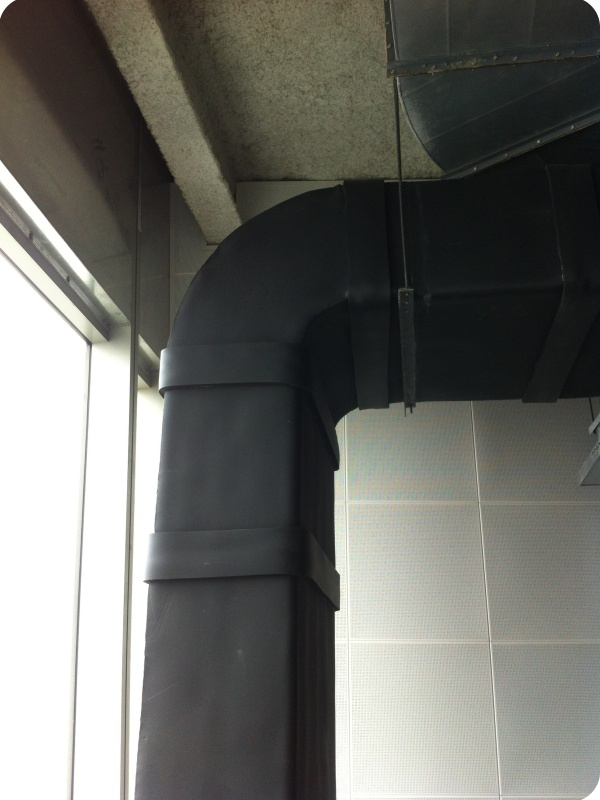
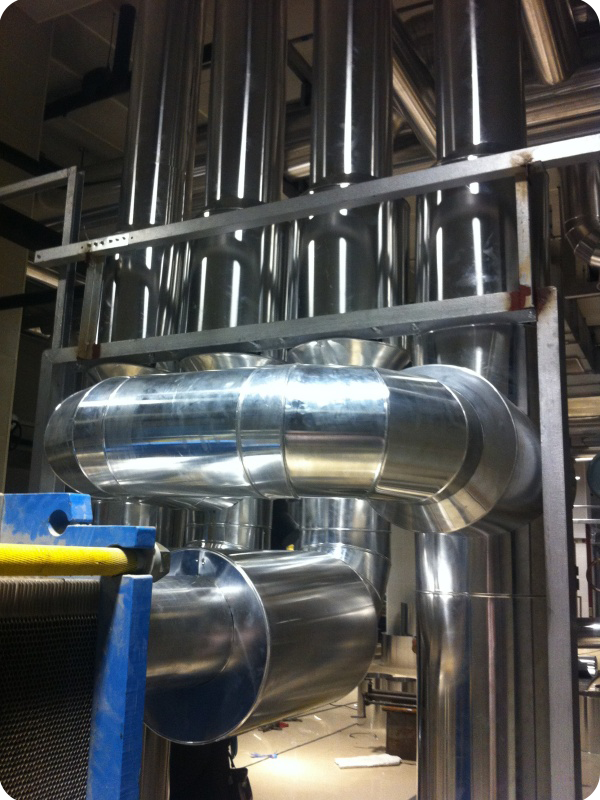
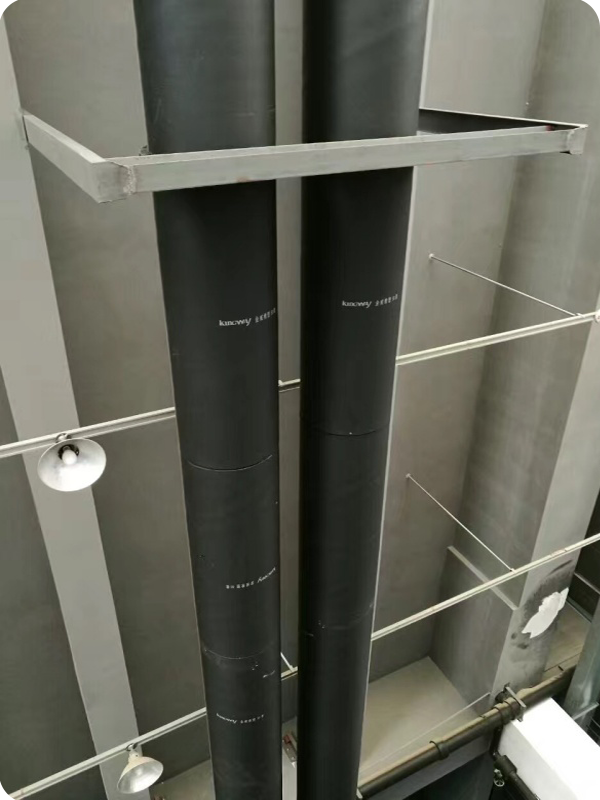
An elastomeric insulation solution designed for large-diameter storage vessels, ductwork, and wide process piping systems.
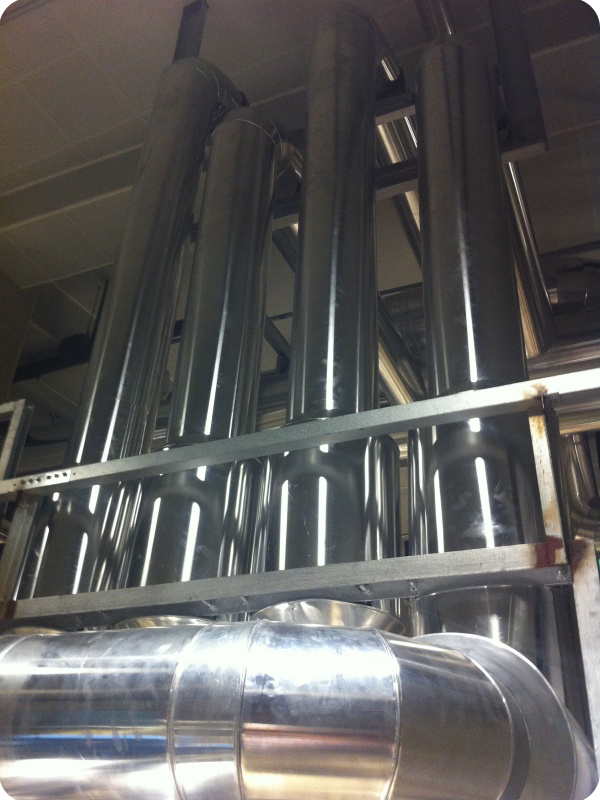
| Material Base: | NBR/PVC Copolymer Blend |
| Thickness Range: | 6mm to 50mm |
| Density Range: | 40 to 55 kg/m³ |
| Service Temp Range: | -40℃ to +105℃ |
| Cellular Structure: | >98% Closed-Cell Rate |
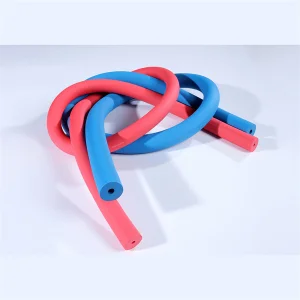
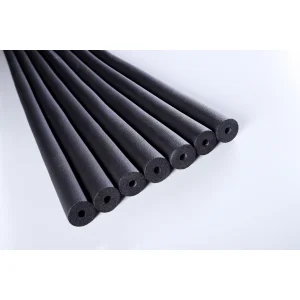
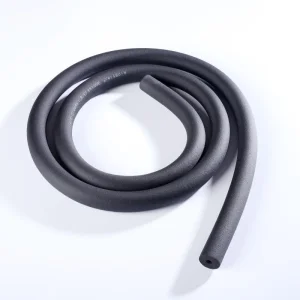
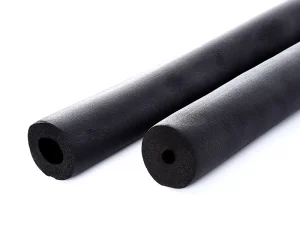
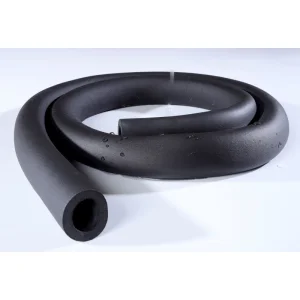
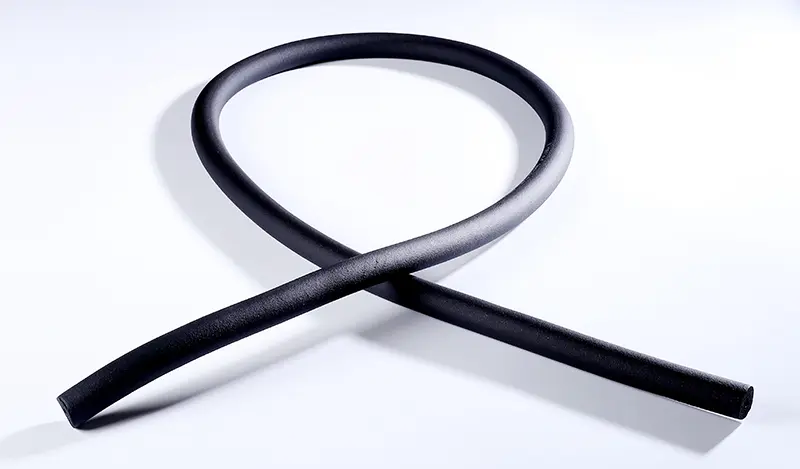
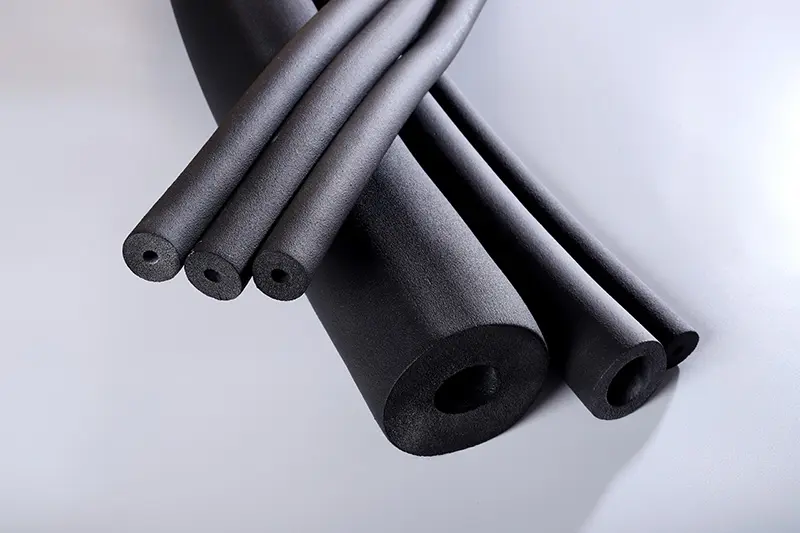
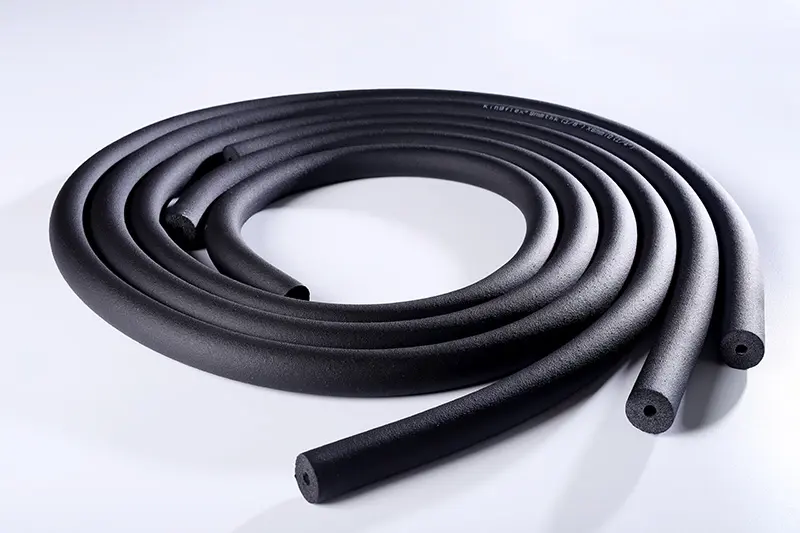
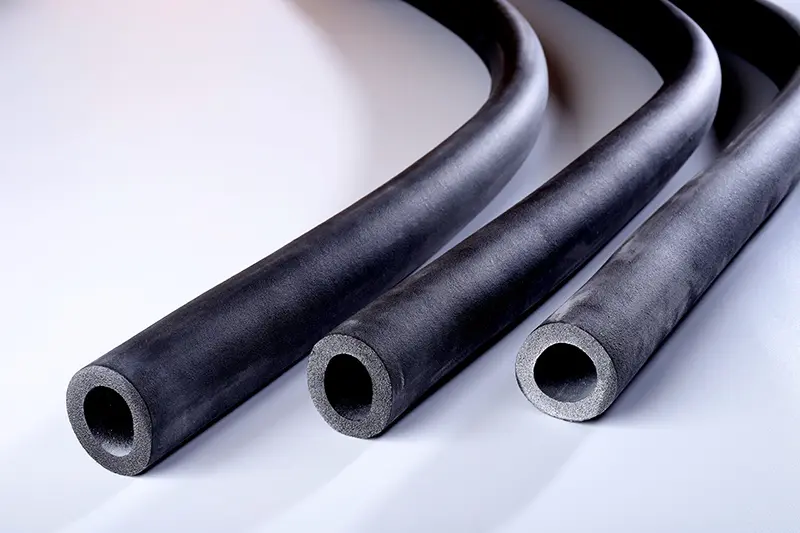
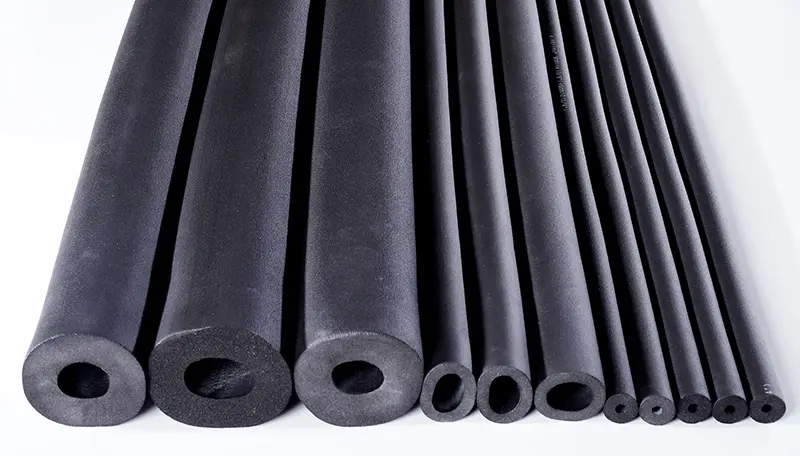
Extruded hollow pipe tubes designed for direct installation on chilled water lines, glycol lines, and process industrial pipes.
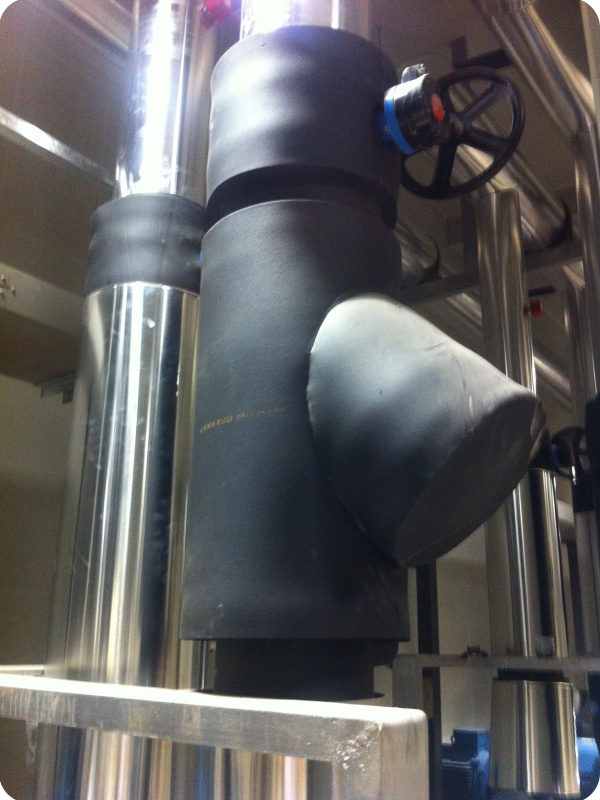
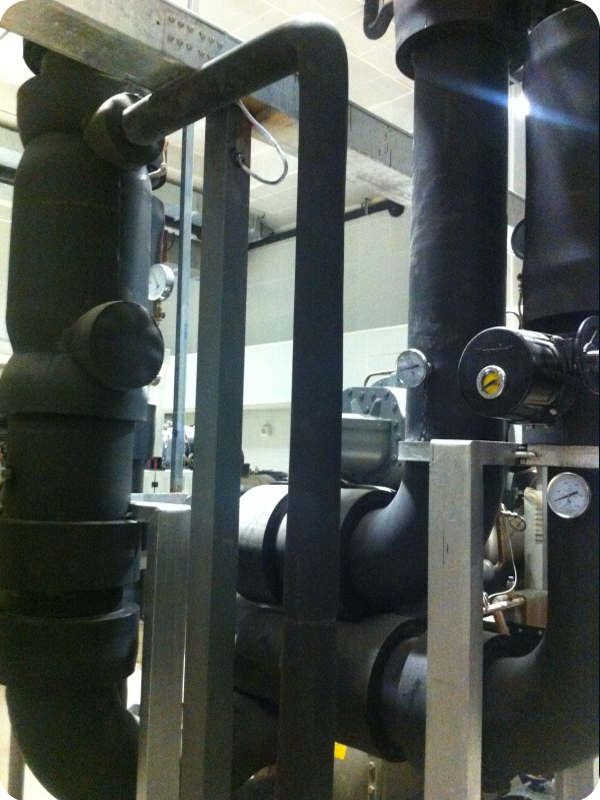
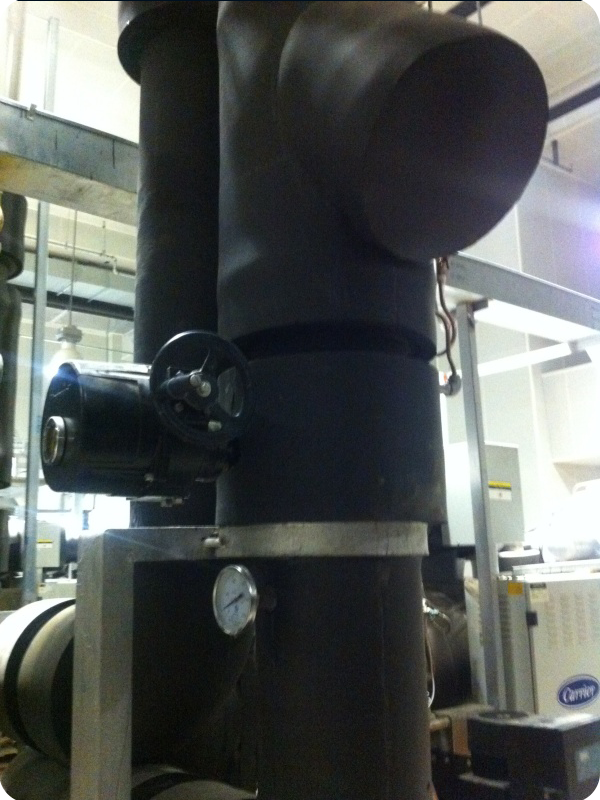
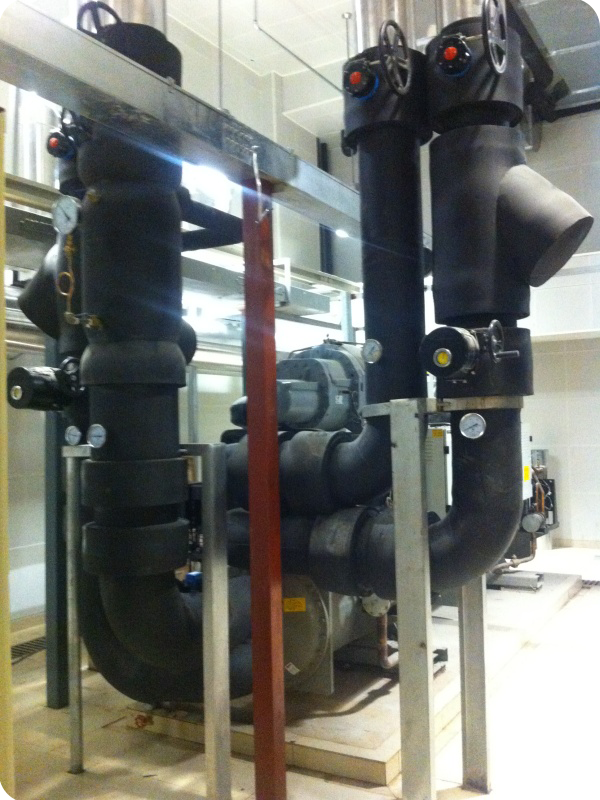
| Material Base: | NBR/PVC Copolymer Blend |
| Wall Thickness: | 9mm to 40mm |
| Inner Diameter (ID): | 6mm to 114mm |
| Service Temp Range: | -40℃ to +105℃ |
| Application: | Cold Storage, Chilled Water, Industrial Process |
Helping procurement teams evaluate material characteristics for cryogenic and industrial system designs.
| Material Class | Thermal Conductivity ($\lambda$ at 0°C) | Water Vapor Resistance ($\mu$ Value) | Temperature Operating Limits | Flammability Rating | Susceptibility to CUI |
|---|---|---|---|---|---|
| Kingflex Cryogenic NBR/PVC | $\le 0.034$ W/(m·K) | $\ge 10,000$ (Integrated Barrier) | -40℃ to +105℃ | BS 476 Class 0, UL94 V-0 | Low (Closed-Cell Shield) |
| Cellular Glass (Foam Glass) | $\approx 0.042$ W/(m·K) | $\infty$ (Absolute Vapor Seal) | -260℃ to +430℃ | Non-combustible | Low (But highly brittle) |
| Polyurethane (PUR / PIR) | $\approx 0.024$ W/(m·K) | Requires external cladding | -200℃ to +120℃ | Class B1 / B2 | Medium (Vulnerable if vapor barrier fails) |
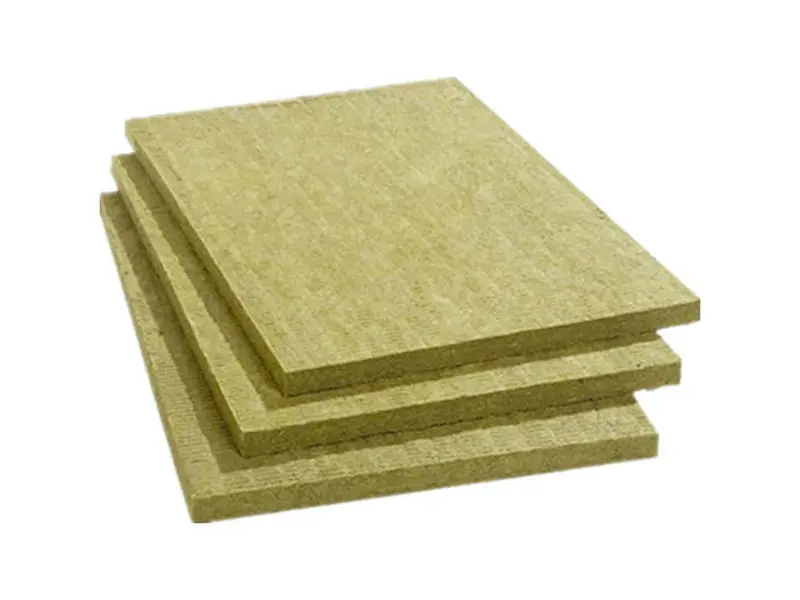
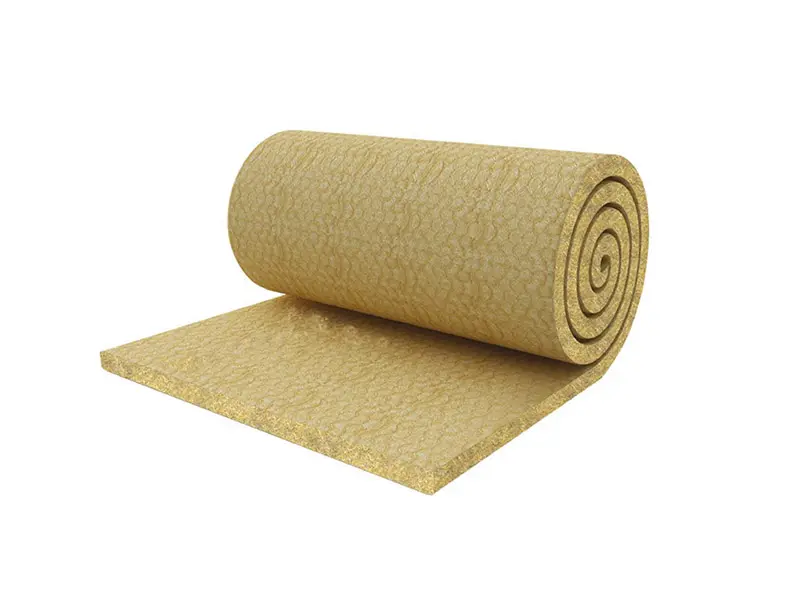
| Rock Wool (Stone Wool) | $\approx 0.038$ W/(m·K) | 0 (Requires external jacket) | Ambient to +650℃ | Non-combustible | High (Retains moisture against metal) |
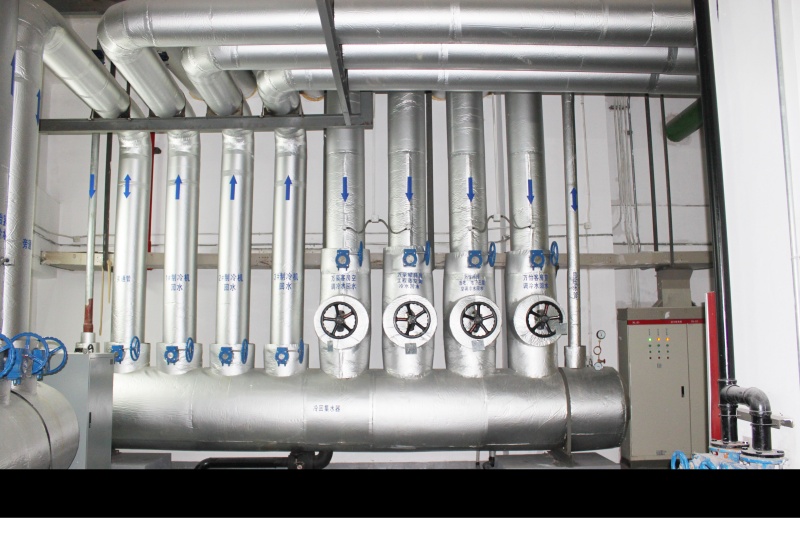
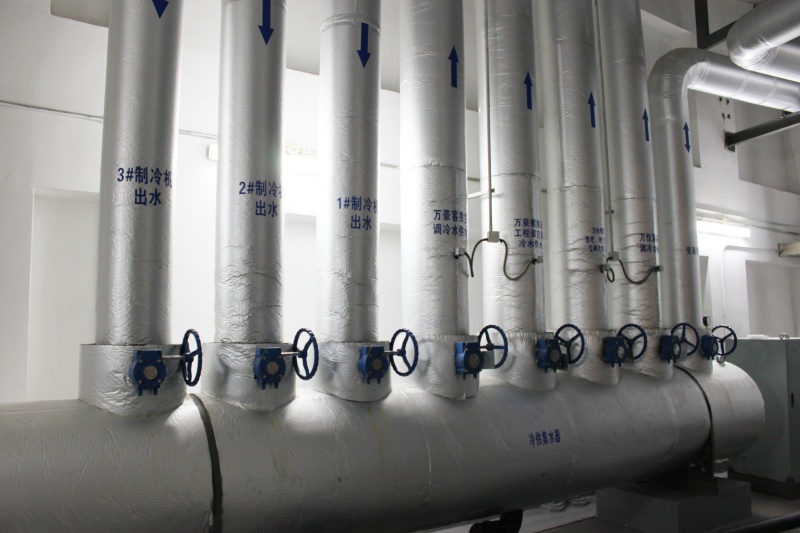
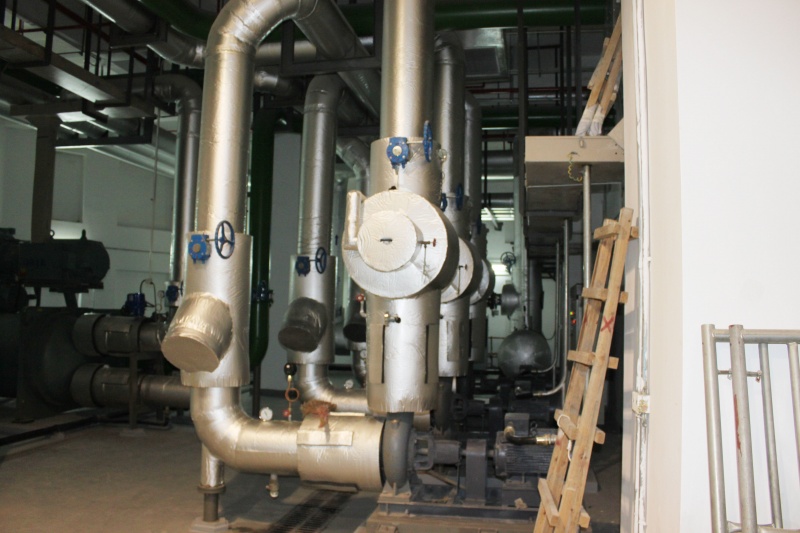
Our products are applied across heavy industry, commercial construction, and low-temperature process piping.
Condensation control on refrigeration lines, dual-temperature chillers, and large commercial ductwork systems.
Thermal control on low-temperature gas supply piping, liquid oxygen lines, and distribution headers.
Insulation for liquified natural gas bunkering lines, tanker piping, and coastal storage facilities.

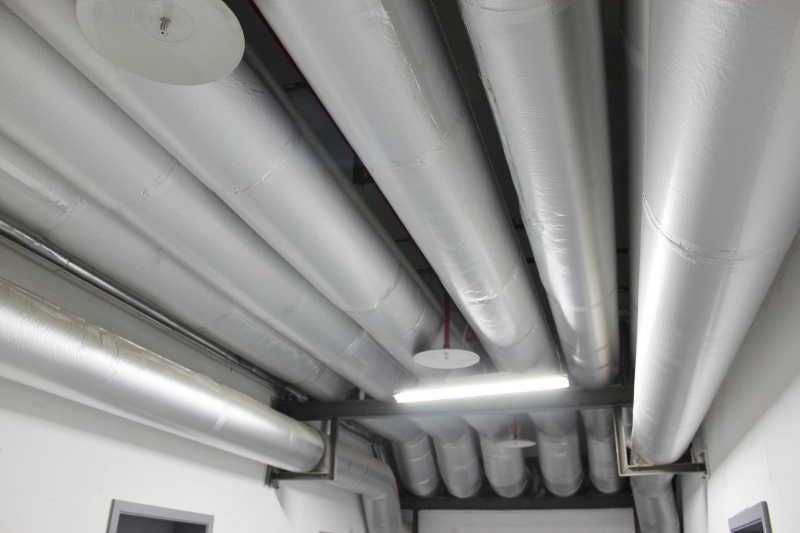
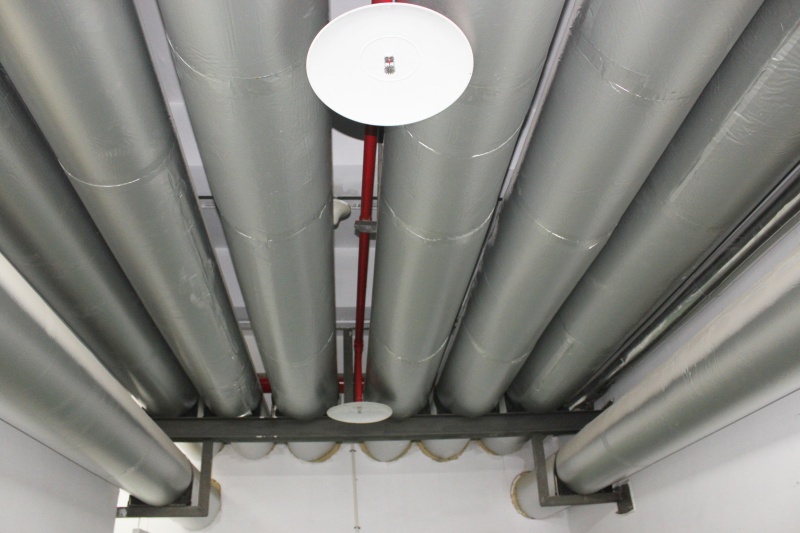
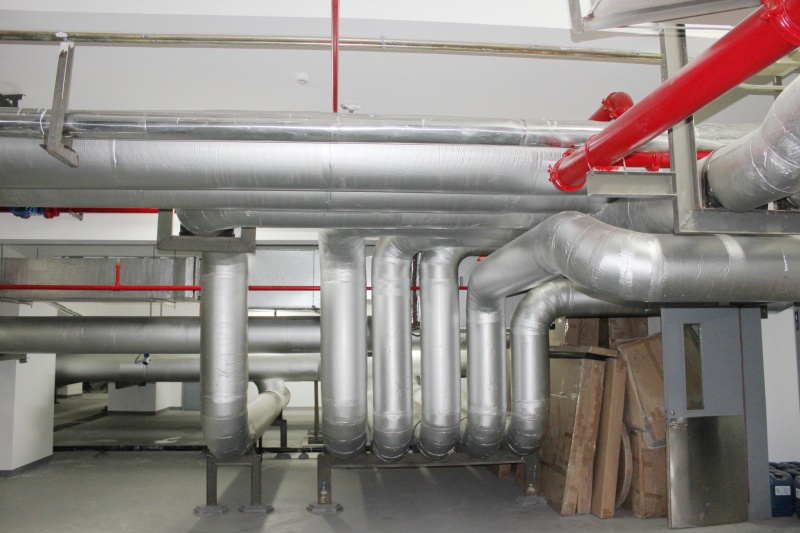
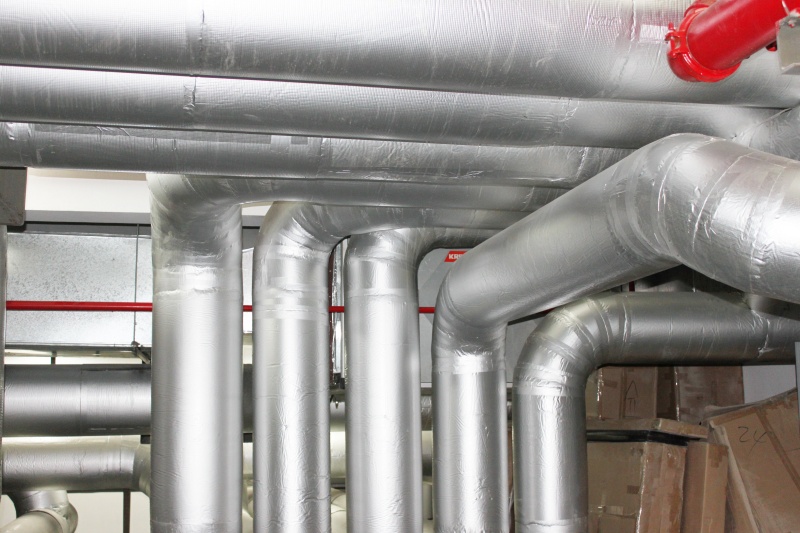
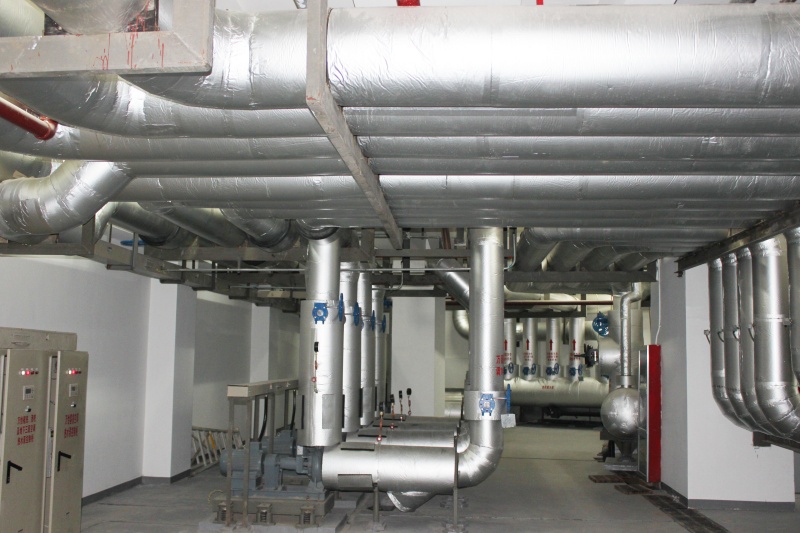
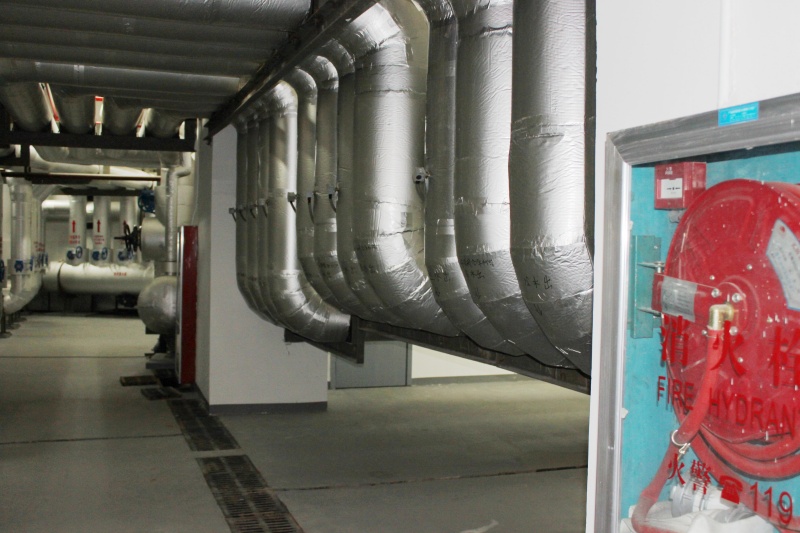
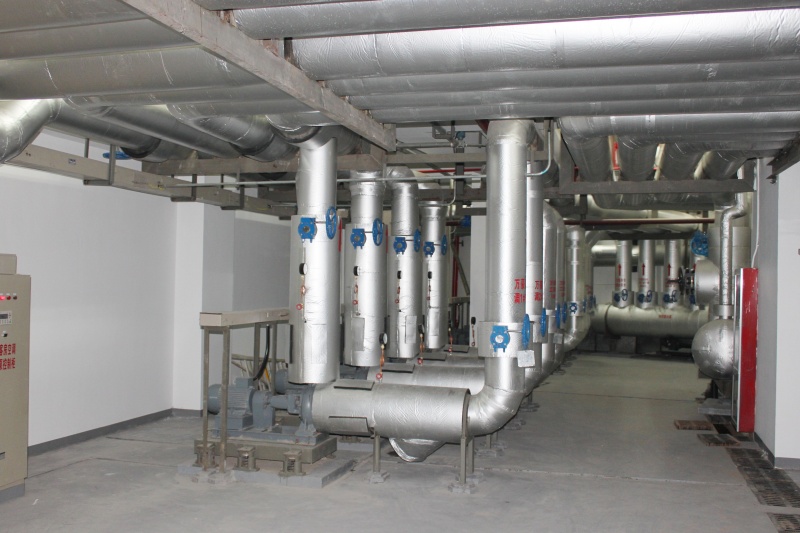
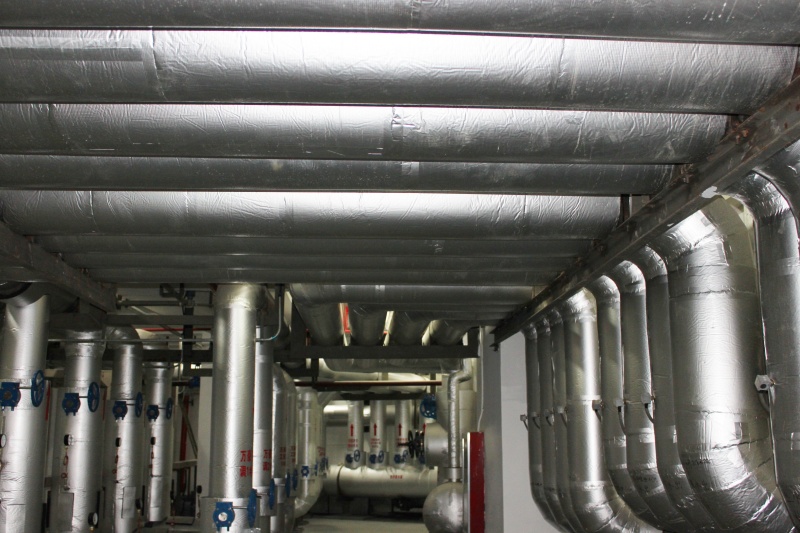
Development directions of modern high-performance polymer insulations.
Researching aerogel particulate incorporation within the standard NBR/PVC polymer compound. Our goal is to achieve thermal conductivity values down to $\lambda \approx 0.026$ W/(m·K), reducing required wall thicknesses for space-restricted installations.
Transitioning toward environmentally friendly chemical blowing agents that generate carbon-neutral, zero-GWP (Global Warming Potential) emissions during vulcanization, meeting sustainable building regulations.
Optimizing plasticizer levels to keep NBR/PVC compounds flexible down to -100℃, helping to prevent cracking caused by extreme cold stresses.





Addressing design questions, product specification parameters, and industrial engineering considerations.
Broad-range thermal barriers for HVAC, commercial installations, and process facilities.
Complementary rock wool and elastomeric systems for high and low temperature applications.

How our technical sales team supports procurement and design requirements.
Provide project specifications, design temperatures, dimensions (inner diameter for piping/thickness requirements for sheets), and certification needs.
Our engineering team performs calculations to determine appropriate thickness limits and prevent surface condensation based on ambient conditions.
We provide a formal quote detailed by item type, packaging dimensions, container logistics, and payment options (FOB, CIF, CFR).