 Kingflex
Kingflex
Kingflex
Engineered for ultimate thermal resistance, acoustics, and moisture barrier integrity.
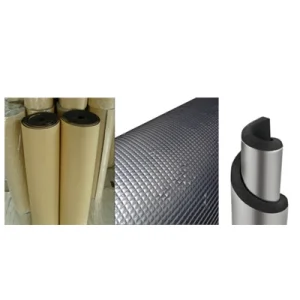
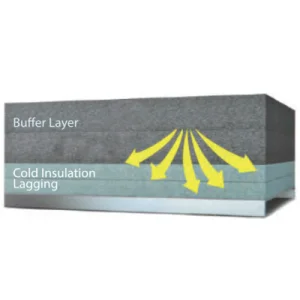
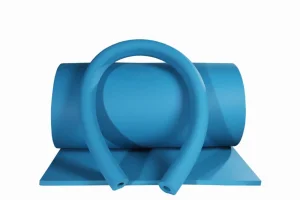

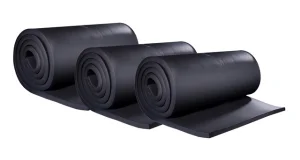
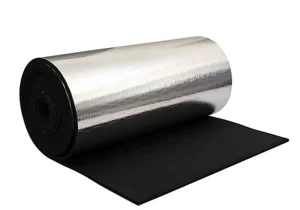
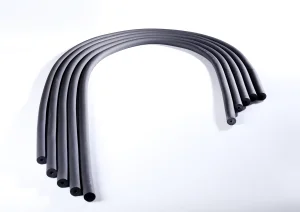
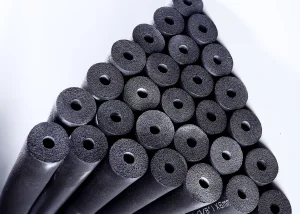
In modern industrial manufacturing and HVAC engineering, pipeline thermal insulation plays a critical role in energy conservation, process control, and safety management. System operations rely on maintaining fluid temperatures, avoiding condensation, minimizing thermal loss, and suppressing structural acoustic transmission. This whitepaper analyzes the properties, deployment strategies, and technical integration of closed-cell elastomeric rubber foam (NBR/PVC) systems, detailing step-by-step installation instructions, global industrial scenarios, and procurement economics.
As international construction and environmental standards tighten, specifying low-conductivity, high moisture-resistant insulation materials has become essential. Choosing flexible elastomeric materials ensures long-term thermal efficiency, resistance to degradation, and lower operational overheads compared to traditional fiber-based products.
Selecting NBR/PVC closed-cell elastomeric systems helps mitigate Corrosion Under Insulation (CUI) and limits convective heat transfer. Standardized installation procedures prevent vapor path creation and maintain the design's physical properties over a 10 to 15-year lifecycle.
Kingflex elastomeric rubber foam insulation is formulated with a high-performance Acrylonitrile-Butadiene/Polyvinyl Chloride (NBR/PVC) matrix. This chemical structure provides high elasticity, low thermal conductivity, and built-in flame retardancy. The manufacturing process uses advanced gas-expansion technology to create a closed-cell structure with uniform micro-cavities that resist moisture infiltration.
| Physical Property Parameter | Standard Testing Values | Reference Test Standards |
|---|---|---|
| Thermal Conductivity (λ) | ≤ 0.034 W/(m·K) at 0 °C | ASTM C518 / ISO 8301 |
| Service Temperature Range | -40 °C to +105 °C (Specialty Cryogenic to -200 °C) | ASTM C534 |
| Moisture Resistance Factor (μ) | ≥ 10,000 (Vapor Diffusion Barrier built-in) | BS EN 12086 / DIN 52615 |
| Closed-Cell Rate | ≥ 98% | GB/T 10799 |
| Apparent Density Range | 40 to 55 kg/m³ | ASTM D1622 |
| Flame Spread / Smoke Index | Class 0 / Class 1, Self-Extinguishing, UL94 V-0 | BS 476 Part 6 & 7 / ASTM E84 |
| Compression Resilience | ≥ 80% recovery rate after loading | ASTM D1056 |
Proper installation is key to maintaining system efficiency. Improper sealing, excessive compression, or leaving gaps in the vapor barrier can cause condensation, thermal bridging, and energy loss. Follow this professional standard operating procedure (SOP) for installing closed-cell elastomeric tubes and sheets.
Clean all pipelines, fittings, and equipment surfaces to remove dust, scale, grease, and moisture. Do not apply insulation while systems are online. Ensure anti-corrosion coatings are dry and fully cured before starting insulation work.
Determine the outside diameter (OD) of the pipe and matching insulation tube ID. Measure lengths exactly, allowing 5mm of extra material per meter to accommodate thermal contraction and expansion. Avoid pulling or stretching the insulation to fit.
For new pipe assemblies, slide the unslit Kingflex insulation tube onto the pipe. For existing pipes, slit the tube longitudinally using a sharp blade. Keep the cut clean and straight to ensure proper re-sealing.
Apply a thin, even layer of Kingflex specialty contact adhesive to both cut edges. Let it dry to the touch (usually 3–10 minutes depending on humidity). Press the edges together firmly from the ends toward the center, ensuring the seam is fully aligned without tension.
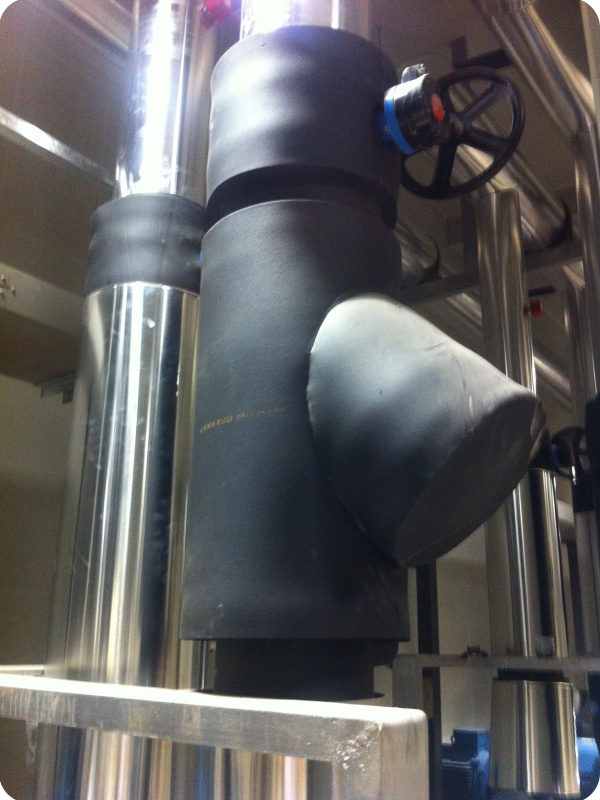
Construct segment elbows and T-joints from pipe insulation sections using mitre cuts (typically 45-degree cuts). Ensure all joint seams are fully glued and sealed. Do not use thin tape alone to close gaps; seal the joints with adhesive first.
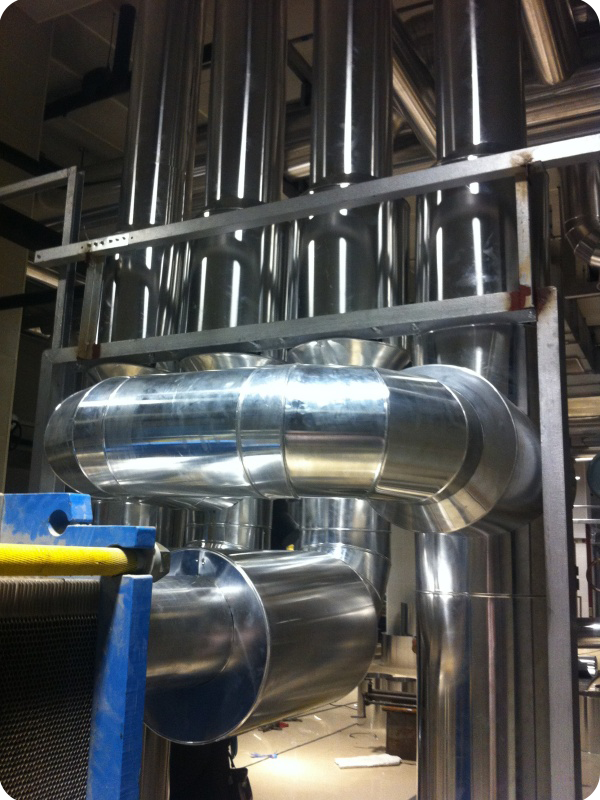
For outdoor or high-humidity applications, cover the insulation with aluminum foil or UV-resistant cladding. Seal all overlaps with matching self-adhesive tape to create a continuous, airtight barrier against moisture and environmental exposure.
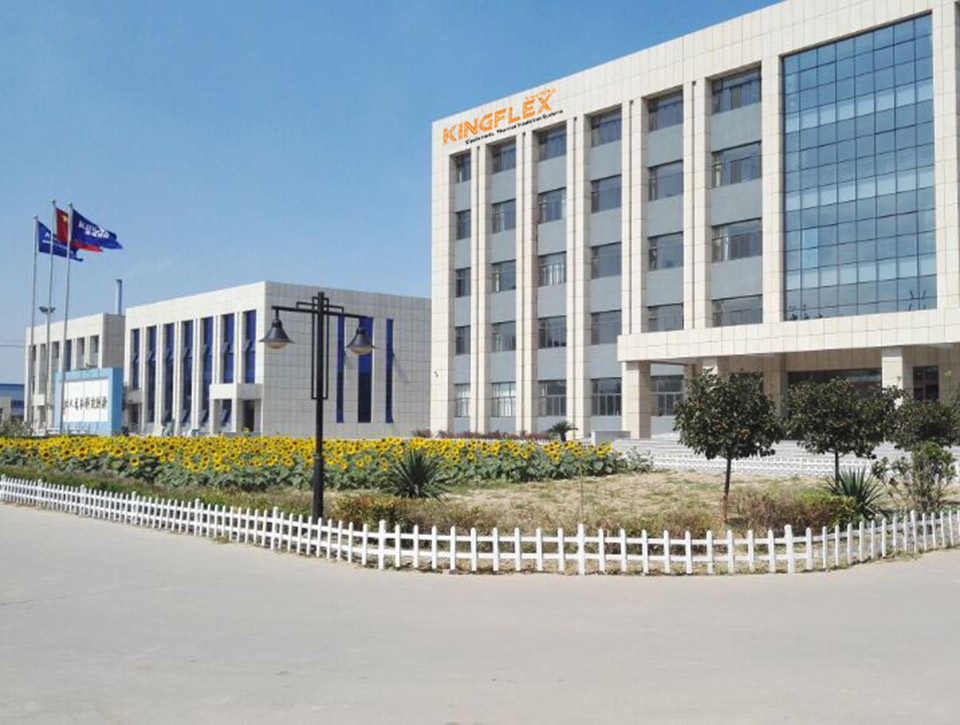
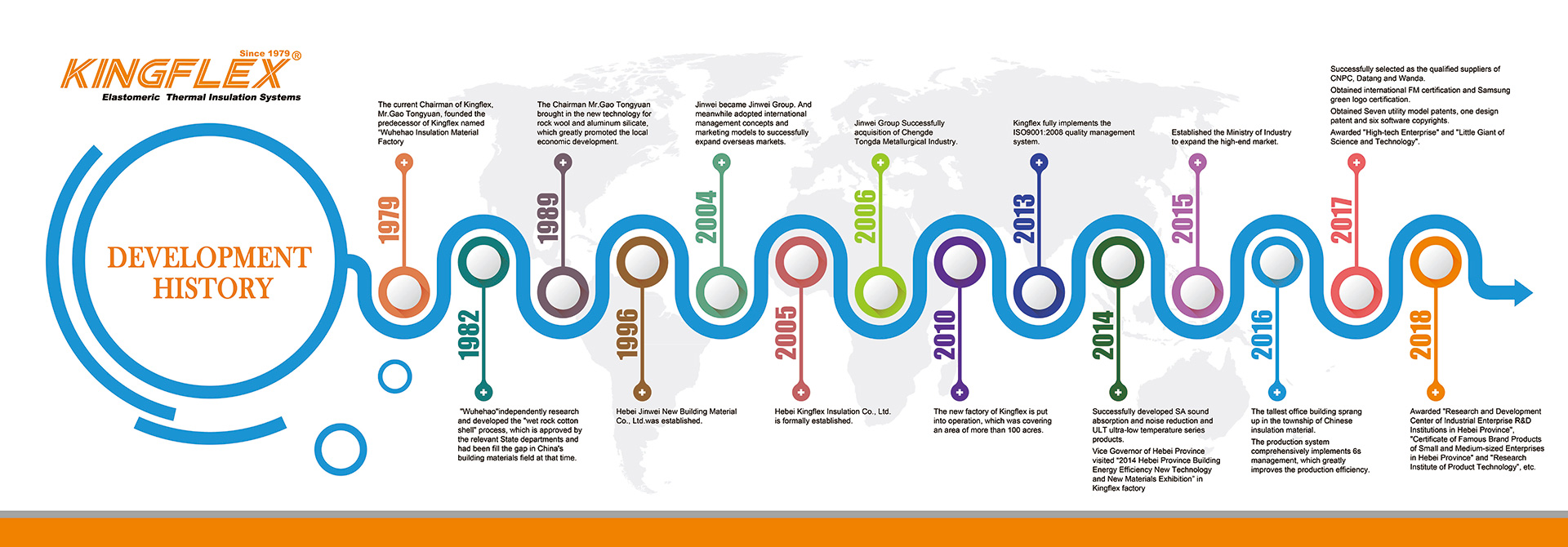
Kingflex Insulation Co., Ltd. is located in Dacheng, China, a recognized hub for energy-efficient building materials. We provide integrated research, development, manufacturing, and technical support. Backed by the Jinwei Group (established in 1979), Kingflex brings over 40 years of manufacturing experience to the insulation industry.
Kingflex operates 5 large automatic assembly lines with an annual capacity of over 600,000 cubic meters. This automated setup ensures consistent cell distribution, precise thickness tolerances, and reliable performance across large batches.
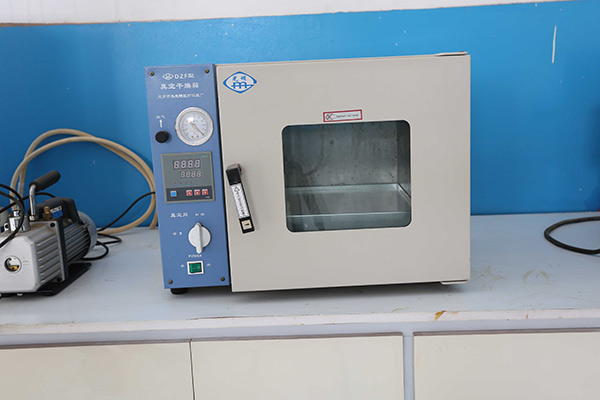
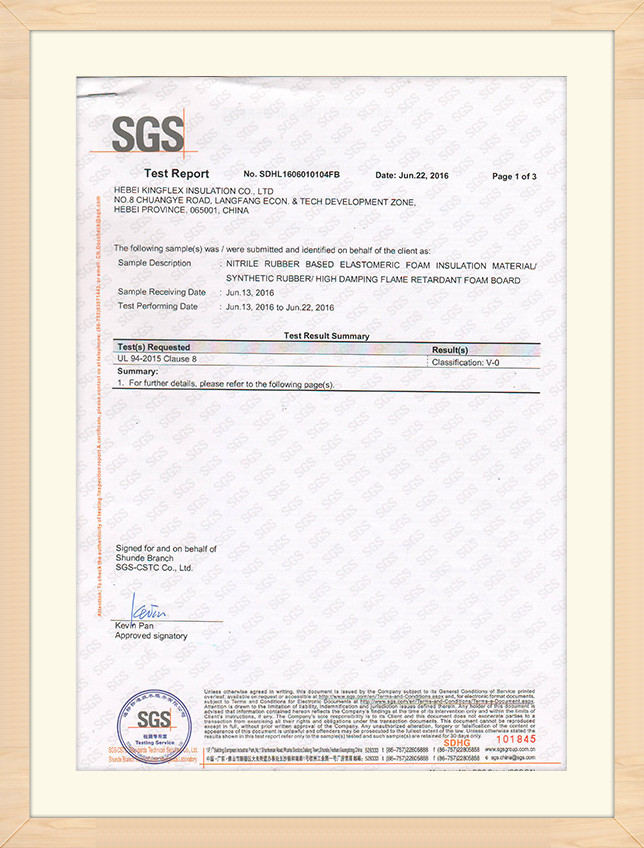
Our manufacturing and quality systems align with global performance criteria, including BS 476, CE, REACH, RoHS, UL94, and ASTM. Every shipment undergoes internal quality testing to ensure traceablity and consistency.
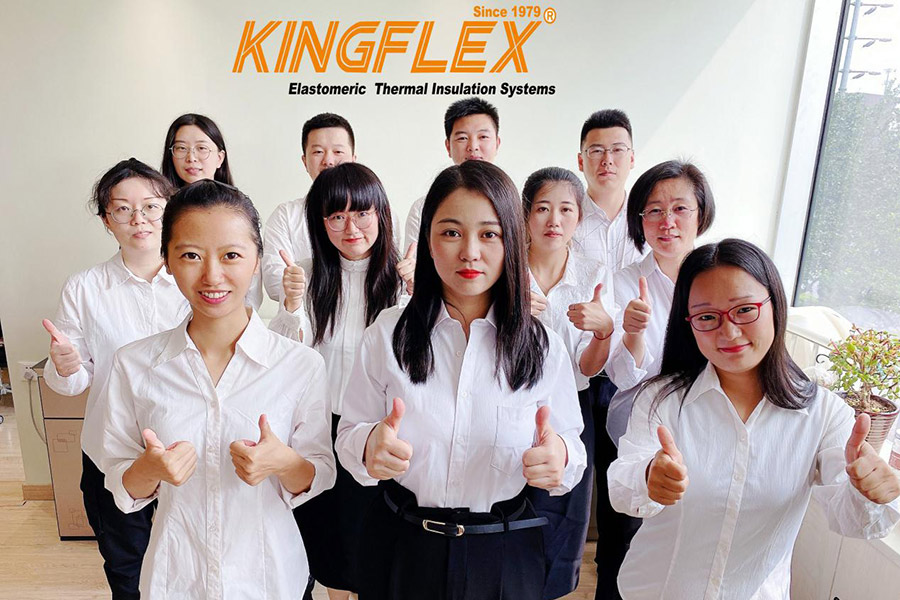
Our engineering team includes 8 R&D professionals and 230 manufacturing staff. This allows Kingflex to customize densities, wall thicknesses, and skin options (such as aluminum foil cladding or colored exterior protective skins) to meet specific project demands.
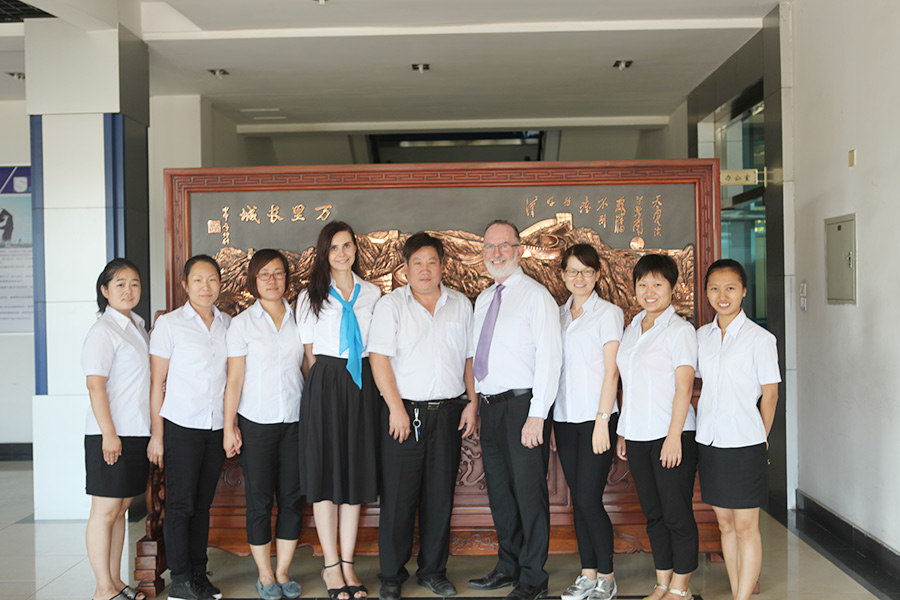
High-precision production systems and clean engineering environments at Kingflex Thermal.

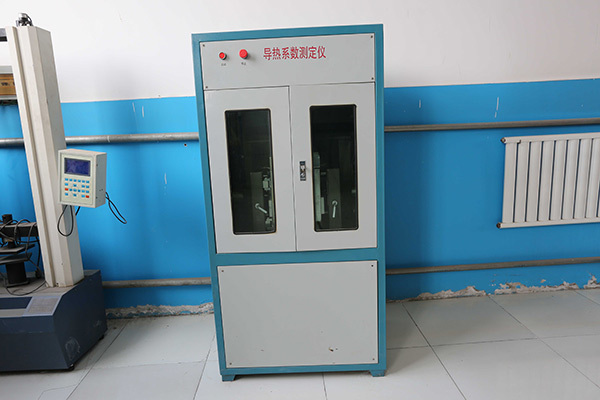
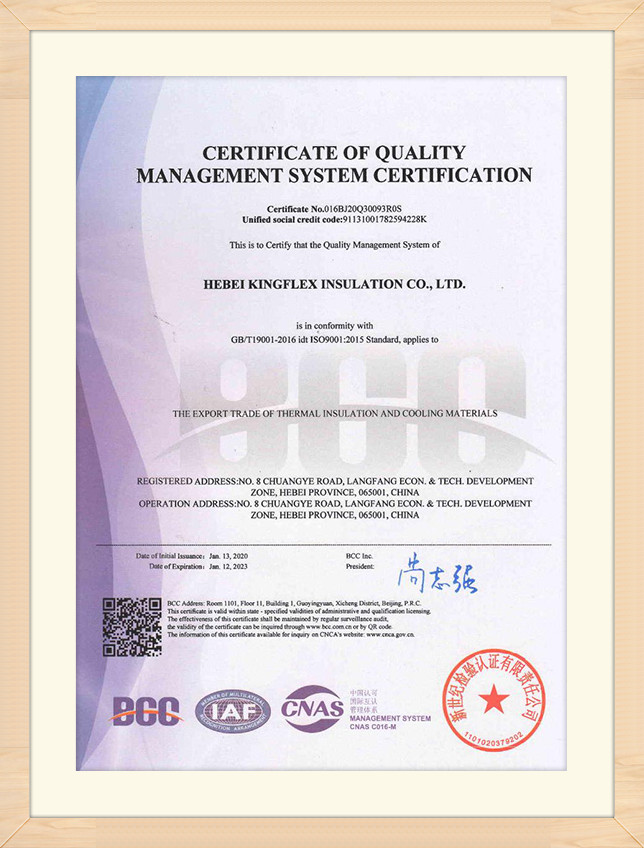
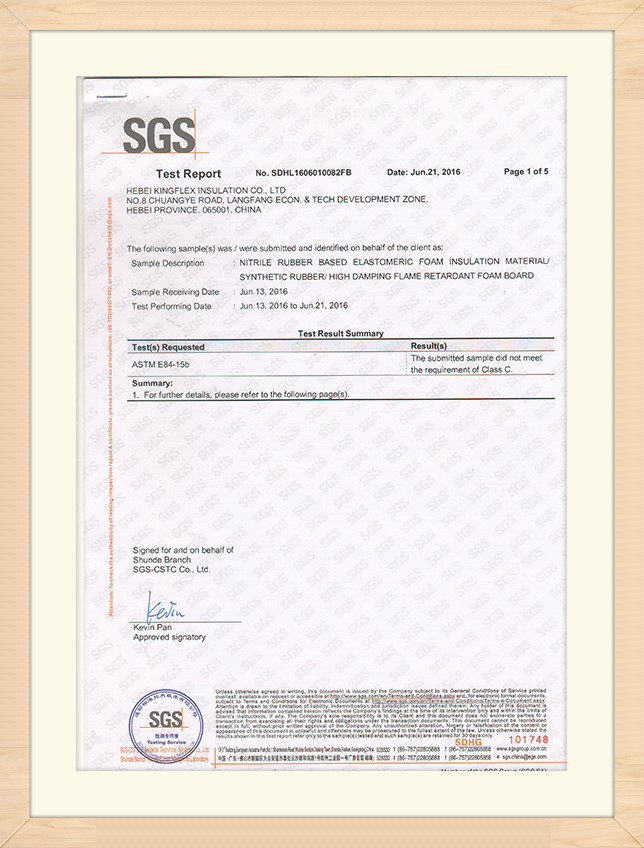
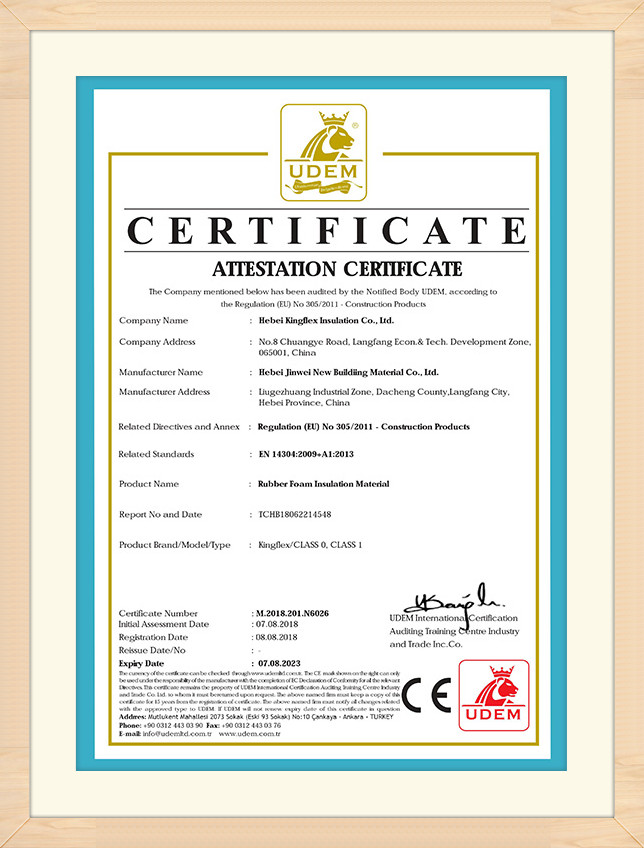

Managing the supply chain for bulk thermal insulation requires balancing transport volume, compression packing, and timeline constraints. Because flexible foam insulation contains gas cells, its shipping volume is relatively high compared to its weight. Kingflex addresses this with specialized packaging and logistics solutions for our partners.
To optimize shipping space and reduce container costs, Kingflex rolls are packed in heavy-duty polyethylene bags with optional vacuum-draw systems that compress the rolls for transport. When opened on-site, the elastic foam bounces back to its original thickness, protecting the material's thermal properties.
Global procurement teams need to ensure that imported materials meet local fire safety and building codes. Kingflex provides test reports for BS 476 (Parts 6 & 7), UL94, DIN, and ASTM, along with tracking documentation to help verify compliance with municipal building codes.
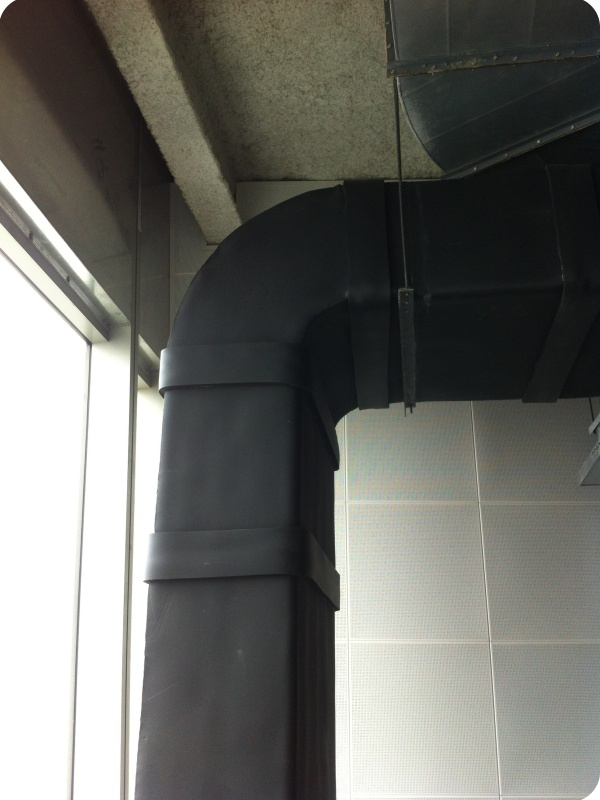
Kingflex elastomeric rubber foam materials are used across a range of industrial, civil, and commercial sectors:
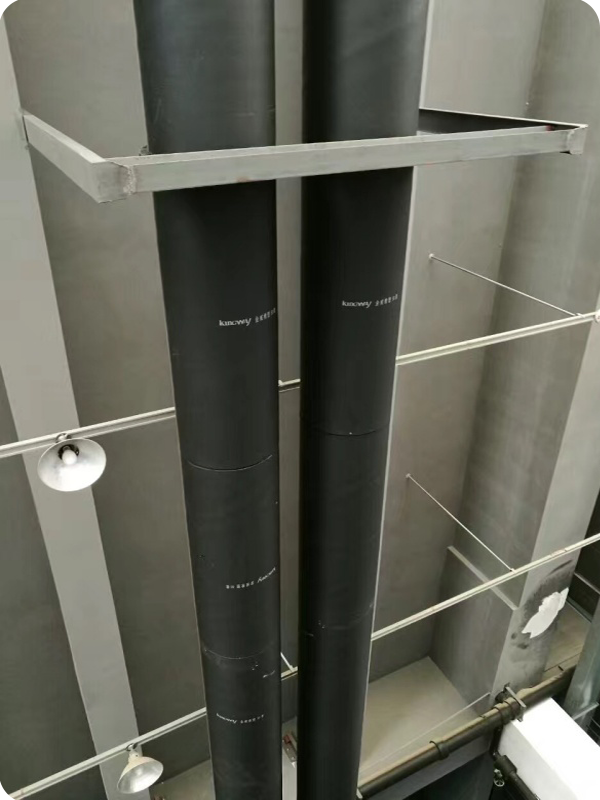
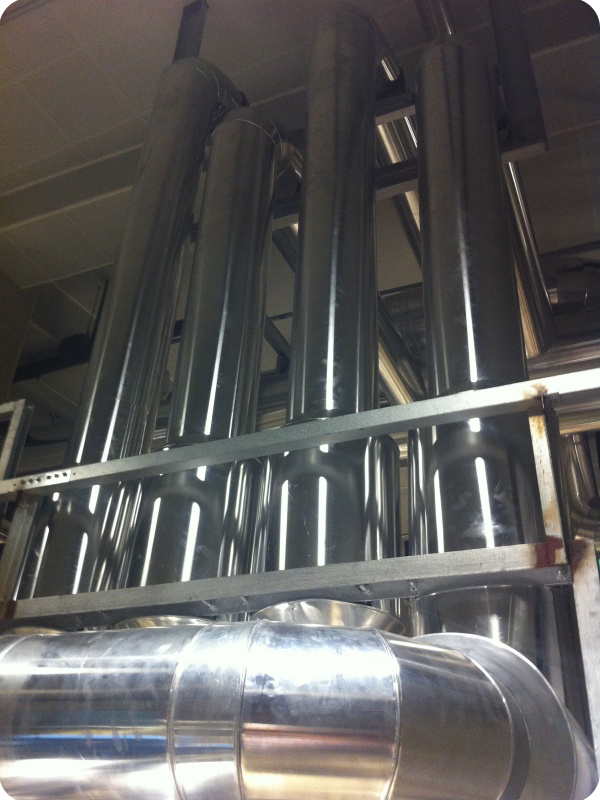


Our complete product line, including cryogenic, acoustic, and high-temperature insulation options.
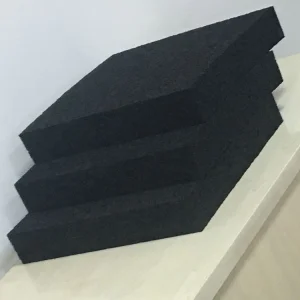
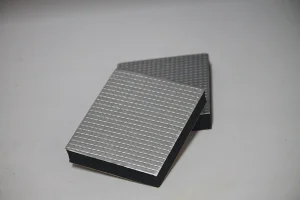
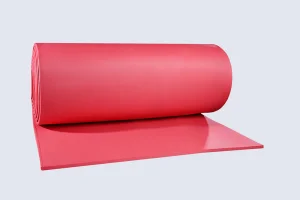
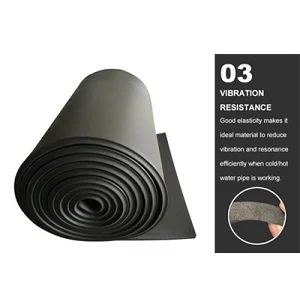
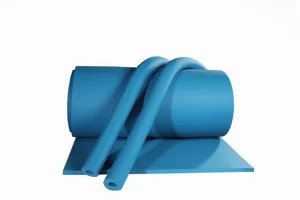
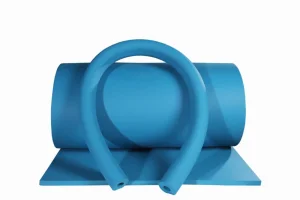
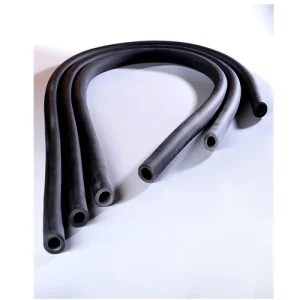
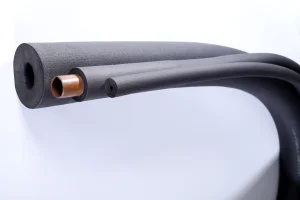
Explore our dedicated lines for cryogenic environments and mineral wool solutions.
Designed for liquid nitrogen and LNG transport pipes down to -200°C.
Get Cryogenic Specs
Ideal for air conditioning and commercial hot water plumbing lines.
Get Tube Dimensions
Provides weathering and mechanical protection for outdoor pipelines.
Get Cladding Specs